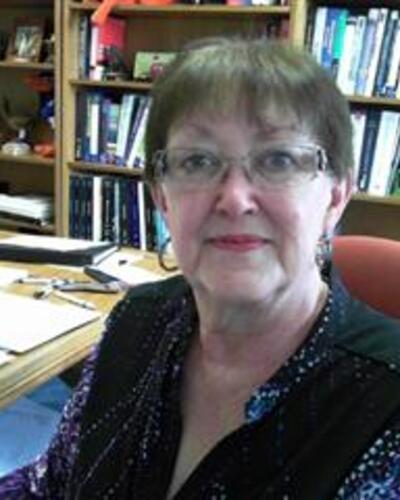
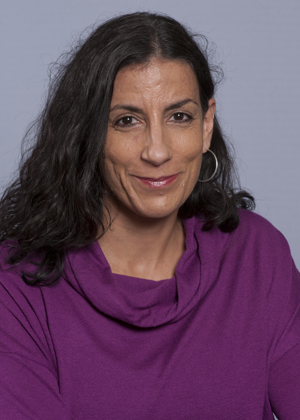
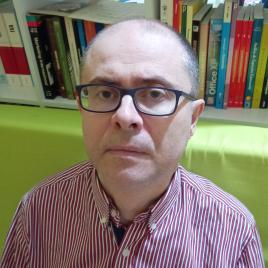
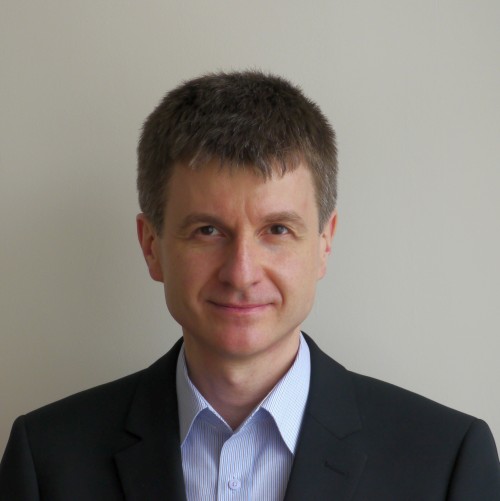
Dr. Elaine Sanders serves as an Associate Professor and holds multiple leadership roles at the University of Texas at San Antonio's Alvarez College of Business. She is the Graduate Advisor of Record, Director of the MACY/150 Hour Program, Accounting Internship Coordinator, and faculty advisor for ALPFA. With degrees from the University of Oklahoma (Ph.D., MACC) and Eastern New Mexico University (B.B.A.), her career includes roles as Department Chair and Director of Graduate Student Services. Her research focuses on two key areas: 1) Judgment and decision-making based on accounting information, and 2) Educational methodologies in accounting instruction and learning assessment. She actively contributes to the American Accounting Association and serves as a journal reviewer. Dr. Sanders' publications span topics from SOX compliance and auditing frameworks to innovative teaching strategies in accounting education. Her recent work emphasizes regulatory changes' impact on audit practices and pedagogical approaches to enhance student success. Her professional service includes internship coordination and leadership in Latino professional organizations. While no formal awards are listed, her extensive service and publication record reflect her contributions to the field.
Marialuisa Di Stefano is an Associate Professor in the Department of Teacher Education & Curriculum Studies (TECS) at the University of Massachusetts Amherst's College of Education. She holds a Ph.D. in Curriculum and Instruction with emphases in bilingual education and cultural studies from Utah State University, where she also completed a postdoctoral fellowship. Her research focuses on enhancing STEAM identities and disciplinary biliteracy in bilingual and dual language settings through an equity and social justice lens. She directs the Western Massachusetts Bilingual Hub and chairs the English Language Learners/Bilingual Education Advisory Council at the Massachusetts Board of Elementary and Secondary Education (BESE). Her work emphasizes culturally sustaining praxis, ethical mentorship, and transformative apprenticeship in integrated STEAM contexts. Di Stefano's education includes a B.A. (2004), M.A. (2006), and another M.A. (2012) from the University of Messina, Italy, and Washington State University, respectively. Her scholarship spans transnational civic education, bilingual education, and inclusive STEM practices. She collaborates with educators and researchers to develop asset-based professional development models and advocate for historically minoritized groups in education. Her publications address topics such as hidden curriculum in engineering, ethical mentoring in STEM, and bilingual students' identity development. She actively engages in policy advocacy through her leadership roles, aiming to create equitable educational systems. Di Stefano’s contributions bridge theory and practice, emphasizing the intersection of language, culture, and justice in education.
Christina Passos DeNicolo is an Associate Professor in the Division of Teacher Education within the College of Education at Wayne State University. Her work focuses on preparing culturally responsive educators for multilingual learners, particularly through innovative pedagogical strategies in bilingual and ESL education. Education: Ph.D. in Social, Multicultural, and Bilingual Foundations of Education – University of Colorado at Boulder M.A. in Elementary Education – University of Michigan, Ann Arbor B.A. in Communication and Spanish – Western Michigan University Her research interests center on literacy and language development among emergent bilingual students. She explores how instructional methods, particularly the use of children's literature and testimonio , can affirm students' linguistic and cultural identities while advancing academic skills. Her scholarship promotes asset-based approaches that recognize the cultural wealth students bring to classrooms. The recent publications highlight a strong thematic focus on bilingual education, equity in assessment, and culturally sustaining pedagogies. Many studies examine classroom practices in Spanish-English dual language settings, emphasizing the integration of students’ home languages and experiences into the curriculum. The recurring use of testimonio as a pedagogical tool reflects a commitment to critical, narrative-centered teaching grounded in Latino epistemologies. Scientific Awards: No awards listed in the provided text. Dr. DeNicolo advises future educators and contributes to curriculum development in ESL and world language education. She teaches foundational courses and those required for teaching endorsements in English as a second language and world language education. While specific grant funding is not mentioned, her involvement in initiatives like the SEED Pathways program suggests engagement in community-focused educational projects aimed at supporting multilingual learners. Her office hours and active teaching schedule indicate ongoing mentorship and academic service. She is actively involved in research teams and collaborative projects focused on bilingual education reform and teacher preparation. Her work often involves partnerships with other scholars in examining implementation challenges and pedagogical innovations in bilingual classrooms.
Dr. Rhiannon Bettivia is affiliated with the University of Illinois, Urbana-Champaign, where she conducts research in digital preservation with a specialized focus on cultural heritage media. Her work centers on film and video, digital and transmediated games, and time-based media art, with an emphasis on developing standards, metrics, and metadata to document historical and contemporary interpretive frameworks for media objects. Her research interests span digital preservation, cultural heritage, media archiving, and heritage informatics. She explores how interpretive contexts for dynamic media can be systematically recorded and preserved, contributing to the sustainability of digital cultural assets. Dr. Bettivia participated in the ACHS 2016 conference, presenting in the session "All and Each: The Dynamics of Scale in Digital Heritage Cultures," reflecting her engagement with critical heritage studies and digital heritage cultures. Though specific publications and awards are not listed in the available text, her work aligns with interdisciplinary efforts in digital curation and heritage documentation. There is no indication of teaching roles, formal academic rank, departmental affiliation, or administrative positions. She appears to be actively involved in academic discourse within the heritage and digital media preservation communities.
Valentina Villa is an Associate Professor at the Department of Structural, Building and Geotechnical Engineering (DISEG), Polytechnic University of Turin. She is also a component of the SISCON Interdepartmental Center, focusing on the safety of infrastructures and constructions. Villa holds significant external roles, including former Head of the 'Building Ergotechnics-Safety' laboratory at the Polytechnic University of Milan (2014–2019) and Contract Professor in 'Building Ergonomics' (2020–2023). She currently supervises multiple PhD students and leads several national and commercial research projects. Research Interests: Her work spans Construction Management, BIM, Construction Safety, Facility Management, Project Management, Building Simulation, Digital Twin Technology, Smart Contracts, and ESG in Construction . She integrates digital innovation with sustainability and resilience, particularly in civil and historical infrastructure. Her research aims to improve decision-making, safety, and lifecycle performance in construction projects through advanced modeling and digital tools. Publication Trends: Recent articles (2023–2025) emphasize digital transformation in construction, including blockchain for asset management, digital twins for historical centers, social value in construction, and ESG integration. There is a strong focus on smart contracts, resilient infrastructure, and sustainable practices, reflecting current industry shifts toward digitalization and sustainability. Scientific Awards: No specific awards or fellowships are mentioned in the provided text. Advising and Grants: PhD Students Supervised: Giuseppe Desiderio (Artificial Intelligence), Leonardo Zunino (Civil and Environmental Engineering), Paola Alice Rosa Cavallaro (Design and Technology: People, Environment, Systems). Research Projects: Scientific Director of DiTHiCe (2025–2027), Scientific Manager of PRIN project on digital collaboration (2019–2022), and lead of multiple commercial research projects on BIM implementation, dynamic building characterization, and digital platform development. Public Administration Agreements: Scientific Manager for the recovery of the 'Ex Maternità' building in Asti (2025). Labs and Teams: Villa leads research within DISEG and the SISCON Interdepartmental Center. She previously headed the 'Building Ergotechnics-Safety' laboratory at Politecnico di Milano. Her work involves interdisciplinary teams focusing on digital construction, infrastructure resilience, and sustainable development.
Dr. Julian Martinez Vargas is a Professor in the Department of Accountancy at the Faculty of Economics , Universitat de València. His research focuses on Financial Economics and Accounting , with particular emphasis on corporate income tax accounting, business failure prediction, and cooperative enterprise analysis. PhD in Accountancy from Universitat de València (2005) Specializes in empirical analysis of tax effects in financial statements Develops predictive models using machine learning (XGBoost, GBM) Explores fiscal pressure in cooperative enterprises across regions and industries Recent research trends include: Applying advanced algorithms to financial risk assessment Comparative studies of international stock market indices Analyzing tax treatment of subsidies and donations Investigating financial dynamics in post-conflict regions
António Ferreira is an Assistant Professor at the Institute of Management and Health Organizations (IGOS) at the Catholic University of Portugal (UCP), where he coordinates the Bachelor’s Degree in Management and the Master’s in Applied Management. He holds a PhD and Master’s in Management from the University of Beira Interior (UBI). Prior to joining UCP, he taught for five years at UBI and held roles as an insurance mediator, condominium administrator, management consultant, and trainer. His research focuses on entrepreneurship, strategic alliances, intellectual capital, and SME management, with a strong emphasis on organizational performance and innovation ecosystems. He has presented work at international conferences such as the CIEM (International Entrepreneurship Conference) and the ISEG Lisbon, focusing on topics like strategic alliances’ impact on SME performance and the role of intellectual capital in technological firms. His academic advising includes supervising master’s theses on diverse topics such as revenue management in hotels, healthcare cost-quality tradeoffs, and startup performance in communication sectors. Professionally, Ferreira teaches courses in accounting, management systems, and entrepreneurship. He is an integrated PhD member at CEFAGE-UBI and has several publications in management science journals. His work bridges theoretical frameworks with practical applications, particularly in fostering sustainable business practices and optimizing organizational strategies.
Iain Cairns is a Lecturer at the University of Strathclyde’s Strathclyde Business School, affiliated with the Hunter Centre for Entrepreneurship, Strategy and Innovation. He also serves as the Head of Research and Impact at the Strathclyde Institute for Sustainable Communities. His work bridges academic research and policy impact, particularly in the areas of democratic business models and sustainable community development. Education: PhD in Management, Glasgow Caledonian University (2018) MRes in Human Geography, University of Glasgow (2013) PGCert in Learning and Teaching in Higher Education Iain’s research focuses on cooperative and community enterprises, financial arrangements for community development, and energy efficiency in urban housing. He explores how social relationships and governance structures influence the success of energy retrofit initiatives, particularly in multi-owned properties like tenements. His interdisciplinary approach integrates insights from human geography, management, and policy studies. His recent publications and projects highlight a strong trend toward community-centered energy policy, relational barriers in retrofit, and financial innovation for public benefit. He emphasizes participatory and co-developed solutions, often working across institutions such as the University of Manchester, Imperial College London, Sussex, and Leeds. Scientific Awards: Fellow of the Higher Education Authority Iain actively supervises research projects and contributes to policy outreach, including responses to government consultations on community benefits from low-carbon infrastructure. He has led impactful campaigns, such as the advocacy for a Scottish National Investment Bank, which influenced national policy. His teaching spans entrepreneurship, social enterprise, and sustainability, reflecting his commitment to education that serves societal and environmental goals. He is involved in several ongoing research initiatives, including the ESRC-funded JUST-Systems project and studies on owners’ associations in retrofit governance. His work is deeply connected to the UN Sustainable Development Goals, particularly in sustainable cities, responsible consumption, and reduced inequalities.
Professor Pawel Niewczas is a leading academic in the Department of Electronic and Electrical Engineering at the University of Strathclyde, where he leads the Advanced Sensors Team within the Institute for Energy and Environment. He serves as Director of the Graduate School and Director of the Electrical Power and Energy Systems (EPES) MSc course, playing a key role in academic leadership and postgraduate education. His expertise lies in the development and application of photonic sensing technologies, particularly fibre-optic and FBG-based sensors, for use in power and energy systems. Research areas include power system metering and protection, structural health monitoring of wind turbines, downhole and subsea sensing, and instrumentation for nuclear fission and fusion environments. He focuses on sensor design, fabrication, packaging, deployment, and interrogation in harsh industrial conditions. His recent publications highlight a strong trend toward photonic solutions for HVDC networks, fault detection, optical current sensing, and smart grid resilience. These works reflect a focus on real-time monitoring, calibration accuracy, distributed sensing, and integration of photonic technologies into existing energy infrastructure. The interdisciplinary nature of his research spans electrical engineering, materials science, photonics, and industrial metrology. Winner in the 'Best University Technology' category at the Fourth Annual UK Energy Innovation Awards 2014 "Highly Commended" title awarded to Synaptec Ltd and University of Strathclyde at the IET Innovation Awards 2014 Professor Niewczas actively supervises PhD, MSc, MPhil, and EngD students and leads multiple funded research projects, including EPSRC IAA, PHOENIX, EMERGE, and YETIS. He collaborates with industry partners such as SSE, Scottish Power Renewables, EDF Energy, GE Oil & Gas, and Rolls-Royce. He is also co-founder and R&D Director of Synaptec, a university spin-out commercializing photonic sensing technology. He contributes to the academic community through editorial roles in IEEE Transactions on Instrumentation and Measurement and as General Co-Chair of the IEEE I2MTC 2024 conference. He leads the Advanced Sensors Team, which focuses on developing spectrally encoded sensors, fibre-to-metal bonding techniques, and low-cost, high-performance interrogation systems. The team works on integrated photonics and nano-resolution measurement systems, supporting both academic research and industrial applications.
Nicolette Teufel-Shone is a Professor in the Department of Health Sciences within the College of Health and Human Services at Northern Arizona University (NAU). She serves as Associate Director of the Center for Health Equity Research (CHER), where she leads community-engaged research focused on American Indian, Navajo, and Alaska Native populations. Her work emphasizes health equity, chronic disease prevention, and culturally grounded interventions. Professor, Department of Health Sciences, NAU Associate Director, Center for Health Equity Research (CHER) Principal and Co-Principal Investigator on multiple NIH-funded projects including SHERC and the Center for American Indian Resilience Her research interests center on public health disparities among Indigenous communities, with a focus on diabetes prevention, vaccine hesitancy, maternal-child health, food security, and resilience. She employs community-based participatory research (CBPR) methodologies to ensure cultural relevance and community ownership. Her work integrates traditional knowledge systems with public health practice, particularly through the role of Community Health Representatives. The recent scholarly output of Dr. Teufel-Shone reflects a strong commitment to health equity and community engagement. Her publications from 2020–2025 highlight research on vaccine outreach, student health messengers, traditional knowledge in pandemic response, and multisectoral approaches to rural health. These works span public health, cultural resilience, and community-based intervention design, often co-authored with tribal partners and early-career researchers. Dr. Teufel-Shone has been involved in significant research grants and collaborative networks, including the Southwest Health Equity Research Collaborative (SHERC). She mentors students and fosters inter-institutional partnerships to build research capacity in underserved communities. While specific advisees are not listed in the provided text, her leadership in training undergraduate health messengers and community researchers indicates a strong commitment to education and workforce development. She contributes to public health through datasets on Navajo mother-daughter communication and rural health equity leadership. Her work has been referenced in policy sources and widely read in academic circles. No scientific awards are explicitly mentioned in the provided content. Dr. Teufel-Shone leads and contributes to several key research labs and teams, including: Center for Health Equity Research (CHER) Southwest Health Equity Research Collaborative (SHERC) Center for American Indian Resilience Navajo NARCH Partnership Health Resilience Among American Indians in Arizona
Jeannette Armstrong is an Assistant Professor and Director at the Institute of Professional Studies of Education at the University of Wisconsin-La Crosse. She holds a Doctorate in Literacy, Culture, and Language Education from Indiana University-Bloomington and a minor in Learning Sciences. Her work spans 25 years in education, focusing on sociocultural perspectives of literacy, AI integration, and social justice pedagogy. Learning Sciences Artificial Intelligence in Education Critical Literacies Community Engagement Her recent research explores the intersection of literacy and AI, emphasizing inclusive classroom practices. Publications highlight read-aloud strategies as tools for identity formation and social justice. She is also writing a children's book. Contact: jarmstrong@uwlax.edu
Anna Bonmatí-Tomàs is an Associate Professor in the Department of Nursing at the University of Girona (UdG), where she has been a faculty member since 2019. She is a core member of the Health and Healthcare Research Group and plays a key leadership role as Coordinator of the European Training Consortium for Public Health and Health Promotion (ETC-PHHP) since 2016. She also serves on the Florence Network Board and is Associate Editor of Global Health Promotion . Her work bridges nursing, public health, and health promotion with a strong focus on equity and social inclusion. Bachelor in Pharmacy – University of Barcelona (1996) Diploma in Nursing – University of Girona (2009) Doctorate – University of Girona (2016) Multiple Master’s degrees in Nutrition, Community Pharmaceutical Care, Health Promotion, Bioethics, and Health Management Her research interests are centered on public health, health promotion, salutogenesis, health equity, migrant and women’s health, nursing education, and digital health interventions . She applies qualitative, quantitative, and mixed-methods approaches to explore health behaviors, system challenges, and educational outcomes. Her work often targets vulnerable populations, including immigrants and socially excluded women, aiming to build resilience and reduce health disparities. The 15 most recent publications reflect a consistent trajectory in nursing and public health research, with strong emphasis on health promotion, continuity of care, nursing education, medication safety, and mental wellbeing of healthcare professionals . The articles span high-impact journals such as BMC Health Services Research , Nurse Education Today , and Global Health , demonstrating methodological diversity and international collaboration. Key themes include the development of assessment tools, evaluation of training interventions, and qualitative exploration of social determinants of health. She has received recognition including a 2018 grant for research dissemination and social commitment. Her scientific contributions are further acknowledged through leadership roles in editorial and academic networks. Grants for initiatives and activities in the areas of research dissemination and social commitment (2018) Anna Bonmatí-Tomàs has led and participated in multiple research projects funded by the Institute of Health Carlos III and the European Commission. These include studies on health literacy during the pandemic, cardiovascular risks in sexual and gender minorities, and empowerment of women at risk of exclusion. She mentors students and collaborates with a multidisciplinary team at UdG. She has conducted research stays in Germany, Croatia, the Netherlands, France, and the UK, enhancing her transnational academic profile. She is actively involved in developing educational materials and assessment tools, such as the Medicorrect scale and simulation-based learning frameworks. Her work in the Chair on Health Promotion at UdG supports capacity building in salutogenic approaches across Europe.
Kari Bratland is a Senior Lecturer in the Department of Kindergarten Teacher Education at Oslo Metropolitan University, Faculty of Teacher Education and International Studies. She is actively involved in research and academic leadership, particularly within the research group focused on Cultural Diversity and Multilingualism in a Global Perspective. Her work emphasizes inclusive and equitable practices in early childhood education, especially regarding language and culture. Her research interests center on multilingual education, cultural diversity in early childhood settings, second language acquisition, academic literacy, and the preparation of teachers for multicultural environments. She explores how multilingualism is represented and supported in kindergartens, the role of multilingual staff, and the impact of language policies on inclusion. Her recent work also touches on decolonizing educational mindsets and the integration of technology, such as artificial intelligence, in second language learning for adults. The analysis of her publications reveals a strong thematic focus on intercultural and multilingual dimensions across educational levels, from early childhood to higher education. Her work consistently addresses equity, inclusion, and the recognition of linguistic and cultural diversity as assets in educational contexts. She frequently collaborates with researchers such as Elena Tkachenko and contributes to both scholarly journals and professional dissemination venues. Scientific Awards and Recognitions: No scientific awards or fellowships were mentioned in the provided text. Advising and Grants: There is no explicit information available regarding graduate students supervised or research grants received. However, her extensive publication record and active research profile suggest involvement in funded projects and academic mentorship, particularly within collaborative research teams. Labs and Research Teams: Kari Bratland is a member of the research group Cultural Diversity and Multilingualism in a Global Perspective , which investigates issues related to language, culture, and inclusion in education. This group likely supports collaborative projects, publications, and dissemination efforts focused on promoting equitable practices in teacher education and early childhood settings.
Denise Madsack MA is a Researcher at the State Academy of Fine Arts Stuttgart, serving as research associate and project coordinator for the DBU research project 'Anti-graffiti protection of coated and uncoated metal surfaces in outdoor areas – a study from the perspective of conservation and restoration' in the Conservation and Restoration Department. Her academic base is at the Weißenhof Campus, Old Building, Room 414. Dr. Madsack completed her studies in Conservation-Restoration, Modern Materials and Media at the Bern University of the Arts (2006-2011) and is currently finalizing her dissertation at the University of Konstanz titled 'In Adverse Circumstances – Preservation and Communication of Art in Architecture' (2018-2024). Previously, she worked as a research assistant in the graduate school 'Changing Frameworks. Art Technology and Art History in Exchange' at the University of Konstanz (2018-2022). Her research expertise spans the conservation and restoration of modern and contemporary art, with specialized focus on architecture and art in buildings, public art and outdoor sculptures. She has developed innovative approaches to documenting changes in site-specific artworks through timelines and has conducted empirical field research on anti-graffiti protection systems for metal surfaces. Her methodology emphasizes integration and collaboration with neighboring disciplines to address complex conservation challenges in real-world contexts. Dr. Madsack's publication record demonstrates consistent scholarly output across multiple conservation domains, with recent work examining the intersection of contemporary materials science and traditional conservation practices. Her research on rapid prototyping materials, acrylic glass in architecture, and site-specific art preservation reflects her commitment to addressing emerging challenges in the field. Conservation Science Contemporary Art Preservation Architectural Integration of Art Public Art Conservation Material Analysis Interdisciplinary Collaboration As an active scholar, Dr. Madsack regularly presents her findings at national and international conferences, engaging with the broader conservation community on critical issues facing cultural heritage preservation. Her current DBU-funded project represents a significant contribution to developing practical solutions for protecting outdoor metal artworks from graffiti, combining scientific analysis with conservation expertise.
Yuki Okada is an Adjunct Professor in the Department of Illustration, affiliated with a prominent art and design institution. She teaches courses such as ILL-301A-01: Consumer Products 1 and ILL-386-01: Paperchase, focusing on applied illustration and product development. Her professional background includes a BFA in Graphic Design from the California Institute of the Arts, followed by a successful career as a senior designer for The Disney Stores and as an independent designer for major entertainment brands including Disney, NBC/Universal, DreamWorks, Mattel, Fox, Illumination Entertainment, and Sanrio. Specializes in character art stylization Expertise in asset design and consumer product concept development Skilled in creating comprehensive style guides and pitch presentation decks Her work bridges creative design and commercial application in the entertainment industry. While no scholarly publications are listed, her teaching and industry practice reflect a strong engagement with visual communication and product-based illustration. Yuki Okada has not been recognized with any formal scientific awards in the provided text. She advises students through her studio courses, though specific advisees are not named. There is no mention of grants or formal research funding. She is actively involved in teaching and professional design work, contributing to the academic and creative community through her industry-integrated practice.