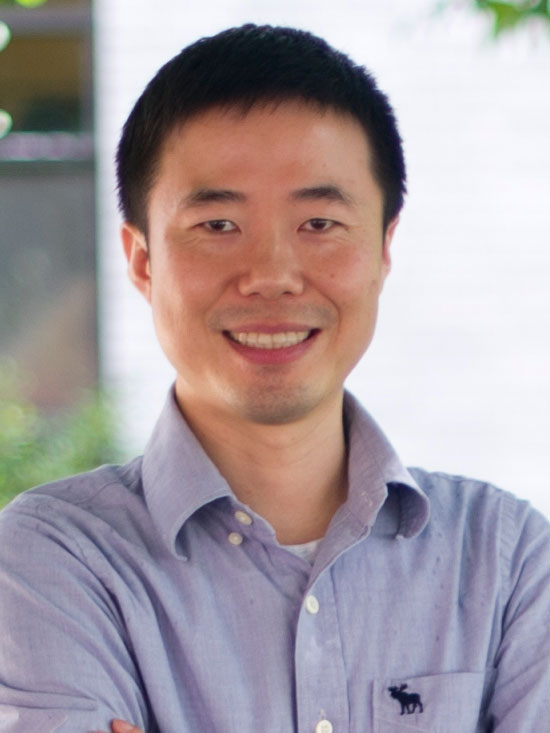
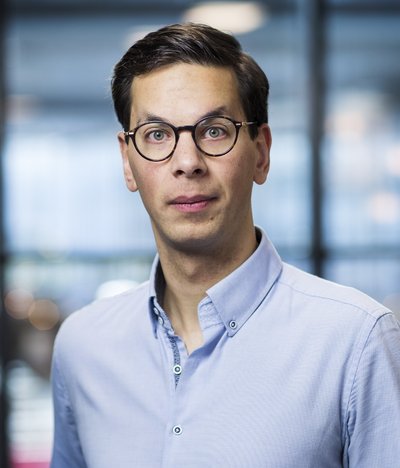
Yongmin Liu is a Professor in Mechanical and Industrial Engineering and Electrical & Computer Engineering at Northeastern University, and a member of the Cross-College Magnetics Center. He holds a PhD in Applied Science and Technology from UC Berkeley (2009), with earlier degrees from Nanjing University. His research focuses on nano-optics, metamaterials, plasmonics, and their applications in optical devices and systems. His interdisciplinary work bridges engineering, physics, and AI, with notable contributions to metasurface design and optical neural networks. Education: PhD, Applied Science and Technology, UC Berkeley (2009) M.S. and B.S., Physics, Nanjing University (2003, 2000) Research Interests: Nano-optics, nanoscale materials engineering, metamaterials, plasmonics, and applied physics. His group develops novel optical materials and devices for applications like super-resolution imaging, efficient light harvesting, and biomedical detection. Recent projects include AI-driven photonic materials design and meta-optical neural networks. Key Achievements: Recipient of the Søren Buus Outstanding Research Award (2024) NSF CAREER Award (2017) and ONR Young Investigator Award (2016) Elected SPIE Fellow (2023) and Optica Fellow (2023) Lab & Collaborations: Head of the Yongmin Liu Research Group, collaborating with institutions like Georgia Tech and Purdue University. Recent grants include a $1.5M NSF DMREF grant for AI-driven photonic materials and a $468K NSF grant for meta-optical neural networks.
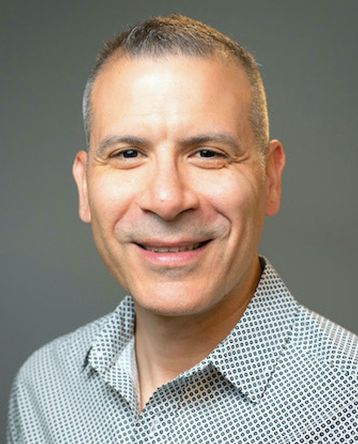
Levent Burak Kara is a Professor in the Department of Mechanical Engineering at Carnegie Mellon University (CMU), with a courtesy appointment in the Robotics Institute. He is a leading researcher in AI-driven computational design, additive manufacturing, and intelligent engineering systems, leading the Visual Design and Engineering Lab (VDEL) at CMU. Education: B.S., Mechanical Engineering, Middle East Technical University (1998) M.S., Mechanical Engineering, Carnegie Mellon University (2000) Ph.D., Mechanical Engineering, Carnegie Mellon University (2005) His research focuses on integrating machine learning, optimization, and geometric modeling to revolutionize engineering design and manufacturing. Key areas include topology optimization, CAD intelligence, digital twins, generative design, bioengineering, and electronic design automation. His work enables automation of traditionally labor-intensive design processes using deep learning and reinforcement learning. His recent publications reveal a strong trend toward physics-informed surrogate modeling, real-time simulation, manufacturability prediction, and AI-driven automation in mechanical, biomedical, and electronic systems. These works frequently appear in top journals such as Journal of Mechanical Design and Journal of Applied Mechanics , and at premier conferences like NeurIPS and DAC. Scientific Awards: National Science Foundation CAREER Award ASME Design Automation Society Young Investigator Award Google AI for Social Good Impact Scholar Kara advises several Ph.D. students and has secured significant funding from federal agencies such as the NSF and the U.S. Army Research Laboratory, as well as collaborations with industrial leaders including Cadence Design Systems and NVIDIA. His research is also supported by CMU’s NextManufacturing Center and the Critical Technology Initiative. He is actively involved in developing intelligent design systems that leverage AI to automate product design, optimize manufacturing processes, and improve medical diagnostics, particularly in oral cancer screening and organ preservation. His lab, VDEL, is a hub for innovation in AI-enabled engineering.
Mine Uysal is a Researcher at Yıldız Technical University, Faculty of Mechanical Engineering, Department of Mechanical Engineering. Her academic journey includes a BSc (2005), MSc (2010), and PhD (2015) in Mechanical Engineering from Pamukkale University and Yıldız Technical University, respectively. She began postdoctoral research at the University of Kentucky (College of Engineering) in 2017. PhD, Mechanical Engineering (2015, Yıldız Technical University) MSc, Mechanical Engineering (2010, Pamukkale University) BSc, Mechanical Engineering (2005, Pamukkale University) Her research focuses on advanced materials behaviors, including functionally graded materials, polymers, adhesively bonded joints, and finite element modeling for engineering systems. Key areas include composite structures, thermal/mechanical loading effects, and sustainable manufacturing techniques like nanofluid-assisted machining. Scientific contributions include 15 recent articles spanning topics such as delamination analysis in bonded beams, sustainable machining optimization, buckling behavior of graded polymers, and fracture mechanics in composite materials. Her work integrates finite element methods with experimental validation for adhesive joints and sandwich structures. Collaborative projects include research funded by The Scientific and Technological Research Council of Turkey (TUBITAK) and international postdoctoral work at the University of Kentucky.
Yayue Pan is a Professor at the Department of Mechanical and Industrial Engineering, University of Illinois Chicago (UIC) , and serves as the Director of NASA MIRO Center for In-Space Manufacturing: Recycling and Regolith Processing (CISM-R2) . Her research focuses on advancing Additive Manufacturing (AM) technologies for applications in biomedical engineering , energy storage , and smart structures . Ph.D., Industrial and Systems Engineering, University of Southern California (2014) M.S., Mechanical Manufacturing and Automation, Zhejiang University, China (2010) B.S., Industrial Engineering, Zhejiang University of Technology, China (2007) Her work addresses technical challenges in AM such as multi-material printing , multi-scale fabrication , and field-assisted processes . Notable projects include: Development of electrostatically-assisted direct ink writing (eDIW) for high-speed, high-resolution printing Continuous projection stereolithography for rapid solid object manufacturing Acoustic field-assisted particle patterning for smart composites Light-curable hydrogels for corneal repair applications Her 15 most recent publications (2022–2025) span topics in: Multi-material AM (conductive polymers, hierarchical composites) Biomedical applications (soft robotics, corneal repair) Energy components (battery electrolytes, supercapacitors) Field-assisted processes (acoustic, electrostatic, magnetic) Scientific Awards : 2024 ASME Chao and Trigger Young Manufacturing Engineer Award 2022 UIC Researcher of the Year Rising Star Award 2020 ASME CIE TC Leadership Award 2019 UIC Outstanding Teaching Award 2017 SME Outstanding Young Manufacturing Engineer Award NSF REU Supplements (2023–2024) Advising : Mentored 24+ graduate/undergraduate researchers, including 17 NASA/GPIP interns. Former advisees hold academic positions at University at Buffalo and University of North Carolina at Charlotte , and industry roles at Apple , GE Healthcare , and ANSYS . Grants : Recipient of a $4.65M NASA grant and multiple NSF awards. Collaborations include Northwestern University, University of Michigan, and NASA centers.
Lauren Andrews serves as Associate Professor and Marvin and Eva Schlanger Faculty Fellow in the Department of Chemical Engineering at the University of Massachusetts Amherst. Her research integrates synthetic biology and genetic engineering to develop programmable cellular systems for biotechnological applications. Education: Postdoctoral Training: Massachusetts Institute of Technology (Biological Engineering and Broad Institute of MIT and Harvard) PhD: University of Colorado Boulder, Chemical Engineering (2012) MS: University of Colorado Boulder, Chemical Engineering (2009) BS: Cornell University, Chemical Engineering (2006) Dr. Andrews' research focuses on establishing genetic design rules for reprogramming cellular regulation and metabolism. Her lab pioneers synthetic gene networks, genetically-encoded biosensors, and high-throughput methodologies for optimizing genetic designs in both model and non-model bacteria. This work enables precise control of cellular sensing, memory, and environmental responses through multiplexed DNA assembly and next-generation sequencing. Analysis of her 15 most recent publications reveals dominant themes in bacterial biosensor development (particularly for bioremediation), quorum sensing engineering, and programmable genetic circuits for probiotic applications. Her research consistently bridges fundamental genetic circuit design with practical implementations in bacterial consortia and non-model organisms. Scientific Awards: Marvin and Eva Schlanger Faculty Fellowship NSF CAREER Award (2020) for "Programmable synthetic microbial consortia for complex multicellular functions" Her grant portfolio demonstrates significant funding for collaborative research in bacterial communication systems and model-guided design of synthetic ecosystems. The Andrews Lab maintains active partnerships with the MIT-Broad Foundry and Cold Spring Harbor Laboratory, where she co-founded the Synthetic Biology Summer Course. Current projects focus on CRISPR-based regulation in non-model bacteria and algorithmic programming of sequential logic in probiotic strains. The Andrews Lab operates within the Life Science Laboratories at UMass Amherst, utilizing advanced facilities for genetic prototyping and high-throughput screening. Her team develops multiplexed tools for exploring genetic design spaces, with particular emphasis on soil bacteria and Gram-positive pathogens for environmental and therapeutic applications.
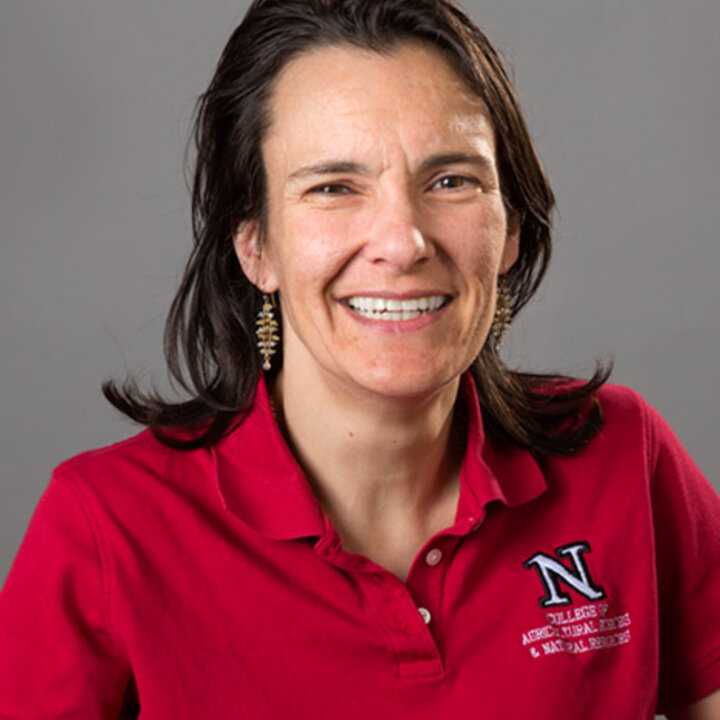
Jennifer L. Clarke is a Professor in the Department of Statistics at the University of Nebraska–Lincoln and Director of the Quantitative Life Science Initiative. She holds leadership roles in enabling big data integration across the University of Nebraska system through collaborative research programs. Her affiliations include the Institute of Agriculture and Natural Resources (IANR) and the College of Agriculture and Natural Resources. Dr. Clarke's research focuses on statistical methodology for high-dimensional data, computational biology, bioinformatics, and bacterial genomics. Her work bridges statistical innovation with applications in oncology, microbiome analysis, and agricultural phenomics. Key areas include predictive modeling, machine learning, and genomic/metagenomic data integration. Her recent publications span cancer biomarker discovery, plant phenotyping methodologies, and microbial community analysis, reflecting her interdisciplinary approach. Articles emphasize translational applications like therapeutic target identification and precision agriculture. Dr. Clarke leads initiatives fostering collaboration between statisticians and domain scientists, including the Quantitative Life Science Initiative and contributions to the Agricultural Genome-to-Phenome Initiative (AG2PI). Her work advances data-driven solutions for healthcare and food security challenges. Notable projects include developing statistical tools for microbiome studies, analyzing root architecture via 3D imaging, and investigating cranberry-derived compounds' cancer-inhibitory mechanisms. Her methodological contributions include hybrid clustering techniques and predictive model validation frameworks.
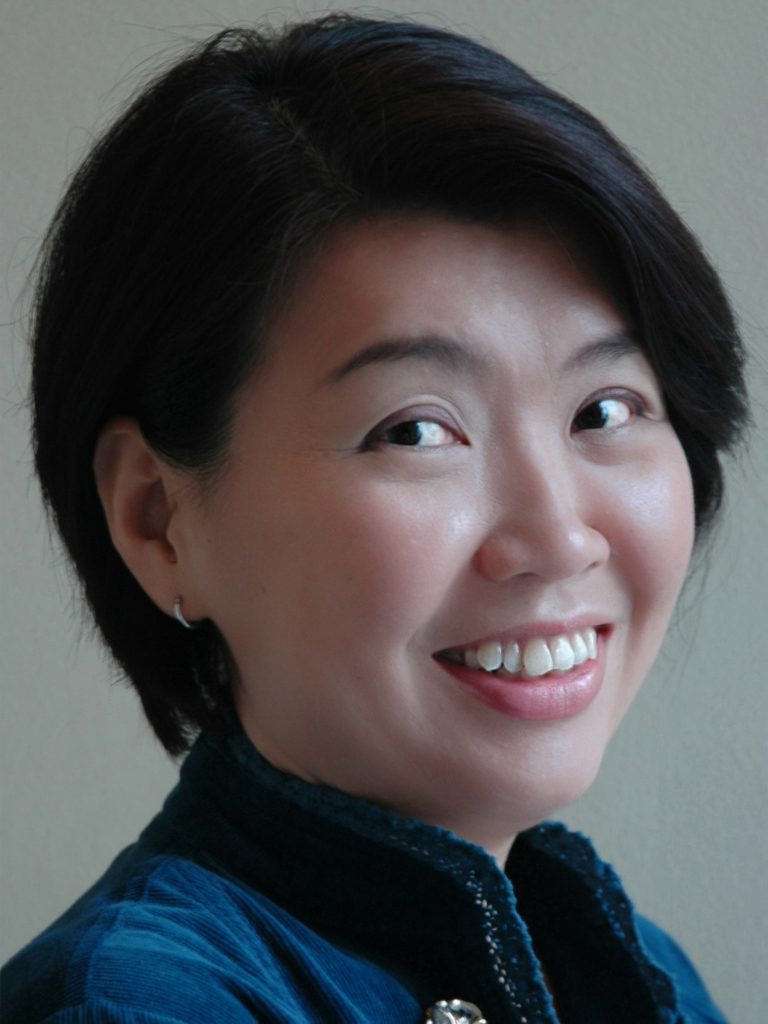
ONG Soh Khim is a Professor in the Department of Mechanical Engineering at the National University of Singapore (NUS) and a member of the NUS Graduate School. She is a Fellow of CIRP (International Academy for Production Engineering), the first Asian and fourth female Fellow globally. Her research focuses on augmented reality (AR) and digital twins in manufacturing, with applications in assistive technology and sustainable design. She has authored/co-edited 6 books, over 300 journal/conference papers, and holds an H-index of 66 (Google Scholar) and 52 (Scopus). She has held leadership roles, including serving as a Nominated Member of the Singapore Parliament (2005–2006) and on multiple NUS governance boards. Her honors include the Singapore Youth Award (2004), M. Eugene Merchant Award (2004), and the 2021 Long Service Medal. She advocates for gender diversity in STEM, leading initiatives like the Girls2Pioneers program. Her current roles include Senior Principal Investigator at NUS Research Institutes in Suzhou and Guangzhou, and Visiting Professorships at Chinese universities.
Professor Hala Zreiqat AM is a leading biomedical engineer at The University of Sydney , serving as the Director of the ARC Training Centre for Innovative BioEngineering . A Fellow of all major Australian academies (AAS, ATSE, FAHMS, FRSN), she develops 3D printed bioceramics for bone regeneration while championing diversity through initiatives like the IDEAL Society and BIOTech Futures mentorship program. Her work bridges academia, clinical practice, and industry in musculoskeletal research . Research Focus: Her lab creates synthetic bone scaffolds that mimic natural bone architecture, strength, and porosity, enabling non-rejected bone regeneration via patient-matched implants. Key applications include orthopaedic, dental, and maxillofacial repair , with over $18M in competitive funding and multiple patents. Current projects explore AI-driven scaffold performance prediction and anti-senescence strategies for aging-related bone loss. Scientific Trends: Recent publications highlight 3D printed nanovoxelated ceramics , antisenescence biomaterials , and multifunctional theranostic platforms . Her team integrates machine learning for scaffold design, atom probe tomography for interface analysis, and two-photon imaging for cellular monitoring in 3D environments. 2021-2022 Fulbright Senior Scholar 2018 NSW Premier's Woman of the Year 2019 Eureka Prize for Innovative Use of Technology Fellow of Australian Academy of Science (2021) Over $18M in research funding Teaching & Leadership: She designed core courses like Tissue Engineering and Nanomaterials in Medicine , mentoring 158 students in 2020 alone. As Chair of CAAR (2020-2023), she strengthens Australia-Arab collaborations. Her lab trains early-career researchers , with alumni now in academia and industry.
Zoran Cenev holds a Tenure Track Assistant Professor position within the Mechatronics and Dynamics section of the Department of Mechanical and Production Engineering at the School of Engineering, Aarhus University. His primary institutional affiliation is with AU Engineering, and contact details include email zoran.cenev@mpe.au.dk and telephone +45 20 64 75 44, with office location Aarhus N, 5128-140. Research interests focus on interdisciplinary applications of magnetic and robotic systems: Robotic micromanipulation via electromagnetic needles Ferrofluid-based biofabrication for skeletal muscle engineering Laser-induced photothermal droplet control Theoretical modeling of particle dynamics at fluid interfaces Surface engineering for underwater metallic stability Nanostructure formation through ion bombardment His recent publications (2023-2025) reveal a dominant trend in adapting ferrofluids for biomedical automation, particularly 3D bioprinting of magnetically responsive tissues and droplet manipulation on engineered surfaces. This work bridges mechanical engineering with regenerative medicine, emphasizing practical implementations of theoretical models for microscale precision. Scientific awards are not documented in the provided information. As a faculty member, Dr. Cenev likely mentors graduate students and pursues research grants, though specific advisees or funding details are absent. Departmental laboratories and workshops support his experimental work in mechatronics, with emphasis on magnetic manipulation systems and surface characterization.
Habib Ullah is an Associate Professor in Data Science at the Norwegian University of Life Sciences (NMBU), Norway, where he conducts research at the intersection of computer vision and machine learning. He is affiliated with the Institute of Data Science under the Faculty of Science and Technology. He has previously held academic positions at COMSATS University Islamabad, Pakistan, and the University of Ha'il, Saudi Arabia, and served as a postdoctoral researcher at The Arctic University of Norway. Educational Background: PhD in Information and Communication Technology (Computer Vision), University of Trento, Italy (2011–2015) MSc in Electronics and Computer Engineering, Hanyang University, South Korea (2007–2009) BSc in Computer Systems Engineering, NWFP University of Engineering and Technology, Pakistan (2002–2006) Habib Ullah's research is primarily focused on computer vision and machine learning, with applications in aquaculture, agriculture, and human behavior analysis. He investigates underwater fish feeding sounds using audio classification, develops zero-shot learning models for recognizing unseen classes, and applies deep learning to detect stress in salmon via skin dot patterns. He also explores AI-driven controlled environment agriculture, leveraging sensors and automation for optimal crop growth. His work emphasizes practical AI solutions for real-world challenges in environmental and biological domains. The recent publications highlight a strong trend in leveraging deep learning for zero-shot and semi-supervised learning, particularly in computer vision tasks such as sea ice classification, crowd anomaly detection, and agricultural monitoring. His research spans remote sensing, biomedical signal processing, and human activity recognition, demonstrating interdisciplinary versatility. The keywords reflect a focus on robust feature representation, knowledge transfer, and model generalization. Scientific Awards and Funding: Industrial PhD grant 'Advancing Controlled Environment Agriculture AI' from The Research Council of Norway (Project number 354125, 2 million NOK, 2024) Team member (Coordinator-Participant) in the Battery Cell Assembly Twin (BatCAT) project funded by Horizon Europe (7 mEuro, 2023–2027) Development of an AI-Based Image Analysis System for Monitoring Plant Status (Funding: 1.8 mNOK, starting 2025) Habib Ullah actively supervises PhD projects and contributes to academic service through editorial and organizational roles. He has served as an Associate Editor for IEEE Access, Guest Editor for MDPI Remote Sensing, and Editor of the Springer book Machine Learning Techniques and Sensor Applications for Human Emotion, Activity Recognition, and Support (ML-SHEARS) . He has also been a Track Chair and Program Committee Member for several international conferences, reflecting his leadership in the academic community. His research is supported by significant grants and collaborative projects, indicating strong institutional and international engagement. He is involved in multiple research teams and projects, including the BatCAT project on battery manufacturing and AI applications in controlled environment agriculture with RIFT LABS AS. His lab work integrates deep learning, sensor fusion, and data analytics for environmental and biological monitoring systems.
Dr. Crystal Senko is an Assistant Professor and Canada Research Chair in Trapped Ion Quantum Computing at the Institute for Quantum Computing (IQC) , University of Waterloo. Her research focuses on quantum simulations, quantum computing with trapped ions, and qudit-based systems. She holds a Ph.D. in Physics from the University of Maryland (2014) and a B.Sc. in Physics from Duke University (2009). Her research interests span Quantum Computing , Quantum Simulation , Trapped Ion Manipulation , and Photonics . Key projects include optimizing qudit-based quantum computing protocols and developing photonic crystal waveguides for atom-photon interactions. Recent work emphasizes trapped ion efficiency, laser noise mitigation, and programmable quantum simulators. Dr. Senko has authored influential papers on trapped ion systems, including studies on multi-level qudit control, nanophotonic cavity coupling, and non-thermalization in spin chains. Her work bridges theoretical quantum models and experimental advancements in scalable quantum hardware. Awards: Canada Research Chair (Trapped Ion Quantum Computing) Teaching: Courses include Quantum Physics 2 (PHYS 334), Quantum Mechanics 1 (PHYS 701), and Special Topics in Quantum Information Processing (PHYS 768/QIC 890). Labs/Teams: Affiliated with IQC and previously contributed to Harvard’s Center for Ultracold Atoms.
Dr. Yi Shen is a Senior Lecturer at the School of Chemical and Biomolecular Engineering, The University of Sydney, and Chair of RACI Women in Chemistry. She is also affiliated with multiple research institutes including Sydney Institute of Agriculture, Sydney Southeast Asia Centre, The Centre for Drug Discovery Innovation, and The University of Sydney Nano Institute. PhD in Soft Materials from ETH Zurich Postdoctoral research at University of Cambridge and Harvard University Her research focuses on protein phase behavior and functional biomaterials development, utilizing soft matter approaches and microfluidic techniques to address challenges in neurodegenerative diseases, sustainable materials, and biomedical engineering. She has published extensively in top journals like Nature Nanotechnology and PNAS, with a particular emphasis on: Protein liquid-liquid phase separation mechanisms Biomaterials from protein nanofibrils Microfluidic manipulation of biological systems Biodegradable bioplastics development Shear force effects on biomolecular systems Pathological protein aggregation dynamics Key scientific achievements include: 2022 ARC DECRA Fellowship 2022 Sydney Nano Frontier award 2018 ETH Zurich Spark Award (for Fe delivery system invention) 2012 Princeton Grand Challenges Program 2 patents pending 2 Nature Nanotechnology cover articles As an educator, she coordinates CHNG2802 Chemical Engineering Modelling and Analysis, co-teaches CHNG3804 Biochemical Engineering and CHNG5605 Bio-products: Laboratory to Marketplace, and guest lectures across biomedical and nanotechnology programs. Her lab actively collaborates with institutions in Switzerland (ETH Zurich), UK (Cambridge), and US (Harvard, Princeton), focusing on transforming biomolecular understanding into real-world applications in health, industry, and environmental sustainability.
Achim Menges is a Research Professor and Max Planck Fellow at the University of Stuttgart, where he directs the Institute for Computational Design and Construction (ICD). His work bridges architecture, engineering, and computational design, with a focus on developing innovative construction methods and materials. Menges leads the Cluster of Excellence IntCDC: Integrative Computational Design and Construction for Architecture, a major research initiative funded by the German Research Foundation. Menges' research centers on computational design, robotic construction, and biomimetic architecture, with particular emphasis on timber construction, adaptive building systems, and digital fabrication. His work integrates principles from bionics to create responsive, sustainable building systems that adapt to environmental conditions. Notable projects include the BUGA Wood Pavilion (2019), Urbach Tower, BUGA Fibre Pavilion, and the livMatS Biomimetic Shell, all demonstrating his commitment to material innovation and sustainable construction practices. His recent publications reveal a consistent focus on advancing timber construction techniques, developing bio-inspired responsive systems, and implementing robotic fabrication processes. The research shows a clear trajectory toward more sustainable, resource-efficient building methods that integrate digital design with physical construction processes. Menges' work increasingly addresses multi-story timber systems and circular construction principles. Bauwende Prize der Universität Stuttgart 2025 Menges leads numerous research initiatives through the Cluster of Excellence IntCDC, securing significant funding for projects exploring computational design and robotic construction. His work involves extensive collaboration with industry partners and interdisciplinary research teams. Menges directs the ICD research laboratory, which focuses on developing novel computational design methods, robotic fabrication processes, and innovative material systems for architecture. The institute maintains strong partnerships with industry leaders in construction technology and materials science, facilitating the translation of research into practical applications.
Pim de Vink is a doctoral researcher at Eindhoven University of Technology , affiliated with the Biomedical Engineering department and Chemical Biology group. Supervised by dr. L.-G. Milroy and prof. L. Brunsveld , his work bridges supramolecular chemistry and chemical biology , focusing on host/guest chemistry for protein complex modulation. Education: B.Sc. in Chemistry (2014) from University of Amsterdam M.Sc. in Biomedical Engineering (2016) from TU/e Internship at Max Planck Institute for Molecular Physiology (2016) on gold-catalyzed synthesis Research Themes: His research develops switchable cucurbituril-based systems for light-controlled enzyme activation and artificial signaling networks. Key areas include protein-protein interaction stabilization , thermodynamic modeling , and allosteric nuclear receptor modulation . Publication Trends: Across JACS , Chemical Science , and RSC Chemical Biology , his work from 2017–2023 emphasizes supramolecular tools for biochemical applications. Notable contributions include 100-fold affinity enhancement of 14-3-3 ligands and UV-responsive cucurbituril release mechanisms . Grants: Funded by Netherlands Organization for Scientific Research (NWO) through Gravity program 024.001.035 and VICI grant 016.150.366.
Professor George Britovsek (FRSC) is a leading figure in catalysis and sustainable carbon management at Imperial College London . As Director of the MRes in Catalysis & Engineering and Head of Teaching in Inorganic Chemistry, he bridges academic leadership with cutting-edge research. His work focuses on transition metal complexes for converting ethylene , alkanes , biomass , and CO₂ into valuable chemicals and fuels through industrial collaborations. Education : M.Sc. (Technical University of Aachen, 1990), Ph.D. (Aachen, 1993) under Prof. W. Keim Postdoctoral Training : University of Tasmania (1994-1996), Imperial College London (1996-2000) His research interests span: Selective oxidation of alkanes using bio-inspired iron complexes Alkene conversions to functional polymers via novel catalysts CO₂ valorization into polymers and cyclic carbonates Biomass-derived feedstocks for chemical synthesis Recent catalysis trends highlight his work on: Designing Fe-N/C catalysts for epoxidation Developing PN3P pincer ligands for H₂ activation Creating degradable polyethylene via iron-catalyzed chain growth Modeling alternating α-olefin distributions in chromium systems Awards : Fellow of the Royal Society of Chemistry (FRSC) Students & Collaborators actively engage in: Photocatalytic polymer degradation Electrocatalytic CO₂ conversion Functionalized polymeric materials 3D-printed catalytic scaffolds His Britovsek Research Group operates at the Molecular Sciences Research Hub, White City Campus, advancing both homogeneous and heterogeneous catalysis through experimental and computational approaches.