Alexander MargaretView profile
Assistant Professor
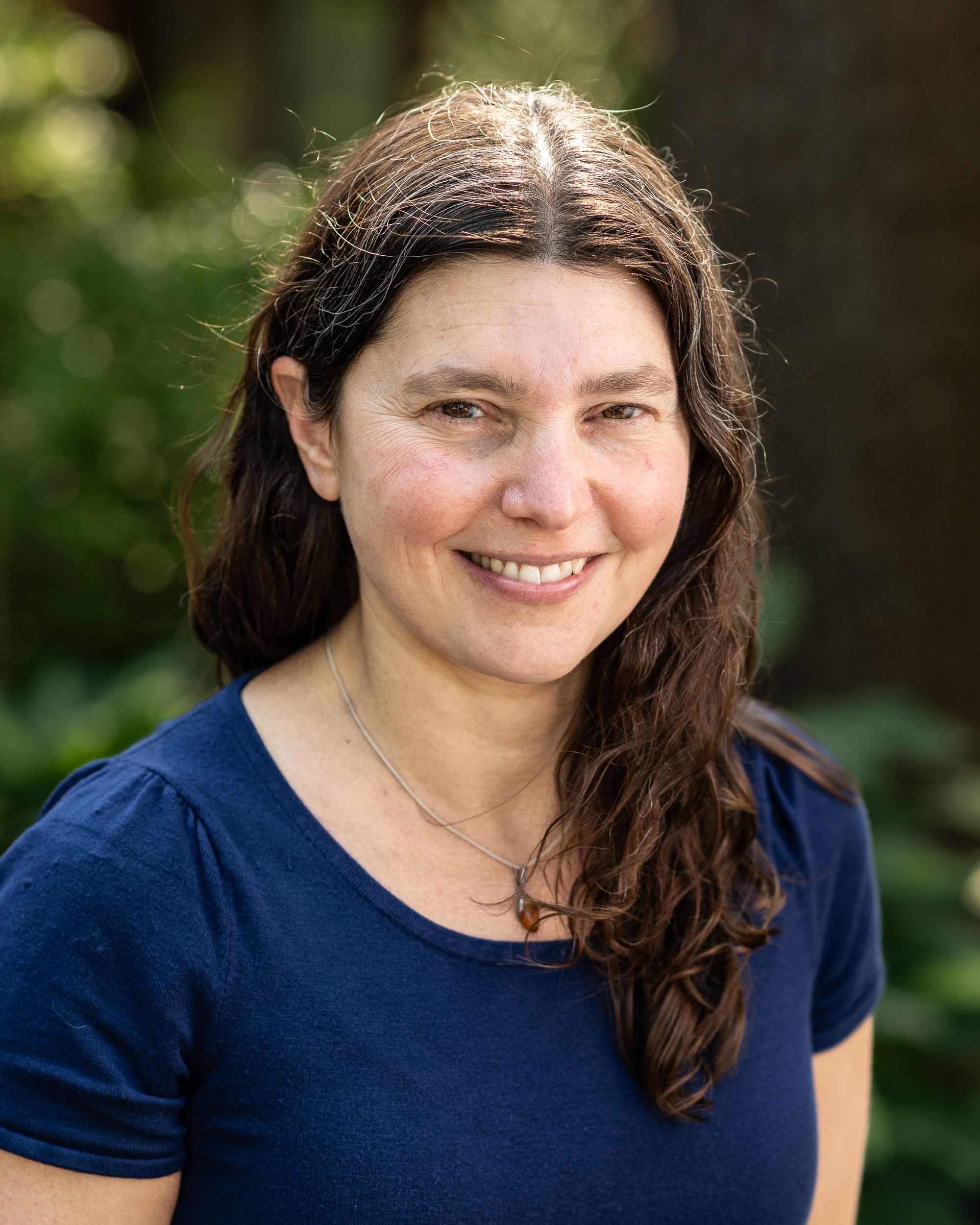
Alexander Margaret is an Assistant Professor in the Department of Medical Microbiology and Immunology at the University of Wisconsin–Madison, School of Medicine and Public Health. She leads an independent research laboratory focused on understanding how diet, gut microbiota, and immune responses interact to influence autoimmune diseases. Her lab employs advanced techniques including gnotobiotic mouse models, anaerobic microbiology, sequencing, and metabolic assays to uncover mechanistic insights into host-microbe interactions. Dr. Alexander earned her PhD in Biology from the University of Utah, where she studied immune cell communication under Dr. Ryan O’Connell. She completed her postdoctoral training at the University of California, San Francisco, with Dr. Peter Turnbaugh, investigating how autoimmune-related microbiota members modulate immune responses. She launched her independent research program at UW–Madison in January 2024. Her research focuses on two major themes: (1) microbiota-dependent mechanisms by which diets modulate immune responses in autoimmunity, and (2) targeting dietary interventions by understanding how disease-associated microbes influence immunity. These efforts are supported by grants from the NIH NIAID (R00), the Shaw Early Career Research Award (Greater Milwaukee Foundation), and internal funding from the University of Wisconsin–Madison (OVCRGE, SMPH, MMI). The articles published by Dr. Alexander and her collaborators reveal a strong trend in immunometabolism and microbiome-immune crosstalk. Her work consistently explores how host and microbial metabolites—shaped by diet or drugs—regulate immune cell function, particularly Th17 cells, in inflammatory and autoimmune contexts. The research spans basic microbial physiology to translational applications in precision medicine. NIH NIAID R00 Shaw Early Career Research Award (Greater Milwaukee Foundation) Dr. Alexander mentors a dynamic team of graduate students, postdoctoral scholars, and undergraduate researchers. Lab members include Wenxuan Dong (Biophysics PhD), Gillian Hughes (MDTP PhD), Bethany Korwin-Mihavics (Postdoc), and Chi (Felix) Yan (Postdoc). She emphasizes structured mentorship through weekly 1:1 meetings, annual Individual Development Plan (IDP) discussions, and a collaborative lab culture that values creativity, curiosity, and open communication. While she does not currently have grants listing named trainees, her lab is actively involved in training the next generation of scientists in interdisciplinary approaches to immunology and microbiome research. The Alexander Lab is based in the Microbial Sciences Building at UW–Madison and fosters a vibrant, collaborative environment. The lab team investigates complex systems using diverse methodologies and encourages interdisciplinary collaboration. Though newly established, the lab has already initiated traditions such as lab picnics, art days, and social gatherings to build camaraderie. The lab culture emphasizes celebrating well-designed experiments regardless of outcome, learning from mistakes, and maintaining a supportive atmosphere for scientific growth.