Sandra Brigance, PhD , is a Professor in the Department of Mathematics at Ferris State University's College of Arts, Sciences and Education. She specializes in mathematics education and instructional design, particularly focusing on online learning environments, teaching strategies, and assessment methodologies. PhD in Education (Instructional Design for Online Learning), Capella University MA in Mathematics, Western Michigan University BS in Secondary Mathematics Education, Western Michigan University Her research emphasizes the intersection of mathematics instruction and digital pedagogy, including the development of tools like the Asynchronous Discussion Instruction Tool (ADIT) to enhance student engagement. She explores how learning outcomes differ from objectives and assesses student valuation of semester-long learning experiences. Brigance's publications and presentations highlight trends in online education leadership, learner-centered rubrics, and integrating information literacy into mathematics courses. She has presented at conferences such as the Lilly Conference, AECT International Convention, and the ICTCM.
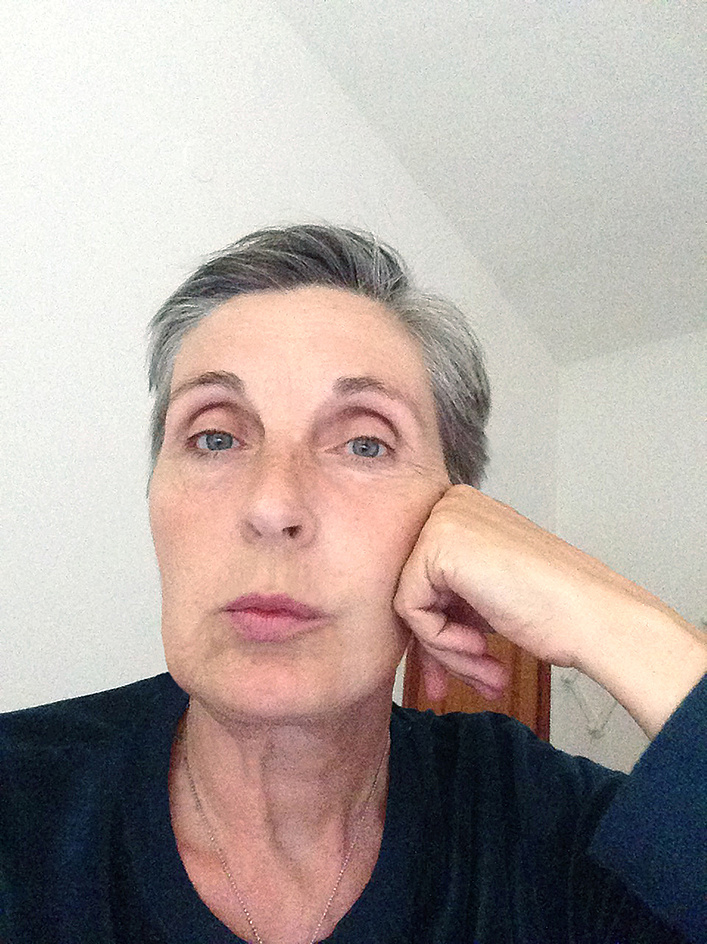
Cynthia Hammond is a Professor of Art History at Concordia University , Montreal, with a research focus on women and the history of the built environment, urban landscapes, research-creation, and oral history. She has published extensively on architecture, suffrage movement spatial history, public art, and urban change politics. Academic Appointments Professor of Art History, Concordia University Research Interests Women and the Built Environment Urban Landscapes Research-Creation Methods Oral History Practices Heritage Movements Public Art and Politics Her recent articles explore themes like self-portraiture, garden symbolism, urban transformation, and historical reinterpretation through visual arts. Notable works include Between the Moon and Me (2023) connecting personal illness with mythological themes, and The Gardens of Marie Clews (2023) documenting her artist residency in France. Hammond leads transdisciplinary projects such as the SSHRC Partnership Development initiative on urban knowledge of Montreal’s older citizens. Her practice often bridges art , activism , and historical research , as seen in collaborations like The Possible (2014) and community-based Promenade parlante (2018-19). She has also contributed to feminist activism through projects like Take Back the Night (1998) and Bountiful Woman (1992 & 1994).
Madeleine Bernstorff is a cultural producer, film curator, author, and lecturer at the Institute for Music and Media at Robert Schumann University Düsseldorf. Her work bridges research-based film curating, feminist film history, and avant-garde cinema, with a focus on resistance movements and political documentary forms. Education : Studied media art at the Academy of Fine Arts Munich, University of Munich, and F+F School of Design Zurich Research : Avant-garde cinema, feminist film movements, migrant representation, and socio-political documentation Teaching : Guest professorships at Berlin University of the Arts, Munich Academy of Fine Arts, and international institutions Collaborations : Co-founded Sputnik cinema (1984) and Blickpilotin feminist film collective (1989) Publications : Edited works on Trinh T. Minh-ha, René Vautier, and Afghan cinema Her filmography includes The Fanaticism of the Suffragettes (2010), Candan (2005), and Zitronenfilm (1997), exploring themes of gender, migration, and historical memory through Super8 and video art. She has curated exhibitions at Tromsø Kunstforening and programmed films at institutions like the Arsenal Cinema Berlin and Oberhausen Short Film Festival.
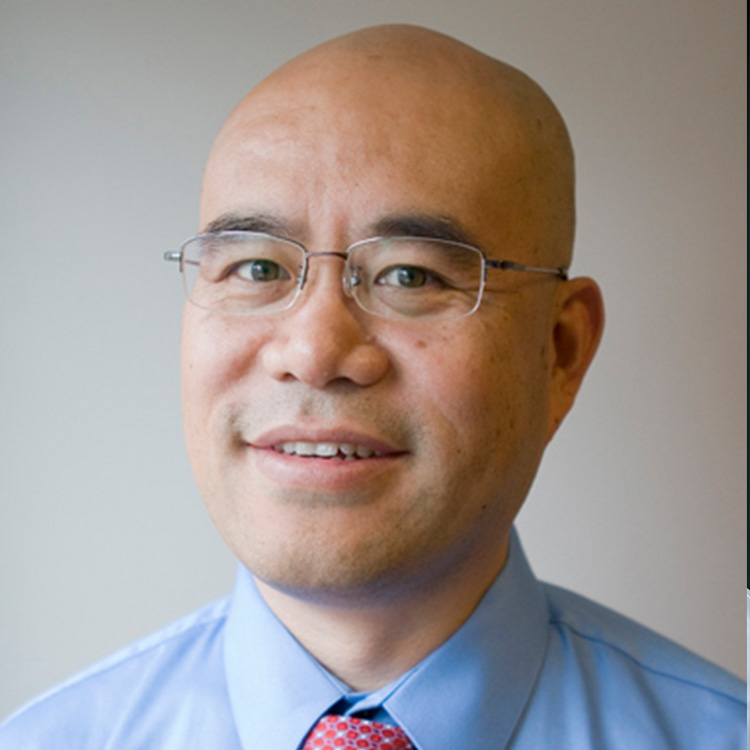
Qibin Zhang is a Professor of Chemistry and Co-Director of the Center for Translational Biomedical Research at the University of North Carolina at Greensboro (UNCG), where he leads the Zhang Research Group in the Department of Chemistry & Biochemistry within the College of Arts and Sciences. His laboratory develops cutting-edge mass spectrometry technologies for proteomics, lipidomics, and metabolomics with applications in disease biomarker discovery and clinical diagnostics. Dr. Zhang's primary research interests focus on developing more accurate, sensitive, and higher throughput measurement capabilities for biomolecules. His work centers on three main areas: Proteomics : Temporal plasma proteomics for Type 1 diabetes progression, cell-specific and spatial tissue proteomics, immunopeptidome analysis for novel T1D autoantigens, antimicrobial peptides, and glycated proteome in diabetic complications Lipidomics : Tissue-specific global lipidomics, high-resolution ozone-induced dissociation mass spectrometry, advanced analysis of glycosphingolipids, and lipid glycation in diabetes Metabolomics : Tryptophan catabolism, oxylipins and inflammation, fatty acid and energy metabolism, and chemical isotope labeling-based metabolomics Analysis of Dr. Zhang's recent publications (2022-2024) reveals a strong focus on translational biomedical applications, particularly in diabetes research and exercise physiology. His work demonstrates expertise in both method development (improved mass spectrometry techniques, data processing software) and biological applications (disease mechanisms, nutritional interventions). The research consistently bridges analytical chemistry with clinical applications, showing particular strength in spatial proteomics and lipidomics approaches. Dr. Zhang teaches advanced analytical chemistry courses including CHE 632/732 Advanced Analytical Chemistry, CHE 633/733 Bioanalytical Chemistry, and CHE 431/531 Instrumental Analysis. His laboratory is equipped with state-of-the-art instrumentation including Thermo QExactive HF, TSQ Quantiva, LTQ-Orbitrap with ETD, nano-LC and UPLC systems, and a Leco GC-TOF mass spectrometer. The Zhang Research Group currently includes four postdoctoral research fellows working across various aspects of proteomics, lipidomics, and metabolomics research.
Silvia Nuere Menendez-Pidal is a Professor at the Department of Mechanical, Chemical and Industrial Design within the Technical School of Engineering in Industrial Design at Universidad Politécnica de Madrid . Her academic work bridges art, design, and engineering through humanistic approaches to education. Research interests include: Project-based learning methodologies Art-science integration in curricula Visual literacy frameworks Smart campus evaluation systems Digital divide in academic communities She has directed over 30 educational innovation projects and founded the ArDIn: Art, Design and Engineering journal in 2011. Her publications analyze 3D printing applications in medical education, digital pedagogies, and student-led academic associations like Etsidi-Design that mobilize interdisciplinary collaboration.
Sherylyn Briller serves as Professor in the Department of Anthropology within Purdue University's College of Liberal Arts, where she has been a faculty member since 2014. She also holds a faculty associate position at the Center on Aging and the Life Course, reflecting her interdisciplinary focus on aging across institutional boundaries. Her academic foundation includes a Ph.D. and master’s in anthropology from Case Western Reserve University, a bachelor’s in sociology and anthropology from Carleton College, and a graduate certificate in gerontology from Case Western Reserve University. Briller specializes in cultural medical anthropology with research spanning aging, disability, end-of-life issues, and global health. Her cross-cultural gerontology work includes field research in Mongolia and U.S. retirement communities, examining how cultural contexts shape aging experiences and care systems. She integrates anthropological methods with human-centered design to improve dementia care environments and family-clinician collaboration in high-stakes healthcare settings. Recent scholarship reveals a strong trajectory toward transdisciplinary educational innovation, particularly in convergence education models that bridge anthropology with technology design. Her work systematically analyzes institutional barriers to educational transformation while developing collaborative teaching frameworks for undergraduate innovation education. Her scholarly recognition includes the College of Liberal Arts Excellence in Engagement Award (2017-18) and Fellowship in the Society for Applied Anthropology. Briller demonstrates significant leadership through past presidency of the Association for Anthropology and Gerontology Education and co-chairing the Consortium of Practicing and Applied Anthropology Programs. Her major publications include the four-volume series Creating Successful Dementia Care Settings (2001), co-edited volume End-of-Life Stories: Crossing Disciplinary Boundaries (2005), and career development text Designing An Anthropological Career (2009). Through the Center on Aging and the Life Course, she contributes to interdisciplinary initiatives addressing aging challenges via research-practice partnerships focused on care environments, longitudinal aging studies, and transdisciplinary educational models.
Lisa Siegel serves as a Lecturer in the Faculty of Education at Southern Cross University, bringing over 30 years of international environmental education experience across public and independent schools in three countries. She is a leadership team member of the Sustainability, Environmental, and Arts Education (SEAE) Research Centre and teaches environmental education, interdisciplinary approaches, and educational philosophies. Her academic credentials include: PhD in Environmental Education, Southern Cross University MA in Social Ecology, University of Western Sydney MA in Curriculum & Teaching, Teachers College, Columbia University BA in Liberal Studies, San Francisco State University Her research centers on material feminist and eco-feminist theoretical frameworks, employing collective biography methodology to investigate women environmentalists' lived experiences and environmental agency. Current interests encompass intra-connective education, sustainability teacher training, and educator wellbeing, with strong emphasis on posthumanist perspectives that challenge anthropocentric educational paradigms. Analysis of her 2018-2025 publications reveals consistent exploration of agential realism in digital learning environments, posthumanist approaches to place-based education, and feminist reinterpretations of environmental behavior. Her work increasingly integrates child-led research methodologies and examines technological disruptions in ecological learning contexts. Her recognition includes: SCU Faculty of Education Educator of the Year (2023) Australian Environmental Educator of the Year (2022) NSW Tertiary and Community Environmental Educator of the Year (2021) SCU HDR Excellence Awards for research supervision (2017-2019) Outstanding Teaching Excellence Award - Inspiring Educator (SCU, 2023) Lisa demonstrates exceptional higher degree research supervision through multiple HDR Excellence Awards. Her grant activities are evidenced through leadership in the SEAE Research Centre and sustained direction of the Centre for Ecological Learning, though specific funding details aren't provided in available materials. She currently leads the Centre for Ecological Learning (CEL) and serves as national president of the Australian Association for Environmental Education (AAEE), while contributing to SCU's SEAE Research Centre which fosters interdisciplinary collaborations across sustainability, environmental arts, and pedagogical innovation.
Michael Mendillo is a Professor of Astronomy and Electrical and Computer Engineering at Boston University. His research spans space physics and planetary astronomy, focusing on atmospheric emissions and plasma dynamics in Earth and Solar System bodies. He leads a research group at the Center for Space Physics and has developed innovative imaging techniques for atmospheric studies. Education: B.S. in Physics (1966, Providence College), M.A. (1968) and Ph.D. (1971) in Physics and Astronomy from Boston University His research interests include space physics , planetary atmospheres , and solar-terrestrial coupling . Key projects involve low-light-level imaging, incoherent scatter radar, and theoretical modeling of ionospheric and planetary phenomena. Recent work analyzes sodium emissions in Mercury's atmosphere and comparative aeronomy of Mars and Earth. Professor Mendillo has received funding from NASA , NSF , Air Force Geophysics Laboratory , and other agencies. His research involves active experiments using sounding rockets and space shuttles to perturb space plasmas and derive physical processes. Scientific Collaborations: National Academy of Sciences committees Facilities: Boston University Station at McDonald Observatory He teaches graduate courses in space physics and undergraduate general astronomy for non-science majors. His leadership roles include founding the Center for Space Physics and serving as Associate Dean for the Graduate School of Arts and Sciences (1978-1987).
Hiroyuki Sato is a Professor at Waseda University's Faculty of Education and Integrated Arts and Sciences, School of Education. He has held this position since April 2022, having previously served as Associate Professor at the same institution from September 2020 to March 2022. His academic journey includes faculty positions at University of Yamanashi and Saga University, with earlier experience as a junior high school teacher at Takehaya Junior High School attached to Tokyo Gakugei University and Toko Gakuen Junior and Senior High School. Dr. Sato earned his Doctor of Education from Tokyo Gakugei University (2003-2006) and his Master of Education from Yokohama National University. His educational background forms the foundation for his expertise in science education and teacher development. His research interests focus on children's conceptual understanding in science, particularly examining how students develop scientific concepts across physics, biology, and chemistry domains. He investigates children's naive conceptions, metacognitive strategies in science learning, and innovative teaching approaches that address common misconceptions. His work bridges theoretical understanding with practical classroom applications. Dr. Sato's publication record demonstrates consistent scholarly contributions to science education, with particular emphasis on metacognitive regulation, information processing in science learning, and teacher education. His research often involves collaborative investigations with colleagues across Japanese institutions, resulting in numerous publications in leading Japanese science education journals. Japan Society for Science Education Paper Award (2020) for research on children's information selection in science learning Dr. Sato has secured multiple research grants from the Japan Society for the Promotion of Science, including projects on information selection in science learning, development of science class composition support systems, and rhetoric to develop scientific thinking abilities. His research has direct implications for science curriculum development and teacher education programs. His work group focuses on collaborative science education research, examining children's scientific understanding through empirical classroom studies and developing practical teaching strategies based on these findings.
Tomohiro Yanao is a Professor at Waseda University's Faculty of Science and Engineering, School of Fundamental Science and Engineering. His academic career spans over 15 years at Waseda, having progressed from Assistant Professor (2009) to Associate Professor (2011) and finally to his current position as Professor. His research bridges the gap between microscopic molecular systems and macroscopic astronomical phenomena through the lens of nonlinear dynamics and geometric mechanics. His educational background includes: Ph.D. in Multidisciplinary Science from the Graduate School of Arts and Sciences, University of Tokyo (2003) Professor Yanao's research interests focus on the intersection of physics, mathematics, and molecular science. He specializes in statistical mechanics, nonlinear dynamics, and geometric mechanics, applying these to understand collective motions in complex systems. His work reveals how geometric phase effects and symmetry breaking drive structural transitions in both molecular and astronomical systems. He has made significant contributions to understanding the mechanics of molecular motors, DNA structure, and orbital dynamics in celestial mechanics. His publication record shows a consistent focus on geometric mechanics applied to diverse systems, from polymer chains and DNA to celestial bodies. The research demonstrates how internal shape changes can induce rotational motions without external torque, connecting phenomena from the "falling cat" problem to molecular motors like ATP synthase. His work also bridges molecular and astronomical scales through the common framework of nonlinear dynamics and three-body problems. Professor Yanao has been actively involved in several major research projects: Study on the mechanisms for collective motions of molecular and astronomical systems based the methods of many-body problems (2014-2017) Study on collective motions and functions of complex molecular systems based on the geometry of shape and rotational dynamics (2011-2014) Elucidation of the mechanisms for collective motions of complex molecular systems with hierarchical structures (2009-2010) He teaches a wide range of courses including Statistical Mechanics, Dynamics, Applied Mechanics, and Aerospace Engineering Laboratory. He also supervises graduate theses in the Graduate School of Fundamental Science and Engineering, focusing on nonequilibrium statistical mechanics and applied mathematics.
Ryo Ito is an Associate Professor at Waseda University's Faculty of Letters, Arts and Sciences. His research focuses on early analytic philosophy, philosophy of logic, and inferentialism, with a particular emphasis on Bertrand Russell's work. He holds a PhD from the University of St Andrews and Stirling University, awarded in 2017, and previously served as a JSPS Research Fellow at Keio University (2019-2021). Education: PhD in Philosophy (2017) from University of St Andrews & Stirling University; Master's (2011) and Bachelor's (2009) from Kyoto University. Ryo's research explores the intersection of logic, metaphysics, and educational philosophy. His work addresses conceptual challenges in mathematics education through inferentialism, the historiography of philosophy, and Russell's metaphysical conception of logic. He has presented extensively on topics such as rule-following paradoxes, logical coordinates, and the role of variables in philosophical discourse. Scientific Awards: Ishimoto Award (2023, Philosophy of Science Society, Japan) Encouragement Award (2019, Japan Association for Philosophy of Science) Ryo actively participates in interdisciplinary research projects funded by JSPS, including studies on type theory, free will, and rule-based reasoning. His teaching spans seminars on Anglo-American philosophy, history of Western thought, and graduate-level research guidance.
Taro Tsurumi is a Professor at Waseda University's Faculty of Letters, Arts and Sciences and School of Humanities and Social Sciences. His work focuses on Japanese history , particularly folklore , local history , and the legacy of Kunio Yanagita . He has led extensive grants-in-aid research projects exploring the organizational transformation of Yanagita's folklore and postwar intellectual movements . Research Grants : Japan Society for the Promotion of Science (2020-2023, 2017-2020, 2011-2014) Key Collaborations : Analysis of Kazuko Tsurumi's personal library , Hashiura Yasuo's documents Tsurumi's research interests bridge folklore studies , war-era cultural dynamics , and postwar societal reconstruction . His teaching includes courses like Japanese Folklore Studies, Environmental History, and seminars on modern Japanese history.
Dr. Roman Mauer is a Researcher in Film Studies and Media Dramaturgy at Johannes Gutenberg University Mainz. He completed his doctorate in 2004 with a study on Jim Jarmusch and has taught at institutions including the HFF Munich, dffb Berlin, and HS Mainz. Editor of the textbook series Film, Television and New Media at Springer Fachmedien (with Prof. Dr. Bulgakowa) Head of the university cooperation “Platform for Film Education” (with Prof. Dr. Meder, HS Mainz) Jury member of the Rhineland-Palatinate Film and Media Young Talents Programme Publisher of the online portal “NetzAtlasFilm” Member of the Media Convergence research focus at JGU Member of the Society for Media Studies' “Comic Research” working group His research spans intermedial panoramic analysis, narratology of film and comics, audiovisual didactics, and transcultural communication. Recent projects include Alles im Blick (2025) on intermedial panoramatik and Climate. Crisis. Film exploring ecocinema. Dr. Mauer's editorial and organizational roles highlight his commitment to fostering academic discourse and film education. He teaches courses such as Approaches to Film Studies: Film Aesthetics and professional internships, while contributing to digital resources like the Filmwissenschaft E-Learning platform.
Dr. Qingqing Sun is an Assistant Professor in the Department of Sustainable Technology and the Built Environment at Appalachian State University, where she contributes to sustainable architectural education and research. Her academic roles focus on integrating technology and human-centered design in the built environment. Education: Ph.D., Planning, Design and Built Environment, Clemson University, 2022 M.Arch, School of Architecture, Clemson University, 2018 B.E., College of Urban Construction, Wuhan University of Science and Technology, China, 2013 Her research centers on smart building systems, environmental performance modeling, and human factors in architecture. She explores innovative applications of parametric design, smart materials, and machine learning in building IoT for predictive control. Her work bridges sustainable design with technological advancement in high-performance buildings and adaptive urban environments. The recent publications reflect a strong focus on environmental sustainability, indoor air quality, and climate resilience. Her studies span interdisciplinary domains including building science, environmental health, urban forestry, and restorative experiences in children, indicating a holistic approach to sustainable and healthy built environments. Scientific Awards: Dr. Sun teaches core architectural design studios (TEC 3728, TEC 3758, TEC 4738) and mentors students in sustainable design practices. While specific grants or advising details are not listed, her research output suggests active engagement in funded or collaborative projects. She integrates advanced computational methods and environmental policy into her pedagogy and scholarship. No dedicated lab or research team is mentioned in the text, but her work implies collaboration in interdisciplinary sustainable design and building performance research initiatives.
Dr. Michelle Metzger is an Associate Professor of Education in STEM & Mathematics at Buena Vista University, where she contributes to teacher education and STEM pedagogy. Her work bridges academic research and classroom practice, particularly in early and secondary mathematics education. Her research focuses on spatial thinking , problem solving , critical thinking , and STEM learning , with a strong emphasis on practical applications in pre-school and elementary classrooms. She is actively engaged in professional development across the United States as a National Ongoing Assessment Project Facilitator, promoting deep mathematical understanding through modeling and inquiry-based approaches. Dr. Metzger teaches key courses such as Mathematics for Elementary and Secondary Education, Elementary and Secondary Math Methods, and STEM education. She fosters collaboration with colleagues at Buena Vista University and builds partnerships at local, state, and regional levels in Iowa to enhance educational practices. She has presented her work at state and national conferences and has held multiple leadership and instructional roles, including classroom teacher, adjunct professor, research coordinator, and department chair. Her educational background includes: Doctor of Philosophy (Ph.D.), University of Nebraska-Lincoln Master of Arts for Teachers (MAT), University of Nebraska-Lincoln Bachelor of Science in Education, Concordia University, Seward, Neb.