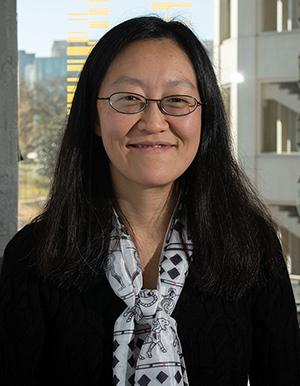
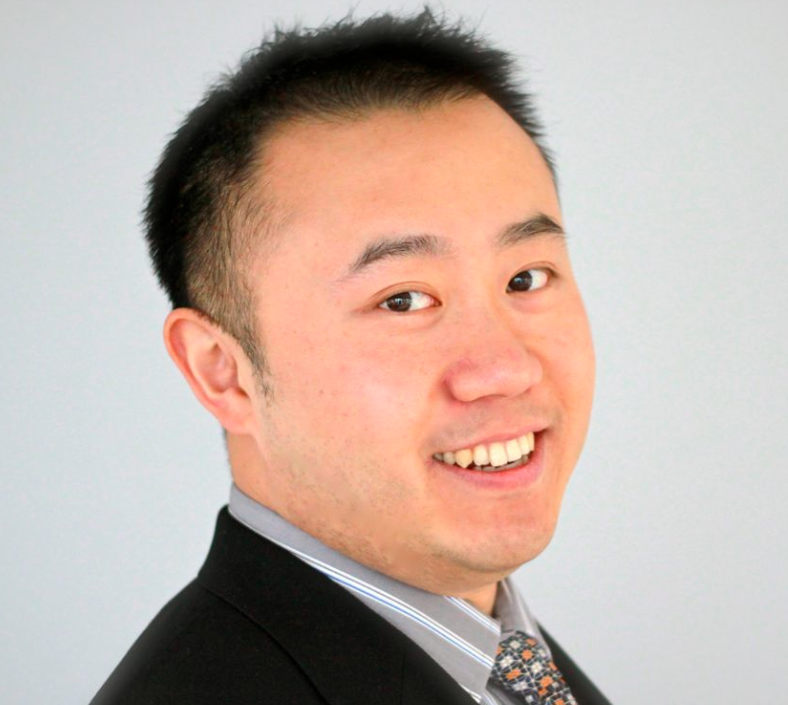
Anamaria Crisan is an Assistant Professor at the University of Waterloo, affiliated with the Insight Lab. Her research focuses on interdisciplinary work at the intersection of Human-Computer Interaction (HCI), Data Visualization, and Applied AI/ML. She explores human-centered approaches to AI/ML systems, visualization design for decision-making, and healthcare data science applications. Dr. Crisan holds a PhD in Computer Science from the University of British Columbia (2019), an MSc in Bioinformatics (2010), and a BComp in Biomedical Computing from Queen’s University (2008). Her educational background bridges computer science, biology, and healthcare informatics. Her research interests include responsible AI/ML systems, interactive visualization for data-driven decisions, and leveraging visualization in healthcare to improve outcomes. She emphasizes transparency, trustworthiness, and human alignment in AI technologies. Her work spans diverse applications such as genomic epidemiology, dashboard design, and ethical AI evaluation. Notable contributions include studies on human-AI collaboration, visualization linters, and scalable dashboard census methodologies. She has published widely in top-tier venues like IEEE VIS and ACM CHI. Dr. Crisan’s lab (UW Insight Lab) focuses on human-centered approaches to automating data science and improving visualization practices in critical domains like healthcare and public health.
Ariel Pakes is the Thomas Professor of Economics at Harvard University, part of the Faculty of Arts and Sciences and the Department of Economics. He previously held the Charles and Dorothea Dilley Professorship at Yale University and tenured roles at institutions including the University of Wisconsin and the Hebrew University of Jerusalem. His research focuses on industrial organization (I.O.), the economics of technological change, and econometric theory. Pakes has advised notable students who now lead economics departments globally and has received prestigious awards including the Frisch Medal (1986) and election to the American Academy of Arts and Sciences (2002). Education: Pakes earned his Ph.D. in Economics from Harvard University in 1980. His academic journey includes roles as a lecturer at Harvard and positions at the University of Jerusalem. Research Interests: Pakes has pioneered methodologies for analyzing I.O. models, including demand and cost system estimation. Recent work examines AI’s impact on pricing strategies, antitrust policy implications of market dynamics, and healthcare cost structures. His theoretical contributions include simulation estimators and frameworks for dynamic oligopolies. Awards: Frisch Medal (Econometric Society, 1986) Fellow of the Econometric Society (1988) Fellow of the American Academy of Arts and Sciences (2002) Best Graduate Student Advisor Award (Yale University, 1996) Advisory and Grants: Pakes has served on NSF panels, including the Economics Advisory Panel and Presidential Fellow Advisory Board. His consulting work spans government agencies and large firms. He edited the RAND Journal of Economics and co-chaired the AEA Census Advisory Panel. Labs/Teams: Collaborates with NBER as a Research Associate and contributes to interdisciplinary projects like the PNAS issue on 'Science, Technology and the Economy.'
Sriram Subramaniam is a Professor in the Department of Biochemistry and Molecular Biology at the University of British Columbia (UBC) and holds the Gobind Khorana Canada Excellence Research Chair in Precision Cancer Drug Design. His research leverages cryo-electron microscopy (cryo-EM) to advance structural biology and drug design, focusing on protein dynamics and therapeutic target identification. Education: PhD in Physical Chemistry (1987) from Stanford University; MSc in Chemistry (1981) from Indian Institute of Technology, Kanpur. Subramaniam's interdisciplinary work combines cryo-EM with computational tools and molecular biology to study protein structures at atomic resolution. His lab has pioneered cryo-EM applications in precision medicine, including mapping small molecule drugs on patient-specific cancer mutants. Recent publications (2024-2022) highlight his contributions to understanding SARS-CoV-2 immune evasion, structural mechanisms of ATPases, and AI integration in structural biology. His research spans viral entry mechanisms, CRISPR systems, and neurodegenerative disease pathways. Scientific Awards: Gobind Khorana Canada Excellence Research Chair NIH Director’s Award for Scientific Excellence Fellow of the Biophysical Society Breakthrough Prize nomination Based at the Djavad Mowafaghian Center for Brain Health, Subramaniam leads the Program in Cryo-EM Guided Drug Design, contributing to over 177 peer-reviewed publications with a career h-index of 58 and citations exceeding 12,340.
Hang Lu is a Professor and holds the Cecil J. "Pete" Silas Chair of Chemical & Biomolecular Engineering at the Georgia Institute of Technology. Dr. Lu also holds a Love Family Professorship and leads the Lµ Fluidics Group, which focuses on engineering microfluidic systems and machine learning tools to address complex questions in neuroscience, developmental biology, and cell biology that are difficult to address with conventional techniques. Dr. Lu's research lies at the intersection of engineering and biology, with primary interests including: Microfluidic systems for high-throughput screens and image-based genetics and genomics Systems biology: large-scale experimentation and data mining Microtechnologies for optical stimulation and optical recording Big data, machine vision, and automation Developmental neurobiology, behavioral neurobiology, and systems neuroscience Cancer biology, immunology, embryonic development, and stem cells Her laboratory engineers microfluidic devices and BioMEMS to study neuroscience, genetics, cancer biology, and biotechnology. These miniaturized Lab-on-a-chip tools operate at scales comparable to biological systems, leveraging unique micro and nano-scale phenomena to gather large-scale quantitative data about complex biological systems. Current projects include Microfluidics for Life Sciences, Optical Neuron Recordings and Manipulations, Machine Learning Tools for Neuroscience, Measuring and Modeling Behavior, and High-throughput, High-content Cell-based Assays. Analysis of Dr. Lu's recent publications (2024-2025) reveals a strong trend toward integrating microfluidics with advanced computational methods: Development of deep learning frameworks for biological image analysis Advanced neuron tracking and functional imaging techniques Non-invasive characterization of 3D organoid cultures Sophisticated neuromechanical modeling of locomotion Microfluidic temperature control systems for in vivo studies Label-free imaging pipelines for neural development Dr. Lu's significant professional honors include: Cecil J. "Pete" Silas Chair of Chemical & Biomolecular Engineering Love Family Professorship The Lµ Fluidics Group actively mentors students and postdocs, currently accepting new postdoctoral researchers. The lab receives substantial funding for interdisciplinary projects at the engineering-biology interface, with research implications spanning fundamental biological understanding to therapeutic development. The group operates within Georgia Tech's School of Chemical & Biomolecular Engineering, with specialized facilities for microfluidic device fabrication, biological experimentation, and advanced imaging, maintaining strong collaborative ties across engineering, neuroscience, and biological disciplines.
University of Illinois Urbana-ChampaignUnited States
Dr. Jimeng Sun is a Health Innovation Professor at the Siebel School of Computing and Data Science and Carle Illinois College of Medicine at the University of Illinois Urbana-Champaign. Co-founder of Keiji AI , he leads groundbreaking research at the intersection of artificial intelligence and healthcare, actively deploying clinical AI systems and developing frameworks like PyHealth and Therapeutics Data Commons . His research spans four major areas: Clinical AI Systems : Developing interpretable models (e.g., RETAIN) for patient similarity, temporal event prediction, medication recommendation, and clinical outcome forecasting Drug Discovery : Creating molecular optimization frameworks, drug-target interaction models, and AI-driven platforms Clinical Trials : Pioneering patient-trial matching, outcome prediction, and optimization frameworks using deep learning and graph neural networks Biosignal Analysis : Advancing sleep staging, seizure classification, and automated EEG/Cardiac monitoring systems With over 500 top-tier publications (including in Nature , NEJM AI , and leading AI conferences) and an h-index of 99, his work has been recognized with the Top 100 AI Leaders in Drug Discovery and Advanced Healthcare award. He maintains active collaborations with institutions like Massachusetts General Hospital , Medidata Solutions , and OSF Healthcare . His recent publications reveal a strong focus on: Reinforcement learning applications in medical data analysis Large language model adaptation for clinical tasks Knowledge graph integration with AI systems Synthetic data generation for healthcare Multi-modal learning in clinical contexts Explainable AI for medical applications Dr. Sun's lab ( Sunlab ) emphasizes practical impact over theoretical work, actively collaborating with hospitals and healthtech companies. He welcomes contributions from clinicians, researchers, and industry partners through initiatives like his AI for Health webinar series .
Raul Vicente Zafra is a Professor of Data Science at the University of Tartu, Faculty of Science and Technology, Institute of Computer Science, where he has been working since 2013. His research spans computational neuroscience, artificial intelligence, and data science, with a particular focus on bridging biological and artificial models of intelligence. Education: PhD in Physics (2001-2006), University of the Balearic Islands BSc in Physics (1997-2001) Professor Zafra's research interests center on computational neuroscience and artificial intelligence, with specific expertise in brain-computer interfaces, reinforcement learning, neural modeling, and explainable AI. His work bridges the gap between biological and artificial intelligence systems, exploring how neural principles can inform machine learning algorithms and vice versa. He has made significant contributions to understanding neural coherence, time interval learning in neural systems, and the application of information theory to brain-computer interfaces. His research often involves interdisciplinary collaboration between computer science, neuroscience, and medicine. Analysis of Zafra's recent publications reveals a strong focus on the intersection of artificial intelligence and neuroscience. His work spans explainable AI methods, brain-computer interfaces, reinforcement learning models that mimic cognitive processes, and neurophysiological studies of brain activity. A notable trend is his exploration of how biological principles of neural computation can inform and improve artificial intelligence systems, particularly in areas like time-based learning, consciousness modeling, and neural coherence. Scientific Awards: 2012: Attendee at the 62nd Lindau Nobel Laureate Meeting 2007: Quantum Electronics and Optics Division Prize of the European Physical Society for the best PhD Thesis in Applied Optics in Europe 2006: PhD Extraordinary Award of the Physics Department of the University of the Balearic Islands 2001: Physics Degree Extraordinary Award (First Class Honors, best GPA) 1997: Bronze Medal in the "8th Spanish Physics Olympiad" Professor Zafra has been principal investigator on numerous significant research projects including the Estonian Centre of Excellence in Artificial Intelligence, Cardiovascular Stress Impacts On Neuronal Function, and Bridging biological and artificial models of vision. His grant portfolio demonstrates strong funding support from the Estonian Research Council, European Commission, and other major funding bodies. He has supervised multiple PhD students and mentored early-career researchers in computational neuroscience and AI. His laboratory work focuses on developing computational models of neural systems and applying these insights to artificial intelligence. Current research directions include explainable AI methods, brain-computer interfaces, modeling of consciousness and cognitive processes, and the application of AI to healthcare challenges.
Philip S. Yu is a Distinguished Professor in the Department of Computer Science at the University of Illinois at Chicago and holds the Wexler Chair in Information Technology. Previously, he led the Software Tools and Techniques department at IBM Thomas J. Watson Research Center. Education: B.S. in Electrical Engineering, National Taiwan University M.S. and Ph.D. in Electrical Engineering, Stanford University M.B.A., New York University His research spans data mining , big data , social networks , privacy-preserving data publishing , graph/network mining , recommender systems , and deep learning . He has authored over 970 papers with 74,500+ citations and an H-index of 127. Recent work focuses on heterogeneous graph representation, quantum walks in network analysis, and federated unlearning. Scientific Honors: ACM SIGKDD 2016 Innovation Award IEEE Computer Society 2013 Technical Achievement Award IEEE ICDM 2003 Research Contributions Award IEEE Region 1 Award (1999) UIC Research of the Year (2013) IBM Master Inventor with 300+ patents AI 2000 Most Influential Scholar Honorable Mentions (2024-2025) He served as Editor-in-Chief for ACM Transactions on Knowledge Discovery from Data and IEEE Transactions on Knowledge and Data Engineering , and on steering committees for ACM KDD and IEEE Data Mining. His work bridges theoretical advances in graph neural networks , deep learning , and privacy-preserving systems with applications in healthcare, social media, and enterprise analytics.
Professor Chris Holmes is a Professor of Biostatistics at the University of Oxford, where he moved from Imperial College London in February 2004. He is a Fellow at St Anne's College and works in the Department of Statistics. His research focuses on applications and statistical methods development in genomic sciences and genetic epidemiology, holding a prestigious Programme Leaders Grant in Statistical Genomics from the Medical Research Council. Prior to his position at Oxford, Professor Holmes completed his doctorate in Bayesian statistics at Imperial College London, investigating novel nonlinear pattern recognition methods. This was followed by a post-doctoral position and then a lectureship at Imperial. Before his academic career, he worked in industry for several years in scientific computing, developing techniques for real-time pattern recognition models in defense and SCADA systems. Professor Holmes has a broad interest in the theory, methods and applications of statistics and statistical modeling, with a particular foundation in Bayesian statistics which he views as providing a unified framework for stochastic modeling and information processing. His specific research interests include: Bayesian statistics and stochastic simulation Markov chain Monte Carlo methods Pattern recognition and nonlinear, nonparametric methods Spatial statistics Statistical genetics and genomics Genetic epidemiology His recent publications (2023-2025) demonstrate a strong focus on the intersection of biostatistics, artificial intelligence, and healthcare applications. His work spans multiple domains including AI-driven disease classification in neurology, genomic data analysis for health equity, machine learning tools for healthcare prediction, and addressing bias in medical AI systems. A notable trend across his research is the application of advanced statistical methods to solve pressing problems in genomics, epidemiology, and medical diagnostics, with an increasing emphasis on health equity and the ethical implications of AI in healthcare. Professor Holmes currently supervises PhD students Oscar Clivio, Sahra Ghalebikesabi, and Natalia Garcia Martin. His research is supported by multiple grants, including the MRC Programme Leaders Grant in Statistical Genomics which funds his work in statistical genomics. He is actively involved in three research groups at Oxford that reflect the breadth of his scholarly interests: Computational Statistics and Machine Learning Statistical Genetics and Epidemiology Statistical Theory and Methodology
University of Illinois Urbana-ChampaignUnited States
Hadi Meidani is a Clinical Associate Professor at the Carle Illinois College of Medicine , specifically within the Department of Biomedical and Translational Sciences at the University of Illinois at Urbana-Champaign . He teaches courses in Civil and Environmental Engineering, including topics like Systems Engineering & Economics , Machine Learning in CEE , and Uncertainty Quantification . Ph.D., Civil Engineering, University of Southern California (2012) M.S., Electrical Engineering, University of Southern California (2012) M.S., Structural Engineering, Sharif University of Technology (2005) B.S., Civil Engineering, K.N. Toosi University of Technology (2002) Dr. Meidani's research focuses on uncertainty quantification , scientific machine learning , and optimization under uncertainty for engineering systems. His work spans stochastic multiscale analysis , physics-informed machine learning , and model reduction techniques. His recent publications emphasize machine learning for infrastructure systems , graph neural networks , physics-informed models , and traffic assignment . Key trends include deep learning , multi-fidelity modeling , and neural operator transformers applied to metamaterial design , seismic reliability , and autonomous freight delivery .
Flavio Vasconcellos Comim is a Full Professor at IQS School of Management in Barcelona, Spain, holding the Chair of Ethics and Christian Thought (intercenter). His research focuses on the intersections of Sustainability, Economics, and Ethics. Fields of Interest : Human Development, Capability Approach, Social Exclusion, Regional Development, AI Ethics, Poverty Stigma (Aporophobia), Sustainable Development, Social Welfare, Justice, and Happiness. Recent research includes publications on youth HDI in Spain (2025), AI bias against the poor (2024), and critiques of Sen's social choice theory (2024). He leads projects like Big data applied to the study of aporophobia and Population Medicine and Sustainable Development collaborations with China. His academic output spans journals like Regional Studies , AI and Society , and Cambridge Journal of Regions, Economy and Society , with keywords spanning Economics, Machine Learning, Human Development, and Social Justice. No formal students or awards are listed in available records.
Swiss Federal Institute of Technology in LausanneSwitzerland
Pierre Vandergheynst is a Full Professor at the Swiss Federal Institute of Technology Lausanne (EPFL) in the Department of Electrical Engineering, with a courtesy appointment in Computer and Communication Sciences. He serves as EPFL’s Vice-Provost for Education since 2015 and leads the Signal Processing Laboratory 2 (LTS2). His research spans harmonic analysis, sparse approximations, mathematical data processing, and applications in signal/image processing, computer vision, machine learning, and graph-based data analysis. PhD in Mathematical Physics (1998), Université catholique de Louvain Postdoctoral Researcher at EPFL (1998-2001) Assistant Professor at EPFL (2002-2007) His research explores geometry/symmetry in high-dimensional data, redundant dictionaries for dimensionality reduction, and computational harmonic analysis on manifolds. Recent work focuses on protein structure modeling, geometric deep learning, and graph-based signal processing. Key article trends include graph neural networks for protein analysis, geometric deep learning in neuroscience, and structured knowledge priors in neural models. His 2023-2025 publications emphasize interpretable AI, long-range dependencies in graphs, and molecular representation learning. Scientific Awards: IEEE Signal Processing Magazine Best Paper Award (2023) Signal Processing Society Best Paper Award (2022) Apple ARTS Award (2007) De Boelpaepe Prize, Royal Academy of Sciences of Belgium (2009-2010) He has supervised over 30 PhD theses and contributed to foundational work in graph signal processing, compressive sensing, and geometric deep learning. His lab develops tools for data science on non-Euclidean structures, with applications in medicine, astronomy, and wireless systems.
Alexis Battle is an Associate Professor at Johns Hopkins University with appointments in Biomedical Engineering , Computer Science , and Genetic Medicine (secondary). She directs the Malone Center for Engineering in Healthcare and serves as Deputy Director of the Data Science and AI Institute . Educated at Stanford University (PhD in Computer Science, 2013), Battle transitioned to academia after leadership roles at Google. Research Focus: Battle’s work bridges genomics and machine learning , emphasizing the impact of genetic variation on human health. Her lab develops tools like Watershed to predict functional effects of rare variants, aiming to enhance rare disease diagnosis. Key themes include non-coding DNA analysis , personalized genomics , and systems biology , with applications in cardiovascular disease and neurodegenerative disorders . Publications & Awards: Over 60 peer-reviewed articles in journals like Nature , Science , and Genome Biology , with recent emphasis on single-cell transcriptomics , multiomics integration , and telomere biology . Recipient of the President’s Frontier Award (2022), Microsoft Investigator Fellowship (2019), and Searle Scholar (2016). Scientific Awards: 2022 President’s Frontier Award 2019 Microsoft Investigator Fellowship 2019 Johns Hopkins Discovery Award 2017 Johns Hopkins Catalyst Award 2016 Searle Scholar Advising & Funding: Mentors 11 PhD students, 3 undergraduates, and postdoctoral fellows. Her research is funded by NIH, Searle Scholars, and institutional grants. The Battle Lab collaborates on projects like the GTEx Consortium , focusing on gene regulation and clinical genomics .
Dr. Yeun Joon Kim is an Associate Professor in Organisational Behaviour at the Judge Business School , University of Cambridge, and a Principal Investigator at the Institute of Metabolic Science , School of Clinical Medicine. He serves as the Director of the MPhil in Strategy, Marketing, Operations and Organisational Behaviour Programme and focuses on creativity, culture creation, and human-AI collaboration in organisational and medical contexts. Education PhD, University of Toronto MS and BA, Seoul National University BA, Yonsei University Research Interests : Dr. Kim investigates how information structure and feedback influence employee creativity, strategies for functional culture creation in organisations, and the psychological and social impacts of AI integration in workplaces and medical practices. His work spans organisational theory, behavioural science, and technology ethics. Academic Contributions : His research on human-AI collaboration demonstrates that while initial co-creation boosts creativity, long-term reliance on AI can hinder learning. In medical contexts, he explores patient moralisation of AI and its implications for healthcare interactions. Collaborations and Affiliations : Dr. Kim collaborates with firms like Invesco and LGIM on diversity and inclusion, and with Kyobo Lifeplanet on organisational strategy. He leads the Human-AI Research Group in Medicine and Organisations , mentoring PhD students Jungmin Choi, Pengzhao Lyu, and Yingyue Luan. Contact : Reach Dr. Kim via y.kim@jbs.cam.ac.uk or yj320@cam.ac.uk .
WANG Ye is an Associate Professor in the Department of Computer Science at the School of Computing, National University of Singapore (NUS). He holds a PhD in Information Technology from Tampere University of Technology, Finland, and has been a tenured faculty member at NUS since 2002, following his industry research role at Nokia Research Center. He is the director of the Sound and Music Computing Lab at NUS, leading cutting-edge research in AI-driven music and health technologies. PhD, Information Technology, Tampere University of Technology, Finland (2002) MSc, Telecommunications, Braunschweig University of Technology, Germany (1993) BSc, Telecommunications, South China University of Technology, China (1983) His research is centered on Sound and Music Computing for Human Health and Potential (SMC4HHP) , with a focus on eHealth, eLearning, mobile/wearable computing, and music information retrieval. His work spans AI for stroke rehabilitation, language learning through singing, singing voice synthesis, and automatic music transcription. He has pioneered systems like SLIONS (language learning via karaoke), CocoLyricist (AI co-creation for stroke recovery), and SinTechSVS (expressive singing voice synthesis). The latest articles highlight a strong trend in AI-driven music and health technologies , particularly in controllable lyric generation, singing voice synthesis, automatic pronunciation assessment, and multimodal music transcription. The research increasingly integrates large language models, explainable AI, fairness, and real-world deployment, reflecting a shift from theoretical exploration to practical, human-centered applications in healthcare and education. Dr. Wang has received numerous scientific honors, including: Best Paper Awards at ACM MM, ISMIR, IEEE ISM, and CHI First Prize, Asia Pacific Assistive, Rehabilitative, and Therapeutic Technologies Challenge (2015) Faculty Teaching Excellence Award, NUS School of Computing (2024) Top Paper Award, ACM Multimedia 2022 AI in Medicine Collaborative Grant for CocoLyricist project He has supervised over 11 PhD and 20 MComp students and is currently guiding six PhD candidates. His grants come from MOE, NRF, A*STAR, Nokia, and Smule. He has served as General Chair of ISMIR2017 and TPC Co-Chair of ICOT2017, and is on the editorial boards of IEEE Transactions on Multimedia and Journal of New Music Research. He has also developed and taught the first course on Sound and Music Computing in Singapore. Dr. Wang leads the Sound and Music Computing Lab (SMC Lab) , a multidisciplinary team exploring the synergy of music computing, AI, mobile technology, and cloud systems for health and education. The lab actively collaborates with medical institutions such as NUS Yong Loo Lin School of Medicine, Singapore General Hospital, and Harvard Medical School, and is currently working on projects in AI-supported language learning, stroke rehabilitation, and intelligent music interfaces.
Yannis Paschalidis is a Distinguished Professor at Boston University with appointments in Electrical and Computer Engineering, Systems Engineering, Biomedical Engineering, and Computing & Data Sciences. He serves as Director of the Rafik B. Hariri Institute for Computing and Computational Science & Engineering. He holds a PhD (1996) and MS (1993) in Electrical Engineering and Computer Science from MIT, and a Diploma (1991) from the National Technical University of Athens. His interdisciplinary research spans optimization, control systems, machine learning, and data science with applications in healthcare, autonomous systems, and networks. Key focus areas include developing algorithms for autonomous navigation, healthcare analytics for clinical decision support, energy demand optimization, and computational biology for protein interaction modeling. Recent publications demonstrate strong focus on AI robustness (adversarial defenses, distributional robustness), healthcare applications (cognitive impairment detection, epidemic control), and sustainable systems (power networks, ecological forecasting). Methodological innovations center on reinforcement learning, distributionally robust optimization, and geometric analysis of classical algorithms. CAREER Award (NSF) IEEE Fellow (2014) IFAC Fellow (2022) IBM/IEEE Smarter Planet Award IEEE Computer Society Crowd Sourcing Prize IMIA Best Paper Award Charles DeLisi Award (2020) Distinguished Professor of Engineering As primary advisor to 35 PhD graduates, he leads the Network Optimization & Control (NOC) Lab. His research is funded by NSF, NIH, DoD, ARPA-E, and industry partners, including major grants on Neuro-Autonomy (ONR MURI), pandemic preparedness (ARPA-E NewRAMP), and healthcare AI (NIH QuBBD). He directs the Network Optimization & Control Lab focusing on optimization, learning, and control for autonomous systems, healthcare, and networks. The lab develops fundamental methodologies with applications in robotics, computational medicine, and infrastructure systems.