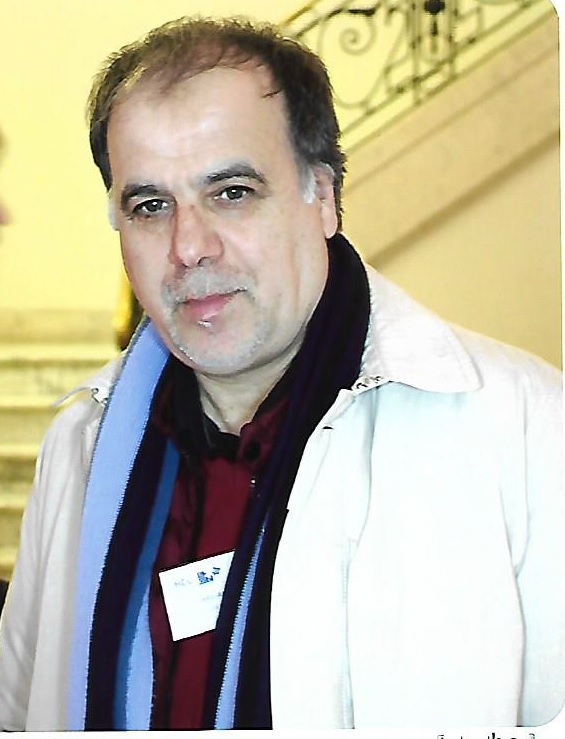
Ana BumberView profile
Assistant Professor
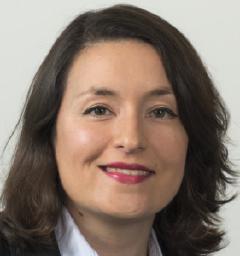
Ana Bumber is a Doctor of English Studies currently serving as an ATER (temporary teaching and research associate) at Université Paul Sabatier Toulouse 3, assigned to IUT A. She is affiliated with the Department of Chemical Engineering Process Engineering, though her academic work is firmly rooted in English literature and language pedagogy. Her dual research focus bridges the humanities and technology, particularly in AI applications for language education and the literary artistry of Vladimir Nabokov. Her research interests include Artificial Intelligence in Language Teaching , generative AI tools , automatically generated subtitles , and intermediality in Vladimir Nabokov’s work . She explores how AI influences second language acquisition and investigates Nabokov’s intricate use of visual and sensory elements in literature. Her work often intersects digital pedagogy with modernist literary analysis. The recent trends in her publications show a strong emphasis on AI in education , particularly tools like HeyGEN for influencing L2 motivation, and the evaluation of AI-generated captions in ESP contexts. Simultaneously, she continues to publish on Nabokov’s aesthetic empiricism, train imagery, nature writing, and portraiture, reflecting a sustained scholarly engagement with modernist intermediality. Scientific Affiliations and Service: Member, French Vladimir Nabokov Society (SFVN) – also on the board (CA) Member, International Vladimir Nabokov Society (IVNS) Member, European Association for Computer Assisted Language Learning (EUROCALL) Member, Modern Language Association (MLA) Member, Society for Modernist Studies (SEM) Organizing member, Pedagogical Exchange Days (Lairdil) Webmaster team member for academic website Ana Bumber is actively involved in academic mentoring and pedagogical innovation, though no formal advisees are listed. She has organized pedagogical events and contributed to curriculum development through active learning strategies such as 'Job Dating' and peer feedback workshops. She has not received any explicitly mentioned grants or scientific awards in the provided text. Her work is supported through institutional affiliations and collaborative research networks, particularly in Nabokov studies and AI-enhanced language teaching. She participates in interdisciplinary seminars such as the EFELIA-ANITI cycle on AI and Humanities, indicating a strong commitment to bridging technological and humanistic scholarship.