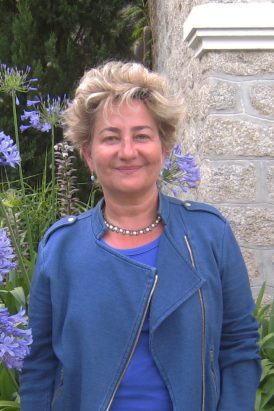
Kathryn Babayan is a Professor at the University of Michigan , affiliated with the Middle East Studies department. Her research focuses on the cultural, social, and political histories of the Persianate world, particularly Iran, Iraq, Anatolia, and Central Asia. Her work integrates gender and sexuality studies , Safavid dynasty analysis , and material culture approaches to explore historical narratives. She is currently researching literacy practices in early modern Isfahan through her book The City as Anthology , examining how anthologies (majmu'a/muraqqa') reshaped urban experience and individual sovereignty. Collaborations include co-authoring Slaves of the Shah with Susan Babaie, Massumeh Farhad, and Ena Baghdiantz-McCabe, and co-editing Islamicate Sexualities with Afsaneh Najmabadi. Her publications bridge historiography , religion , and visual culture .
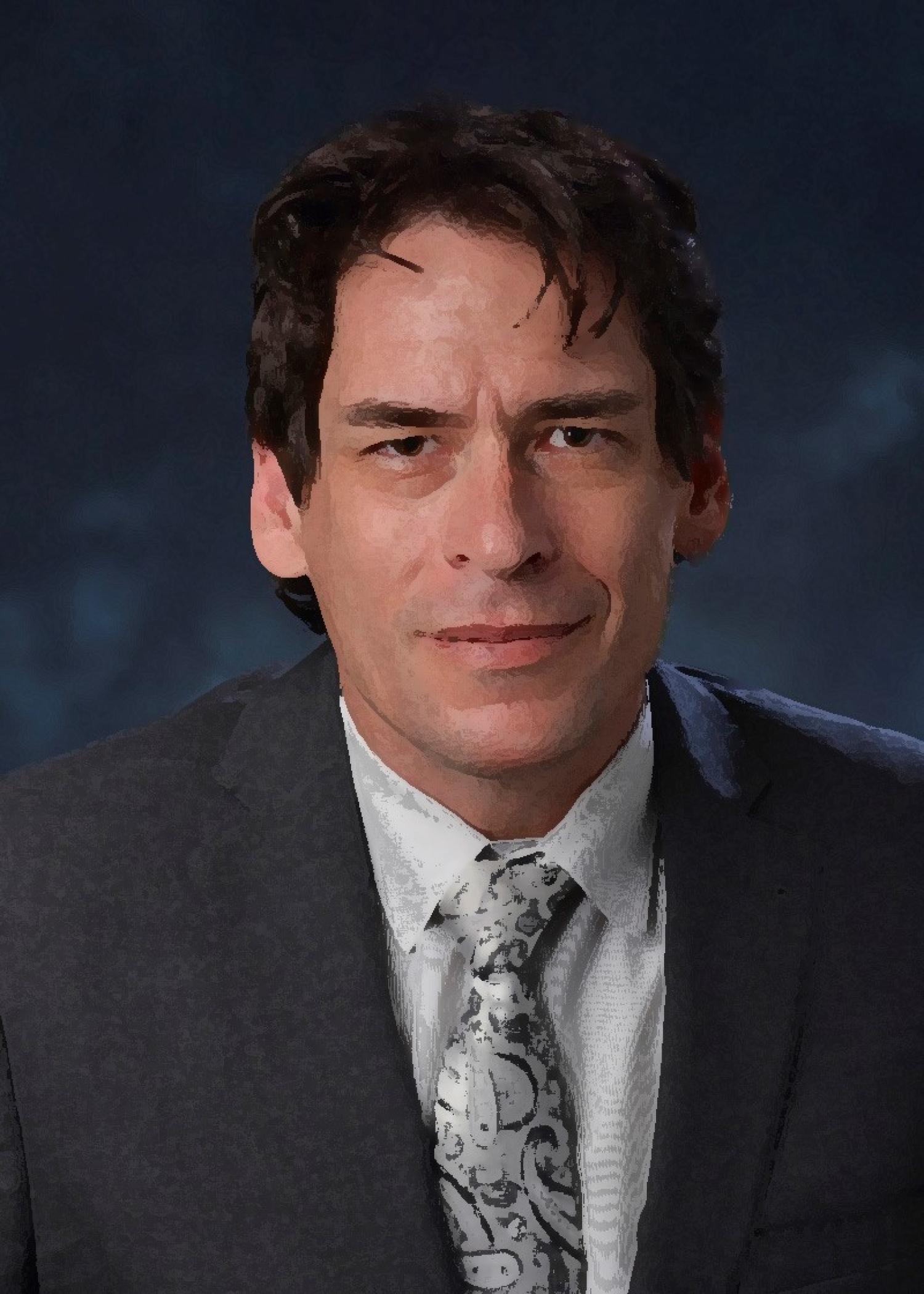
David Kazanjian is a Professor of English and Comparative Literature at the University of Pennsylvania's School of Arts & Sciences. He serves as Graduate Chair for the Comparative Literature and Literary Theory program (2024-25, 2026-2028), and has held prestigious fellowships including the Institute for Advanced Study (Princeton, 2026), Vartan Gregorian Center (NYPL, 2025), and Berlin Prize. His scholarship bridges transnational American studies, Armenian diaspora studies, political philosophy, and postcolonial theory. PhD in Rhetoric, University of California, Berkeley M.A. in Critical Theory, University of Sussex B.A. in Modern Thought and Literature, Stanford University Kazanjian's research examines dispossession through legal archives, transnational Armenian cultural politics, and 19th-century social movements. His work spans early American literature, Latin American colonialism, trauma theory, and Marxist analysis of freedom discourses. Recent publications address dispossession in colonial New England/Yucatán, Armenian diaspora representation, and improvisational freedom practices in the Atlantic world. His editorial roles include co-editing NYU Press's America and the Long 19th Century series and Social Text journal. 2022 Penn Provost's Award for Outstanding Mentorship of Ph.D. Students Berlin Prize, American Academy of Berlin As co-director of the Tepoztlán Institute for Transnational History of the Americas (2017-19) and affiliations with Penn's Gender & Sexuality Studies, Latin American Studies, and Middle East Center, Kazanjian fosters interdisciplinary scholarship. He teaches courses on capitalism theories, early American literature, and critical theory. His lab and collective work includes the Tepoztlán Institute and Social Text editorial collective, focusing on transnational historical methods and diasporic cultural analysis.
Brian A. Catlos is Professor of Religious Studies at the University of Colorado Boulder and Research Associate in Humanities at the University of California Santa Cruz. He serves as Director of the CU Mediterranean Studies Group and Co-Director of The Mediterranean Seminar, an international scholarly forum with over 1,900 members worldwide. His academic appointments span multiple disciplines including Religious Studies, History, Ethnic Studies, Asian Languages and Civilizations, and Jewish Studies. Dr. Catlos specializes in Christian-Muslim-Jewish relations, Medieval Mediterranean history, and ethno-religious minorities in pre-modern contexts. His research focuses on the complex dynamics of religious and ethnic identity in medieval Europe and the Islamic world, particularly in the Iberian Peninsula. He explores how religious minorities navigated political power structures while maintaining cultural and religious identities under majority rule. His publications reveal a consistent focus on challenging simplistic narratives about religious conflict in medieval Mediterranean societies. Rather than portraying these societies as defined primarily by religious division, his work emphasizes the practical accommodations, economic interdependencies, and complex identities that characterized daily life across religious boundaries. His research demonstrates how religious identity often functioned alongside other social markers like language, profession, and regional affiliation. Catlos has received numerous prestigious awards including the Medieval Academy of America's Charles Homer Haskins Medal (2018), the Middle East Studies Association's Albert Hourani Book Prize (2014), and a 2024 Guggenheim Fellowship. His books have been translated into numerous languages including Spanish, German, Polish, Korean, Russian, and Chinese. 2024 Guggenheim Fellow Medieval Academy of America's Charles Homer Haskins Medal (2018) Middle East Studies Association's Albert Hourani Book Prize (2014) American Historical Association's James A. Rawley Prize American Historical Association's Premio del Rey Boulder Faculty Association Award for Excellence in Research (2015) As an educator, Catlos mentors MA students interested in Mediterranean Studies and Christian-Muslim-Jewish relations, with recent students securing fully-funded PhD positions at Princeton, Brown, and Rochester. He has received multiple teaching and leadership awards from the Boulder Faculty Association. His current research includes 'An Age of Convergence: Christians, Muslims and Jews in the Pre-Modern Mediterranean' and 'James the Conqueror: A Crusader King in an Age of Faith and Reason.'
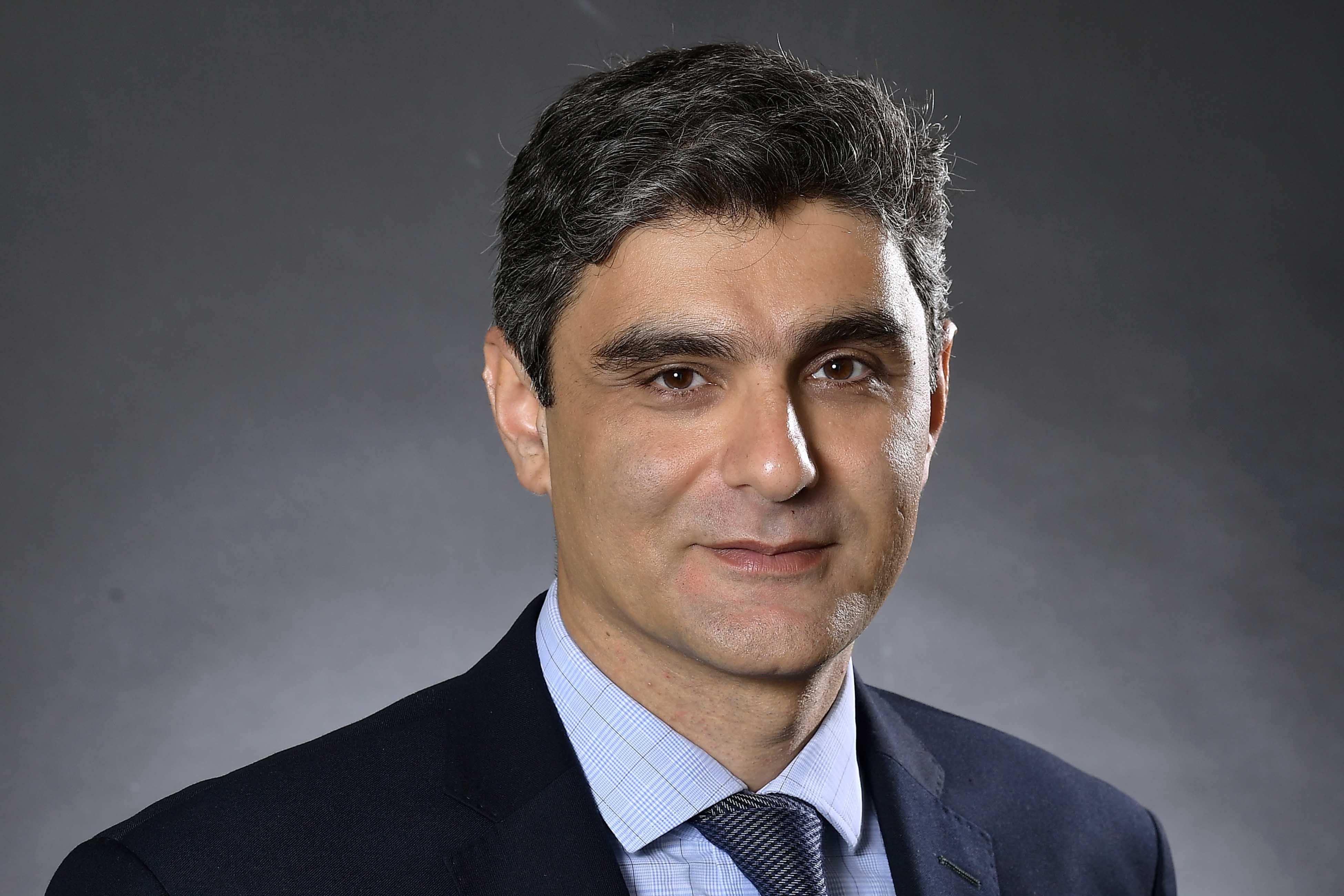
Benjamin Braude is an Associate Professor in the History Department at Boston College. His research focuses on race, collective identities, and religious/ethnic dynamics across Jewish, Christian, and Muslim cultures. He holds a Ph.D. from Harvard University and has held distinguished visiting positions at institutions like the École des hautes études en sciences sociales in Paris and the Hebrew University of Jerusalem's Institute for Advanced Studies. Education: Ph.D., Harvard University Research interests include Ottoman history, Jewish history, and post-national historiography. His current book project explores the construction of racial attitudes from antiquity to modernity through the lens of the Sons of Noah narratives. Braude’s work bridges medieval and early modern periods, emphasizing comparative approaches to religious and ethnic identity formation. Publications span topics from Islamic-Jewish-Christian relations to economic histories of Mediterranean trade. His most recent work (2002) examines slavery and race through exegesis in three Abrahamic traditions. Earlier works include co-editing Christians and Jews in the Ottoman Empire (1982) and analyzing Sephardic economic stereotypes (2001). Awards and Fellowships: Institute for Advanced Studies, Hebrew University (Fellow) École des hautes études en sciences sociales (Visiting Professor) His scholarship engages with transnational and diasporic frameworks, as seen in his comparative study of Armenian and Jewish nationalist movements (1999). Braude’s work often critiques traditional historiographical boundaries, advocating for post-national analytical perspectives.
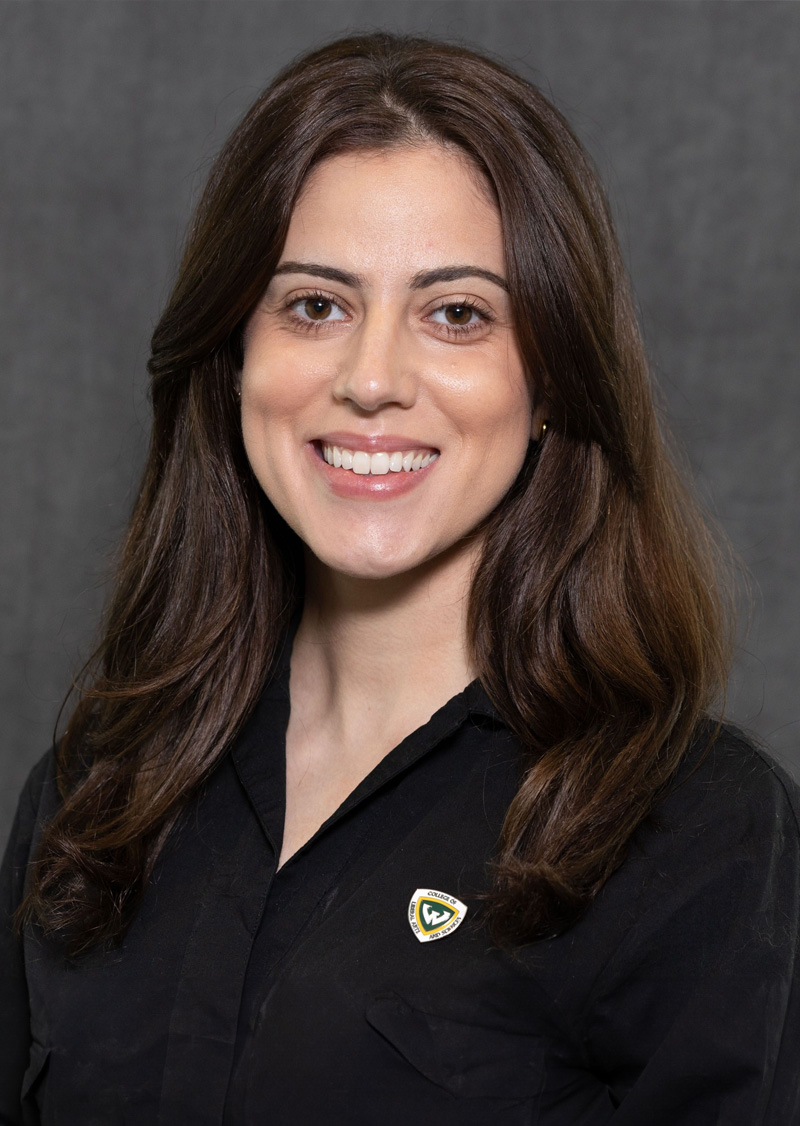
Inna Mirzoyan is an Assistant Professor (Teaching) in the Department of Sociology at Wayne State University's College of Liberal Arts and Sciences. She specializes in transnationalism, urban studies, gender studies, and multimedia pedagogy. Her research explores diaspora communities, globalization, and qualitative methods. Mirzoyan has taught courses such as SOC1010 (Understanding Human Society) and SOC3400 (Exploring Marriage and Intimate Relationships) across multiple terms. Ph.D. in Sociology & Women's/Gender Studies, Michigan State University (2023) M.A. in Sociology, Michigan State University (2019) B.A. in Social Relations & Policy, Michigan State University (2014) Her research interests emphasize visual sociology, with notable work on Armenian diasporic communities and disparities in healthcare access for LGBTQ+ populations. She received the U.S. Fulbright Research Award (2021) and has published reviews in Contemporary Sociology and Teaching Sociology , focusing on genocide studies, sports sociology, and urban sociology. Publications : Explores themes like diaspora identity, healthcare equity, and media pedagogy through visual and qualitative methodologies. Mirzoyan integrates multimedia tools into teaching, as seen in her course Cameras and Classrooms: Methods of Visual Sociology . She has advised no listed students and no grants are specified, though her Fulbright award highlights prior research support.
University of California, Los AngelesUnited States
Hagop Kouloujian is a faculty member affiliated with the Armenian Studies program within the College of Letters and Science at the University of California, Los Angeles . Holding a PhD in Literature from the Jesuit University of Buenos Aires, he specializes in Armenian diasporic identity, poststructuralist approaches to medieval mysticism, and language vitality initiatives. Education PhD in Literature (Jesuit University of Buenos Aires, with highest distinction) MBA (University of Buenos Aires) His research intersects Armenian diasporic identity , poststructuralist theory , and language preservation strategies , particularly through creative literacy in non-dominant languages. His publications analyze Armenian communities in Los Angeles, globalization’s impact on diasporic literature, and reinterpretations of medieval Armenian texts like Grigor Narekac‘i’s works. Kouloujian’s teaching includes courses such as Elementary Modern Western Armenian , Intermediate Modern Western Armenian , and Language in Action: Producing and Creating in Armenian in Diaspora , emphasizing practical engagement with the language in diasporic contexts.
University of Illinois Urbana-ChampaignUnited States
Robert Geraci is a Research Professor in the Department of History at the University of Illinois at Urbana-Champaign (UIUC), affiliated with the College of Liberal Arts & Sciences. His primary research focuses on the ethno-national diversity of the Russian Empire, particularly cultural assimilation policies and the economic roles of minority groups. He holds a Ph.D. in History from the University of California, Berkeley, and previously taught at the University of Virginia for over two decades. Geraci’s work bridges imperial history with cultural studies, emphasizing Russia’s interactions with its non-Russian populations through missionary activities, education, and economic dynamics. His most recent book project, Imperial Bazaar , examines the ethno-national dimensions of trade in the Russian Empire. He has held additional appointments as Research Associate Professor in the University Library, Slavic Languages and Literatures, and the Russian, East European, and Eurasian Center. His publications include groundbreaking studies like Window on the East (2001) and articles challenging long-held interpretations of the Pale of Jewish Settlement. Geraci’s research interests span Russian imperial policies, religious conversion, and economic nationalism. He has conducted extensive archival research in Russia since the 1990s, contributing to the “imperial turn” in Russian historiography. His interdisciplinary approach integrates history, anthropology, and political studies to analyze imperial governance and minority integration. He collaborates with scholars across disciplines at UIUC, including the School of Information Sciences, and mentors graduate students in history and related fields.
Aleksandr V. Gevorkyan is a Professor of Economics at the Department of Economics and Finance within the Peter J. Tobin College of Business at St. John’s University in New York City. He holds the Henry George Chair in Economics and serves as a Senior Research Fellow at the Vincentian Centre for Church and Society, and Research Fellow at the Center for Global Business Stewardship. His research focuses on Open economy macroeconomics Post-socialist transition economics Diaspora economics Foreign exchange constraints Macroeconomic policy Economic development in emerging markets His recent publications analyze themes such as Diaspora bonds and economic development Exchange market pressure in commodity exporters Artificial intelligence’s societal impact Speculative cycles in corporate finance Poverty trends in transition economies Central bank reserve composition He serves on editorial boards of Review of Political Economy , Review of Keynesian Economics , and Armenian Journal of Economics , and advises the Holy See’s UN Observer Mission . His work bridges academic research with policy engagement in post-Soviet and developing economies.
Aram Ghoogasian is a Post-Graduate Research Associate at Princeton University specializing in Armenian cultural history. He received his PhD in Near Eastern Studies from Princeton in 2025 and maintains an office in Jones Hall. His research bridges historical, linguistic, and sociological frameworks to examine Armenian identity formation across imperial and diasporic contexts. Education PhD in Near Eastern Studies, Princeton University (2025) Dr. Ghoogasian's work centers on Armenian print culture, Armeno-Turkish linguistic production, and racial identity in Armenian-American communities. His current book project analyzes 19th-century Armenian print networks across Ottoman, Caucasian, and transregional diaspora hubs, investigating how periodicals, literacy practices, and literary forms coalesced into distinct cultural ecosystems. He critically engages with hybridity theory while exploring intersections of class, race, and civil conflict in Caucasus history. His publication trajectory reveals three evolving thematic strands: (1) deconstruction of Armeno-Turkish linguistic frameworks through historical linguistics and postcolonial theory, (2) examination of Armenian-American identity formation through literary analysis and whiteness studies, and (3) investigation of Soviet-era class/race dynamics during the Armenian Civil War. These threads demonstrate increasing methodological synthesis across history, literary criticism, and critical race theory.
Ozan Aksoy is an Assistant Professor in the Department of Liberal Arts and Sciences at Berklee College of Music. He holds a PhD in Ethnomusicology from the CUNY Graduate Center and has previously taught at Columbia University, New York University, Hunter College, and CUNY. His academic and artistic work bridges the fields of music, cultural identity, migration, and political expression. His educational background includes a Doctor of Philosophy in Ethnomusicology from the CUNY Graduate School and University Center (2014), a Master of Arts in Musicology from CUNY Brooklyn College (2009), and a Bachelor of Science in Industrial Engineering from Boğaziçi University in Türkiye (2002). A renowned multi-instrumentalist and vocalist, Aksoy specializes in the musical traditions of Kurdish, Armenian, Alevi, and other minority communities in Turkey. His research interests include ethnomusicology, music and migration, identity politics, and the role of music in social movements. He was an early member of the critically acclaimed ensemble Kardeş Türküler, which performed songs of suppressed ethnic and religious groups in Turkey and toured extensively in Europe. His scholarly publications focus on the intersection of music, politics, and cultural identity, particularly among Alevi immigrants in Germany and in Turkish-Kurdish environmentalist discourse. His 2018 solo album Ozan received critical acclaim for its innovative fusion of traditional Anatolian sounds with contemporary and global influences, including jazz and flamenco. Pre-Dissertation Award, Andrew W. Mellon Foundation Chancellor’s Fellowship, CUNY Graduate Center Aksoy’s academic and artistic work reflects a deep commitment to cultural preservation, cross-cultural dialogue, and the transformative power of music. He continues to perform, record, and lead ensembles that explore the rich musical heritage of the Middle East and Mediterranean, while mentoring students at Berklee in liberal arts and music studies.
Ina Baghdiantz-McCabe is a Professor and Darakjian Jafarian Chair of Armenian History at Tufts University's School of Arts and Sciences. Since 1998, she has combined teaching with extensive research on Armenian diaspora networks and early modern Eurasian exchanges. PhD in History (Columbia University, 1993) MA in Middle Eastern History (Columbia, 1986) DEA in Modern European History (Sorbonne, 1982) MA & BA in European History & Art (Sorbonne, 1981-1978) Her research focuses on transregional economic and intellectual exchanges in the early modern period, particularly Armenian merchant networks, Safavid slavery systems, and consumption history. She has received prestigious fellowships including Radcliffe Institute (Harvard) and CHAT Fellowship. Expertise in Eurasian trade networks Specialized in Armenian diaspora studies Contributions to orientalism analysis Pioneering research on silver/silk trade Innovative work on cultural hybridity Leadership in diaspora entrepreneurship Publications reveal consistent themes of cross-cultural interaction, spanning topics from Armenians in New Julfa (2018) to foundational work on The Shah's Silk for Europe's Silver (1999). Her 2008 monograph Orientalism in Early Modern France demonstrates how French perceptions shaped Eurasian trade. Faculty Research Awards Committee Distinguished Scholar (2008) CHAT Fellowship (2018-2019) Teaching interests include consumption history, global history, and Armenian studies. She has developed courses like History of Consumption and Modern Armenia , and serves as core faculty for International Relations and affiliated faculty at the Fares Center.
Arpi Movsesian is an Assistant Professor of Slavic and Eurasian Studies at the University of Notre Dame, specializing in Russian and Armenian literatures, comparative foolery, and imperial/postcolonial contexts. She holds a Ph.D. from UC Santa Barbara (2022) and advanced degrees in English literature. Education: Ph.D., University of California, Santa Barbara (2022) M.A., California State University, Northridge (2014) B.A., California State University, Northridge (2011) Movsesian’s research explores Russian literature through the lens of foolishness (holy fools, clowns, rogues) as a framework for understanding marginality, empathy, and disability in Dostoevsky and Shakespeare. Her work also interrogates 19th-century Russian political movements and their ideological echoes in Soviet-era literature. Her current book project, Bloodied Ballads, Living Empires , examines Armenian lyrical poetry across imperial contexts (Ottoman, Russian, Persian, Soviet), focusing on transcultural identity , imperial domination, and international solidarity. This builds on her co-authored 2017 study Love and Its Critics , which analyzed love’s subversive role in Western literary history. Movsesian’s publications blend comparative analysis with deep dives into Soviet performance, Armenian diaspora narratives, and literary dialogues. She is influenced by Homi Bhabha’s concept of “emergence in emergency” and her Armenian Genocide survivor heritage.
Elyse Semerdjian is a Professor of History at Clark University, specializing in the social history of the Ottoman Empire with a focus on women and Armenian subjects. She holds a Ph.D. in History from Georgetown University (2003), an M.A. in Middle Eastern Studies from the University of Michigan (1994), and a B.A. in Political Science and Philosophy from Albion College (1992). Her research explores gender, urban history, legal frameworks, and the Armenian Genocide. Notable works include Off the Straight Path (2008) and Remnants (2023). She has held fellowships such as the Dumanian Visiting Professor in Armenian Studies at the University of Chicago and the Cornell University Society for the Humanities Fellowship (2016). Recently, her German Research Grant (2023-2024) supported research on Aleppo’s Armenian community. Her publications bridge Ottoman legal practices, urban spaces, and genocide studies, emphasizing embodied archives and comparative conflict analysis. Current projects include a history of Aleppo’s Armenian community from Ottoman rule to its post-war disappearance.
John Gery is a Research Professor of Poetry in the Department of English at the University of New Orleans. He is also a member of the Women's and Gender Studies faculty, teaching both campus and online courses in creative writing and poetry. Gery serves as the Founding Director of the Ezra Pound Center for Literature in Brunnenburg, Italy, which has offered summer seminars for 27 years at Pound's family castle in northern Italy. His educational background includes: MA, University of Chicago, 1976 MA, Stanford University, 1978 Professor Gery's research spans multiple areas of poetry and literary studies, with particular expertise in American poetry from colonial times to the present. His work encompasses modernist poetry, Ezra Pound studies, translation theory and practice, and the relationship between nuclearism and contemporary American poetry. He has made significant contributions to understanding immigrant poetry and the confessional tradition in American poetry through both creative and scholarly work. Analysis of Gery's publications reveals a consistent engagement with both creative and critical approaches to poetry. His work demonstrates expertise in American literary traditions while maintaining a strong international perspective through translation work and cross-cultural studies. A notable thread throughout his career is the exploration of historical and cultural contexts in poetry, particularly examining how poets engage with social, political, and historical forces. His scientific awards and recognitions include: Publishers Weekly Best Book Award (1995) Franz Kafka European Award (Prague, 1999) NEA Creative Writing Fellowship (1993) Fulbright Fellowship (Serbia, 2007) Research Fellowship from the Institute for Advanced Study, University of Minnesota (2006) Multiple artist grants from the Louisiana Division of the Arts As an educator, Professor Gery has taught a wide range of courses from introductory poetry writing to graduate seminars on specialized topics including Early American Poetry, Modern American Women's Poets, and Six Mid-20th Century American Poets (Bishop, Rukeyser, Berryman, Jarrell, Lowell, and Brooks). He serves as Faculty Advisor for the undergraduate Creative Arts Movement and has held visiting lectureships in Rome, Venice, Belgrade, Beijing, and Salamanca, as well as at numerous institutions throughout the United States. Professor Gery founded and directs the Ezra Pound Center for Literature at Brunnenburg Castle in northern Italy, which has provided summer seminars on Ezra Pound's poetry and Creative Writing for 27 years. He also serves as Series Editor of the EPCL Book Series at Clemson University Press and has co-edited multiple international anthologies of poetry and critical collections on modernist poetry.
Lisa Gulesserian is a Teaching Professor of Armenian Language and Culture at Harvard University's Department of Near Eastern Languages & Civilizations. She teaches Western Armenian language courses and has developed an innovative open educational resource textbook funded by Michigan State University. Her work focuses on Armenian cultural memory, feminist literature, and postcolonial discourse. Research interests include the Armenian Genocide, contemporary Armenian film/literature, and pedagogical approaches to less commonly taught languages. She edited the English translation of Srpuhi Dussap’s 19th-century feminist novel Mayda: Echoes of Protest (2020). Her analyses of Micheline Aharonian Marcom’s genocide trilogy appear in Big Other and C21 Literature . Recipient: 2024 LCTL Innovation Award for technology-driven language education Teaching roles include Harvard, Harvard Extension School, and University of Texas at Austin. Current projects involve interactive language resources and digital humanities applications for Armenian studies. Office hours held Tuesdays/Thursdays 1:15–2:45pm.