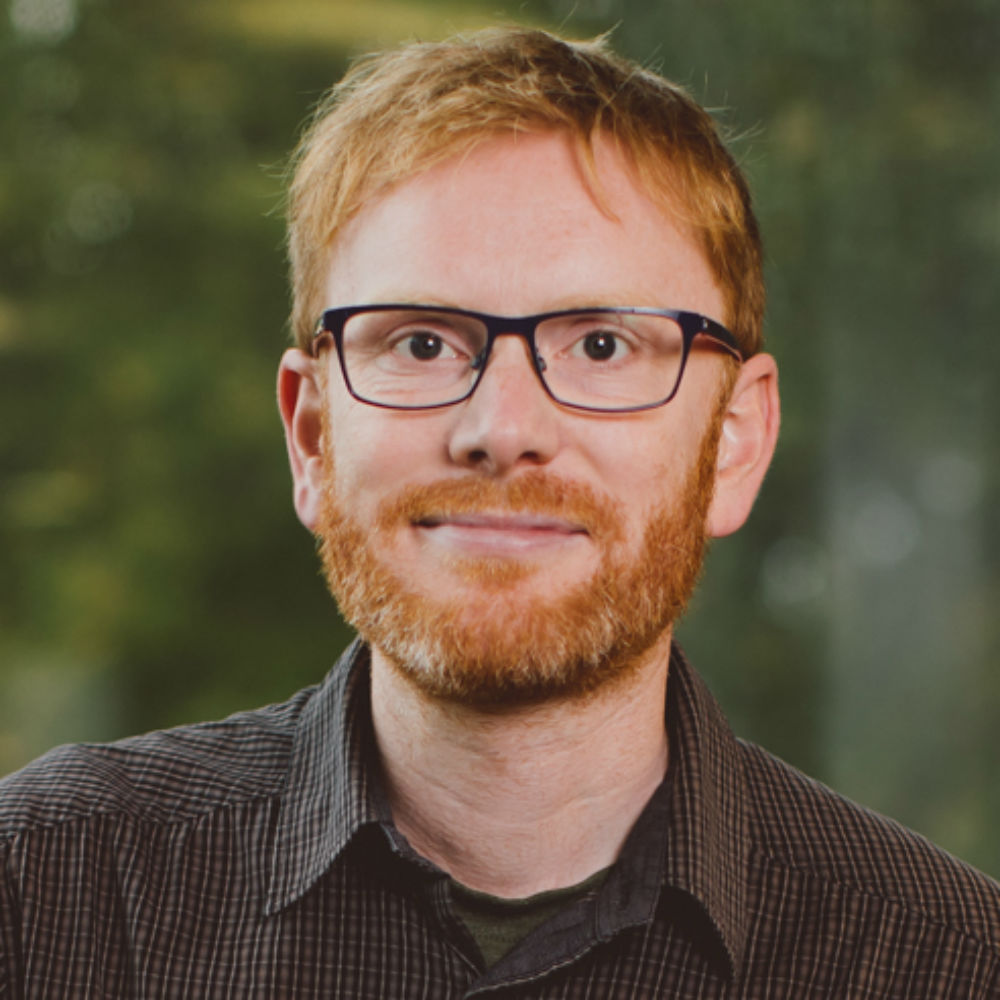
Douglas NowacekView profile
Professor
Douglas Nowacek is the Randolph K. Repass and Sally-Christine Rodgers University Distinguished Professor of Conservation Technology at Duke University, with joint appointments in the Nicholas School of the Environment and the Pratt School of Engineering . His research integrates marine mammal bioacoustics , behavioral ecology , and conservation technology to address ecological challenges related to ocean noise , offshore renewable energy , and anthropogenic impacts . Education : B.A., Ohio Wesleyan University (1991) Ph.D., Massachusetts Institute of Technology (1999) Research Focus : Nowacek investigates how marine mammals, particularly cetaceans and manatees , use sound for communication and foraging. He explores the effects of anthropogenic noise (e.g., seismic surveys, ship traffic) on species like North Atlantic right whales and bottlenose dolphins , emphasizing the need for noise regulation and marine habitat protection . His work also addresses plastic pollution and renewable energy planning . Article Trends : Recent publications highlight his focus on marine acoustics (e.g., bio-duck sounds, sonar effects), anthropogenic stressors (e.g., microplastics, seismic noise), and behavioral adaptations (e.g., humpback whale foraging, pilot whale diving). Collaborative studies with students and institutions like Woods Hole Oceanographic Institution and the University of Tasmania underscore his interdisciplinary approach. Scientific Awards : Sally Connally Hardie Visiting Researcher, University of St. Andrews (2018) Visiting Scholar, University of Tasmania (2013) Advising and Grants : Nowacek mentors students and researchers in projects such as acoustic monitoring and unmanned aerial systems for marine conservation. His lab has secured grants for seismic survey impacts , ocean noise regulation , and marine mammal telemetry . Labs and Teams : Leading the Nowacek Acoustics and Engineering Lab at Duke Marine Lab, he collaborates with the Marine Conservation Ecology group, integrating engineering tools (e.g., drones, sensors) with marine mammal research to advance conservation technology.