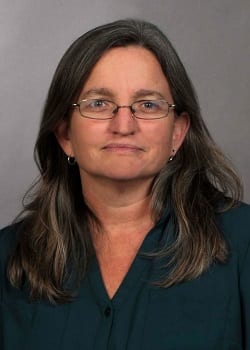
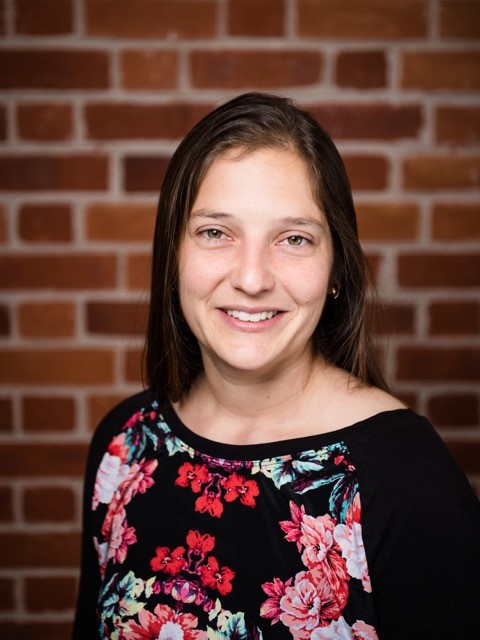
Fahad Ahmad Bishara is an Associate Professor at the University of Virginia , specializing in the economic and legal history of the Indian Ocean and Islamic world . His work bridges global capitalism, international law, and historical narratives of mobility. Key Books: A Sea of Debt (Cambridge, 2017) and Monsoon Voyagers (UC Press, forthcoming) Awards: Hurst Prize, Jerry Bentley Prize, Peter Gonville Stein Book Award Research Focus: Explores debt, legal systems, and trade through microhistories of ships and merchant families, with recent interests in narrative scales and conceptualizations of law in global history. Academic Collaborations: Co-authored works with Nandini Chatterjee, Hollian Wint, and others, emphasizing Persianate and Indian Ocean interconnections. Scientific Awards: J. Willard Hurst Prize (Law and Society Association) Jerry Bentley Prize (World History Association) Peter Gonville Stein Book Award (American Society for Legal History)
Massachusetts Institute of TechnologyUnited States
Elfatih Eltahir is the H. M. King Bhumibol Professor at MIT, affiliated with the Climate and Environment faculty and the Department of Civil and Environmental Engineering. He holds a B.Sc. in Civil Engineering (University of Khartoum, 1985), M.Sc. in Hydrology (National University of Ireland, 1988), and S.M. and Sc.D. in Meteorology/Hydroclimatology (MIT, 1993). His research focuses on climate change impacts on water availability, extreme weather, and vector-borne diseases, with a particular emphasis on developing numerical models like the MIT Regional Climate Model (MRCM) and the Hydrology-Entomology-Malaria Transmission Simulator (HYDREMATS). Key research areas include projecting climate change effects on regions such as the Mediterranean, South Asia, and West Africa, with a focus on adaptation strategies. He has pioneered the concept of 'outdoor days' to quantify climate impacts on human activity. Awards include membership in the National Academy of Engineering (2023), World Academy of Sciences (2023), and American Geophysical Union Fellowship (2008). Teaching: Global Change Science (1.071), Surface Hydrology (1.714), Environmental Data Analysis (1.073) Projects: UM6P-MIT Research Program, Jameel Observatory Climate Resilience Early Warning System Network (CREWSnet) His work has addressed societal challenges like Nile River water management, malaria transmission dynamics, and climate adaptation in vulnerable communities. Field campaigns and collaborations with institutions like the United Arab Emirates reinforce his applied research focus. Awards: 2023: National Academy of Engineering Member 2023: World Academy of Sciences Fellow 2008: AGU Fellow 2017: Hydrologic Science Award Research grants and funding support impactful projects such as climate modeling for the Middle East, Africa, and the U.S., with a focus on interdisciplinary solutions.
Michael Christopher Low is an Assistant Professor of History and Director of the Middle East Center at the University of Utah. He specializes in late Ottoman Empire, Arabian Peninsula history, Indian Ocean World studies, and environmental history. His research focuses on the intersections of empire, environment, and global networks, particularly through the lens of the Hajj pilgrimage and water infrastructure in the Middle East. Low earned his Ph.D. in History from Columbia University (2015). Before joining Utah, he was an Assistant Professor at Iowa State University (2015–2022). His major work, *Imperial Mecca: Ottoman Arabia and the Indian Ocean Hajj* (2020), won the Middle East Studies Association’s Albert Hourani Book Award and explores Ottoman modernization and global health dynamics in the Hijaz region. He is currently working on a new book project, *Saltwater Kingdoms*, examining desalination’s environmental and energy impacts in Arabia. Key affiliations include the Environmental Humanities Program (as Research Professor, 2023–2025), NYU Abu Dhabi (Senior Humanities Fellow, 2020–2021), and Koç University (Visiting Fellowship, 2016). He serves as Series Editor for *Transregional Middle Easts* and on editorial boards for journals like *Journal of Global History*. Awards include the Alice Hamilton Prize (2016) for environmental history, and grants from Columbia University, the Social Sciences and Humanities Research Council, and the William Lind Foundation. His research spans Ottoman public health policies, colonial Hajj logistics, and the hydraulic history of the Saudi state.
Nizar F. Hermes serves as Associate Professor and Department Chair in the Department of Middle Eastern and South Asian Studies at the University of Virginia, concurrently holding the position of Director of Graduate Studies. His office is located in 141 New Cabell Hall, with Spring 2025 office hours held Tuesdays from 12:00-3:00 PM. He maintains dual professional email contacts through the university system. His academic foundation includes: PhD in Comparative Literature, University of Toronto Dr. Hermes' research program centers on North African and Mediterranean literary traditions, with deep specialization in premodern Arabic-Islamic cultural production. His work investigates poetic representations of urban spaces, cross-cultural encounters between the Islamic world and Europe, and the transmission of literary heritage across the Mediterranean. Particular attention is given to Maghribī poetic imagination, elegiac traditions, and the intersection of literature with food history and refugee experiences. His methodological approach combines close textual analysis with historical contextualization to reveal continuities in Arab literary consciousness. Analysis of his recent publications (2014-2025) reveals three dominant scholarly trajectories: 1) The literary reconstruction of North African cities through poetic elegies, 2) Cross-cultural encounters documented in Arabic travel literature and folk poetry, and 3) The representation of European 'others' in medieval Arabic texts. His 2024 monograph 'Of Lost Cities' synthesizes these threads while his edited volume 'The City in Arabic Literature' (2018) establishes foundational frameworks for urban studies in Arabic literary criticism. No scientific awards or fellowships were documented in the source materials. While his role as Director of Graduate Studies indicates active mentorship responsibilities, specific student advisees and grant funding details were not provided in the available documentation. His scholarly output demonstrates sustained engagement with graduate education through publications on teaching methodologies for Arabic humanistic literature. No dedicated research laboratories or formal collaborative teams were referenced, though his co-edited volumes and multi-author publications suggest active participation in scholarly communities focused on Mediterranean studies and comparative literature.
Gideon Hartman is an Associate Professor in the Anthropology Department at the University of Connecticut, where he conducts interdisciplinary research at the intersection of paleoenvironmental reconstruction, plant and animal eco-physiology, anthropology, and archaeology. His work primarily employs stable isotope methods to reconstruct past environments, human mobility patterns, paleodiets, and ancient economic systems. Dr. Hartman received his Ph.D. from Harvard University in 2008. His educational foundation in anthropology and archaeological science has enabled his innovative approach to stable isotope analysis. Rather than treating isotopic values as static markers, he investigates the mechanisms causing variability in stable isotope ratios as they move along foodwebs from soil and atmosphere to plants and then to animals and humans. Hartman's research program uniquely begins in the contemporary world to establish principles that can be reliably applied to archaeological settings. His work spans diverse geographical regions including the Eastern Mediterranean, Levant, Jordan Valley, and Armenian Highlands, with temporal coverage from the Middle Pleistocene to the Early Bronze Age. He has made significant contributions to understanding how environmental factors like water availability, temperature, and soil conditions affect isotopic signatures in modern ecosystems, creating robust models for archaeological interpretation. His publication record demonstrates consistent productivity in high-impact journals, with research trends showing increasing sophistication in multi-isotope approaches applied to complex archaeological questions about pastoralism, trade networks, human migration, and human-environment interactions. His work increasingly integrates zooarchaeological, archaeobotanical, and geochemical evidence to build comprehensive pictures of past societies. As director of the Stable Isotope Preparation Lab at UConn, Hartman leads a research team that processes and analyzes samples from archaeological sites worldwide. His laboratory serves as a hub for interdisciplinary collaboration between archaeologists, anthropologists, geoscientists, and biologists seeking to apply isotopic methods to their research questions. His work has been instrumental in refining methodologies for interpreting strontium, carbon, nitrogen, and oxygen isotope data in archaeological contexts, particularly regarding animal and human mobility patterns in the Eastern Mediterranean region.
Mohsen Milani is a Full Professor of Politics at the University of South Florida (USF), affiliated with the College of Arts and Sciences and the School of Interdisciplinary Global Studies. He serves as the Founding Executive Director of the Center for Strategic & Diplomatic Studies (CSDS) at USF, established to analyze global security challenges and foster expert dialogues. His academic leadership spans over two decades, including chairing the Department of Government & International Affairs (1998-2012) and editing a Middle East book series for the University of Florida Press (2008-2012). Education: Ph.D. Political Science, University of Southern California (1980s) M.A. Political Science, University of Southern California B.A. Political Science, California State University, Hayward Research Interests: Milani specializes in Comparative Politics, Iranian Foreign Policy, and the dynamics of revolutions. His work examines modern Iran’s geopolitical strategies, regional alliances, and the interplay between domestic politics and international relations. His seminal book The Making of Iran’s Islamic Revolution remains a foundational text in Middle Eastern studies, widely adopted in academic curricula globally. Publications & Media Engagement: With over 60 publications, Milani has contributed to Foreign Affairs , Washington Quarterly , and peer-reviewed journals. His analyses on Iran’s role in Syria, Yemen, and the nuclear deal have shaped global discourse. He is frequently cited in major media outlets, including the New York Times , BBC, and Al Jazeera. Awards & Fellowships: Fellowships at Harvard University (1990), Oxford University (1995), and Ca’ Foscari University (1998) Recipient of the USF’s Center for Strategic & Diplomatic Studies’ 6-year research grant (2012–present) Teaching & Outreach: Milani teaches undergraduate and graduate courses on comparative revolutions, Middle East politics, and American foreign policy in the Persian Gulf. He founded the “Conversation Series on Global Security” at USF, inviting experts to discuss critical issues like nuclear proliferation and regional conflicts. Current Projects: He is completing a book on Iranian foreign policy and advising governments and think tanks on Middle East dynamics. His research emphasizes Iran’s evolving strategies amid U.S. sanctions and regional rivalries.
Rutgers, The State University of New JerseyUnited States
Rico Trinidad is Associate Professor and Director of Cultural Heritage and Preservation Studies (CHAPS) at Rutgers University, affiliated with the Department of Art History in the School of Arts and Sciences. She also holds Associate Graduate Faculty status across multiple departments including Anthropology, Landscape Architecture, History, Geography, and the E.J. Bloustein School of Planning and Public Policy. Her work bridges art history and critical heritage studies, with a focus on the sociopolitical dimensions of preservation in postcolonial contexts. Education: Ph.D., Anthropology, Stanford University, 2011 M.A., Cultural and Social Anthropology, Stanford University, 2010 M.A., Principles of Conservation, University College London, 2004 B.A., Archaeology and Anthropology, University of Cambridge, 2002 Her research centers on critical heritage studies, postcolonial theory, and the role of religion and secularism in heritage formation. She investigates heritage industries in regions such as Indonesia, Qatar, and Argentina, analyzing how risk, vulnerability, and transparency shape heritage value. Her work challenges dominant narratives around Islamic heritage and explores the tension between state-led preservation and local practices. She has also examined the concept of 'anti-heritage' in the context of the Atomic Age in Argentina. The 15 most recent publications reflect a strong interdisciplinary engagement across anthropology, art history, religious studies, and conservation. They reveal a consistent focus on the politics of heritage, the role of religion, and methodological innovation in heritage studies. Key themes include UNESCO’s role in Muslim heritage, the vernacular dimensions of Islamic preservation, and the reuse of modernist architecture in Gulf cities. Her scholarship often interrogates power, representation, and decolonial epistemologies in heritage discourse. Scientific Awards and Distinctions: International Diversity Guest Professorship, Otto-Friedrich-Universität Bamberg (2023) MillerComm Lecture, University of Illinois at Urbana-Champaign (2023) Burkhardt Residential Fellowship, American Council of Learned Societies (2020) Fellow, Center for Advanced Study in the Behavioral Sciences, Stanford (2020) Senior Visiting Fellowship, University College London Qatar (2019) Rico Trinidad has been actively involved in advising and interdisciplinary collaboration, serving as Associate Graduate Faculty across several departments. She has co-edited special journal issues and volumes, demonstrating leadership in shaping the field. Her professional roles include Honorary Associate Professor at University College London and Consulting Scholar at the Penn Cultural Heritage Center. While specific grant details are not listed, her fellowships from ACLS and CASBS indicate significant external research support. She has also contributed to advancing critical heritage methodologies through editorial and collaborative projects. Labs, Teams, and Professional Affiliations: Rico Trinidad leads the Cultural Heritage and Preservation Studies (CHAPS) program at Rutgers. She is a key figure in the interdisciplinary network connecting heritage, anthropology, and planning. She collaborates with institutions such as University College London, the Penn Cultural Heritage Center, and international research centers in Germany. Her editorial work on special issues and volumes indicates leadership in global scholarly communities focused on critical heritage studies.
Connie J. Mulligan is a Professor in the Department of Anthropology at the University of Florida (UF) , with affiliations to the Center for African Studies and the Genetics Institute. She has led a distinguished research program since 2005, focusing on molecular genetics, epigenetics, and biocultural approaches to health disparities. Her work bridges evolutionary anthropology and public health, supported by continuous NSF grants since 2005. Educational Background: Ph.D. in Molecular Biophysics and Biochemistry from Yale University (1990) B.S. in Honors Biology and Chemistry from University of Illinois, Champaign-Urbana (1983) Mulligan's research investigates how childhood adversity , maternal stress , and racial discrimination interact with genetic/epigenetic factors to influence health outcomes. Her team studies populations in Tallahassee (hypertension in African Americans), DRC (intergenerational stress effects), and Jordan (Syrian refugee resilience). She pioneered biocultural frameworks showing gene-environment interactions in diseases. Her 15 most recent publications span three major research themes: (1) epigenetic mechanisms linking maternal stress to neonatal health (2016-2020), (2) genetic ancestry analysis in African/Ethiopian populations (2009-2011), and (3) molecular anthropology of prehistoric migrations (2008-2009). Notably, she discovered gene-specific DNA methylation patterns in war-affected DRC mothers and Science -featured refugee resilience research. Scientific Recognition: UF Term Professorship (2017-2018) President of American Association of Anthropological Genetics (2017-2018) Senior Editor at American Journal of Physical Anthropology Workshop Organizer on Social & Behavioral Epigenetics (2014-2019) As an advisor, she has mentored 10 PhD candidates (as chair) , 9 Masters students, and >50 undergraduates (>200 semesters total). Her lab collaborates with Yale , Hashemite University , and Washington University , focusing on trauma epigenetics and global health research. Her work appears in Nature , Science , and PLoS ONE , with media coverage in National Geographic , The Atlantic , and NPR . She co-organized NSF workshops on data sharing in biological anthropology and serves on editorial boards of major journals.
Dr. Brandi MacDonald is an Assistant Research Professor in the Archaeometry Laboratory at the University of Missouri Research Reactor (MURR). She specializes in archaeological science, focusing on multi-method analytical approaches to study pigments, rock art, ceramics, obsidian, and glass. Her current research investigates rock art and mineral pigment use in the Pacific Northwest, lower Canadian Shield, and obsidian resource use in Northwestern Patagonia. She coordinates the MURR Archaeometry Laboratory's Pre-Doctoral Internship Program. Dr. MacDonald holds a Ph.D. from McMaster University (2015, Canada). Her research integrates geochemical, petrographic, and spectroscopic techniques to address questions about material procurement, technological choices, and human mobility in prehistoric and historic contexts. Key themes include pigment provenance studies, lithic raw material circulation, and cultural connections across diverse regions. Her research spans global case studies from Patagonia to the Yucatán Peninsula, involving projects like ochre mining in submerged caves (Mexico), obsidian sourcing in Argentina/Chile, and pigment analysis in African archaeological sites. She emphasizes collaborative, community-engaged approaches in fieldwork and lab-based analysis. Publications highlight methodological advancements in geochemical analysis, including neutron activation analysis (NAA), laser ablation-inductively coupled plasma mass spectrometry (LA-ICP-MS), and portable XRF applications. These techniques enable tracing material origins and reconstructing ancient production networks.
Shir Alon is an Assistant Professor at the Department of Asian and Middle Eastern Studies at the University of Minnesota. She holds a Ph.D. in Comparative Literature from UCLA (2017) and a B.A. in Comparative Literature from Columbia University (2010). Her research focuses on Arabic and Hebrew cultural production, exploring modernist literary styles and their political dimensions in the Middle East. She is affiliated with Jewish Studies and Cultural Studies & Comparative Literature programs. Current projects investigate neoliberalism’s impact on cultural representations of the future, including petrofictions from the Arabian Peninsula and Palestinian/Lebanese futurism. Her scholarly work bridges literary theory, postcolonial studies, and gender studies, with a particular emphasis on modern Middle Eastern literatures. Recent publications analyze themes like implicated ethics, neoliberal riskscapes, and the intersections of trauma and memory. While no awards are listed here, her research demonstrates significant contributions to comparative cultural analysis. Advising and grant details are not explicitly documented in the provided text. Her teaching includes courses on modern Middle Eastern literatures, literary theory, and Arabic literature in translation. She engages with decolonial frameworks and the role of pedagogy in cultural studies. Current affiliations include the Asian & Middle Eastern Studies department and interdisciplinary programs at the University of Minnesota.
Dr. Katherine Hennessey is an Associate Professor of Global Literature and Shakespeare at Wenzhou-Kean University’s College of Liberal Arts, with additional roles as Assistant Dean for Curriculum and Assistant Professor of English at the American University of Kuwait (AUK). She holds a PhD in English/Irish Studies from the University of Notre Dame (2008), alongside MA degrees in British and Irish Literature and Italian Language and Literature from the same institution. Her research focuses on global adaptations of Shakespeare, particularly in the Arabian Gulf, Yemen, and Ireland, with a specialization in theatre, film, and literary translation. Dr. Hennessey is the author of Shakespeare on the Arabian Peninsula (2018) and co-editor of Shakespeare & the Arab World (2019). She directed the documentary Shakespeare in Yemen (2018) and translated seminal Yemeni plays into English. Her work has been supported by grants from the Fulbright, Mellon, and Beinecke Foundations, and she held a National Endowment for the Humanities Research Fellowship (2020-2021). Research Interests : Shakespearean global adaptations Theatre and performance in conflict zones Translation of Arabic/Irish/Italian literature Yemeni cultural narratives Awards : National Endowment for the Humanities Research Fellowship (2020-2021) Fulbright Fellowship Mellon Foundation Grant Beinecke Foundation Grant Her academic contributions include over 15 peer-reviewed articles, films, and translations. She teaches courses on World Literature and Shakespearean studies, emphasizing global perspectives.
Dr. Daniel Peppe is an Associate Professor in the Department of Geosciences at Baylor University, located in Waco, Texas. He holds a Ph.D. from Yale University and leads the Peppe Research Group, which focuses on paleoclimatology, paleobotany, and paleomagnetism. His research integrates methods from ecology, stratigraphy, and sedimentology to study ancient climates and ecosystems in North America and East Africa. Key initiatives include developing paleoclimate proxies using leaf traits, reconstructing Neogene East African environments linked to hominid evolution, and analyzing Paleocene plant communities' responses to mass extinctions. Education: Ph.D., Yale University Research Interests: Paleoclimatology, Paleoecology, Geoarcheology, Stratigraphy, and Tectonic Processes His lab's work emphasizes field-based research and methodological integration, such as digital leaf physiognomy and paleomagnetic dating. Current projects include studying Pleistocene environments in the Lake Victoria Basin and early Miocene hominoid habitats in Kenya and Uganda. Dr. Peppe advises multiple graduate students (e.g., Dava Butler, Evan Cerna) and has an extensive record of publications across paleontology, geology, and climate science. His group collaborates internationally on projects like the REACHE initiative to understand East African hominoid evolution. Lab facilities at Baylor support fieldwork and analyses of fossils, sediments, and geochemical data. Dr. Peppe’s research contributes to understanding climate change impacts on ecosystems, with implications for modern environmental challenges.
Michelle Gaither is an Associate Professor at the University of Central Florida in the Department of Biological Sciences within the College of Sciences . Her research focuses on marine evolutionary ecology, particularly the formation of species through geographic isolation, ecological differentiation, and selection in deep-sea and coral reef fish lineages. Research Areas : Marine biodiversity, ichthyology, genomics, population genetics, eDNA applications Key Techniques : Genome sequencing, RADSeq, field-based studies, biogeographic modeling The Gaither Lab investigates how species form in marine environments, with projects on deep-sea grenadiers , hawkfishes , and surgeonfishes . They also pioneer eDNA as a biogeographic tool to assess biodiversity patterns and anthropogenic impacts on marine ecosystems. Recent publications highlight her lab’s work on: Environmental DNA optimization for invasive species detection (2025) Larval dispersal dynamics in South Pacific archipelagos (2025) Biogeographic barriers in tropical marine fish genetics (2024) Metadata curation challenges in global genetic diversity surveillance (2023) Her lab was recognized in UCF’s 2024 Founders’ Day Faculty Honors , and her students have received accolades like the Outstanding Student Presentation Award at the Indian River Lagoon Symposium (2024). Collaborative projects span global locations including the Arabian Peninsula , Chagos Archipelago , and Hawaiian Archipelago . Lab members include doctoral candidate Ashley Reaume (bioassessment toolkit), graduate students Samuel Greaves and Michelle Shaffer, and undergraduates Hillary Quach and Nadia Barsis. They employ interdisciplinary methods such as phylogenetics , coalescent modeling , and stable isotope analysis to address evolutionary questions.
Robert G. Hoyland is a Professor of Late Antique and Early Islamic Middle Eastern History at New York University’s Institute for the Study of the Ancient World (ISAW). He is also a member of the Visiting Scholar Search Committee for Academic Year 2025-26. Hoyland holds a doctoral degree from Oxford University, where he focused on non-Muslim accounts of the rise of Islam, culminating in his seminal work Seeing Islam as Others saw it (1997) . His research explores the emergence of Islamic civilization, pre-Islamic Arabian societies, epigraphy, papyrology, and the transmission of Greco-Syriac knowledge. His academic contributions include pivotal studies such as In God’s Path (2014) , examining the Arab conquests, and Arabia and the Arabs (2001) , which redefined understandings of pre-Islamic Arabia. He has also collaborated on texts like Polemon’s Physiognomy (2007) and published editions of seventh-century Arabic papyri from Nessana. Hoyland’s archaeological work includes excavations in Syria, Yemen, Israel/Palestine, and Azerbaijan. Recently, he has shifted focus to social history, studying the socio-economic plight of the unfree in early Islamic societies. Though no scientific awards are explicitly mentioned, his scholarship is widely recognized in his field. His advising and grant activities are not detailed in available texts, but his archaeological collaborations and academic publications reflect extensive scholarly engagement. Hoyland’s work is anchored at ISAW, where he contributes to interdisciplinary research bridging archaeology, history, and textual analysis.
Ellen Leffler is an Assistant Professor in the Department of Human Genetics at the University of Utah. Her research focuses on evolutionary and population genetics in humans and non-human primates, particularly studying structural variation and its functional consequences in relation to infectious diseases like malaria. Education: B.A. from Amherst College, M.Phil. from University of Cambridge, Ph.D. from University of Chicago The Leffler lab develops computational methods to analyze genomic datasets, with emphasis on copy number variation (CNVs) in repetitive genomic regions and their role in host-pathogen interactions. Current projects include comparative genomic studies of malaria parasites in macaques and modeling evolutionary forces shaping malaria-protective alleles globally. Her work integrates joint analyses of host and pathogen genomes to understand disease susceptibility in evolutionary contexts. Research spans immunogenetics, recombination mechanisms, and adaptation in primate populations exposed to malaria. Scientific Networks: Collaborator in MalariaGEN Consortium Her lab combines fieldwork in Southeast Asia with genomic methodologies to investigate structural variation at immune gene clusters and malaria resistance loci.