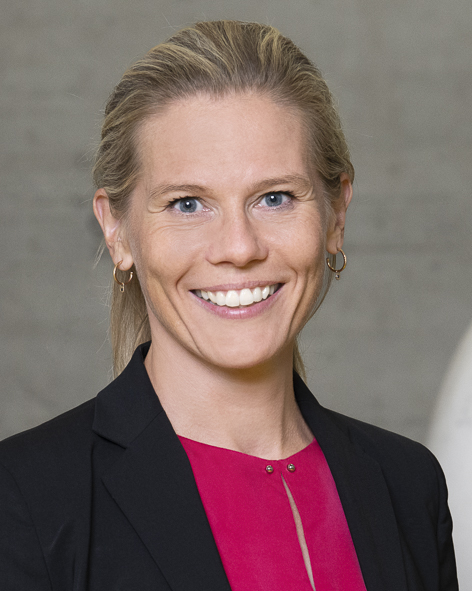
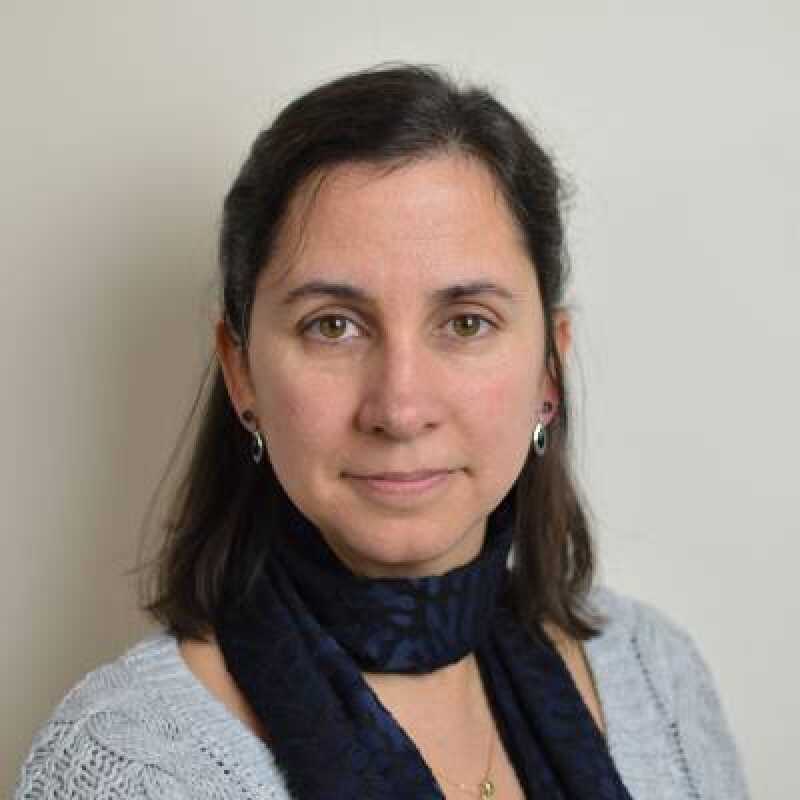
Philip G. Roeder is Professor of Political Science at the University of California, San Diego's School of Social Sciences, where he teaches courses including International Relations (PS 12), Soviet Successor States (PS 130AA), and Russian-American Relations (PS 147B). His office is located in SSB 382/301 and he serves as Department Chair. His research centers on nationalist secessionism, with current projects examining secessionist campaign dynamics and international responses to secessionism. Building on his expertise in Soviet successor states, he conducts global comparative analyses of nation-state formation. Key research areas include: Institutional design for countries experiencing secessionist movements Long-term consequences of alternatives to independence Persistence of nation-state sovereignty Roeder serves as faculty mentor for the Research Apprenticeship program and oversees the Senior Honors Thesis process. He has previously chaired the USD Pre-Law Internship Program in collaboration with UCSD's Political Science Department.
Christine Ball is an Adjunct Associate Professor of Anaesthesia at Monash University and an anaesthetist at Alfred Hospital, Melbourne. She co-manages the Master of Medicine (Perioperative) program and serves as the 2020–2024 Wood Library-Museum Laureate for Anesthesiology History. For three decades, she has been an honorary curator at the Geoffrey Kaye Museum of Anaesthetic History. Her work bridges clinical practice and historical scholarship in anaesthesia. Research interests include anaesthesia techniques, perioperative medicine, and the history of anaesthesia. Key contributions span clinical studies (e.g., tracheal tube cuff pressure) and historical analyses of figures like Joseph Clover. Awards: Queen’s Birthday Honours (AM), David M. Little Awards (Best Book, Article, Media), and the Australian Society of Anaesthetists Biennial History Award. Editorial Roles: Editor-in-Chief of International Anesthesiology Clinics and Editorial Board member of Journal of Anesthesia History . Activities: Invited speaker at Euroanesthesia 2016 and Asia Pacific Post Polio Conference, visiting researcher at the University of Mississippi. Her legacy includes over 90 publications and advocacy for preserving anaesthesia history through museum curation and academic writing.
Professor Branka Krivokapic-Skoko is a faculty member at Charles Sturt University's School of Business . She holds a PhD in Management from Lincoln University (New Zealand), an MSc(Econ) from Belgrade, and a BSc (Hons). Her research focuses on ethnic entrepreneurship , agricultural cooperatives , rural development , and gender equity in male-dominated industries . She has published extensively on mixed methods research, psychological contracts, and refugee integration. Recent research trends include intersectionality in rural sociology, data governance in agriculture, and refugee entrepreneurship. Her work spans 2025–2008, with methodological innovation as a recurring theme. Farm Mechanisation & Conservation Agriculture for Sustainable Intensification (ACIAR, $544,574) (2013-2017) Humanitarian immigrant entrepreneurs (ARC, $200,124) (2015-2017) New Immigrants in Australian Agriculture (RIRDC, $468,000) (2012-2015) Indigenous Cooperative Success (ARC, $254,682) (2010) She teaches Microeconomics , International Business , and Contemporary Management , with a focus on cross-cultural issues and agricultural economics.
Mike Kennard is a Teaching Professor and Director of Studies at Loughborough Business School, leading executive and professional education programs such as MBA, EMBA, and apprenticeships. Previously, he held roles at Alliance Manchester Business School, University of Birmingham, and Aston Business School. His professional background includes over a decade in engineering management at Rolls-Royce, including Programme Manager roles for major projects. He holds a first-class BEng (Hons) and PhD from the University of Birmingham, plus an MBA from the University of Nottingham (with distinction). His expertise spans innovation, strategy, enterprise, and andragogy. He has designed curricula and taught leaders in organizations like the NHS, Civil Service, and Rolls-Royce. His research focuses on strategy and innovation within business education, reflected in his 2021 book Innovation and Entrepreneurship (Routledge). Awards include the British Academy of Management Education Practice Award (2022) and fellowships from leading educational institutions. Dr. Kennard’s contributions to teaching excellence are recognized through roles such as Senior Fellow of the Higher Education Academy and Honorary Fellowships at multiple universities.
Kudirat Ayinla is a Lecturer in Construction Management and Programme Lead for the BSc (Hons) in Commercial Management and Quantity Surveying at the University of Loughborough. Her research focuses on enhancing construction industry efficiency through digital technologies like AI, BIM, and Digital Twins, with specific emphasis on offsite construction methods and sustainability. Education: BEng, MSc, PhD, PGCert Professional Affiliations: MCIOB, FHEA Key research areas include knowledge-based modeling, AI applications in construction, and circular economy integration in waste management. She leads the British Council UK grant project on Digital Manufacturing and collaborates with the Council for the Heads of the Built Environment on apprenticeship studies. Her recent articles explore TDABC models for offsite manufacturing, AI impacts on costing practices, and BREEAM perceptions in the industry. She actively supervises PhD candidates researching ontology applications and modern construction methods.
Donald Sull is a Professor of the Practice at MIT Sloan School of Management, where he directs the Strategic Agility Project and Culture 500 initiatives. He specializes in competitive strategy, strategy execution, and organizational culture. Formerly a professor at Harvard Business School and London Business School, Sull holds degrees from Harvard University. His research focuses on leadership, corporate culture transformation, and the interplay between strategy and execution. He co-founded CultureX, leveraging AI to measure and improve corporate culture, and advises global organizations including Fortune 500 companies and startups like Betterworks and eToro. Recognized as a leading management thinker, Sull’s work on 'active inertia' has shaped business theory, and he has authored five books and over 100 articles, including best-selling Harvard Business Review pieces. Education: Bachelor’s, Master’s, and Doctorate from Harvard University. Prior Experience: Strategy consultant at McKinsey & Company, management-investor at Clayton, Dubilier & Rice. Affiliations: Chairman of FilmFish, advisor to startups, and contributor to MIT Sloan Management Review. Research Interests: Sull’s work centers on organizational agility, corporate culture dynamics, and leadership strategies. His projects like CultureX apply AI-driven analytics to diagnose and enhance culture. He emphasizes practical frameworks for strategy execution, addressing challenges like toxic workplace environments and aligning culture with strategic goals. Recent studies explore AI’s role in organizational self-awareness and data-driven decision-making. Advisory & Grants: Advised over 50 Fortune Global 500 companies and non-profits like the Bill & Melinda Gates Foundation. His executive education programs, such as the Global CEO Program (MIT Sloan-IESE alliance), focus on leadership and global business strategy. Labs/Teams: Leads the Strategic Agility Project and Culture 500, collaborating with industry partners to analyze organizational resilience and cultural health.
Dr Caroline Barrett is a Lecturer in Work, Management and Organisation at the University of York’s School for Business and Society. She holds roles including Chair of the Exceptional Circumstances Committee and PhD Progression Panel Member. Previously, she worked as a lawyer and legal educator, including at the University of Law and with the Bridge Group, focusing on social mobility in professional sectors. Her PhD in Education highlights her academic credentials. Research interests center on social mobility, institutional stratification, and access to the legal profession in England, employing theories like rational action, habitus, and capabilities. She explores how social background influences career choices and wellbeing. Recent publications emphasize legal education pathways, apprenticeships, and diversity in professions. Her work bridges sociology with practical policy, advocating equitable access to professional roles. Caroline supervises doctoral students interested in sociology of work, professional occupations, and wellbeing. She leads a British Academy-funded project on alternative pathways to the solicitors’ profession, aiming to enhance diversity and equity.
Prof. Eveline Wuttke is a Professor of Business Education at the Goethe University Frankfurt am Main, leading the Chair of Business Education with a focus on empirical teaching and learning research. Since 2006, she has held this position, previously serving as an academic councillor at Johannes Gutenberg University Mainz and a research assistant at Justus Liebig University Giessen. Her work bridges empirical research on teaching practices, teacher competencies, and professional skills measurement. Key research areas include learning from mistakes, classroom communication dynamics, and vocational education system analysis. Her current DFG-funded project, the Action-based Financial Literacy Network (AFin), explores evidence-based interventions to enhance financial literacy. She leads a team including research associates like Luna Becker and Katharina Bushyla, focusing on topics such as digital assessment tools, workplace learning, and competency development. Recent publications emphasize vocational education systems, AI literacy training, and teacher professionalization programs. Prof. Wuttke’s research spans 4 decades, with over 50 peer-reviewed articles analyzing domains like apprenticeship outcomes, emotional intelligence in vocational training, and error-based learning strategies. Her work often integrates multidisciplinary approaches, combining educational psychology with organizational behavior insights.
Dr. Jiabin Luo is a Senior Lecturer in Business Analytics at Aston University's Aston Business School, within the College of Business and Social Sciences. She holds a PhD in Management Science from the University of Southampton and has held academic and research roles at institutions including Coventry University and De Montfort University. Her research focuses on optimization and decision-making in logistics, supply chain management, maritime shipping, and production planning. She is Programme Co-Director of the MSc Degree Apprenticeship in Digital & Technology Solutions Specialist. Education: PhD in Management Science, University of Southampton, UK MSc in Risk and Stochastics, London School of Economics and Political Science, UK MSc in Statistics, University of Nottingham, UK BSc in Mathematics, Zhongshan University, China PGCert in Learning and Teaching in Higher Education Research Interests: Transportation and logistics optimization Maritime shipping and port operations Production planning and inventory management Supply chain management and sustainability Fuzzy optimization and scenario-based modeling Recent Research Trends: Her work emphasizes optimization techniques in logistics systems, including automated container terminals, intermodal transport, and risk management. Recent articles explore machine learning for credit risk prediction and geospatial analysis of traffic datasets. Awards and Memberships: Fellow of The Higher Education Academy Member of The Operational Research Society Member of British Academy of Management Grants and Collaborations: Newton Researcher Links: Strategy & Policy Innovation in Supply Chain Management (2018) Newton Researcher Links: Emission Control in Green Port Development (2017) EPSRC Grant: Resilience of Manufacturing Supply Networks (2013–2016)
Prof. Doreen Flick-Holtsch is a Professor of Secondary School and Business Education at the University of Zurich's Faculty of Arts and Humanities, with a focus on digital learning. She holds a Habilitation (2018) and PhD (2007) in educational sciences. Her research emphasizes teacher competencies, educational processes in secondary/vocational schools, entrepreneurship education, and digital transformation in learning. Key roles include leading the Institute for Professional Research & Competence Development (2018–2021) and serving on the Swiss National Science Foundation's Ambizione Panel since 2020. Her academic career includes senior roles at institutions like the University of Göttingen (2010–2011) and extensive advisory work on national education reforms such as the "Economic Education Study" and the Gymnasium Maturity Redesign Project. Teaching responsibilities span educational science and vocational pedagogy programs, including the Master's in Vocational and Business Education. She co-leads projects like the "iPAL" initiative on international critical thinking assessments and the "EvaQ" program evaluating teacher training pathways. Research interests are structured around three pillars: 1) Teacher professionalization and competency modeling, 2) Competency-enhancing teaching methodologies (especially digital integration), and 3) Entrepreneurship education's role in fostering economic literacy. Her publications (over 15 since 2020) explore topics like critical thinking assessment frameworks, teacher well-being profiles, and digital transformation in accounting education.
Liam Ralph is an Assistant Professor in Criminology at Northumbria University, specializing in policing, police legitimacy, and technology. He teaches undergraduate programs in Criminology and Policing, as well as police apprenticeship courses. Previously, he worked on an ESRC-funded Visible Policing project (2019) and at The Scottish Government’s Justice Analytical Services (2017-2018). His doctoral research (Edinburgh Napier University, 2020) focused on police legitimacy and social media dynamics in Scotland. He co-authored the 2023 Introduction to Policing textbook and is a frequent contributor to policing policy discussions. Education: PhD in Criminology (Edinburgh Napier University, 2020), MRes in Criminology (University of Glasgow, 2015), BA (Hons) in Criminology (Edinburgh Napier University, 2014). Research emphasizes police legitimacy, social media engagement, and democratic policing. Notable projects include analyses of visible policing practices, digital policing strategies during crises, and public confidence in law enforcement. He advises governmental bodies on emerging technologies in policing and has contributed expert statements to UK parliamentary committees. Awards include the International Graduate Summer School for Policing Scholarship (2016) and the University Class Medal for Criminology (2014). His work addresses UN Sustainable Development Goals related to governance and public safety.
Prof. Dr. Carsten Steinert is a Professor of Human Resources Management at the Faculty of Economics and Social Sciences , Osnabrück University of Applied Sciences. His career bridges academic research with industry practice, including roles as HR consultant for international financial services firms and 5 years as an honorary judge at the Frankfurt am Main Labor Court . Research focuses on: Human resources strategies for SMEs Managerial key qualifications Agile leadership frameworks Remote workforce management Generational workforce dynamics Recent publications analyze: Remote leadership acceleration during pandemic Sustainable leadership models (2018 book) HR challenges in healthcare institutions Winning strategies for Generation Z recruitment High-performance leadership lessons from elite sports Scientific contributions include: 15+ peer-reviewed publications 8+ industry-focused case studies 20+ invited lectures on HR topics International teaching experience (UK/China) His practice-oriented teaching emphasizes: Theory-practice integration Application-focused learning Project-based education Active student participation Contextual HR understanding
Dr Tracee Green serves as Head of the Centre for Child Protection and Reader in Social Work and Child Protection at the University of Kent's School of Social Policy, Sociology and Social Research. A registered social worker with over 14 years of frontline experience, she has extensive expertise in working with families navigating complex challenges including care proceedings, domestic abuse, mental health needs, and substance misuse. At Kent, she has played a leading role in developing transformative child protection education programs including the Social Worker Degree Apprenticeship. Dr Green holds a PhD in Social Policy and Social Work with her dissertation titled "Forensic Parenting Assessments Using PAMS and Better Outcomes," which employed a mixed-methods design to evaluate professional perceptions and applications of the Parenting Assessment Manual Software in forensic settings. Her educational background includes significant practical experience in frontline social work before transitioning to academia. Dr Green's research program focuses on innovative approaches to child protection, with particular emphasis on forensic parenting assessments, trauma-informed practice, and simulation-based training methodologies. Her work bridges academic rigor with practical application, aiming to improve outcomes for vulnerable children and families. She maintains a strong interdisciplinary approach, collaborating with police, healthcare professionals, and other stakeholders in the child protection field. Analysis of Dr Green's publication record reveals a consistent focus on practical applications of child protection research. Her work demonstrates expertise in developing innovative training tools and methodologies, particularly simulations for preparing social workers for court proceedings and trauma-informed responses to child sexual exploitation. There's a clear trajectory from her early work on courtroom preparation to more recent developments in trauma-informed policing approaches, showing evolution in both scope and impact of her research. Dr Green's significant contributions to the field have been recognized through numerous prestigious awards: Home Office's Joint Security and Resilience Centre Academic Innovation Award – Highly Commended (2025) ESRC Celebrating Impact Prize – Finalist (2024) Strategic Prevention Head of Command Award, Kent Police (2023) Public Engagement and Impact Award, University of Kent (2022) Public Engagement and Impact Award, BERA (2021) University of Kent Teaching Prize – Highly Commended (2021) HEA Collaborative Award for Teaching Excellence (CATE) (2017) As an academic leader, Dr Green currently supervises four PhD students researching various aspects of child protection. Her grant portfolio includes significant research funding, notably as Principal Investigator on an ESRC-funded study with Kent Police exploring trauma-informed policing responses with sexually exploited girls. She also serves as Co-Investigator on a national trial evaluating Multi-Systemic Therapy for Child Abuse and Neglect and has contributed to REPHRAIN-funded research on safeguarding young people from online harms. Dr Green leads the Centre for Child Protection at the University of Kent, which has developed innovative simulation-based training tools including the "myCourtroom" series and resources for addressing child sexual exploitation. Her center fosters strong collaborations between academia and practice, particularly with Kent Police, creating a dynamic environment where research directly informs frontline practice in child protection.
Laura Bofferding is a Professor of Mathematics Education in the Department of Curriculum and Instruction at Purdue University's College of Education. Her career spans over a decade of progressive academic appointments, including Assistant Professor (2011-2017), Associate Professor (2017-2024), and current Professor (2024-present). She maintains active research and teaching roles focused on early mathematics cognition. Her educational background includes: Ph.D. in Curriculum Studies and Teacher Education from Stanford University (2011) M.A. in Learning, Design, and Technology in Education from Stanford University (2007) B.S. in Elementary Education from University of Wisconsin, River Falls (2002) Bofferding's research centers on cognitive development in early mathematics, particularly children's understanding of negative numbers, spatial reasoning through tangram puzzles, and the application of contrasting cases in instruction. Her work bridges theoretical cognitive science with practical classroom applications, emphasizing game-based learning and emergent bilingual education. Recent projects explore AI-generated word problems and programming debugging in elementary contexts, demonstrating her commitment to innovative pedagogical approaches. Her publication trends reveal sustained focus on integer conceptualization (2014-2023), expanding into spatial reasoning (2022-2023) and AI integration (2024). Key thematic clusters include measurement misconceptions, tangram-based shape transformation, and debugging strategies in computational thinking. Notable awards include: Purdue Faculty Engagement Scholar (2021) Purdue Faculty Scholar (2019) AMTE STaR Fellow (2012) Bofferding secures significant grant funding including an NSF CAREER award ($680,504) for integer understanding research and a Purdue Launch the Future Grant ($25,000) investigating AI-generated word problems. Her advising focuses on mathematics education doctoral students through courses like EDCI 62000 (Developing as a Mathematics Researcher), with grant collaborations spanning computational thinking (NSF ITEST) and emergent bilingual education (Purdue Small Research Grant).
Chyllis Scott is a Professor in the Department of Teaching and Learning within the College of Education at the University of Nevada, Las Vegas (UNLV). Her research focuses on literacy education, particularly content-area and disciplinary literacy, academic writing, and mentoring practices for preservice and inservice teachers. Holding a Ph.D. in Curriculum and Instruction with an emphasis in Literacy Education from Texas A&M University, she examines how teacher knowledge and practices in literacy instruction can be enhanced to foster equitable educational environments. Educational Background: Ph.D. in Curriculum and Instruction (Literacy Education emphasis), Texas A&M University Dr. Scott's research centers on literacy education with specific expertise in: Adolescent and content-area literacy instruction Teacher education and knowledge development Mentoring practices in higher education Her work investigates how literacy strategies can be integrated across disciplines to promote social justice, emphasizing reflective practice and the transformation of teacher-student relationships through innovative approaches like digital writing and virtual literature circles. Analysis of her recent publications (2019-2024) reveals consistent themes in interdisciplinary literacy instruction, adaptive mentoring during crises like the pandemic, and critical examinations of rigor in teacher education. Her scholarship consistently connects literacy to equity issues, advocating for student-centered pedagogies that address systemic barriers while exploring emerging challenges in digital learning environments. Scientific Awards No awards listed in available information Dr. Scott's mentoring research indicates active engagement in teacher development, though specific grant details are unavailable. Her work on reflection, field experiences, and co-teaching models informs professional development initiatives aimed at improving teacher retention and instructional effectiveness. She contributes to academic discourse through studies on academic writing communities and digital pedagogy. Laboratory and Team Affiliations No specific research laboratories or collaborative teams documented beyond departmental affiliation