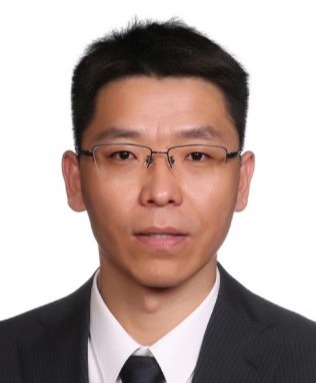
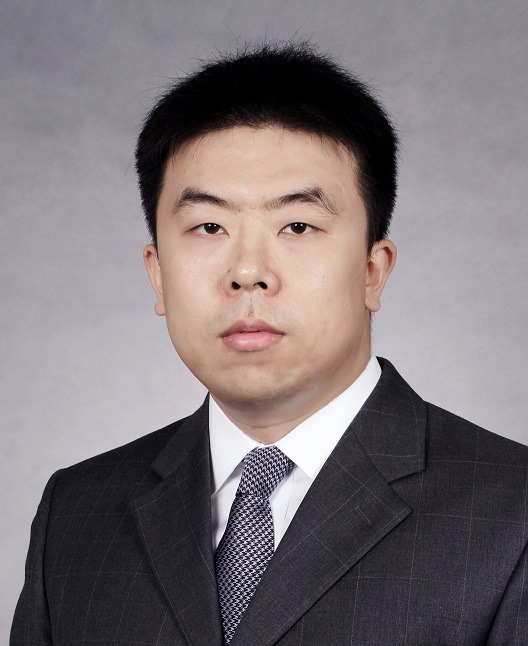
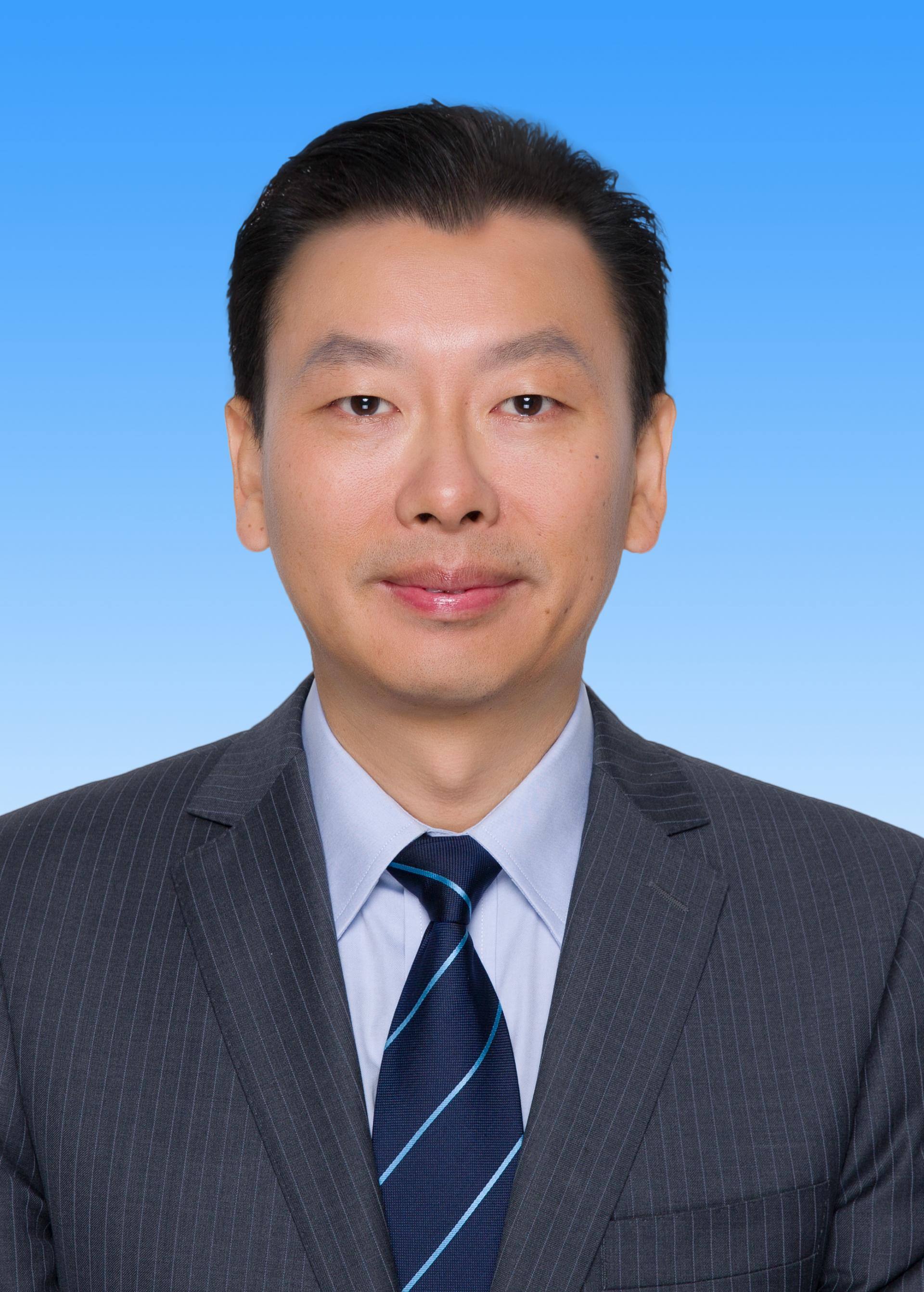
Cao Haishan is an Associate Professor at Tsinghua University, affiliated with the Department of Energy and Power Engineering in the School of Mechanical Engineering. His research focuses on cryogenic cooling systems, high heat flux thermal management, and the physics of amorphous ice formation and phase transitions. He leads a research group supported by the National Natural Science Foundation of China and industry partners including Huawei, Midea, and Lenovo. Ph.D., Mechanical Engineering, University of Twente, 2013 M.Sc., Chemical Engineering, Dalian Institute of Chemical Physics, Chinese Academy of Sciences, 2009 B.Sc., Chemical Engineering, Zhejiang University, 2006 Dr. Cao's research spans three major areas: cryogenic cooling (including micro cryocoolers and sorption systems), high heat flux electronic cooling (especially with non-condensable gases), and the formation and transformation of amorphous water ice. His work combines theoretical modeling, computational simulation, and experimental validation, often at micro and nano scales. He applies principles from thermodynamics, fluid dynamics, and materials science to solve engineering challenges in refrigeration and thermal control. The recent publications reflect a strong trend toward interdisciplinary research, integrating machine learning for heat transfer prediction, computational screening of MOFs for cryogenic switches, and fundamental studies of ice nucleation on various substrates. The articles span journals in physics, engineering, materials, and applied thermal sciences, indicating broad impact across multiple domains. Notable scientific awards include: Gustav and Ingrid Klipping Award (2016) Cryogenics Best Paper Award (2017) Annual Teaching Excellence Award, Tsinghua University (2023) Excellent Supervisor Award, Tsinghua University (2024) Multiple First Prize Advisor awards in national student contests on energy saving Dr. Cao has been principal investigator on several grants, including projects funded by the National Natural Science Foundation of China on amorphous ice lifetime and micro-cryocooling for semiconductor chips. He has also led industry-university collaborations with Huawei, Midea, and Lenovo. He advises graduate students and leads a research team focused on next-generation cooling technologies. He serves on editorial boards for Journal of Refrigeration , Vacuum and Cryogenics , and Energies , and has chaired sessions at major international conferences such as ICEC-ICMC and ACTS. His research group operates within the Institute of Thermophysics at Tsinghua University, leveraging facilities in the Lee Shau Kee Science and Technology Building. The team collaborates with national laboratories and international institutions, particularly maintaining ties with the University of Twente. Current efforts are directed toward ultra-low vibration cooling, efficient separation of non-condensable gases, and extending the stability of amorphous ice for cryobiological applications.