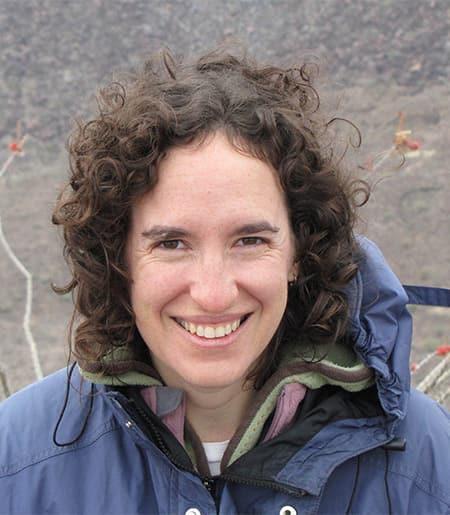
Arti Singh is an Assistant Professor in the Department of Agronomy at Iowa State University. Her research focuses on plant breeding, soybean diseases, genomics, and phenomics, with a strong emphasis on integrating artificial intelligence and high-throughput technologies into agricultural systems. She leads projects involving AI-driven disease identification, precision agriculture, and crop improvement strategies. Her expertise includes developing machine learning models for real-time weed and insect classification (e.g., WeedNet and InsectNet), deploying drones and ground robots for crop phenotyping, and leveraging genomic data to map traits like flowering time and disease resistance in legumes. Singh collaborates on initiatives like the AIIRA Institute for Resilient Agriculture and the BioTrove biodiversity dataset. Singh’s work spans plant stress phenotyping, digital twin technologies for plant sciences, and multi-sensor phenotyping for early disease detection. Her research bridges computational methods with traditional agronomy, aiming to enhance crop resilience and sustainability in the face of environmental challenges. Her recent projects include optimizing robotic navigation for precision agriculture, improving soybean yield estimation via video analysis, and dissecting genetic architectures of traits in mungbean and soybean using GWAS and genomic tools. She actively contributes to conferences and publishes in high-impact journals, advancing both foundational and applied aspects of agricultural science.
Jennifer S. Thaler is a Professor in the Department of Ecology and Evolutionary Biology at Cornell University, affiliated with the College of Arts and Sciences. She holds a Ph.D. from the University of California, Davis (1999) and a B.A. from Wellesley College (1993). Her research focuses on tri-trophic interactions between plants, herbivores, and predators, with an emphasis on chemical ecology, plant defense mechanisms, and pest control strategies. She teaches courses such as Chemical Ecology and Insect Ecology, and her work bridges fundamental ecological theory with applied agricultural challenges. Dr. Thaler’s research investigates how plant traits, predator presence, and nutritional states influence herbivore behavior and population dynamics. Notable projects include studying non-consumptive predator effects, plant genotypic diversity’s impact on herbivores, and the evolutionary potential of antipredator plasticity. Her publications span journals like Ecology , Oecologia , and Proceedings of the Royal Society B . Her scientific contributions include winning the 2nd place Elton Prize (2015) for research on predator effects on aphids. She actively engages in departmental initiatives, including the Graduate Program and the Plant-Insect Interactions Seminar. Affiliated with the Cornell Stable Isotope Laboratory, she contributes to interdisciplinary efforts in ecological research and education.
Mark Lewis is the Kennedy Chair in Mathematical Biology at the University of Victoria, holding joint appointments in the Departments of Mathematics and Statistics and Biology. His research focuses on spatial ecology and mathematical modeling, addressing ecological challenges such as animal movement, invasive species, and disease dynamics. Lewis earned his D.Phil. in Mathematical Biology from the University of Oxford and has been elected a Fellow of the Royal Society UK. His work integrates mathematical analysis, field studies, and interdisciplinary approaches to solve ecological problems. Current projects include modeling polar bear populations, cyanobacteria dynamics, and the impact of climate change on wildlife. Lewis supervises students across both UVic and his former University of Alberta lab. Education: D.Phil. in Mathematics (Mathematical Biology), University of Oxford Awards: Royal Society Fellowship, CRM-Fields-PIMS Prize, and Okubo Prize Key Research Areas: Animal movement modeling, aquatic ecology, wildlife disease, and invasive species management Publications highlight his contributions to understanding disease spread, parasite dynamics, and ecological responses to environmental changes. Lewis collaborates widely, applying mathematical tools to real-world conservation and health challenges.
Ian Grettenberger is an Assistant Professor of Cooperative Extension in the Department of Entomology and Nematology at the University of California, Davis. He leads the Grettenberger Lab, focusing on applied entomology in agricultural ecosystems. His work emphasizes pest management strategies, biological control, and sustainable solutions for invasive species threatening California crops. Education: B.S. in Biology, Western Washington University Ph.D. in Entomology, Pennsylvania State University Research Interests: Grettenberger’s expertise spans pest management of field/vegetable crops, invasive species like the Bagrada bug and western striped cucumber beetle, and resistance management in pests such as the alfalfa weevil. He investigates biological control mechanisms, pesticide efficacy, and economic impacts of pest management policies. Key Contributions: Recent work includes studies on insecticide spray optimization, economic implications of pesticide regulations, and biological control of invasive species. His research bridges laboratory and field settings, addressing challenges in California’s agricultural landscapes. Labs/Teams: The Grettenberger Lab collaborates on applied entomology projects, advancing IPM practices and crop protection strategies.
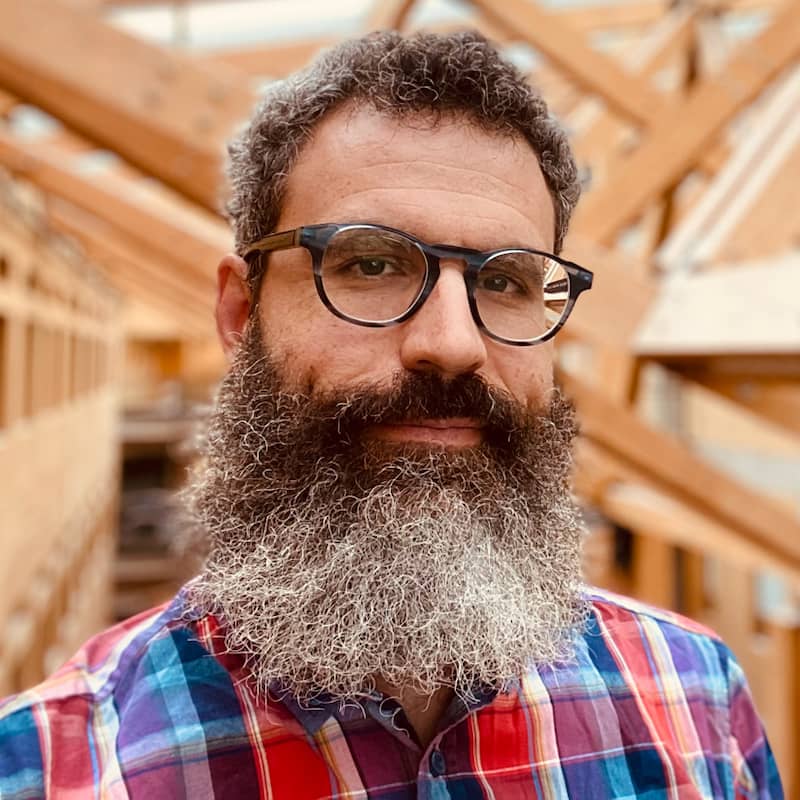
Gregory Paradis is an Assistant Professor in the Department of Forest Resources Management at the University of British Columbia (UBC) Faculty of Forestry. His research focuses on sustainable forest management, integrating operations research, mathematical optimization, and systems modeling to address complex interactions between ecosystems, industries, and society. He works with the FRESH Lab and collaborates with the Integrated Remote Sensing Studio, emphasizing ecological and economic integration in forest planning. Sustainable Forest Management Operations Research Forest Economics Data Science Risk Assessment GIS-based Methods His research spans forest inventory optimization, climate change adaptation strategies, wildfire risk modeling, and decision support systems for invasive species. He develops computational frameworks to enhance wood supply planning, carbon management, and ecological resilience. Recent work includes machine learning applications for fire safety in timber structures and automated road planning tools for wildlife conservation. Paradis’s publications highlight trends in applying optimization methods to sustainable forestry, with a focus on biodiversity, climate adaptation, and value chain innovation. He advocates for interdisciplinary approaches that bridge silviculture, industrial engineering, and data science to tackle emerging challenges in forest ecosystems. As an educator, he seeks motivated students with quantitative and creative problem-solving skills. His lab collaborates on remote sensing integration, risk assessment models, and policy-relevant forest management strategies, ensuring plans account for uncertainties like insect infestations or windthrow events.
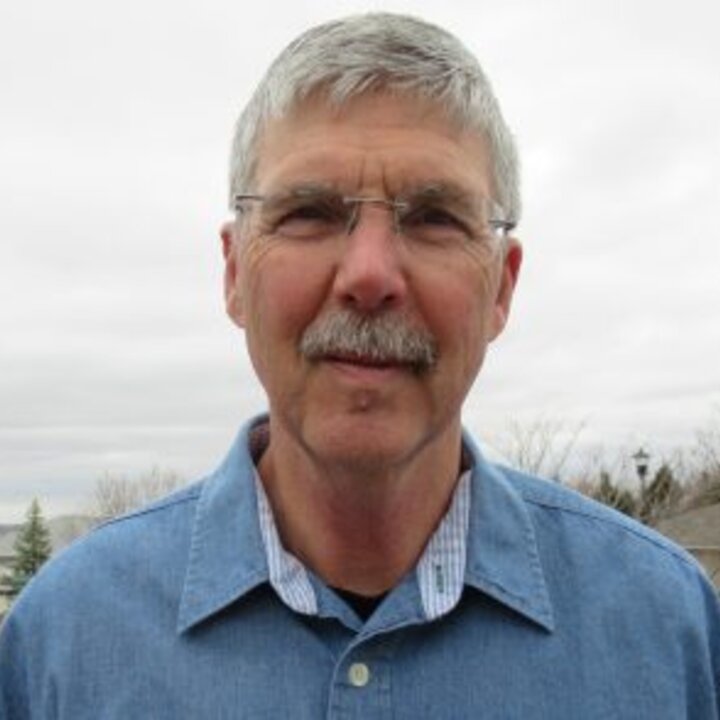
Dr. Gary Brewer is a Professor in the Department of Entomology at the University of Nebraska-Lincoln, with a 60% research and 40% teaching appointment. He has served as department head at NDSU (1997-2006) and UNL (2006-2018). His research focuses on field crops entomology, IPM of pasture cattle flies, salt creek tiger beetle conservation, and pollinator health. He has pioneered a push-pull strategy using coconut oil-derived repellents and led curriculum design for Rwanda’s Conservation Agriculture program. Education: B.S. in Zoology, University of Nebraska-Lincoln (1974) M.S. in Entomology, University of Nebraska-Lincoln (1978) Ph.D. in Entomology, Kansas State University (1984) Research Interests: Brewer’s work spans insect ecology, pest management, and conservation. Key areas include stable fly and horn fly control, pollinator protection, and endangered species recovery (e.g., Salt Creek tiger beetle). His lab develops natural product-based pest repellents and evaluates biopesticides for sustainable agriculture. Grants & Contributions: $362,150 USDA grant for undergraduate research in beneficial insect protection (2018) $325,000 USDA grant for multi-tactic stable fly control (2017) NE Game and Parks funded salt creek tiger beetle reintroduction programs Labs & Teams: Brewer’s team collaborates with industry (e.g., Vestergaard Frandsen) and international partners to advance IPM strategies. His work bridges field research with applied solutions for farmers and conservationists.
Jenny Kao-Kniffin is a Professor in the Horticulture Section of the School of Integrative Plant Science at Cornell University. Her research focuses on the belowground ecology of horticultural landscapes, particularly the ecology and management of invasive plants and weeds in horticultural landscapes, wetlands, and urban ecosystems. She applies concepts from microbial ecology to understand how soil microorganisms impact plant populations both beneficially (aiding in plant growth and fitness) and negatively (keeping populations in check). Dr. Kao-Kniffin's research interests include: Weed science and ecological management of weeds Urban ecology and urban agriculture Rhizosphere biology and plant-microbe interactions Soil microbiome selection and manipulation Ecological approaches to sustainable agriculture Her work centers on three main research areas: selection of rhizosphere microbiomes that modulate plant traits, identifying functional roles of microbiomes that mediate plant growth, and assembly of plant-microbial communities that enhance ecosystem services. She has demonstrated that microbiomes can be manipulated to alter flowering time in plants and has developed ecological approaches for weed management through soil carbon amendments. Her recent publications reveal a strong focus on urban soil microbiomes, nitrogen cycling in agroecosystems, and the application of microbial ecology to sustainable agriculture. The research spans from fundamental plant-microbe interaction studies to practical applications in urban agriculture and weed management, with particular emphasis on how soil amendments and microbial communities can be leveraged for ecological management of plant systems. Notable scientific achievements include: The White House Presidential Early Career Award for Scientists and Engineers (PECASE), 2019 Weihenstephan Science Award, International Collaboration for Early Career Scientists 2017 Cornell University CALS Award for Excellence in Mentoring Undergraduate Students in Independent Research 2013 Dr. Kao-Kniffin actively mentors graduate students and has developed extension programs focused on assisting public and private audiences with methods to manage weedy and invasive plants in horticultural landscapes. Her lab has developed a web-based software program that allows users to select weed management methods based on conventional or organic preferences. She teaches PLSCI 4900: Reflection on Plant Sciences Experiential Learning and maintains an active research program with several ongoing projects in urban agriculture, particularly working with New York City farmers to construct clean soil from local materials.
Nick Haddad is a Professor of Integrative Biology at Michigan State University and serves as the Director of the Long-Term Ecological Research (LTER) site at Kellogg Biological Station. His research focuses on ecological experimentation, particularly examining how habitat loss and fragmentation impact biodiversity and ecosystem functioning. He specializes in reversing these negative effects through landscape connectivity strategies and diversified working landscapes, with a strong emphasis on insect conservation, including critically endangered butterfly species. Role: Professor, Integrative Biology Directorship: KBS LTER Site Location: 322 Kellogg Biological Station Email: haddadn3@msu.edu Haddad's research spans habitat fragmentation, biodiversity conservation, climate change impacts, and agricultural sustainability. His lab conducts large-scale experiments like the Corridor Project and studies rare butterflies (e.g., St. Francis’ satyr, Miami blue) to understand extinction risks and recovery strategies. Recent work explores pesticide effects, prairie restoration, and long-term ecological trends. The 15 most recent publications highlight habitat fragmentation's ecological impacts, climate-driven phenological shifts, and innovative conservation approaches. Key themes include biodiversity monitoring, pesticide-driven declines, prairie restoration for pollinators, and climate adaptation strategies. His work leverages long-term datasets (e.g., 40-year LTER) and integrates theory with applied conservation. Lab activities include mentoring undergraduate and graduate students at KBS, leading the Haddad Lab, and collaborating on projects like the KBS-LTER and SRS Corridor initiatives. Research spans both terrestrial and agroecosystems, emphasizing actionable solutions for conservation and sustainable land use.
Brian Leung is an Associate Professor at McGill University, jointly affiliated with the Department of Biology and the Bieler School of the Environment . He holds the prestigious UNESCO Chair for Dialogues on Sustainability and serves as Director of the McGill Neotropical Environment Option (NEO) , a collaborative program with the Smithsonian Tropical Research Institute. His work bridges ecological theory, computational modeling, and environmental policy. Dr. Leung earned his PhD in Biology from Carleton University and completed postdoctoral research at the University of Cambridge and the University of Notre Dame. His academic journey at McGill began in 2004 as an Assistant Professor, advancing to Associate Professor in 2010. His research centers on predictive ecology , particularly modeling biological invasions and sustainability challenges . He develops and applies mathematical, statistical, and computational models to understand invasion dynamics across terrestrial, aquatic, and marine systems. His recent work includes the Panama Research and Integrated Sustainability Model (PRISM) , a spatially explicit framework for sustainability science in the Global South. His research spans scales from local to global and integrates ecological, economic, and social factors. His recent publications show a strong focus on invasion risk assessment , species distribution modeling , economic costs of invasions , and ecological forecasting . He frequently publishes in top journals such as Nature , Ecology Letters , and Global Ecology and Biogeography , emphasizing data-driven decision-making and policy relevance. Dr. Leung has received significant recognition through invitations to contribute to major reports and has co-edited influential works on invasive species economics. While specific named awards are not listed, his leadership roles and publication record reflect high scientific esteem. He actively mentors a dynamic research group, supervising multiple Ph.D. and M.Sc. students on projects related to invasion modeling, mangrove conservation, forest pest dynamics, and urban ecology. His lab emphasizes quantitative skills and interdisciplinary collaboration. He has secured research funding to support these projects, though specific grants are not detailed in the text. He leads the Leung Lab , which focuses on predictive modeling in ecology and sustainability. The lab collaborates with institutions such as the Smithsonian Tropical Research Institute and environmental firms like Habitat. Current projects include multi-species connectivity modeling, mangrove ecosystem services, and forecasting forest pest outbreaks.
Philippe Christe is an Associate Professor in the Department of Ecology and Evolution at the University of Lausanne (UNIL), Faculty of Biology and Medicine. His research centers on host-parasite interactions, with a focus on bats, birds, and their ectoparasites, integrating behavioral, physiological, and genetic approaches. He leads the Christe Group, which investigates evolutionary and ecological dynamics in host-parasite systems, particularly avian malaria and bat-mite relationships. He is actively involved in conservation initiatives, including the Jorat Peri-Urban Nature Park, and collaborates with KORA on human-wildlife interactions. Bachelor's degree in biology, UNIL (1989) PhD in Zoology and Animal Ecology, UNIL (1994) Philippe Christe’s research interests lie at the intersection of parasitology, evolutionary ecology, and conservation biology. He investigates how host defenses evolve in response to parasitic pressures, examining trade-offs between immunity and life history traits such as reproduction and survival. His work often integrates field studies with experimental and molecular techniques. Key model systems include Parus major (great tit) and Culex pipiens in avian malaria, and bat species with their ectoparasitic mites. He also explores broader ecological interactions, including predator-prey dynamics and wildlife conservation in human-modified landscapes. His recent publications reflect a strong emphasis on disease ecology, wildlife conservation, and molecular methods. Articles span topics such as avian malaria transmission, lynx population dynamics, snow leopard behavior, and habitat fragmentation effects on insects. These works employ advanced techniques like DNA metabarcoding, spatial modeling, and long-term monitoring, demonstrating a trend toward interdisciplinary, data-driven ecological research with direct conservation applications. Dubois Foundation Prize for an educational CD-Rom on bats (2004) Communication Award from the Faculty of Biology and Medicine of UNIL (2017) Philippe Christe has supervised numerous PhD and Master’s students, contributing significantly to training the next generation of ecologists and evolutionary biologists. His group collaborates widely with institutions such as the Museum of Zoology in Lausanne and KORA, and participates in large-scale conservation projects involving snow leopards, lynx, and bats. He has been involved in research grants related to host-parasite coevolution, wildlife monitoring, and conservation strategies. His leadership in establishing the Jorat Peri-Urban Nature Park and involvement in the UNIL Interdisciplinary Center for Mountain Research highlight his commitment to applied science and environmental stewardship. He leads the Christe Group, which conducts research on host-parasite coevolution, with a focus on bats and their ectoparasites, and birds affected by avian malaria. The group combines fieldwork, laboratory experiments, and molecular analyses, and includes post-docs, PhD students, and technical staff. Collaborations extend to researchers in Bern, Paris, and Spain, fostering an international and interdisciplinary research environment.
Teresa Bonacci is an Associate Professor in the Department of Biology, Ecology and Earth Sciences at the University of Calabria (UNICAL), where she conducts research and teaches in zoology with a focus on entomology. She is also the Scientific Director of the Zoology Museum within the university's museum system (SIMU). Her academic affiliations include membership in the PhD School of Life Science and Technology and leadership roles in degree program coordination. Laurea in Natural Sciences, University of Calabria PhD in Animal Biology, University of Calabria Socrates/Erasmus Scholarship, University of Kiel, Germany Research Grant (Assegno di ricerca), SSD BIO/05, University of Calabria National Scientific Qualification for Full Professor (I fascia) Her research spans applied and medico-veterinary entomology, forensic entomology, and conservation biology. She investigates saproxylic beetles (e.g., Cucujus spp.), pollinators (bees, flies, beetles), and insect behavior, especially in forensic contexts such as post-mortem interval estimation and myiasis. Her work integrates taxonomy, morphology, ecology, and chemical signaling, often in collaboration with chemists, legal experts, and conservation agencies. She has published extensively in high-impact journals, with over 80 scientific publications and strong citation metrics. The most recent articles reflect a multidisciplinary trend, combining taxonomy, forensic science, biodiversity monitoring, and veterinary entomology. Topics include the discovery of new insect species in Italy, the role of beetles in decomposition, insect damage in cultural heritage, and myiasis in domestic and wild animals. These works highlight her expertise in both fundamental zoological research and practical applications in forensics and conservation. Scientific Contributions: Over 80 scientific publications Scopus h-index: 15; Google Scholar h-index: 20 Key researcher in saproxylic beetle conservation Pioneer in forensic entomology studies in Southern Italy Active collaborator with legal and medical institutions She supervises numerous PhD and master's students and has directed over 90 theses. Her teaching responsibilities include courses in Zoology, Entomology, Forensic Entomology, and Medical-Veterinary Entomology. She is deeply involved in student mentorship, thesis supervision, and academic service, including examination boards and curriculum development. She also leads biodiversity monitoring projects in Calabrian national parks and has contributed to the development of machine learning tools for insect identification. Her research team collaborates with national and international institutions, including the CNR, University of Milan, and forensic pathology units. She leads projects on bioindicators, insect-plant interactions, and the impact of climate change on mountain species. The Zoology Museum under her direction supports both research and public outreach.
Katrine Eldegard is a Professor at the Norwegian University of Life Sciences (NMBU), Faculty of Environmental Sciences and Natural Resource Management (MINA), Department of Ecology and Natural Resource Management (INA). She leads BatLab Norway and contributes extensively to national and international conservation science policy. Institution: Norwegian University of Life Sciences School: Faculty of Environmental Sciences and Natural Resource Management Department: Department of Ecology and Natural Resource Management Position: Professor Her research centers on understanding how human activities and land use affect natural ecosystems and species across taxa and spatial scales. She specializes in the behavioral, population, and community-level responses of mammals, birds, and insects to anthropogenic pressures such as energy infrastructure, transport networks, and forestry. A major focus is on bat ecology and conservation, pollination dynamics, and biodiversity monitoring in boreal and agricultural landscapes. Her recent publications reveal strong trends in climate change impacts on bat morphology and distribution, pollinator-plant interactions under environmental change, and the ecological consequences of infrastructure development. These works integrate field ecology with advanced modeling and policy-relevant assessments. She has played leading roles in key scientific committees: Chair, Mammal Committee, Norwegian Red List for Species (2021) Chair, Mammal Committee, Norwegian Alien Species List (2023) Member, Norwegian Scientific Committee for Food and Environment (VKM), CITES Expert Panel Norway’s representative, UNEP/Eurobats Advisory Committee Eldegard has supervised numerous research projects and collaborated with government agencies and private partners on applied ecology. She teaches courses including NATF200 Vern og forvaltning av norsk natur and the upcoming NATF300 Conservation Science. Her work is supported by extensive fieldwork, interdisciplinary collaboration, and integration of ecological theory with practical conservation. She leads BatLab Norway, a research group dedicated to advancing knowledge on bat ecology, behavior, and conservation through innovative methods including telemetry, acoustic monitoring, and landscape analysis.
Gianfranco Anfora is a Full Professor at the University of Trento, affiliated with both the Department of Civil, Environmental and Mechanical Engineering and the Center Agriculture Food Environment (C3A), where he serves as Deputy Dean. His research focuses on agricultural entomology, biological control, and sustainable pest management. Key expertise areas include integrated pest control, semiochemicals, and viticulture-related challenges. Anfora teaches courses on biopesticides, vine protection, and eco-sustainable management of invasive species. His research emphasizes vibrational communication in pests like Halyomorpha halys and Drosophila suzukii, exploring non-chemical control strategies such as sterile insect techniques and biological control agents. Collaborative projects include classical biological control programs targeting invasive species in vineyards and果园. Anfora’s work often bridges ecology and applied pest management, addressing climate and landscape impacts on agricultural practices. Recent studies highlight innovations in vibrational mating disruption, substrate-borne signaling, and radiation effects on pest behavior. His contributions aim to balance productivity, environmental sustainability, and regulatory compliance within agri-food systems. No scientific awards are explicitly mentioned, but his extensive publication record reflects significant contributions to entomological and agricultural research.
Prof. Dr. Florian Jeltsch leads the Plant Ecology and Nature Conservation research group at the Institute of Biology and Biochemistry, University of Potsdam. His work spans multiple ecological domains with a focus on understanding biodiversity patterns and processes in changing environments. His research group investigates community ecology across various landscapes including grasslands, agricultural systems, and drylands. Dr. Jeltsch's research interests encompass Community Ecology of Grasslands and Agricultural Landscapes, Community Ecology of Drylands, Biodiversity in Heterogeneous Environments, Movement Ecology and Biodiversity Dynamics, and Applied Regional Conservation. His work integrates theoretical and empirical approaches to address pressing ecological questions related to global change. He has been instrumental in developing and applying individual-based models to understand complex ecological systems. Analysis of Dr. Jeltsch's recent publications reveals a strong focus on individual-based ecological modeling, movement ecology, and the impacts of landscape heterogeneity on biodiversity. His work spans from theoretical foundations to practical conservation applications, with particular emphasis on savanna ecosystems, habitat fragmentation effects, and climate change impacts. The research demonstrates integration of multiple scales from individual energetics to community dynamics. Dr. Jeltsch has mentored numerous doctoral students and postdoctoral researchers who have gone on to establish their own research careers. His group has been involved in multiple collaborative projects including BioHet, GrassYear, BioMove, and ORYCS, addressing biodiversity conservation in heterogeneous environments. The Plant Ecology and Nature Conservation group maintains active research stations including the Gülpe Research Station, providing field-based research opportunities. The group's work bridges theoretical ecology with practical conservation applications, particularly in the context of global environmental change.
Dr. Noboru Yonemitsu is an Associate Professor of Teaching in the Department of Civil Engineering at the University of British Columbia (UBC), affiliated with the Faculty of Applied Science. He specializes in Hydrotechnical Engineering and has been with UBC since 1992, contributing to both teaching and research. His research focuses on IR-NDT technologies, turbulent fluid mechanics, and environmental fluid mechanics, with applications in wastewater treatment and ecological systems. Education: M.A.Sc. in Engineering Physics from Hokkaido University (Japan), specializing in Turbulent Fluid Dynamics and Non-destructive Testing (NDT). Ph.D. in Water Resources Engineering from the University of Alberta, Canada. Research Interests: Non-destructive testing (NDT) for infrastructure assessment Fluid dynamics in environmental and ecological contexts Wastewater treatment technologies Awards: 2019 3rd Year Student Appreciation Award 2002 Civil Engineering Teaching Award (UBC) Alberta Ministry of Advanced Education Scholarship (1987-1989) Teaching: Instructs courses including CIVL 303 (Computational Tools), CIVL 315 (Fluid Mechanics II), and Civil Engineering Design Projects. His pedagogical approach integrates practical engineering challenges with theoretical foundations. Professional Experience: Extensive consulting and research work with organizations like Northwest Hydraulics Consultants, NASA, BCIT, and major industries, spanning hydraulics, NDT, and environmental engineering.