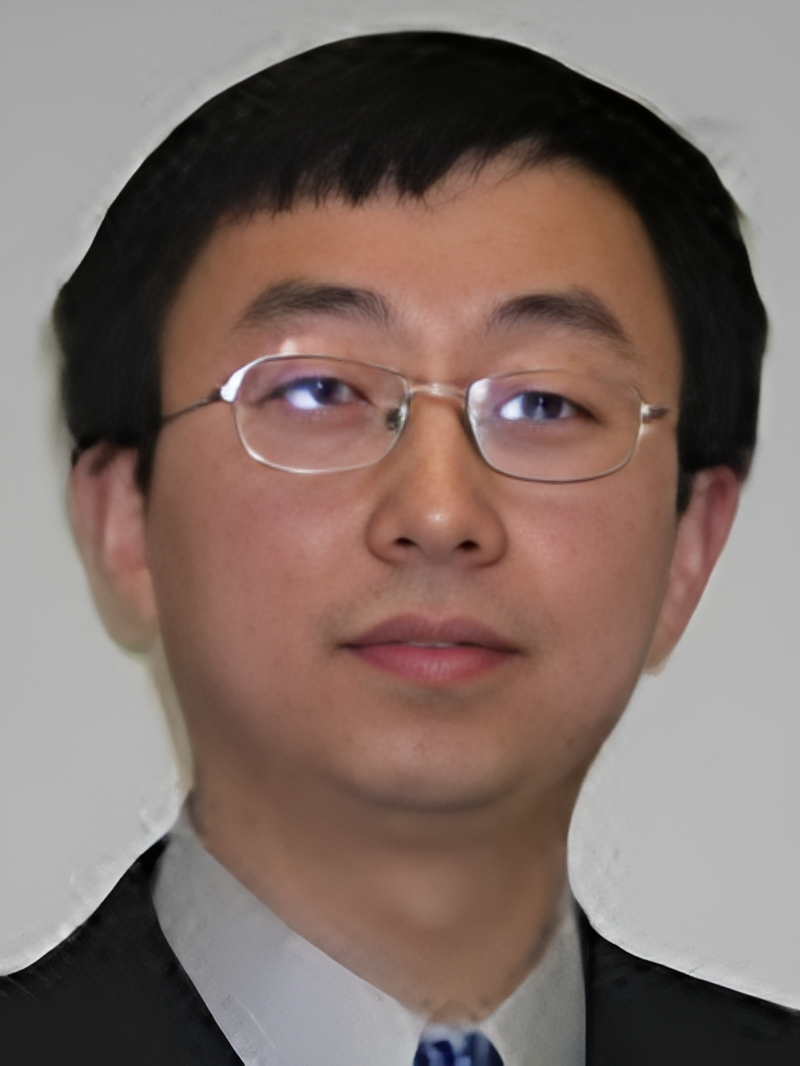
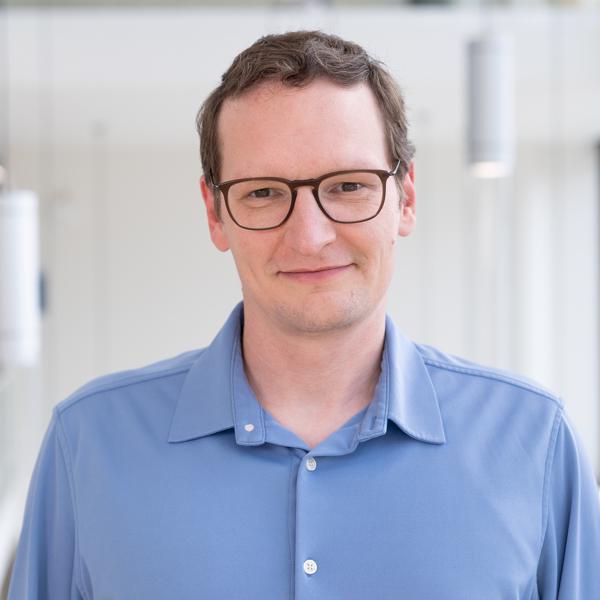
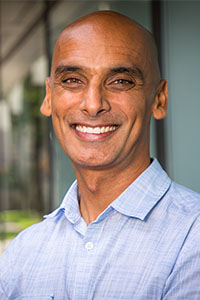
Hui Wu is a Professor of Electrical and Computer Engineering at the University of Rochester, affiliated with the Hajim School of Engineering & Applied Sciences. He leads the Laboratory for Advanced Integrated Circuits and Systems. Educations: BSc (Electrical Engineering), Tsinghua University (1996) MSc (Microelectronics), Tsinghua University (1998) PhD (Electrical Engineering), California Institute of Technology (2003) Research Interests: Focuses on high-speed electronics, RF/microwave circuits, silicon photonics, electronic-photonic integration, ultra-wideband radios, and nanoelectronics. Specializes in optical/electrical interconnects, high-performance clocking, and spintronics. Labs & Teams: Directs the Laboratory for Advanced Integrated Circuits and Systems, advancing research in integrated circuits and systems.
Richard Garner is a lecturer at Macquarie University's School of Mathematical and Physical Sciences, Faculty of Science and Engineering. He specializes in teaching mathematics to engineering and computing students in units like MATH2055 and MATH1007, focusing on problem-solving and real-world applications. His teaching philosophy emphasizes authentic mathematical experiences, blending abstract concepts with practical examples, such as connecting multivariable calculus to AI technologies. School: School of Mathematical and Physical Sciences University: Macquarie University Teaching Areas: Mathematics for engineering and computing, convolution, multivariable calculus Richard won a Student Nominated Award in the 2023 Vice Chancellor’s Learning and Teaching Awards, reflecting his commitment to student-centered education. He prioritizes clarity in course design, using visual tools and accessible materials to enhance learning, and fosters a supportive environment where students feel comfortable asking questions. Key Teaching Strategies Organized iLearn layouts following Macquarie University's standards Multiple formats for lecture materials (diagrams, color-coded slides) Weekly task clarity and real-world problem framing Live worked examples and transparent success criteria His research spans category theory, computational effects, and homotopy theory, with publications on topics like comodels, monoidal bicategories, and enriched categories. Richard's work bridges abstract mathematics with applications in computer science and logic. Scientific Awards 2023 Vice Chancellor’s Learning and Teaching Award (Student Nominated) Students praise his ability to make complex concepts intuitive, his enthusiasm for mathematics, and his dedication to explaining the 'why' behind the subject. His teaching design, including time-sensitive banners and structured weekly content, has been highlighted as exemplary.
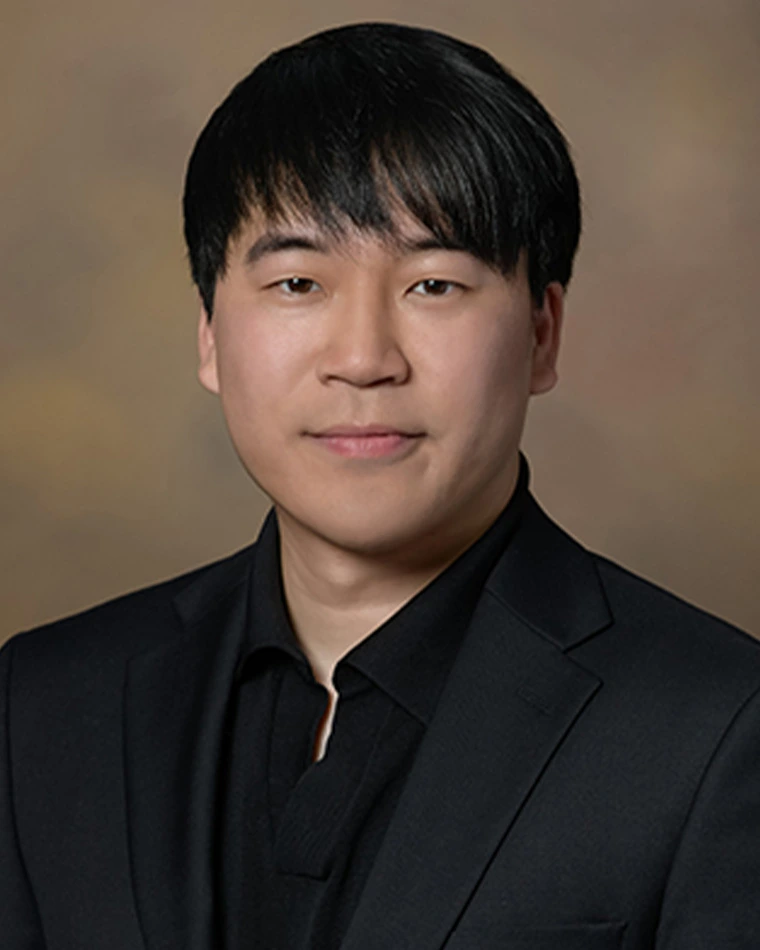
Eung-Joo Lee is an Assistant Professor in the Department of Electrical and Computer Engineering at the University of Arizona, where he also holds affiliations with the Department of Ophthalmology and Vision Science, the BIO5 Institute, and the UA Cancer Center. He serves as an adjunct professor at the University of Nebraska–Lincoln and is a member of the Graduate Faculty. Dr. Lee leads the Vision Systems and Intelligence (VSI) Laboratory and contributes to interdisciplinary research bridging engineering and medicine. Education: PhD in Electrical and Computer Engineering, University of Maryland, College Park, 2021 MS in Electrical Engineering, Korea Advanced Institute of Science and Technology (KAIST), Daejeon, South Korea, 2015 BS in Electrical Engineering, University of Texas at Dallas, 2013 Dr. Lee's research centers on developing computationally efficient and interpretable deep learning models for real-time, low-resource environments, particularly in computer vision and medical imaging. His work addresses perception and decision-making challenges in autonomous and medical systems. He applies cross-disciplinary expertise in engineering and medicine to create lightweight AI solutions. Although no specific publications are listed in the provided text, his research direction suggests strong engagement in areas such as embedded AI, medical image analysis, and real-time computer vision systems, likely published in top-tier venues in machine learning and biomedical engineering. Scientific Service and Recognition: Associate Editor, Journal of Signal Processing Systems (Springer) Editorial Board Member, Scientific Reports (Nature Portfolio) Reviewer for IEEE Transactions on Pattern Analysis and Machine Intelligence, Medical Image Analysis, Nature Machine Intelligence, and others Active participant in major conferences including NeurIPS, CVPR, MICCAI, AAAI, and SPIE Dr. Lee advises research through the VSI Laboratory and contributes to academic leadership via service on the Scientific Advisory Committee for the Body and Imaging Center at the University of Arizona. He has served on numerous program committees, organized workshops, and chaired sessions at international conferences, demonstrating growing leadership in the academic community. He is actively involved in interdisciplinary research collaborations, including past work with Children’s National Hospital and the U.S. Army Research Laboratory, and continues to bridge gaps between engineering and clinical applications.
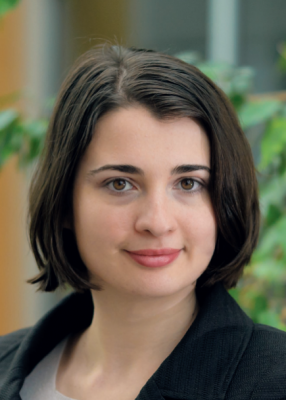
Roxana Geambasu is an Associate Professor at Columbia University's Department of Computer Science, with affiliations to the Software Systems Lab and the Cybersecurity Committee . She specializes in systems security, differential privacy, and resource management for modern computing environments. PhD: University of Washington (2011) Undergraduate: Polytechnic University of Bucharest, Romania Her research focuses on integrating differential privacy as a first-class computing resource in infrastructure systems, with key contributions in: Privacy Budget Management (PrivateKube, DPack, Turbo) Web & Mobile Privacy (Cookie Monster, Big Bird) Security Abstractions (POSIX, Vanish, XRay) Article trends show a strong emphasis on differential privacy (8/15), resource scheduling (5/15), and privacy-preserving advertising (3/15). Key subfields include budget optimization, browser APIs, and ML pipeline privacy. Scientific awards include: Alfred P. Sloan Fellowship NSF CAREER Award Google Ph.D. Fellowship in Cloud Computing Best Paper Awards at SOSP, EuroSys She advises M.S. and undergraduate students, teaching courses in Distributed Systems and Privacy Curriculum . Her lab develops tools like PixelDP and Sunlight for operationalizing privacy in real-world systems.
Jozef Vleugels is a full Professor at KU Leuven's Faculty of Engineering Sciences, where he serves as Department Head of Functional Materials (SIEM) within the Department of Materials Science. He is also Chairman of the Leuven Centre for Materials and serves as contact person for the Functional Materials research unit located at Castle Park Arenberg 44 in Leuven. His research focuses on advanced materials processing, particularly in ceramics, powder metallurgy, and additive manufacturing. Vleugels has extensive expertise in zirconia-based dental biomaterials, nuclear materials, and refractory ceramics. His work integrates traditional ceramic processing techniques with cutting-edge additive manufacturing technologies, including direct ink writing (DIW) and binder jetting for complex geometries. His recent publications demonstrate a strong emphasis on dental applications of zirconia ceramics, laser surface modification techniques, microwave processing, and high-entropy carbide systems. His research group is actively involved in numerous EU and national projects related to additive manufacturing of multi-material components, nuclear applications, and dental biomaterials. Prof. Vleugels teaches several courses including Ceramics and Powder Metallurgy, Advanced Ceramic Materials, and project-based courses in materials science. He supervises numerous doctoral candidates and collaborates extensively with industry partners on applied research projects. He is an active member of multiple research networks including the Materials Science Division, KIEM – KU Leuven Institute for Energy and Society, and Leuven.AM – KU Leuven Institute for Additive Manufacturing. He also serves on various faculty and departmental councils including the Faculty Council of Engineering Sciences and the Departmental Council of Materials Science.
Natalie Enright Jerger is a Professor in the Department of Electrical and Computer Engineering at the University of Toronto's Faculty of Applied Science and Engineering. She holds the Canada Research Chair in Computer Architecture and serves as Director of the Division of Engineering Science (2023-2028). Previously, she was the Percy Edward Hart Professor (2016-2019). She received her B.S. in Computer Engineering from Purdue University (2002), and M.S./Ph.D. in Electrical Engineering from University of Wisconsin-Madison (2004/2008). Her research focuses on: Multi/many-core architectures and on-chip networks Cache coherence protocols and memory hierarchy optimization Approximate computing and sustainable systems Intermittent computing for energy-harvesting devices Hardware acceleration for machine learning Her publications demonstrate strong emphasis on networks-on-chip (NoC) innovations, including routing algorithms, deadlock handling, power-efficient designs, and topology optimizations. Recent work expands into approximate computing, mobile architectures, and ML-driven hardware design. Major Awards: Fellow of Engineering Institute of Canada (2023) McLean Senior Fellow (2019) IEEE Micro Top Picks (2016) ACM/IEEE Microarchitecture Hall of Fame (2015) Sloan Research Fellowship (2015) Canada Research Chair (current) Distinguished Scientist, ACM Fellow, IEEE She leads the NEJ research group and collaborates with industry partners including Intel, AMD, Qualcomm, and IBM. Her work is funded by NSERC, CFI, and industrial grants. She co-chaired ASPLOS 2023 and HPCA 2014, and actively promotes diversity through WICARCH and ACM initiatives.
Roger J.E. Jaspers is an Associate Professor at Eindhoven University of Technology (TU/e) and a part-time Professor at Ghent University in Belgium, affiliated with the Applied Physics and Science Education school and specializing in the Science and Technology of Nuclear Fusion. His research focuses on spectroscopic diagnostics of ion processes in fusion plasmas, particularly energetic alpha particles in fusion-born reactions. Collaborations include international fusion experiments like W7-X (Germany), JET (UK), and KSTAR (South Korea). He leads the scientific R&D for the ITER CXRS instrumentation system and has authored over 90 peer-reviewed papers. His work spans topics such as: Relativistic electrons Plasma energy transport Magneto-hydrodynamics (MHD) Fusion reactor instrumentation He contributes to educational initiatives like the TU/e Fusion Master program, FUSENET, and the Erasmus Mundus Programme FUSION-DC.
Zita Vale is a Full Professor at the Institute of Engineering (ISEP) of the Polytechnic of Porto (IPP), where she holds the first Full Professor position since 2017. She is a co-founder of GECAD (1999) and coordinates GECAD's Power and Energy (PES) activities. GECAD is recognized by FCT since 2004 and classified as Excellent. She has served as GECAD director (2010-2017), vice-director (1999-2009, 2017-present), and is a member of the administration board. She is also co-founder and member of the coordination board of the National Associated Laboratory on Intelligent Systems. Her educational background includes a PhD (1993) and Agregação/Habilitation (2003) in Electrical and Computer Engineering from the University of Porto. She began her academic career at the University of Porto as a Teaching Monitor (1985), Assistant (1985-1993), and Professor (1993-1998) before moving to ISEP in 1998. Zita Vale's research focuses on the design and development of artificial intelligence-based models for Power and Energy Systems. Her work spans knowledge-based systems, multiagent systems, machine learning, metaheuristics, and semantics, with applications in smart grids, energy management, electricity markets, and renewable energy integration. She has an extensive international network and has participated in 80 R&D projects, raising over 22 million Euros for GECAD. Her recent publications demonstrate a strong emphasis on optimization techniques, explainable AI, energy storage systems, and the integration of distributed energy resources in power systems. She serves as Editor-in-Chief of Applied Energy (Elsevier), a leading journal in the field with an Impact Factor of 11.2. Her citation metrics are impressive, with over 17,000 citations on Google Scholar and an H-index of 64. Editor-in-Chief of Applied Energy (Elsevier) Over 17,000 citations on Google Scholar H-index of 64 Zita Vale has supervised 29 PhD students (25 completed) and 72 MSc students (66 completed), demonstrating her strong commitment to academic mentorship. She has also been involved in numerous international and national evaluation processes, including project proposals, faculty positions, and PhD juries across 15+ countries. She has contributed to over 225 evaluation processes from 2018-2023, including 150+ project proposals/execution, 50+ Faculty/Researchers positions, 2 Habilitation juries, and 25+ PhD juries. She leads GECAD's involvement in several major research initiatives, including the National Associated Laboratory on Intelligent Systems and various European projects such as IoTalentum, TRADERES, DOMINOES, and EcoRural-IoT from Horizon 2020, as well as PRODUTECH EU DIH from Horizon Europe. Her leadership extends to international organizations where she serves as President of Intelligent Systems Applications in Power (ISAP) and Technical Committee Program Chair of IEEE PES Analytic Methods for Power Systems Committee.
Jenny Kao-Kniffin is a Professor in the Horticulture Section of the School of Integrative Plant Science at Cornell University. Her research focuses on the belowground ecology of horticultural landscapes, particularly the ecology and management of invasive plants and weeds in horticultural landscapes, wetlands, and urban ecosystems. She applies concepts from microbial ecology to understand how soil microorganisms impact plant populations both beneficially (aiding in plant growth and fitness) and negatively (keeping populations in check). Dr. Kao-Kniffin's research interests include: Weed science and ecological management of weeds Urban ecology and urban agriculture Rhizosphere biology and plant-microbe interactions Soil microbiome selection and manipulation Ecological approaches to sustainable agriculture Her work centers on three main research areas: selection of rhizosphere microbiomes that modulate plant traits, identifying functional roles of microbiomes that mediate plant growth, and assembly of plant-microbial communities that enhance ecosystem services. She has demonstrated that microbiomes can be manipulated to alter flowering time in plants and has developed ecological approaches for weed management through soil carbon amendments. Her recent publications reveal a strong focus on urban soil microbiomes, nitrogen cycling in agroecosystems, and the application of microbial ecology to sustainable agriculture. The research spans from fundamental plant-microbe interaction studies to practical applications in urban agriculture and weed management, with particular emphasis on how soil amendments and microbial communities can be leveraged for ecological management of plant systems. Notable scientific achievements include: The White House Presidential Early Career Award for Scientists and Engineers (PECASE), 2019 Weihenstephan Science Award, International Collaboration for Early Career Scientists 2017 Cornell University CALS Award for Excellence in Mentoring Undergraduate Students in Independent Research 2013 Dr. Kao-Kniffin actively mentors graduate students and has developed extension programs focused on assisting public and private audiences with methods to manage weedy and invasive plants in horticultural landscapes. Her lab has developed a web-based software program that allows users to select weed management methods based on conventional or organic preferences. She teaches PLSCI 4900: Reflection on Plant Sciences Experiential Learning and maintains an active research program with several ongoing projects in urban agriculture, particularly working with New York City farmers to construct clean soil from local materials.
Clifford P. Brangwynne is the June K. Wu '92 Professor of Chemical and Biological Engineering and Bioengineering at Princeton University, serving as Director of the Omenn-Darling Bioengineering Institute. His research bridges biophysics, bioengineering, and cell biology to investigate the physical principles governing intracellular organization through liquid-liquid phase separation. Education Ph.D. in Applied Physics, Harvard University (2007) B.S. in Materials Science and Engineering (minor in Physics), Carnegie Mellon University (2001) Research Focus Brangwynne's lab pioneers the study of membrane-less organelles (biomolecular condensates) formed via phase separation, exploring their roles in nuclear architecture, genome regulation, and disease mechanisms. His work integrates soft matter physics with advanced cell biology to uncover how these condensates form, function, and contribute to pathological protein aggregation in neurodegenerative disorders, while developing synthetic organelle engineering for biomedical applications. Publication Trends His publications consistently demonstrate how liquid phase condensation governs cellular organization across scales—from nuclear genome restructuring to pathological aggregation. The interdisciplinary approach reveals fundamental physical principles while driving technological innovations in organelle engineering and disease modeling. Major Awards Breakthrough Prize for Life Sciences (2023) Raymond and Beverly Sackler International Prize in Biophysics (2023) Tsuneko & Reiji Okazaki Award (2021) Wiley Prize in Biomedical Sciences (2020) Blavatnik National Award in Life Sciences (2020) Human Frontier Science Program Nakasone Award (2020) Michael and Kate Bárány Award, Biophysical Society (2020) HHMI Transformative Technology Award (2019) MacArthur Fellow (2018) HHMI, Simons Foundation, and Bill & Melinda Gates Foundation Faculty Scholar (2016) SCB Gibco Emerging Leader Prize, American Society of Cell Biology (2015) Sloan Research Fellowship (2014) NSF CAREER Award (2013) NIH New Innovator Award (2012) Searle Scholar Award (2012) Helen Hay Whitney Fellow (2008-2010) Advising and Funding He mentors graduate students including Jordy Botello, Yi-Che (Eje) Chang, Yoonji Kim, Claire Weaver, Lennard Wiesner, and Jessica Zhao. Research is supported by HHMI, Simons Foundation, Bill & Melinda Gates Foundation, NIH, NSF, and the Human Frontier Science Program. Laboratory and Collaborations Leading the Soft Living Matter Group, Brangwynne collaborates with theorists including Mikko Haataja (Princeton Mechanical Engineering), Ned Wingreen (Princeton Molecular Biology), and Rohit Pappu (WUSTL), while contributing to the NIH 4D Nucleome Consortium to advance understanding of nuclear organization.
Nick Haddad is a Professor of Integrative Biology at Michigan State University and serves as the Director of the Long-Term Ecological Research (LTER) site at Kellogg Biological Station. His research focuses on ecological experimentation, particularly examining how habitat loss and fragmentation impact biodiversity and ecosystem functioning. He specializes in reversing these negative effects through landscape connectivity strategies and diversified working landscapes, with a strong emphasis on insect conservation, including critically endangered butterfly species. Role: Professor, Integrative Biology Directorship: KBS LTER Site Location: 322 Kellogg Biological Station Email: haddadn3@msu.edu Haddad's research spans habitat fragmentation, biodiversity conservation, climate change impacts, and agricultural sustainability. His lab conducts large-scale experiments like the Corridor Project and studies rare butterflies (e.g., St. Francis’ satyr, Miami blue) to understand extinction risks and recovery strategies. Recent work explores pesticide effects, prairie restoration, and long-term ecological trends. The 15 most recent publications highlight habitat fragmentation's ecological impacts, climate-driven phenological shifts, and innovative conservation approaches. Key themes include biodiversity monitoring, pesticide-driven declines, prairie restoration for pollinators, and climate adaptation strategies. His work leverages long-term datasets (e.g., 40-year LTER) and integrates theory with applied conservation. Lab activities include mentoring undergraduate and graduate students at KBS, leading the Haddad Lab, and collaborating on projects like the KBS-LTER and SRS Corridor initiatives. Research spans both terrestrial and agroecosystems, emphasizing actionable solutions for conservation and sustainable land use.
Tariq Iqbal is an Assistant Professor at the University of Virginia , with joint appointments in the Department of Systems and Information Engineering and Department of Computer Science . He leads the Collaborative Robotics Lab (CRL) , specializing in human-robot teams and embodied AI . Previously, he was a Postdoctoral Associate at MIT's CSAIL , advised by Prof. Julie Shah , and earned his Ph.D. in Computer Science from University of California San Diego (UCSD) under Prof. Laurel Riek . Ph.D. in Computer Science, University of California San Diego (2017) M.S. in Computer Science, University of Texas at El Paso (2012) B.S. in Computer Science and Engineering, Bangladesh University of Engineering and Technology (2007) His research lies at the intersection of artificial intelligence and robotics , focusing on human-robot collaboration in dynamic environments. Key areas include motion prediction , multimodal fusion , trust modeling , and collaborative learning . His work integrates cognitive science and deep learning to enhance robotic fluency in naturalistic settings. Recent publications (2023–2025) highlight advancements in human-robot team dynamics , multimodal dataset creation , and motion prediction algorithms . Notable works include Energy-Based Transformers for scalable AI, PoseTron for motion prediction, and Accessible Navigation Mapping for assistive robotics. These contributions span trust modeling , cloud robotic infrastructure , and safety in close-proximity collaboration . National Science Foundation (NSF) CAREER Award Air Force Office of Scientific Research (AFOSR) Young Investigator Program (YIP) Award Commonwealth Center for Advanced Manufacturing (CCAM) Innovation Award As faculty, he has secured grants from NSF and AFOSR , mentored research students, and taught courses like Stochastic Modeling I (SYS 6005) and Robots and Humans (SYS 4582/6465, ECE 4502/6465, CS 6465) . His prior industry roles at IBM Watson Lab and Grameenphone Ltd. inform his applied research in telecom infrastructure and cognitive robotics . He leads the Collaborative Robotics Lab (CRL) at UVA, which develops multimodal datasets , real-time coordination algorithms , and adaptive pathfinding systems . Current projects explore human motion prediction , team synchrony , and embodied question-answering , reflecting his commitment to advancing human-robot fluency and contextual AI .
Prof. Jeroen Anton van Bokhoven is a Full Professor at ETH Zurich's Department of Chemistry and Applied Biosciences and Head of the Laboratory for Catalysis and Sustainable Chemistry at Paul Scherrer Institute. His research focuses on establishing structure-performance relationships in heterogeneous catalysts to enable sustainable chemical processes through advanced catalyst design. Education: B.Sc. in Chemistry, Utrecht University (1995) Ph.D. in Inorganic Chemistry and Catalysis (with honours), Utrecht University (2000) Research Focus: Van Bokhoven's group pioneers operando characterization techniques, particularly X-ray absorption spectroscopy and scattering methods, to study catalysts under realistic reaction conditions. Key research thrusts include methane conversion to value-added products (methanol, methyl esters), zeolite catalysis for olefin production, and design of stable catalysts for high-temperature oxidation processes. His work bridges fundamental surface science with industrial applications in sustainable energy and chemical manufacturing. Scientific Recognition: Swiss Chemical Society Werner Prize (2008) Academic Leadership: Van Bokhoven leads a multidisciplinary research group spanning ETH Zurich and Paul Scherrer Institute, supervising doctoral candidates and postdoctoral researchers. His group maintains strategic partnerships with industrial catalyst manufacturers and operates specialized facilities for in situ spectroscopy at the Swiss Light Source synchrotron. Current projects address carbon dioxide utilization, biomass conversion, and fundamental mechanisms of catalyst deactivation. Research Infrastructure: The group leverages state-of-the-art capabilities at the Laboratory for Catalysis and Sustainable Chemistry (PSI), including custom operando cells for XAS, XPS, and electron microscopy under reactive gas environments, enabling atomic-scale observation of catalytic transformations.
Nils Ole Tippenhauer is a faculty member at the CISPA Helmholtz Center for Information Security , leading the SCy-Phy research group . His academic journey includes an Assistant Professorship at the Singapore University of Technology and Design (SUTD) (2014–2018), a PhD in Computer Science from ETH Zurich (2012), and a Diploma in Computer Engineering from Hamburg University of Technology (2007). He also holds an exchange study year at the University of Waterloo (2004–2005) supported by a DAAD scholarship. Research Interests focus on practical systems security , particularly Security of Cyber-Physical Systems Industrial Control Systems (ICS) and Industrial IoT (IIoT) Physical-Layer Security and Wireless Security Privacy-Preserving Technologies (e.g., DP3T project) Embedded Systems Security Threat Detection & Defenses His work integrates both theoretical and applied approaches, addressing vulnerabilities in critical infrastructures like water systems and power grids. Recent Publications highlight trends in Anomaly detection evasion in industrial networks Microarchitectural side-channel defenses Localization techniques in cellular networks Security analysis of ICS protocols Data-driven vulnerability assessments for robotics Cyber-physical simulation for infrastructure security Scientific Awards include Best paper at DIMVA'23 Distinguished Paper at ACSAC 2022 Best paper at CPSIOTSEC 2022 Best paper at CPSS 2017 K-H Ditze Award for diploma thesis (2007) SG Mark Institution award (2016) Runner-Up at smart energy hackathon (2013) Advising and Grants feature PhD defenses of Daniele Antonioli and Hamid Reza Ghaeini (2022), co-organizing conferences like WiSec and CPSS , and leading projects such as the National Science Experiment (NSE) with 50,000 mobile sensors in Singapore. He also contributed to the DP3T project for privacy-preserving contact tracing. Labs and Teams include the SCy-Phy research group at CISPA and the development of testbeds like SWaT (Secure Water Treatment), WADI (Water Distribution), and EPIC (Electric Power and Industrial Control) at SUTD. These platforms enable hands-on security research in realistic industrial environments.
Salil P. Vadhan is the Vicky Joseph Professor of Computer Science and Applied Mathematics at Harvard University's John A. Paulson School of Engineering and Applied Sciences (SEAS). He leads the Privacy Tools Project and co-leads the OpenDP open-source differential privacy initiative. His research focuses on computational complexity, cryptography, randomness in computation, and data privacy. He has taught courses such as CS 1200: Introduction to Algorithms and Their Limitations, and CS 229cr: Spectral Graph Theory in Computer Science. Vadhan holds editorial roles including Editor-in-Chief of Foundations and Trends in Theoretical Computer Science , and serves on steering committees for the Symposium on the Foundations of Responsible Computing (FORC) and the Theory of Cryptography Conference (TCC). Awarded the 2018 ACM Fellowship for contributions to theoretical computer science, he was also elected to the American Academy of Arts & Sciences in 2025. His professional activities include roles with the Harvard Center for Research on Computation and Society and the Electronic Colloquium on Computational Complexity.