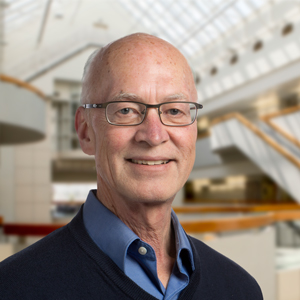
Laurens Lootens is a Researcher in the Department of Applied Mathematics and Theoretical Physics (DAMTP) at the University of Cambridge. His work focuses on theoretical physics, particularly in quantum lattice models, topological phases of matter, and mathematical structures underlying quantum systems. He is affiliated with the High Energy Physics research group within DAMTP. His research interests include dualities in quantum systems, matrix product operator symmetries, conformal field theories, and tensor network methods. Lootens explores topics such as entanglement in many-body systems, symmetry-protected topological phases, and the interplay between algebraic structures and physical phenomena. Publications highlight his contributions to understanding lattice representations of dualities, topological sectors in quantum models, and critical lattice models for conformal field theories. His work bridges theoretical frameworks with computational methods, advancing both fundamental physics and quantum information science.
Zohreh Sharafi is an Assistant Professor of Software Engineering in the Department of Computer and Software Engineering (GIGL) at Polytechnique Montréal. Previously, she served as a Senior Research Fellow in the Department of Electrical and Computer Engineering at the University of Michigan, Ann Arbor, where she worked with Dr. Westley Weimer and was awarded the prestigious NSERC Postdoctoral Fellowship. Prior to her academic career, she worked as a software engineer at Morgan Stanley, contributing to the firm's electronic trading platform and serving as principal architect of SURF, a market data simulator. Her educational background includes a Ph.D. in Computer Engineering from École polytechnique de Montréal under the supervision of Dr. Giuliano Antoniol and Dr. Yann-Gaël Guéhéneuc, a Master of Applied Science in Software Engineering from Concordia University, and a Bachelor of Computer Engineering from the University of Tehran. Dr. Sharafi leads the SENSE Lab, a multidisciplinary software engineering research laboratory focused on understanding problem-solving strategies developers use during software development, with particular attention to human factors such as gender and native language. Her research combines human-centric design with experimental methodologies, investigating cognitive processes involved in software development using biometric measures including eye tracking and neuroimaging. Current active projects include evaluating trustworthiness perceptions of software artifacts and studying the role of creativity in software engineering tasks. She has made significant contributions to understanding how gender influences program comprehension and code review processes. Her publication record demonstrates a strong focus on empirical methods in software engineering, particularly eye tracking and neuroimaging techniques to study developer cognition. Her work spans program comprehension, code review, requirements engineering, and the impact of human factors on software development processes. She has developed methodological frameworks for conducting eye tracking studies in software engineering and has made notable contributions to understanding how visualization techniques affect software development tasks. NSERC Postdoctoral Fellowship NSERC Discovery Grant Program and Launch Supplements (Sep 2024-Sep 2029) IVADO Startup & Operation Fund (Jan 2022-Jan 2023) Scholarship for Doctoral Studies from Fonds de Recherche du Quebec Distinguished Reviewer Awards from IEEE ICPC 2020 and ACM FSE 2024 Dr. Sharafi actively mentors students including Mahta Amini (PhD Candidate, IVADO Scientifique en résidence 2024 Laureate), Cameron Cherif (PhD Candidate), Sara Yabesi (Master's Student), and Anthonia Njoku (Graduate research intern). She serves on numerous conference organizing committees including as Local Arrangement Chair for SANER 2025, Program Co-chair for SEMLA 2024, and as a reviewer for top-tier journals including IEEE Transactions on Software Engineering and ACM Computing Surveys. Her research is supported by multiple grants focused on understanding human factors in software engineering through empirical methods. At Polytechnique Montréal, Dr. Sharafi directs the SENSE Lab which brings together computer scientists, cognitive scientists, and software engineering researchers to investigate the cognitive aspects of software development. The lab employs advanced methodologies including eye tracking, functional near-infrared spectroscopy (fNIRS), and functional magnetic resonance imaging (fMRI) to study how developers comprehend, navigate, and modify software systems. Current projects examine trustworthiness perceptions in code review, the role of creativity in software engineering tasks, and gender differences in software development processes.
Yuliya Martsynyuk is an Associate Professor in the Department of Statistics at the University of Manitoba, located within the Faculty of Science. She holds an office in 256 Parker and can be reached via email at Yuliya.Martsynyuk@umanitoba.ca. Her research interests align with core statistical disciplines, including theoretical and applied statistics, probability, and data analysis methodologies. Specific subfields are not explicitly detailed in the provided text, but her affiliation with the Statistics department suggests expertise in areas such as statistical modeling, computational statistics, and interdisciplinary applications of statistical methods. No awards, publications, grants, or student advising records are explicitly listed in the provided information. Further details on her academic contributions would require additional sources.
Fabio Sigrist is a Professor of Applied Statistics and Data Science at the Institute of Financial Services Zug (IFZ) , part of the Lucerne University of Applied Sciences and Arts . He also holds a Senior Scientist and Lecturer position at the Seminar for Statistics, ETH Zurich . His career spans academic research, industry consulting, and project leadership in finance and data science. PhD in Statistics (2013), ETH Zurich MSc in Mathematics with distinction (2008), ETH Zurich MEd in Mathematics Education (2008), ETH Zurich Sigrist’s research focuses on integrating Machine Learning with Spatial Statistics for applications in Financial Econometrics and Credit Risk . His work includes developing novel algorithms like GPBoost and KTBoost , advancing spatio-temporal modeling , and applying tree-based boosting to financial problems. Projects such as CreHos (credit risk in hospitality) and NISMO (interpretable real estate modeling) highlight his interdisciplinary approach. His publications address challenges in large-scale spatial data , loss given default modeling , and stock volatility prediction . He contributes to software development with tools like spate (R package) and varycoef (spatially varying coefficients).
Kamal Sarabandi is the Rufus S. Teesdale and Fawwaz T. Ulaby Distinguished University Professor of Electrical Engineering and Computer Science at the University of Michigan. He leads the Radiation Laboratory, renowned for research in applied electromagnetics, radar remote sensing, and antenna technology. His academic rank is Professor, and he holds affiliations with the College of Engineering. His research spans radar systems for environmental monitoring (e.g., soil moisture, snowpack), automotive radar for autonomous vehicles, metamaterials for antenna miniaturization, and security applications like concealed weapons detection. He has advised over 60 PhD students, many of whom hold academic or industry leadership roles globally. Awards and Recognition: National Academy of Engineering member, IEEE Picard Medal, Humboldt Award, Ellis Island Medal of Honor, and Stephen S. Attwood Award. His work bridges fundamental science with practical innovations, including NASA collaborations and military/defense applications. Labs and Teams: Directs the Radiation Laboratory, a hub for applied electromagnetics and radar innovation. Collaborates with industry (e.g., Qualcomm, SAIC) and government agencies (NASA, Army Research Lab) on projects like the COMBAT center for autonomous systems. Education: Earned his PhD in Electrical Engineering from the University of Michigan (1989). Alumni of his lab include professors at UW-Madison, Purdue, and international institutions.
Juergen Dingel is a Professor in the School of Computing at Queen's University, Canada. He joined the faculty in 2000 and holds a PhD in Computer Science from Carnegie Mellon University (1999). His research focuses on software modeling, model-driven engineering, formal methods, and formal verification, with applications in real-time systems and embedded systems. He leads the Modeling and Analysis in Software Engineering (MASE) research group. Education: PhD in Computer Science, Carnegie Mellon University (1999) M.Sc. in Pure and Applied Logic, Berlin University of Technology (1994) M.Sc. in Computer Science, Berlin University of Technology (1992) Research Interests: Model-driven engineering and transformation Formal specification and verification Automated testing and debugging Real-time and embedded systems Service composition and distributed systems His work emphasizes practical tools like Papyrus-RT and MDebugger , integrating formal methods into software development. Grants & Collaborations: Funded by NSERC, OCE, and industry partners (IBM, GM, Ericsson) Focus on automotive systems, IoT, and safety-critical applications Service: Editorial board member for SoSyM , STTT , and JOT Former chair of the MODELS Steering Committee (2016–2018) PC co-chair for MODELS 2014 and FMOODS/FORTE 2011 Labs & Teams: Leads the MASE group, which develops open-source tools for model-driven engineering. Collaborates with industry on automotive and IoT projects.
Prof. Dmitri Krioukov is an Associate Professor in the Department of Physics at Northeastern University and holds an affiliated faculty position in Electrical and Computer Engineering. He directs the DK-Lab at the Network Science Institute, focusing on theoretical aspects of complex networks, including latent network geometry, random geometric graphs, and navigation in networks. His work bridges mathematical physics and applied network science, with applications to real-world data such as the Internet's structure. Research interests revolve around the interplay between network topology and geometry, including studies of causal sets, graph curvature, and dynamics in complex systems. He has pioneered frameworks linking network growth to hyperbolic geometry, enabling efficient routing algorithms. Notable contributions include the discovery of latent geometric structures underlying real-world networks and their implications for navigation and scalability. He has been recognized for high-impact publications, including multiple Stanford University Annual Assessments placing him among the top 2% most-cited scientists in his field (2024, 2023, 2022). His lab's interdisciplinary approach integrates principles from physics, mathematics, and computer science to address fundamental questions in network science.
Alex Shkolnik is an Assistant Professor in the Department of Statistics and Applied Probability at the University of California, Santa Barbara (UCSB). His email is shkolnik@pstat.ucsb.edu. While specific research interests, educational background, grants, or lab affiliations are not detailed in the provided text, his department affiliation suggests expertise in statistical methodologies and applied mathematical sciences. No awards, advised students, or publications are listed in the current information. Further details about his academic trajectory or professional activities would require additional sources.
Prof. Wang Cheng-Xiang is a Professor of Wireless Communications at the Institute for Signal and System Processing (ISSS), School of Engineering and Physical Sciences (EPS), Heriot-Watt University, Edinburgh, UK since 2011. His academic journey includes roles as Deputy Head of ISSS (2014-2018), Programme Director for BEng Telecom Engineering (2015-2018), and Director for China Development Group (2006-2018). He holds a PhD from Aalborg University (2004) and prior research experience at Siemens AG and Universities in Germany, Norway, and the UK. His research focuses on applying artificial intelligence to wireless networks, 6G systems, and wireless channel modeling. He has published over 390 papers with an h-index of 57 and 13,460+ citations. Notable recognitions include IEEE/Clarivate Analytics' Highly Cited Researcher (2017-2019) and 11 Best Paper Awards. Prof. Wang serves as Executive Editorial Committee (EEC) Member for IEEE Transactions on Wireless Communications, and has held editorial roles in 10 journals. He actively organizes conferences, serving as chair for events like the IEEE World Congress on Computational Intelligence (2008) and 25th International Conference on Neural Information Processing (2018).
Dale L. Boger is a Professor of Chemistry at The Scripps Research Institute (TSRI), where he leads the Boger Group specializing in synthetic organic and medicinal chemistry. His academic roles include serving as co-Chair (2017-2018) and Chairman (2013-2017) of the Chemistry Department. Boger earned his B.S. from the University of Kansas (1975) and Ph.D. from Harvard University (1980). His research focuses on total synthesis of natural products, development of synthetic methodologies, and antibiotic design, particularly addressing antibiotic resistance via glycopeptide analogs like vancomycin. Key honors include the Paul Janssen Prize (2002), RSC Robert Robinson Award (2017), and election to the National Academy of Sciences (2014). His work spans collaborations in bioorganic chemistry, molecular modeling, and drug design. The Boger Group’s lab includes numerous students and postdocs, advancing projects such as maxamycins and guanidine-modified vancomycins. Funding includes NIH grants and industry partnerships, highlighting his contributions to both academic and applied research. Research highlights include groundbreaking studies on vancomycin analogs with dual mechanisms of action to combat resistance, as well as contributions to TLR agonists and neurovascular drug delivery. His legacy includes over 300 publications and impactful patents in antibiotic design and synthetic organic chemistry.
Brian Leung is an Associate Professor at McGill University, jointly affiliated with the Department of Biology and the Bieler School of the Environment . He holds the prestigious UNESCO Chair for Dialogues on Sustainability and serves as Director of the McGill Neotropical Environment Option (NEO) , a collaborative program with the Smithsonian Tropical Research Institute. His work bridges ecological theory, computational modeling, and environmental policy. Dr. Leung earned his PhD in Biology from Carleton University and completed postdoctoral research at the University of Cambridge and the University of Notre Dame. His academic journey at McGill began in 2004 as an Assistant Professor, advancing to Associate Professor in 2010. His research centers on predictive ecology , particularly modeling biological invasions and sustainability challenges . He develops and applies mathematical, statistical, and computational models to understand invasion dynamics across terrestrial, aquatic, and marine systems. His recent work includes the Panama Research and Integrated Sustainability Model (PRISM) , a spatially explicit framework for sustainability science in the Global South. His research spans scales from local to global and integrates ecological, economic, and social factors. His recent publications show a strong focus on invasion risk assessment , species distribution modeling , economic costs of invasions , and ecological forecasting . He frequently publishes in top journals such as Nature , Ecology Letters , and Global Ecology and Biogeography , emphasizing data-driven decision-making and policy relevance. Dr. Leung has received significant recognition through invitations to contribute to major reports and has co-edited influential works on invasive species economics. While specific named awards are not listed, his leadership roles and publication record reflect high scientific esteem. He actively mentors a dynamic research group, supervising multiple Ph.D. and M.Sc. students on projects related to invasion modeling, mangrove conservation, forest pest dynamics, and urban ecology. His lab emphasizes quantitative skills and interdisciplinary collaboration. He has secured research funding to support these projects, though specific grants are not detailed in the text. He leads the Leung Lab , which focuses on predictive modeling in ecology and sustainability. The lab collaborates with institutions such as the Smithsonian Tropical Research Institute and environmental firms like Habitat. Current projects include multi-species connectivity modeling, mangrove ecosystem services, and forecasting forest pest outbreaks.
John Wakeley is a Professor of Organismic and Evolutionary Biology at Harvard University's Faculty of Arts and Sciences. He leads the Wakeley Lab, focusing on theoretical population genetics, mathematical models of genetic variation, and evolutionary processes. His research integrates analytical and computational methods to study contemporary and historical factors shaping genetic diversity. As of 2023, he is not accepting new graduate students for the academic year 2023-2024. Wakeley's work emphasizes coalescent theory, population structure, and evolutionary game theory. Notable contributions include developing statistical tools for analyzing ancient DNA and advancing models of ancestry reconstruction. Recent projects explore topics such as recurrent mutation in rare variants and the implications of big family effects on coalescence patterns. His lab members include researchers like Louis Fan, Jack Edwards, and Erin Ciccone, collaborating on diverse projects in theoretical and applied population genetics. Key scientific outputs include studies on iterated survival games and genomic analyses of butterfly radiation.
Bingzhang Chen is a Senior Lecturer in the Department of Mathematics and Statistics at the University of Strathclyde, Faculty of Science. He previously held positions as a Chancellor’s Fellow at the same institution, a researcher at the Japan Agency of Marine-Earth Science and Technology (JAMSTEC), and was affiliated with Xiamen University and Mount Allison University. His academic journey began with a PhD from the Hong Kong University of Science and Technology. Education: PhD in Trophic interactions within the microbial food web, Hong Kong University of Science and Technology (Awarded 2009) His primary research interests lie at the intersection of biological oceanography and theoretical ecology, with a strong focus on ecosystem modeling. He investigates how biodiversity, particularly of phytoplankton, influences marine ecosystem functioning such as primary production and the biological carbon pump. A central theme in his work is understanding the differential temperature sensitivity between autotrophs and heterotrophs, a question that bridges statistical analysis, metabolic theory, and Earth system science. His recent publications highlight a consistent trend in developing and applying individual-based models (e.g., PIBM 1.0), analyzing large datasets on plankton thermal responses, and studying the impacts of climate change and anthropogenic activities (like nutrient input) on marine microbial communities across diverse regions from the South China Sea to the North Pacific and Scottish coastal waters. His work often combines modeling with observational data to address fundamental ecological questions. Scientific Awards: David Cushing Prize (2015) from the Journal of Plankton Research New Century Excellent Talent (2012) from the Ministry of Education of China Dr. Chen is actively involved in research supervision, currently guiding five PhD students. He has been the Principal Investigator on multiple research projects funded by organizations such as the Leverhulme Trust, FILAMO, and the National Science Foundation. His expertise in programming (R, Fortran, MATLAB) underpins his methodological approach. He also contributes to the scientific community as an Associate Editor for the prestigious journal Limnology and Oceanography . His work is associated with efforts to understand and model invasive species dynamics, such as the spread of Sargassum muticum in Scottish waters, and he is involved with external advisory groups like the MASTS Marine Artificial Intelligence Forum.
Amanda Giang serves as Assistant Professor at the University of British Columbia's Faculty of Applied Science, Department of Mechanical Engineering, holding a Canada Research Chair in Environmental Modelling for Policy. She maintains a joint appointment with the Institute for Resources, Environment and Sustainability (IRES). Her educational background includes a B.A.Sc. from the University of Toronto, followed by M.S. and Ph.D. degrees from MIT, with postdoctoral training at MIT and Harvard. Dr. Giang's research employs interdisciplinary approaches to develop modeling tools for environmental policy analysis, focusing on pollution assessment, environmental injustice, and the intersection of air quality, decarbonization, and equity. Her work emphasizes action-oriented partnerships with community organizations and government health/environment agencies. Current projects address freight transport decarbonization equity, cumulative impact assessment methodologies for overburdened communities, and holistic environmental impact evaluation in technology design. Her recent publications demonstrate expertise across environmental modeling, policy analysis, and justice frameworks, with significant contributions to understanding spatial inequities in environmental risk distribution and developing community-engaged research methodologies. UBC Killam Research Prize, 2023 Dr. Giang actively collaborates with community groups and government authorities through her LEAP (Learning, Environmental Assessment, and Policy) research group. Her work integrates technical modeling with real-world policy applications, particularly in urban environmental planning contexts where equity considerations are paramount. She has developed innovative frameworks for cumulative impact assessment and environmental justice analysis that directly inform regulatory decision-making processes. Her research laboratory focuses on developing open-source modeling tools for environmental policy analysis while maintaining strong community partnerships that ensure research addresses pressing local environmental justice concerns.
Dominic Liao-McPherson serves as an Assistant Professor in the Department of Mechanical Engineering within the Faculty of Applied Science at the University of British Columbia. His research bridges algorithmic control, optimization theory, and computational engineering with practical applications across robotics, energy systems, and aerospace domains. His academic background includes a BASc from the University of Toronto, PhD from the University of Michigan, and postdoctoral training at ETH Zürich: BASc (University of Toronto) PhD (University of Michigan) Postdoc (ETH Zürich) Dr. Liao-McPherson's research centers on developing real-time computational decision-making algorithms for physical systems. His work spans predictive and constrained control (including model predictive control and reference governors), real-time embedded optimization, and game-theoretic coordination mechanisms for multi-agent systems. Key application areas include energy grids, autonomous vehicles, additive manufacturing, and aerospace systems, with past projects covering spacecraft landing, engine emissions control, and aircraft upset recovery. His methodology emphasizes rigorous stability analysis, constraint satisfaction, and practical implementation on resource-constrained hardware. Analysis of his 2020-2022 publications reveals a strong focus on advancing optimization-based control frameworks. His work consistently addresses stability guarantees and constraint handling in real-time systems, with increasing emphasis on distributed algorithms for multi-agent coordination. The research demonstrates a clear trajectory from theoretical algorithm development (e.g., FBstab solver) toward experimental validation in complex engineering systems like diesel engines and autonomous networks. No scientific awards are documented in the provided materials. Regarding academic advising and research funding, the source text contains no information about current students, grant awards, or sponsored research projects. He directs the Algorithmic Optimization and Control Lab (AOCL) at UBC, as evidenced by his research website (aocl.mech.ubc.ca). The lab specializes in developing computationally efficient control algorithms for embedded systems, with particular expertise in handling physical constraints and coordination challenges in multi-agent environments across energy, manufacturing, and robotics applications.