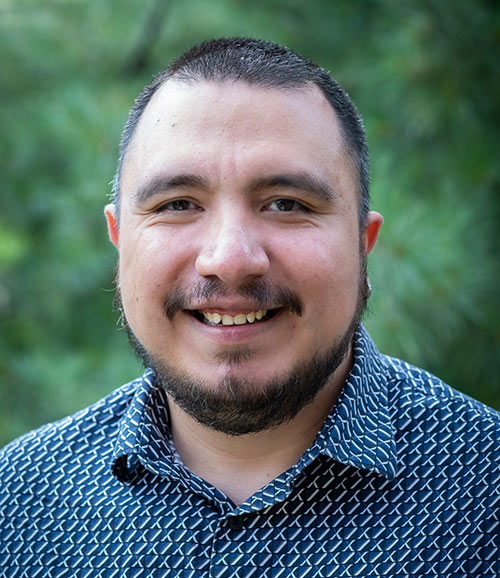
Joyce E. KingView profile
Professor
Joyce E. King serves as the Benjamin E. Mays Endowed Chair for Urban Teaching, Learning and Leadership and Professor of Educational Policy Studies at Georgia State University's College of Education & Human Development. She maintains cross-disciplinary affiliations with the Department of Africana Studies, the Institute for Women’s, Gender and Sexuality Studies, and the Urban Studies Institute. Previously, she held executive leadership roles including Provost at Spelman College, Associate Provost at Medgar Evers College (CUNY), and Associate Vice Chancellor at the University of New Orleans. Her research revolutionizes urban education through critical frameworks like diaspora literacy and dysconscious racism. King's scholarship examines how heritage knowledge transforms teacher preparation, curriculum design, and educational equity. She pioneers methodologies such as 'critical studyin''—a blues-inspired epistemology that centers cultural well-being—and 'Boŋ Feerey,' a healing-centered approach developed post-Katrina. Her work consistently bridges African diasporic perspectives with practical applications for emancipatory pedagogy in diverse classrooms. King's publication record demonstrates sustained influence across three decades, with landmark works including the edited volume Black Education: A Transformative Research and Action Agenda (AERA, 2005) and the co-authored "Re-membering" History in Student and Teacher Learning (Routledge, 2014). Her research spans diaspora literacy frameworks, critical race theory in teacher education, trauma-informed pedagogy, and global comparative studies, with recent work focusing on post-pandemic educational resilience through community-centered approaches. Her scientific recognition includes: Election to the National Academy of Education W.K. Kellogg National Fellowship American Council on Education Fellowship Former President of the American Educational Research Association As an advisor, King cultivates the next generation of critical scholars through collaborative research with doctoral students across international contexts. Her leadership extends beyond academia through her presidency of Food First (Institute for Food and Development Policy), demonstrating her commitment to connecting educational justice with broader social movements. She maintains active engagement with communities through workshops, policy consultations, and international lectures that translate research into transformative practice.