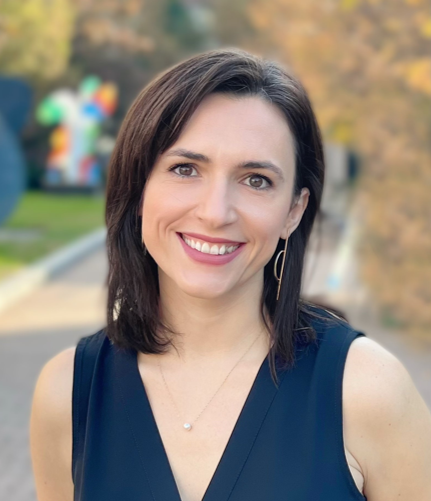
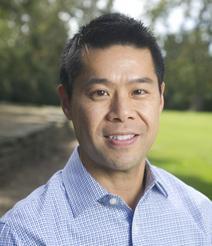
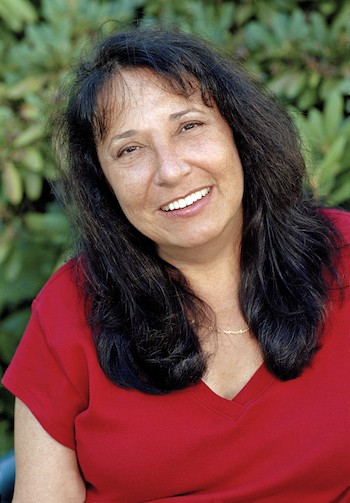
Ana De La O Torres is an Associate Professor of Political Science at Yale University, affiliated with the MacMillan Center for International and Area Studies, the Institution of Social and Policy Studies, and the Jackson Institute for Global Affairs. Her research focuses on the political economy of poverty alleviation, clientelism, and public goods provision in Latin America. She earned her PhD in Political Science from MIT in 2007. Her work combines experimental and comparative approaches to study how anti-poverty programs, electoral dynamics, and bureaucratic accountability shape political outcomes. Notable contributions include analyzing conditional cash transfer programs, corruption information effects on voter behavior, and the impact of audits on public service delivery. Her research trends emphasize experimental methodologies in governance contexts, with recent focus on clientelism's impact on state capacity and anti-corruption strategies in Mexico. She teaches courses on political economy frameworks, quantitative methods, and Latin American political systems. Ana is actively engaged in interdisciplinary collaborations, contributing to policy discussions on equitable development strategies. Her affiliations bridge multiple academic units at Yale to advance global policy research.
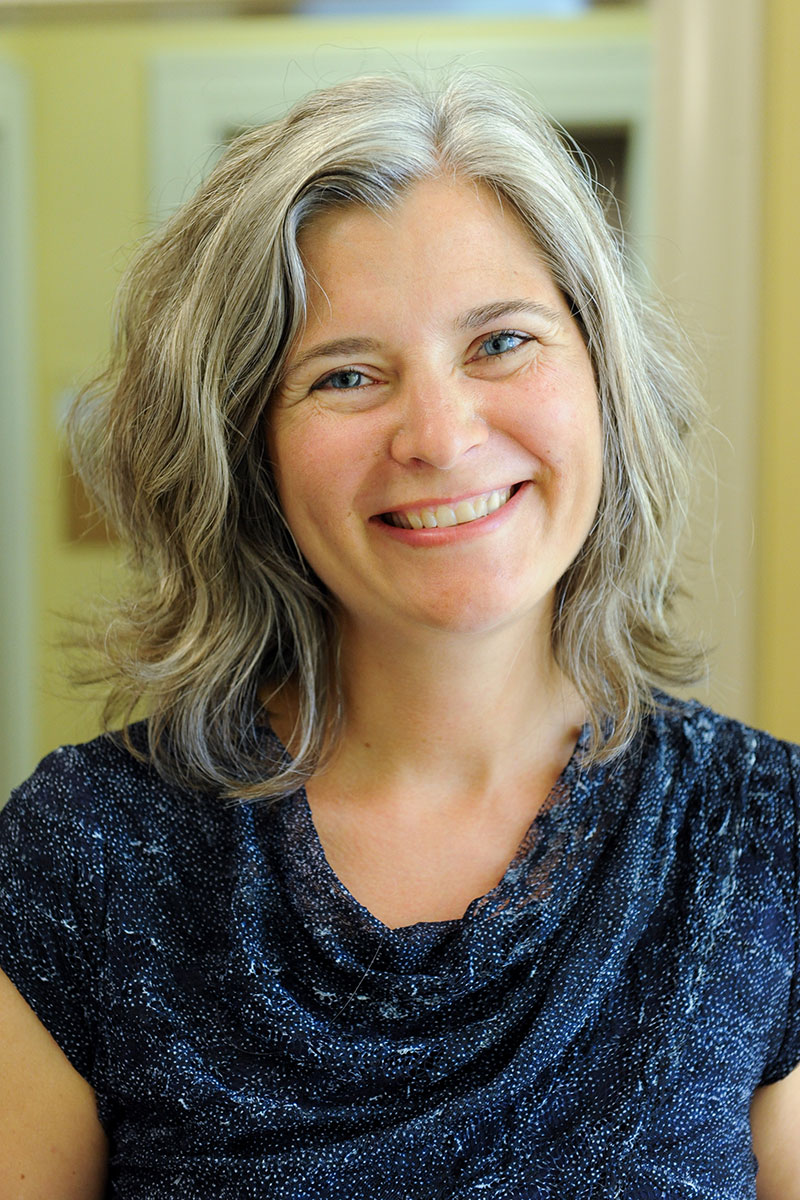
Elira Kuka is an Associate Professor in the Department of Economics at the George Washington University, within the College of Arts and Sciences. She is also a Faculty Research Fellow at the National Bureau of Economic Research (NBER), a Research Affiliate at IZA – Institute of Labor Economics, and an Affiliate at the CESifo Research Network, reflecting her strong engagement in economic research at national and international levels. Her educational background includes a B.A. in Economics from Wellesley College, followed by an M.A. and Ph.D. in Economics from the University of California, Davis. Prior to joining GWU in 2019, she served as an Assistant Professor at Southern Methodist University, building her academic career in labor and public economics. Elira Kuka's research centers on Public and Labor Economics, with a focus on understanding how government policies shape individual decisions and family outcomes. Her work investigates the effectiveness of social insurance programs, anti-poverty initiatives, and policy-driven inequality reduction. These interests are reflected in her affiliations and scholarly contributions. While specific publications were not listed in the provided text, her research agenda spans applied microeconomic analysis of policy impacts, suggesting a strong empirical and policy-oriented approach across labor markets, welfare systems, and socioeconomic wellbeing. Research Affiliations: National Bureau of Economic Research (NBER) – Faculty Research Fellow IZA – Institute of Labor Economics – Research Affiliate CESifo Research Network – Affiliate Elira Kuka advises students in economics and contributes to academic training through her teaching and mentorship at GWU. She has not been associated with any named research grants in the provided material, but her NBER and IZA affiliations suggest participation in collaborative, funded research projects. She is actively involved in the broader economics research community through these networks. She is affiliated with research teams and networks including NBER’s public economics programs, IZA’s labor economics initiatives, and CESifo’s applied microeconomics group, contributing to policy-relevant economic analysis on a regular basis.
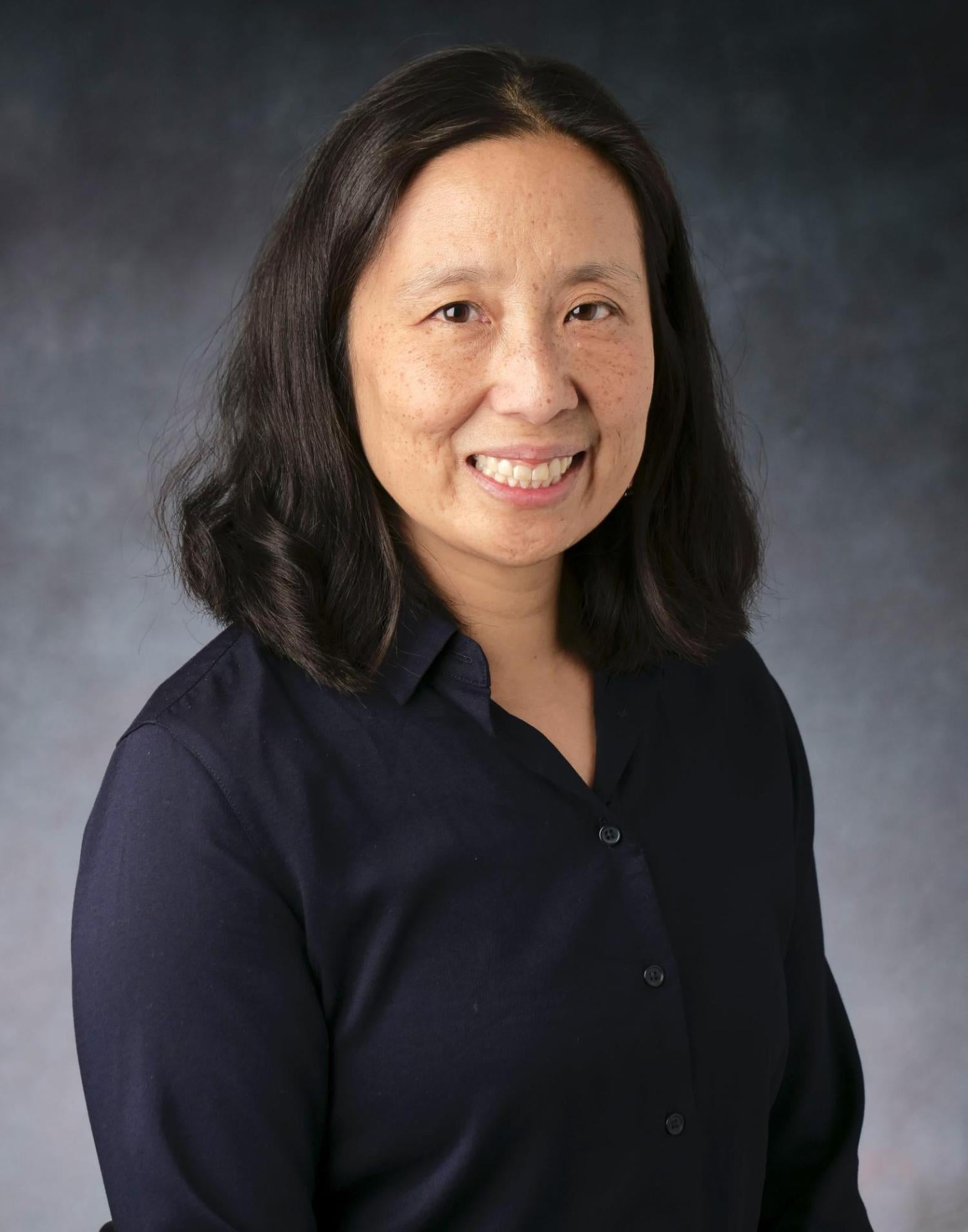
Norrinda Brown is an Associate Professor and Associate Dean for Experiential Education at Fordham University School of Law, serving as Director of Clinical Programs. She specializes in anti-discrimination law, civil rights, housing law, and critical race theory. Her work bridges legal scholarship and social justice advocacy, with a focus on systemic inequities in housing and urban policy. Education: B.A. from Dartmouth College, J.D. from University of Virginia School of Law Her research examines intersections of race, gender, and housing access, published in top-tier law reviews including Northwestern, California, and Brooklyn Law Reviews. She has been featured in major media outlets like the New York Times and Washington Post for her housing law expertise. Previously served as a trial attorney in the U.S. Department of Justice Civil Rights Division, advocating for victims of housing discrimination. Active in legal education leadership via roles in the American Association of Law Schools Clinical Section Executive Committee. Awards: 2021 Junior Faculty of the Year Award (SALT) Advances clinical legal education through innovative programs and mentorship, emphasizing real-world advocacy training for law students.
Joel Hartter is a Professor in the Department of Environmental Studies at the University of Colorado, where he also served as the founding director of the Masters of the Environment and Outdoor Recreation Economy programs. With dual BS degrees in Mechanical Engineering and German from the University of Michigan, an MS in Forest Engineering from Oregon State University, and a PhD in Geography from the University of Florida, his expertise bridges sustainability science, policy, and practice. His research focuses on private sector engagement in sustainability, ESG frameworks, climate action, and the Sustainable Development Goals (SDGs), with particular attention to net-zero strategies, bioeconomy implementation, and nature-based solutions. Dr. Hartter’s work emphasizes stakeholder engagement, inclusive decision-making, and bridging science with practical applications in conservation, climate resilience, and economic development. He has led projects globally in Africa, South America, and the US, addressing challenges such as wildlife conservation, sustainable supply chains, and community-based natural resource management. As a National Geographic Explorer and advisor to Fortune 500 companies, NGOs, and governments, he integrates sustainability into organizational strategies to drive innovation and competitive advantage. His teaching reaches over 20,000 students annually through courses on sustainability leadership and workforce development. Dr. Hartter’s interdisciplinary approach combines geospatial analysis, participatory methods, and behavioral science to address complex socio-ecological issues. His research spans topics like climate migration, household vulnerability, and the impact of conservation policies on communities. Notable projects include studying land-use changes in Uganda’s Albertine Rift and evaluating the effects of oil exploration on protected areas in Murchison Falls Conservation Area. Dr. Hartter collaborates closely with communities, governments, and international organizations to create equitable, actionable sustainability solutions.
Lydia Murdoch is a Professor of History at Vassar College, specializing in Modern British and Imperial History, the History of Childhood, and the History of Medicine. She has been at Vassar since 2000 and holds affiliations with the Global Nineteenth-Century Studies Program, Urban Studies Program, and Women, Feminist, and Queer Studies Program. Her research explores themes such as child death, grief politics, vaccination campaigns, and colonial medical practices. Education: BA, Vassar College MA and PhD, Indiana University-Bloomington Research Interests: Professor Murdoch’s work examines the intersection of emotion, medicine, and empire in Victorian Britain. Her current projects include What We Mourn: Child Death and the Politics of Grief in Modern Britain and a study on children as medical subjects in smallpox vaccination campaigns. She also teaches courses such as History and the Politics of Grief and Childhood and Children in Nineteenth-Century Britain . Publications: Her articles and books analyze topics like anti-vaccination movements, colonial mortality, and the cultural significance of child death. Recent works include co-authored studies on Victorian Studies’ disciplinary evolution and activism. Awards: Fass-Sandin Prize (2016) INCS Essay Prize (2012) NEH Summer Stipends (2024, 2002) Grants & Media: Murdoch has received NEH funding for research on children in early vaccination programs. She was featured in Smithsonian Magazine for her work on Victorian women’s evolving roles, reflecting her commitment to public engagement with historical narratives.
Anthony W. Pereira is a Visiting Professor at King’s College London’s Brazil Institute within the School of Global Affairs and the Director of the Kimberly Green Latin American and Caribbean Centre at Florida International University. He holds a B.A. in Politics from Sussex University and an M.A. and Ph.D. in Government from Harvard University. His research focuses on authoritarianism, democracy, human rights, public security, and Brazilian political development. He has held academic positions at institutions including the New School for Social Research and Tulane University. Professor Pereira’s work includes over 20 books and articles, such as Right-Wing Populism in Latin America and Beyond and Modern Brazil: A Very Short Introduction . He has received grants from organizations like the Fulbright Foundation and FAPESP. His research groups examine Brazil’s democratic transition, anti-corruption efforts, and the rise of authoritarianism and populism. He frequently contributes to media discussions on Brazilian politics and has been affiliated with institutions like Canning House. His leadership roles include directing the Brazil Institute and serving as President of the Brazilian Studies Association (BRASA).
Ana Lorena De La O Torres serves as Associate Professor of Political Science at Yale University with cross-institutional affiliations at the MacMillan Center for International and Area Studies, the Institution of Social and Policy Studies, and the Jackson Institute for Global Affairs. Her scholarly work centers on the political economy of poverty alleviation, clientelism, and public goods provision in Latin America, leveraging rigorous field experiments primarily in Mexican municipalities to generate causal evidence for policy design. She completed her PhD in Political Science at the Massachusetts Institute of Technology in 2007, establishing foundational expertise in experimental methodologies applied to development contexts. Her academic trajectory reflects deep engagement with Latin American political institutions and poverty reduction strategies. Professor De La O Torres' research program systematically examines how political institutions mediate anti-poverty interventions, with particular attention to conditional cash transfer programs, corruption dynamics, and electoral consequences of social policy. Her experimental approach bridges political science and economics to analyze state-society interactions in developing democracies, emphasizing measurable impacts on bureaucratic behavior and citizen welfare. Analysis of her 2021-2025 publications reveals persistent methodological innovation in evaluating governance mechanisms, including novel audit designs and inequality assessments. Key thematic threads include the corrosive effects of clientelism on state capacity, the complex relationship between corruption information and civic engagement, and infrastructure compliance challenges in multi-level governance systems. She actively contributes to Yale's research ecosystem through the Leitner Program in International and Comparative Political Economy and the Yale Research Initiative on Innovation and Scale (Y-RISE), which focuses on translating pilot-scale interventions into effective large-scale policies. Her institutional partnerships facilitate interdisciplinary collaboration on global poverty and governance challenges.
Janie Chuang is a Professor of Law at American University's Washington College of Law, specializing in international law, human trafficking, and labor migration. Her scholarship has been published in leading journals including the American Journal of International Law and University of Pennsylvania Law Review, and cited by major media outlets such as the New York Times and Washington Post. She serves as an adviser to international bodies including the United Nations and International Labor Organization. Her academic credentials include: B.A., Yale University, 1995 J.D., Harvard Law School, 1998 Professor Chuang's research critically examines global migration governance, with particular focus on human trafficking prevention mechanisms, labor migration frameworks, and gender-based exploitation. Her work explores the intersection of international human rights law, employment discrimination, and commercial arbitration within migration contexts, challenging conventional approaches to modern slavery through rigorous analysis of legal definitions and governance structures. Analysis of her 15 most recent publications (2017-2024) reveals consistent thematic focus on non-state actors in migration governance, limitations of trafficking definitions, and pandemic impacts on migration policy. Her scholarship demonstrates evolving emphasis on 'self-exploitation' in debt bondage, gender dimensions of trafficking, and institutional roles of the IOM and UN Global Compact on Migration. Her scientific recognition includes: Open Society Foundations Fellow (2011-2012) Professor Chuang's advisory work spans multiple international organizations and policy networks: United Nations adviser on human trafficking issues International Labor Organization consultant Organization on Security and Cooperation in Europe adviser Freedom Network USA member Modern-Day Slavery and Trafficking Working Group member at Yale University's Gilder Lehrman Center She actively participates in collaborative initiatives including Yale University's Modern-Day Slavery and Trafficking Working Group and the Freedom Network USA coalition, focusing on policy development and survivor support in anti-trafficking efforts.
Emily T. Yeh serves as Professor of Geography at the University of Colorado within the College of Arts and Sciences, holding Faculty Affiliate status with the Center for Asian Studies, CNAIS, and C3BC. A 2024 Guggenheim Fellow and past-president of the American Association of Geographers (2021-2022), she is recognized as a College of Arts and Sciences Professor of Distinction for her transformative work in human geography. Her educational foundation includes a Ph.D. from the University of California, Berkeley (2003), establishing her scholarly trajectory in critical geographical inquiry. Professor Yeh's research interrogates power dynamics within nature-society relationships through ethnographic methodologies , with seminal contributions to political ecology and cultural geography . Her work centers on Tibetan Plateau environmental transformations, examining natural resource conflicts, pastoralist livelihoods, and state-led development. Recent expansions address weather modification in anthropogenic climate contexts and decarbonization politics in Indonesia, revealing her evolving engagement with planetary-scale environmental challenges. This trajectory demonstrates consistent methodological rigor while adapting to emergent global ecological crises. Analysis of her 15 most recent publications reveals a decisive pivot toward climate intervention technologies and energy transition justice since 2022, while maintaining deep regional expertise in Asian contexts. The geographical scope has broadened from Tibet/China to include Indonesia, reflecting growing attention to Global South climate politics. Her scientific recognition includes: Guggenheim Fellowship (2024) Phi Beta Kappa Visiting Scholar (2023-2024) Professor Yeh actively mentors graduate researchers including Drolma Gadou, Tsering Lhamo, Emma Loizeaux, and Tenzin Yangkey. Her research program is substantially supported by National Science Foundation funding for interdisciplinary projects on Tibetan Plateau rangeland dynamics and climate vulnerability, alongside her foundational CAREER award for transnational environmentalism research. Current work integrates capoeira philosophy with environmental justice frameworks, reflecting embodied scholarly practice. She contributes to interdisciplinary knowledge production through the Center for Asian Studies and C3BC, fostering collaborative approaches to environmental challenges that bridge geographical scales from local Tibetan communities to global climate governance structures.
Sue-Ann MacDonald is a tenured Professor at the School of Social Work, Université de Montréal since 2011. Her research focuses on homelessness, mental health, judicialization, and social exclusion, with a recent emphasis on climate justice in social work. She holds a PhD from Université de Montréal, an MSW from the University of Toronto, and a Bachelors in Environmental Sciences and International Development Studies. Her work bridges academia and community action, emphasizing participatory research and the inclusion of marginalized voices. She teaches courses such as 'Introduction to Social Work' and 'Principles of Social Work' and supervises graduate students in various programs. Her research projects include studies on hidden homelessness, encampments, and the integration of ecological perspectives in social work. She leads and collaborates on grants addressing LGBTQIA+ health, youth mental health, and homelessness prevention, funded by organizations like the Canadian Institutes of Health Research (CIHR) and Social Sciences and Humanities Research Council (SSHRC). Key research interests include the intersection of homelessness and mental health, harm reduction strategies, and the role of social work in addressing systemic inequities. Her work advocates for policies that prioritize marginalized groups' dignity and inclusion. She has published extensively on topics such as managed alcohol programs, mental health courts, and resilience among homeless youth.
James X. Sullivan is a Professor of Economics at the University of Notre Dame and Co-Founder and Director of the Wilson Sheehan Lab for Economic Opportunities (LEO), which partners with service providers and policymakers to develop scalable anti-poverty solutions. He serves on the National Poverty Research Center Advisory Board and was recently appointed to the U.S. Commission on Social Impact Partnerships. His educational background includes: B.A. in Economics from the University of Notre Dame (1993) M.A. in Economics from Northwestern University (1997) Ph.D. in Economics from Northwestern University (2002) Sullivan's research centers on poverty measurement, consumption behavior of low-income households, and rigorous evaluation of anti-poverty programs using administrative data and randomized trials. His work addresses critical gaps in understanding real-time poverty dynamics, inequality trends, and program effectiveness. He emphasizes methodological rigor in handling sensitive data while maintaining privacy standards, particularly in evaluating welfare reforms and emergency assistance programs. Recent publications reveal a strong focus on experimental evaluation of interventions targeting homelessness prevention, community college completion, and emergency financial assistance. His work consistently bridges academic research and policy implementation, with increasing emphasis on longitudinal studies of welfare reform impacts and real-time poverty measurement during crises like the COVID-19 pandemic. No scientific awards were explicitly mentioned in the source materials. As an educator, Sullivan teaches Intermediate Microeconomics and Advanced Labor Economics at the undergraduate level and Graduate Public Economics. Through LEO, he mentors students in evidence-based poverty research and provides guidance for economics PhD preparation. LEO's operations involve multiple grant-funded partnerships with community organizations to implement and evaluate poverty-reduction programs. The Wilson Sheehan Lab for Economic Opportunities (LEO) serves as Sullivan's primary research hub, coordinating collaborations between economists, service providers, and government agencies. Current LEO initiatives include evaluating comprehensive case management for high school students and studying the employment effects of emergency financial assistance, reflecting Sullivan's commitment to translating research into actionable anti-poverty strategies.
Dr. Kevin Gee is a Professor in the School of Education at the University of California, Davis, specializing in the School Organization & Educational Policy emphasis area. He serves as Director of the School Policy, Research, and Action (SPARC) Center and is a Faculty Research Affiliate with the Center for Poverty & Inequality Research. As a 2020-25 Chancellor's Fellow, Dr. Gee leads research initiatives focused on vulnerable youth populations and educational policy impacts. His work bridges education, public health, and social welfare systems to address structural inequities affecting children's development and academic success. Dr. Gee's educational background includes: Ed.D., Harvard Graduate School of Education, Quantitative Policy Analysis in Education (2010) Ed.M., Harvard Graduate School of Education, International Education Policy (2006) M.P.I.A., University of California, San Diego, Pacific & International Affairs (cum laude, 2004) B.A., University of California, Berkeley, City & Regional Planning (magna cum laude, 1994) Dr. Gee's research centers on the critical intersection between health and education systems, examining how schooling can influence children's well-being. He investigates policies addressing adverse childhood experiences including bullying, food insecurity, abuse, and neglect. His work employs rigorous quantitative methods including Hierarchical Linear Modeling, longitudinal analysis, and experimental/quasi-experimental designs. Dr. Gee focuses particularly on vulnerable populations such as children with disabilities, Asian American and Pacific Islander youth, and those involved in the child welfare system, seeking data-driven solutions to educational inequities. Analysis of Dr. Gee's recent publications reveals a strong focus on educational equity, with particular attention to vulnerable student populations. His work spans school absenteeism patterns, bullying and hate speech against AAPI youth, food insecurity impacts, and health-related educational outcomes. The research demonstrates increasing interdisciplinary collaboration, particularly with public health researchers, and shows a growing emphasis on pandemic-related educational disruptions and their disproportionate impacts on marginalized communities. Dr. Gee's notable scientific awards include: National Academy of Education (NAEd)/Spencer Postdoctoral Fellowship (2015) Foundation for Child Development (FCD) Young Scholars Program Award (2014-2017) UC Davis Hellman Fellowship (2015-2016) Chancellor's Fellowship (2020-2021) Outstanding Faculty Award, Asian Pacific American UC-Systemwide Alliance (2023) Distinguished Visiting Scholar, Advanced Research Collaborative, CUNY (2022) Dr. Gee serves as Principal Investigator for multiple significant grants, including the Heising-Simons Foundation project on districtwide family engagement strategies and chronic absenteeism (2024-2026), and the UC Davis SEED funding for research on how Asian American and Pacific Islander youth confront bullying. He also serves as Co-Investigator on the AAPI Data Grant examining school climate influences on bullying experiences. His grant portfolio demonstrates strong interdisciplinary collaboration, particularly between education and public health researchers, with a consistent focus on generating actionable insights for educational policymakers and practitioners. As Director of the School Policy, Research, and Action (SPARC) Center at UC Davis, Dr. Gee leads a research team focused on generating data-informed insights about underserved and overlooked youth in educational policy. The center's work specifically supports Asian American and Pacific Islander youth who have experienced bullying, children with chronic absenteeism, and child welfare-involved youth who have experienced maltreatment. The SPARC Center collaborates with various California school districts and state agencies to translate research into practical policy recommendations and implementation strategies.
Prof Jolene Skordis holds multiple senior roles at University College London (UCL): Vice-Dean (International) of the Faculty of Population Health Sciences, Director of the Centre for Global Health Economics, and Deputy Director of the UCL Institute for Global Health. She also serves as Vice Chair of the European Global Health Research Institutes Network. Her expertise lies in health and development economics, focusing on public health interventions, fiscal sustainability, anti-poverty programs, and health equity. She has influenced policy across multiple countries through her research. Education includes a PhD from the London School of Hygiene and Tropical Medicine (2006), multiple commerce degrees from the University of Cape Town and University of South Africa, and postgraduate qualifications in higher education and marketing. Her work emphasizes translating evidence into policy, particularly in low- and middle-income countries (LMICs). Research interests span economic evaluations of health interventions, including randomized trials of community-based care, fiscal strategies for healthcare delivery, gender empowerment through economic interventions, and social networks influencing health behaviors. She explores how digital technologies impact healthcare workforce dynamics and advocates for equitable global health strategies. Her recent work focuses on pandemic agreements, maternal mental health programs in Kenya/Lebanon, and optimizing tuberculosis care in Eastern Europe. She emphasizes participatory approaches in women’s groups to improve child health outcomes and has pioneered cost-effectiveness analyses for interventions like conditional cash transfers and radio-based early childhood development programs. Prof Skordis’s projects often address systemic challenges such as labor crises in healthcare systems, universal health coverage design, and leveraging multi-sectoral partnerships (agriculture, education) to enhance health outcomes. She is a leading voice in aligning global health policies with implementation realities, emphasizing equity and evidence-based decision-making.
Eve Spangler is an Associate Professor in the Department of Sociology at Boston College. She holds a Ph.D. from the University of Massachusetts, Amherst. Her research focuses on inequality, classical sociological theory, health and human rights in the Israeli-Palestinian conflict, and workplace safety in global economies. She teaches courses including 'Making History in a Changing World,' 'Inequality in America,' and 'Human Rights and Social Justice in Israel & Palestine.' Spangler's work bridges public sociology and activism, emphasizing social justice through scholarly analysis. Notable contributions include her 2015 book Understanding Israel/Palestine: Race, Nation, and Human Rights in the Conflict , examining the intersections of race, nationalism, and human rights. She critiques systemic inequalities in labor contexts and explores how Islamophobia complicates U.S. engagement with Palestinian-Israeli peace efforts. Her community involvement includes roles as a board member for the Human and Civil Rights Organizations of America, co-founder of American Jews for a Just Peace, and educator for Jewish Voices for Peace. She evaluates applied sociology programs, including the Center for Women and Politics and the Program in Applied Sociology at St. Cloud State University. Recent publications focus on Palestinian solidarity, critiques of white nationalist discourse, and queer theory applications. Her work appears in journals like Counterpunch and academic volumes such as the Cambridge International Handbook of Lean Production .
Martin Power is an Associate Professor at the University of Limerick, holding academic positions in the Department of Sociology, Centre for the Study of Popular Music and Popular Culture, and European Centre for the Study of Hate. His research focuses on inequality, social exclusion, neoliberal welfare policies, and the sociological dimensions of popular music and protest media. He teaches modules on sociology of regeneration, youth studies, and qualitative research methods at both undergraduate and postgraduate levels. Education: PhD (2008), MA (2005), BA (2003) Key Research Interests: Social protest media, migration studies, discursive constructions of social policy, and cultural resistance through music. His work critically examines media framing of poverty, welfare debates, and urban regeneration. Notable contributions include analyses of Ireland’s anti-water charges protests and the 'Welfare Cheats' campaign. He collaborates across disciplines, co-editing volumes on football and popular culture, Morrissey’s music, and David Bowie’s cultural impact. Active in academic leadership, he directs the Power, Discourse and Society Research Cluster and chairs the Sociological Association of Ireland. Recent publications explore media representations of poverty (2024), discursive constructions of social resistance (2023), and football’s role in fostering community inclusion (2021). His work aligns with UN Sustainable Development Goals related to education and reduced inequalities. Grants/Activities: Co-led research on social grocery feasibility studies, evaluated community addiction programs, and chairs multiple academic councils. Labs/Teams: Director of the Power, Discourse and Society Research Cluster, contributing to transnational studies on migration discourses and media activism.