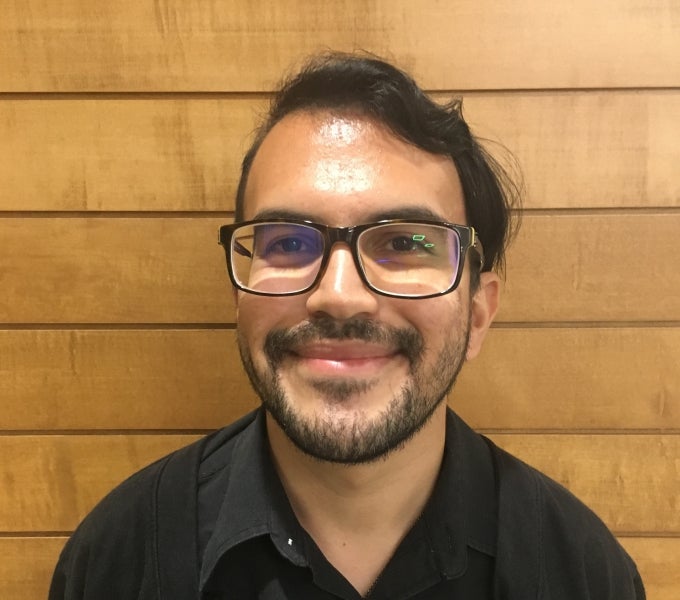
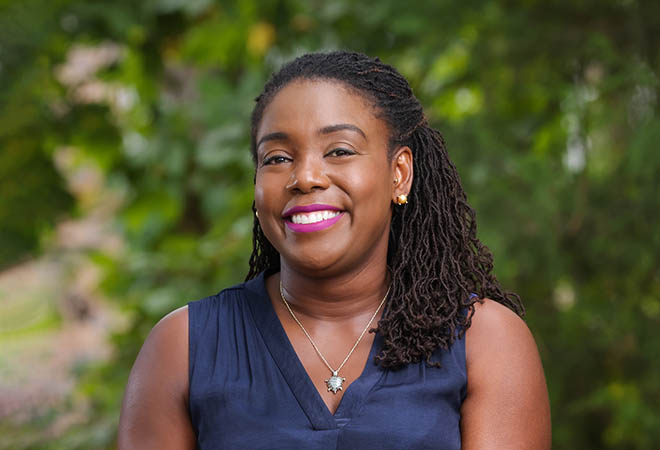
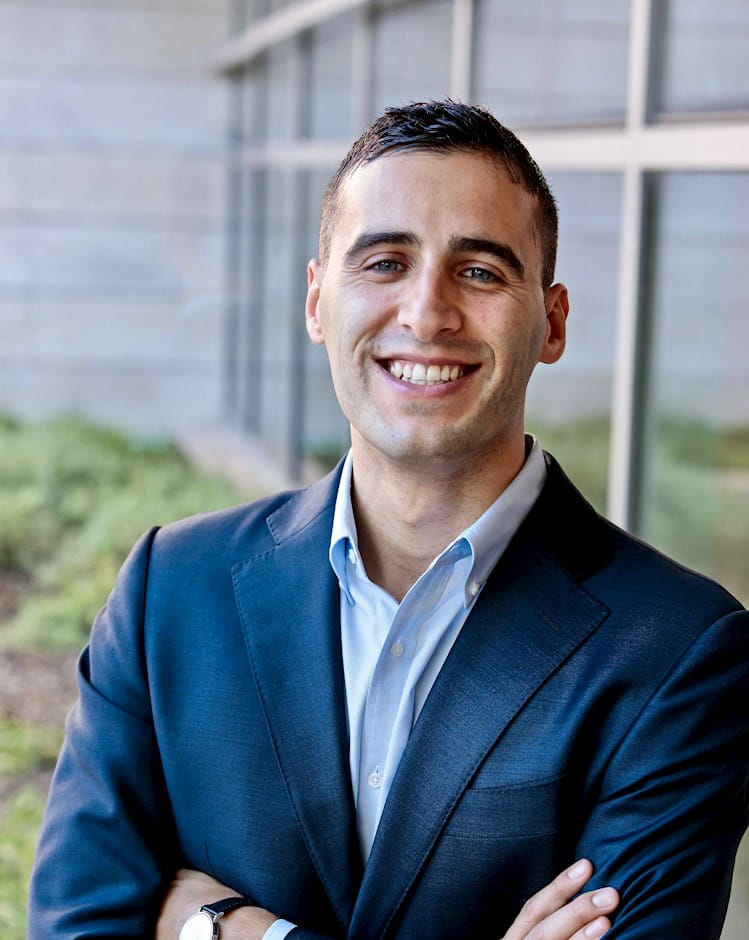
Kevin E. Davis is the Beller Family Professor of Business Law at New York University School of Law and Faculty Director of the Hauser Global Law School Program. He joined NYU in 2004, serving as Vice Dean for Global Affairs from 2012 to 2017. His research focuses on law's role in economic development, anti-corruption regulation, and legal system performance measurement. Davis holds a BA in Economics from McGill University (1990), an LLB from the University of Toronto (1993), and an LL.M. from Columbia University (1996). His academic contributions include over 50 articles, four edited volumes, and the monograph Between Impunity and Imperialism (2019). He has held visiting appointments at institutions worldwide, including Cambridge University and the University of the West Indies. Key awards include the 2018 Distinguished Article Prize from the American Law and Economics Review. Teaching focuses on contracts, law and development, and secured transactions. His work bridges legal theory with practical challenges in global governance, finance, and anti-corruption policy.
Yuhua Wang serves as the Ford Foundation Professor of Modern China Studies within Harvard University's Faculty of Arts and Sciences, Department of Government. His scholarly work establishes him as a leading authority on Chinese political development, state capacity, and historical institutional analysis across imperial and contemporary contexts. His academic foundation includes: B.A. from Peking University Ph.D. from the University of Michigan Professor Wang's research program integrates comparative politics with Chinese studies through core interests in bureaucracy , institutions , judiciary and public law , political economy & development , political geography , and state-society relations . He employs a methodological triad of historical , qualitative , and quantitative approaches to analyze China's political evolution. His work uniquely bridges macro-historical patterns with contemporary governance challenges, particularly examining how historical legacies shape modern state capacity and institutional resilience in authoritarian contexts. Analysis of his publication trajectory reveals consistent focus on state development mechanisms, with increasing sophistication in comparative historical methodology. Recent work demonstrates expanded geographic scope beyond China while maintaining analytical depth in imperial political economy. His research shows growing integration of cross-national datasets with deep historical case studies, reflecting broader trends in political science toward mixed-method designs for complex institutional analysis. His distinguished recognition includes: 2023 Lubbert Best Book Award in Comparative Politics from the American Political Science Association for The Rise and Fall of Imperial China Harvard College Professor appointment (2025) Professor Wang maintains active research leadership through extensive publication in premier journals including American Political Science Review and Comparative Political Studies , with significant contributions to theoretical frameworks like State-in-Society 2.0. His work generates substantial policy-relevant insights on corruption, judicial review, and urban governance in China. As a core faculty member in Harvard's Government Department, he contributes to the university's intellectual ecosystem through cross-disciplinary collaboration and participation in research initiatives focused on Asian political development, though specific lab affiliations are not documented in available sources.
Philip M. Nichols is the Joseph Kolodny Professor of Social Responsibility in Business and Professor of Legal Studies and Business Ethics at The Wharton School, University of Pennsylvania. He holds a J.D. and LL.M. from Duke University and an A.B. from Harvard University. His scholarly and professional work centers on corruption control, institutional change in emerging economies, and ethical business practices. Research Interests: His research spans corruption as a global phenomenon, anti-bribery laws, shared value strategies, and the psychological and legal dimensions of bribery. He has conducted fieldwork in over twenty countries, especially in the former Soviet Union and Eastern Europe. His work integrates legal, ethical, economic, and sociological perspectives. Publication Trends: His recent publications focus on the United Nations Convention Against Corruption, the Foreign Corrupt Practices Act, and the moral and cognitive foundations of bribery. He frequently publishes in top law and ethics journals and contributes to authoritative commentaries. His interdisciplinary approach bridges law, psychology, and business ethics. Scientific Awards: Hoeber Award for best article in volume 48 of the American Business Law Journal (2011) Advising and Grants: While specific advisees are not listed, as a full professor and co-editor of major volumes, he likely mentors graduate students and junior scholars. He has served in leadership roles including President of the Academy of Legal Studies in Business and Co-Chair of UN/CEFACT LG, indicating grant and policy influence. His work has shaped discourse on transnational anti-corruption frameworks. Labs and Teams: He is affiliated with the Department of Legal Studies and Business Ethics at Wharton and is part of the core faculty of the Central Eurasian Studies Society at Penn. He co-chairs the Anti-Corruption Law Interest Group, reflecting active collaboration in scholarly networks.
Elias Chavarria Mora is a Lecturer at the School of Political Science, University of Costa Rica, and a PhD candidate in Political Science at the University of Pittsburgh (expected 2025). He focuses on comparative political behavior and Latin American politics , with regional expertise in Central American electoral systems and party politics . Education: PhD in Political Science (2025, University of Pittsburgh) M.A. in Political Science (2020, University of Pittsburgh) Licentiate in Political Science (2017, University of Costa Rica) B.A. in Political Science (2015, University of Costa Rica) His research investigates social media's role in elections , ideology , and unconventional political participation . He employs data science methods , including text analysis, spatial econometrics, and machine learning. Recent publications analyze political education curricula , data protection laws , and electoral dynamics in Latin America. His work appears in journals like Latin American Politics and Society and Revista Latinoamericana de Opinión Pública . He coordinates the Observatorio de la Política Internacional Sergio Iván Moya Mena at the University of Costa Rica and has collaborated with the University of Salamanca's Parliamentary Elites in Latin America Observatory.
Dr. Antoinette K. Kankindi serves as the Global Visiting Associate Professor of Law and Senior Research Fellow in the Integrity Program at Strathmore University Law School, Nairobi, Kenya. Her academic career spans over two decades, with roles including Director of Strathmore Governance Centre (2009–2013) and Senior Lecturer since 2004. She holds a PhD in Political Philosophy (2008, University of Navarra, Spain) and a Master’s in Governance (2005, University of Navarra). Her expertise bridges ethics, politics, and law, focusing on governance, political legitimacy, and African institutional frameworks. Education: PhD in Political Philosophy, University of Navarra (2008) Master’s in Governance, University of Navarra (2005) LLM and LLB, University of Kinshasa Her research emphasizes ethical foundations of politics, particularly in African contexts, addressing integrity in public leadership and democratic traditions. Notable projects include the Student Civic Initiative and Youth and Women’s Participation in Community Development . She publishes in African governance, ethics, and political philosophy, with works in collaboration with institutions like Radboud University and Palgrave MacMillan. Dr. Kankindi’s multilingualism (English, French, Spanish, Italian, Kiswahili) and cross-continental experience enrich her scholarship. She previously worked as a legal officer for Chevron and the Chilean Embassy, contributing to projects empowering marginalized groups in the Democratic Republic of Congo.
Gina-Gail S. Fletcher is a Professor of Law and Associate Dean for Intellectual Life at Duke University School of Law. She specializes in financial regulation, market manipulation, and corporate governance, with a focus on racial inequality, ESG frameworks, and AI accountability in financial systems. Professor of Law, Duke University (2024) Associate Dean for Intellectual Life, Duke Law (2024) Member, U.S. SEC Investor Advisory Committee (2024) Member, FINRA Investor Issues Committee (2024) Her research integrates legal and policy analysis on financial systems, emphasizing transparency, equity, and stability. Key themes include: AI and transparency in financial regulation Racial equity in banking and lending practices Climate-conscious procurement policies ESG compliance and fraud Market manipulation and macroeconomic consequences Recent publications appear in Yale Law Journal , New York University Law Review , and Vanderbilt Law Review , with forthcoming work on AI regulation and racial complicity in finance. She received her J.D. cum laude from Cornell Law School and B.A. magna cum laude from Mount Holyoke College.
Emanuele Colonnelli is the Joseph L. Gidwitz Professor of Finance and Entrepreneurship at the University of Chicago Booth School of Business. He serves as Board Member and Co-Chair of the Finance Sector at J-PAL, leads the Finance and Entrepreneurship theme at PEDL, co-directs BFI LATAM, and is a Research Associate at NBER, CEPR, and BREAD. He founded the Chicago Booth Entrepreneurship Research Lab and directs Undergraduate Studies in Entrepreneurship at the University of Chicago. Education: PhD in Economics, Stanford University (2018) MSc in Economics, Bocconi University BSc in Economics, University of Siena Visiting Scholar, Pembroke College, Oxford University Research Interests: Colonnelli's work focuses on the intersection of finance, development economics, and political economy. His primary investigations examine high-growth entrepreneurship, government-firm-investor dynamics, venture capital in emerging markets, corruption mechanisms, ESG impact, and bankruptcy systems. His methodology emphasizes large-scale field experiments across 16+ emerging economies. Publication Trends: His research consistently employs field experiments and administrative microdata to analyze institutional impacts on firms. Recent work demonstrates growing emphasis on ESG polarization, public procurement integrity, bankruptcy stigma, and political influences in labor markets – frequently set in Brazil, China, and Uganda. Awards and Honors: 2023 Carlo Alberto Medal (top Italian economist under 40) Poets & Quants 40 Under 40 Best MBA Professors Leadership and Grants: As founding director of the Chicago Booth Entrepreneurship Research Lab, he oversees investigations into global entrepreneurial ecosystems. He secured multiple grants through PEDL, BFI, and J-PAL to support field experiments in developing economies. At Booth, he developed the first MBA course on emerging markets venture capital.
Lauren Ouziel is a Professor at Temple University Beasley School of Law, specializing in Criminal Law, Criminal Procedure, and Federal Criminal Law. She previously served as a Visiting Assistant Professor at Villanova University School of Law and spent eight years as a federal prosecutor in the U.S. Attorney’s Office. Her research examines institutional dynamics within the criminal justice system, focusing on how interactions between prosecutors, law enforcement, courts, and defense attorneys shape case outcomes, sentencing, and legitimacy. Education: J.D., Columbia Law School (James Kent Scholar, Harlan Fiske Stone Scholar) B.A. in History, Harvard University (cum laude) Clerkship for Judge Lewis Kaplan, U.S. District Court, Southern District of New York Research Interests: Professor Ouziel’s work addresses systemic issues in criminal justice, including federal enforcement strategies, white-collar crime prosecution, and the impact of bureaucratic processes on criminal outcomes. Her scholarship frequently explores how institutional relationships affect perceptions of fairness and legitimacy within the legal system. Publications: Her recent articles analyze topics such as federal corruption prosecutions, felony court procedures, and the role of bureaucracy in criminal justice reform. Her work has appeared in top-tier law journals like the Yale Law Journal and Virginia Law Review. Media Engagement: Ouziel is frequently cited in national and regional media, including the New York Times , Washington Post , and Philadelphia Inquirer , for her insights on criminal justice issues.
Rachel Brewster is the Jeffrey and Bettysue Hughes Distinguished Professor of Law at Duke Law School, specializing in international economic law, dispute settlement, and anti-corruption frameworks. She co-directs Duke's Center for International and Comparative Law and co-chairs the JD-LLM in International and Comparative Law Program. Her prior roles include Harvard Law School assistant professor, legal counsel at the U.S. Trade Representative, and affiliations at the University of Chicago, University of Hamburg, and University of St. Gallen. Education: BA and JD from the University of Virginia PhD in Political Science from the University of North Carolina - Chapel Hill Brewster’s research spans WTO law, the Foreign Corrupt Practices Act, ESG accountability, and international relations theory. She explores institutional design in trade and anti-corruption regimes, reputational dynamics in state compliance, and regulatory synergies between legal domains. Recent publications analyze corruption arbitration, transnational asset recovery, and ESG frameworks. Her work highlights the interplay between formal legal remedies and reputational incentives, as well as institutional reforms for global governance. Scientific Awards: John Patrick Hagan Award for Excellence in Undergraduate Teaching Brewster’s career bridges academia and policy, with contributions to the WTO’s Appellate Body debates, U.S. trade strategy, and multilateral coalition-building. She teaches courses in International Trade Law, Foreign Anti-Bribery Law, and Corporate-International Law intersections.
Francis Fukuyama is the Olivier Nomellini Senior Fellow at Stanford University's Freeman Spogli Institute for International Studies (FSI) and a professor (by courtesy) of Political Science. He serves as Director of the Ford Dorsey Master's in International Policy Program and is affiliated with FSI's Center on Democracy, Development, and the Rule of Law (CDDRL). Fukuyama holds honorary doctorates from institutions such as Connecticut College, Doshisha University, and Aarhus University. His research focuses on political order, democratization, and the challenges facing liberal democracies. He has authored influential works like The End of History and the Last Man (1992) and Liberalism and Its Discontents (2022). Education: B.A., Classics, Cornell University (1974) Ph.D., Political Science, Harvard University (1981) Research Interests: Fukuyama explores the evolution of political institutions, the decline of state capacity, and the rise of populist movements. His recent work addresses the erosion of liberal democracy and the role of nationalism in contemporary politics. He emphasizes the importance of bureaucratic autonomy and effective governance in sustaining democratic systems. Awards and Recognition: Recipient of the Johan Skytte Prize in Political Science (2015) Centennial Medal from Harvard University (2016) Fred Riggs Award for Lifetime Achievement in Public Administration (2024) Advising and Grants: Fukuyama has advised institutions like the Carnegie Endowment for International Peace and the Volcker Alliance. His grants include funding for research on global governance and state-building initiatives. Labs and Teams: He is part of the CDDRL at FSI, which focuses on democracy promotion and institutional development. His work often intersects with interdisciplinary teams studying political economy and international relations.
Kimberly Kay Hoang is a Professor of Sociology at the University of Chicago, renowned for her groundbreaking research on frontier markets, transnational capital flows, and gendered economic systems. With a Ph.D. from UC Berkeley and academic credentials from top institutions, she combines ethnographic rigor with critical theory to expose hidden power structures in global finance and intimate labor. Education: B.A., University of California-Santa Barbara (2005) M.A., Stanford University (2006) Ph.D., University of California-Berkeley (2011) Her research spans three core areas: Global Financial Networks : Exposing offshore wealth concealment mechanisms through Spiderweb Capitalism , which won five major awards Gendered Capitalism : Analyzing how intimacy and finance intersect in Dealing in Desire , recipient of seven prestigious accolades Embodiment in Global Markets : Investigating body commodification in Nigerian beauty pageants and Vietnamese sex work Her scholarship has earned extraordinary recognition across 14+ professional associations, including: 2020 Lewis Coser Theoretical Agenda Award 2018 Quantrell Teaching Excellence Award 26+ book/article prizes spanning ASA, NWSA, and AAS
Tyler Custis serves as an Associate Professor at the University of South Dakota's Beacom School of Business, specializing in Business Law and the Legal Environment. His academic appointments reflect deep engagement with contemporary legal challenges in sports, finance, and corporate governance. His educational background includes: JD from University of South Dakota (2013) MBA from University of South Dakota (2012) BS from Texas A&M University (2007) Custis' research focuses on high-impact legal intersections, particularly NCAA regulations, corporate fraud mechanisms, and healthcare compliance failures. His work bridges theoretical legal frameworks with real-world economic consequences, examining how regulatory gaps enable systemic misconduct in sports leagues and financial institutions. Key themes include Title IX implications for athlete compensation, internal control failures in banking scandals, and antitrust considerations in collegiate athletics. His publication portfolio reveals strong emphasis on sports law evolution (2016-2025), corporate ethics case studies (2018-2022), and financial regulation analysis (2019-2024). The research demonstrates methodological diversity spanning empirical analysis of NCAA labor models, forensic accounting of banking fraud, and policy evaluation of legislative responses to corporate misconduct. Award recognition includes: Beacom School of Business Faculty Excellence Teaching Award (2023) Excellence in Teaching Award Nominee (2023) Best Paper Award at ICTO International Conference (2019) Custis actively disseminates research through scholarly presentations at venues including ASHE Annual Conferences, Academy of Legal Studies meetings, and Beacom Scholar Series. His work engages directly with policymakers on NCAA reform and corporate compliance frameworks, demonstrating applied impact beyond academic circles.
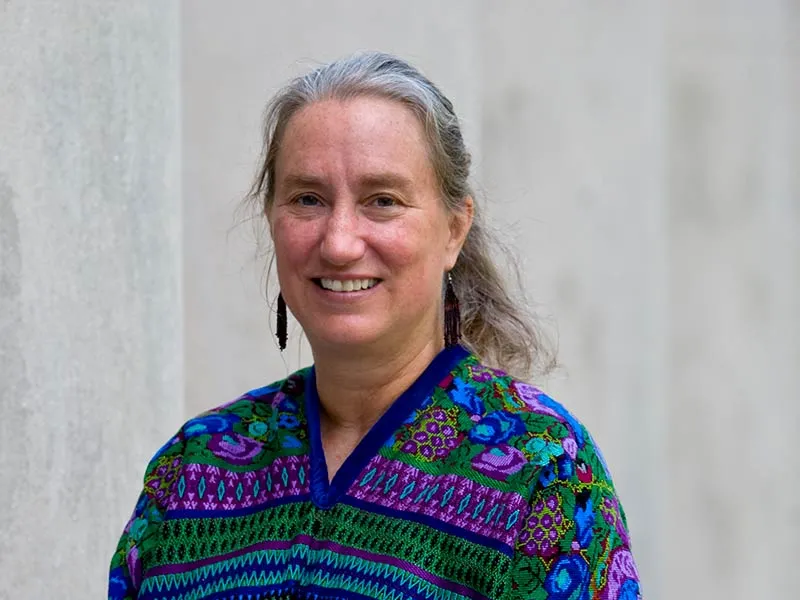
Judith Maxwell is Professor of Anthropology at Tulane University, specializing in linguistic anthropology with primary focus on Mayan languages (Kaqchikel, Chuj, Nahuatl) and discourse analysis. Her work bridges theoretical linguistics and applied language revitalization, particularly through the Tunica-Biloxi language project since 2010. Education PhD in Anthropology, University of Chicago (1982) Research Focus : Maxwell investigates discourse structures in Mayan languages regarding artistry canon, cultural constructs, coherence mechanisms, and societal relationships. Her colonial manuscript analysis explores language change in Kaqchikel/Nahuatl, while contemporary work examines bilingual education, language shift, and gender performance across English and Indigenous varieties. She pioneered the revival of Tunica language through community-academic collaboration. Publication Trends : Recent works (2014-2024) demonstrate consistent focus on Mayan language documentation ( Kaqchikel chronicles , Chuj Narratives ), revitalization pedagogy ( Maja'il Kaqchikel ), and sociopolitical dimensions of language ( Mayan Languages and Guatemala Law ). Key themes include decolonizing methodologies, Indigenous knowledge systems, and practical applications for endangered language communities. Advising & Grants : Maxwell leads the Tunica-Biloxi Language Revitalization Project training Tulane students in documentation techniques. Her collaborative model integrates tribal knowledge with academic research, securing sustained community engagement despite specific grant details being unreported. Research Teams : Directs the Tunica-Biloxi collaborative team comprising Tulane students, tribal scholars, and native speakers, developing e-learning tools like the Q'anil Kaqchikel lessons filmed in Guatemala with native instructors.
Matthew Stephenson is Professor of Law at Harvard Law School , where he teaches administrative law, legislation and regulation, anti-corruption law, and the political economy of public law. He has been a faculty member since 2005, promoted to full Professor in 2010, and remains an active academic. He holds a J.D. and Ph.D. in Political Science from Harvard University and a B.A. from Harvard College. Assistant Professor of Law, Harvard Law School (2005–2010) Professor of Law, Harvard Law School (2010–Present) Clerk, U.S. Court of Appeals for the D.C. Circuit (2003–2004) Clerk, Supreme Court of the United States (2004–2005) His research centers on the application of positive political theory to public law, with a strong focus on administrative procedure, anti-corruption, judicial institutions, and separation of powers . He combines legal analysis with political science and economics to examine how institutions can be designed to promote integrity and effective governance. Recent publications reveal a consistent scholarly trajectory in constitutional law, administrative law, statutory interpretation, and anti-corruption . His work frequently analyzes institutional workarounds, the legitimacy of judicial doctrines, and innovative strategies for legislative and regulatory reform. He has published in top journals such as Harvard Law Review , Texas Law Review , and Yale Journal on Regulation , and has contributed to policy-oriented platforms including the Washington Post and Compliance Week . Notable scholarly contributions include: Critiques of the Major Questions Doctrine and textualism Proposals for reforming the Congressional Review Act Comparative studies on specialized anti-corruption courts Historical analysis of systemic corruption in the U.S. Conceptual frameworks for understanding corruption as a self-reinforcing trap He has advised on international anti-corruption initiatives, including serving as a principal co-drafter of a United Nations guide on national anti-corruption strategies. He is also the co-author of a leading casebook, Legislation and Regulation: Cases and Materials , and maintains an active public presence through the Global Anticorruption Blog and media commentary. His advising and grant activity is not detailed in the texts, but his collaborative research with scholars like Jody Freeman, John Manning, and Sofie Arjon Schütte suggests strong academic partnerships. He has no listed scientific awards in the provided materials. Professor Stephenson leads and contributes to research teams focused on corruption, institutional design, and public law reform. His work is associated with initiatives such as the Global Anticorruption Blog and the U4 Anti-Corruption Resource Centre, indicating engagement with policy communities and interdisciplinary research networks.
Brett Carter is an Associate Professor in the Department of Political Science and International Relations at the University of Southern California and a Hoover Fellow at Stanford University's Hoover Institution. He is also a faculty affiliate at Stanford's Center on Democracy, Development and the Rule of Law (CDDRL) and was previously a CDDRL Visiting Scholar (2020-2021). He received his Ph.D. in Political Science from Harvard University, where he was a fellow at the Harvard Academy for International and Area Studies. His academic journey includes previous fellowships at the Harvard Academy for International and Area Studies and Stanford's Center on Democracy, Development and the Rule of Law. Carter's research focuses on politics in the world's autocracies, with particular expertise in Chinese and African authoritarian regimes. His work examines how autocratic governments maintain power through propaganda, digital repression, and strategic responses to international pressure. He has developed innovative methodological approaches to study sensitive political topics in closed societies, including experimental designs to measure public opinion in China. His research bridges comparative politics, international relations, and methodology, with a focus on understanding the evolving tactics of authoritarian governance in the 21st century. Carter's recent publications analyze China's export of surveillance technology, the concealment of political opposition in authoritarian contexts, and the survival strategies of African autocrats in the post-Cold War era. Carter's scholarly contributions have been recognized with several prestigious awards. His book Propaganda in Autocracies received the International Journal of Press/Politics Hazel Gaudet-Erskine Best Book Award. The work also earned Honorable Mention for the Luebbert Award for the Best Book in Comparative Politics and Honorable Mention for the APSA Democracy & Autocracy Section's Best Book Award. These accolades reflect the significant impact of his research on understanding authoritarian information control and propaganda strategies. His research has been generously supported by major funding organizations including the National Science Foundation, United States Institute of Peace, Social Science Research Council, Guggenheim Foundation, Smith Richardson Foundation, the Chiang Ching-kuo Foundation, the Center for International Studies at USC, the Weatherhead Center for International Affairs at Harvard University, and the Institute for Quantitative Social Science at Harvard University. These grants have enabled extensive field research and methodological innovation in studying autocratic politics. Carter is actively engaged with policy communities and public discourse. He contributes to the National Endowment for Democracy's Power 3.0 project, African Arguments, and Africa is a Country. His research has been featured in major media outlets including The New York Times and NPR's Radio Lab, demonstrating the real-world relevance of his scholarly work on authoritarianism and democratic resilience. He is also an occasional contributor to Political Violence at a Glance and maintains an active scholarly presence through his work with academic journals such as the Journal of Politics , British Journal of Political Science , and Journal of Democracy .