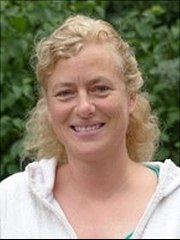
Kathrin Dausmann is a Professor of Functional Ecology at the University of Hamburg, focusing on energy budgets , tropical hibernation , and physiological adaptations in small mammals and amphibians. She works at the Institute of Animal Cell and Systems Biology within the Faculty of Mathematics, Computer Science and Natural Sciences, with significant fieldwork conducted in Madagascar 's dry forests. PhD from Philipps-University Marburg (2004) Junior Professor at University of Hamburg (2004-2015) Current research themes: climate change impacts , urban ecophysiology , and Malagasy biodiversity Her recent publications reveal trends in amphibian responses to winter climate change , shallow torpor mechanisms in bushbabies, and urban red squirrel adaptations . Key keywords include heterothermy , urban heat islands , and environmental filtering . No formal awards are documented in the provided texts.
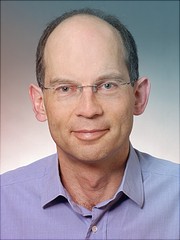
Prof. Dr. Stefan Kirschner is a C3-Professor for the History of Natural Sciences at the University of Hamburg's Faculty of Mathematics, Computer Science and Natural Sciences. He leads the History of Natural Sciences research unit, with office hours in Geomatics Room 1211. His academic journey includes editorial work on the Nicolaus Copernicus Complete Edition since 2000 and a habilitation on plant physiology history. Education: Diplom in Biology (LMU Munich, 1991), Dr. rer. nat. (LMU Munich, 1997), Habilitation (LMU Munich, 2003) His research spans biosemiotics, medieval/early modern science, and interdisciplinary morphology studies. Key projects include analyzing Uexküll's umwelt theory institutional fate and spider genital morphology through biosemiotic frameworks. Publications address Copernican theory reception, Leibniz's technical works, and Renaissance humanism's scientific impact. Recent articles focus on spider taxonomy, historical scientific instruments, and the intersection of morphology with semiotic principles. His work connects classical biological theories with modern systematic approaches while examining historical scientific controversies and institutional dynamics. Editorial Roles: Co-editor, Nicolaus Copernicus Complete Edition (since 2000)
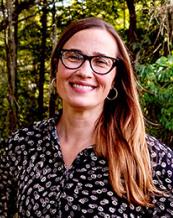
Kathleen A. Pennington, Ph.D., is an Assistant Professor in the Department of Obstetrics and Gynecology at Baylor College of Medicine, Houston, TX. Her research focuses on reproductive biology, particularly fetal programming, placental development, and long-term maternal and offspring health. Education: BS, University of Delaware, 2005 PhD, University of Florida, 2010 Postdoctoral Fellowship, University of Missouri, 2015 Her research explores how maternal metabolic and nutritional conditions during pregnancy influence fetal development and long-term health outcomes. Using mouse and bovine models, she investigates the roles of leptin, food restriction, and placental function in fetal programming. Her work contributes to understanding the developmental origins of health and disease (DOHaD). Recent publications highlight trends in placental biology, maternal-fetal signaling, and metabolic regulation during pregnancy. Her studies often involve molecular and cellular techniques, including trophoblast isolation and gene expression analysis. Collaborative work with L.C. Schulz and others has advanced understanding of leptin's role in pregnancy. Professional Memberships: Society for the Study of Reproduction Society of Reproductive Investigation American Heart Association Endocrine Society Dr. Pennington is actively engaged in research through Baylor College of Medicine’s VIICTR program. While no formal advising or grant details are listed, her publication record suggests active mentorship and research leadership. She contributes to methodological advancements in reproductive biology and is involved in collaborative, translational research. She is affiliated with the VIICTR (Visionary Institute for the Advancement of Women’s Health Through Computational and Translational Research), indicating institutional support for her work in women's health and reproductive sciences.
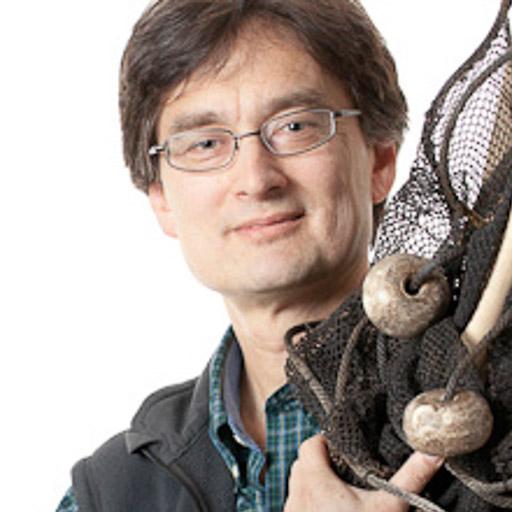
Suzy Buckley is an Associate Professor in Reproductive Health at University College London , where she has been affiliated since joining in 2006. She served as a Lecturer from 2013 and was promoted to Associate Professor in 2021. Additionally, she held the role of Vice Dean for Equality, Diversity and Inclusion in the Faculty of Population Health Sciences from 2018 to 2023. PhD in Gene Therapy from Imperial College London (2003) MSc in Biochemistry from University of Oxford (1998) Her research bridges Reproductive Medicine and Sociology of Family Relationships , focusing on the impact of societal inequalities on alternative families in assisted reproduction. She collaborates with the Human Fertilisation and Embryology Authority (HFEA) and Donor Conception Network (DCN) to study solo mothers and donor-conceived parenting. Prior to this, she conducted groundbreaking gene therapy research for fetal and neonatal disorders using adeno-associated virus vectors and bioluminescent imaging . Scientific Awards : Instrumental in securing Gold Athena SWAN Award for UCL's Institute for Women's Health (2017) Contributed to Gold Athena SWAN renewal (2020) As Co-Director of Education at the Institute for Women's Health, she oversees four MSc, one MRes, and one iBSc program. Her EDI advocacy and reproductive health research align with UN Sustainable Development Goal 3 (Good Health and Wellbeing) .
Brook O. Swanson is a Professor of Biology at Gonzaga University specializing in comparative physiology. His teaching emphasizes organismal function and its applications to human health and conservation through courses including Human Physiology, Marine Biology, and Field Studies in Biodiversity. His academic credentials include: Ph.D. in Biology from Northern Arizona University B.S. in Biological Sciences from Florida Institute of Technology Dr. Swanson's research investigates the evolution of animal form and function through biomechanical analysis of complex systems. His work focuses on sexually selected weapons in arthropods (beetles, crabs) and biomaterials like spider silk, examining how mechanical properties drive evolutionary adaptations across diverse taxa. The Swanson Lab actively integrates undergraduate researchers into field and laboratory studies, emphasizing hands-on scientific inquiry. Analysis of his publication record reveals consistent themes in evolutionary biomechanics spanning arthropod weaponry, fish locomotion, and biomaterial performance. His work bridges functional morphology with ecological and behavioral contexts, particularly in cichlid fishes and arthropod models, demonstrating how mechanical constraints shape evolutionary trajectories across 15 years of high-impact research. Dr. Swanson mentors numerous undergraduate researchers evident through student co-authorship on publications. His lab operates as a collaborative hub with projects like the University of Montana partnership on rhinoceros beetle evolution, where students participate in full research cycles from experimental design to publication. While specific grants aren't detailed, this sustained collaborative work indicates robust external funding support. The Swanson Lab functions as Gonzaga's center for evolutionary biomechanics research, currently investigating rhinoceros beetle horn evolution through an integrated approach connecting genetic mechanisms to mechanical performance and ecological fitness. This work exemplifies his commitment to training undergraduates in cutting-edge, interdisciplinary research that spans molecular to organismal levels.
Professor Aylin Yaba Uçar is a faculty member at Yeditepe University Faculty of Medicine, Department of Histology & Embryology. With over two decades of academic experience spanning institutions like Istanbul Medipol University and Istanbul Bilim University, she specializes in reproductive biology, molecular signaling pathways, and embryology. PhD: Histology-Embryology, Akdeniz University (2007-2011) MS: Histology-Embryology, Akdeniz University (2002-2004) BS: Biology, Akdeniz University (1998-2002) Her research focuses on mTOR signaling in PCOS, c-Abl tyrosine kinase functions, and cellular mechanisms in ovarian development. She has supervised 8 graduate theses and contributed to stem cell research, tissue engineering, and reproductive toxicology. Recent publications examine: mTOR inhibition in PCOS models Stem cell/exosome therapies for cartilage repair Circadian rhythm disruption in folliculogenesis Scientific recognitions include awards from Turkish Electron Microscopy Society, Yeditepe University Academic Evaluation, and TÜBİTAK ERC Program.
Asst. Prof. Dr. Cihan Süleyman Erdoğan is a faculty member at Yeditepe University Faculty of Medicine in the Department of Physical Therapy and Rehabilitation. His research focuses on neuroendocrinology, mitochondrial dynamics, and the impact of environmental compounds on metabolic regulation. Current affiliation: Yeditepe University Academic rank: Assistant Professor Education: PhD in Physiology (2023), Yeditepe University PhD in Neuroscience (2017), Yeditepe University MS in Environmental and Molecular Biology (2025), Roskilde University BS in Molecular Biology and Genetics (2013), Istanbul Technical University Research Interests span multiple disciplines: Neuroendocrine regulation of feeding behavior Mitochondrial stress and neuronal activity Environmental obesogens and human health Chronotherapeutics in cancer treatment Neurodevelopmental effects of hyperthermia His scientific contributions include work on: FAM163A protein's role in appetite regulation Rapamycin's effects on aging pathways Melatonin and paclitaxel synergies in cancer Neurotoxic effects of environmental pollutants Current research projects at Yeditepe University include: NRF1 and Wnt pathways in neurogenesis Mitochondrial activity and Hippo signaling in adult neurons
Professor Christine Miller is a leading evolutionary biologist at the Department of Zoology, University of Cambridge, holding the title of Professor of Biotic Interactions. Her research spans both Cambridge and the University of Florida, where she was recently promoted to full Professor in July 2024. She leads the Biotic Interactions Group, focusing on the evolutionary dynamics of insect traits. Research Themes : Evolution of animal weapons, insect-plant interactions, nutritional influences on cuticle development, phenotypic plasticity, and eco-evolutionary dynamics. Recent Activities : NSF-sponsored research ongoing at Florida until 2026; collaborative biomechanics work with Prof Walter Federle; public engagement events at the Florida Natural History Museum. Publications : 15 recent works (2016-2024) explore multi-component weapons, nutritional effects on morphology, and sexual selection trade-offs. Scientific Recognition : Recipient of the 2024 UF Large Grant Leadership Award (Golden Gator). Her lab actively recruits MPhil and PhD students for Cambridge projects starting 2025.
Figen GİRGİN is an Associate Professor at Trakya University’s Faculty of Education, Department of Fine Arts Education. She holds a PhD in Education Sciences from Marmara University (2015) and a BSc in Art and Crafts Teacher Education from Trakya University (2009). Her academic journey includes roles as Research Assistant (2015), Assistant Professor (2021), and Associate Professor (2021) with a focus on art education and contemporary art practices. BSc: Art and Crafts Teacher Education, Trakya University (2009) PhD: Education Sciences, Marmara University (2015) Her research spans art education , painting , reproduction techniques , and interdisciplinary explorations of light, shadow, and genetic motifs in contemporary art. She examines how artists like Joseph Beuys and Diego Velazquez inform modern practices and investigates themes such as migration and climate change through visual media. Key trends from her 15 most recent publications include studies on repetition in art , light-based techniques , and science-art intersections . Articles like "Traces of Art: Artist Diaries and Notebooks" (2023) and "Global Climate Change in Contemporary Art" (2022) highlight her emphasis on documentation, environmental themes, and cross-disciplinary methodologies.
Professor Ejikeme Mbajiorgu is affiliated with the University of the Witwatersrand in the ORCID profile . Holding a PhD and MSc from the University of Limpopo alongside a BMedScHons , his work spans Toxicology , Reproductive Biology , and Comparative Anatomy . Education : MSc, PhD (University of Limpopo) BMedScHons Research focuses on environmental and pharmaceutical toxicology, nutritional interventions in livestock, and anatomical adaptations in African mammals. Publications analyze atrazine's impact on Xenopus laevis and Clarias gariepinus , ethanol-chloroquine interactions, and dietary effects on poultry/reptiles. His work bridges Pharmacology , Aquatic Toxicology , and Veterinary Anatomy . Recent studies highlight: Atrazine-induced cardiac/cerebellar disruption in amphibians Garlic/moringa supplementation impacts on poultry ARV-topiramate embryotoxicity in quail Micronutrient effects on livestock fertility Chloroquine-ethanol nephrotoxicity Articles reflect interdisciplinary toxicology and nutritional science applications. No student or award data is available in provided texts.
James W.A. Grant is a Professor in the Department of Biology at Concordia University , specializing in the behavior, ecology, and conservation biology of stream-dwelling salmonids . His research explores how resource distribution influences aggression, territoriality, and population regulation in aquatic species. Research Focus: Competitive aggression, habitat productivity, and fitness metrics Teaching: Biodiversity and Ecology courses Selected Research Themes: The lab investigates principles of territorial behavior in salmonids, linking aggression to resource availability, population density, and survival strategies. Recent work includes experimental manipulations of food abundance and meta-analyses of habitat restoration effectiveness. Key Collaborations: Partnerships with fisheries scientists and conservationists across Canada, including researchers at Canadian Journal of Fisheries and Aquatic Sciences.
Dr. Ramiro Corujeira Valentim is a faculty member at Instituto Politécnico de Bragança , focusing on reproductive biology and veterinary science in small ruminants. His career spans over three decades, with extensive work on artificial insemination , estrus synchronization , and breeding management in breeds like Serrana goats and Churra Galega Bragançana sheep. He has contributed to understanding how nutrition , hormonal treatments , and environmental factors influence reproductive efficiency. Education: PhD thesis (2004) on sexual seasonality in Ghurra Galega Bragançana rams; earlier thesis (1994) on puberty age in Churra Galega Bragançana lambs. Key Research Areas: Reproductive control via hormonal and natural methods Impact of vaginal lubrication and semen deposition on fertility Lentivirus infection epidemiology in small ruminants Milk quality assessment via somatic cell counts Caprine and ovine mastitis diagnostics Low-cost veterinary training tools Recent Publications (2022–2024) emphasize optimizing fixed-time AI protocols , diagnosing small ruminant lentivirus , and enhancing udder health monitoring . His work also integrates ecography and seroprevalence studies in mountainous regions. Notable Contributions: Developed practical manuals for veterinary nursing and paraveterinary training in Guinea-Bissau. Studied testicular growth and male effect on reproductive cycles. Collaborated on implantable microsystems for estrus detection in dairy cows. Investigated perinatal mortality and subclinical mastitis in Trás-os-Montes.
Redouan Bshary is a Professor in Behavioral Ecology at the University of Neuchâtel since 2004, with a focus on understanding cooperation and mutualism across species. His research integrates game theory with empirical studies on marine cleaning symbiosis, vervet monkey social dynamics, and human cooperation. Education : Biology at Ludwig-Maximilian-University Munich (1985-1991), PhD at Max-Planck-Institute for Behavioural Physiology (1995). His work spans three primary model systems: (1) Marine cleaning mutualism between wrasses and reef fish in the Great Barrier Reef, (2) Male service provisioning in vervet monkeys in South Africa, and (3) Human cooperation linked to language evolution. He has received prestigious grants including DFG (1997-2003) and Marie Curie (2000-2002). Recent publications highlight his interdisciplinary approach, combining neuroanatomy, ecology, and behavioral experiments to explore cognitive evolution in fish and primates. Awards include the Nico Tinbergen Award (2002) from the Ethological Society. Leadership Roles : Dean of the Faculty of Sciences (2016-2018, 2022-2024), Director of the Institute of Biology (2008-2012). Contact: redouan.bshary@unine.ch | Phone : +41 32 718 30 05.
Alla Mashanova is a Researcher at the University of Hertfordshire , affiliated with the School of Life and Medical Sciences and the Department of Clinical, Pharmaceutical and Biological Science . Her work bridges ecology , mathematical modelling , and data analysis . Education: Biology (BSc), Theoretical Ecology (PhD) Alumni: Royal Holloway, University of London; Urals' State University Research Interests : Animal movement : Focused on aphid walking behavior, cattle grazing patterns, and spatial ecology. Mathematical & statistical modelling : Applied to lymphocyte proliferation, disease spread, and ecological dynamics. Plant communities : Studying effects of mowing on meadow diversity and plant identification methodologies. Key Projects : Database for ecological records at Bayfordbury Mowing impacts on grasslands Spatial infection spread models Oriental cuckoo egg size studies
Zoe Diaz-Martin, Ph.D., is an Assistant Professor of Biology at Spelman College since 2023. Her research bridges molecular ecology, conservation biology, and evolutionary genetics to address challenges in plant population conservation. Education: Ph.D. from Tulane University, Postdoctoral Research at Chicago Botanic Garden, B.A. from Connecticut College Dr. Diaz-Martin employs genetic and genomic tools to study how habitat fragmentation, climate change, and human activities influence gene flow and genetic diversity in tropical plant species. Her work emphasizes practical conservation strategies and eco-evolutionary dynamics. Recent publications highlight her focus on ex situ conservation, plant reintroduction programs, and the impacts of defaunation and climate variability on plant populations. Collaborative projects involve endangered species management, pollination ecology, and genomic monitoring frameworks.