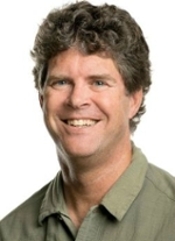
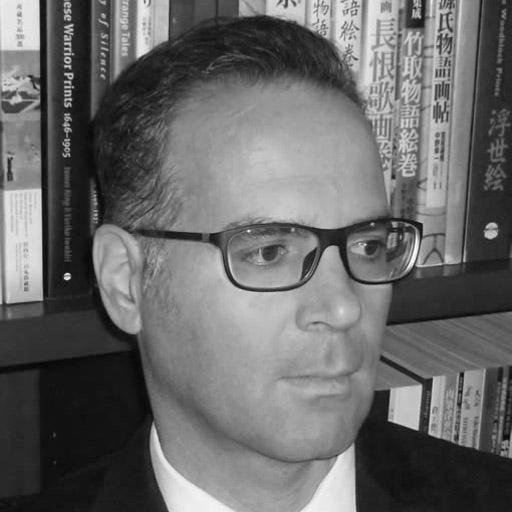
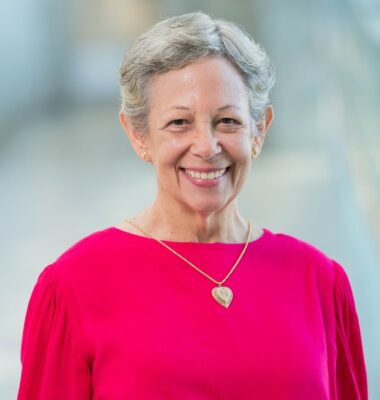
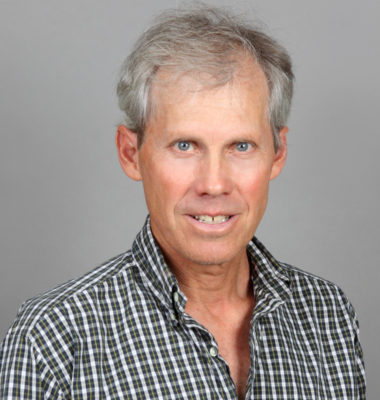
Mark Lewis is the Kennedy Chair in Mathematical Biology at the University of Victoria, holding joint appointments in the Departments of Mathematics and Statistics and Biology. His research focuses on spatial ecology and mathematical modeling, addressing ecological challenges such as animal movement, invasive species, and disease dynamics. Lewis earned his D.Phil. in Mathematical Biology from the University of Oxford and has been elected a Fellow of the Royal Society UK. His work integrates mathematical analysis, field studies, and interdisciplinary approaches to solve ecological problems. Current projects include modeling polar bear populations, cyanobacteria dynamics, and the impact of climate change on wildlife. Lewis supervises students across both UVic and his former University of Alberta lab. Education: D.Phil. in Mathematics (Mathematical Biology), University of Oxford Awards: Royal Society Fellowship, CRM-Fields-PIMS Prize, and Okubo Prize Key Research Areas: Animal movement modeling, aquatic ecology, wildlife disease, and invasive species management Publications highlight his contributions to understanding disease spread, parasite dynamics, and ecological responses to environmental changes. Lewis collaborates widely, applying mathematical tools to real-world conservation and health challenges.
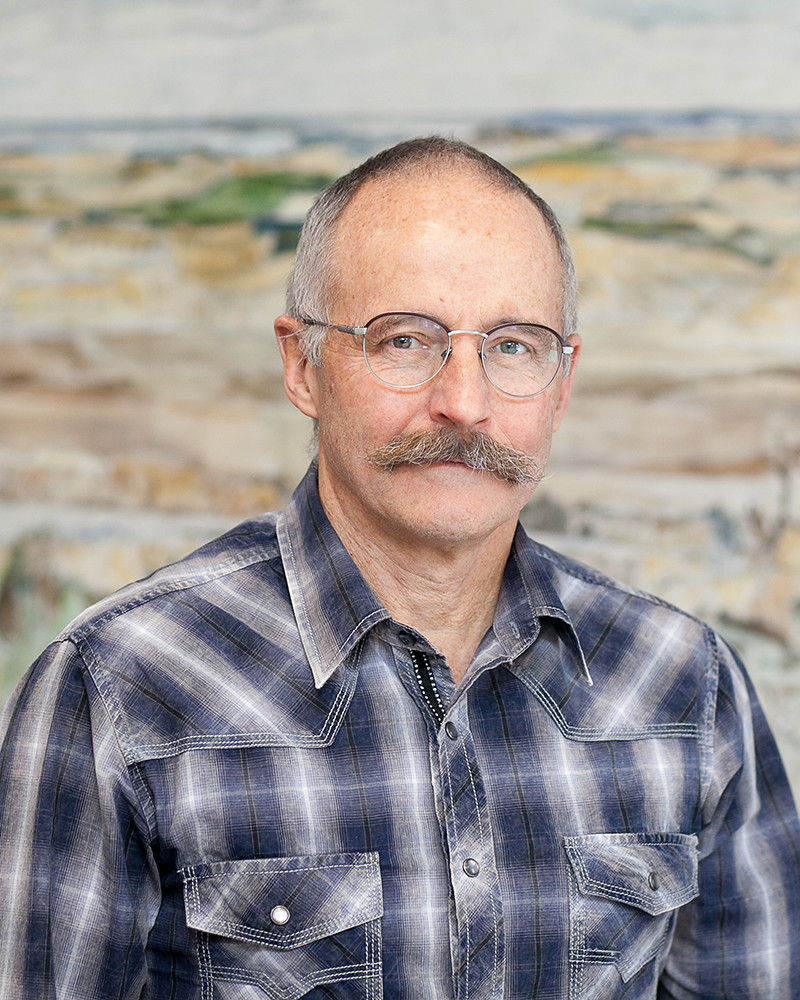
Trent K. Bollinger is a Professor in the Department of Veterinary Pathology at the University of Saskatchewan's Western College of Veterinary Medicine (WCVM), and serves as Regional Director for the Western/Northern Region of the Canadian Wildlife Health Cooperative (CWHC). His academic credentials include a BSc (Honours) from the University of Saskatchewan (1984), a DVM (Distinction) from the University of Saskatchewan (1988), and a DVSc in Pathology from the Ontario Veterinary College (1992). Dr. Bollinger's research focuses on the pathology and epidemiology of diseases in wildlife and fish, with particular emphasis on chronic wasting disease in deer/elk and white-nose syndrome in bats. He has conducted extensive studies on disease transmission dynamics, wildlife population health, and the ecological impacts of emerging pathogens. His work bridges veterinary science, ecology, and conservation biology. His publications demonstrate expertise in viral and bacterial zoonoses, fungal pathogens affecting bats, and spatial epidemiology of wildlife diseases. Recent research highlights include investigating sylvatic plague in prairie dogs, coronavirus persistence in hibernating bats, and landscape connectivity's role in chronic wasting disease spread. His studies often combine molecular diagnostics, field observations, and ecological modeling. Dr. Bollinger collaborates with national and international wildlife agencies, contributing to disease surveillance and management strategies for endangered species. His work emphasizes the interconnectedness of wildlife health, ecosystem health, and public health concerns.
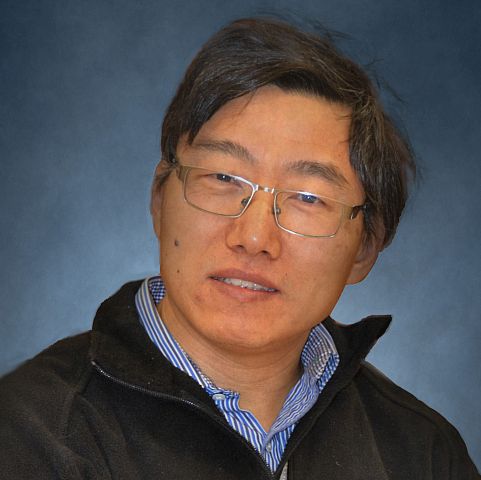
Qingguo Li is a Professor and Associate Head at the Department of Mechanical and Materials Engineering , Queen's University , and a member of the Ingenuity Labs Research Institute . He specializes in biomechanical system design, energy harvesting, wearable sensors, gait analysis, and load carriage systems. His research integrates robotics, biomedical engineering, and sensor technology to develop human-centric devices and mobility aids. Current Roles : Professor, Associate Head, Queen's University Research Institute : Ingenuity Labs Research Institute Lab : Bio-Mechatronics and Robotics Laboratory His work focuses on biomechanical energy harvesting , IMU-based motion analysis , and assistive device development . Key applications include stroke rehabilitation, gait monitoring, and wearable power generation systems. Articles span cable-driven robots , smart walkers , and 3D printing mechanisms , emphasizing human-robot interaction and dynamic modeling . The lab explores sensor calibration , adaptive control algorithms , and human movement optimization . Areas of impact include rehabilitation engineering , load carriage stability , wearable sensor accuracy , and assistive robotics . His team develops solutions for gait asymmetry detection , post-stroke mobility , and low-cost energy systems , leveraging machine learning and kinetic modeling .
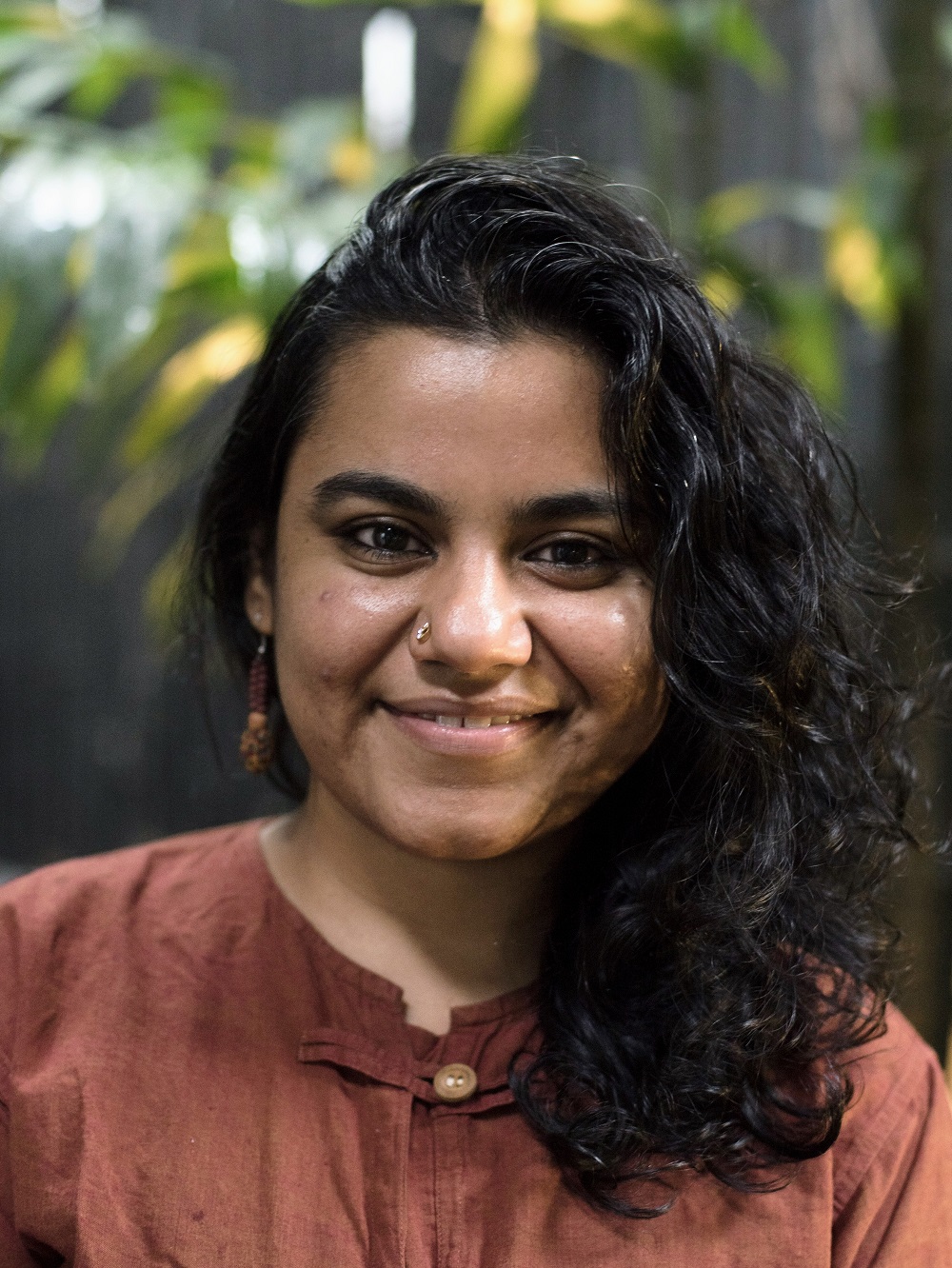
Priti Narayan is an Assistant Professor in the Department of Geography at the University of British Columbia (UBC), Faculty of Arts. Her research and teaching focus on urban processes and politics in India, with an emphasis on state-society relations, feminist methodologies, and public scholarship. Prior to joining UBC, she was a postdoctoral fellow at Princeton University’s Mellon Initiative in Architecture, Urbanism, and the Humanities. PhD in Geography, Rutgers University (2019) Narayan’s research explores how marginalized communities in Chennai, India, negotiate slum evictions through collective action. She collaborates with the Pennurimai Iyakkam (“Women’s Rights Movement”) to document working-class activists’ lived experiences and theorize their contributions to urban studies. Her work bridges academic and activist knowledge, advocating for interdisciplinary approaches to environmental justice and labor rights. Recent projects examine urban development in Tamil Nadu, labor codes, and occupational health for construction workers. Her academic publications span journals like Gender, Place & Culture , Urban Studies , and Environment and Planning D: Society and Space , often co-authored with local activists. She emphasizes ethnography, archival analysis, and collaborative methods. Scientific Awards : SSHRC Insight Development Grant (2023) UBC PRE Fund Award (2023) CIHR Operating Grant (Co-PI, 2021-23) Hampton New Faculty Research Grant Narayan supervises graduate students in Geography and Interdisciplinary Studies, including Varun Panickar and Paroma Wagle (postdoctoral). She currently does not accept new supervisees. Her courses at UBC include topics like urban environmental politics and climate change.
Niko Troje is a Professor at York University, affiliated with the Departments of Psychology, Biology, and Electrical Engineering & Computer Science. He holds cross-appointments and leadership roles, including Director of the BioMotion Lab. His research focuses on perceptual representations, biological motion, and vision science. Education: Ph.D. in Biology (1994) - Albert-Ludwigs Universität B.Sc. in Biology (1990), Physics & Mathematics (1987) - Albert-Ludwigs Universität Research Interests: Troje investigates how the brain processes biological motion, perception of human and animal movement, and applications in virtual reality. His work bridges neuroscience, psychology, and computer science. Key Contributions: Pioneered point-light displays for motion perception, explored gait analysis in mental health, and developed tools for motion capture and analysis (e.g., bmlTUX). Awards: Humboldt Research Prize (2014) NSERC Steacie Fellowship (2008-2009) Canada Research Chair (2003-2013) Grants & Labs: Led funded projects on movement perception, collaborated with institutions like the Max Planck Institute, and directs the BioMotion Lab at York University.
Yingying Wang is an Assistant Professor in the Computing and Software department at McMaster University , where she joined in January 2022. Her research focuses on generating expressive animations for AR/VR applications and games through interdisciplinary approaches combining Computer Graphics , Artificial Intelligence , and Human Behavior Analysis . Education : Bachelor and Master degrees from Nanjing University , Ph.D. from University of California, Davis (2017) Her research explores: Generative models for human motion style transfer Physics-based motion simulation Audio-driven character synthesis Dance choreography for virtual characters Cartoon animation perception Conversational character gesture synthesis Markerless hand motion capture Recent publications focus on 3D hand pose estimation , motion style transfer , gesture-locomotion coordination , and personality perception in virtual agents . Key methodologies include deep learning , multimodal data analysis , and real-time animation systems . Scientific contributions recognized through: $240,000 Labarge Catalyst Grant in Mobility in Aging (interdisciplinary team award) US Patent 10,796,482 (3D hand pose estimation) US Patent 9,811,937 (gesture-locomotion coordination) Teaching includes graduate and undergraduate courses in Computer Animation (CAS 737), Computer Graphics (COMPSCI 3GC3/SFWRENG 3GC3), and Software Development (COMPSCI 2ME3). Research group actively recruits Ph.D. and Master's students in graphics + deep learning domains.
Thomas K. Uchida is an Associate Professor in the Department of Mechanical Engineering at the University of Ottawa, a position he has held since May 2024. Prior to this promotion, he served as an Assistant Professor at the same institution from October 2018 to May 2024. Before joining the University of Ottawa, Dr. Uchida was an Engineering Research Associate (April 2015-August 2018) and Simbios Distinguished Postdoctoral Fellow (July 2012-April 2015) in the Department of Bioengineering at Stanford University. Dr. Uchida's research focuses on the modeling and simulation of dynamic systems, with particular emphasis on human movement biomechanics. His work spans multiple areas including: Simulation-guided design of assistive devices for improving mobility Modelling musculotendon dynamics and energy expenditure Parameter identification and model reduction methods Impact and contact dynamics Development of computational tools for biomechanical analysis He is a co-author of the book "Biomechanics of Movement: The Science of Sports, Robotics, and Rehabilitation" published by MIT Press, and actively contributes to the development of OpenSim, an open-source software platform for modeling musculoskeletal systems and generating simulations of human and animal movement. His work on OpenSim was featured on the cover of PLoS Computational Biology. Dr. Uchida's recent publications demonstrate strong activity in biomechanics, robotics, and computational modeling. His work bridges engineering principles with biological applications, particularly in understanding human movement mechanics. Key trends include applying machine learning to gait analysis, developing enhanced spine models, analyzing human balance stability with time delays, and advancing musculoskeletal simulation techniques. As an academic advisor, Dr. Uchida currently supervises seven graduate students: Firas Baklouti (expected completion August 2025) Shahin Sharafi Kazem Alambeigi Jiawei Gao Yuzhen Yan Manuel Lucas De Oliveira Blake Scott Miller Dr. Uchida collaborates with research teams focused on biomechanics and movement science. His work with OpenSim places him within an international community of researchers developing computational tools for biomechanical analysis, connecting mechanical engineering with biomedical applications in sports, robotics, and rehabilitation.
Carol Frost, PhD, is an Assistant Professor in the Department of Renewable Resources at the University of Alberta's Faculty of Agricultural, Life and Environmental Sciences. Her research focuses on arthropod community ecology, particularly biodiversity conservation and the impacts of human activities on ecological functions. She holds a PhD in Ecology from the University of Canterbury (2014), an MSc in Entomology from McGill University (2009), and a BSc in Animal Biology from the University of Alberta (2006). Her work spans three key areas: (1) identifying low-cost industrial/urban modifications for biodiversity conservation, (2) advancing ecological network approaches to predict community dynamics, and (3) documenting Alberta's arthropod biodiversity. Recent studies include analyzing pollinator networks, habitat edge effects, and agricultural landscape impacts on hoverflies and canola crops. Frost teaches courses such as Principles of Managing Natural Diversity (REN R 364/765), Exploratory Data Analysis (REN R 581), and Statistical Methods for Environmental Sciences (REN R 582). Her research outputs emphasize ecosystem resilience, keystone species roles, and multitrophic interactions, with a focus on applied conservation solutions.
Kristin A Andrews serves as Professor of Philosophy and York Research Chair in Animal Minds at York University in Toronto, Canada. She is a CIFAR Fellow in the Future Flourishing program and will join the CUNY Graduate Center as Professor in Fall 2025. Her interdisciplinary work bridges philosophy, cognitive science, and animal ethics to investigate nonhuman animal capacities. Her educational background includes a PhD in Philosophy from the University of Minnesota and an MA in Philosophy from Western Michigan University. Professor Andrews' research centers on the cognitive, affective, social, and cultural capacities of nonhuman animals. She pioneers frameworks for identifying social norms in animal communities, arguing these predate human language. Her work spans animal consciousness, morality, legal personhood, and conservation implications—challenging anthropocentric views through empirical and theoretical analysis. She actively develops implications for animal welfare policy and multispecies ethics. Recent publications (2023-2025) reveal three dominant trends: (1) Advocating for the 'All Animals Are Conscious' hypothesis to shift consciousness science's null hypothesis; (2) Developing dimensional frameworks for cross-species normativity studies; (3) Addressing methodological biases like the WEIRD problem in comparative cognition. Her interdisciplinary approach integrates philosophy, primatology, and cognitive neuroscience. Key honors include: York Research Chair in Animal Minds CIFAR Fellowship (Future Flourishing program) Royal Society of Canada’s College of New Scholars membership (2015) Visiting Professorships at LSE (2021-2022), Ruhr-Universität Bochum (2022-2025), and Università Degli Studi di Cagliari (2023) Professor Andrews coordinates the Greater Toronto Area Animal Cognition Discussion Group and serves on the Borneo Orangutan Society Canada board. She co-authored the New York Declaration on Animal Consciousness—endorsed by 39 scholars—and engages public discourse through media like TVO interviews. Her grant activity focuses on CIFAR-funded projects examining animal social cognition and norm evolution. She leads collaborative initiatives including the 'week of animal social norms' research with international teams studying chimpanzees, dolphins, and rats. Her upcoming book on social norm evolution and ongoing work with the OCTOPUS Act advocacy group demonstrate active research expansion into policy applications.
Dr. Raj Rajakumar is an Associate Professor at Western University's Department of Anatomy and Cell Biology, cross-appointed with the Department of Psychiatry. His work focuses on molecular mechanisms underlying schizophrenia symptoms and autism neurobiology, employing animal models to study drug effects and neural signaling. He holds a PhD from the University of Western Ontario, with prior degrees in M.B.B.S. (University of Peradeniya) and M.Sc. (University of Western Ontario). Educations: Ph.D., Anatomy and Cell Biology, University of Western Ontario M.Sc., Anatomy and Cell Biology, University of Western Ontario M.B.B.S., Medicine, University of Peradeniya Research Interests: Molecular pathways in schizophrenia symptom manifestation Neurobiological basis of autism spectrum disorders Pharmacological interventions using antipsychotics and psychotropic drugs Neuroimaging techniques (fMRI, MRS) to study brain connectivity His research combines molecular biology, neuroanatomy, and behavioral assays in animal models to explore schizophrenia pathophysiology. Recent work includes maternal immune activation effects on fetal brain development, cannabinoid impact on executive function, and white matter inflammation in Alzheimer's models. Collaborations with Dr. W.J. Rushlow and others highlight translational research in neuropsychiatric disorders. Key contributions include automated MRI algorithms for medial temporal lobe analysis and longitudinal studies of glutamatergic deficits in schizophrenia. His work bridges basic science with clinical applications in mental health. Dr. Rajakumar's lab focuses on understanding brain circuitry disruptions in psychiatric disorders, with implications for novel therapeutic targets. No formal advisees are listed, but his research team actively engages in interdisciplinary collaborations.
Frances Stewart is an Assistant Professor and Canada Research Chair in Northern Wildlife Biology at Wilfrid Laurier University's Faculty of Science, Department of Biology. She leads the WILDlab research group focusing on applied wildlife biology in northern regions through field projects, modeling, and community collaboration. She holds a PhD in Environmental Studies from the University of Victoria, and BScH and MSc degrees in Ecology from the University of Guelph. Her research specializes in quantifying wildlife responses to landscape changes using camera trapping, ecological forecasting, and spatial modeling. Current projects investigate species co-occurrence, habitat selection, and biodiversity conservation in Canada's rapidly changing northern ecosystems, with emphasis on integrating Indigenous knowledge. Publications (2019-2024) demonstrate strong focus on wildlife conservation, climate change impacts, and ecological modeling. Dominant themes include boreal caribou conservation, landscape connectivity, anthropogenic disturbance effects, and predictive ecology frameworks. Methodologically, her work combines field data with advanced statistical approaches to inform conservation decisions. Awards and Honors: Canada Research Chair in Northern Wildlife Biology Wilburforce Leader in Conservation Science Canadian Society of Ecology and Evolution Conference Presentation Award (2018) Advising and Grants: Supervises 2 postdoctoral fellows, 3 PhD candidates, and 4 MSc students Secured funding from NSERC, Weston Foundation, POLAR, and MITACS Emphasizes professional development through conference attendance and publication support Lab and Team: Leads the WILDlab (Wildlife Integration for Land use Decisions Lab) with active field projects across northern Canada. The team collaborates with government agencies (Natural Resources Canada), Indigenous communities, and international researchers to address wildlife management challenges in changing northern ecosystems.
Dr. Stephen Brown is an Associate Professor in the Department of Human Kinetics at the University of Guelph. His research focuses on lumbar spine mechanics, muscle physiology, and injury rehabilitation. He holds a BHK and MHK from the University of Windsor, a PhD from the University of Waterloo, and completed postdoctoral training at the University of California San Diego. Education: BHK, MHK - University of Windsor PhD - University of Waterloo Post-doctoral Fellowship - University of California San Diego His research integrates anatomical studies, mechanical testing, and human participant analysis to address four core themes: lumbar spine function, injury mechanisms, adaptation responses, and rehabilitation strategies. Current work combines novel techniques like laser diffraction with biomechanical modeling to explore muscle-tissue interactions. His lab employs three main methodologies: cadaveric tissue analysis, mechanical testing of muscles/spine tissues, and human movement studies using EMG and kinematic modeling. Recent publications (2016–2018) highlight investigations into spine kinematics, kinesio taping effects, muscle fatigue impacts, and postural control in athletic populations. Advising & Grants: Advises 5 graduate students (3 PhD, 2 MSc) Teaching: HK*4600 Applied Human Kinetics II, HK*4240 Occupational Biomechanics Labs are located in ANNU 358/362. Research aims to reduce low-back pain incidence through mechanistic insights into spine-muscle interactions.
Lorenzo DiTommaso serves as Professor in the Department of Religions and Cultures at Concordia University, Montreal, where he has progressed from Assistant Professor (2004) to full Professor (2013), including service as Department Chair. His academic home encompasses Jewish Studies and Christianity programs, with biennial teaching of the graduate religion and popular culture seminar. Ph.D. in Religious Studies, McMaster University (2002) Postdoctoral Fellow, Yale University Divinity School (2001-03) NEH Postdoctoral Fellow, Center for Medieval and Renaissance Studies, Saint Louis University (2003-04) DiTommaso's research constitutes a comprehensive exploration of apocalyptic speculation across temporal and cultural boundaries, from ancient Near Eastern traditions to contemporary digital media. His work uniquely bridges textual scholarship on biblical apocrypha and medieval manuscripts with cutting-edge analysis of apocalyptic expression in video games, anime, and popular music. The intellectual scope spans apocalyptic historiography , manuscript studies , apocalyptic and millenarian movements , and religion in contemporary media , with distinctive expertise in Japanese cultural intersections. His methodological approach combines rigorous textual analysis with interdisciplinary cultural theory, particularly examining how apocalyptic frameworks shape human responses to crisis across historical periods. Analysis of his recent publications reveals a pronounced shift toward contemporary apocalyptic manifestations, with nearly half of his 2021-2024 output focusing on digital media, video games, and modern cultural phenomena. Simultaneously, he maintains deep engagement with medieval manuscript traditions and early Jewish-Christian apocalyptic literature, demonstrating remarkable versatility across historical periods. The thematic through-line remains apocalyptic determinism versus human agency , examined through diverse lenses from ancient prophecy to interactive gaming environments. Bibliographical Society of America - Pine Tree Foundation Fellowship in Hispanic Bibliography (2019) Nicky Carpenter Fellow in Manuscript Studies Marilyn Hollinshead Visiting Scholar (2023) Research Fellow at Herzog August Bibliothek (2024) DiTommaso has supervised over 20 graduate students since 2019 across diverse apocalyptic topics including disability studies in biblical interpretation, Satanism in virtual communities, and environmental apocalypse in radical movements. His research has been continuously supported by four major SSHRC grants (2004-07, 2007-11, 2011-16, 2018-24), supplemented by specialized fellowships at premier manuscript repositories including the Vatican Film Library, Herzog August Bibliothek, and special collections at Michigan State and Minnesota universities. He co-organizes the biennial 'Through a Glass Darkly' Symposium on Apocalyptic with Colin McAllister, now in its eighth year, rotating between Colorado Springs and Montreal. The 'Through a Glass Darkly' symposium serves as his primary collaborative platform, fostering international scholarly exchange on apocalyptic themes. He maintains active research partnerships with institutions including the Enoch Seminar and Azrieli Institute for Israel Studies, while leveraging special collections access at major libraries for manuscript-based projects. Current work on apocalyptic comic art involves collaboration with special collections at Michigan State and Minnesota universities, demonstrating his commitment to bridging traditional textual scholarship with contemporary cultural analysis.
Adele Diamond is a Professor at the University of British Columbia 's Faculty of Medicine , Department of Psychiatry . She pioneers Developmental Cognitive Neuroscience and challenges traditional educational and medical paradigms through her work on executive functions (EFs) and their modulation by dopamine , stress , and educational interventions . Her educational background includes: Philosophy of Science, London School of Economics (1972) B.A. in Psychology and Sociology & Anthropology, Swarthmore College (1975) Ph.D. in Developmental Psychology, Harvard University (1983) Postdoctoral Fellowship in Neuroanatomy, Yale University School of Medicine (1982-1985) Research focuses on: EFs ( cognitive flexibility , working memory , self-control ) and their neural bases in prefrontal cortex Gene-environment interactions like COMT gene polymorphism and sex differences under stress Interventions: mindful movement , Tools of the Mind curriculum, physical activity , and the arts Key scientific awards include: Fellow, Royal Society of Canada Huttenlocher Award (Flux Society for Developmental Cognitive Neuroscience) Two Honorary Doctorates (University of Cambridge, Erikson Institute) She mentors PhD students in Neuroscience, Population and Public Health, and Interdisciplinary Studies. Her lab at UBC's Centre for Brain Health and BC Children's Hospital Research Institute integrates neuroimaging (fMRI) with genetic analysis and intervention studies . Recently organized the 4-day international conference 'A Joyous Celebration' uniting 400+ attendees from 45 countries.
Tim Murphy is a Professor in the Department of Psychiatry at the University of British Columbia's Faculty of Medicine. He holds a B.Sc. from Saint Mary's College (1984), Ph.D. from Johns Hopkins University (1989), and completed postdoctoral training at Johns Hopkins (1994). He is a Full Member of the Djavad Mowafaghian Centre for Brain Health and leads UBC's Dynamic Brain Circuits in Health and Disease research cluster. His research focuses on understanding brain circuit reorganization after stroke using advanced neuroimaging techniques. Key areas include: In vivo imaging of synaptic interactions and sensorimotor processing Optogenetic brain mapping and neuroplasticity mechanisms Development of automated imaging/stimulation tools for neurological disorders Mouse models of stroke, depression, and autism Synthetic data approaches for behavioral analysis Dr. Murphy's recent publications demonstrate strong focus on developing novel neurotechnologies, including mesoscale imaging systems, 3D calibration tools, and synthetic biomarkers. His work integrates neuroscience with biomedical engineering and computational approaches. He leads an active laboratory developing open-source neuroscience hardware and software. The lab participates in the Canadian Neurophotonics Platform and has created innovative tools like the Diesel2P mesoscope and automated home-cage imaging systems.