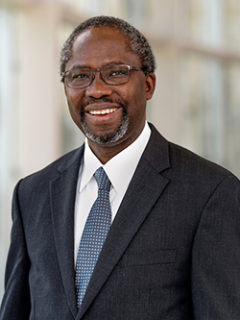
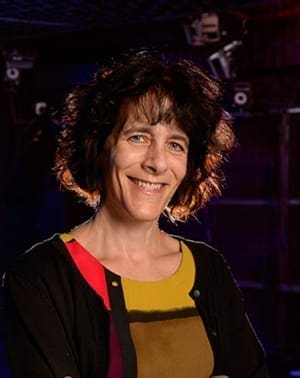
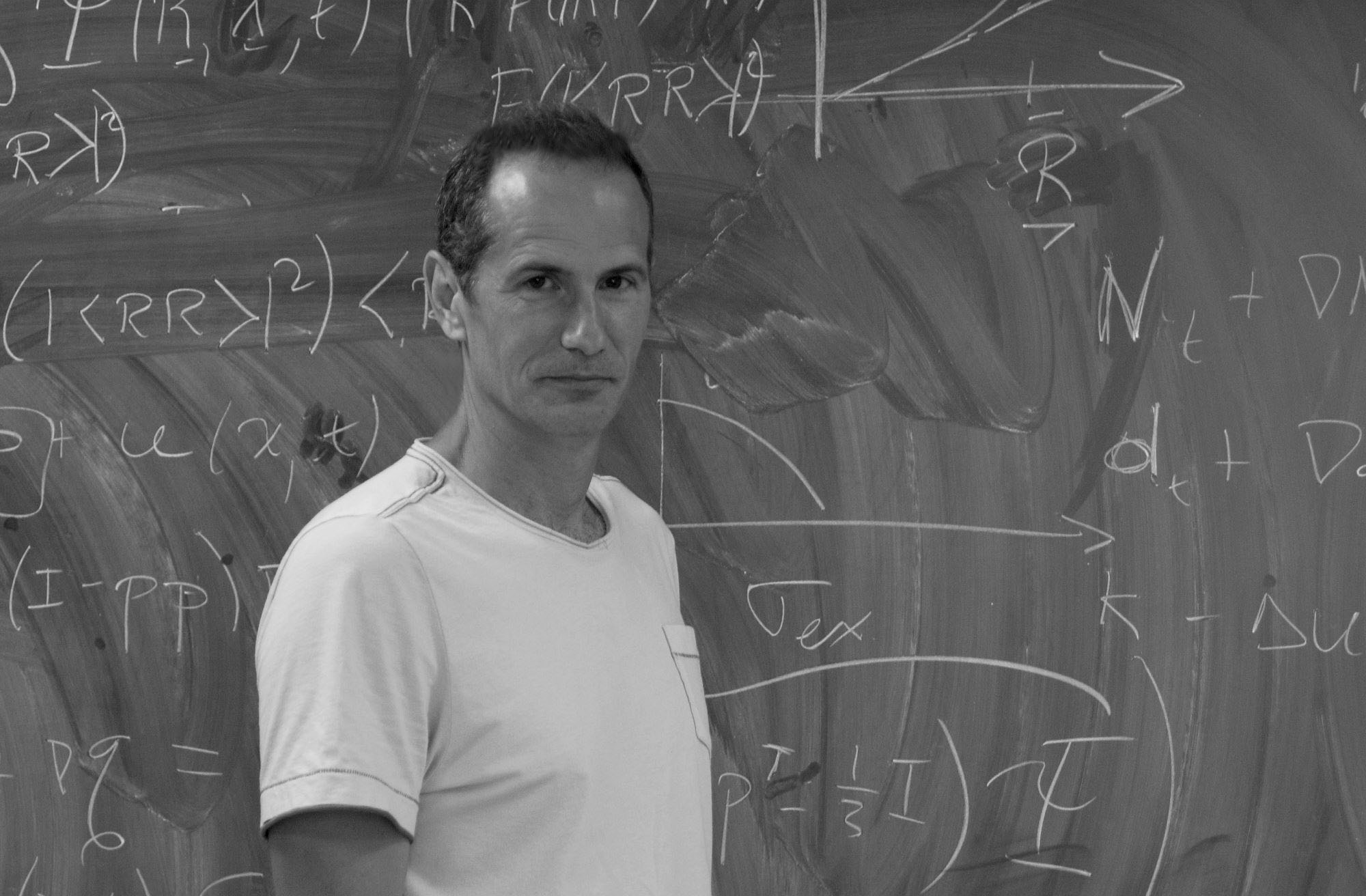
Prof. Dr. agr. Kaspar Bienefeld is an Honorary Professor at the Humboldt University of Berlin within the Albrecht Daniel Thaer-Institute of Agricultural and Horticultural Sciences. His research focuses on honeybee genetics, breeding optimization, and disease resistance mechanisms. Research Interests: Honeybee population genetics, Varroa mite resistance, genomic selection, and behavioral ethology. Key Contributions: Development of SNP assays for resistance traits, simulation studies for breeding schemes, and conservation strategies like Europe’s first honeybee gene bank. Publications: Over 40 peer-reviewed articles spanning honeybee breeding, genetic parameter estimation, and stress biomarker analysis.
David Lentink is a Full Professor of Biomimetics at the University of Groningen , leading the Biomimetics Group within the Faculty of Science and Engineering. His research bridges biomechanics, aerospace engineering, and robotics, focusing on avian flight mechanics and bio-inspired aerial robotics . Previously at Stanford University, he pioneered the development of the Aerodynamic Force Platform and low-turbulence wind tunnels for animal flight studies. Education : PhD in Aerospace Engineering (Stanford), MSc in Mechanical Engineering (Delft), BSc in Mechanical Engineering (Delft). Research Interests : Understanding bird flight biomechanics to design advanced drones, studying evolutionary adaptations in flight, and developing biohybrid robots with real feathers. Scientific Awards : Dutch Academic Year Prize for the Flight Artists (2013). World Economic Forum Young Scientist under 40 (2013). Alumnus of the Young Academy of The Royal Netherlands Academy of Arts and Sciences. Labs : The Lentink Lab at Groningen’s Linnaeusborg campus integrates bird aviaries, wind tunnels, and maker spaces for bio-inspired robotics development. His team collaborates globally with institutions like Stanford, TU/e, and Sorama.
Katrin Vogt is a Group Leader at the University of Konstanz and an Affiliated Scientist at the Max Planck Institute of Animal Behavior. She serves on the IMPRS Board and Faculty, focusing on behavioral neuroscience in Drosophila larvae. Her research explores how social context and internal states (e.g., hunger) modulate neural circuits and behavior, utilizing genetic tools like optogenetics, RNAi, and CRISPR. Key Research Areas: Behavioral flexibility under internal state changes Neural integration of sensory and state signals in the antennal lobe Role of serotonin (CSD neuron) in modulating output pathways Computational modeling of state-dependent circuit dynamics Notable Achievements: Discovered state-dependent olfactory valence switching (e.g., geranyl acetate shifts from aversion to attraction under food deprivation) Elucidated glutamatergic inhibition mechanisms in picky local interneurons Identified 5-HT7 receptor's role in upregulating uniglomerular projection neuron activity Recent Publications: 2025: PLoS Biology on multimodal sensory neurons 2024: Current Biology commentary on behavioral neuroscience 2023: Current Biology on multisensory memory merging Academic Affiliations: University of Konstanz (Group Leader, Department of Collective Behavior) Max Planck Institute of Animal Behavior (Affiliated Scientist) IMPRS for Organismal Biology (Faculty Member) Scientific Awards: DFG Research Fellowship (Project No. 345729665) Students & Collaborators: PhD students: Hari P. Narayanan, Akhila Mudunuri Research assistants: Nora Tutas, Julius Klein, Constantin Dyroff DAAD summer student: Élyse Zadigue-Dubé Recent graduates: Amelie Edmaier (BSc 2023), Constantin Dyroff (BSc 2023)
Dr. Rachel Parkinson is a Research Fellow at Wolfson College, University of Oxford, and holds a Lecturer position in Biology at Keble College. She is also an Eric & Wendy Schmidt AI in Science Postdoctoral Fellow. Her research focuses on insect sensory processing, particularly how pollinators like bees perceive environmental stressors such as pesticides. She develops AI-driven tools to diagnose sublethal toxicity and leads projects using large language models for systematic reviews of pesticide risks. Her work aims to assess environmental threats to pollinators and devise mitigation strategies. Her research interests include neuroethology, pesticide impacts on insect behavior, and AI applications in ecological research. She collaborates with the Bee Lab to advance understanding of pollinator health and ecological resilience. Her interdisciplinary approach bridges biology, neuroscience, and computational methods to address global environmental challenges. Awards: Eric & Wendy Schmidt AI in Science Postdoctoral Fellow Labs/Teams: Bee Lab, University of Oxford
Nick Brandley is an Associate Professor of Biology at the College of Wooster. He holds a Ph.D. from Duke University (2015) and a B.S. from the University of Michigan (2008). His research focuses on sensory biology, color vision, and animal behavior, particularly in insects. He actively involves undergraduates in his research, as evidenced by multiple co-authored publications with student contributors marked with an asterisk (*). Dr. Brandley’s work explores topics such as rapid coloration shifts in grasshoppers during flight, sexual dimorphism in spatial vision, and the evolutionary implications of visual acuity in signaling. His studies bridge ecology, evolutionary biology, and behavioral science. He maintains an active research program emphasizing hands-on student participation. Currently based in Williams 184 (office) with contact details available via email and his professional website, Brandley contributes to the College of Wooster’s academic mission through teaching and mentoring. His research group likely focuses on insect sensory systems and their ecological adaptations.
Professor Philip Corr is a distinguished Professor of Psychology at City, University of London, where he has been employed since 2013. He previously held Professorial positions at the University of East Anglia (2009-2013, where he served as Head of Psychology) and Swansea University (2004-2009, where he was Head of Department). Earlier in his career, he was Senior Lecturer at Goldsmiths, University of London (2001-2004) and Lecturer at both Goldsmiths and the University of Greenwich. His research focuses on personality neuroscience and behavioral economics, particularly individual differences in approach and avoidance behavior systems. He has made significant contributions to the Reinforcement Sensitivity Theory (RST) of personality, exploring how these fundamental behavioral systems drive different forms of behavior, including economic decision-making. His work spans multiple methodologies including neuroimaging, behavioral, psychopharmacological, and psychophysiological approaches. Professor Corr's recent publications (2021-2025) demonstrate his continued leadership in personality neuroscience, with studies examining the genetic foundations of approach-avoidance behavior, cross-cultural validation of personality measures, and applications of Reinforcement Sensitivity Theory to understanding anxiety, social behavior, and responses to global challenges like the COVID-19 pandemic. His work consistently bridges theoretical personality psychology with practical applications across multiple domains. Fellow of the Royal Society of Arts (FRSA) Chartered Psychologist of the British Psychological Society Chartered Scientist of the Science Council President of the International Society for the Study of Individual Differences (2015-2017) Co-Founding President of the British Society for the Psychology of Individual Differences As an educator, Professor Corr teaches courses in Personality and Differential Psychology and supervises doctoral research. He has advised students on topics including ADHD, neurofeedback, and the relationship between personality traits and behavior. He founded and edits the journal Personality Neuroscience, published by Cambridge University Press, and serves on the editorial boards of several other scientific journals in the field of personality and individual differences.
Dina Dechmann is Group Leader at the Max Planck Institute of Animal Behavior, Department of Migration in Radolfzell, Germany. She leads the Ephemeral Resource Adaptations Research Group, focusing on how animals adapt to fluctuating resource availability through behavioral, morphological, and physiological strategies. Her educational background includes: Ph.D. in Animal Behavior from University of Zürich (2005) MS in Systematics & Ecology from ETH Zürich (1999) Habilitation at University of Konstanz (2018) Dr. Dechmann identifies as a classical behavioral ecologist with a passion for evolution, increasingly focusing on how resource distribution in time and space influences animal adaptations. Her research examines movement patterns (particularly in flying foxes and bats), energetics, information transfer during foraging, and morphological adaptations like wing shape. A significant focus involves seasonal phenological changes, especially in brain structure, as seen in her work on Dehnel's Phenomenon in shrews. She is actively involved in the ICARUS satellite tracking initiative to monitor bat migration. Her recent publications reveal consistent themes across animal behavior, neuroecology, and conservation biology. The work demonstrates sophisticated integration of field studies with molecular and physiological approaches, particularly in studying how animals navigate resource ephemerality. Key trends include bat migration patterns, brain plasticity in response to seasonal changes, and methodological innovations in wildlife tracking. Her research bridges fundamental behavioral ecology with practical conservation applications, especially regarding common bat species. Dr. Dechmann mentors a diverse international team including postdocs, doctoral students, and technical staff. Her group maintains strong collaborations across European institutions and with international partners, particularly in Panama where some field studies occur. While specific grant details aren't provided, her work on the ICARUS initiative and extensive publications suggest substantial research funding. The Ephemeral Resource Adaptations Group operates as a small, international team focused on resource distribution challenges for animals. Current projects examine migration as an adaptation to seasonal change, hibernation energetics in climate change contexts, social information sharing for ephemeral resources, alternative wintering strategies in small mammals, and impacts of research methodologies on animal behavior.
Goong Chen is a Professor at Texas A&M University (TAMU) within the College of Arts & Sciences. His research focuses on Control Theory, Applied Mathematics, and interdisciplinary applications in computational mechanics, fluid dynamics, and quantum systems. He holds a Ph.D. from the University of Wisconsin (1977) and a B.S. from National Tsing-Hua University (1972). His research interests span computational biomechanics, forensic modeling, nanofluidics, and mathematical physics. Recent work includes modal analysis of animal motion, crash mechanics of aircraft, and forensic reconstruction of disasters. He has contributed to theoretical advancements in PDEs, nonlinear dynamics, and quantum computing. Chen’s articles address cutting-edge topics like thermoelastic plates, Volterra equations, and DFIM systems. He has pioneered numerical methods for complex systems using OpenFOAM and finite element techniques. His computational models have been applied to real-world scenarios such as submarine implosions and chemical warfare forensics. No academic awards are explicitly listed, but his extensive publication record reflects significant contributions to applied mathematics and engineering. He leads research teams focused on interdisciplinary challenges in computational science and engineering.
Neal Dawson is a Lecturer in Comparative Animal Nutrition (Physiology, Ageing & Welfare) at the University of Glasgow. His research focuses on mitochondrial physiology, physiological adaptations to environmental challenges, and ageing processes in animals. Key areas include metabolic efficiency in ectotherms, high-altitude adaptations in birds and mammals, and the impacts of environmental factors like artificial light and climate change on organismal health. Major publications explore mitochondrial function in salmon, ducks, and finches, linking metabolic traits to survival and behavior. He collaborates widely, appearing as co-author in journals like Royal Society Open Science and Proceedings of the Royal Society B. His work bridges ecology, physiology, and evolutionary biology, addressing questions about individual variation in energetics and stress responses. Research consistently emphasizes mitochondrial efficiency as a predictive marker for growth, feeding behavior, and survival trade-offs. Recent trends highlight climate change impacts on aquatic species and the mechanistic basis for altitude adaptation in vertebrates. Dawson’s studies often involve interdisciplinary approaches, integrating biochemical assays with field observations and comparative analyses. No scientific awards or grants are explicitly listed, though his extensive publication record suggests active grant-supported research. He advises no listed students but collaborates with global researchers in avian, fish, and amphibian physiology.
Angelo Corallo is an Associate Professor at the Department of Experimental Medicine, University of Salento, specializing in technologies and methodologies for collaborative processes in industrial systems. His research spans Digital Business Ecosystems , Cybersecurity , and Collaborative Product Design , focusing on the interplay between technology and organizational dynamics. He leads interdisciplinary research divisions in Open Networked Business Management , Learning and Innovation , and Collaborative Product Design . Research Interests : Corallo's work integrates Information and Communication Technologies (ICT) with Business Management, particularly in Digital Twins for healthcare and manufacturing Knowledge Modeling and Ontology Engineering Industry 4.0 and Smart Manufacturing Agri-Food Sustainability through digitalization Scientific Contributions : His recent articles explore trends in Cybersecurity for Industrial IoT Metaverse Applications in business models Traceability Systems in food supply chains Collagen-Based Biomaterials from aquaponics
David A. Macaulay is a Senior Lecturer at Dartmouth College and renowned author-artist specializing in architecture, design thinking, and science communication. Born in 1946, he earned a B.Arch from the Rhode Island School of Design (1969) and transitioned from architecture and teaching to creating acclaimed educational books. His work bridges technical expertise with artistic clarity, focusing on STEM education and historical/technological systems. Education: Bachelor of Architecture (B.Arch), Rhode Island School of Design, 1969 Research & Contributions: Macaulay’s books demystify complex systems, such as machinery, human biology, and architectural structures. He emphasizes visual storytelling to engage audiences in STEM fields, blending illustration with explanatory writing. His courses like ENGS 11: 'The Way Things Work' exemplify this approach. Awards: MacArthur Fellowship (2006) James Smithson Medal (Smithsonian Institution, 1993) Caldecott Medal (1993) Charles Frankel Prize (2002) Professional Activities: He served as Vice President and founding board member of the National Children’s Book and Literacy Alliance. Media features include CBS Sunday Morning (2023) and Vox (2021), highlighting his role as a 'explainer-in-chief' of historical and scientific concepts.
Kasper Thorup is a Professor in Movement Ecology at the Globe Institute , University of Copenhagen , and serves as Section Head of the Center for Macroecology, Evolution and Climate . He is also an Affiliated Scientist at the Max Planck Institute of Animal Behavior in Radolfzell, Germany, and holds advisory roles at the Copenhagen Bird Ringing Centre and the Natural History Museum of Denmark . Education PhD in Zoology , University of Copenhagen (2004) MSc in Biology , University of Copenhagen (2000) Research Interests Thorup’s research lies at the intersection of movement ecology , behavioral ecology , ornithology , and conservation . His work focuses on the mechanisms and drivers of bird migration , using advanced tracking technologies such as satellite telemetry, geolocators, and radio transmitters. His lab investigates orientation systems , climate change impacts , and conservation strategies for migratory birds across continents. His team also explores animal navigation , disease spread via migratory birds , and habitat use across breeding and wintering grounds. Fieldwork has taken him to remote locations including Kamchatka, Angola, Svalbard, and the Ural Mountains. Scientific Awards Corresponding Member , Deutsche Ornithologen-Gesellschaft Sapere Aude – Research Leader , Danish Fund for Independent Research Fellow , International Ornithologist's Union Post-doc Scholarship , Danish Fund for Independent Research DTUsat Payload Competition , DTU Supervision and Teaching Thorup has supervised 6 postdocs , 9 PhD students , and 19 Master’s students since 2005. He teaches Danish vertebrates (BSc) and Ornithology (MSc) at the University of Copenhagen, and welcomes theoretical and field-based student projects in bird migration, orientation, and conservation. Labs and Teams He leads the Bird Migration Lab and is head of the Thorup Group within the Section for Biodiversity at the Globe Institute. His team is closely affiliated with the Copenhagen Bird Ringing Centre and collaborates globally with institutions like the Max Planck Institute and Lund University.
Henry Fadamiro is a Professor at Texas A&M University, affiliated with the College of Agriculture & Life Sciences and Texas A&M AgriLife. He holds administrative roles as Associate Vice President for Strategic Initiatives and is part of AgriLife Extension/Research divisions. His expertise spans insect behavior, chemical ecology, neurobiology, biological control, and integrated pest management. He earned a BSc (First Class Honors in Biology) from Federal University of Technology, Akure, Nigeria, and a PhD in Entomology from the University of Oxford. His research focuses on parasitoid biology, pest management strategies, and plant-insect-microbe interactions. Key projects involve optimizing biological control agents (e.g., Aprostocetus hagenowii), analyzing insect behavior via chemical cues, and developing sustainable pest control methods. Recent work highlights include 3D flight analysis of parasitoids, bacterial effects on insect larvae, and weather-driven pest emergence modeling. His articles emphasize parasitoid-host dynamics, chemical ecology applications, and agricultural biotechnology. He collaborates on projects addressing invasive species like the kudzu bug and explores plant growth-promoting rhizobacteria for crop resilience. Grants and strategic initiatives under his leadership target translational research in agroecology and pest management.
Cynthia F. Moss is a Professor in the Department of Psychological and Brain Sciences at Johns Hopkins University (JHU), with joint appointments in Neuroscience and Mechanical Engineering. She directs the Comparative Neural Systems and Behavior Laboratory (Bat Lab), investigating neural mechanisms of sensory perception and spatial navigation in echolocating bats. Her work combines neurophysiology, behavioral ecology, and engineering to study how bats process auditory information for navigation, communication, and obstacle avoidance. Dr. Moss earned a B.S. (summa cum laude) from the University of Massachusetts, Amherst, and a Ph.D. from Brown University. She held prior faculty positions at Harvard University and the University of Maryland, where she directed the Neuroscience and Cognitive Science graduate program. Her research has received prestigious awards including the Hartmann Award (2017), James McKeen Cattell Award (2018), and Alexander von Humboldt Research Prize (2019). Her research focuses on sensory coding of natural stimuli, spatial perception, attention, and adaptive motor control. Key findings include discoveries about 3D auditory space representation in the midbrain, age-resistant hearing in bats, and the role of wing hairs in flight control. Her lab employs innovative techniques like wireless neural recording, two-photon imaging, and DREADDs-mediated inactivation to study neural circuits. Dr. Moss collaborates across disciplines, bridging neurobiology, robotics, and sensory systems engineering. Her work informs biomimetic technologies for sonar navigation and adaptive control systems. She actively mentors students and postdocs in the Krieger School of Arts and Sciences, Whiting School of Engineering, and School of Medicine at JHU.
Michael Shelley is the Lilian and George Lyttle Professor of Applied Mathematics at New York University's Courant Institute of Mathematical Sciences. He holds additional roles as Professor of Mathematics, Neural Science, and Mechanical Engineering. His research focuses on fluid dynamics, active matter, and biophysical systems, with notable contributions to microswimmer dynamics, cytoplasmic flows, and fluid-structure interactions. Shelley leads the Applied Mathematics Laboratory at Courant and directs the Center for Computational Biology at the Flatiron Institute. His work bridges theoretical, computational, and experimental approaches to understand complex biological and physical phenomena. Research interests include nonlinear dynamics of fluids, collective behavior in active matter systems, and biomechanical processes such as mitosis and cellular transport. Recent studies involve modeling microtubule networks, cytoplasmic stirring, and spindle positioning in cells. His publications span topics like fluid-structure interactions, viscoelastic flows, and the mechanics of swimming organisms. Key projects include the dynamics of erodible bodies in fluid flows, optimization of microswimmer designs, and the rheology of active suspensions. Shelley collaborates across disciplines, integrating applied mathematics with biology, physics, and engineering. His work has advanced understanding of self-organization in living systems and fluid-driven morphological changes.