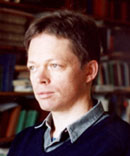
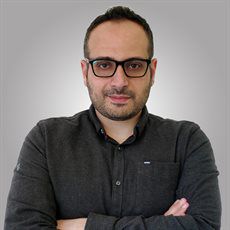
Professor Owen Davies is a faculty member at the University of Hertfordshire , affiliated with the History Department at the School of Creative Arts . His research spans witchcraft , magic , supernatural beliefs , and folklore , with a focus on interdisciplinary approaches integrating archaeology, anthropology, and biomedical studies. Key research areas : Witchcraft, Domestic Magic, Medical History, Electrification, Public History. Recent projects : AHRC-funded 'StoryMachine', Leverhulme 'Inner Lives', Wellcome Trust 'Harnessing the Power of the Criminal Corpse', and a new AHRC 3-year study on witch bottles. Selected publications : America Bewitched (2013), The Oxford Illustrated History of Witchcraft and Magic (2017), Troubled by Faith (2023). Awards : Funded by AHRC, Wellcome Trust, and Leverhulme Trust. Collaborates with institutions like Museum of London Archaeology and University of Essex. Leads community engagement via the Heritage Hub and 'Electric Generations' exhibition.
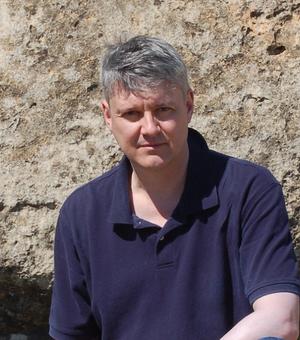
Simon Swain is Professor of Classics and Greco-Arabic at the University of Warwick, concurrently serving as Vice-President (Engagement) at the university and Vice-President (Research and Higher Education Policy) at the British Academy. His leadership roles include former positions as Pro-Vice-Chancellor (International), Chair of the Faculty of Arts, and multiple terms as Head of the Department of Classics. His educational background includes: MA, Oxford (Pembroke College), 1980-1984 D.Phil., Oxford (Wolfson College), 1987 Swain's research centers on the reception of Greek thought in the Islamic Middle Ages and the social-cultural history of the Greek East during the Roman period. He investigates the transmission of ancient Greek science, medicine, and political thought into Islamic scholarship, employing interdisciplinary approaches that bridge Classics, History, and Islamic Studies. His work emphasizes textual transmission, cultural adaptation, and the socio-political contexts of knowledge transfer. Analysis of his publications reveals consistent engagement with Greco-Roman intellectual history and its Islamicate legacy. Key thematic trajectories include the evolution of medical knowledge from Galen to medieval Arabic texts, political theory in imperial contexts, and sociolinguistic dynamics of bilingualism. His editorial projects demonstrate increasing focus on cross-cultural transmission, particularly through critical editions of foundational texts like Ibn Abī Uṣaybiʿah's medical biographies. His honors include: Fellow of the British Academy (2015) Wellcome Trust Collaborative Investigator Award Swain supervises postgraduate research in Greek world studies, late antiquity, and Greco-Arabic scholarship. He has secured major funding from AHRC, Leverhulme, Wellcome, and EU bodies for collaborative projects examining ancient knowledge systems. Current initiatives like the "Streamlining Galen" project support early-career researchers while investigating how canonical medical texts were adapted for medieval Islamic pedagogy. He actively leads research collectives including the "Streamlining Galen" project team, which analyzes condensed medical texts that facilitated the teaching of Galenic medicine in medieval Islamic institutions. His collaborative approach extends to mentoring networks that connect Warwick with international scholars across Classics and Islamic Studies disciplines.
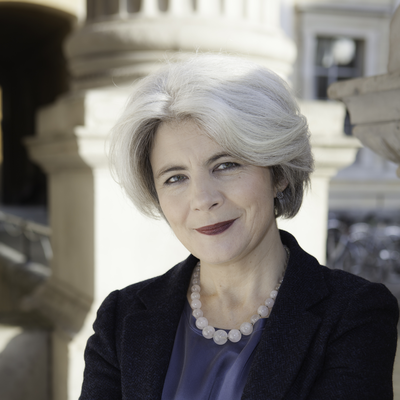
Giulia Maltagliati serves as a College Associate Professor in Classics and Fellow at Downing College, University of Cambridge, where she also holds the position of Director of Studies for Prelims and Part IA in Classics. Additionally, she is an Honorary Research Fellow at the Centre for Oratory and Rhetoric, Royal Holloway, University of London. Her academic background includes an MA from the University of Pisa and a PhD from Royal Holloway, University of London. She is an Associate Fellow of the Higher Education Academy (AFHEA). Dr. Maltagliati specializes in Greek prose, with a particular focus on Attic oratory, rhetorical theory, and ancient medical texts. Her research interrogates the role of rhetoric at the junction between knowledge and ignorance, positioning rhetoric not as a mere accessory but as a fundamental medium for articulating knowledge and its limits. Current projects include her monograph The Rhetoric of Exemplarity in Attic Oratory: Time, Knowledge, and Persuasion and the co-edited volume Not Knowing in Antiquity: Discourses of Ignorance in the Greco-Roman World , which is the first study of its kind on ignorance in antiquity. Her recent scholarly output (2020-2023) demonstrates a consistent engagement with the interplay of rhetoric, knowledge, and historical examples in ancient texts. Articles span topics from transparency in medical and forensic texts to the emotional dimensions of historical exemplarity in deliberative oratory, reflecting a broad interdisciplinary approach that bridges Classics, Rhetoric, and the History of Science. She has been recognized with the George Grote Prize in Ancient History from the Institute of Classical Studies (London) for her doctoral research. In her teaching role, Dr. Maltagliati supervises undergraduate students in Greek and Latin language and literature, and delivers lectures on Greek literature (including Gorgias’ Encomium of Helen ) and history (such as "Constructing Sex and Gender") for the Cambridge Faculty of Classics. She also contributes as an invited lecturer to the Royal Holloway MRes programme in Ancient Rhetoric. As an Honorary Research Fellow at the Centre for Oratory and Rhetoric, Royal Holloway, she is actively involved in research networks focused on ancient rhetoric.
Simon Hayhoe is a Reader in Education at the University of Exeter's School of Education and an Associate of the Scottish Sensory Centre, University of Edinburgh. His work focuses on sensory impairment, ageing, inclusive technologies, and participatory research methodologies. He has held roles at the University of Bath (2016-2023), Canterbury Christ Church University, and Sharjah Women’s College, UAE. His research has been supported by a Horizon 2020 grant and a Fulbright Fellowship, among others. Education: PhD in Education (University of Birmingham, 2006), PGCE in Secondary Technology (University of Bath, 1997), MEd (University of Leicester, 1995), BA in Technical Communication (Coventry Polytechnic, 1993). His research interests include sensory impairment philosophies, accessible museum technologies, and inclusive education policies. Notable projects include the ARCHES initiative on cultural heritage accessibility and the Sound Pad Project, which co-created inclusive technologies with marginalized communities. He has delivered keynotes at institutions like MIT, Harvard, and the Metropolitan Museum of Art, and serves on editorial boards for journals such as British Journal of Visual Impairment and Discover Global Issues . His awards include the Fulbright Scholarship and fellowships from the British Computer Society and Metropolitan Museum of Art.
Eileen Murphy is a Professor in the School of Natural and Built Environment at Queen's University Belfast, where she is a leading figure in bioarchaeology and community archaeology. She is actively involved in research, teaching, and public engagement, with a focus on human remains, burial practices, and the archaeology of childhood and the Irish diaspora. She is Co-Director of the Centre for Community Archaeology and Chair of the University's Scholarships and Awards Group. Education: PhD in Archaeology (specific institution and year not provided in text) Additional degrees inferred through academic rank and research output, though not explicitly stated Her research interests center on bioarchaeology , particularly the biocultural analysis of Irish and Eurasian populations, deviant and minority burial practices, children's burial grounds (cillini), and the archaeology of childhood and the Irish diaspora. She is deeply committed to community archaeology , exemplified by her leadership in the Community Archaeology Programme Northern Ireland (CAPNI). Her work bridges scientific analysis and public engagement, contributing to sustainable development goals related to inclusive heritage and education. The 15 most recent publications reflect a consistent trajectory in osteoarchaeology , palaeopathology , and ethical archaeology , with increasing interdisciplinary work in medical geology and biomechanics. Themes include disability in the past, environmental health impacts, and the social dimensions of burial. Her outputs span scholarly journals, books, and public-facing media, demonstrating a strong commitment to knowledge dissemination. Scientific Awards and Recognitions: QUB Staff Excellence Award for Community Impact (2020) British Archaeological Award for Best Scholarly Book (2008) County Heritage Award (2021) Listowel Writer’s Week Nilsson Local Heritage Writing Award (2023) QUB Students' Union Most Involved Teaching Staff Member (2017) Fellow of the Society of Antiquaries of London Vice-President, Ulster Archaeological Society Chair, EAA Belfast 2023 Scientific Committee Elected Member, Royal Irish Academy (2025) Eileen Murphy has supervised numerous PhD students, both currently and in the past, covering diverse topics from Neolithic mortuary rites to medical geology. She has secured significant research output and public engagement through projects like the Ballyhanna and Ranelagh excavations. Her administrative roles include co-directing research centers and leading university committees, reflecting her leadership in both research and institutional service. She is actively involved in public outreach, including podcasts, media interviews, and science festivals, particularly through CAPNI. Her work with the Belfast Mummy (Takabuti) and the Forgotten Cemetery project highlights her ability to connect academic research with public interest. She leads major collaborative efforts across Ireland and internationally, fostering networks in archaeological research and education.
Professor Andrew Meadows is a Professor of Ancient History and Fellow and Tutor in Ancient History at New College, University of Oxford. He holds an MA, AM, and DPhil. His academic career includes roles as Curator of Greek Coins at the British Museum, Deputy Director of the American Numismatic Society, and Director of the Centre for the Study of Ancient Documents. His research focuses on Hellenistic history, numismatics, and epigraphy, with a particular emphasis on applying Linked Open Data methodologies to numismatic and epigraphic research. Key research projects include the CHANGE Project (studying ancient Anatolian monetary systems), the Nomisma project (digital numismatic data), and collaborative initiatives like the ARCH project and the Oxford Paris Alexander Project (OPAL). He has curated major exhibitions and published extensively, including works on coin hoards, Sylloge Nummorum Graecorum volumes, and studies on civic countermarks and regional coinage systems. Education: MA, AM, DPhil Roles: Fellow and Tutor at New College, Director of Centre for the Study of Ancient Documents Awards: Honorary Curator at the Ashmolean Museum (2015), Metcalf Lecturer (2014/5) His advisory work includes roles with the Royal Numismatic Society, the British Academy’s SNG Committee, and the International Numismatic Council. Current projects explore numismatic data integration, maritime archaeology collaborations (e.g., excavations at Herakleion), and the coinage of Alabanda in Caria.
Prof Catharine Edwards holds the position of Professor of Classics & Ancient History at Birkbeck, University of London, within the School of Historical Studies. She specializes in Roman cultural history, Latin literature (particularly Seneca and Cicero), and the reception of antiquity in 19th-century European culture. She earned her PhD from the University of Cambridge and is a Fellow of the British Academy (2021). Research Interests: Subjectivity, gender, and self-construction in ancient texts Roman cultural history with focus on late Republic/early Principate Reception studies, especially 19th-century interpretations of Rome Teaching & Supervision: Leads modules on Roman history, Latin literature, and classical reception. Currently supervises 5 PhD students including Alex Smith (Ovid's Heroides commentary) and Andrew Regan (classical receptions in Burton/Browne). Notable alumni include Alexandra Atkins (classical portrait busts in 18th-century country houses). Key Contributions: Authored/edited major works such as Seneca: Selected Letters (2019), Roman Presences (2007), and Death in Ancient Rome (2007). Her research bridges ancient texts with modern cultural formations, exploring how classical antiquity shapes later identities.
Inna Kupreeva is a Senior Lecturer in Philosophy at the University of Edinburgh's School of Philosophy, Psychology and Language Sciences. She joined the department in 2005 after holding research fellowships at King's College London and Oxford, and lectureships at Canadian universities. Her academic background includes a B.A. and M.A. from Moscow State University and a Ph.D. from the University of Toronto's Collaborative Programme in Ancient and Medieval Philosophy. Education B.A. in Philosophy, Moscow State University (1986) M.A. in Philosophy, Moscow State University (1990) Ph.D. in Philosophy, University of Toronto (1999) Research Interests Kupreeva specializes in ancient Greek philosophy, particularly Aristotle and the Aristotelian tradition, with additional focus on Platonism and Stoic philosophy. She also explores medieval philosophy, early Byzantine thought, and Greek philosophy in Arabic sources. Her work examines ancient theories of mind, matter, ethics, and science, often analyzing commentaries on Aristotle. Advising & Grants She currently supervises PhD students including Konstantinos Kravaritis and Juan Pablo Mira. Kupreeva has directed MSc programs in Ancient Philosophy and secured grants for projects like the digital critical edition of ancient texts and conferences on perception theories in Greek and Arabic philosophy. Labs/Teams She co-leads interdisciplinary reading groups in Classical Arabic, Latin, and Greek philosophy, collaborating with colleagues from Classics, IMES, and Divinity. These groups foster advanced textual analysis across ancient and medieval traditions.
Professor David Wright is a Professor of Health Services Research and Head of the School of Healthcare at the University of Leicester, and a Professor of Clinical Pharmacy at the University of Bergen, Norway. He is renowned for his contributions to healthcare education, winning Chancellor’s Awards for Teaching at two previous institutions. His research focuses on optimizing medicines for older adults, particularly in care home settings, dysphagia management, and pharmacogenomics. He has authored three books, contributed to multiple academic publications, and pioneered national guidelines for dysphagia. His work includes developing the swallowingdifficulties.com platform and the 'Pharmaquest' app to support healthcare professionals. With over £8M in research funding and 15 completed PhD supervisions, he chairs national pharmacy practice reviews and develops MOOCs on medicines management and complex interventions. Education: Details not explicitly provided in text. Research Interests: Optimizing geriatric pharmacology, dysphagia treatment protocols, pharmacogenomics applications, and pedagogical strategies for pharmacist training. Awards: Multiple teaching accolades and leadership in national healthcare guidelines. Grants: £8M+ as Principal Investigator, with focuses on intervention trials and healthcare system improvements. His research methodologies emphasize complex intervention evaluations, including systematic reviews and randomized trials. The swallowingdifficulties.com resource and Pharmaquest app reflect his commitment to translational research impacting clinical practice. He collaborates internationally, evidenced by his dual academic roles and cross-disciplinary projects.
Dr. Regine May is Associate Professor in Latin Language and Literature at the School of Languages, Cultures and Societies, University of Leeds, Faculty of Arts, Humanities and Cultures. She is actively engaged in research and teaching in Latin literature, ancient drama, and the Latin novel, particularly Apuleius and Petronius, with a strong focus on intertextuality and classical reception. Her educational background includes a degree in Latin and English from the University of Trier, a year at Jesus College, Oxford, and a DPhil from Corpus Christi College, Oxford. She previously held academic positions at the Universities of Manchester, Durham, and Merton College, Oxford, before joining Leeds in 2006. Her research interests span ancient drama , Latin novel , Apuleius , Petronius , Plautus , reception of classics , women in ancient literature , and ancient medicine . She has published extensively, including major works such as Apuleius and Drama: The Ass on Stage (2006), a lemmatised concordance on Cornelius Nepos (2006), and a commentary on Apuleius Metamorphoses Book 1 (2013). She is currently completing an edited volume on the reception of Cupid and Psyche and co-authoring another on Apuleius’ reception, alongside a new translation of Cupid and Psyche . The recent publications reflect a consistent focus on classical reception, intertextuality, and narrative structure in Latin prose, particularly Apuleius. Her scholarly output bridges philology, literary theory, and gender studies, with increasing attention to the modern legacy of ancient myths. Scientific Awards: No awards explicitly mentioned. Dr. May has supervised numerous PhD and Master’s students on topics including Latin epic, ancient magic, Apuleius, Thyestes in drama, and witchcraft. She teaches advanced Latin language, Latin poetry, Roman comedy, and reception of Classics. She is affiliated with research groups in Classics , Gender , Theatre, Music and Performance , and Centre for World Literatures . She welcomes PhD enquiries and is involved in postgraduate research supervision and curriculum development. She is also active in scholarly communication with profiles on ORCID and Twitter .
Dr April Pudsey is a Reader in Roman History and Deputy Director at Manchester Metropolitan University's interdisciplinary Manchester Centre for Youth Studies . Her work focuses on children's and women's lives in Graeco-Roman Egypt through papyrology and material culture analysis, connecting ancient childcare practices to broader demographic and environmental patterns. Key research areas: Roman Egypt, child slavery, breastfeeding practices, ancient demography Leadership roles: Founding Chair of Post92classics, Co-Chair of Women's Classical Committee Major grants: €280,000 Marie-Sklodowska Curie Fellowship (2021-23), AHRC £380,000 project co-Investigator Her Children of Oxyrhynchos book (Palgrave MacMillan, 2025) synthesizes research on youth cultures from thousands of papyri. She also served as Historical Consultant for Ladybird Books and Hachette Children's Group publications. Recent publications span topics including: 2023 : Global history of youth 2022 : Enslaved children's experiences 2021 : 3D-replicated Roman musical instruments 2017 : Disability studies in antiquity Scientific awards include: Leverhulme Early Career Fellowship (2009-11) AHRB Studentships (2001-2006, 2003-06) External examiner roles at Exeter University and Birkbeck College
Professor Peter Pormann is a Professor of Classics & Graeco-Arabic Studies at the University of Manchester's Classics, Ancient History & Egyptology department. His research focuses on the transmission of Greek medical and scientific knowledge into the Islamic world, with a particular emphasis on Syriac and Arabic translations. He leads interdisciplinary projects combining digital humanities with textual recovery, most notably the Syriac Galen Palimpsest project using multispectral imaging. Pormann holds a D.Phil from the University of Oxford and has taught at multiple institutions globally. Education: Studied Classics, French, and Islamic Studies at Sorbonne (Paris), Hamburg, and Tübingen. Earned MA in Islamic Studies at Leiden University, and M.Phil/D.Phil in Classics at Oxford. Research Interests: Investigates Graeco-Arabic intellectual exchanges, medieval medical practices, palimpsest analysis, and digital preservation of ancient texts. Key topics include Galenic commentaries, Arabic medical literature, and hospital systems in early Islamic Baghdad. Projects: Co-PI on the British Academy-funded Syriac Galen Palimpsest project (2015–2020), and the AHRC-funded Arabic Commentaries on Hippocratic Aphorisms (2012–2017). Developed GalenQt, a multispectral imaging tool for ancient manuscripts. Media Impact: Featured in BBC Radio 4's 'In Our Time,' The New York Times, and international media for discoveries in ancient medical texts. Publicly engages with topics like mental health history and intercultural knowledge transfer. Labs/Teams: Collaborates with the John Rylands Research Institute and the University of Manchester's Digital Futures initiative. Works with international teams on multispectral imaging and textual restoration projects.
Prof Elizabeth Mary Craik is an Honorary Professor in the School of Classics at the University of St Andrews. Her work focuses on ancient medicine, classical texts, and Greek mythology. She has contributed extensively to understanding Hippocratic medical treatises, comparative studies of ancient medical systems, and the intersection of myth and medicine in classical literature. Research Interests include: Ancient medical texts (e.g., Hippocratic Corpus) Medical history and terminology Greek mythology and its influence on classical drama Comparative studies of Eastern and Western medical traditions Her publications analyze topics such as environmental factors in the Black Sea region's ethnic identity, the role of medical narratives in Euripidean tragedies, and the textual transmission of Hippocratic works. She has also explored concepts of life and death in ancient medical lexicons. Craik’s work bridges disciplines, combining philological rigor with historical and anthropological perspectives to illuminate the interplay between medicine, culture, and literature in antiquity.
Michael D. Swartz is a Professor in the Department of Biblical and Judaic Studies at The Ohio State University. His research focuses on the cultural history of Judaism in late antiquity, rabbinic studies, early Jewish mysticism, and ritual practices. He has authored or co-authored influential works such as The Mechanics of Providence (2018) and Scholastic Magic (1996), exploring themes of ancient Jewish magic, mysticism, and ritual symbolism. His research interests include the intersection of textual and non-textual sources of meaning in ancient Judaism, early mystical prayer traditions, and the socio-historical context of magical practices. Dr. Swartz has also contributed to the Encyclopedia of Religion as Associate Editor for Judaica, reflecting his expertise in Jewish religious thought. Current projects include a study on the history of sacrificial ideas in post-biblical Judaism. He has collaborated with scholars like Joseph Yahalom on critical editions of ancient texts, including Avodah: Ancient Poems for Yom Kippur (2005). His work bridges historical analysis with theological inquiry, offering interdisciplinary insights into late antique Jewish culture.
Dr. Marc Haber is an Associate Professor in the Department of Cancer and Genomic Sciences at the University of Birmingham, where he leads the Human Genome Diversity group and directs the Health Data Science Programme at the Dubai campus. His work focuses on understanding human genetic variation across populations, particularly those historically underrepresented in genomics research. University: University of Birmingham School: College of Medical and Dental Sciences Department: Department of Cancer and Genomic Sciences Role: Associate Professor, Group Leader, Programme Director Dr. Haber earned his PhD in Biomedicine from Universitat Pompeu Fabra, Barcelona, and holds BSc and MSc degrees in Molecular Biology from Lebanese American University. His postdoctoral research was conducted at the Wellcome Sanger Institute under Chris Tyler-Smith. PhD: Biomedicine, Universitat Pompeu Fabra, Barcelona MSc & BSc: Molecular Biology, Lebanese American University His research lies at the intersection of population genetics, bioinformatics, and health data science. He investigates human migration, admixture, adaptation, and disease susceptibility using both modern and ancient DNA. His group prioritizes populations from the Middle East, North Africa, South Asia, and the Caucasus, integrating genetic data with historical, archaeological, and health records to reconstruct human evolutionary history and its medical implications. His recent publications reveal a strong trend in ancient DNA analysis, particularly from the Near East and Africa, with a focus on reconstructing population continuity, admixture events, and adaptive responses to environmental pressures such as agriculture and disease. His work spans human evolution, medical genomics, and the development of computational tools for analyzing large-scale genomic datasets. Dr. Haber has not received specific scientific awards mentioned in the text, but his work has been featured in top-tier journals including Cell , Nature , Science , and The American Journal of Human Genetics , and covered by major media outlets such as The Guardian , The New York Times , and National Geographic . He actively mentors graduate students and advises research projects in population genomics. He has secured funding to support his research group and has established a new MSc programme in Health Data Science at the Dubai campus. His team includes members working on East Asian demography, T2D genomics, ancient DNA methods, and South Asian ethnic diversity. Dr. Haber leads the Human Genome Diversity group, which uses cross-disciplinary approaches combining genetics, bioinformatics, and historical data to study human population structure and disease risk. The group has been instrumental in generating the first ancient DNA data from Eastern Arabia and has made significant contributions to understanding the genetic legacy of the Crusaders, Canaanites, and Armenian origins.