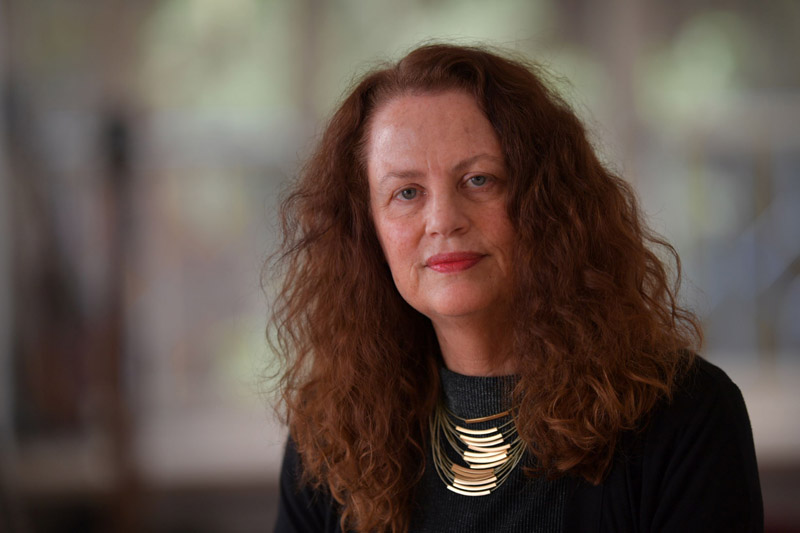
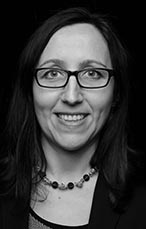
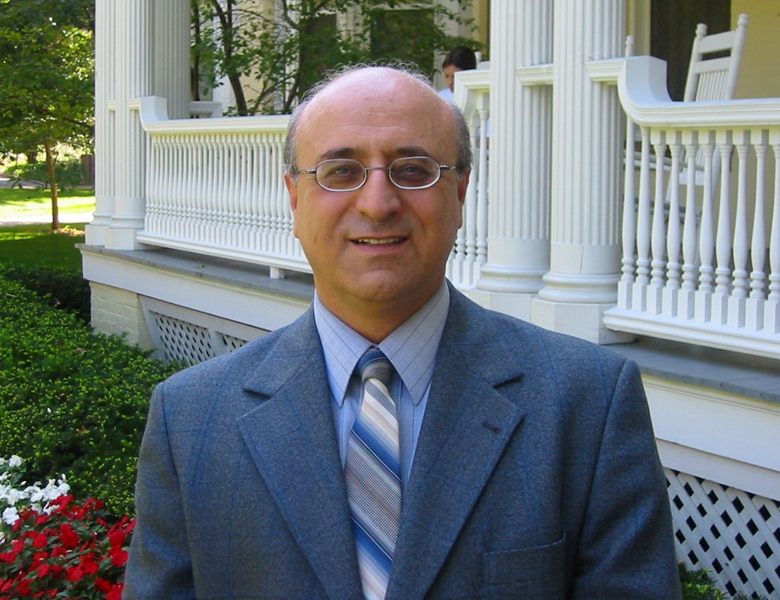
Birgit Öhlinger is a Research Associate and Co-Excavation Director of the Monte Iato Project at the Leopold Franzens University of Innsbruck . Her work focuses on the archaeology of the ancient Mediterranean, particularly social transformation processes in cultural contact zones and identity formation through material culture, with a regional emphasis on Sicily. Education: Doctoral studies in Classical and Provincial Roman Archaeology (2010–2014), University of Innsbruck Master’s in Ancient History and Classical Studies (2005–2009), University of Innsbruck Master’s in Classical and Provincial Roman Archaeology (2002–2008), University of Innsbruck Research Interests: Öhlinger specializes in the archaeology of cultural contact zones, ritual and religious practices, and ceramic studies in the Archaic Mediterranean. Her methodological expertise includes digital excavation documentation, experimental archaeology, and material culture analysis, particularly focusing on Monte Iato in Western Sicily. Recent Publications: Her work examines technological choices in local ceramic production, neutron activation analysis applications in Mediterranean archaeology, and ritual consumption practices. She has contributed to debates on cultural hybridity, social identity, and the role of sanctuaries in elite formation. Awards: Anniversary Prize of Böhlau Verlag Vienna (2015) Prize of the Principality of Liechtenstein (2015) Merit Scholarship (2003–2007), University of Innsbruck Doctoral Scholarship (2013–2014), University of Innsbruck Professional Activities: Öhlinger leads projects like "Monte Iato Pots - Experimental Study on Organic Residue Analysis" and "Crime Scene Monte Iato around 500 BC: Microbiological Forensics" . She organizes international conferences and contributes to public outreach through media appearances and exhibitions.
Paolo Poccetti is a full Professor of Comparative Philology at the University of Rome 2 'Tor Vergata' since 1990 and an Associated Professor of languages of Ancient Italy at the University of Naples 'L'Orientale'. His research focuses on Greek, Latin, and fragmentarily attested languages of ancient Italy, with a particular emphasis on comparative philology. Member of Societa Italiana di Glottologia Member of Société des Etudes Latines (Paris IV-Sorbonne) Member of Istituto di Studi Etrusclzi Member of Société de Linguistique de Paris Member of Indogermanische Gesellschaft Poccetti’s publications explore epigraphy, linguistic analysis, and cultural practices in ancient Italy. His recent work addresses synchronic procedures in Sabellic poetic texts, inscribed bronze tablets like the Tabula Bronzea di Roccagloriosa , and semantic-pragmatic relations in adversative structures. He has co-authored extensively on coordinative syntax, negation types, and theonomics in ancient Italic languages. As editor, he has curated the Ricerche sulle lingue di frammentaria attestazione series and proceedings of international conferences on ancient Italic onomastics. His research bridges historical linguistics, epigraphy, and cultural archaeology, offering critical insights into the linguistic diversity of pre-Roman Italy.
Olivier Hekster is a Professor in Ancient History at Radboud University Nijmegen, where he has been a faculty member since 2004. He serves as Chair of Ancient and Medieval History and is affiliated with the Radboud Institute for Culture and History. Hekster is an elected member of the Royal Netherlands Academy of Arts and Sciences (KNAW) since 2020 and has held prestigious fellowships including the Humboldt Fellowship (2012-2013) and WWU Fellowship at Münster (2020-2021). He previously served as Director of the Institute for Historical, Cultural and Literary Studies (2015-2019) and Head of the History Department (2010-2012). Hekster's educational background includes: PhD in Roman History (cum laude), Radboud University Nijmegen, 2002 MA in Roman History (with distinction), University of Nottingham, 1998 MA in Ancient History (cum laude), Radboud University Nijmegen, 1997 Erasmus student at Terza Università di Roma, 1995 Hekster's research focuses on Roman history, particularly the impact of the Roman empire in its wider world. His primary interests include the power and imagery of Roman emperors, dynastic power and self-representation, Roman emperorship, Late Antiquity, the city of Rome, Roman numismatics, and theater and gladiatorial games in antiquity. He approaches these topics through interdisciplinary methods, examining how traditions influence new systems of rule and how power is communicated, contested, and accepted in changing societies. His work bridges historical analysis with contemporary questions about leadership, tradition versus innovation, and ancient globalization. Analysis of Hekster's publications reveals a consistent focus on Roman imperial power structures, with particular attention to how emperors established legitimacy through tradition while navigating political change. His work spans from early imperial periods through Late Antiquity, with increasing attention to methodological questions about historical contingency and scale. The interdisciplinary nature of his research is evident in collaborations with computer scientists on facial recognition of emperors and with numismatists on coinage analysis. His scholarship demonstrates a progression from specific case studies of individual emperors toward broader theoretical frameworks for understanding imperial transformation. Hekster has received numerous prestigious awards and grants: 2017 Ammodo KNAW Award for Humanities 2016-2021 NWO VICI grant: 'Constraints and Tradition. Roman power in changing societies (50 BC – AD 565)' 2017 GRAVITATION grant for the program Anchoring Innovation 2012-2013 Alexander von Humboldt Fellowship 2009-2014 NWO Open competition Humanities grant 2003 Keetje Hodshon Prize for best historical dissertation Hekster has led significant research initiatives including the GRAVITATION program 'Anchoring Innovation' and the NWO VICI project 'Constraints and Tradition.' As chair of the international Impact of Empire network since 2006, he has fostered collaborative research across institutions. His grant success demonstrates the high regard for his methodological innovations in connecting ancient history with contemporary theoretical questions. While specific student advisees aren't listed in the provided materials, his leadership roles suggest extensive mentorship of junior scholars through the Impact of Empire network and departmental responsibilities. Hekster chairs the international Impact of Empire network, which connects scholars studying the Roman Empire's influence. He has also been instrumental in establishing interdisciplinary research frameworks through the 'Anchoring Innovation' program, which examines how societies integrate novelty while maintaining tradition. His work bridges traditional historical scholarship with digital humanities approaches, as evidenced by his collaboration on facial recognition methodologies for identifying Roman emperors.
Tiago de Oliveira Pinto is a Brazilian academic and UNESCO expert in Intangible Cultural Heritage, currently serving as Professor and Chair of Transcultural Music Studies at Hochschule für Musik Franz Liszt Weimar and Friedrich-Schiller-Universität Jena since 2009. His career spans institutions across Brazil, Germany, and the USA, including full professorships in Anthropology at Universidade de São Paulo (1989-2006) and visiting scholar positions at Harvard University (2013-2014). Key affiliations: German UNESCO Commission (2013-present), Bibliothek Brasiliana Mindlin (since 2008) Former roles: Director of Brazilian Cultural Institute in Germany (1996-2002), President of Brazilian Ethnomusicological Association (2004-2007) His research focuses on transcultural music phenomena, Afro-Brazilian musical traditions, and the intersection of music with globalization and religious practices. He has pioneered fieldwork in Brazil's Recôncavo region and Central Asia, contributing to debates on heritage preservation. Scientific contributions include co-developing global music databases and curating ethnographic collections. His recent publications analyze samba's heritage status, transcultural music pedagogy, and African-Brazilian musical affinities. Notable awards: Visiting Scholar at Harvard University, leadership roles in international ethnomusicology associations
Alessandro Bausi is a Full Professor of Ethiopian Studies at Sapienza University of Rome, Faculty of Humanities, since November 2023. Previously, he held the position of Full Professor (W3) at the University of Hamburg’s Asien-Afrika-Institut (2009–2023) and served as Director of the Hiob Ludolf Center for Ethiopian Studies. He has extensive academic leadership roles, including editorships of Aethiopica journal and series like Aethiopistische Forschungen . His research focuses on Ethiopian and Eritrean textual traditions, ancient scribal practices, and manuscript cultures, with notable projects like the ERC-funded 'TraCES' and Hamburg’s 'Beta maṣāḥǝft.' Education: MA (1988, University of Florence), PhD (1992, Naples Oriental Institute). He has held academic appointments since 1995, progressing from Assistant to Full Professor roles in Naples, Hamburg, and now Rome. His research interests span Aksumite history, Ethiopic philology, apocryphal texts, and medieval manuscript studies. He has secured major grants and is a member of prestigious academies, including the Accademia Nazionale dei Lincei and Academia Europaea. Notable awards include the ERC Advanced Grant (2013) and the Giorgio Maria Sangiorgi Prize (2005). He leads interdisciplinary projects on Christian Ethiopian/Eritrean scribal culture and serves as a consultant for international scholarly series. Professional roles include Co-Spokesperson of the Hamburg Cluster of Excellence on Manuscript Cultures (2019–2023) and editorial roles in major journals. His work bridges textual criticism, epigraphy, and digital humanities in African studies.
Ilana Pardes serves as the Katharine Cornell Professor of Comparative Literature at The Hebrew University of Jerusalem and directs the Center for Literary Studies. She has held significant academic positions including Assistant Professor at Princeton University (1990-1992), Visiting Professorships at UC Berkeley (1996, 2006) and Harvard University (2012), and prestigious fellowships at Hebrew University's Institute for Advanced Studies, Scholion Research Center, University of Pennsylvania's Center for Judaic Studies, and Princeton's Humanities Council. Her research centers on the intersection of Bible, literature, and culture with emphasis on aesthetics and hermeneutics. Key areas include feminist biblical criticism, literary approaches to religious texts, modern Hebrew literature, and the cultural history of biblical interpretation. Her methodology uniquely bridges literary theory, psychoanalysis, and gender studies to examine how ancient texts function within contemporary cultural frameworks. Pardes' publications reveal a sustained exploration of biblical reception history, particularly focusing on migration narratives, erotic literature, and national identity formation. Her recent works demonstrate increasing engagement with interdisciplinary approaches connecting religious texts to modern ethical dilemmas and cultural phenomena. Fellow at Hebrew University's Institute for Advanced Studies (2005-2006) Fellow at Scholion Research Center (2008-2011) Fellow at University of Pennsylvania's Center for Judaic Studies (2009) Fellow at Princeton's Humanities Council (2017) Five consecutive Israel Science Foundation grants (2005-2026) As Director of the Center for Literary Studies and Institute of Literature, Pardes leads major research initiatives in literary theory and biblical reception studies. Her current Israel Science Foundation grant (2022-2026) supports ongoing work at the Hebrew University, continuing her legacy of securing substantial research funding for interdisciplinary humanities projects.
Professor Federico Santangelo (Newcastle University) is a leading scholar in Ancient History , specializing in the political and intellectual history of the Roman Republic, Roman religion, and classical scholarship. He has held positions at Newcastle since 2009, including Professor of Ancient History (2018-present). PhD, University College London (2006) Licenza, Collegio Superiore, Bologna (2002) Laurea, Università di Bologna (2002) Research Focus: Santangelo's work centers on Roman Republic governance, Roman religion (especially divination and civic rituals), classical historiography (including modern interpretations of antiquity), and municipal administration in Roman territories. His recent projects explore the intersection of political ideology and religious practices , with comparative studies on Napoleonic and Roman imperial models . Publications: Over 15 peer-reviewed articles in journals like Classical Quarterly , Greece and Rome , and Transactions of the American Philological Association , plus 9 monographs and 15 edited volumes. Notable works include Divination, Prediction and the End of the Roman Republic (CUP, 2013) and La religione dei Romani (Laterza, 2022). Scientific Awards: Fellow of the Society of Antiquaries of London (2019) Senior Fellow of the Higher Education Academy (2019) Fellow of the Royal Historical Society (2017) Cavaliere dell'Ordine della Stella d'Italia (2017) Fellow of the Higher Education Academy (2013) Academic Leadership: Grant recipient for projects mentoring Dr. J. Bastos Marques (BA Newton Fellowship), Dr. I. Matijašić (Research Excellence Academy), and Dr. K. East (Leverhulme ECF). Serves on the Arts and Humanities Panel (British Council) and as peer reviewer for international funding bodies.
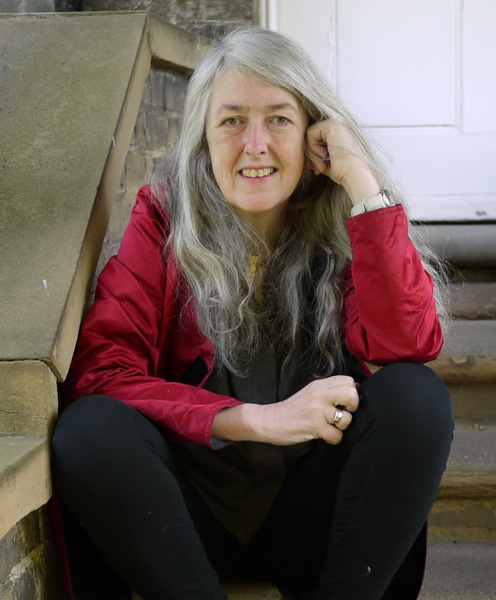
Mary Beard is a distinguished Professor of Classics at the University of Cambridge, affiliated with the Department of Classics. She has held significant roles since 1984, including Fellow of Newnham College and University Lecturer. Her research focuses on Roman archaeology, history, art history, and the history of religion. Beard’s academic contributions span influential publications like *SPQR: A History of Ancient Rome* (2015) and *Pompeii: The Life of a Roman Town* (2008). She has been honored with prestigious awards such as the Princess of Asturias Prize (2016), OBE (2013), and Fellow of the British Academy (2010). Her work bridges academic and public engagement, including BBC documentaries and blogs. Key Positions: Professor of Classics (2004–present), Reader in Classics (1999–2004), Fellow of Newnham College (1984–present). Research Themes: Roman social and political history, archaeology, and classical reception. Her publications explore Roman daily life, art, religion, and the cultural legacy of antiquity. Beard advocates for accessible classical scholarship, blending rigorous academic research with public outreach.
Corinne Bonnet is a Professor of Greek History at the University of Toulouse, France, since 2003. She has held academic positions in multiple countries, including Belgium, Italy, and Germany, focusing on Ancient Near Eastern History prior to her current role. As head of the research team ERASME , she oversees the journal Anabases. Traditions et réceptions de l'Antiquité (22 issues published). PhD in Ancient History (University of Liège, 1987) Habilitation in France (2002) Her research centers on cross-cultural interactions in antiquity, particularly between the 'West' and 'East,' with a focus on religious dynamics. She has contributed to the history of scholarship through studies of Altertumswissenschaft and intellectual networks in 19th-20th century Europe. Scientific Awards Edmond Faignan Prize (1988) Humboldt Fellowship (1990-1991) Henri Pirenne Prize (19997) Member of the Institute for Advanced Study (2009) Institut Universitaire de France Senior Membership (2010-2015) Correspondant étranger, Académie des Inscriptions et Belles-Lettres (2012) Franz Cumont Prize (2015) Doctorate honoris causa (University of Lausanne, 2016) ERC Advanced Grant (2017) She has supervised 16 PhD students (6 completed, 10 ongoing) and collaborated internationally to create the European Master in Classical Studies. Her bibliography includes 34 books and 161 articles in multiple languages.
Nicholas John Sims-Williams is Research Professor of Iranian and Central Asian Studies at the School of Oriental and African Studies (SOAS), University of London, where he has maintained continuous academic employment since 1976. His career progression includes positions as Lecturer in Iranian Languages (1976), Reader in Iranian Studies (1989), Professor of Iranian and Central Asian Studies (1994), Professorial Researcher (2008-2011), and his current role as Research Professor (2012-present). His educational background includes studies in Old and Middle Iranian languages, Sanskrit, Syriac and historical linguistics at Cambridge University, where he completed his PhD under Dr. Ilya Gershevitch. His doctoral thesis, an edition of a fragmentary manuscript containing Christian texts translated from Syriac into Sogdian, was published as The Christian Sogdian manuscript C2, Berlin 1985 and awarded the Prix Ghirshman of the Institut de France. Professor Sims-Williams' research interests focus on Middle Iranian languages of Eastern Iran and Central Asia, with particular expertise in Sogdian and Bactrian languages. His scholarly work equally emphasizes the linguistic structures of these Indo-European languages and their Central Asian cultural context, examining the complex interplay of languages, cultures, and religions in the region. His teaching has covered seven Iranian languages (Avestan, Old Persian, Middle Persian, Parthian, Bactrian, Sogdian and Khotanese) along with Syriac. His extensive honors reflect his standing in the academic community, including Fellowship in the British Academy, membership in multiple international academies, and prestigious research fellowships. Notable positions include Chairman of the Ancient India and Iran Trust and Vice-President of the Union Académique Internationale. Professor Sims-Williams has held visiting professorships at leading institutions worldwide including the Collège de France, Harvard University, and the University of Rome "La Sapienza," demonstrating his international recognition as a leading scholar in his field.
Michael Tschurtschenthaler is an Assistant Professor at the Institute of Archaeology, University of Innsbruck, specializing in Roman archaeology with a particular focus on the ancient Roman settlement of Aguntum in East Tyrol, Austria. His work combines field excavation, historical research, and public outreach to advance understanding of Roman provincial life in the Alpine region. Dr. Tschurtschenthaler's research primarily centers on the Municipium Claudium Aguntum, one of the northernmost Roman cities, where he has led extensive excavations since the early 2000s. His work examines Roman urban planning, public architecture (particularly the forum), burial practices, cultural transfer between Mediterranean and Alpine regions, and the transformation of Roman settlements during the 3rd century crisis. He also conducts research at the Demeter Sanctuary in Policoro, Italy, exploring Greek and Roman religious practices. Analysis of Dr. Tschurtschenthaler's publications reveals a consistent focus on archaeological documentation of Roman sites in the Alpine region, with particular attention to urban development, architectural features, and cultural continuity. His work bridges field archaeology with public presentation, as evidenced by numerous publications in both academic journals and public-facing media. He demonstrates expertise in integrating geophysical survey methods with traditional excavation techniques to study challenging archaeological sites. Dr. Tschurtschenthaler maintains an active role in academic and public engagement, regularly presenting research findings at conferences and through media appearances. His work with the Curatorium pro Agunto Association demonstrates commitment to community involvement in archaeological preservation and interpretation. He has developed significant expertise in transforming archaeological sites into educational resources through the Aguntum Archaeological Park.
Katarina Nebelin is a Senior Lecturer at the Institute of History, Alpen-Adria-Universität Klagenfurt, since October 2020. She previously served as a Research Associate at the Heinrich Schliemann Institute for Classical Studies (University of Rostock, 2011–2020) and the Cluster of Excellence 212 'Religion and Politics' (University of Münster, 2008–2011). Doctorate in Ancient History (Technical University of Dresden, 2011) Master's degree in Ancient History, Philosophy, and Political Science (Universities of Greifswald and Dresden, 2002–2008) Her research focuses on: Ancient philosophical history and elite theory Political culture of Athenian democracy and the Roman Republic History of science and cultural history Reception history of antiquity Role of cults and sanctuaries in ancient state treaties
Alice Waldner is a Mag. Dr. Researcher and Group Leader of the 'Object Itineraries' research group at the Austrian Archaeological Institute (ÖAI), part of the Austrian Academy of Sciences (ÖAW). She specializes in pottery research and material culture studies of the Hellenistic to Byzantine periods, with a focus on the Eastern Mediterranean. Since 2003, she has been a core member of the Ephesos excavation team, leading ceramic research projects in Ephesus, Miletus, and other sites. Her academic background includes studies in Classical Archaeology and Provincial Roman Archaeology at the Universities of Vienna and Munich. She has held key roles such as Head of the 'Ceramic Studies' Working Group (2017–2020) and currently leads the 'Crossing the Sea' project. She is also the trusted representative for the Ephesos excavation since 2023. Research interests include ceramic typology, cultural connectivity, and socio-economic analysis through material culture. Her work integrates interdisciplinary approaches, such as archaeological surveys and ceramic analysis, to reconstruct ancient lifeways and trade networks. Notable contributions include studies on Ephesus’s urban development, ceramic chronology, and Hellenistic pottery production in Croatia. Publications span over two decades, with a focus on Ephesus’s material culture, Byzantine fine wares, and multi-period analyses of Anatolian sites. She co-edited the volume Manufacturers and Markets (2022), exploring Hellenistic pottery economies. Current projects emphasize transregional connections and archaeological data synthesis.
Isaac Kalimi is a distinguished Research Fellow at the Nelson Glueck School of Biblical Archaeology, Hebrew Union College (2019–present), Scholar-In-Residence at Trinity International University (2024–present), and Senior Fellow at the University of Chicago’s Center for Middle Eastern Studies (2022–present). He has held numerous academic positions globally, including Gutenberg-Research Professor at the University of Mainz (2013–2019), Professor at The Hebrew University of Jerusalem (2000–2002), and Visiting Professor at institutions like Northwestern University, Case Western Reserve University, and the University of Luzern. Education : B.A. and M.A. in Hebrew Bible and History of the Jewish People from the Hebrew University of Jerusalem (1978), Ph.D. in Ancient Near East Studies from the Hebrew University (1990), and post-doctoral studies at the University of Heidelberg (1989–1990). Kalimi’s research spans Hebrew Bible, Ancient Israelite History, Jewish-Christian Relations, and Biblical Archaeology. He has pioneered interdisciplinary and intercultural dialogues between Jewish and Christian academic communities, focusing on historical, theological, and literary intersections. His scholarly contributions include 32 monographs and edited volumes, over 100 peer-reviewed articles, and 50 entries in encyclopedias. Awards highlight his excellence in research, including the Franz-Delitzsch Prize (2019), Fulbright Distinguished Chair (2010), and Roifer Prize (2008). Scientific Awards : Bonn International Fellow – Excellence in Research (2024) Fulbright Distinguished Chair Award (2010) Franz-Delitzsch Prize (2019) R.B.Y. Scott Book Award (2006) World Sephardic Federation Prize (1988)
Jürgen Hammerstaedt is a Professor of Classical Philology and Papyrology at the University of Cologne's Institut für Altertumskunde since 2004. Previously, he held the Chair of Classical Philology (Greek) at Friedrich Schiller University Jena (2000-2004) and served as Substitute Professor of Latin at Universität Potsdam. His academic journey includes a doctorate (1988) and habilitation (1999) from Cologne University, with research stints at institutions like the Centro Internazionale per lo Studio dei Papiri Ercolanesi and Oxford's St John's College. Research focuses on literary papyri, ancient patristic literature, and Christian papyri, with expertise in ancient philosophy and epigraphy. Key works include studies on Diogenes of Oinoanda's Epicurean inscriptions and Apuleius' De Magia. He is a leading figure in papyrology, holding roles such as Director of the Arbeitsstelle für Papyrologie in Cologne and Vice-President of the Mommsen-Gesellschaft. Elected Ordinary Member of Northrhine-Westfalian Academy of Sciences (since 2010) Speaker (Sekretar) of the Class for Letters since 2018 Leadership roles include presidencies in the Mommsen-Gesellschaft, the Northrhine-Westfalian Academy, and international papyrology committees. His academic service spans DFG Graduate Schools, archaeological institutes, and editorial work on major reference projects like the Reallexikon für Antike und Christentum.