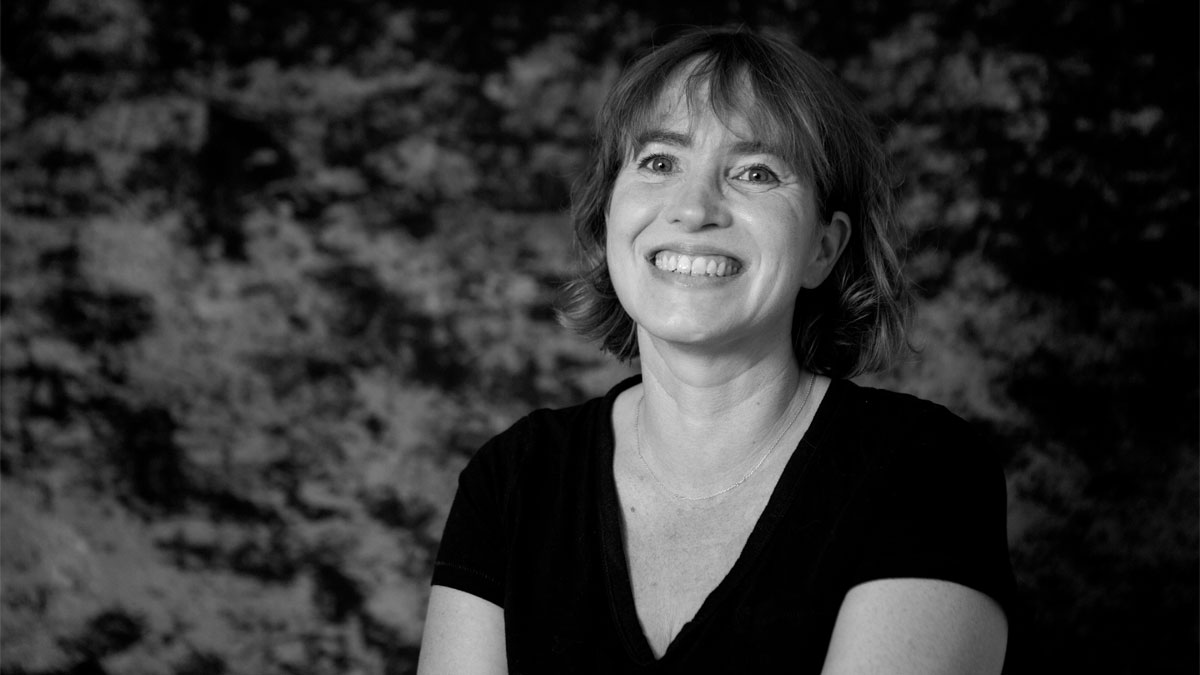
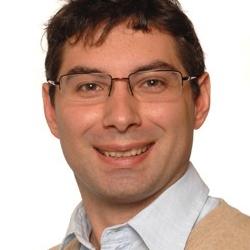
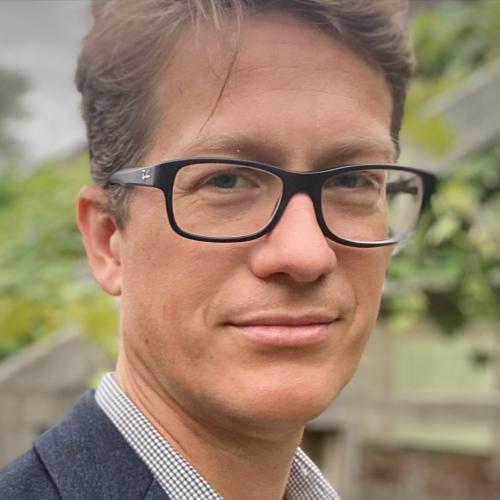
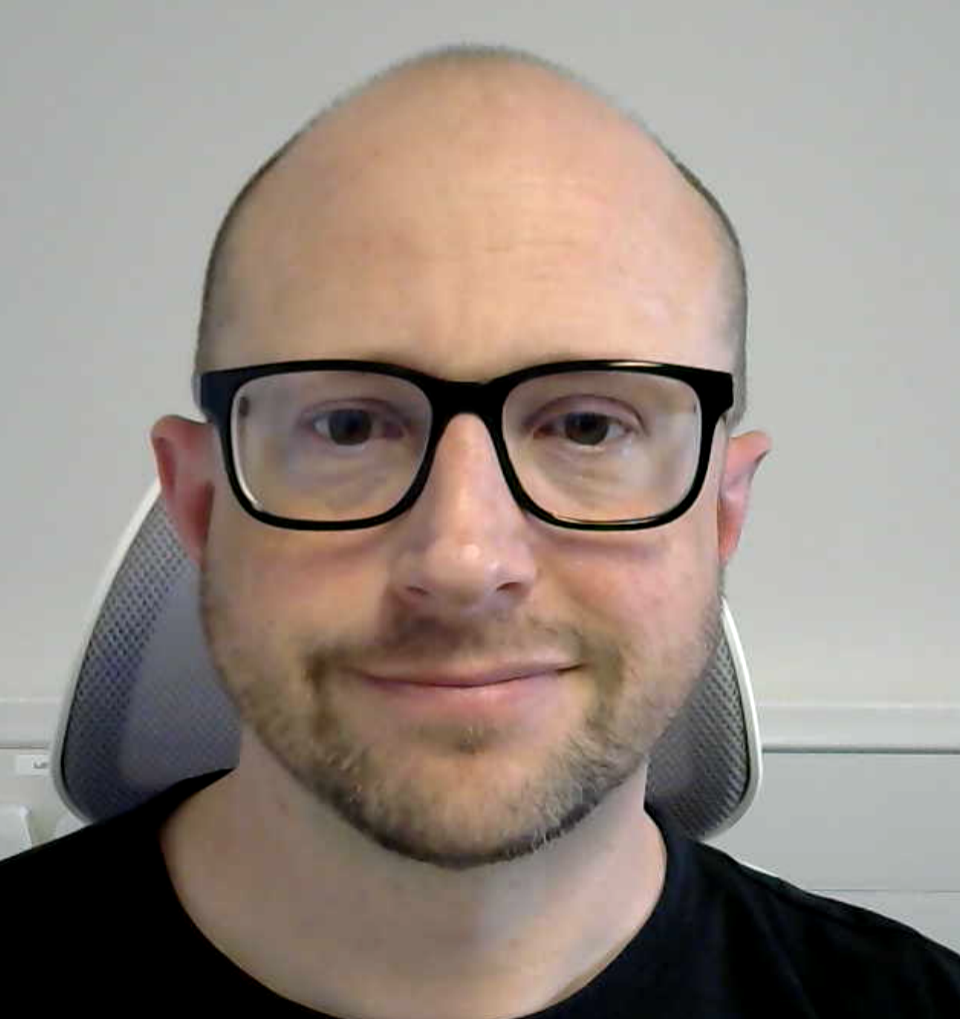
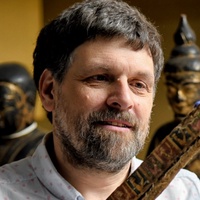
Aylwyn Scally is a researcher at the Department of Genetics, University of Cambridge, specializing in human evolutionary genetics and ancestry. His work focuses on computational and mathematical models of genome evolution, leveraging population-scale datasets and archeogenetic evidence to explore ancient human populations and their spatial dynamics. University: University of Cambridge Department: Department of Genetics Fields of Interest: Human Evolutionary Genetics, Population Genetics, Ancestry Analysis, Paleobiology, Environmental Genomics, Genome Evolution Scally's research integrates spatial dynamics into genetic models, offering insights into demographic, social, and cultural factors in ancient populations. His methodologies have broader applications for studying other species as genomic data becomes available. Recent publications highlight his work on mutation rate analysis, historical migration patterns, and ancestral population structures. These studies often employ computational simulations and large-scale genomic datasets to address evolutionary questions. He is associated with the Cambridge NERC Doctoral Landscape Awards (CREATES) and C-CLEAR DTP, contributing to training and collaborative research in genetics and environmental genomics.
Professor Mary Lewis is a renowned scholar in bioarchaeology and paleopathology at the University of Reading's Department of Archaeology. Her research focuses on child and adolescent skeletal remains, particularly in understanding growth patterns, disease, and health in past populations. She is the author of influential works such as The Bioarchaeology of Children and co-editor of The Archaeology of Disease . Her academic positions include President of the Paleopathology Association (2023–2025) and convenor of courses like AR1MET (Archaeology Today) and AR3S21 (Biological Anthropology). Her research has pioneered methods for diagnosing diseases like leprosy, tuberculosis, and thalassaemia in skeletal remains. Research Interests: Puberty development, urban/industrial health impacts, non-adult osteology. Teaching: Forensic Archaeology, Biological Anthropology, Archaeology of Death. Key Projects: Studies on medieval pubertal timing, Roman-era child health, and migration patterns via skeletal analysis. Her students explore diverse topics, including child health in ancient Egypt, industrial-era diets, and the effects of famine/plague on childhood. She is a Fellow of the Higher Education Academy and actively supervises over 20 postgraduate researchers.
Prof Andrea Manica is a Professor of Evolutionary Ecology and Deputy Head of Department (Research) at the University of Cambridge, Department of Zoology. Her research spans ecological and evolutionary time scales, integrating climate reconstructions, paleontological data, ecological datasets, and genetic information to understand species' responses to environmental change. Research Areas: Population Genetics, Species Distribution Models, Paleoclimate Reconstructions, Human Evolutionary Ecology Key Tools: Development of open-source R packages like tidypopgen and tidygenclust for population genetics and data analysis Focus Taxa: Seabirds (albatrosses, petrels), sharks, turtles, bears, and Homo sapiens Her work addresses questions such as: How do animals adapt movement strategies to changing environments using tracking data? What drives range changes and genetic differentiation in species like leopards and giraffes? How did climatic shifts influence human evolution, migration, and cultural innovations? What computational tools can interrogate large datasets across space and time? Her interdisciplinary approach combines computational models, fieldwork, and collaborations with institutions like the British Antarctic Survey.
Dr Jonathan Tenney is a University Lecturer in Assyriology at the University of Cambridge and a Fellow at Jesus College. He serves as Curator of Works of Art and Director of Studies in Archaeology at Jesus College. His research focuses on Mesopotamian archaeology, cuneiform studies, and socio-political institutions of ancient Babylonian and Kassite periods. BA, Edinboro University of Pennsylvania PhD, University of Chicago Tenney employs philology and social science methodologies to analyze cuneiform tablets and archaeological evidence from Mesopotamia (modern Iraq, Iran, and Syria). His academic interests include: Cuneiform (Akkadian and Sumerian languages) Historical demography of Mesopotamia Settlement patterns and environmental interactions Comparative slavery systems Religious and political ideologies His publication record (2022–2009) spans topics like: Kassite administrative systems Babylonian population dynamics Cuneiform documentation of servile labor Urban development in Mesopotamian cities Socio-economic structures in ancient Near East Religious-political integration in Babylonia Key research themes include materiality of bureaucratic records and epistemological methodologies in Assyriology. Outstanding Dissertation Prize by The American Academic Research Institute in Iraq (2009) Tenney is currently on sabbatical (2025/26) but remains available for consultancy. His work intersects with the Department of Archaeology’s research themes on Environment, Landscapes and Settlement, Material Culture, and Rethinking Complexity. He contributes to teaching in Assyriology, Mesopotamian Languages, and socio-political archaeology.
Eileen Murphy is a Professor in the School of Natural and Built Environment at Queen's University Belfast, where she is a leading figure in bioarchaeology and community archaeology. She is actively involved in research, teaching, and public engagement, with a focus on human remains, burial practices, and the archaeology of childhood and the Irish diaspora. She is Co-Director of the Centre for Community Archaeology and Chair of the University's Scholarships and Awards Group. Education: PhD in Archaeology (specific institution and year not provided in text) Additional degrees inferred through academic rank and research output, though not explicitly stated Her research interests center on bioarchaeology , particularly the biocultural analysis of Irish and Eurasian populations, deviant and minority burial practices, children's burial grounds (cillini), and the archaeology of childhood and the Irish diaspora. She is deeply committed to community archaeology , exemplified by her leadership in the Community Archaeology Programme Northern Ireland (CAPNI). Her work bridges scientific analysis and public engagement, contributing to sustainable development goals related to inclusive heritage and education. The 15 most recent publications reflect a consistent trajectory in osteoarchaeology , palaeopathology , and ethical archaeology , with increasing interdisciplinary work in medical geology and biomechanics. Themes include disability in the past, environmental health impacts, and the social dimensions of burial. Her outputs span scholarly journals, books, and public-facing media, demonstrating a strong commitment to knowledge dissemination. Scientific Awards and Recognitions: QUB Staff Excellence Award for Community Impact (2020) British Archaeological Award for Best Scholarly Book (2008) County Heritage Award (2021) Listowel Writer’s Week Nilsson Local Heritage Writing Award (2023) QUB Students' Union Most Involved Teaching Staff Member (2017) Fellow of the Society of Antiquaries of London Vice-President, Ulster Archaeological Society Chair, EAA Belfast 2023 Scientific Committee Elected Member, Royal Irish Academy (2025) Eileen Murphy has supervised numerous PhD students, both currently and in the past, covering diverse topics from Neolithic mortuary rites to medical geology. She has secured significant research output and public engagement through projects like the Ballyhanna and Ranelagh excavations. Her administrative roles include co-directing research centers and leading university committees, reflecting her leadership in both research and institutional service. She is actively involved in public outreach, including podcasts, media interviews, and science festivals, particularly through CAPNI. Her work with the Belfast Mummy (Takabuti) and the Forgotten Cemetery project highlights her ability to connect academic research with public interest. She leads major collaborative efforts across Ireland and internationally, fostering networks in archaeological research and education.
Professor Daniel Donoghue is a Professor in the Department of Geography at Durham University, specializing in remote sensing applications for archaeology, forestry, and coastal ecology. He has developed processing methods for high spectral resolution optical imaging, including the commercial T-Spectra package, and leads research on woodland structure assessment, archaeological prospection using declassified satellite imagery (e.g., CORONA), and catchment sensitivity modelling. His work is supported by organizations such as NERC, the European Commission, and the Environment Agency. His research focuses on airborne and satellite remote sensing for archaeological landscape assessment, forest monitoring, and coastal habitat change. He has pioneered techniques for using thermal infrared imagery in archaeology, quantifying woodland volume in UK upland forests, and analyzing land cover change in Bangladesh. His interdisciplinary approach integrates geographical information systems with environmental modelling to address challenges in resource management and ecological conservation. Analysis of his recent publications reveals a strong emphasis on forest dynamics under climate stress, mangrove ecosystem conservation, and archaeological heritage protection. His work leverages satellite and LiDAR data to monitor drought impacts on European beech forests, carbon sequestration in mangroves, and looting in conflict zones like Syria. This reflects a consistent trajectory toward solving real-world environmental and cultural preservation challenges through advanced remote sensing. Professor Donoghue has supervised over ten PhD students, including Anthony Beck (NERC studentship on satellite archaeology), Nikolaos Galiatsatos (HSSF scholarship on declassified imagery), and Commonwealth scholars studying Bangladesh's land cover changes. His externally funded projects include a European Commission LIFE-Environment grant (€249,000), a British National Space Centre partnership (£44,000), and Environment Agency contracts for sediment analysis. He co-founded the Archaeological Special Interest Group of the Remote Sensing Society and the Scottish Fisheries Co-ordination Centre, where he oversees IT systems for catchment management. His collaborations with the British Geological Survey and Durham County Council demonstrate applied research translating into environmental policy and conservation practice.
Pier Palamara is an Associate Professor of Statistical and Population Genetics at the University of Oxford's Department of Statistics, affiliated with the Centre for Human Genetics. He holds a PhD in Computer Science from Columbia University (2014) and completed postdoctoral training at Harvard Chan School of Public Health and the Broad Institute of MIT and Harvard. His research integrates statistics, computer science, and genetics to develop methods for analyzing large genomic datasets, focusing on evolutionary parameters, demographic history, complex trait genetics, and disease variation. Key research interests include reconstructing population movements via genetic data, studying natural selection and mutation rates in human genomes, and developing scalable algorithms for genomic analysis. He leads the Palamara Lab, which collaborates on projects like the Genomics England haplotype reference panel and the UK Biobank imputation. His lab's work is supported by grants and partnerships, and they develop software tools such as ASMC, Quickdraws, and Threads. Recent publications highlight contributions to Indo-European genetic origins, scalable mixed-model association methods, and ancient DNA analysis of European farmers. He advises graduate students and has mentored researchers in computational biology and statistical genetics.
Dr. Danny John Norrey serves as a Tutor for Biology at Manchester Metropolitan University, specializing in ecological and conservation research. He provides academic support for student skills development in data analysis and research design for both undergraduate and postgraduate programs. His research focuses on: Ecology and evolutionary biology Biodiversity conservation Wildlife ecology and behavioral studies Field-based ecological research methodologies Norrey's publications demonstrate strong interdisciplinary engagement across conservation biology, wildlife ecology, and ecological monitoring. Recent work frequently examines human-wildlife interactions, trade impacts on biodiversity, and conservation strategies across diverse ecosystems from African savannahs to Amazonian markets. His international collaborations span multiple continents with research outputs contributing to wildlife policy and conservation practice.
Professor Martin Richards holds a Research Chair in the Department of Physical and Life Sciences at the University of Huddersfield, where he directs the Evolutionary Genomics Research Centre. Previously, he has held academic roles at UCL, Huddersfield, and Leeds University, focusing on human evolution and bioinformatics. His research expertise centers on archaeogenetics, particularly applying mitochondrial DNA (mtDNA) analysis to understand human migration patterns, including the settlement of Europe, Southeast Asia, and the Pacific. Key contributions include influential models on prehistoric dispersals and the use of mtDNA networks in phylogenetic analysis. Richards' educational background includes genetics studies at the Universities of Sheffield, Manchester, and Oxford. His work has coalesced around mtDNA genome variation, addressing questions such as the out-of-Africa dispersal routes and the genetic history of European populations. He co-edited *Mitochondrial DNA and the Evolution of Homo Sapiens* (2006) and has contributed to over 120 peer-reviewed publications, with a h-index of 62. Research interests span archaeogenetics, human evolution, and molecular evolution, with a focus on resolving debates around European settlement and Pacific colonization. Collaborations include the ACROSS project investigating Australasian colonization. Awards and recognitions include a Google Scholar h-index of 79 from 26,574 citations. Supervised PhD projects explore archaeogenetic topics, and he actively accepts new students in these areas. Richards' work contributes to UN Sustainable Development Goals, particularly through insights into human migration and genetic diversity. His lab, the Evolutionary Genomics Research Centre, serves as a hub for advanced genetic studies, integrating archaeological and genomic data to trace human prehistory.
Professor Ralph Fyfe, currently at the University of Plymouth , serves as Professor in Geospatial Information and Associate Dean of Research for Science and Engineering. His research focuses on reconstructing past environmental change, with applications to conservation and climate change mitigation. Interdisciplinary expertise in archaeology, ecology, and climate science Lead Leverhulme Trust projects: "Deforesting Europe," "Transforming the Face of the Mediterranean," and "Reclaiming Exmoor" Contributed to over 115 academic papers and book chapters Ralph’s work combines pollen-landscape calibration datasets to quantify historical land cover changes, revealing human-driven transformations dating back to the Neolithic and Bronze Age periods. His research informs modern conservation strategies and has influenced UK National Park Authorities and COP26 climate policies. Recent publications highlight collaborations with international teams on Holocene vegetation dynamics, megafauna extinction impacts, and climate modeling. Key outlets include Global Change Biology and Scientific Reports . Fellow of the Royal Geographical Society Fellow of the Higher Education Academy Fellow of the Royal Society of Arts He teaches GIS skills , palaeoecology , and employability skills , integrating fieldwork and problem-based learning in locations like Iceland and Dartmoor.
Neil Curtis is Head of Museums and Special Collections and Honorary Senior Lecturer in Social Science at the University of Aberdeen. He holds a PhD in Archaeology from the University of Glasgow, an MA in Museum Studies from the University of Leicester, and an MSc in Education from the University of Aberdeen. His roles include leadership in museum ethics, collections management, and academic teaching. He has worked with the Aberdeen collections since 1988 and teaches across Archaeology, Anthropology, Art History, History, Law, Museum Studies, and Scottish Ethnology. Research interests focus on museum ethics (repatriation, decolonization), Scottish museum history, prehistoric archaeology of North-East Scotland, and material culture studies. He is a Fellow of the Museums Association and served on key committees including the Museums Association Ethics Committee and Scottish Archaeological Finds Allocation Panel. Recent work emphasizes co-production in community heritage projects, radiocarbon dating of archaeological materials, and the role of 3D photogrammetry in museum education. His publications span journals like Journal of Community Archaeology & Heritage , PNAS , and Oxford Handbook of History and Material Culture . Grants: Leverhulme Trust (Beakers and Bodies Project), AHRC Connected Communities (Bennachie Project) Labs/Teams: Leads University Museums in Scotland network, coordinates curatorial courses at Aberdeen
Lilian Ladle is a Visiting Fellow at Bournemouth University, specializing in genetics and historical demography. Her research focuses on human migration patterns and gene pool formation, particularly in ancient populations. Her work has been published in Nature , including studies on the Anglo-Saxon migration's genetic impact in England. Recent publications highlight interdisciplinary approaches combining genomics, archaeology, and historical analysis. Ladle's research involves analyzing ancient DNA to understand population dynamics and cultural interactions during early medieval periods. She contributes to advancing methodologies in genetic anthropology and archaeological genetics.
J W Hanson is an Associate Professor of Roman Archaeology and Art at the University of Oxford and a Governing Body Fellow at Wolfson College. His academic journey includes a DPhil in Archaeology from Oxford, followed by roles as a Research Associate at the University of Colorado, Boulder, and a British Academy Postdoctoral Fellow at the University of Reading. He currently holds a position in the Faculty of Classics, focusing on interdisciplinary research at the intersection of archaeology and complexity science. Education: DPhil in Archaeology from the University of Oxford. His research integrates complex systems theory with material and literary evidence to explore ancient urban environments. Key areas include urban resilience, energy use, and digital 3D modeling/VR applications in archaeological analysis. He has authored a book on quantifying Roman urbanism and pioneered methods for estimating ancient city populations and public space functions. Teaching includes undergraduate and postgraduate modules on Roman archaeology, architecture, and city settlement patterns, such as 'Pompeii and Ostia'. He actively supervises doctoral research in Roman archaeology and art. His scientific contributions include the Oxford Roman Economy Project (OXREP) and the Cities Database, which systematically model ancient urban systems. Research collaborations extend with institutions like the University of Colorado and interdisciplinary teams in complex systems analysis. Publications reflect a sustained focus on scaling phenomena, urban infrastructure, and demographic modeling in Roman cities. Awards include the British Academy Postdoctoral Fellowship. His work bridges past and present urbanism through theoretical frameworks applicable to both pre-industrial and modern contexts.
Dr April Pudsey is a Reader in Roman History and Deputy Director at Manchester Metropolitan University's interdisciplinary Manchester Centre for Youth Studies . Her work focuses on children's and women's lives in Graeco-Roman Egypt through papyrology and material culture analysis, connecting ancient childcare practices to broader demographic and environmental patterns. Key research areas: Roman Egypt, child slavery, breastfeeding practices, ancient demography Leadership roles: Founding Chair of Post92classics, Co-Chair of Women's Classical Committee Major grants: €280,000 Marie-Sklodowska Curie Fellowship (2021-23), AHRC £380,000 project co-Investigator Her Children of Oxyrhynchos book (Palgrave MacMillan, 2025) synthesizes research on youth cultures from thousands of papyri. She also served as Historical Consultant for Ladybird Books and Hachette Children's Group publications. Recent publications span topics including: 2023 : Global history of youth 2022 : Enslaved children's experiences 2021 : 3D-replicated Roman musical instruments 2017 : Disability studies in antiquity Scientific awards include: Leverhulme Early Career Fellowship (2009-11) AHRB Studentships (2001-2006, 2003-06) External examiner roles at Exeter University and Birkbeck College
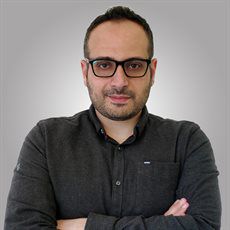
Dr. Marc Haber is an Associate Professor in the Department of Cancer and Genomic Sciences at the University of Birmingham, where he leads the Human Genome Diversity group and directs the Health Data Science Programme at the Dubai campus. His work focuses on understanding human genetic variation across populations, particularly those historically underrepresented in genomics research. University: University of Birmingham School: College of Medical and Dental Sciences Department: Department of Cancer and Genomic Sciences Role: Associate Professor, Group Leader, Programme Director Dr. Haber earned his PhD in Biomedicine from Universitat Pompeu Fabra, Barcelona, and holds BSc and MSc degrees in Molecular Biology from Lebanese American University. His postdoctoral research was conducted at the Wellcome Sanger Institute under Chris Tyler-Smith. PhD: Biomedicine, Universitat Pompeu Fabra, Barcelona MSc & BSc: Molecular Biology, Lebanese American University His research lies at the intersection of population genetics, bioinformatics, and health data science. He investigates human migration, admixture, adaptation, and disease susceptibility using both modern and ancient DNA. His group prioritizes populations from the Middle East, North Africa, South Asia, and the Caucasus, integrating genetic data with historical, archaeological, and health records to reconstruct human evolutionary history and its medical implications. His recent publications reveal a strong trend in ancient DNA analysis, particularly from the Near East and Africa, with a focus on reconstructing population continuity, admixture events, and adaptive responses to environmental pressures such as agriculture and disease. His work spans human evolution, medical genomics, and the development of computational tools for analyzing large-scale genomic datasets. Dr. Haber has not received specific scientific awards mentioned in the text, but his work has been featured in top-tier journals including Cell , Nature , Science , and The American Journal of Human Genetics , and covered by major media outlets such as The Guardian , The New York Times , and National Geographic . He actively mentors graduate students and advises research projects in population genomics. He has secured funding to support his research group and has established a new MSc programme in Health Data Science at the Dubai campus. His team includes members working on East Asian demography, T2D genomics, ancient DNA methods, and South Asian ethnic diversity. Dr. Haber leads the Human Genome Diversity group, which uses cross-disciplinary approaches combining genetics, bioinformatics, and historical data to study human population structure and disease risk. The group has been instrumental in generating the first ancient DNA data from Eastern Arabia and has made significant contributions to understanding the genetic legacy of the Crusaders, Canaanites, and Armenian origins.