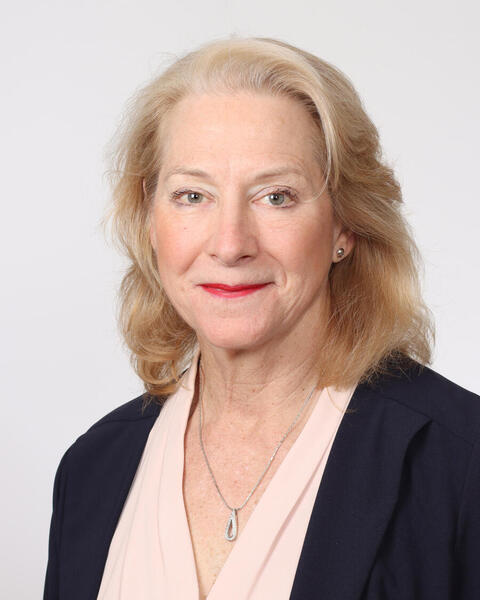
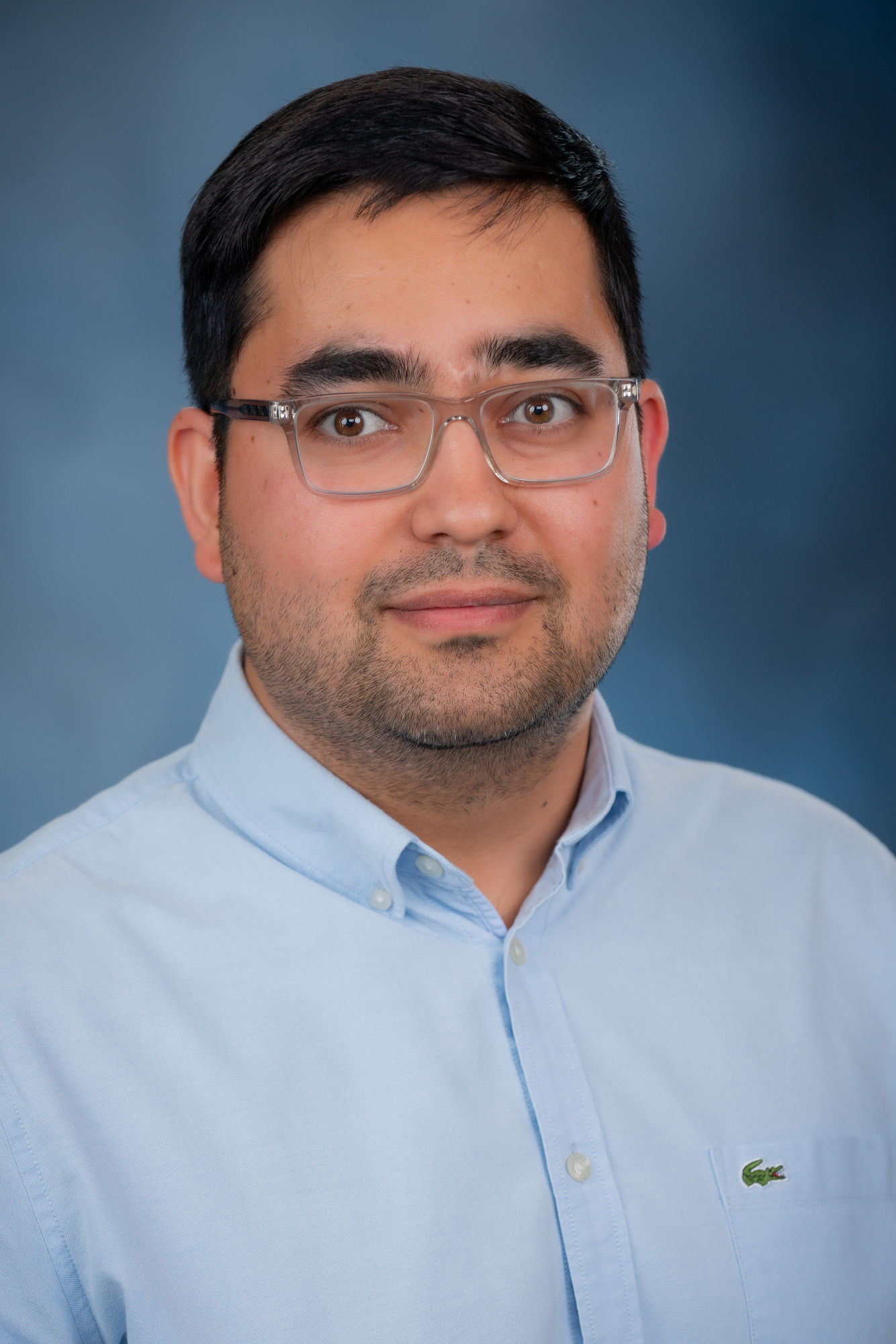
Petros Koumoutsakos is the Herbert S. Winokur, Jr. Professor of Computing in Science and Engineering at Harvard University's School of Engineering and Applied Sciences (SEAS), where he also serves as Area Chair for Applied Mathematics. His research integrates machine learning with computational science to advance understanding of complex systems, including fluid dynamics, turbulence modeling, and biomedical applications. He leads the CSE Lab, focusing on high-performance computing and interdisciplinary collaborations such as a recent study with Citadel Securities and Google Cloud to simulate heart disease in cloud environments. Key research interests include reinforcement learning for turbulence closures, generative models for PDE solutions, and physics-informed AI for biomedical imaging and wildfire prediction. He was awarded the PRACE HPC Excellence Award (2023) for contributions to high-performance computing. His work bridges computational methods with real-world applications, emphasizing interpretability and scalability in multiscale systems. Grants & Collaborations: Leadership in multi-institutional projects, including turbulence modeling via reinforcement learning and cloud-based HPC studies. Labs/Teams: Director of the CSE Lab, advancing AI, computational fluid dynamics, and biomedical simulations.
Professor Mikko Haataja is a distinguished faculty member in the Department of Mechanical and Aerospace Engineering at Princeton University's School of Engineering and Applied Science. Holding a Ph.D. from McGill University (2003), he leads the Haataja Research Group focused on theoretical and computational approaches to materials science and physical biology. His office is located in D404C Engineering Quadrangle, and he serves as an advisor to numerous graduate students working at the intersection of physics, materials science, and biology. Professor Haataja's research spans multiple domains including theoretical and computational materials science, physics of materials, and physical biology. His work examines microstructure formation during solid-solid phase transformations and solidification, growth of electrodeposited thin films and quantum heterostructures, dynamics of driven interfaces with mobile impurities, recrystallization kinetics, cell signaling mechanisms, and the regulation & self-organization of 'lipid rafts' in plasma membranes. His group has pioneered concepts in 'dynamically programmable electromechanical 2D materials' and investigates phase separation phenomena in biological systems. His publication record demonstrates significant contributions across several key areas: intracellular phase transitions and biomolecular condensates, 2D transition metal dichalcogenide materials, lipid bilayer membrane physics, solid oxide fuel cells and batteries, and organic semiconductor thin films. His most recent work focuses on amyloid-like fibril formation, liquid-liquid phase separation in biological contexts, and defect engineering in 2D materials, reflecting his interdisciplinary approach that bridges physics, materials science, and biology. Professor Haataja actively mentors graduate students and postdoctoral researchers, with numerous co-authored publications indicating strong advising relationships. His research program encompasses multiple funded projects investigating materials for energy conversion and storage, intracellular organization mechanisms, and novel 2D material systems. The Haataja Group maintains strong collaborations with other Princeton researchers and external institutions, particularly in the fields of biophysics and advanced materials. The Haataja Group operates as a dynamic research laboratory employing computational modeling and theoretical approaches to address fundamental questions in materials science and biophysics. Their work spans from atomic-scale simulations to continuum modeling, with particular emphasis on phase-field crystal models, membrane biophysics, and 2D material systems. The group maintains specialized computational infrastructure for multiscale modeling and collaborates extensively with experimental groups to validate theoretical predictions.
University of California, Los AngelesUnited States
David S. Eisenberg is a Professor of Chemistry and Biochemistry and Biological Chemistry at the University of California, Los Angeles, where he also serves as Director of the UCLA-DOE Institute for Genomics and Proteomics and as an HHMI Investigator. His research focuses on protein interactions, particularly the structural basis for conversion of normal proteins to the amyloid state and conversion of prions to the infectious state. Dr. Eisenberg earned his undergraduate degree in biochemical sciences from Harvard College and his D.Phil. degree in theoretical chemistry from Oxford University on a Rhodes Scholarship. His postdoctoral research was on ice and water with Walter Kauzmann at Princeton and in protein crystallography with Richard Dickerson. He joined the UCLA faculty after his postdoctoral studies. Dr. Eisenberg and his research group focus on protein interactions in amyloid and prion diseases. These diseases involve protein aggregation where normal functional proteins convert to abnormal aggregated forms. Systemic amyloid diseases like dialysis-related amyloidosis result from fiber accumulation until organ failure, while neurodegenerative diseases like Alzheimer's, Parkinson's, ALS, and prion conditions appear to be caused by smaller oligomers. In 2005, his team determined the atomic-level structure for the amyloid fiber spine, revealing a 'steric zipper' of two parallel beta sheets packed across a dry interface. Since then, they've determined approximately 90 amyloid spines from 15 disease-related proteins. In 2010, they identified the structure of a toxic amyloid-related oligomer consisting of six anti-parallel beta strands forming a cylindrical barrel. His recent publications demonstrate continued innovation in amyloid research, with focus areas including structural prediction of amyloid formation, mechanisms of tau fibril disassembly in Alzheimer's disease, cryo-EM analysis of amyloid polymorphism, and structure-based design of inhibitors for amyloid toxicity. His work integrates computational, structural, and biochemical approaches to understand protein aggregation across multiple disease contexts. Dr. Eisenberg has received numerous prestigious awards and honors: National Academy of Sciences Member American Philosophical Society Member Institute of Medicine Member Howard Hughes Medical Institute Investigator Biophysical Society Emily M. Gray Award Harvard Westheimer Medal UCLA Seaborg Medal Technion - Israel Institute of Technology Harvey Prize in Human Health As Director of the UCLA-DOE Institute for Genomics and Proteomics and an HHMI Investigator, Dr. Eisenberg leads significant research initiatives in protein structure and aggregation. His laboratory combines X-ray crystallography, bioinformatics, and biochemical techniques to investigate protein interactions, with particular emphasis on amyloid-forming proteins and their role in disease. The Eisenberg Lab, located in Boyer Hall at UCLA, maintains an active research program investigating the structural basis of protein aggregation. The lab continues to build on its landmark discoveries of amyloid structures while exploring new frontiers in understanding protein misfolding diseases and developing potential therapeutic interventions.
University of Texas Southwestern Medical CenterUnited States
Masato Kato serves as Professor in the Department of Biochemistry at the University of Texas Southwestern Medical Center since 2020 and concurrently as Team Leader at Japan's National Institutes for Quantum and Radiological Science and Technology. His academic trajectory includes progressive appointments from Assistant Professor (2004-2014) to Associate Professor (2014-2020) at UT Southwestern, with prior postdoctoral training at Harvard Medical School and Nara Institute of Science and Technology. 2020-present: Professor, Department of Biochemistry, UT Southwestern 2020-present: Team Leader, National Institutes for Quantum and Radiological Science and Technology, Japan 2014-2020: Associate Professor, Department of Biochemistry, UT Southwestern 2010-2014: Assistant Professor, Department of Biochemistry and Internal Medicine, UT Southwestern 2004-2010: Assistant Professor, Department of Internal Medicine, UT Southwestern 1999-2004: Postdoctoral Fellow, Ellenberger Lab, Harvard Medical School 1998-1999: Postdoctoral Fellow, Hakoshima Lab, Nara Institute of Science and Technology Dr. Kato's research pioneers the biophysical characterization of protein phase separation, particularly focusing on low-complexity domains (LCDs) in neurodegenerative disease contexts. His work establishes fundamental mechanisms of biomolecular condensate formation, including hydrogel polymerization, liquid-solid transitions, and mutation-induced dysregulation in ALS/FTD. Key contributions demonstrate how C9orf72-encoded poly-dipeptides disrupt nucleocytoplasmic transport and how redox states regulate Ataxin-2 phase behavior, bridging structural biochemistry with pathological mechanisms. Analysis of his 22 publications reveals a cohesive research program centered on LCD-driven phase transitions. The most recent 15 articles (2012-2019) systematically investigate pathological aggregation in neurodegeneration, structural basis of condensate formation, and regulatory mechanisms like phosphorylation and oxidation. This body of work establishes LCDs as central players in both physiological RNA granule assembly and disease-associated solidification, with strong emphasis on C9orf72-related ALS/FTD mechanisms. Dr. Kato maintains active leadership within the McKnight Laboratory at UT Southwestern, where his team employs integrated approaches spanning structural biology, cell biology, and biophysics to dissect phase separation mechanisms. His collaborative network includes prominent neuroscience and biochemistry groups, with co-authorship on key studies in Cell, Science, and PNAS.
Celeste Sagui is a Professor in the Department of Physics at North Carolina State University (NC State), affiliated with the College of Sciences. She holds additional roles as a faculty affiliate in Genomics Sciences at NC State and is a member of the Center for High Performance Simulation. Her research focuses on computational biophysics, biomolecular simulations, and free energy methods applied to nucleic acid structures, protein dynamics, and nanotechnology systems. She has contributed to the AMBER simulation package development, co-authoring versions from 10 to 14. Education: Doctorate in Physics, University of Toronto (1995) Licentiate degree, National University of San Luis, Argentina Research Interests: Sagui’s work explores DNA/RNA structure and phase transitions, electrostatic interactions, and methodologies for large-scale molecular simulations. Recent studies include nucleic acid hairpin instabilities linked to neurodegenerative diseases, polyglutamine aggregation mechanisms, and novel DNA motifs like the eGZ structure in Z-DNA. She employs quantum chemistry, density functional theory, and phase-field models to investigate systems ranging from biomolecules to nanomaterials. Publications: Her recent work emphasizes nucleic acid dynamics, free energy landscapes, and computational methods for studying diseases such as Friedreich’s ataxia and polyglutamine disorders. Key contributions include advancements in laser-driven simulations and infrared spectroscopy analysis of protein structures. Labs/Teams: Active in the Center for High Performance Simulation, focusing on high-throughput computational modeling and collaborative software development for biomolecular research.
James C. Gumbart is an Adjunct Professor in the School of Physics at Georgia Institute of Technology, with additional affiliation to the School of Chemistry and the Institute for Bioengineering and Bioscience . His research leverages molecular dynamics simulations to decode the atomic-level mechanisms of bacterial proteins and cellular structures. B.S., Physics and Mathematics, Western Illinois University, 2003 Ph.D., Physics, University of Illinois at Urbana Champaign, 2009 Dr. Gumbart's work bridges computational biophysics and biochemistry to understand: Mechanisms of bacterial membrane protein insertion and nutrient import Structural dynamics of cell wall mechanics SARS-CoV-2 spike protein interactions with ACE2 Free-energy calculations for protein-ligand binding Applications of machine learning in biomolecular simulations His publications reflect trends in membrane protein biophysics , viral dynamics , and computational drug design , with a strong emphasis on interdisciplinary techniques. Awards include multiple fellowships and grants from NSF , DOE , and NIAID . He has mentored numerous PhD students, including Zijian Zhang , David Ryoo , and Andrew Pang , whose work has advanced understanding of bacterial systems and viral proteins. The Gumbart Lab integrates high-powered supercomputing and advanced software to model biomolecular processes, fostering collaborations with institutions like the National Institutes of Health and Argonne National Laboratory .
Wei-Jen Tang is a Professor at the University of Chicago, affiliated with the Ben May Department of Cancer Research. His work integrates structural biology and biochemistry to study protein interactions critical to human health, particularly in Alzheimer's disease, diabetes, and bacterial pathogenesis. Education: B.S. in Zoology, National Taiwan University; Ph.D. in Biological Sciences, University of Texas, Austin; Postdoctoral training in Virology and Pharmacology at University of Texas Southwestern. His research focuses on: Amyloid Peptide-Degrading Proteases: IDE and PreP for Alzheimer's and diabetes. Chemokines: CCL5 and CCL3 in inflammation and HIV. Bacterial Toxins: Edema factor in anthrax and bio-defense. Recent publications highlight structural insights into IDE, PreP, and anthrax toxins, with keywords spanning Structural Biology , Biochemistry , and Therapeutics . Funding includes NIH and American Heart Association grants. Awards include AHA Established Investigator and Cancer Research Foundation Young Investigator. Lab updates note new members and a 2025 publication on PreP.
Hang Lu is an Associate Professor in the Department of Communication and Media at the University of Michigan's College of Literature, Science, and the Arts. He specializes in science, health, environmental, and risk communication (ComSHER), with a focus on media psychology. His research explores audience responses to media messages about sensitive topics and strategies to enhance message effectiveness. Lu holds a Ph.D. in Communication from Cornell University (2018), along with advanced degrees from Cornell, Marquette University, and Central South University in China. He directs the Media and Risk (MaR) Lab and previously served as a postdoctoral fellow at the Annenberg Public Policy Center. His research spans four main areas: 1) emotion dynamics in media responses, 2) predictors of information behaviors, 3) media effects on stigmatization, and 4) AI applications in sensitive domains. He has published in journals like Journal of Communication , Risk Analysis , and Public Understanding of Science , earning multiple top paper awards. As Vice Chair of the Environmental Communication Division at the International Communication Association, Lu contributes to interdisciplinary dialogue. His work addresses critical societal issues such as climate change communication, vaccination hesitancy, and emerging technology ethics.
Professor Christopher Roland is a faculty member in the Department of Physics at North Carolina State University, part of the College of Sciences. He holds the rank of Professor since 2002, joining the university in 1993 after completing his PhD in Physics at McGill University, Canada, and postdoctoral work at the University of Toronto and AT&T Bell Laboratories. His research focuses on theoretical condensed matter physics and biophysics, particularly investigating nucleic acid structures (DNA and RNA) associated with neurodegenerative and neuromuscular disorders like Trinucleotide Repeat Expansion Diseases (TREDs). Key areas include DNA/RNA hairpin dynamics, free energy calculations, and molecular mechanisms underlying genetic mutations. Recent publications emphasize structural and computational studies of nucleic acid conformations, such as Z-DNA motifs, triplex formations, and disease-linked repeat sequences. His work bridges quantum transport simulations, biomolecular modeling, and disease prediction. No scientific awards are explicitly listed in the provided materials. His research is supported by grants from NC State University and collaborations within the Department of Physics. Laboratory and team details are not specified, though his work aligns with computational biophysics and condensed matter research groups at NC State.
Katherine J. Franz is a Professor of Chemistry at Duke University, affiliated with the Trinity College of Arts & Sciences and the Duke Cancer Institute. She holds a Ph.D. from MIT (2000) and a B.A. from Wellesley College (1995). Her research focuses on bioinorganic chemistry, particularly metal ion coordination in biological systems, with applications in antimicrobial therapies, cancer metallomics, and neurodegenerative diseases. Key projects include developing prochelators targeting fungal and bacterial pathogens, studying copper's role in antifungal drug efficacy, and designing light-activated metal complexes for controlled drug release. Dr. Franz has received numerous awards including the Camille Dreyfus Teacher-Scholar Award (2009), Sloan Research Fellowship (2008), and the NSF CAREER Award (2005). She leads a lab with 6 current students/mentees and has secured grants from NIH, NSF, and the US-Israel Binational Science Foundation. Her lab's work spans from fundamental metalloprotein studies to translational drug development, emphasizing interdisciplinary approaches in chemistry and biology. Education: Ph.D. in Chemistry, MIT, 2000 B.A. in Chemistry, Wellesley College, 1995 Research Interests: Metal homeostasis in pathogens, copper's role in antifungal resistance, prodrug design for targeted therapy, and mechanistic studies of metalloproteins. Grants: Tri-Institutional Molecular Mycology Training Program (NIH, 2024–2029) Duke PREP Biomedical Sciences Program (NIGMS, 2022–2027) Copper-Mucin Interaction Study (BSF, 2022–2026) Her lab's publications (n=15+ since 2020) highlight breakthroughs in prodrug selectivity, copper-induced protein toxicity, and histatin antifungal mechanisms. The Franz Lab actively collaborates with clinicians and computational scientists to advance therapeutic strategies addressing unmet medical needs in infectious diseases and cancer.
James Shorter is a Professor of Biochemistry and Biophysics at the Perelman School of Medicine, University of Pennsylvania. He is affiliated with multiple prestigious institutes, including the Institute on Aging (IOA), the Institute for Translational Medicine and Therapeutics (ITMAT), the Penn Center for AIDS Research (CFAR), the Chemistry-Biology Interface (CBI), and the Penn Institute for RNA Innovation. He mentors several training programs such as the Penn Summer Undergraduate Internship Program (SUIP), PennPREP, and the Translational Research Immersion Program (TRIP), and serves as a Primary Trainer at the Center for Neurodegenerative Research (CNDR). Ph.D. in Cell Biology, University of London, 2000 M.A. in Biology, University of Oxford, 1995 Dr. Shorter’s research focuses on protein homeostasis, particularly the mechanisms of protein disaggregation and the role of prion-like domains in neurodegenerative diseases such as ALS, Alzheimer’s, Parkinson’s, and frontotemporal lobar degeneration. His lab investigates the Hsp104 disaggregase from yeast and has engineered variants to combat human proteinopathies. They also identified the mammalian disaggregase system (Hsp110/Hsp70/Hsp40) and explore how small molecules and nuclear import receptors can reverse pathological phase transitions of RNA-binding proteins like TDP-43 and FUS. His work bridges structural biology, genetics, and translational neuroscience. His recent publications highlight trends in targeting TDP-43 and FUS proteinopathies, engineering Hsp104 for selective detoxification, understanding mitochondrial disaggregases like Skd3, and modulating phase transitions with nuclear import receptors. His research spans from fundamental mechanisms of protein folding to therapeutic development for neurodegenerative diseases. Faculty Member, Institute on Aging (IOA) Faculty Member, Institute for Translational Medicine and Therapeutics (ITMAT) Mentor, Penn Summer Undergraduate Internship Program (SUIP) Primary Trainer, Center for Neurodegenerative Research (CNDR) Faculty Member, Penn Center for AIDS Research (CFAR) Member, Penn Institute for RNA Innovation Mentor, Translational Research Immersion Program (TRIP) Dr. Shorter advises numerous graduate students and postdoctoral researchers through the Biochemistry and Molecular Biophysics, Pharmacology, Neuroscience, and Cell and Molecular Biology graduate groups. His lab receives funding from NIH and other sources to support research on protein disaggregation, phase separation, and neurodegenerative disease mechanisms. He has trained many scientists now active in academia and biotech. His lab, located in Stellar-Chance Laboratories, operates at the intersection of biochemistry, cell biology, and translational medicine, with active projects on Hsp104 engineering, mitochondrial proteostasis, and the role of RNA-binding proteins in disease. The lab collaborates widely across Penn and with international partners to advance understanding and treatment of protein misfolding disorders.
Denise Head is Professor of Psychological & Brain Sciences and Associate Chair at Washington University in St. Louis, with an additional appointment as Associate Professor in Radiology. Her research integrates cognitive neuroscience and neuroimaging to study cognitive aging and Alzheimer's disease. PhD, University of Memphis MS, University of Memphis BS, University of New Orleans Her research focuses on age-related cognitive changes and their neural underpinnings. Key areas include spatial navigation deficits in aging, the role of lifestyle factors (exercise, sleep, stress) in brain aging, and interventions to support cognitive function in older adults. She uses virtual reality, mobile eye-tracking, and neuroimaging techniques such as fMRI and DTI. The recent publications highlight a consistent trajectory in cognitive neuroscience and aging research, with emphasis on neuroimaging biomarkers, structural brain changes, and cognitive performance in normal and pathological aging. Her work bridges psychology, neurology, and radiology, contributing to early detection and understanding of Alzheimer's disease. Scientific Awards: No awards listed in the provided text. Dr. Head advises graduate students and leads a research lab focused on cognitive aging, though specific student names are not listed. Her lab investigates mediators of brain aging and develops methods to support spatial navigation in older adults. While specific grants are not mentioned, her ongoing research and recent publications suggest active external funding. She leads a research team in the Department of Psychological & Brain Sciences, utilizing advanced neuroimaging and behavioral methods to study aging and dementia. The lab integrates real-world and virtual experimental designs to understand spatial cognition and brain health in older populations.
Pia Vogel is a Professor in the Department of Biological Sciences at Southern Methodist University (SMU), where she leads research on nucleotide-binding proteins using Electron Spin Resonance spectroscopy and molecular modeling. Her work focuses on elucidating structural mechanisms in ATP synthase, multidrug resistance transporters, and calcium channels with biomedical applications in cancer therapy and neurodegenerative diseases. Education: Ph.D., University of Kaiserlautern Dr. Vogel's research program investigates three interconnected domains: the rotary mechanics of FoF1-ATP synthase (particularly the external stalk subunit b-dimer), the structural basis of multidrug resistance in P-glycoprotein and MRPs, and ATP-regulated calcium release via ryanodine receptors. Her laboratory employs site-specific spin labeling, ESR spectroscopy, and computational modeling to resolve protein dynamics and interactions at molecular resolution, contributing to understanding energy transduction in ATP synthase and mechanisms of drug resistance. Analysis of her 15 most recent publications (2020-2025) reveals a dominant focus on developing and characterizing P-glycoprotein and BCRP inhibitors to overcome chemotherapy resistance in cancer. These studies integrate computational screening, ATPase assays, and cell-based models to evaluate inhibitor efficacy, with emerging applications in Alzheimer's research through amyloid-β transport studies. The work demonstrates consistent methodological synergy between biophysical characterization and therapeutic development. Dr. Vogel maintains an active research group supported by sustained funding, evidenced by continuous publication output and laboratory infrastructure. Her team employs multidisciplinary approaches spanning biophysics, biochemistry, and computational biology to address fundamental questions in membrane protein function. Her laboratory facilities in DLSB 221 include specialized Electron Spin Resonance instrumentation and dual Linux computing clusters for molecular dynamics simulations. The research environment supports collaborative projects extending her work into cancer therapeutics and neurodegenerative disease mechanisms through partnerships with clinical and computational researchers.
Mayo Clinic College of Medicine and ScienceUnited States
Kyle W. Klarich is Professor of Medicine and consultant in both the Division of Structural Heart Disease and Division of Echocardiography at Mayo Clinic. His clinical practice and research focus on structural heart disease, cardiac tumors, hypertrophic cardiomyopathies, and valvular heart disease. Dr. Klarich investigates complications prevention and quality-of-life improvement for patients with rare cardiac conditions. As Cardiovascular Disease Fellowship program director since 2010, he is extensively involved in medical education and has received multiple teaching awards including the ACGME's Parker J. Palmer Courage to Teach Award finalist recognition.
Mohtadin Hashemi is an Assistant Professor in the Department of Physics at Auburn University. His research focuses on single-molecule biophysics, studying protein-DNA interactions, membrane dynamics, and amyloid aggregation. He holds a Ph.D. in Molecular Biophysics from the University of Nebraska Medical Center (2018) and completed postdoctoral work there before joining Auburn in 2023. Education: Ph.D. (2018), M.Sc. (2013), B.Sc. (2012) in Nanotechnology and Molecular Biophysics. Affiliations: Auburn University (2023–present), University of Nebraska Medical Center (2018–2023). His research integrates biology, chemistry, and physics to elucidate molecular mechanisms of life. Key interests include single-molecule techniques, nanotechnology, and interdisciplinary collaborations. Notable awards include the 2021 European BioAFM Grand Prize and UNMC Fellowships (2017, 2016). Publications span amyloid beta interactions, lipid bilayer dynamics, and DNA-protein complexes. His lab actively mentors students and postdocs, with recent advisees including Gabriel Cathoud, Parker Ensminger, and Josiah Simes.