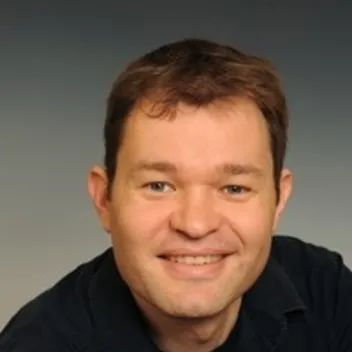
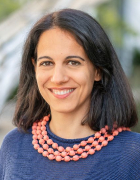
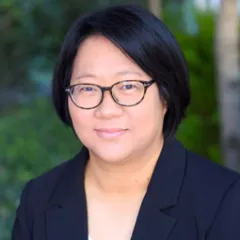
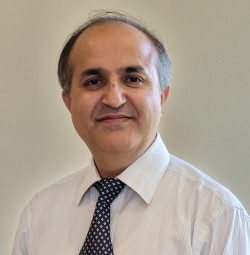
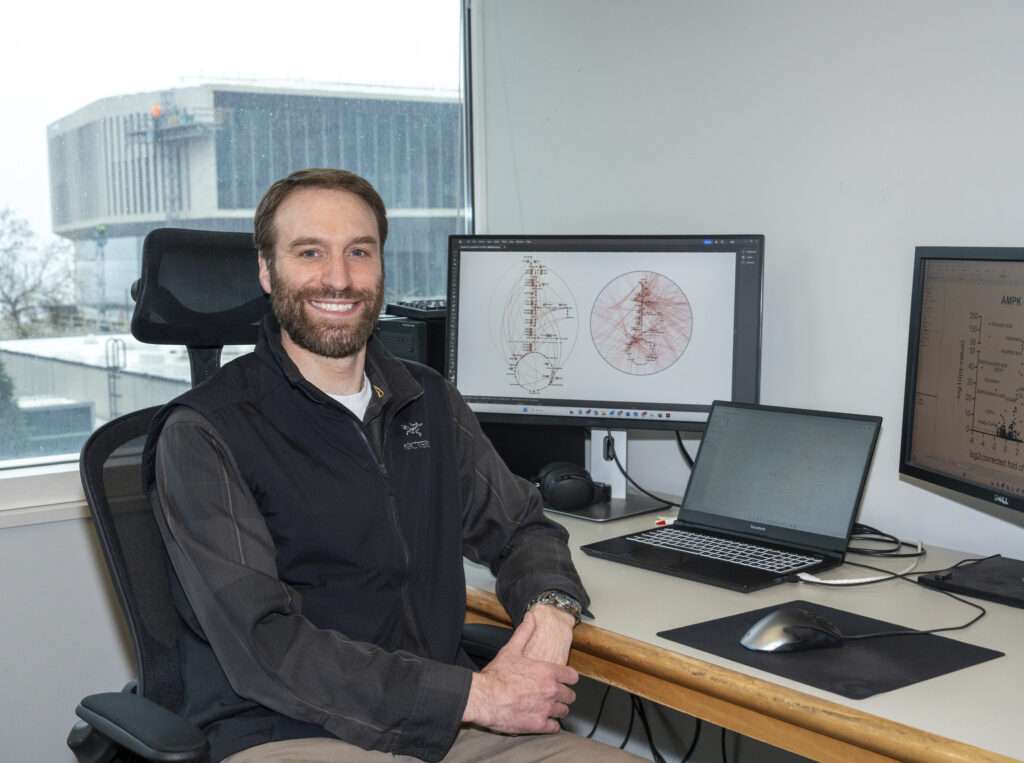
Professor Ulrich Zachariae is a Professor of Molecular Biophysics at the University of Dundee , affiliated with the School of Life Sciences and the Biological Chemistry and Drug Discovery department. He obtained his PhD in 2004 from the Max Planck Institute for Biochemistry and held postdoctoral roles at the Max Planck Institute for Biophysical Chemistry before transitioning to industry at AstraZeneca. His research focuses on membrane protein function , particularly ion channels and cell surface receptors , and employs computational methods such as molecular simulations and data-driven approaches to combat antimicrobial resistance . Recent work includes elucidating ion selectivity mechanisms, improving antibiotic bioavailability, and developing tools like State-Specific Information (SSI) to analyze protein-water dynamics. Key trends in his publications span biomolecular simulations , computational drug discovery , and structural biology , with a strong emphasis on ion channels and GPCRs in 2025, antimicrobial resistance in 2024, and foundational work on K+ channels in 2018. Professor Zachariae leads the MSc in Biological Data Science program and contributes to teaching modules in Biomolecular Structure and Interactions . His collaborations include institutions like St Andrews University and Trinity College Dublin , with funding from the Biotechnology and Biological Sciences Research Council (BBSRC) .
Prof. Dr. Antonella Di Pizio (born 1984) is an Associate Professor for Chemoinformatics and Protein Modelling at the Department of Molecular Life Sciences within the TUM School of Life Sciences at the Technical University of Munich. Since 2018, she has led the Molecular Modeling group at the Leibniz Institute of Food Systems Biology at TUM in Freising, Germany. Her academic journey includes a PhD in Pharmaceutical Sciences from the University of Chieti, Italy (2012), followed by research at Philipps University in Marburg, Germany, and a postdoc position at the Hebrew University of Jerusalem, Israel. Prof. Di Pizio's research focuses on computational approaches to understanding chemosensory G protein-coupled receptors (GPCRs), particularly taste and smell receptors. Her work combines molecular modeling, chemoinformatics, and structural bioinformatics to investigate the molecular basis of ligand recognition and activation mechanisms. Her group develops predictive models for screening and designing bioactive compounds relevant to food reformulation and therapeutic applications. Analysis of Prof. Di Pizio's publication record reveals a strong focus on bitter taste receptors, particularly TAS2R family members, and odorant receptors. Her research spans computational modeling of receptor-ligand interactions, development of predictive algorithms for taste compound identification, and investigation of the structural basis of chemosensory perception. Recent work demonstrates increasing integration of machine learning approaches with traditional molecular modeling techniques. Scientific Recognition: Leibniz Best Minds Programme for Women Professors (2022) Platinum Manfred Rothe Excellence Award in Flavor Research (2019) Bernardo Nobile doctorate award VIII Edition (2013) Keystone Symposia Future of Science Fund Fellowship (2017) Prof. Di Pizio serves on the editorial board of Frontiers in Molecular Biosciences and is a Working Group Leader and Management Committee member of the ERNEST Cost Action CA18133. She teaches courses including 'Modeling and simulations of Biological Macromolecules' and 'Drug and Protein Design' at TUM. Her Molecular Modeling group collaborates extensively with other research groups at the Leibniz-LSB@TUM on interdisciplinary projects focused on food systems biology. The Molecular Modeling group, established relatively recently at the institute, investigates food-relevant molecules and their interactions using computational tools including molecular docking, molecular dynamics simulations, pharmacophore modeling, QSAR, machine learning, and virtual screening. Their work aims to develop next-generation methodologies for food design that address current challenges in the food system.
Charlotte Martin is a postdoctoral researcher at the Department of Chemistry, Faculty of Sciences, Vrije Universiteit Brussel (VUB), Belgium. With a PhD in Organic Chemistry (2013) and Master of Science in Biomolecular Engineering (2010) from Université de Montpellier, she specializes in peptide chemistry, hydrogel synthesis, and GPCR signal transduction. Her work bridges biomaterials and pharmacology for advanced drug delivery systems. Research Interests: Peptide hydrogels for controlled drug release GPCR allostery and peptidomimetic development Neuropeptide-based pain treatment Biomaterial engineering via self-assembly Molecular design of agonists/inhibitors Applications in nanomedicine and immuno-PET imaging Scientific Contributions: Developed injectable supramolecular hydrogels (FWOSB194 project) Engineered β-arrestin peptidomimetics for GPCR modulation (FWOTM1170) Collaborated on single-domain antibody applications with VUB-UGent and VUB-EPFL alliances Scientific Awards: Dr. Bert & Elizabeth Schram Award (2022) ESMI Best Oral Presentation (2020) 3× Poster Presentation Awards (2018–2022) MOCS Conference 3rd Place Best Poster (2021) Expertise Trends: Publications (113+) focus on peptide hydrogels (49%), GPCR peptidomimetics (44%), and nanomaterial applications. Collaborations span Belgium (VUB, UGent), France (Université de Montpellier), Switzerland (EPFL), and Japan (Kanazawa University).
Tessianna Misko, PhD, serves as Director of Career and Professional Development in the Graduate Education Office at Case Western Reserve University School of Medicine, with faculty affiliation at the Center for Medical Education since 2023. Her work bridges biomedical research and graduate career preparation. PhD in Pharmacology from Case Western Reserve University (2019) BA in Biochemistry from Hiram College (2012) Research Administration Internship at Case Western Reserve University's School of Medicine (2018) Dr. Misko's research focuses on biomedical education innovation and career development strategies, emphasizing: Academic-to-workforce transitions Self-exploration in professional identity Biomedical graduate student needs Interdisciplinary career pathways Corporate-academic collaboration Translational science training Her publications reveal trends in: Targeting ribonucleotide reductase for cancer therapy Translational research program development Enzyme inhibition mechanisms Structure-guided drug design Biomedical workforce alignment Academic-industry training frameworks Teaching roles include: Leadership and Professional Development Skills Foundations of Career Exploration for Masters/PhD students Biomedical Sciences Internship program
Dr. Yong-Mi Kim is a Professor of Pediatrics and Pathology at the Keck School of Medicine of USC and serves as an Investigator in Hematology, Oncology and Blood and Marrow Transplantation at Children's Hospital Los Angeles (CHLA). Her research focuses on understanding the mechanisms of drug resistance in acute lymphoblastic leukemia, particularly examining the interactions between leukemia cells and their protective bone marrow microenvironment. Dr. Kim completed her medical education at Heinrich-Heine-University in Duesseldorf, Germany, followed by an internship and residency at Children's Hospital in Duesseldorf. She furthered her training with a fellowship at Harvard University and earned an MPH from Harvard University School of Public Health. Her research program investigates four key areas: novel imaging studies of drug-resistant leukemia microenvironment, integrin-mediated adhesion of ALL cells, apoptosis regulation through survivin, and self-renewal pathways involving Wnt/beta-catenin signaling. Her lab has pioneered cutting-edge imaging approaches to study drug resistance in real time, moving beyond static histological images. Analysis of Dr. Kim's recent publications reveals a strong focus on understanding the physical and molecular characteristics of drug-resistant leukemia cells, particularly examining integrin-mediated adhesion, metabolic adaptations, and novel therapeutic approaches targeting these resistance mechanisms. Her work spans from basic mechanistic studies to translational applications. NIH R01CA172896 St. Baldrick's Foundation Scholar Hyundai Hope on Wheels Scholar V-foundation William Lawrence and Blanche Hughes Foundation Couples Against Leukemia Whittier Foundation Nautica Dr. Kim actively mentors numerous students and researchers including Eun Ji Gang, Stephanie Shishido, Yann Duchartre, Etai Adam, Hye-Na Kim, Sandra Gonzalez, Ki Jun Lee, Samantha Hurwitz, and Heather Ogana. Her collaborative network includes prominent researchers such as Nora Heisterkamp, Michael Kahn, Steve Mittelman, and Scott Fraser. Her laboratory continues to advance understanding of leukemia biology and develop novel therapeutic strategies to overcome drug resistance.
Robert J. Doerksen is Professor of Medicinal Chemistry in the Department of BioMolecular Sciences at the University of Mississippi School of Pharmacy , Associate Dean of the Graduate School , and Research Professor in the Research Institute of Pharmaceutical Sciences . Since 2004 he has combined computational chemistry with experimental collaborations to advance drug discovery, particularly in glycoscience and cannabinoid research. Education: B.S. (Double First Class Honours) in Mathematics & Physics, University of New Brunswick, 1986 Graduate Diploma in Christian Studies, Regent College, Vancouver, 1996 Ph.D. in Chemistry, University of New Brunswick, 1998 (Advisor: Prof. Ajit Thakkar) Postdoctoral Fellow, UC Berkeley (with Prof. Martin Head-Gordon) Postdoctoral Fellow, University of Pennsylvania (with Prof. Michael Klein) Research Interests: Dr. Doerksen’s laboratory develops and applies computational medicinal chemistry approaches spanning chemoinformatics , molecular dynamics , virtual screening , and machine learning to understand how small molecules interact with proteins. Central themes include: Glycoscience : lectin–glycan interactions, glycosyltransferase regulation, glycomimetic design. Cannabinoids : CB1/CB2 receptor allosteric modulation, cannabidiol pharmacology, synthetic cannabinoid SAR. Neglected & Infectious Diseases : malaria, hepatitis B, tuberculosis, SARS-CoV-2, urinary-tract infections. Drug Delivery & Formulation : nanoparticle coatings, pharmacokinetic optimization, bioavailability enhancement. Publications Trend: Over 2023–2025 his 15 most recent papers reveal intense activity at the intersection of AI-driven discovery , glycobiology , and cannabinoid pharmacology , with emphasis on anti-infective, anticancer, and CNS-active agents. Key contributions include first-in-class MraY inhibitors for TB, cannabinoid-inspired antivirals against SARS-CoV-2, and glycomimetic antagonists of bacterial adhesins for UTI prevention. Scientific Awards & Honors: UM School of Pharmacy Faculty Service Award (2015–2016) UM School of Pharmacy Faculty Service Award (2010–2011) Editorial Boards: Molecules , AIMS Biophysics , Pharmaceutical Sciences , Perspectives in Medicinal Chemistry Repeated NIH, DoD, NSF, Wellcome Trust, and international grant-review panels (2010–present) Guest Editor for multiple special issues in Molecules and Frontiers journals Advising & Mentoring: As Associate Dean, Dr. Doerksen oversees University-wide graduate programs, chairs the Graduate Recruiting Fellowship and Scholarship Committee, and mentors students across disciplines. Faculty advisor for the UM chapters of the Christian Pharmacists Fellowship International (since 2005) and Taiwanese Student Association (2022–2025). He actively participates in PhD and MS thesis committees worldwide and has delivered NSF GRFP information sessions to support trainee funding. Laboratories & Teams: He directs research within the Computational Chemistry and Bioinformatics Research CORE (CCBRC) , fostering collaborative projects involving medicinal chemists, structural biologists, pharmacologists, and data scientists. The group leverages high-performance computing resources at the University of Mississippi to perform large-scale virtual screening, AI/ML model development, and integrative structural biology studies.
Thomas J.D. Jørgensen is an Associate Professor at the Department of Biochemistry and Molecular Biology, University of Southern Denmark. His work focuses on Biomedical Mass Spectrometry and Systems Biology, with a particular emphasis on protein dynamics, lipoprotein metabolism, and structural characterization. Current research involves lipoprotein lipase regulation (ANGPTL3/8, APOC2) and GPIHBP1-heparan sulfate interactions Expertise in Hydrogen/Deuterium Exchange Mass Spectrometry and glycopeptide analysis Scientific Leadership: Active in Ph.D. evaluation committees (Swedish Research Council, 2015; multiple international roles) and peer review activities. Funding Involvement: Participates in major projects including Leducq Foundation grants for triglyceride metabolism research, Novo Nordisk Foundation ONE IDP initiatives, and collaborations with GlyProVac ApS. Research Trends: Publications show strong focus on structural dynamics of lipid metabolism proteins (47% of 2023-2025 work), glycopeptide characterization (100% in 2023), and allosteric regulation mechanisms (100% in DNA repair proteins). Collaborations: International partnerships in cardiovascular biology, Parkinson's disease (Michael J. Fox Foundation), and biopharmaceutical safety. Media coverage includes breakthroughs in lipoprotein structure (2014) and Parkinson's research (2014).
Dr. Chris Smedley is a Research Fellow in Medicinal Chemistry at Monash University, affiliated with the Monash Institute of Pharmaceutical Sciences (MIPS). Since joining MIPS in 2020, he has contributed to an ARC Discovery grant program focused on developing biased bitopic ligands targeting the A 1 adenosine receptor for cardioprotection, as well as novel A 2B R agonists and A 1 R positive allosteric modulators. PhD in Organic and Medicinal Chemistry, La Trobe University (2018) MSci in Medicinal and Biological Chemistry, University of Nottingham (2013) Postdoctoral Research Associate, La Trobe University (2018–2020) His research centers on innovative synthetic methodologies in click chemistry , particularly Sulfur Fluoride Exchange (SuFEx) and his conceived concept of Diversity Oriented Clicking , enabling rapid assembly of complex molecular architectures. He has developed new SuFEx hubs and amide coupling methods for challenging substrates, advancing the field of modular synthesis. His recent publications demonstrate a strong trend in developing catalytic, multidimensional click reactions (e.g., phosphorus fluoride exchange), synthesizing bioactive compounds, and creating novel sulfonyl fluoride-based building blocks. These works span high-impact journals like Angewandte Chemie and Chem , reflecting a focus on synthetic innovation with applications in drug discovery. Dr. Smedley has been recognized with prestigious awards: Marie Skłodowska-Curie Rise Award (2015) Nancy Millis Medal (2018) He is the Primary Chief Investigator on an active ARC Discovery Project (2024–2026) titled "Diversity Oriented Clicking - Streamlined Synthesis of Molecular Frameworks," indicating leadership in independent research. While no formal advisees are listed, his collaborative output suggests active mentoring and team-based research. His work contributes to UN Sustainable Development Goals, particularly through advancements in medicinal science and education. Dr. Smedley conducts his research within the Monash Institute of Pharmaceutical Sciences, a leading hub for drug discovery and pharmaceutical innovation, where he continues to expand the frontiers of click chemistry and its biomedical applications.
Lewis E. Kay is a Professor of Biochemistry at the University of Toronto, specializing in NMR spectroscopy and structural biology. His research focuses on developing advanced NMR methodologies to study large molecular assemblies like the proteasome and characterizing transient protein conformations critical for biological function. Research Areas: NMR of Supra-Molecular Machines Characterizing Low Populated States of Proteins His work on proteasome dynamics and protein folding has led to groundbreaking insights into allosteric regulation and hydration effects in biomolecular processes. Recent publications emphasize high-resolution structural analysis of transient states and quantitative NMR applications. Scientific Honors: 2018 Gerhard Herzberg Canada Gold Medal 2017 Canada Gairdner International Award Royal Society (London) and Royal Society of Canada Fellowships Howard Hughes Medical Institute International Scholar (1997–2001) Kay teaches courses in biomolecular dynamics and function, contributing to graduate and undergraduate education in biochemistry. He holds a Tier 1 Canada Research Chair and has been recognized as a University Professor at the University of Toronto.
Lin Lin is an Assistant Professor (Tenure Track) at the Department of Biochemistry and Molecular Biology, University of Southern Denmark (SDU), affiliated with the Molecular Microbiology VIP and SDU Climate Cluster. Her research spans microbiology, pharmacology, and molecular biology, focusing on bacterial contractile injection systems and the therapeutic potential of angiotensin receptors in hypertension, inflammation, and diabetes. Key Research Areas: Type VI Secretion System Angiotensin AT2 Receptor Signaling Phosphoproteomics in Vascular Pathways Microbial-Host Interactions Her recent work includes high-throughput assays for AT2 receptor ligands and engineering bacterial pili for environmental applications. She has no listed scientific awards or advisees.
Dr. Santosh Aryal is an Associate Professor in the Department of Pharmaceutical Science and Health Outcomes at the University of Texas at Tyler (UT-Tyler). He holds a Ph.D. in Bionanosystem Engineering from Chonbuk National University, South Korea, and has held prior appointments at institutions including the University of California, San Diego, and Houston Methodist Research Institute. His primary research focuses on nanomedicine, particularly in designing nanoparticle-based systems for targeted drug delivery, photothermal therapy, and imaging applications in cancer and vascular diseases. Dr. Aryal's work emphasizes biomimetic approaches, leveraging extracellular vesicles and bioengineered membranes to enhance therapeutic efficacy and reduce off-target effects. Dr. Aryal's academic journey includes postdoctoral training in nanoengineering and cancer research, followed by six years as an Assistant Professor at Kansas State University. At UT-Tyler, his Aryal Lab develops innovative nanomedicines to address challenges in drug delivery, such as immune system compatibility and tumor targeting. His research is supported by grants from the National Science Foundation (NSF) and National Institutes of Health (NIH). Key research themes include nanoparticle-biomaterial interface studies, paramagnetic imaging agents, and combinatorial drug delivery systems. He has published extensively on topics like liposomal formulations, graphene-based nanocomposites, and enzyme-responsive drug release mechanisms. His work bridges engineering and medicine, aiming to translate nanotechnology into clinical solutions for unmet medical needs. Dr. Aryal's laboratory also explores physiologically based pharmacokinetic modeling to predict nanoparticle behavior in vivo, ensuring safe and effective clinical translation. His contributions to biomimetic nanoparticles and targeted therapies have advanced understanding of nanoparticle-cell interactions and imaging-guided cancer treatments.
Kevin G. Hicks is an Assistant Professor in the Department of Nutrition & Integrative Physiology at the University of Utah College of Health, holding an adjunct appointment in Biochemistry. His research focuses on metabolic regulation via protein-metabolite interactions, developed through the MIDAS platform. He completed his PhD in Microbiology at the University of Washington (2015) and postdoctoral training in Biochemistry at the University of Utah before joining the faculty in 2024. His work bridges biochemistry, metabolomics, and interactomics to uncover mechanisms of metabolic regulation in health and disease. Education: B.S. Biology (Biochemistry emphasis), University of Oregon, 2007 Ph.D. Microbiology, University of Washington, 2015 Postdoctoral Research, Department of Biochemistry, University of Utah, 2015–2020 Research Interests: The Hicks lab investigates how metabolites regulate enzyme function and metabolic pathways, with a focus on developing novel interactome discovery technologies. Key areas include: Systematic identification of protein-metabolite interactions Allosteric regulation of metabolic enzymes Therapeutic applications of interactomics Metabolic dysregulation in disease Grants & Awards: Recent funding includes grants from the NIH, Chan Zuckerberg Initiative, and Calico Life Sciences (totaling over $20M). He received the Innovation Impact Award (2023) for contributions to interactome discovery. Lab Activities: The lab includes postdoctoral researchers (e.g., Marissa Trujillo), graduate students (e.g., Lindsay Mortensen), and technicians. Research spans molecular biology, mass spectrometry, and computational analyses. Current projects expand MIDAS applications to membrane proteins and RNA-metabolite interactions.
Youla Tsantrizos is a Professor in the Department of Chemistry at McGill University, holding an affiliate position in the Department of Biochemistry (Faculty of Medicine). She earned her B.Sc., M.Sc., and Ph.D. in Organic Chemistry from McGill University, followed by postdoctoral training at Brown University. Her academic career includes roles at Vanier College, Concordia University, and Boehringer Ingelheim Pharmaceuticals before joining McGill in 2009 as Full Professor. Research Interests : Tsantrizos specializes in phosphorus-containing heterocyclic compounds, developing synthetic methodologies for high-throughput parallel synthesis and enantioselective organic reactions. Her work focuses on applying these compounds in interrogating biochemical pathways related to cancer and neurodegeneration, as well as exploring their use in transition metal-catalyzed reactions for pharmaceutical production. Key Achievements : She has received notable awards including the Queen Elizabeth II Diamond Jubilee Medal (2012) and the Fessenden Professorship (2011). Her contributions to drug discovery include the development of BILN 2061, an HCV NS3 protease inhibitor, and inhibitors targeting farnesyl and geranylgeranyl pyrophosphate synthases for cancer therapy. Teaching : Currently teaches advanced courses in Bio-Organic Chemistry (CHEM 502) and Drug Discovery (CHEM 503). Active in mentoring students through the McGill Canadian Institute of Health Research Training Program in Drug Development. Labs & Teams : Leads the Tsantrizos Group at McGill's Otto Maass laboratory, affiliated with the GRASP protein structural research center and the CREATE Training Program in Bionanomachines.
William S. Messer, Jr. , Ph.D., is a Professor of Medicinal Chemistry and Pharmacology at the University of Toledo's College of Pharmacy and Pharmaceutical Sciences. After earning his BS in Biology from Springfield College and MS/PhD in Neuroscience from the University of Rochester, he joined the University of Toledo in 1985, advancing through the ranks to hold leadership roles including Chair of Pharmacology (2001-2013) and Vice President of Research (2013-2016) before returning to full-time faculty work. Education: BS, Springfield College – Biology MS & PhD, University of Rochester – Neuroscience Dr. Messer’s research focuses on neurological and psychiatric disorders (Alzheimer's, schizophrenia, autism) and muscarinic acetylcholine receptors . He developed the selective M1 agonist CDD-0102A for Alzheimer’s and founded Cognitive Pharmaceuticals Ltd. and Psyneurgy Pharmaceuticals LLC to translate his work into clinical applications. His recent work explores allosteric modulators of muscarinic receptors, with publications spanning 2025-2006 on memory mechanisms, receptor binding, and computational chemistry. Key trends include neurodegenerative disease models, zebrafish/rat studies, and chemical synthesis of cholinergic ligands. Scientific Awards & Grants: NIH subcontract (2017-2020): $90,096 direct costs for research on allosteric sites in muscarinic receptors. Rocket Fuel Fund grant (2018-2020): $50,000 for autism biomarker studies. Two issued U.S. patents (9,549,928 and 10,835,532) for muscarinic agonists enhancing cognitive flexibility and memory. Dr. Messer served as Vice President of Research and Department Chair , and his grants support translational research in pharmaceutical development. His laboratory studies integrate pharmacology, medicinal chemistry, and behavioral neuroscience to address unmet clinical needs.
Brooke M. Katzman, Ph.D., is a researcher in the Department of Laboratory Medicine and Pathology at Mayo Clinic College of Medicine and Science, Rochester, Minnesota. Her work focuses on clinical chemistry, immunoassay interference, and health equity in laboratory diagnostics. Education: Postdoctoral Certificate - Advanced clinical and translational research training (2018), Mayo Graduate School of Medicine Clinical Chemistry Fellow (2016), Mayo Clinic Ph.D. - Organic and Medicinal Chemistry (2014), Emory University BA/BS - Chemistry and Biology (2009), Youngstown State University Her research explores analytical challenges in clinical laboratories, including biotin/vitamin interference with immunoassays, cardiovascular biomarker validation, and CXCR4 antagonists for HIV and cancer. She has published extensively on these topics and advocates for improved diagnostic protocols. Recent publications highlight her focus on gender-affirming therapy monitoring (2025), health equity strategies (2024), and biotin interference mitigation (2019). Earlier work includes studies on NMDA receptor modulators and HIV pharmacology. Scientific Awards: Nutrition Division Abstract Award, AACC (2018) Richard Marshall Education Award, AACC Midwest Section (2016) MSACL Young Investigator Travel Grant (2016) Multiple student/early career awards at Youngstown State University (2009) Katzman serves on committees for laboratory standardization, equity initiatives, and biospecimen programs. She has no listed students but collaborates widely in diagnostic research and clinical lab stewardship projects.