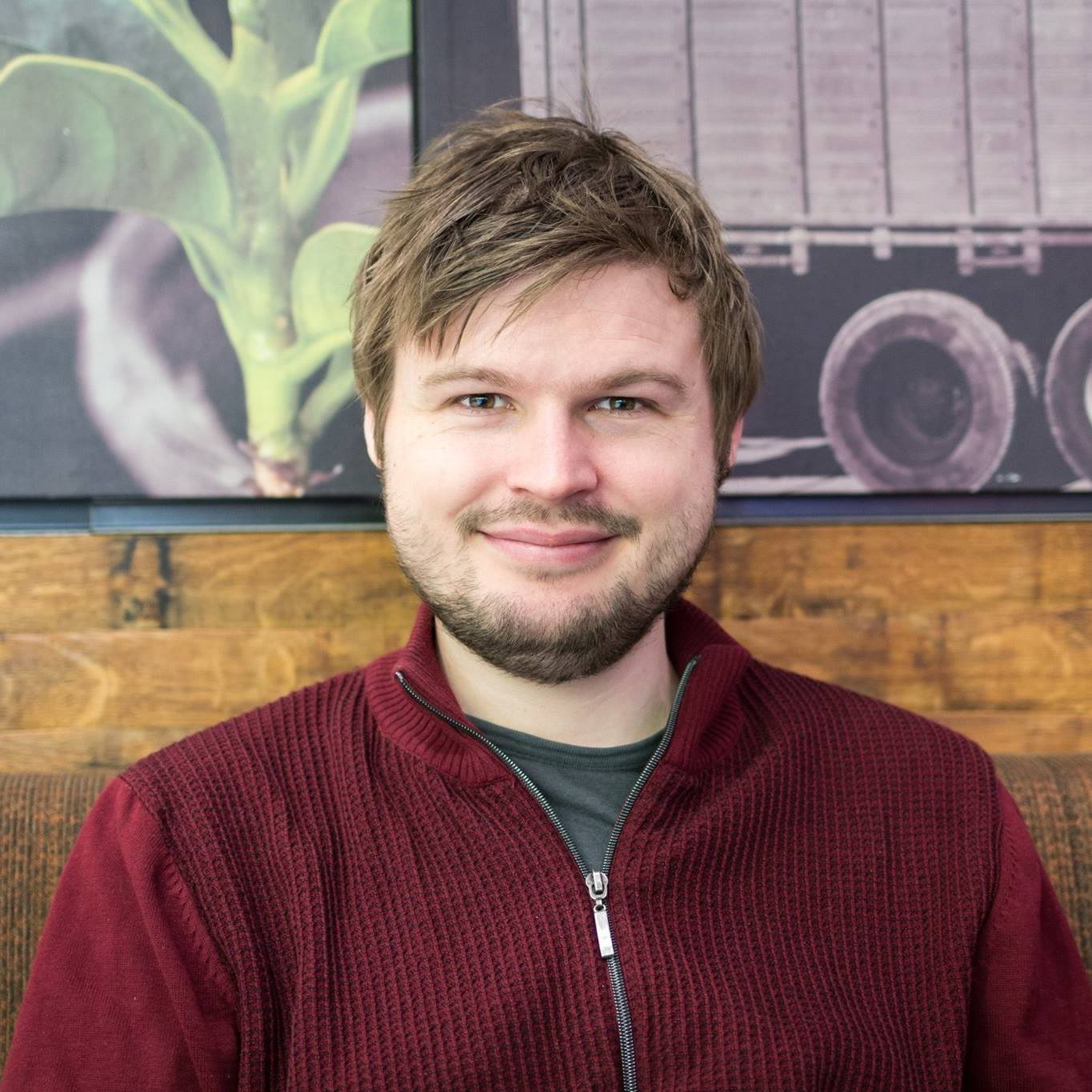
Kun Qian is a postdoctoral researcher at the University of Southern Denmark's Faculty of Engineering, affiliated with the Centre for Industrial Electronics. His work bridges industrial electronics and sustainable energy systems. Research focuses on integrating electric vehicles (EVs) and photovoltaic (PV) technologies to optimize energy systems. Specializes in physics-informed neural networks, reinforcement learning, and computational efficiency in simulations. Active in developing smart charging strategies for EVs and exploring second-life battery applications in renewable energy plants. His research spans interdisciplinary topics combining electrical engineering, artificial intelligence, and urban sustainability. Notable work includes optimizing EV charging infrastructure for net-zero energy cities and enhancing renewable energy utilization through battery storage.
Yunhong Ding is a Senior Researcher at the Department of Electrical and Photonics Engineering at Technical University of Denmark (DTU), working within the Centre of Excellence for Silicon Photonics for Optical Communications. Based at Ørsteds Plads, 340, 1.8.E, 2800 Kgs. Lyngby, Denmark, Ding maintains an active research profile with 242 publications and involvement in 13 research projects (3 active, 10 completed). Ding's research spans multiple areas within photonics, with a strong emphasis on silicon photonics, waveguide physics, resonators, and quantum key distribution. Their work contributes to UN Sustainable Development Goals through advancements in optical communication technologies. Key research areas include: Thin-film lithium niobate photonics for quantum applications Silicon photonics for optical communications Nanophotonic devices and metasurfaces Quantum information processing and communications Terahertz technology and detection Recent publications (2024-2025) demonstrate a strong focus on thin-film lithium niobate platforms for quantum photonics applications, including single photon storage, temporal multiplexing, and quantum communications. Ding's work shows a clear trajectory toward developing integrated photonic solutions for both classical and quantum communication systems, with particular emphasis on underwater communications, LiDAR applications, and quantum network technologies. Ding actively supervises PhD students on cutting-edge projects related to optical communications and quantum photonics, indicating a significant role in academic mentoring and research leadership. Their publications show strong international collaboration across multiple institutions and research groups. As a Senior Researcher at DTU, Ding contributes to the university's research excellence in photonics and optical communications, working within one of Europe's leading research institutions in this field. The extensive publication record and active project portfolio demonstrate sustained research productivity and relevance in the rapidly evolving field of integrated photonics.
Mads Hvid Aaberg Poulsen is a Clinical Associate Professor at the Department of Regional Health Research, Faculty of Health Sciences, University of Southern Denmark. He is affiliated with IRS - Esbjerg and Grindsted Hospital, where he contributes to clinical urology and academic research. His work bridges medical practice and scientific investigation, particularly in prostate cancer diagnostics and treatment outcomes. His educational background includes a medical degree from the University of Southern Denmark (1997–2004) and a Ph.D. from Odense University Hospital (2009–2013), focusing on prostate cancer staging and bone health under androgen deprivation therapy. His research interests center on prostate cancer , urological oncology , medical imaging (PET/CT, MRI) , osteoporosis , neuromodulation , and patient-reported outcomes . He actively investigates diagnostic accuracy, treatment complications, and quality of life in prostate cancer patients. The analysis of his recent publications reveals a strong trend toward clinical validation of diagnostic tools, exploration of treatment side effects, and integration of artificial intelligence in predicting cancer progression. His work emphasizes multimodal imaging, biomarker development, and patient-centered outcomes in urology. Bone health in prostate cancer patients on hormonal therapy Neuromodulation for lower urinary tract dysfunction Improving prostate cancer diagnosis through liquid biopsies Advanced imaging for metastasis detection Patient experience during diagnostic processes He has received no publicly listed scientific awards in the provided text. However, he is involved in funded research projects and public outreach. Mads Hvid Aaberg Poulsen supervises Ph.D. students, including Lærke Dorner Østergaard and Sissal Sigmundsdóttir Djurhuus. He has been principal or co-supervisor on projects related to quality of life, artificial intelligence in oncology, and patient-reported outcomes. His research is supported by institutional and national funding, though specific grants are not detailed. He is part of a multidisciplinary research network focused on prostate cancer, collaborating with urologists, oncologists, radiologists, and data scientists. His work is conducted within clinical settings and academic departments, emphasizing translational research from bench to bedside.
Troels Martin Range is an Associate Professor at the Department of Clinical Research, University of Southern Denmark, affiliated with Odense University Hospital (OUH) and the Research Unit of Emergency Medicine in Odense. His work bridges operational research and clinical medicine, focusing on optimizing healthcare delivery systems. His research interests lie primarily in operational research , stochastic optimization , and healthcare analytics . He investigates emergency department patient flow , surgery scheduling , and resource allocation using advanced mathematical models such as column generation , simulation modeling , and machine learning techniques . His work often integrates real-world data including meteorological and calendar variables to improve forecasting accuracy. The analysis of his recent publications reveals a consistent trend toward applying rigorous mathematical and computational methods to solve complex problems in healthcare operations. His work spans both theoretical contributions in Mathematical Programming and practical implementations in hospital settings, particularly in emergency and surgical care. He frequently employs stochastic modeling , decision forests , and neural networks to address uncertainty in medical systems. Editor, International Journal of Advanced Operations Management Member, Dansk Selskab for Operationsanalyse (DORS) Guest Lecturer on hospital staff rostering and resource planning He has taught courses in operations analysis and has supervised academic work, though specific advisees are not listed. His research has been supported through academic collaborations and implementation projects in hospital environments. He is actively involved in knowledge transfer between academia and healthcare institutions. Dr. Range is part of a research network focused on emergency medicine and operational efficiency, contributing to both national and international collaborations. His lab or team context centers on the Research Unit of Emergency Medicine at OUH, where data-driven approaches are developed to enhance clinical decision-making and system performance.
Kristian Kidholm is a Professor at the University of Southern Denmark (SDU), affiliated with the Department of Clinical Research and the Centre for Innovative Medical Technology (CIMT) in Odense. He is also associated with the SDU Climate Cluster. His work bridges health economics, health technology assessment, and digital health innovation. His research interests include: Health economics and cost-benefit analysis Health technology assessment (HTA) Telemedicine and digital health solutions Artificial intelligence in healthcare Home monitoring and hospital-at-home models Patient self-care and empowerment His recent publications reflect a strong focus on evaluating digital health technologies, particularly AI in diagnostics, telerehabilitation, and decision support systems. The articles span methodologies such as randomized controlled trials, scoping reviews, and feasibility studies, indicating a multidisciplinary and applied research approach. Themes consistently revolve around improving healthcare efficiency, patient outcomes, and cost-effectiveness through innovation. Kristian Kidholm has contributed to significant projects like MAS-AI (assessment of AI value), PATINA (preventing hospital admissions), and digital transformation initiatives. He has taught courses on health technology assessment and patient involvement, and has supervised research work. His ORCID is 0000-0003-1037-6514, and he is active in public discourse through media contributions on digital health policy.
Rafael Treibich is an Associate Professor in the Department of Economics at the University of Southern Denmark, Faculty of Social Sciences. His research and teaching focus on microeconomic theory and political economy, with a strong emphasis on social welfare, decision rules, and collective choice mechanisms. Education: Ph.D. in Economics, École Polytechnique (2014) M.Sc. in Economics, Paris School of Economics (2010) M.Sc. in Engineering, École Nationale des Ponts et Chaussées (2008) His research interests include Microeconomic Theory , Political Economy , Social Choice , and Game Theory , particularly in the context of welfare functions, voting rules, externalities, and credit allocation. His work often bridges theoretical rigor with real-world applications in institutional design and data aggregation. The recent trend in his publications reveals a consistent focus on fairness, cooperation, and decision-making in groups. His articles explore mechanisms for equitable resource distribution, the role of voting power in sustaining cooperation, and how individual productivity is recognized in teams. They span interdisciplinary venues such as Management Science , American Economic Journal: Microeconomics , and ACM conferences, reflecting a blend of economic theory and computational social science. Scientific Service and Activities: Peer reviewer for Mathematical Social Sciences , American Economic Journal: Microeconomics , Oxford Economic Papers , and Social Choice and Welfare Speaker at the 27th Annual SIOE Conference (2023) Active contributor to editorial work and academic discourse Rafael has been involved in advising and teaching, offering courses such as Strategy and Markets , Introduction to Cost-Benefit Analysis , and Advanced Microeconomics . He was a project participant in the research initiative Big Theory of Big Data: Theoretical Foundations of Data Aggregation Methods (2019–2023), which explored theoretical aspects of data diffusion, PageRank algorithms, and high-dimensional data aggregation—highlighting his engagement with cutting-edge, interdisciplinary topics. He is affiliated with a vibrant research network and has contributed to public discourse, including media commentary on research freedom. His ORCID is 0000-0002-3000-2010 .
Laura Mancinska is an Associate Professor in the Department of Mathematical Sciences at the University of Copenhagen. Her research focuses on quantum computing, quantum information theory, and quantum entanglement. She explores how quantum technologies outperform classical methods in tasks like communication and computation, with a particular emphasis on nonlocal games and Bell inequalities. Current projects include ERC-funded research on quantum information processing and Villum-backed work on trustworthy quantum technologies. She leads the VERIqTAS consortium for quantum verification and has received grants from QuantERA. Her work spans interdisciplinary fields such as mathematical physics and theoretical computer science. Education: PhD in Quantum Information (2013, University of Waterloo), postdoctoral roles at the Centre for Quantum Technologies (Singapore) and the University of Bristol. Awards include ERC Starting Grant (2023–2028) and Villum Young Investigator Grant (2021–2026). Active in mentoring PhD/postdoc researchers and publishing in top journals like Nature Physics and Communications in Mathematical Physics. Research outputs include breakthroughs in quantum self-testing, entanglement applications, and quantum algorithms. Her lab collaborates internationally on topics like quantum device verification and complexity theory.
Magnus Madsen is an Associate Professor at the Department of Computer Science, Aarhus University. He specializes in programming language design, compilers, and type and effect systems, and is the lead developer of the Flix programming language. His research focuses on advancing static analysis techniques and declarative language constructs for effectful and data-driven programming. Research Interests : - Programming language design - Type systems and effect systems - Static program analysis - Datalog and declarative programming - Compiler optimization and implementation Awards & Grants : - 2023: Sapere Aude Grant (Independent Research Fund Denmark) - 2022: Dahl-Nygaard (Junior) Prize (ECOOP) - 2022: STEM Grant (Stibo Foundation) - 2021: Amazon Research Award (collaboration with Jaco van de Pol) - 2020: DFF Project One (Independent Research Fund Denmark) Advising & Collaboration : - Supervises four current PhD students (listed above). - Active in academic service: PC member for ECOOP, OOPSLA, PLDI, and other conferences. - Collaborates with industry (e.g., Google, Systematic) and academia on tool development and language research. Labs & Projects : - Core contributor to the Flix programming language and the CASA (Center for Advanced Software Analysis) initiative. - Involved in interdisciplinary projects combining declarative programming with domain-specific applications.
Mostafa Amini-Afshar is a Senior Researcher in the Department of Civil and Mechanical Engineering at the Technical University of Denmark (DTU), specializing in fluid mechanics and coastal/maritime engineering with emphasis on ship hydrodynamics and wave-structure interactions. His work directly contributes to UN Sustainable Development Goals related to sustainable infrastructure and climate action. His research profile encompasses: Added resistance in waves and seakeeping analysis Finite difference methods and potential flow modeling Machine learning applications for ship performance optimization Free surface hydrodynamics and strip theory Recent publications demonstrate a strong trend toward integrating machine learning with traditional naval architecture methods, particularly for wave added resistance prediction and real-time ship performance analysis. This interdisciplinary approach bridges computational fluid dynamics with data-driven engineering solutions in maritime contexts. He actively collaborates internationally through workshops like the DNV Nordic Maritime Universities series and has contributed to projects including Predicting the added resistance of slow ships in waves (2011-2015), where he served as PhD candidate under supervision of H.B. Bingham and J.J. Jensen. His research network spans hydrodynamics, maritime risk assessment, and computational methods as evidenced by co-authorship with Mittendorf, Eftekhar, and Nielsen.
Christine Nellemann is Provost at the Technical University of Denmark (DTU), a senior academic and administrative leadership role within the Office of the President. She is actively involved in research, policy engagement, and public communication on food safety, toxicology, and sustainable food systems. Research Interests: Her work centers on toxicology, particularly endocrine-disrupting chemicals such as parabens, pesticides, and phthalates. She investigates their effects on hormonal systems, including thyroid and sex hormones, and evaluates chemical mixtures and risk assessment methodologies. Her research extends to sustainable agriculture, CRISPR technology, antimicrobial resistance, and the ethical and societal dimensions of scientific innovation. The recent publications reflect a strong trend toward science-policy integration, emphasizing the role of scientific evidence in shaping sustainable food systems, climate resilience, and public health. Themes include food safety in environmental crises, ethical use of biotechnology, AI bias, and research funding for green transition. Science Policy Advocacy: Criticized government cuts to sustainability research. Food Safety Leadership: Contributed to assessments of chemical risks in tattoo inks and Baltic Sea gas leak impacts. Biotechnology Ethics: Advocated for responsible use of CRISPR in agriculture. Global Health: Engaged in antimicrobial resistance surveillance and capacity building. Christine Nellemann has supervised PhD students and served as an examiner in doctoral projects. She has participated in numerous research projects, including those on vitamin D and cancer risk, fetal programming of metabolic syndrome, and alcohol-related breast cancer. While specific grants are not listed, her project involvement indicates significant research funding acquisition. She is a member of expert groups such as the Danish Council on Ethics and contributes regularly to media and public discourse on science and sustainability. She is affiliated with research networks focusing on food safety, chemical risk, and sustainable development, and has delivered guest lectures and conference presentations internationally.
Jesper Bláfoss Ingvardson is an Associate Professor in the Department of Technology, Management and Economics at the Technical University of Denmark (DTU), specializing in Transportation Systems Modelling and Transportation Science. His work contributes to sustainable urban mobility and public transport planning. Education: M.Sc. in Transport & Logistics, DTU (2009–2012) B.Sc. in Civil Engineering, DTU (2006–2009) His research focuses on travel behavior, public transport route choice, transit-oriented development (TOD), and the use of smart card data for behavioral modeling. He investigates how urban design, perceived safety, and station characteristics influence mode choice and ridership. His work integrates psychology, data science, and transport engineering to improve public transport attractiveness. The 15 most recent publications reflect a strong trend in using big data—especially smart card data—to model passenger behavior, reduce estimation bias, and evaluate policy impacts in cities worldwide, including Santiago, Addis Ababa, and Copenhagen. The research spans behavioral modeling, sustainable transport adoption, and emotional responses in urban mobility. Scientific Awards: P.H. Bendtsens Traffic Research Award (2019) RA's Research Award (2018) Jesper actively supervises PhD students and leads research projects such as 'Network Optimisation for Connected, Cooperative and Automated Mobility' and 'Behavioural Modelling for Public Transport.' He has been the principal investigator of the 'BELMOPAN' project, focusing on big data sources for passenger behavior modeling. His grants and projects often involve interdisciplinary collaboration with institutions and urban planners. He is involved in multiple research networks and has presented at numerous international conferences, contributing to the academic discourse on sustainable urban transport and behavioral modeling.
Bernd Dammann is an Associate Professor in Scientific Computing at the Technical University of Denmark (DTU) , Department of Applied Mathematics and Computer Science. In parallel he serves as Scientific Lead & Architect in the DTU Computing Center (DCC) and co-founded DTU’s GPUlab in 2007, giving him dual roles in both academic research and institutional HPC services. Education Dipl.Phys. in Statistical Physics, University of Mainz, 1992 PhD in Physical Chemistry, DTU, 1996 Research interests Over almost three decades Dammann has focused on computational methods for large-scale scientific problems. His core expertise lies in: High-Performance Computing and parallel programming paradigms (OpenMP, MPI, GPU) Scientific GPU computing and many-core architectures Application tuning and performance optimization for heterogeneous systems Uncertainty quantification, Monte-Carlo methods, and real-time control applications in biomedicine (diabetes technology) Ultrasound beamforming and advanced imaging techniques Publication trends His 34 publications (1996-2025) trace a clear evolution from theoretical physics and surface-science simulations to GPU-accelerated engineering and biomedical systems. Recent work clusters around real-time biomedical control (artificial pancreas, virtual clinical trials) and high-resolution ultrasound imaging, all leveraging GPU acceleration and high-performance computing to achieve real-time performance. Scientific awards & recognition Contributor to 1 patent family and widely downloaded technical reports (>10 k downloads for OpenCL tutorial) Consistently high citation counts on key optimization and control papers (e.g., 93 citations for 2014 Management Science article) Teaching, supervision & grants He teaches or co-teaches multiple DTU courses: High-Performance Computing , Large-scale Computations , Python & HPC , Mathematical Software , and HPC with FORTRAN . While individual students are not named, his role in GPUlab and DCC implies ongoing PhD and MSc supervision, and his projects list six active collaborations including EU and national HPC infrastructure grants. Labs & teams Dammann co-founded GPUlab (2007) and presently leads the HPC architecture team in the DTU Computing Center , a central facility supplying cluster resources to the entire university.
Erling Halfdan Stenby is a Professor and Head of the Department of Chemistry at the Technical University of Denmark (DTU), leading research in applied thermodynamics, petroleum engineering, enhanced oil recovery, carbon capture and storage (CCS), and geothermal energy. He has held leadership roles at DTU since 1987, including Director of the Center for Energy Resources Engineering (CERE) (2009–2014) and Scientific Director for Enhanced Oil Recovery at the Danish Hydrocarbon Research and Technology Centre (2014–2017). PhD in Chemical Engineering, DTU (1983–1985) MSc in Chemical Engineering, DTU (1976–1982) His research focuses on thermodynamic modeling, CO2 storage, and geothermal energy systems, supported by grants from the Innovation Foundation and international companies. Recent projects include algorithms for CO2 capture and multiphysics simulations for geological storage. Scientific awards: Knight of the Order of Dannebrog (2013) DGMK-Kolleg (2006) Chevalier dans l’Ordre des Palmes Academique (2004) DONG’s Jubilæumslegat Honorary Award (2000) Reinholdt W. Jorck og Hustrus Fond Research Award (1995) Stenby supervises multiple PhD students on CO2 storage and reactive transport simulations, collaborating with institutions like DTU Chemical Engineering and TOTAL S.A. His work contributes to UN Sustainable Development Goals, particularly in clean energy and climate action.
Tórur Biskopstø Strøm is a Postdoctoral researcher at the Department of Applied Mathematics and Computer Science (DTU Compute) at the Technical University of Denmark . His work focuses on real-time systems, embedded systems, and multicore processors with an emphasis on synchronization, timing analysis, and predictable execution.
Philip Thomas Lanken Conradsen Clausen is a Researcher at the Research Group for Genomic Epidemiology within the National Food Institute at the Technical University of Denmark (DTU). His work contributes to UN Sustainable Development Goals related to health and well-being, particularly through genomic epidemiology and antimicrobial resistance research. Dr. Clausen's research focuses on antimicrobial resistance , metagenomics , and genomic epidemiology . His expertise spans computational methods for analyzing resistance genes, pathogen surveillance, and infectious disease tracking. His work bridges bioinformatics, microbiology, and public health, with particular emphasis on developing novel computational approaches for understanding antimicrobial resistance mechanisms and transmission patterns. His recent publications demonstrate a strong trend toward developing computational pipelines and methods for analyzing metagenomic data, with applications in infectious disease surveillance and antimicrobial resistance monitoring. His research integrates next-generation sequencing technologies with advanced bioinformatics to address critical challenges in pathogen detection and resistance gene tracking. Scientific awards: DTU Young Researchers Award 2020 - Recognizing promising early-career research contributions Dr. Clausen has served as a supervisor for PhD research, including for Hallgren, M. B. on the project 'Real-time surveillance and detection of infectious diseases in clinical and environmental pathogens.' His research has been supported by DTU and likely external funding sources given the scope of his projects, which focus on genomic epidemiology and antimicrobial resistance surveillance. He is an active member of the Research Group for Genomic Epidemiology at the National Food Institute, DTU, where he contributes to collaborative research efforts focused on understanding and combating antimicrobial resistance through genomic approaches. His work involves close collaboration with international researchers and institutions, as evidenced by his co-authorship on multiple international publications.