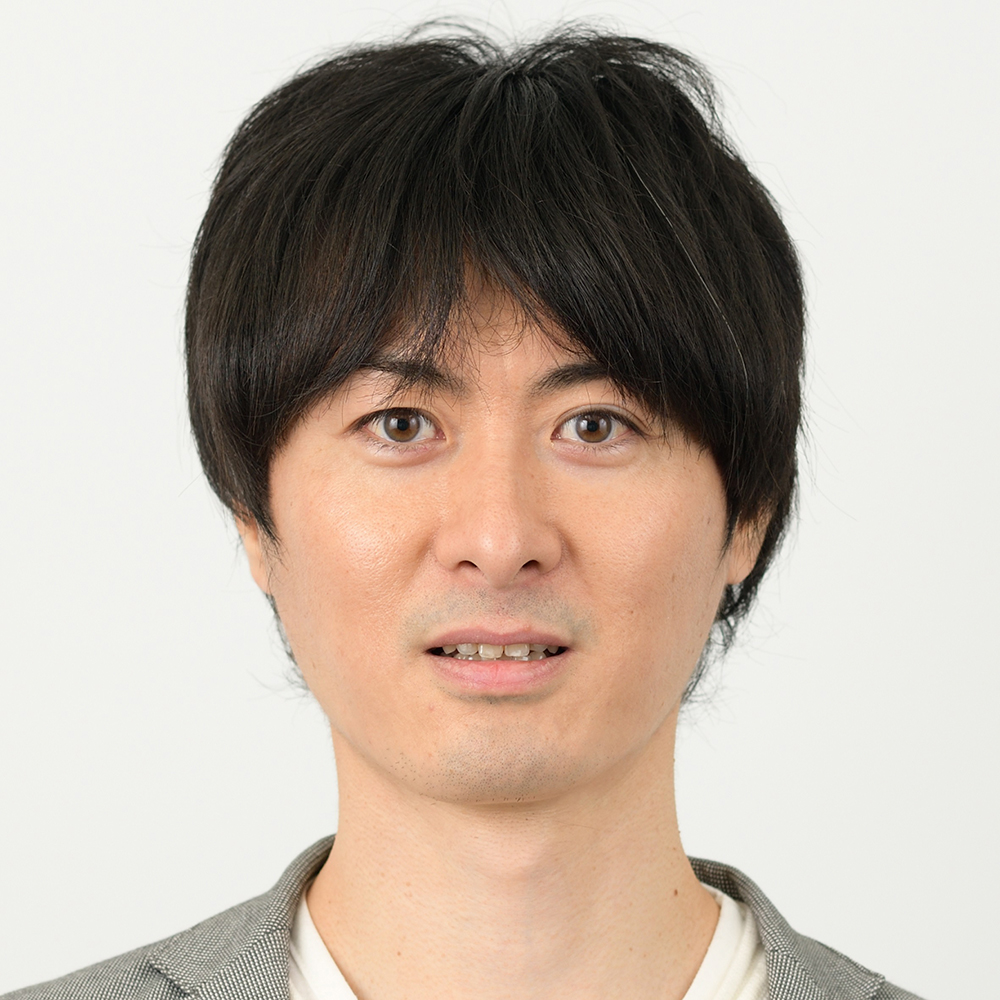
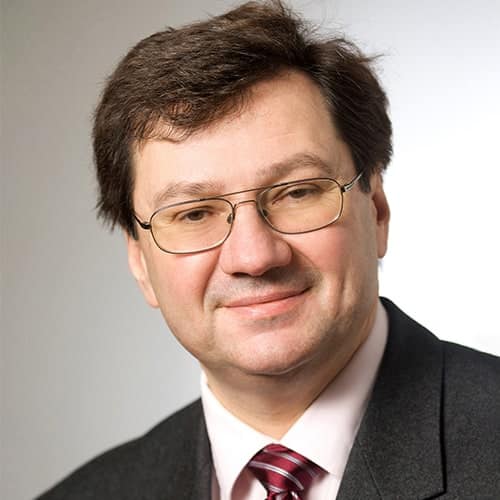
Navid Bayati is an Associate Professor at the University of Southern Denmark, affiliated with the Institute of Mechanical and Electrical Engineering and the Centre for Industrial Electronics. He leads the Control and Protection of Smart Grids (CAP-SG) group and focuses on renewable/hybrid power systems, microgrid protection, and grid code compliance. Education: Ph.D. in Power Systems & Microgrid Protection (2020, Aalborg University); M.Sc. in Power Systems (2017, Amirkabir University of Technology) His research spans renewable energy integration , transient analysis , grid interconnection , and digital twin applications . Recent work includes machine learning for carbon emission prediction, fault localization in DC microgrids, and supercapacitor resilience in hybrid systems. Collaborations include projects like IEA Wind Task 50 and RePoSys , addressing grid renovation, life cycle assessment, and digital twin resilience. His teaching portfolio covers power electronics , energy management , and microgrid control .
Yanbo Wang is an Associate Professor and Vice Head of the Wind Power Research Programme at AAU Energy, part of Aalborg University's Faculty of Engineering and Science. He leads research in Electric Power Systems and Microgrids, focusing on intelligent energy systems and flexible markets. His work emphasizes stability analysis, control strategies for hybrid AC/DC systems, and renewable energy integration. He supervises multiple PhD projects on topics like multi-port energy routers and wind power converter optimization. Research interests include power electronics, microgrid stability, and energy storage systems. Key projects include the EU-funded 'S3SF: Smart Energy Solutions for Sustainable Future' and machine learning-based control strategies for multi-energy systems. He has authored over 176 publications, with recent work on DC microgrid reliability, converter design, and offshore wind energy systems. His team collaborates internationally to advance grid-friendly technologies and smart energy solutions. Notable contributions include advanced control schemes for retired batteries in DC microgrids and stability assessment methodologies for offshore wind inverters. He advises on six PhD projects and maintains a lab focused on renewable energy systems and power electronics innovation.
Pooya Davari is a Professor and Head of the Section for Applied Power Electronic Systems at Aalborg University , Denmark. He leads the EMI/EMC in Power Electronics Research Group and serves as Vice Chair of the Energy Efficiency Mission. His research focuses on electromagnetic interference (EMI) and harmonic mitigation in power electronic systems, with over 200 publications and significant contributions to renewable energy integration. Education: B.Sc. and M.Sc. in Electronic Engineering (2004, 2008), Ph.D. in Power Electronics from Queensland University of Technology (2013) Prior Roles: Lecturer at QUT (2013–2014), Postdoc at AAU (2014) Research Interests: Harmonic and EMI analysis in grid-tied converters High power density converter design Signal processing for converter modeling Reliability of power electronic systems Article Trends: Recent work emphasizes EMI/EMC in renewable energy systems, wide bandgap semiconductors (SiC/GaN), and reliability modeling for EVs and hydrogen production via electrolysis. Sub-fields include converter topologies, grid integration challenges, and AI-driven diagnostics. Scientific Awards: Equinor 2022 Prize (Denmark’s oldest engineering award) IEEE EMC Society Young Professional Award (2020) World’s Top 2% Highly Cited Scientist (Stanford, 2021–2025) Multiple best paper awards (IEEE, Applied Sciences, etc.) Grants & Editorial Roles: Recipient of grants from Innovation Fund Denmark (Supra-EMC project), Horizon Europe (SOLARIS), and industry partnerships. Serves as Area Editor for IEEE Transactions on Transportation Electrification , Associate Editor for IEEE Transactions on Power Electronics , and Editor-in-Chief of Circuit World Journal (2020–2025). Labs & Standards: Coordinator of the EMC Laboratory at Aalborg University. Member of IEC standardization Working Groups 6 and 8 (TC77A), focusing on EMC strategies for power grids.
Linda Sandris Larsen is an Associate Professor of Finance at the Copenhagen Business School's Department of Finance. She previously held academic positions at the University of Southern Denmark (Assistant Professor 2009–2012 and Associate Professor 2012–2016). Her primary affiliations include the Pension Research Center (PerCent) at CBS and board membership at Sydinvest (Danish mutual fund). Education: PhD in Finance (2009), MSc in Mathematics-Economics (2003), both from University of Southern Denmark Her research focuses on dynamic asset allocation, household financial decision-making (particularly mortgage choices), and the impact of model/parameter uncertainty on investment strategies. Current projects explore: Life-cycle consumption-saving interactions with interest-only mortgages Design efficacy of mandatory pension plans Gender disparities in pension product selection Recent publications emphasize practical policy implications, such as recession hedging strategies and pension system welfare analysis. She actively contributes to public policy through roles like the Ministry of Business and Growth's working group on banking/mortgage competition. Her work bridges theoretical finance with real-world applications, often combining stochastic models with empirical analysis of household financial behaviors.
Bissan Ghaddar is a Professor in the Department of Technology, Management and Economics at Technical University of Denmark (DTU). Her work focuses on robust optimization, edge computing, and sustainable energy systems, contributing to UN Sustainable Development Goals related to affordable and clean energy. She supervises PhD projects on sector coupling in energy models and quantum computations for power systems. Her research interests include optimizing energy consumption in electric vehicle routing and application placement in edge computing under uncertainty. She has published influential papers in journals like Transportation Research Part C and Omega , addressing latency and efficiency challenges in dynamic systems. Current projects include modeling large-scale sectoral energy systems using smart-linking approaches (2024–2027) and secure power system operation leveraging quantum computations (2021–ongoing). She collaborates internationally with experts in operations research and telecommunications.
Martin Nordal Petersen is an Associate Professor at the Department of Electrical and Photonics Engineering , Technical University of Denmark (DTU) . His work spans Internet of Things (IoT) , optical networking , and wireless communication systems, with notable contributions to LoRa , NB-IoT , and LPWAN technologies. He actively supervises PhD projects on topics such as machine learning in IoT edge devices , secure 5G communication , and smart community architectures . Active projects (2024–2027): Machine Learning in IoT Edge Devices , Deterministic and Secure 5G Communication Finished projects (2021–2024; 2018–2021; 2015–2018): Reliable M2M/IoT Communication , Smart Communities , IoT 100% , Network Slicing His research explores: IoT Reliability : Multi-RAT communication, backup systems, and signal propagation Optical Networks : Alien wavelength integration, SDN control, and network emulation platforms Wireless Innovation : GPS-free geolocation, maritime NB-IoT use cases, and multimode fiber distribution Current collaborations emphasize cross-disciplinary applications of IoT in healthcare , industrial ergonomics , and smart environments .
Kantaro Fujiwara serves as Associate Professor at the Graduate School of Medicine, The University of Tokyo, with concurrent appointments at the International Research Center for Neurointelligence (IRCN) and the Department of Mathematical Informatics, Graduate School of Information Science and Technology. He also manages the Data Science Core infrastructure for IRCN. His academic background includes a Ph.D. in Information Science and Technology from the University of Tokyo (2008), followed by postdoctoral research at the University of Tokyo (JSPS) and University of Cambridge, then assistant professorships at Saitama University and Tokyo University of Science before joining the University of Tokyo faculty. Dr. Fujiwara's research bridges computational neuroscience and neural data analysis through mathematical modeling of neural networks, development of neural data analysis methodologies, and exploration of brain-inspired machine learning. His work extends to biological information processing with specific applications in pancreatic beta cell modeling for diabetes research, establishing connections between theoretical frameworks and experimental neuroscience. His publication record (2017-2023) reveals consistent interdisciplinary contributions applying echo state networks, recurrence analysis, and nonlinear dynamics to neural data classification, physiological signal processing, and disease modeling. These works demonstrate strong integration of computer science, neuroscience, and biomedical engineering methodologies to solve complex neurobiological problems. As Data Science Core Manager at IRCN, he oversees computational infrastructure and software resources that enable advanced neurointelligence research across the University of Tokyo ecosystem, providing critical support for data-intensive neuroscience projects.
Giovanni Pantuso is an Associate Professor at the Department of Mathematical Sciences, University of Copenhagen, specializing in stochastic programming and optimization under uncertainty . His work bridges mathematical methods with practical applications in transportation, logistics, and production planning. Education : PhD in Operations Analysis from the Norwegian University of Science and Technology (Feb 2014) Research Focus : Developing mathematical frameworks for decision-making under risk, with applications to maritime fleet renewal, car-sharing systems, and ride-sharing logistics. Teaching : Courses in Advanced Operations Research: Stochastic Programming, Risk Optimization, and Introduction to Numerical Analysis. His methodological contributions include novel algorithms for stochastic programming and decomposition methods, while applied work spans electric car-sharing systems, first-mile transportation challenges, and production planning under uncertainty. Current research explores dynamic fleet management and cost-service tradeoffs in shared mobility.
Alfred Taudes is a Full Professor at the Department of Information Systems and Operations, Institute for Production Management, Vienna University of Economics and Business (WU Vienna). He holds a doctoral degree and a Habilitation from WU Vienna in Business Administration and Management Information Systems, and a Magister degree from Vienna University. He has held assistant professorships at WU and visiting professorships at Augsburg, Münster, Essen, and Tsukuba University, Japan. He joined WU permanently in 1993 and served as head of the Department of Information Systems and Operations from 2010 to 2016. His research spans Operations and Supply Chain Management , Marketing Engineering , Knowledge Management , and the impact of Big Data and Blockchain on production systems. Using Complexity Science and Cryptoeconomics , he investigates digital production, integrated value chains, and market designs. He teaches undergraduate and graduate courses including Operations Strategy, Data Science, and IT seminars in WU’s International Supply Chain Master program, and has also taught at Japanese universities. His recent publications focus on blockchain privacy (e.g., CoinJoin analysis), CBDCs, MiCAR regulation, decentralized federated learning, and digital custody, reflecting a strong trend toward cryptoeconomics and blockchain-based systems in operations and finance. These works appear in top journals and conferences in information systems, security, and operations research. Cooperation Officer of the Year 2013/14 Distinguished Paper Award WI 2009 VHB Best Paper Award Nomination VHB Best Paper Award Dr. Wolfgang Houska - Recognition Award Alfred Taudes has coordinated major research projects such as the WWTF-project “Integrated Demand and Supply Chain Management” and the Special Research Area Adaptive Models in Economics and Management Science. He currently leads the research group on Cryptoeconomics at WU and chairs the scientific board of the Austrian Internet Offensive . His leadership extends to project management in initiatives like the Austrian Blockchain Center and research on decentralized finance and digital assets. He is actively involved in academic service, including organizing conferences like DEXA 2022, serving on editorial boards, and advising on research policy. His lab and research group focus on blockchain applications, digital transformation in operations, and the societal implications of big data.
Jan Engelhardt serves as Assistant Professor in the Department of Wind and Energy Systems at the Technical University of Denmark (DTU), specializing in e-mobility and prosumer integration within power and energy systems. His work directly contributes to UN Sustainable Development Goals through grid modernization and renewable energy integration. His research focuses on electric vehicle-grid integration , with core expertise in battery energy storage systems, DC microgrids, and virtual power plants. Key investigation areas include smart charging architectures for EV clusters, frequency response services, phase balancing techniques, and V2X management strategies. His experimental approach combines theoretical modeling with real-world validation of control systems for enhanced grid stability. Recent publications demonstrate a clear trend toward distributed control solutions for electric vehicle clusters, emphasizing user-centric scheduling while providing grid services. His work increasingly incorporates experimental validation of frequency control architectures and explores high-power reconfigurable battery applications for fast-charging infrastructure. Dr. Engelhardt actively supervises PhD candidates on projects including Hybrid Energy Solutions (EV charging and battery storage synergies) and Provision of Grid Services through EV Aggregation. He participates in major EU initiatives like EV4EU (Electric Vehicles Management for Carbon Neutrality in Europe) and GREAT (GRid Enhancement for Ancillaries in Tomorrow’s power systems), securing substantial research funding through Horizon Europe frameworks.
Rob Gleasure is a Professor in the Department of Digitalization at Copenhagen Business School (CBS), Denmark. His research focuses on the intersection of information systems, digital technologies, and human behavior, with particular expertise in blockchain technology, crowdfunding, AI applications, and technology adaptation. Based at Solbjerg Square 3 in Frederiksberg, he contributes to CBS's mission of advancing knowledge in business and society through digital transformation. Professor Gleasure's research spans several key areas within information systems and digital innovation: Digital finance and blockchain technologies, including cryptocurrency and financial applications Crowdfunding platforms and digital fundraising mechanisms Artificial intelligence applications in various domains including healthcare and banking Human-computer interaction and the psychological aspects of technology adoption Digital collaboration and the affective dimensions of online work Quantum computing infrastructure and emerging technologies His recent publications reveal an evolving research trajectory that increasingly addresses the societal implications of digital technologies. Gleasure has moved from foundational work on crowdfunding and blockchain to more complex examinations of AI ethics, gender bias in technological systems, and the psychological impacts of digital media. His research demonstrates growing attention to sustainable development goals, particularly those related to responsible consumption and production, reduced inequalities, and climate action. The interdisciplinary nature of his work bridges business, technology, and social sciences, often employing both qualitative and experimental methodologies. Professor Gleasure has served as a supervisor for numerous students (21 supervisor tasks mentioned) and has been active in academic service including co-chairing the ACM Collective Intelligence Conference in 2021. His research has attracted media attention, with contributions to discussions on cryptocurrency, carbon offsetting in aviation, and AI applications.
Jesper Liniger is an Associate Professor at AAU Energy within the Faculty of Engineering and Science at Aalborg University. He works in the Esbjerg Energy Section focusing on Offshore Renewable Energy Systems and is affiliated with AAU BLUE – Marine & Maritime Research. His office is located at Niels Bohr Street 8, 6700 Esbjerg, Denmark. Research Interests Marine Growth Engineering and automated cleaning solutions for offshore structures Underwater robotics including Remotely Operated Vehicles (ROVs) and autonomous inspection systems Wind turbine engineering with emphasis on hydraulic pitch systems and fault detection Fluid power engineering applications in marine environments Development of robotic solutions for offshore renewable energy infrastructure Research Trends Dr. Liniger's recent publications demonstrate a strong focus on developing robotic solutions for offshore renewable energy infrastructure. His work bridges theoretical control systems with practical marine applications, particularly addressing marine growth (biofouling) challenges on offshore structures. The research shows increasing interdisciplinary collaboration, combining robotics, fluid mechanics, and wind energy systems to create integrated solutions that improve operational efficiency and reduce maintenance costs in offshore environments. Scientific Awards Innovation Project of the Year (2024) - For underwater robotics development Esbjerg Universitetspris (2018) - University award recognizing research excellence Advising and Research Leadership Dr. Liniger actively supervises PhD students and serves as principal investigator or supervisor on multiple major projects including "NextGen Robotics" for offshore wind farms and "Towards Enhancing Perception and Navigation for Autonomous Underwater Inspection Drone." His research portfolio includes collaborations with industry partners like Vattenfall and Business Center Funen, demonstrating strong industry-academia connections focused on practical applications with economic impact. Research Teams and Facilities Liniger is part of AAU BLUE – Marine & Maritime Research, which provides specialized facilities for marine robotics testing and development. His work involves close collaboration with researchers in control systems, fluid mechanics, and renewable energy. The research group has developed experimental frameworks for testing underwater and surface vehicle operations, with recent media coverage highlighting their innovative approaches to solving marine growth challenges on offshore structures.
Ravi Seshadri is an Associate Professor in the Transport Division at the Department of Technology, Management and Economics, Technical University of Denmark (DTU). His research focuses on designing equitable, efficient, and sustainable mobility solutions with a focus on fiscal instruments like congestion pricing and tradable permits, as well as emerging mobility modes such as shared and demand-responsive transit. He employs methods from transportation network equilibria, dynamic traffic assignment, and agent-based simulation. His research interests span transportation economics, urban planning, and intelligent transportation systems. Key areas include evaluating the impacts of automated mobility-on-demand systems, optimizing tolling strategies using predictive control and reinforcement learning, and integrating multi-modal transportation networks through game-theoretical frameworks. His work emphasizes real-world applications in urban freight systems, e-commerce logistics, and sustainable urban mobility policies. Recent projects include studying congestion pricing schemes via agent-based microsimulation, analyzing behavioral responses to decarbonization policies, and developing frameworks for tradable credit systems with peer-to-peer trading. He has contributed to both theoretical advancements (e.g., robust traffic assignment models) and applied tools like the SimMobility simulation platform. Ravi's research demonstrates a strong focus on bridging transportation engineering with policy analysis, using cutting-edge computational methods to address complex urban mobility challenges. His work spans academic publications, industry collaborations, and policy consultations to advance sustainable transportation systems.
Dr. Ramkrishan Maheshwari is an Associate Professor at the Institute of Mechanical and Electrical Engineering, University of Southern Denmark, specializing in power electronics and motor drive systems. His research focuses on advanced power converter topologies, wide bandgap semiconductors, and renewable energy integration. University: University of Southern Denmark Rank: Associate Professor Research: Power Converters, PWM Techniques, Wide Bandgap Devices Recent work involves small DC-link capacitors, machine learning-based component selection, and hydrogen production systems. His Google Scholar articles highlight innovations in converter design and control algorithms. Awards include the BHJ Foundation Teaching Prize (2023) and a Best Paper Award (ICPEE 2021). He supervises PhD students like M. A. Khan and R. K. Mahapatra and leads projects such as 'Efficient Cost Saving Grid Friendly PtX Converter' funded by Mads Clausens Fond.
Janine Leschke is Professor in Political Economy of Labour Markets at Copenhagen Business School's Department of Management, Society and Communication and a member of CBS Sustainability's Sustainability Governance Group. Her work centers on European labour markets, welfare states, and social policy through institutional and micro-data analysis. Her research focuses on comparative European labour market and welfare state analysis, emphasizing flexibility-security dynamics. Key areas include non-standard employment, job quality, gender disparities, platform work, and social sustainability. She investigates big data and algorithmic impacts on public employment services using institutional frameworks and micro-data. Recent publications (2023-2025) highlight platform work regulation, job quality measurement in digital markets, and intra-EU migration effects on wage structures. Her work consistently examines technological change, social protection, and flexicurity models within European governance. Leschke supervises projects on labour market inequality, digital transformation, migration, and social policy using diverse methodologies. She led the EU Horizon 2020 HECAT project (2020-2023) on disruptive labour market technologies and participates in EUSOCIALCIT, ReNEW, and STYLE through ESPAnet networks. She contributes to CBS's Sustainability Governance Group and European research networks including ESPAnet and Nordic ESPAnet to advance comparative social policy analysis.