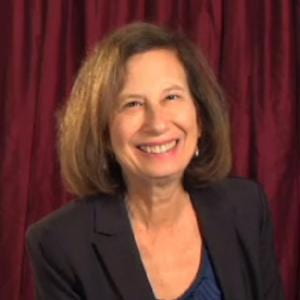
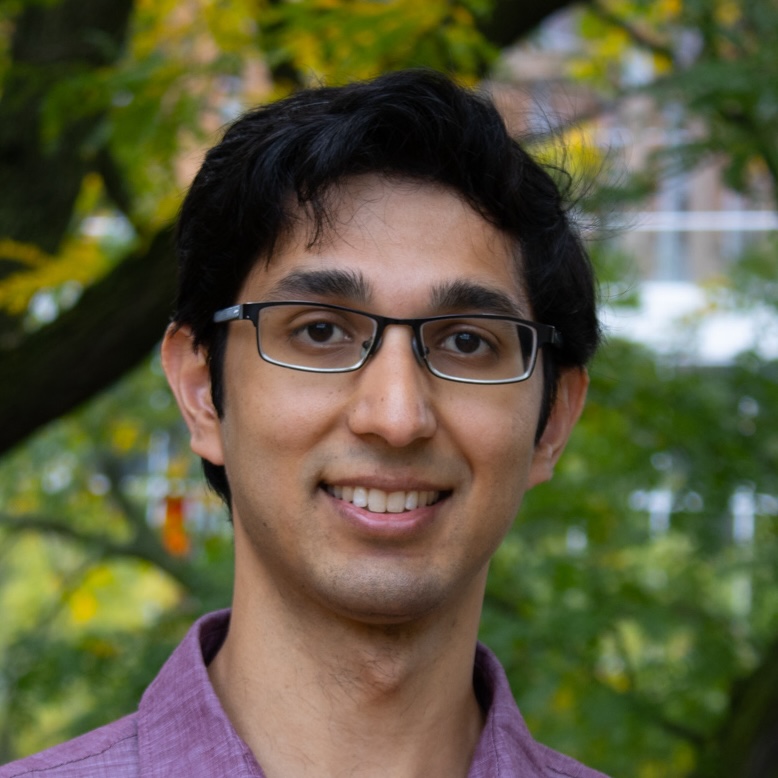
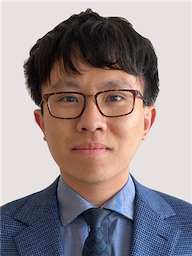
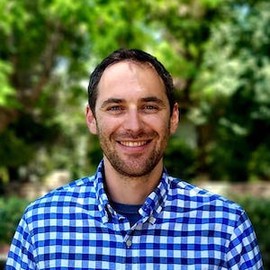
Susan C. Levine is the Rebecca Anne Boylan Distinguished Service Professor of Education and Society in the Department of Psychology at the University of Chicago. Her research explores the interplay between early spatial and numerical thinking, focusing on how adult-child interactions shape mathematical development in home and school settings. Her work examines children's understanding of natural numbers and fractions, evaluates interventions to improve math skills, and investigates how parental and teacher math attitudes influence child outcomes. Key areas include math anxiety, gesture-based learning, and socioeconomic impacts on numeracy. Recent publications highlight gesture interventions for spatial misconceptions, math anxiety in college calculus, and the role of parental interactions in shaping children's mathematical beliefs. The Distinguished Service Professor award recognizes her contributions to educational psychology.
Dr. Dibakar Ghosal is an Associate Professor in the Department of Earth Sciences at the Indian Institute of Technology Kanpur (IIT Kanpur). He leads the Crustal Imaging Laboratory (CIL) which is equipped with state-of-the-art seismic data acquisition setup and processing software for both land and marine seismic datasets. His research spans exploration seismology, tectonic studies, and algorithm development for subsurface imaging across diverse geological settings. Dr. Ghosal's educational background includes: PhD in Geophysics (2008-2013) from Institut de Physique du Globe de Paris (IPGP), France M.Sc. in Geophysics (2004-2006) from Indian Institute of Technology Kharagpur, India B.Sc. in Geology, Mathematics and Physics (2001-2004) from Jadavpur University, India His research focuses on three major themes: (1) Tectonic studies across Himalaya, Sumatra-Andaman, and Bay of Bengal using high-resolution seismic datasets; (2) Development of algorithms for petrophysical parameter estimation of hydrocarbon and ore reserves; and (3) Ambient Noise and earthquake data analysis. His work integrates field data acquisition, computational modeling, and advanced algorithm development to address fundamental questions in Earth sciences, with particular emphasis on crustal architecture and resource exploration. His recent publications demonstrate expertise in crustal imaging techniques, tectonic analysis of subduction zones, and algorithm development for seismic data processing. The research spans diverse geographical regions including the Himalayas, Sumatra-Andaman region, Bay of Bengal, and Southern Indian Ocean, with applications to hydrocarbon exploration, tectonic studies, and crustal architecture analysis. Dr. Ghosal has received several prestigious fellowships and awards: 2023: Scientific High Level Visiting Fellowship (SSHN) from French Institute in India (IFI) 2022: INSA visiting scientist fellowship 2019: Visiting Faculty at IPG Paris, France 2019: Visiting Faculty at NTU Singapore 2014-2015: Postdoctoral fellowship, Geocentrum, Uppsala University, Sweden 2008-2012: PhD fellowship, IPG Paris, France Dr. Ghosal actively mentors students and has supervised numerous PhD, MTech, and BS-MS students. His research is supported by multiple sponsored projects from DST-SERB, MoES, ONGC, and other funding agencies. He has successfully completed projects on topics including seismic imaging of the Himalayan foothills, gas hydrate reservoir modeling, and petrophysical property estimation. He leads the Crustal Imaging Laboratory (CIL) at IIT Kanpur, which conducts field work across various regions of India including the Himalayas and offshore areas. The laboratory is equipped with RAUs, 3C Tromino sensors, seismic thumpers, and advanced processing servers. He collaborates with national institutions including NIO Goa, IISER Pune, and NGRI, as well as international institutions such as IPG Paris, Uppsala University, and Texas A&M University.
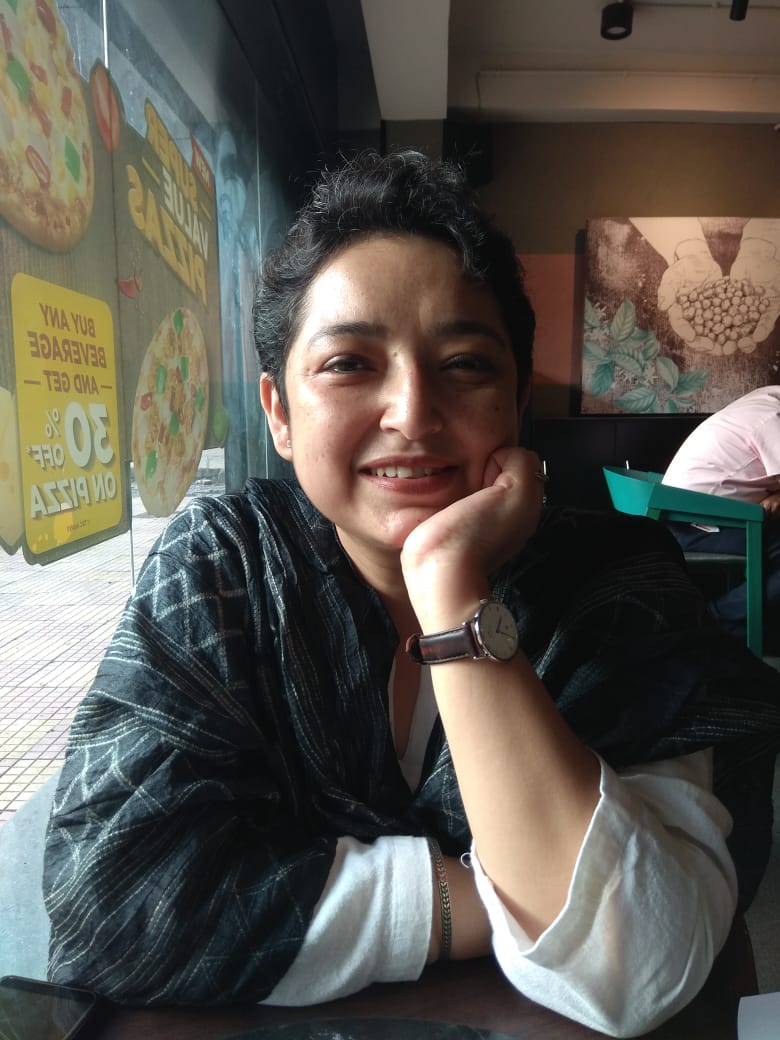
Dr. Shatarupa Thakurta Roy is an Associate Professor in the Department of Humanities and Social Sciences at the Indian Institute of Technology Kanpur (IIT Kanpur). She teaches courses in Art Appreciation, Design Theory, Visual Communication, and History of Art, and collaborates with IIT Kanpur's Design Programme. She holds a Ph.D. in Design from IIT Guwahati (2014), an M.F.A. (1999), and a B.F.A. (1997) from Kala Bhavana, Visva Bharati Santiniketan. Her research explores Visual Culture , Indian Folk and Minor Art , Graphic Design , and Design Theory , with fieldwork focusing on narrative folk paintings across Eastern India. She emphasizes cultural sustainability, visual storytelling, and interdisciplinary design methodologies. Her publications (2011–2022) span art theory, data visualization, HCI, and cultural preservation, reflecting trends in cross-disciplinary innovation , social impact design , and digital heritage conservation . She frequently integrates cognitive psychology, new materialism, and postcolonial perspectives. Awards & Honors: Best Paper Award, NaCoMM 2011 National Scholarship Scheme, Government of India (1997–1998) Mentorship Award for 'Toycathon 2021' (designing educational board game 'CheMystery') Advising & Grants: She has supervised 15+ Ph.D. and 35+ M.Des. theses. Funded projects include an MHRD grant (2016) for assistive interfaces for dyslexic children and a Doordarshan collaboration (2022) on sustainable farming documentaries. Administration: She has served as Warden, DPGC Convener, and lab in-charge at IIT Kanpur. She also edits academic journals and chairs conferences on art and design.
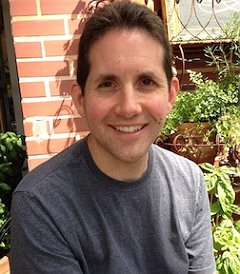
Todd Millstein is a Professor in the Computer Science Department at the University of California, Los Angeles (UCLA). He served as the Computer Science Department Chair from 2022-2025 and is also an Amazon Scholar. His research focuses on making software systems more reliable through programming languages techniques, with significant contributions to network verification and probabilistic programming. Millstein received his Ph.D. from the University of Washington Department of Computer Science, where he was a member of the Cecil group led by Craig Chambers. Prior to that, he completed his undergraduate studies at Brown University under the guidance of Paris Kanellakis and Pascal Van Hentenryck. Millstein's research spans several areas of programming languages and systems with a focus on reliability. He has made significant contributions to network verification, developing the Batfish network configuration analyzer which is now managed by Amazon Web Services and forms the basis of Oracle Cloud's Network Path Analyzer. His work has been recognized with the ACM SIGCOMM Networking Systems Award in 2025. He also works on interactive program verification through lemma synthesis and scalable reasoning methods for probabilistic programming languages. His research bridges programming languages theory with practical systems challenges, as highlighted in his SPLASH/OOPSLA 2024 keynote "Everything is a Program (even if it's not)". Millstein's recent publications demonstrate a consistent focus on verification and reliability across multiple domains. His work shows a progression from foundational programming language techniques to practical applications in networking and probabilistic systems. Key themes include data-driven approaches to program analysis, synthesis of verification artifacts, and applying programming languages techniques to non-traditional domains like network configuration. Millstein's scientific achievements have been recognized with numerous prestigious awards including an NSF CAREER Award, an ACM SIGPLAN Most Influential PLDI Paper Award, an ACM SIGCOMM Networking Systems Award, IEEE Micro Top Picks selection, best-paper awards from PLDI, OOPSLA, and SIGCOMM, a Microsoft Research Outstanding Collaborator Award, an Okawa Foundation Research Grant, an IBM Faculty Award, and a Facebook Research Award. He has also received both the Northrop Grumman Excellence in Teaching Award (for junior faculty) and the Eon Instrumentation Inc. Excellence in Teaching Award (for senior faculty) from UCLA Engineering. Millstein advises several Ph.D. students including Ana Brendel, Poorva Garg (co-advised with Guy Van den Broeck), Rajdeep Mondal (co-advised with George Varghese), and Rathin Singha (co-advised with George Varghese). His research has been supported by various grants including an NSF CAREER Award, Okawa Foundation Research Grant, IBM Faculty Award, and Facebook Research Award. He has also been a Co-Founder and Chief Scientist of Intentionet, which was later acquired by Amazon Web Services. Millstein is actively involved in the Batfish project, an open-source network configuration analyzer that has had significant practical impact. Batfish is now managed by AWS, powers Oracle Cloud's Network Path Analyzer, and is used by dozens of companies. His research group continues to work on network reliability, developing techniques for scalable BGP policy verification and behavioral testing of protocol implementations.
Elizabeth "Beth" Mayer-Davis is the Dean of The Graduate School and the Cary C. Boshamer Distinguished Professor of Nutrition and Medicine at the University of North Carolina at Chapel Hill. She holds joint appointments in the Gillings School of Global Public Health and the School of Medicine, where she previously served as Chair of the Department of Nutrition for eight years. As Dean of The Graduate School, she oversees more than 160 degree-offering programs and over 10,000 graduate students at UNC Chapel Hill. Dr. Mayer-Davis earned her educational credentials from prestigious institutions: Ph.D. in Epidemiology from the University of California, Berkeley (1992) Master of Public Health with honors from the University of Colorado School of Medicine (1986) B.S. in Dietetics from the University of Tennessee (1980) Dr. Mayer-Davis is an internationally recognized expert in diabetes research with a career focused on the epidemiology and natural history of type 1 and type 2 diabetes in children and adults. Her research addresses how nutrition impacts diabetes risk and complications, with particular emphasis on culturally and regionally diverse populations. Her primary current focus is on type 1 diabetes in youth and young adults, examining diabetes self-management and energy balance/weight management for individuals with type 1 diabetes. She employs innovative methodologies including large epidemiological studies, clinical trials, and adaptive intervention designs, often incorporating communication technologies to enhance patient-centered care. Analysis of Dr. Mayer-Davis's recent publications reveals consistent focus on diabetes epidemiology across diverse populations, with particular attention to youth-onset diabetes, health disparities by race and ethnicity, and innovative interventions for diabetes management. Her work frequently addresses the intersection of obesity and diabetes, particularly in type 1 diabetes where this comorbidity has been historically understudied. The research demonstrates methodological sophistication through the use of advanced statistical techniques, continuous glucose monitoring data, and adaptive trial designs to address complex questions in diabetes care. Dr. Mayer-Davis has received numerous professional honors and appointments: Cary C. Boshamer Distinguished Professorship at UNC President for Health Care and Education for the American Diabetes Association (2011) Member of the 2020 Dietary Guidelines Advisory Committee Appointee to President Obama's Advisory Group on Prevention, Health Promotion and Integrative and Public Health Co-director of the Nutrition Obesity Research Center funded by NIH Throughout her career, Dr. Mayer-Davis has been deeply committed to mentoring the next generation of researchers, having supervised dozens of graduate students. She has secured over $45 million in research funding, including as Principal Investigator for the Carolina site of the landmark SEARCH for Diabetes in Youth study and the Nutrition for Precision Health Consortium initiative. Her leadership extends to national scientific committees and professional organizations, where she has shaped diabetes research and care standards. She is particularly dedicated to promoting diversity, equity, and inclusion in graduate education and research. Dr. Mayer-Davis co-directs the UNC Nutrition Obesity Research Center, a NIH-funded center that has received continued support through multiple funding cycles. She also leads the Carolina site of the SEARCH for Diabetes in Youth study, a large multi-center national study that has been tracking diabetes incidence and trends in youth for over two decades. Her research team includes epidemiologists, nutritionists, statisticians, and clinicians working collaboratively to address critical questions in diabetes prevention and management.
Damiano Piovesan is Associate Professor in Bioinformatics (SSD BIO/10) at the Department of Biomedical Sciences , University of Padua , Italy. Since March 2022 he has held this rank, having previously served as Assistant Professor (2022) and PostDoc researcher (2019) in the same department. Education 2013 – PhD in Biotechnology, Pharmacology and Toxicology, University of Bologna 2009 – MSc in Bioinformatics, University of Bologna 2007 – BSc in Biotechnology, University of Bologna Research Focus Piovesan’s research integrates machine-learning approaches with structural bioinformatics to advance understanding of intrinsically disordered proteins (IDPs) and protein function prediction . He develops widely used resources such as MobiDB for disorder annotation, DisProt for functional curation of disordered regions, and RING for residue interaction networks. Additional interests include tandem repeat proteins , cancer-related IDP targets , and community benchmarking initiatives (CAFA, CAID, CAGI). Publication Trends His 2024–2025 output is dominated by updates to flagship databases ( InterPro , DisProt , MobiDB ), next-generation disorder predictors leveraging deep learning ( PredIDR , MobiDB-lite 4.0 ), and large-scale genomics challenges ( CAGI6 ). Across the decade, recurring themes include methodological advances in disorder prediction, creation of interoperable bioinformatics platforms, and rigorous benchmarking to ensure community-wide reliability. Scientific Awards No specific awards are listed in the provided materials. Advising & Grants No individual students or grant details are explicitly supplied; however, his leadership in multi-institutional consortia (e.g., InterPro, DisProt, CAFA) implies substantial supervisory and funding coordination roles. Labs & Teams Piovesan is affiliated with the BioComputingUP Lab ( https://biocomputingup.it/ ) at the University of Padua, a hub for computational biology and bioinformatics tool development.
Tej Chajed is an Assistant Professor in the Department of Computer Science at the University of Wisconsin-Madison, where he conducts research in formal verification of systems software. His work focuses on building and proving the correctness of critical systems, particularly file systems and concurrent software. Dr. Chajed earned his PhD from MIT in the PDOS group, followed by a one-year postdoc at VMware Research before joining UW-Madison. His academic journey reflects a strong commitment to bridging theoretical formal methods with practical systems implementation. Chajed's research centers on formal verification techniques for systems software, with particular emphasis on concurrent and crash-safe systems . His work aims to eliminate bugs in critical software through mathematical proofs of correctness. Key contributions include DaisyNFS (a verified concurrent file system), the Perennial framework for reasoning about crash safety, and Goose for connecting proofs to Go code. His research spans the intersection of programming languages, operating systems, and formal methods, developing practical tools that bring verification to real-world systems. His recent publications demonstrate a consistent trajectory toward more practical and scalable verification techniques for increasingly complex systems. The research shows progression from foundational verification frameworks to applied work on specific systems like file systems, journaling, and distributed protocols. A notable trend is the focus on making verification more accessible and practical for systems developers, bridging the gap between theoretical formal methods and real-world software engineering. Dr. Chajed serves on numerous program committees including OSDI 2025 PC, PLDI 2024 PC, SySDW 2023 PC, ECOOP 2023 ERC, CPP 2023 PC, POPL 2023 PC, PLDI 2022 PC, POPL 2022 AEC, EuroDW 2021 PC, POPL 2021 AEC, PLDI 2020 AEC, POPL 2020 AEC, and SOSP 2019 AEC, reflecting his standing in the systems and programming languages research community. In teaching, Chajed has developed and instructed courses on systems verification, operating systems, and protocol verification. He previously helped create MIT's 6.826 (Principles of Computer Systems) during his PhD. His passion for technical communication was cultivated during his time as a Communication Fellow in the EECS Communication Lab at MIT, where he continues to offer guidance to students on writing and presentation skills. His research group at UW-Madison focuses on advancing the state of the art in systems verification, with current projects centered around practical verification frameworks for concurrent and crash-safe systems.
Yves Rosseel is a Professor at Ghent University (UGent) specializing in Structural Equation Modeling (SEM) , Psychometrics , and Statistical Methodology . With over 15 recent publications (2024-2025), he focuses on small-sample SEM solutions, factor score regression, measurement error, and Bayesian extensions. His work bridges Statistics with applications in Psychology , Education , and Neuroimaging . Research Trends Developed Mixture Multigroup SEM for cross-group comparisons Proposed Information-Theoretic Hypergraphs in psychometrics Advanced Two-Stage Estimation for round-robin data Created blavaan R package for Bayesian SEM Investigated Measurement Error in hypothesis testing Scientific Contributions Published 84 Social Sciences papers, 37 Statistics works, and 11 Neuroimaging studies Promoted 8 PhDs including Sara Dhaene and Julie De Jonckere Co-authored 12+ works with Marijke Welvaert and 10+ with Stijn Vanheule
Prof. Dr. Andreas Beyer holds a faculty position at the University of Cologne, affiliated with the Cluster of Excellence Cellular Stress Responses in Aging-Associated Diseases (CECAD) and the Cologne Excellence Cluster for Cellular Mechanisms in Cancer (CMMC). His research focuses on systems-level analysis of aging processes in humans and model organisms, integrating genomic, proteomic, and computational approaches. Key interests include understanding how genetic variation influences protein networks, developing algorithms for big data analysis, and exploring epigenetic mechanisms related to longevity. Research projects include studying age-associated changes in transcriptional elongation, molecular networks in kidney disease, and the impact of dietary restriction on aging. His group develops tools for proteomics and systems biology, such as methods for analyzing limited proteolysis data and single-cell resolution imaging. Collaborative efforts emphasize translational research in aging-related diseases and drug discovery. Prof. Beyer’s work spans computational biology, molecular genetics, and translational medicine. Notable contributions include identifying epigenetic changes linked to longevity and developing predictive models for age-related disease progression. His lab’s projects often involve multi-omics integration and network-based analyses to uncover disease mechanisms. His research has implications for personalized medicine, cancer biology, and interventions to extend healthspan. Current efforts include optimizing drug combinations targeting aging processes and advancing proteomic technologies for clinical applications.
Han Zhao is an Assistant Professor in the Department of Computer Science at the University of Illinois Urbana-Champaign (UIUC), affiliated with the Department of Electrical and Computer Engineering. He is also an Amazon Scholar at Amazon AI and Search Science. Prior to UIUC, he was a machine learning researcher at D.E. Shaw & Co. Zhao holds a Ph.D. from Carnegie Mellon University's Machine Learning Department, an MMath from the University of Waterloo, and a BEng from Tsinghua University's Computer Science Department. His research focuses on trustworthy machine learning, emphasizing transfer learning (domain adaptation, generalization, multitask/meta-learning), algorithmic fairness, and probabilistic circuits. Applications span natural language processing, signal processing, and quantitative finance. He aims to develop robust, fair, and interpretable ML systems. Recent work includes advancements in domain adaptation theory, multi-task learning optimization, and fair classification post-processing. He advises numerous PhD and master’s students across CS and ECE, co-advising some with colleagues like Hari Sundaram and Ilan Shomorony. Courses taught include CS 442 (Trustworthy ML) and CS 446 (Machine Learning). Key contributions include the MDAN framework for multi-source domain adaptation and theoretical analyses of invariant representation learning. His work balances foundational theory with practical applications, addressing challenges like hyperparameter sensitivity and scalable influence functions.
Maarten de Rijke is a Professor at the University of Amsterdam's Informatics Institute, leading the Information Retrieval Lab (IRLab). He specializes in information retrieval, machine learning, and recommendation systems, focusing on neural ranking models, fairness, and conversational search. His work bridges theory and practice, addressing challenges in reproducibility, robustness, and ethical AI. He supervises numerous PhD students and postdocs, including recent defenses by Barrie Kersbergen, Antonis Krasakis, and Vera Provatorova. His lab collaborates internationally, organizing events like SIGIR workshops and the Search Engines Amsterdam (SEA) meetup. Key awards include the Best Reproducibility Paper Award (2025) and Best Paper at WSDM 2021. Research interests span generative retrieval, adversarial robustness, and fairness in ranking. Notable projects include the FULTR dataset, FairDiverse toolkit, and studies on empathetic conversational systems. He actively promotes open science through reproducible methodologies and community-driven benchmarks.
Karen Joyce is an Associate Professor at James Cook University (JCU) with expertise in remote sensing and environmental monitoring. She holds a PhD in Geographical Sciences from the University of Queensland (2005). Her work focuses on developing remote sensing tools for applications in marine, coastal, and savanna ecosystems. Notable contributions include advancing drone technology for coral reef mapping, mangrove phenology modeling, and disaster management integration. She co-founded She Maps, a social enterprise promoting women in STEM through drone education, and GeoNadir, emphasizing geospatial innovation. Education: PhD in Geographical Sciences (University of Queensland, 2005) Key Roles: Co-Founder of She Maps and GeoNadir Former Geomatic Engineering Officer in the Australian Army Her research interests center on optimizing remote sensing models to quantify Earth observation data, with applications in coral reef health, mangrove ecosystems, and invasive species management. Recent projects include She Flies Drone Camps to build STEM confidence in girls and hyperspectral drone technology for bathymetric mapping. Her publications emphasize drone-based data acquisition, spectral analysis for coral cover, and automated image processing using tools like Google Earth Engine. Despite no listed academic awards, her work has significant practical impact in conservation and disaster preparedness. Key grants include projects like 'Is satellite technology telling the truth? Perspectives from a coral reef' (2015–2017) and 'Developing hyperspectral drone technology' (2016–2017). She collaborates extensively with institutions like the Australian Army, New Zealand conservation agencies, and Kakadu National Park researchers.
Jun Zhou is Professor and Deputy Head of School (Research) at Griffith University's School of Information and Communication Technology. His research specializes in hyperspectral imaging, computer vision, and pattern recognition with applications in agriculture, environmental monitoring, and remote sensing. Zhou leads significant projects including the ARC Research Hub for Driving Farming Productivity and Disease Prevention. His work develops innovative computer vision systems for agricultural automation, environmental conservation, and industrial quality control. He has received the ARC Discovery Early Career Researcher Award and secured extensive research funding from ARC, CSIRO, and industry partners. Zhou's publications demonstrate consistent contributions to hyperspectral image analysis, object tracking, and deep learning applications. As Deputy Director of the ARC Industrial Transformation Research Hub, he coordinates multi-institutional research teams developing AI-powered solutions for farming productivity and disease prevention.
Srinivas Narayana is an Assistant Professor in the Department of Computer Science at Rutgers University, specializing in programmable networking, formal verification, and systems research. He holds a PhD from Princeton University and a B.Tech from IIT Madras, with postdoctoral work at MIT. His research focuses on building safe, high-performance networks through optimizing compilers, verified programming, and distributed system monitoring. He has received NSF grants, the CGO 2022 Distinguished Paper Award, and the 2017 SIGCOMM Best Paper Award. Education: PhD and MA in Computer Science, Princeton University (2016) B.Tech in Computer Science, IIT Madras (2010) Postdoctoral Research, MIT (2018) Research Interests: His work bridges networking and systems with a focus on compilers, formal methods, and programmable hardware. Notable projects include K2 compiler for eBPF, the eBPF verifier soundness work, and congestion control mechanisms like CCP. He explores parallel packet processing, privacy-preserving analytics, and load balancing strategies. Grants & Awards: NSF Awards #2422076, #1910796, #2019302 eBPF Foundation Grant Facebook Networking Research Award Network Programming Initiative (NPI) Funding Lab & Teams: Leads the NetSys group at Rutgers, collaborating with teams on projects like the eBPF verifier, verified packet processing, and network monitoring tools like Marple. His lab emphasizes open-source contributions and industry collaboration.
Amir Gilad is a Scharf-Ullman endowed Assistant Professor (Senior Lecturer) at the Hebrew University of Jerusalem’s School of Computer Science and Engineering. His research focuses on responsible data science, including causal inference, differential privacy, fairness in data, and tools for data analysis. He holds a Ph.D. in Computer Science from Tel Aviv University, where he was advised by Prof. Daniel Deutch. Prior to this, he was a postdoctoral researcher at Duke University, mentored by Prof. Sudeepa Roy, Prof. Ashwin Machanavajjhala, and Prof. Jun Yang. Education: Ph.D. in Computer Science, Tel Aviv University (Advisor: Daniel Deutch) MSc in Computer Science, Tel Aviv University BSc in Mathematics and Computer Science, Tel Aviv University His research interests span data quality assessment, private and fair data generation, and causal inference applications . He has received notable awards, including the 2024 Alon Scholarship and the 2019 Google Ph.D. Fellowship. Recent Projects: Developing algorithms for data quality repair and assessing bias in datasets Generating differentially private data that satisfies fairness constraints Applying causal inference to enhance data analysis tools Awards and Honors: 2024 Alon Scholarship for Outstanding Faculty Integration 2019 Google Ph.D. Fellowship in Structured Data 2018 SIGMOD Research Highlight Award 2017 VLDB Best Paper Award Teaching: Courses include “Topics in Responsible Data Science” and “Seminar on Causal Inference in Data Analysis” at Hebrew University, and “Extended Introduction to Computer Science” at Tel Aviv University. He has also led workshops on Google Technologies. Labs & Teams: His work is centered around the School of Computer Science and Engineering’s database group, focusing on foundational and applied aspects of privacy-aware data systems.