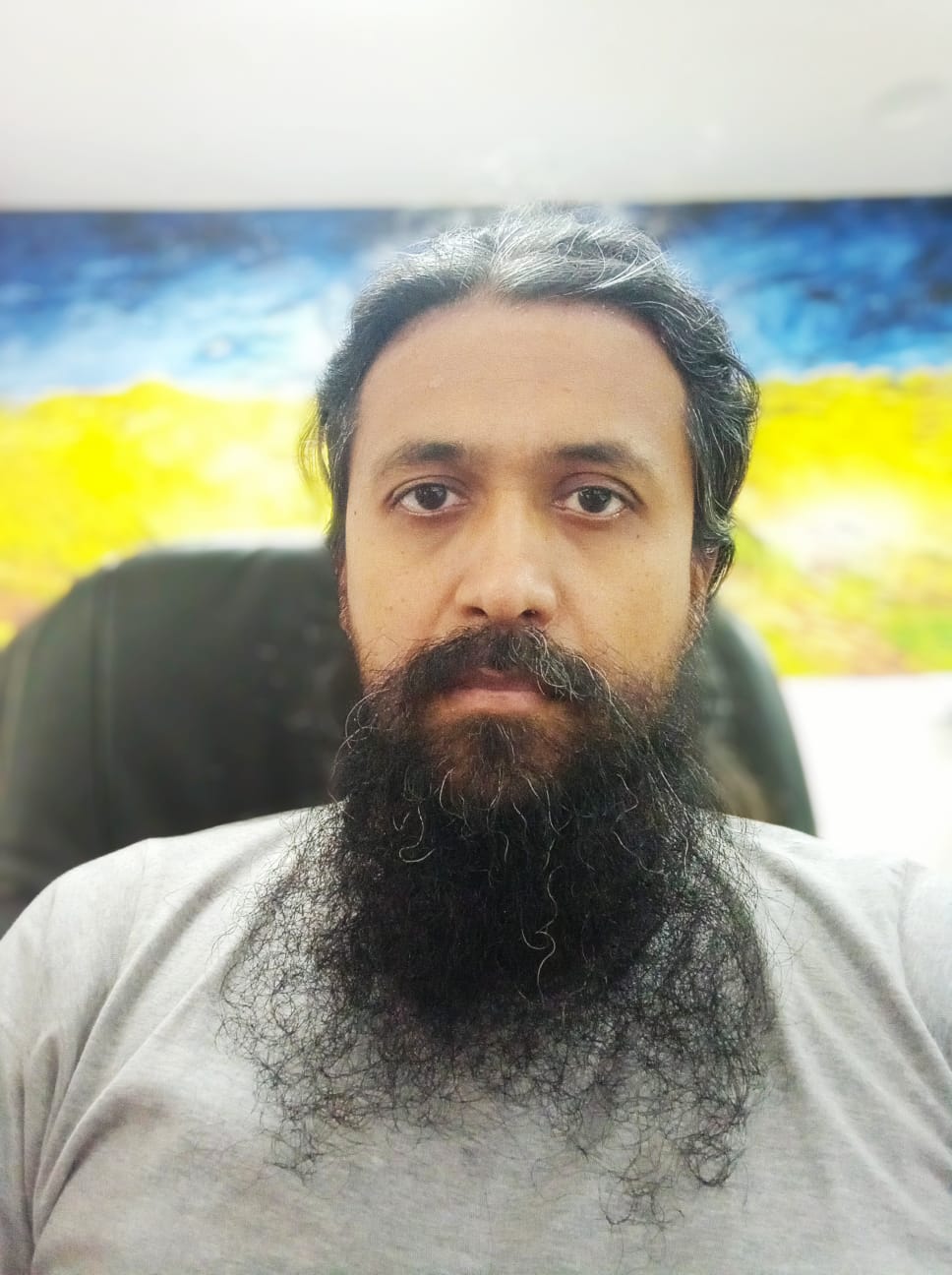
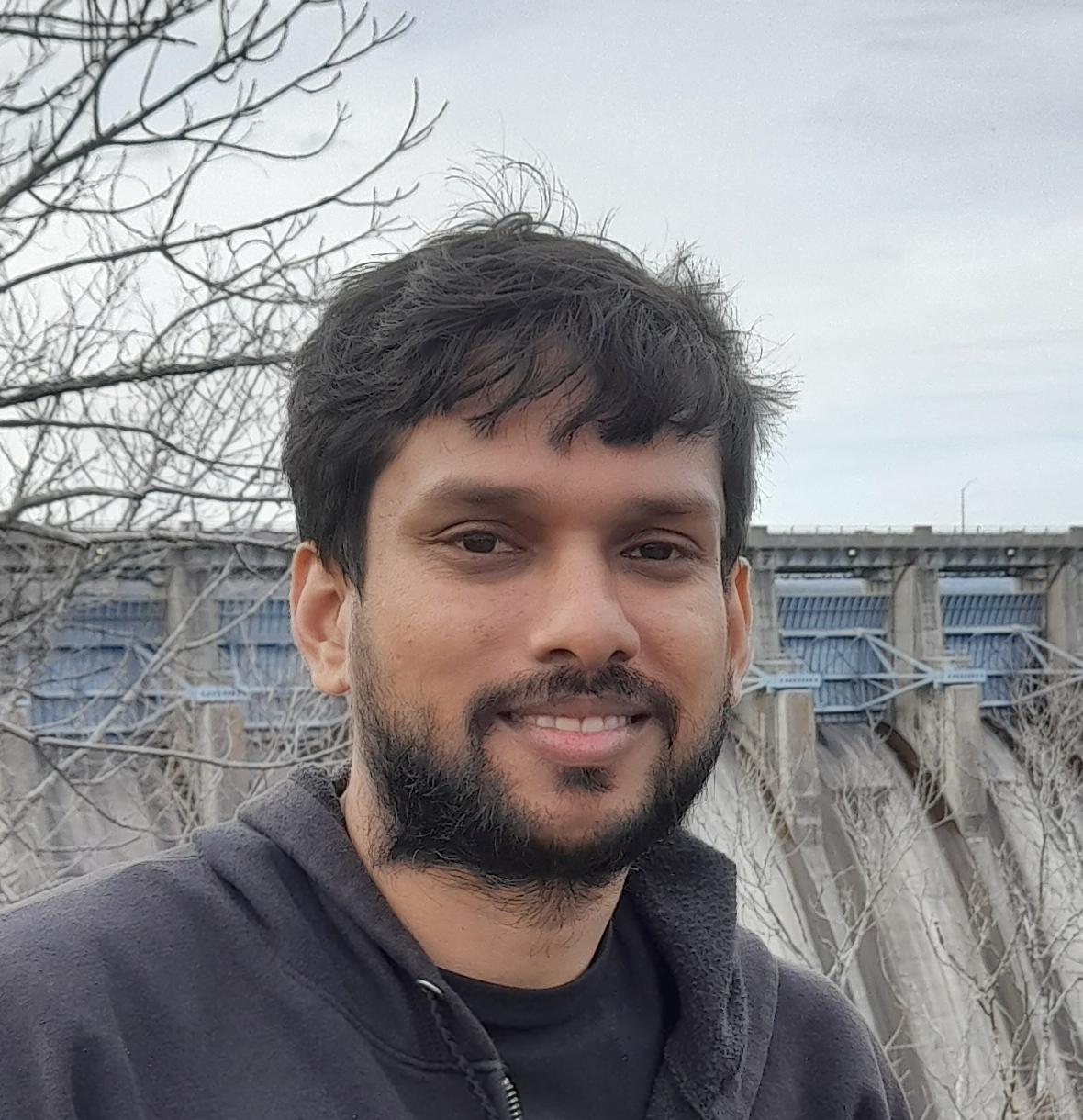
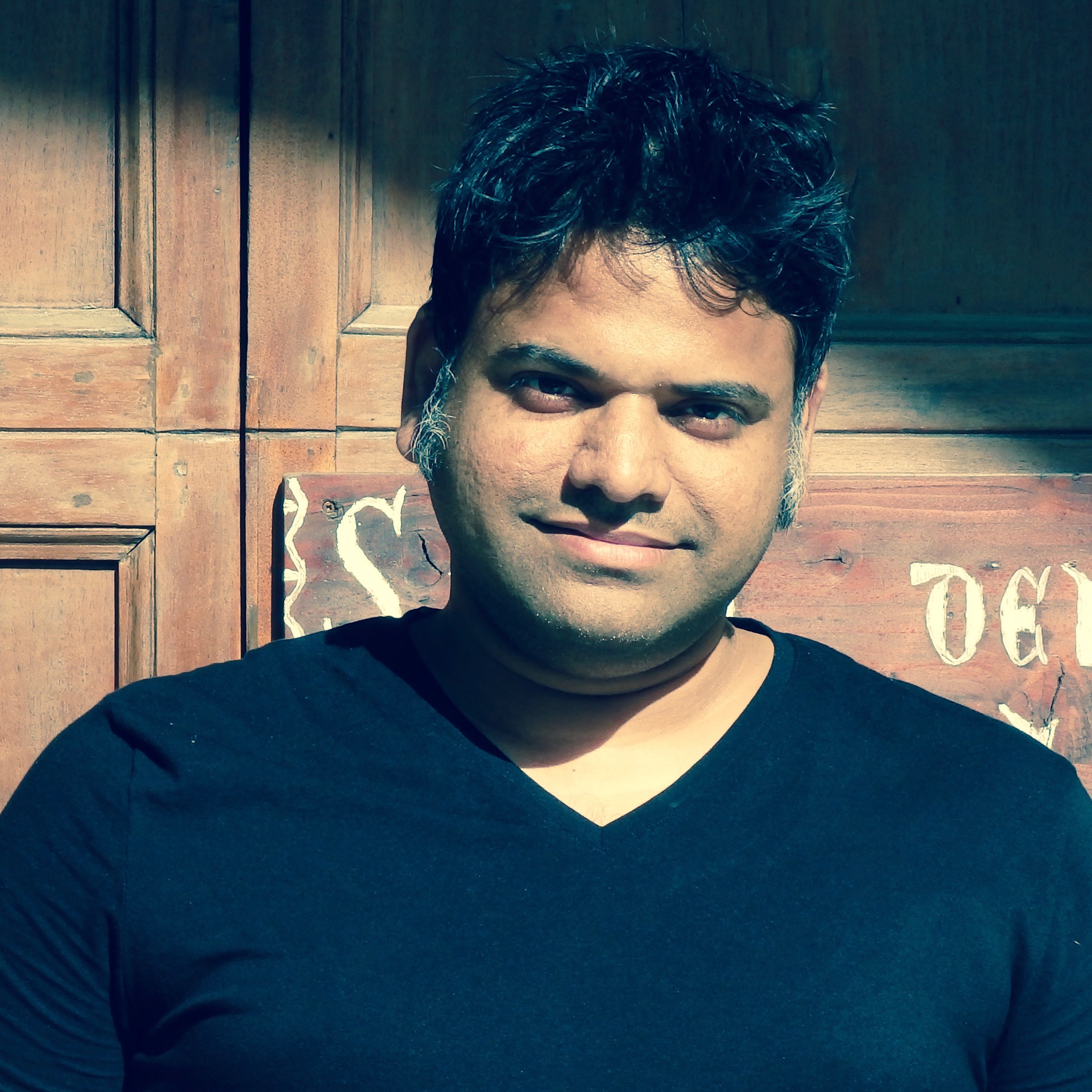
Indian Institute of Technology Hyderabad (IITH)India
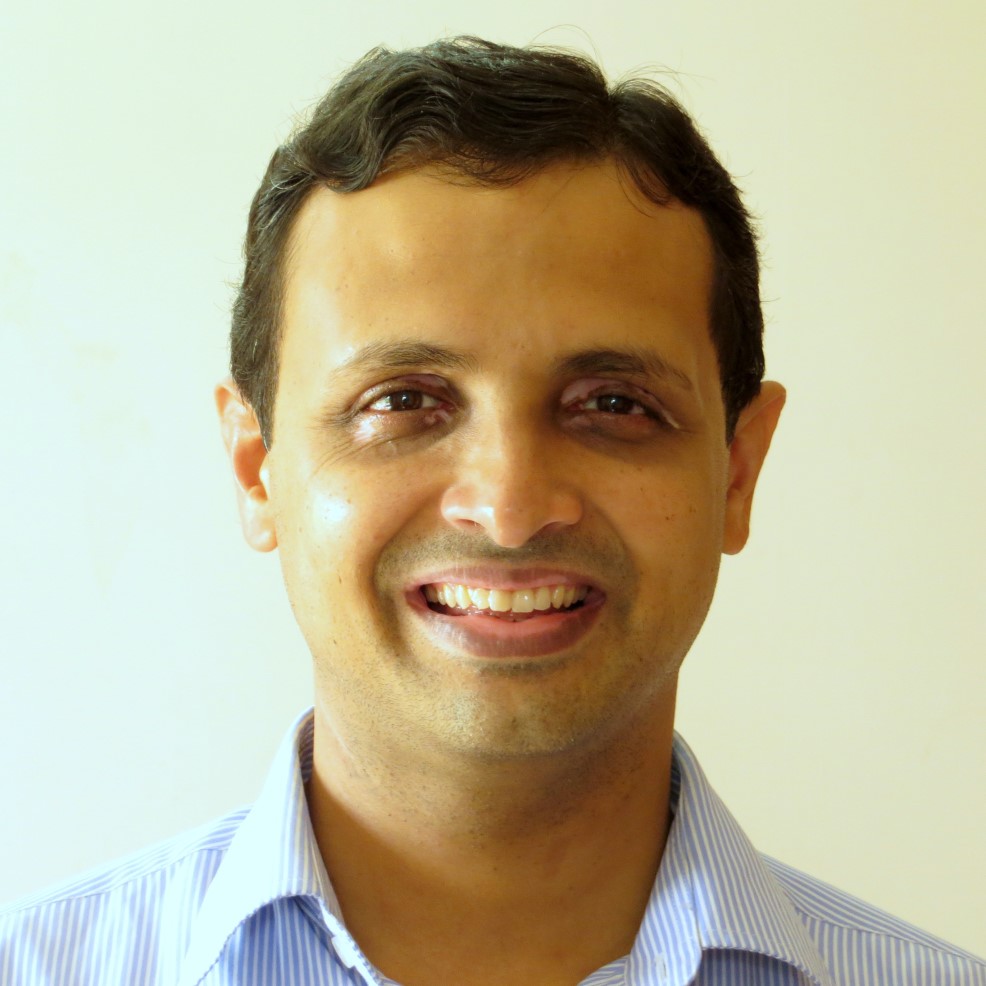
Vineeth N Balasubramanian is a Professor in the Department of Computer Science & Engineering at the Indian Institute of Technology Hyderabad, with affiliate faculty status in the Department of Artificial Intelligence. His research focuses on the intersection of deep learning, machine learning, and computer vision, emphasizing explainability, robustness, and real-world applications. He leads Lab 1055, which investigates problems such as Explainable and robust AI/ML systems Lifelong learning in evolving environments Multimodal vision-language models Applications in agriculture, autonomous navigation, and human behavior analysis His recent work includes causal reasoning in transformers, vision-language model capabilities, and drone-based object detection. Funded by organizations like Google, Microsoft, Intel, and DST, he has received multiple awards including the World's Top 2% Scientists (2022-23), INSA/INAE Fellowships, and Best Paper recognitions. Lab 1055 collaborates with institutions like CMU, UBC, and Monash University, contributing to cutting-edge advancements in AI.
Indian Institute of Technology Hyderabad (IITH)India
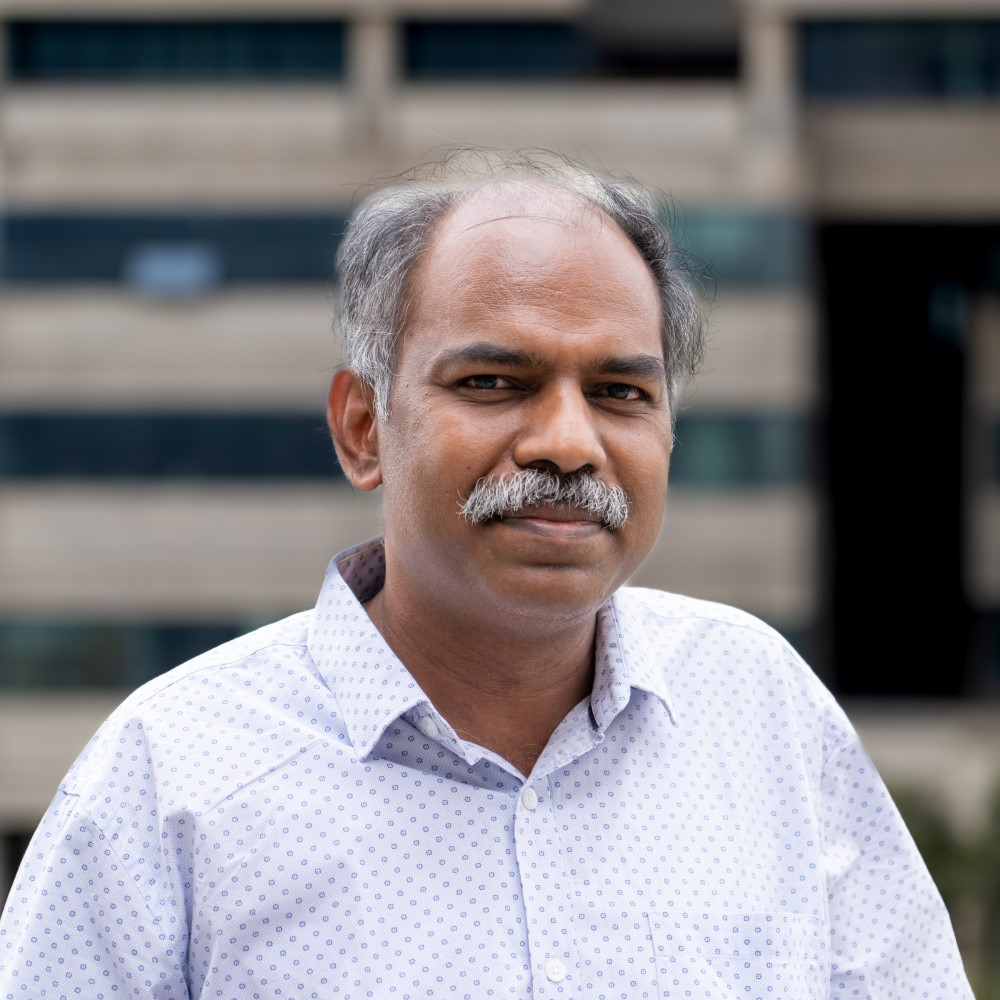
Antony Franklin is an Associate Professor and Head of the Department of Computer Science and Engineering at the Indian Institute of Technology Hyderabad (IITH), India. He leads the Networked Wireless Systems (NeWS) Lab and is actively involved in 5G research, wireless networks, and cybersecurity. He earned his Ph.D. from IIT Madras in 2010. Education: Ph.D. in Computer Science and Engineering, IIT Madras, 2010 Research Interests: His research spans wireless networks , 5G systems , mobile edge computing , low-latency transport protocols , and cybersecurity . He focuses on next-generation mobile systems, especially 5G, aiming to meet the demands of ultra-low latency, high data rates, and quality of experience for services like IoT, autonomous driving, and VR. He has been involved in developing testbeds and prototypes to validate real-world performance of 5G technologies, including network slicing, LTE-WiFi integration, and edge computing. Scientific Awards: Best Academic Demo Award, IEEE COMSNETS 2018 Second Best Paper Award, IEEE ANTS 2017 Grants & Projects: Network Slice Life-cycle Management for 5G Mobile Networks – SPARC, MHRD (2019–2021) DNS/IPv6 for IoT Security – NASSCOM (2018–2019) CCRAN: Energy Efficiency in Cloud RAN – Intel India (2018–2021) End-to-End 5G Test-Bed – DoT, GoI (2018–2021) M2SMART Smart Cities – SATREPS (2018–2023) Ultra-Reliable Low Latency Protocols – STINT, Sweden (2017–2018) Low Latency 5G Protocols – SERB ECR (2016–2019) Lab & Team: He leads the NeWS Lab (Networked Wireless Systems) at IITH, which focuses on 5G, wireless networks, and IoT systems. The lab is actively involved in developing real-world testbeds and publishing in top-tier conferences and journals.
Arpit Agarwal is an Assistant Professor in the Department of Computer Science & Engineering at the Indian Institute of Technology, Bombay. He previously held postdoctoral positions at FAIR Labs (Meta) working with Max Nickel and at the Data Science Institute at Columbia University hosted by Prof. Yash Kanoria and Prof. Tim Roughgarden. He completed his PhD from the Department of Computer & Information Science at the University of Pennsylvania under the guidance of Prof. Shivani Agarwal. His research focuses on the intersection of human behavior and machine learning systems, with particular interest in learning from implicit, strategic, and heterogeneous human feedback. His work spans multiple dimensions of human-AI interaction including understanding long-term dynamics between humans and AI systems, designing responsible AI, and studying misalignment between user preferences and system objectives. His research methodology often combines theoretical machine learning with practical applications in recommendation systems and social AI. His recent publications reveal a strong focus on bandit algorithms, preference learning, and recommendation systems, with increasing attention to responsible AI design and human-centered considerations. His work demonstrates expertise in theoretical machine learning with applications to real-world problems, particularly in understanding how humans interact with and are influenced by AI systems over time. Dr. Agarwal teaches advanced courses including CS767 Theoretical Machine Learning (Autumn 2025) and CS6103 Human-Centered AI: From Learning Models to Responsible Systems (Spring 2025), which covers topics such as AI alignment, learning from pairwise comparisons, crowdsourcing, human-in-the-loop decision making, recommendation systems, interpretability, privacy, fairness, causality, and AI governance.
Indian Institute of Technology Hyderabad (IITH)India
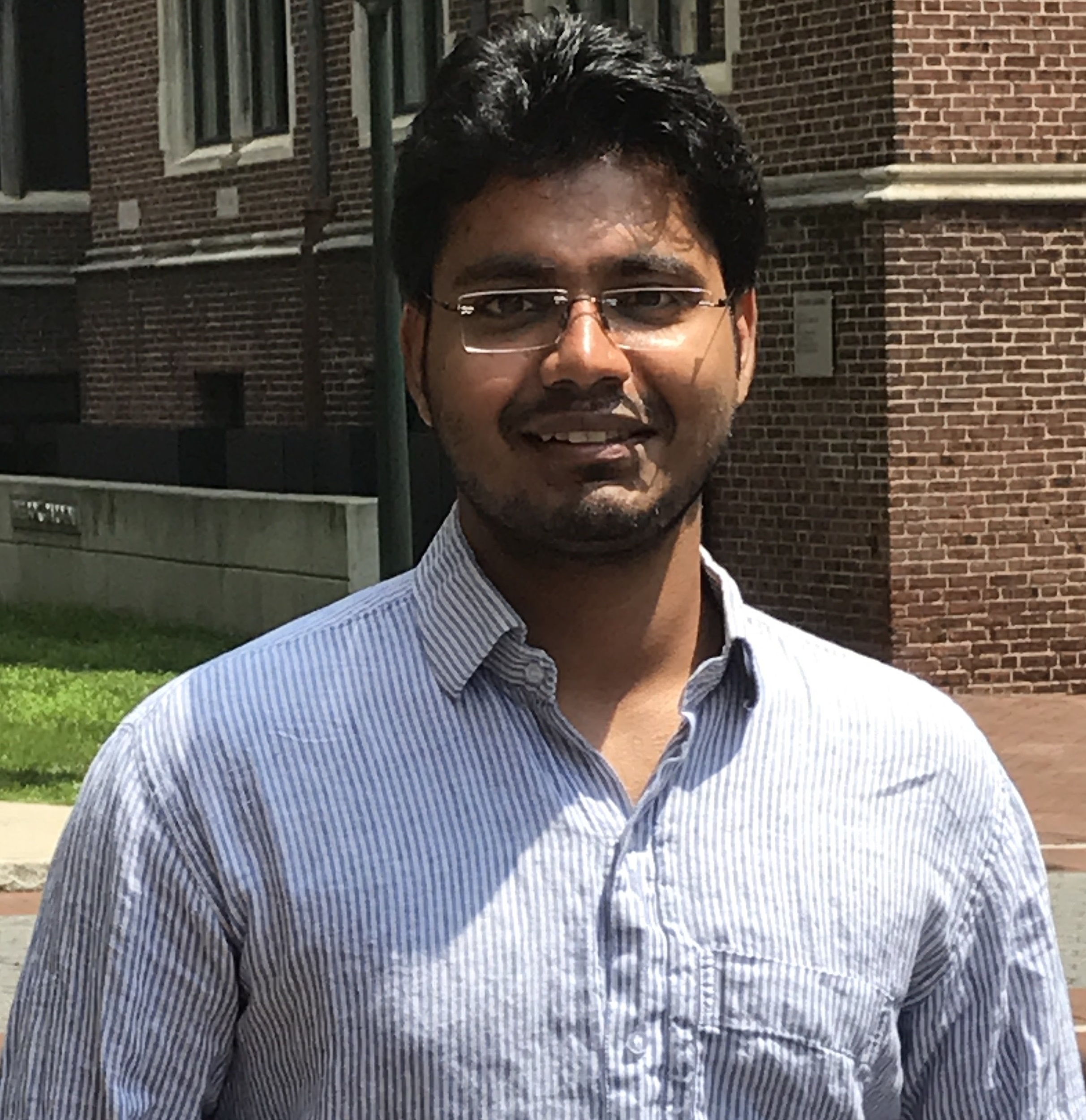
Renu John is a Professor in the Department of Biomedical Engineering at Indian Institute of Technology Hyderabad . He earned his Ph.D. in Physics (Optics) from IIT Delhi in 2006 and has held postdoctoral positions at Duke University and University of Illinois . He leads the Medical Optics and Sensors Laboratory (MOS) and co-founded the Center for Healthcare Entrepreneurship (CfHE) , focusing on affordable healthcare solutions for India. Research Interests : Biomedical Imaging, Optical Coherence Tomography (OCT), Digital Holography, AI/ML in Diagnostics, Microfluidic Biosensors, 3D Bioprinting, Nanoparticle-based Imaging, Optical Elastography. Awards : Best Paper & Poster Awards at international conferences (2018-2019), Samsung Innovation Award (2018) for smartphone-based oral cancer detection. Grants : Lead investigator for an ICMR Center of Excellence (15.2 Cr funding) in Medical Devices and Diagnostics. Students : Mentored over 20 researchers, including current and alumni Ph.D. candidates working on OCT, microfluidics, AI-driven imaging, and biosensor development. Labs & Innovations : The MOS Lab develops cutting-edge technologies like lensless microscopes, FF-OCT systems, and dual-modality biosensors. His team has filed 18 patents and published 117 international journal articles, with projects spanning from in vivo magnetomotive imaging to organ-on-chip platforms for disease modeling.
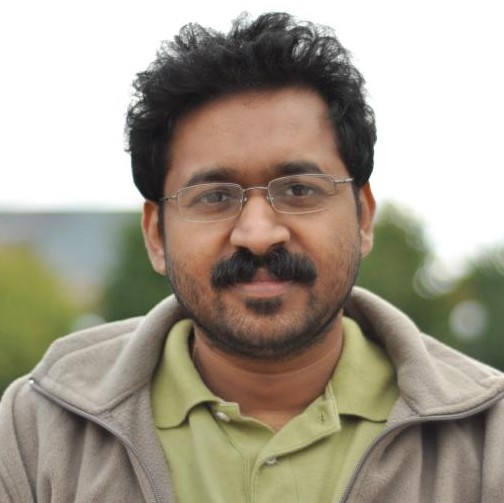
Dr. Preethi Srivathsa is an Assistant Professor - Senior Scale in the School of Computer Engineering at Manipal Academy of Higher Education (MAHE), Bengaluru. She holds a B.Tech, M.Tech, and Ph.D. (awarded by Presidency University in 2022). Her academic career includes positions at Presidency University (2019-2023) and East Point College of Engineering (2008-2019). Her research focuses on: Computer architecture and low-power hardware design IoT applications and cyber-physical systems Cryptography and blockchain security Machine learning implementations in hardware FPGA-based accelerators and optimization techniques Her publication portfolio shows strong emphasis on hardware-efficient algorithms, cryptographic systems (especially elliptic curve applications in blockchain), and emerging IoT architectures. Recent work integrates machine learning with hardware acceleration for smart home systems and agricultural technology. Awards and recognitions: Best Paper Award at IEEE iSES-2021 for low-power sorter design Infosys Bronze Partner Faculty (2013) She has developed intellectual property including IoT-based monitoring systems and blockchain educational frameworks. Technical skills include Verilog, FPGA design, IoT platforms (Arduino/Raspberry Pi), and multiple programming languages.
Indian Institute of Technology Kharagpur (IIT-KGP)India
Dr. Abhijnan Chakraborty is an Assistant Professor in the Department of Computer Science and Engineering at IIT Kharagpur. His research focuses on Responsible Artificial Intelligence, fairness in algorithmic decision-making, and computational social science. He has been recognized with multiple awards including the INAE Young Engineer Award and Google India PhD Fellowship. His work examines bias mitigation in e-commerce platforms, fairness in gig economy systems, and AI applications for social good. Recent publications analyze algorithmic auditing in marketplaces and equitable resource allocation frameworks. He leads projects on fair food delivery systems and has developed methodologies to quantify and address biases in recommendation algorithms. His research has been covered in major Indian media outlets for its societal impact.
Prawesh Shankar is an Associate Professor in the Department of Management Sciences at the Indian Institute of Technology Kanpur. He holds a PhD from the University of South Florida, College of Business, and completed his M.Sc. (Integrated 5-year program) in Mathematics and Scientific Computing at IIT Kanpur. PhD: University of South Florida, College of Business (2009-2013) M.Sc.: IIT Kanpur, Mathematics and Scientific Computing (2004-2009) Dr. Shankar's research focuses on Social Media, Agent Based Simulation, and Fairness in Big Data. His work bridges the gap between computational methods and business applications, particularly in the domain of recommender systems and social network analysis. He has developed innovative approaches to news recommendation systems with emphasis on manipulation resistance and count amplification issues. His publication record shows a consistent focus on recommender systems, with numerous conference presentations at prestigious venues including RecSys (the premier conference in Recommender Systems), ICIS, WITS, and INFORMS. His research has evolved from foundational work on manipulation resistance in news recommenders to more recent applications in social media analytics and network analysis. College of Business Outstanding Doctoral Student Research Award 2012 University of South Florida, Graduate Fellowship 2009 – 2010 Dr. Shankar has delivered several invited talks on Social Media Analytics and Topological Data Analysis at IIT Kanpur events. His ongoing research projects include Simulation based Crowd Management for Disaster Prevention in collaboration with Indanil S. Dalal and Anurag Tripathi, and Text mining Approach to Measure Customer Satisfaction with Amit Trivedi. He maintains active collaborations with researchers including Balaji Padmanabhan and has contributed to the academic community through presentations at major conferences in business intelligence and information systems.
Indian Institute of Technology Kharagpur (IIT-KGP)India
Palash Dey is an Assistant Professor in the Department of Computer Science and Engineering at the Indian Institute of Technology, Kharagpur. His research lies at the intersection of theoretical computer science and algorithmic game theory, with a primary focus on computational social choice, voting theory, and parameterized algorithms. His research interests include: Theoretical Computer Science Parameterized Algorithms Approximation Algorithms Algorithmic Game Theory Computational Social Choice Voting Theory Algorithmic Fairness Network Games His recent publications, spanning from 2023 to 2025, demonstrate a strong and consistent research trajectory in the analysis of voting systems, manipulation, and fairness. The articles focus on complex problems such as bribery, gerrymandering, rank aggregation, and networked public goods, primarily using tools from parameterized complexity and algorithmic game theory. Key venues for his work include AAMAS, IJCAI, AAAI, and Theoretical Computer Science, indicating a high impact in the fields of AI and theoretical computer science. His professional service includes being the Newsletter and Social Media Chair of the IEEE Kharagpur Section and serving on the Senior Program Committee for AAAI (2021-2024) and the Program Committee for AAAI, IJCAI, AAMAS, and COMSOC. He has also organized significant workshops such as CALDAM 2019 and GAME-ARTS. Palash Dey actively advises Ph.D. students, including Sipra Singh, Koustav De, Ashlesha Hota, and Narayan Sharma. He teaches courses such as Algorithms II, Randomized Algorithm Design, and Algorithmic Game Theory. His email is palash.dey@cse.iitkgp.ac.in.
Nisheeth Srivastava is an Associate Professor in the Department of Computer Science & Engineering and Cognitive Science at the Indian Institute of Technology, Kanpur. His research bridges computational models of cognition with real-world applications in AI and local problem-solving. Cognitive Science : Mathematically modeling human behavior inattention, memory, and decision-making. Artificial Intelligence : Integrating cognitive insights into AI agent design for human-like behavior. Solving Local Problems : Applying technical knowledge to address challenges in resource-constrained environments. His recent work explores predictive modeling limitations , probability inference from sparse data , and decentralized multi-agent systems , with trends spanning decision theory, machine learning, and user behavior analysis. Lab affiliates include Visiting Research Scientist Muhammad Aurangzeb Ahmed, focusing on agent-based simulations of religious affiliation.
Suraj is an Assistant Professor in the Department of Computer Science and Engineering at the Indian Institute of Technology Bombay, where he joined on January 31, 2024. He completed his PhD from the University of Texas at Arlington under the supervision of Dr. Gautam Das. His educational background includes: PhD in Computer Science and Engineering, University of Texas at Arlington Suraj's research spans Data Management, Fairness, Computational Geometry, Graph Algorithms, and Metric Space, with a focus on designing efficient algorithms for complex systems. His work bridges theoretical computer science with practical applications in data-intensive domains, emphasizing ethical considerations in algorithmic design and geometric problem-solving approaches. Analysis of his recent publications reveals a strong interdisciplinary trajectory merging computer science with active matter physics. Key trends include topological defect dynamics in biological systems, geometric control of physical phenomena, and pattern formation in non-equilibrium active matter - demonstrating significant crossover between algorithmic thinking and biophysical modeling. No scientific awards or fellowships are mentioned in the available materials. Suraj advises graduate students in the Department of Computer Science and Engineering, with research supported by institutional grants enabling his dual focus on data management systems and active matter physics. His collaborative work spans computer science and biophysics laboratories. He is actively integrated into IIT Bombay's research ecosystem, collaborating across departments on projects that unite computational theory with physical modeling of complex systems.
Ashutosh Trivedi is an Associate Professor of Computer Science at the University of Colorado Boulder, currently on leave from his position as Assistant Professor in the Department of Computer Science and Engineering at the Indian Institute of Technology Bombay. He is affiliated with multiple research initiatives including the Centre for Formal Design and Verification of Software (CFDVS) at IIT Bombay, Free and Open Source Software for Education (FOSSEE), and the Indo-French project on Algorithmic Verification of Real-Time Systems (AVeRTS). At CU Boulder, he leads the Programming Languages and Verification (CUPLV) research group focusing on trustworthy AI systems. Trivedi's research centers on bridging formal methods with artificial intelligence to create more trustworthy systems. His work spans formal verification of cyber-physical systems, reinforcement learning with formal guarantees, and developing techniques for ensuring software fairness and accountability. He specializes in using formal languages, automata, and logic to transform vague natural-language instructions into precise specifications for AI systems. His recent projects include developing reinforcement learning algorithms for cardiac pacemaker design based on formal safety requirements, using SAT solvers to ground large language model outputs in logical reasoning, and encoding state representations in reinforcement learning using formal languages. His publication trends reveal a strong focus on neurosymbolic approaches that combine neural networks with symbolic reasoning, particularly for safety-critical applications. Recent work demonstrates increasing integration of formal methods with reinforcement learning, with applications spanning medical devices, tax preparation software, and puzzle-solving AI. His research shows a clear trajectory toward making AI systems more explainable, accountable, and verifiable through principled mathematical frameworks. Distinguished Paper Award at CAV for Regular Reinforcement Learning (2024) NeuS 2025 Disruptive Idea Award for Stochastic Neural Simulation Relations for Transferring Control under Uncertainty ACM Senior Member recognition (2024) Royal Society Wolfson Visiting Fellowship (2024) Trivedi has successfully advised multiple PhD students to completion, including Shadi Tasdighi Kalat (2025), Mateo Perez (2025), John Komp (2024), Vishnu Murali (2024), and Taylor Dohmen (2024). His teaching portfolio includes foundational courses in automata theory, digital logic design, and cyber-physical systems at both IIT Bombay and CU Boulder. He has served on program committees for major conferences including FSTTCS, HSCC, and FORMATS, and organized workshops such as ICLA 2015 and ALC 2015. As leader of the CUPLV research group, Trivedi directs projects focused on formal verification of AI systems, reinforcement learning with safety guarantees, and software fairness. His group collaborates with medical researchers on cardiac device verification and with legal scholars on tax software accountability, reflecting his commitment to applying formal methods to real-world problems with significant societal impact.
Indian Institute of Technology Hyderabad (IITH)India
Konda Reddy Mopuri is an Assistant Professor at the Indian Institute of Technology Hyderabad , leading the Data-Driven Intelligence & Learning Laboratory (DiL) . He holds a PhD from Indian Institute of Science, Bengaluru , where he worked under Prof. R. Venkatesh Babu. His research spans Artificial Intelligence , Deep Learning , Computer Vision , and Optimization , with recent work focusing on coreset selection , fairness in ML , and medical imaging . Awards include the IUPRAI Best Doctoral Dissertation Award and SPCOM Best Doctoral Dissertation Award in 2018, and the Young Alumni Achiever Award from IISc in 2022. Notable publications include work on data-free knowledge distillation , adversarial perturbations , and medical AI applications . He has advised students like Saumyaranjan Mohanty , Nikita Malik , and Naveen George , and teaches courses on Machine Learning and Deep Learning .