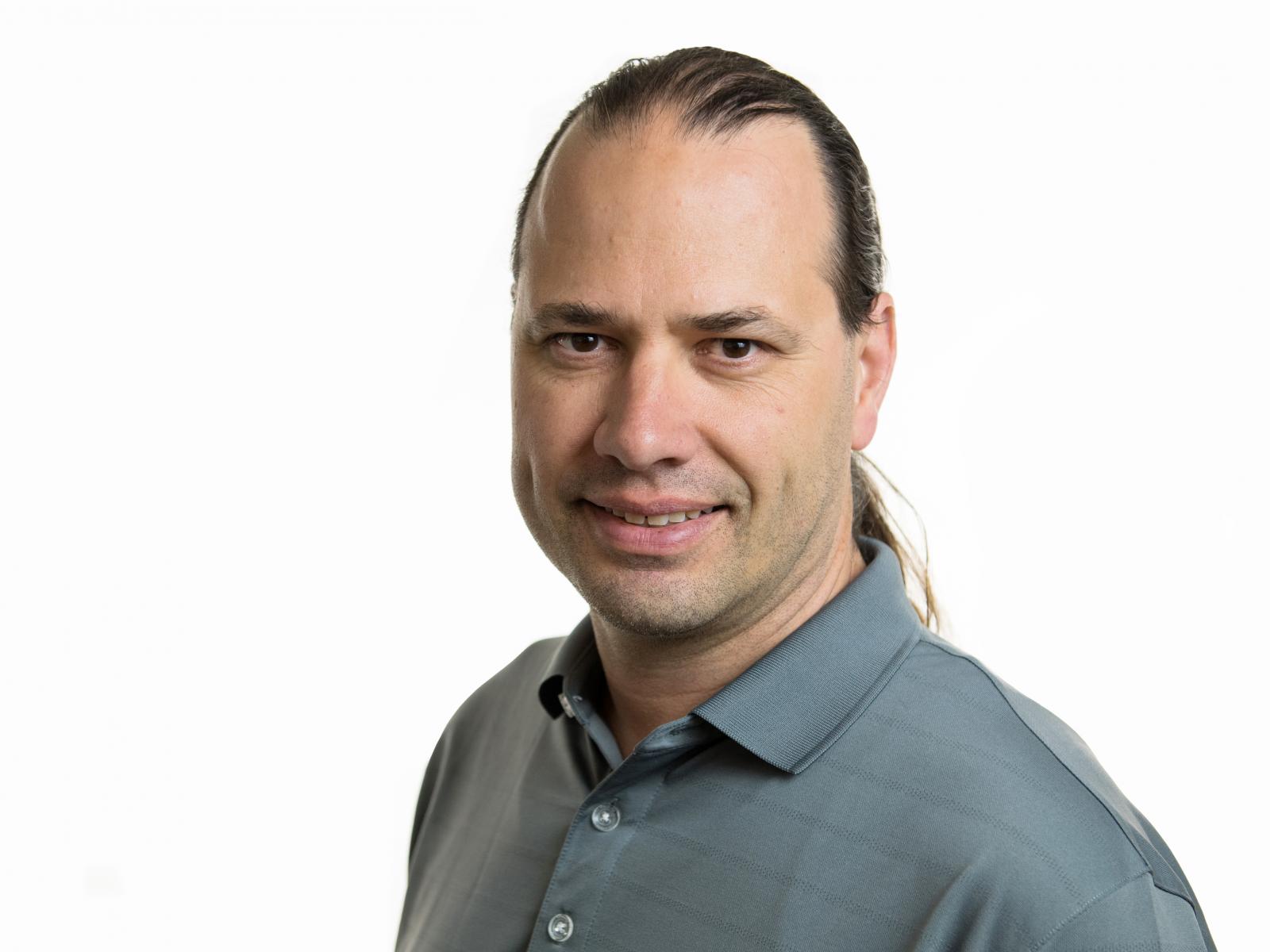
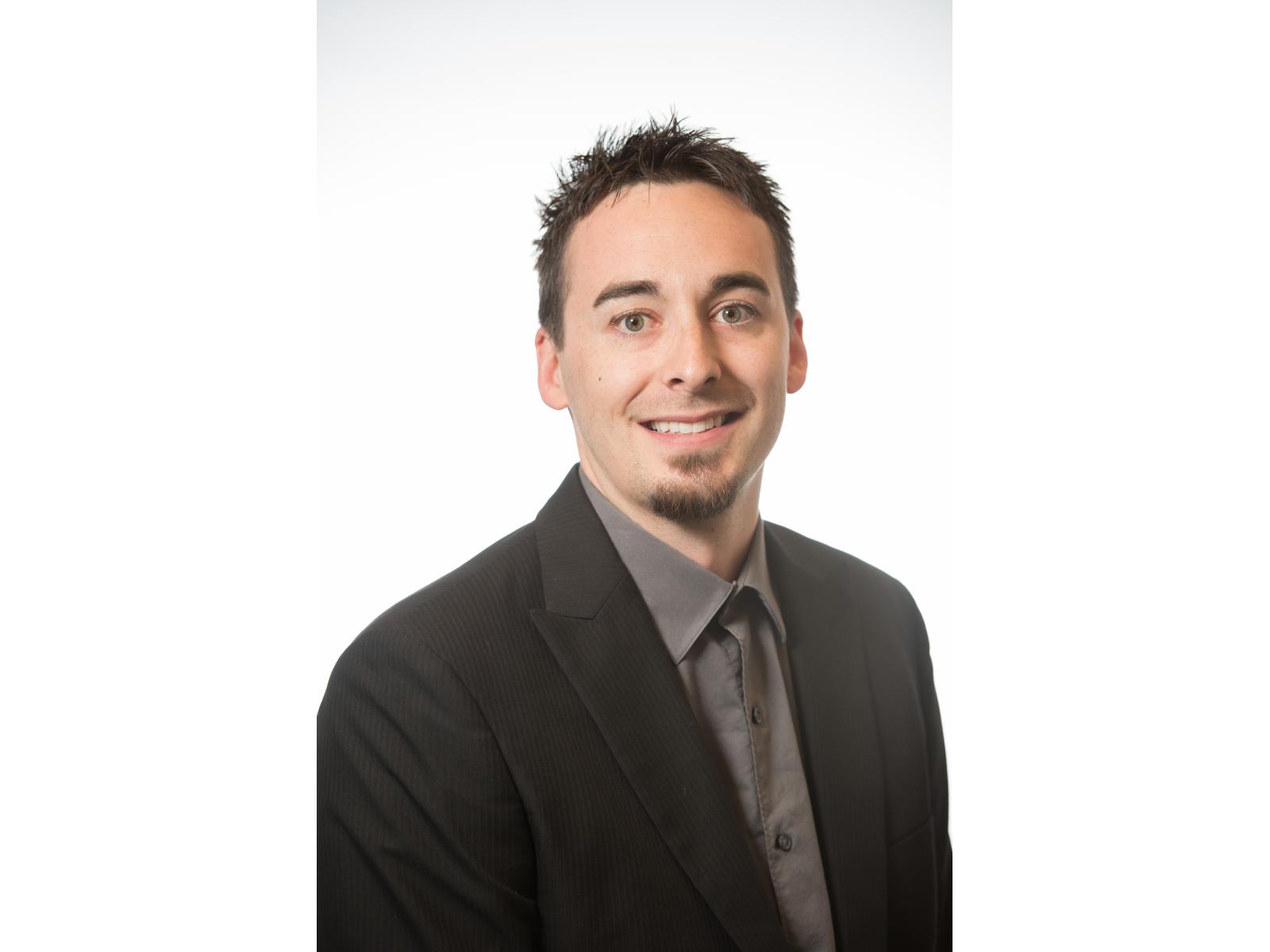
Dr. Rita Hartel serves as a Senior Lecturer and Research Associate in the Department of Databases and Electronic Commerce at the University of Paderborn's Institute of Computer Science, while also fulfilling the critical role of Academic Advisor for the Computer Science Student Office where she guides undergraduate and graduate students. Her research forms two distinct yet complementary pillars: cutting-edge data compression algorithms for bioinformatics (specializing in Burrows-Wheeler Transform optimizations for DNA sequence data) and graph databases (developing grammar-based compression for knowledge graphs), alongside innovative digital humanities work applying OCR and semantic analysis to comics historiography with a focus on German traditions. This interdisciplinary approach bridges computational rigor with cultural scholarship. Dr. Hartel demonstrates consistent research productivity with five publications from 2021-2025 in premier venues including the Data Compression Conference and specialized workshops. Her work reflects strong international collaboration patterns and likely benefits from active grant funding given the technical resources required for bioinformatics compression research. As an Academic Advisor, she provides essential student support while her dual research focus creates unique opportunities for students interested in either computational methods or digital humanities applications.
Karen Meusemann is a researcher at the Leibniz Institute for the Analysis of Biodiversity Change (LIB), affiliated with the Museum Koenig Bonn and Museum der Natur Hamburg. She contributes to the Centre for Molecular Biodiversity Research (zmb), focusing on phylogenomics, molecular systematics, and evolutionary biology. Her interdisciplinary work bridges genomics, taxonomy, and biodiversity conservation. Her research explores molecular evolution in diverse taxa, including insects, fish, and fungi. Key interests include phylogenetic methods, hybridization impacts, adaptive radiation, and host-pathogen coevolution. She employs transcriptomics, comparative genomics, and bioinformatic tools to resolve evolutionary patterns and address biodiversity crises. Meusemann co-leads projects like 1KITE (1K Insect Transcriptome Evolution) and collaborates on global initiatives such as BugNet. Her publications emphasize methodological innovations in phylogenetics and biodiversity monitoring, with recent work highlighting dietary shifts in beetles and introgression in ricefishes.
Bernie Devlin is a Professor in the Department of Psychiatry at the University of Pittsburgh School of Medicine. His research program centers on statistical genetics with applications to neurodevelopmental and psychiatric disorders. The Devlin Lab pursues three interconnected goals: developing novel statistical methods for genetic analysis, discovering disease-associated genetic variants, and translating these findings to elucidate neurobiological mechanisms. Primary research domains include: Statistical genetics methodology for large-scale genomic studies Genetic architecture of autism spectrum disorder and schizophrenia Functional genomics and proteomics in neural systems Integration of multi-omics data for neurodevelopmental disorders His work has been supported by multiple grants from the Simons Foundation Autism Research Initiative (SFARI), including: Transcriptomic/proteomic analysis of autism-associated genes (2022) Statistical methods development for the SSC-ASC Whole-Genome Sequencing Consortium (2018) Interactome screening for damaging de novo mutations in autism (2018) Recent publications demonstrate methodological innovations in gene-based testing and applications of genome sequencing in clinical diagnostics, with consistent focus on autism genetics.
Dr. Stefan Haas is a Research Group Leader at the Max Planck Institute for Molecular Genetics in the Department of Computational Molecular Biology. With a PhD in Bioinformatics from the German Cancer Research Center (DKFZ), he specializes in cancer genomics, neurogenetics, and algorithm development for next-generation sequencing (NGS) data analysis. Research Focus: His recent work addresses driver mutation detection in cancer causal mutation identification in X-linked intellectual disability NGS data analysis tools Earlier research explored tissue-specific gene regulation, alternative splicing, and primer design. Education includes a PhD thesis on automated primer design for high-throughput sequencing and a diploma in biology focused on microglia ATP-receptor electrophysiology.
Peter Florian Stadler is a Professor of Bioinformatics at the University of Leipzig since 2002 and Director of the Interdisciplinary Center for Bioinformatics (IZBI) since 2023. He holds affiliations with the Max Planck Institute for Mathematics in the Sciences (scientific member since 2009), the Austrian Academy of Sciences (corresponding member since 2010), and the Santa Fe Institute (external member since 1994). Doctorate in Chemistry (University of Vienna, 1990) Habilitation in Theoretical Chemistry (University of Vienna, 1994) His research focuses on Bioinformatics , Computational Biology , and Evolutionary Dynamics , with specific interests in RNA structure prediction , non-coding RNA , and genome-wide data analysis . Recent work involves developing ViennaRNA Package tools and studying translational control mechanisms in melanoma. Professional milestones include: Co-development of Vienna RNA Package , FRANz (phylogenetic tree reconstruction), code2aln (alignment tools) Key contributions to RNA gene finding algorithms and ncRNA family characterization Honors: Corresponding member, Austrian Academy of Sciences (2010) Honorary professor, Faculty of Science, Bogota (2018)
Prof. Michael Habeck is a faculty member at the University of Göttingen, specializing in structural biology and computational methods. His research focuses on cryo-EM data analysis, molecular modeling, and integrating machine learning for biomedical applications. Advisor to 10+ PhD theses (2016–2023) Expertise in cryo-EM structure determination and validation Develops probabilistic models for dynamic proteins and change-point detection algorithms His work bridges structural biology with computational innovation, enabling high-resolution analysis of macromolecular complexes and advancing diagnostic tools via machine learning. Recent projects include CRISPR-edited cardiomyocyte models and super-resolution microscopy techniques. Key research areas span: Structural Biology: Cryo-EM, protein conformational changes Computational Methods: Bayesian modeling, tomography algorithms Machine Learning: Cardiac disease prediction, genomic data analysis
H. Steven Wiley serves as a Lead Scientist in Systems Biology at Pacific Northwest National Laboratory (PNNL), where he is affiliated with the Environmental Molecular Sciences Division and the Environmental Molecular Sciences Laboratory (EMSL) user program. With over 200 scientific publications including more than 130 peer-reviewed journal articles, Dr. Wiley has established himself as a leading figure in systems biology research. Dr. Wiley's research focuses on understanding the systems-level design principles underlying regulatory networks in both prokaryotic and eukaryotic cells, with particular emphasis on how these networks become dysfunctional in diseases like cancer. His recent work leverages CRISPR-based technologies combined with proteomics, gene expression, and biochemical assays to build improved mechanistic models of signaling and metabolic networks. This research requires developing scalable computational infrastructure for integrating multidimensional datasets and advancing analytical technologies. His publication record shows a consistent focus on cellular signaling pathways, particularly the EGFR-MAPK pathway, with recent work expanding into single-cell analysis, cancer heterogeneity, and drug resistance mechanisms. The evolution of his research demonstrates a trajectory from fundamental signaling mechanisms toward increasingly complex systems-level questions with translational implications. Award for Distinguished Technical Communication (2011) Faculty of 1000 Member for Cell Biology (2011) Elected AAAS Fellow (2005) R&D 100 Award for designing single-chain antibody library in a yeast-display system (2004) Laboratory Fellow, Pacific Northwest National Laboratory (2000) National Institutes of Health Research Career Development Award (1988–1993) Dr. Wiley has served as an associate editor of Frontiers in Genetics and sits on the editorial boards of The Scientist and BMC Biology. He has reviewed for more than 30 scientific journals, demonstrating his significant contributions to scientific discourse. His work at PNNL's EMSL facility positions him at the intersection of cutting-edge experimental technologies and computational modeling approaches.
Myra Cohen is a Professor and the Lanh and Oanh Nguyen Chair in Software Engineering in the Department of Computer Science at Iowa State University. Previously, she held the position of Susan J. Rosowski Professor at the University of Nebraska-Lincoln where she was a member of the ESQuaReD software engineering research group. She serves on the ASE Steering Committee and has held leadership roles including general chair of ASE 2015 and program co-chair for ICST 2019 and ESEC/FSE 2020. Dr. Cohen earned her Ph.D. from the University of Auckland, New Zealand, her M.S. from the University of Vermont, and her B.S. from the School of Agriculture and Life Sciences at Cornell University. Her academic journey includes lecturing positions at both the University of Auckland and University of Vermont during her graduate studies. Her research spans several interconnected domains focused on software quality and assurance. A significant portion of her work addresses software testing challenges in highly-configurable systems, where she applies search-based techniques and combinatorial designs to create efficient test suites. More recently, her research has expanded into innovative areas including software testing for biological systems, quantum computing applications, and security testing through genetic improvement techniques. Her work demonstrates a consistent theme of addressing complex verification challenges through creative application of formal methods and automated techniques. Analysis of her recent publications reveals a growing focus on emerging domains including quantum software testing, molecular/biological computing systems, and assurance cases for safety-critical systems. She has increasingly incorporated AI techniques, particularly large language models, into traditional software engineering problems while maintaining her foundational work in configurable systems and metamorphic testing. NSF CAREER award recipient AFOSR Young Investigator Award recipient ACM Distinguished Scientist Recipient of 4 ACM Distinguished Paper awards Dr. Cohen has served as chair and committee member for numerous conferences including ASE, ICSE, ISSTA, ESEC/FSE, and ICST. She has mentored numerous students through the doctoral symposiums and student research competitions at major software engineering conferences. Her research has been supported by significant grants including those from NSF and AFOSR. She leads the LaVA-OPs (Laboratory for Variability-Aware Assurance and Testing of Organic Programs) research group at Iowa State University, which focuses on testing challenges in biological and organic computing systems.
Anahita Samih is a research staff member in the Bioinformatics group led by Prof. Dr. Zoran Nikoloski at the Institute of Biology and Biochemistry (IBB) of the University of Potsdam. Her position centers on interdisciplinary computational research within biological sciences. Her primary research domains include: Bioinformatics Computational Biology Systems Biology These fields focus on developing algorithmic frameworks for analyzing complex biological networks, genomic data integration, and modeling metabolic pathways through computational approaches. Her work bridges theoretical computer science with experimental biology to decode molecular mechanisms. As an active research member, she contributes to the group's collaborative projects within the Institute of Biology and Biochemistry, though specific leadership roles or advising responsibilities are not documented in available materials.
Dr. Emmanouil Athanasiadis is a bioinformatician at the University of Cambridge's Department of Haematology, with dual affiliations at the Wellcome Trust Sanger Institute and Medical Research Council (MRC) Stem Cell Institute. His research integrates computational biology with medical applications, focusing on single-cell genomics, cancer biology, and cardiovascular disease mechanisms since 2016. His educational foundation includes: BSc in Biomedical Engineering from Technological Educational Institution of Athens (2004) MSc in Medical Physics from University of Patras (2006), funded by State Scholarships Foundation of Greece PhD in Medical Physics from University of Patras (2010), supported by National State Scholarship Foundation Athanasiadis specializes in developing computational frameworks for biological data interpretation. His work spans single-cell RNA sequencing analysis in haematopoiesis, medical imaging algorithms for cancer diagnostics, and drug repurposing pipelines. Key contributions include SPNsim for pulmonary nodule simulation and ChemBioServer for chemical compound analysis, demonstrating his dual expertise in algorithm development and biomedical application. Publication analysis reveals a trajectory from medical imaging (2007-2012) to genomic network analysis (2013-2016), culminating in current single-cell and spatial transcriptomics research. His work consistently bridges computational innovation with clinical questions in oncology, haematology, and cardiovascular disease, with strong emphasis on open-source tool development. His scientific recognition includes: Computational award from Greek Research and Technology Network for 'GRAND' project Multiple presentation prizes at national medical conferences Continuous academic distinctions from State Scholarships Foundation of Greece K. Karatheodoris research scholarship He has secured EU funding through FP7 projects including 'PIK3CA Oncogenic Mutations' and 'NOISEPLUS', and maintains active collaborations across Cambridge, UCL, and Greek research institutions. His teaching contributions include lecturing in biomedical engineering programs at Technological Educational Institution of Athens (2010-2016). Current work centers on single-cell RNA sequencing analysis within Cambridge's haematology research ecosystem, particularly investigating transcriptional dynamics in blood cell development and cancer evolution through collaborative projects with Sanger Institute.
Professor Michael Schroeder is a Professor in Bioinformatics at the Biotechnology Center (BIOTEC) and Department of Computing at Technische Universität Dresden. He serves as Director of the Biotechnology Center since 2012, with specific periods as Director (2012-2014, 2019-2021), and Director of the Center for Molecular and Cellular Bioengineering (CMCB) from 2022-2023. He is also CSO of Transinsight.com since 2006 and co-founder of PharmAI GmbH since 2019. His research focuses on developing machine learning algorithms exploiting large protein structure and sequence data to improve diagnosis and treatment of disease. Key areas include: Computational drug repositioning using networks, structures, text, and ontologies Pancreas cancer drug and biomarker prediction through AI analysis of blood samples (90%+ accuracy) Antibiotic resistance analysis in wastewater E. coli through genomic variations Development of novel lead compounds for cancer chemotherapy resistance, autoimmune disease, and Chagas disease Prof. Schroeder's publication record demonstrates consistent application of network analysis, structural bioinformatics, and machine learning to solve biomedical problems, with particular emphasis on pancreatic cancer and drug repositioning. His work bridges computational approaches with experimental validation through collaborations with medical researchers. Notable achievements include: Publication of over 230 scientific papers Hirsch index over 45 on Google Scholar Two granted patents Development of PLIP, a widely used open-source tool for analyzing molecular interactions Co-founding pharmAI GmbH, focusing on structure-based drug-target prediction Prof. Schroeder has supervised over 25 PhD students, with 10 receiving distinctions. Eight former group members have become professors or group leaders. His lab is currently funded by multiple projects including Kiwi, Ebira, and Scads.ai from BMBF, as well as EU and DFG grants. The Schroeder Group maintains extensive collaborations worldwide, including Yves Moreau (Leuven) for autoimmune disease research, Gildardo Rivera Sanchez (Reynosa) for Chagas disease, and Christian Pilarsky (Erlangen) for cancer research, demonstrating his strong international network and interdisciplinary approach.
Aline V. Probst is a Principal Investigator at the Institute of Genetics, Reproduction and Development (iGReD) under CNRS Délégation Rhône-Auvergne, affiliated with Université Clermont Auvergne (uca.fr). She has held this position since October 1, 2008, leading research in plant epigenetics and chromatin biology. Her research focuses on: Chromatin organization and nuclear architecture in plants Histone variants and histone chaperones Epigenetic regulation of plant development 3D genome organization Responses to environmental stresses Dr. Probst's recent work has revealed important mechanisms of chromatin dynamics during seed germination, plant development, and stress responses. Her lab has developed innovative imaging tools like NucleusJ and Biom3d for analyzing nuclear organization in 3D. Analysis of her publication record shows consistent high-impact research spanning from 2010 to the present, with numerous articles in top journals including Nature Communications, The Plant Cell, and Genome Research. Her work demonstrates an evolution from fundamental chromatin studies toward understanding dynamic reprogramming during developmental transitions and stress responses. Scientific contributions: Elucidated roles of histone chaperones ASF1 and HIRA in maintaining genome stability Discovered how histone H1 protects telomeric regions from inappropriate silencing Revealed connections between heat stress response and 3D chromatin reorganization Developed computational tools for nuclear architecture analysis Advanced understanding of Polycomb-mediated gene regulation in plants Dr. Probst actively supervises students and postdocs, contributing to the training of the next generation of plant scientists. Her lab maintains an international profile through collaborations across Europe. As a Principal Investigator at CNRS, she secures competitive funding to support her research program focused on fundamental mechanisms of epigenetic regulation in plants, with potential applications for understanding plant adaptation and development. Her laboratory, focused on 'Chromatin and 3D Nuclear Dynamics,' integrates molecular genetics, advanced imaging, and computational approaches to understand how chromatin organization influences plant development and adaptation, positioning her at the forefront of plant epigenetics research.
Bobbie-Jo Webb-Robertson serves as Division Director and Chief Scientist of computational biology in the Biological Sciences Division at Pacific Northwest National Laboratory (PNNL). She holds multiple academic appointments including Clinical Volunteer Professor at the University of Colorado Anschutz Medical Campus, Courtesy Assistant Professor at the University of Florida, and Clinical Associate Professor at Oregon Health and Sciences University. Dr. Webb-Robertson earned her PhD in Engineering Systems from Rensselaer Polytechnic Institute in 2002, an ME in Statistics from the same institution in 2000, and a BA in Mathematics from Oregon State University in 1997. With over 20 years of experience in statistics and data science, she has established herself as a leader in computational biology with an h-index of 30 and more than 100 publications. Her research focuses on developing and applying advanced statistical and machine learning methods to address challenges associated with large and complex omics data. She specializes in mass spectrometry-based omics data analysis, statistical data integration, predictive modeling, and biomarker discovery. Her work has significant applications in biomedical research, particularly in understanding type 1 diabetes through multi-omics approaches. Dr. Webb-Robertson's recent publications demonstrate a strong trajectory in type 1 diabetes biomarker discovery, multi-omics data integration, and the application of machine learning to biological problems. Her work spans proteomics, metabolomics, and transcriptomics with a focus on developing computational tools that can integrate multiple data types for improved biological insights. Chauncey and Doris Starr Graduate Fellowship, 1997 GE Future Faculty Scholarship, 1999-2000 National Science Foundation Program in Mathematics and Molecular Biology Fellowship, 1999-2001 HPC Analytics challenge in biology first place team member, 2007 Spirit of nPOD award from the Network for Pancreatic Organ Donors with Diabetes Dr. Webb-Robertson serves in various editorial and advisory roles including Executive Editor for the Journal of Proteomics and Genomics Research, Review Editor for Frontiers in Artificial Intelligence, Scientific Advisory Board Member for the Juvenile Diabetes Research Fund IBM Machine Learning Project, and member of the American Statistical Association. She actively contributes to the scientific community through these service roles while maintaining a productive research program focused on computational methods for biological data analysis. Her laboratory develops computational tools for multi-omics data analysis with particular emphasis on applications in type 1 diabetes research. She leads a team that integrates expertise in statistics, machine learning, and biological domain knowledge to tackle complex biomedical problems, with a focus on biomarker discovery and early disease prediction.
Jason McDermott is a senior research scientist and Team Lead for Systems Biology at Pacific Northwest National Laboratory (PNNL), with an Affiliate Associate Professor appointment in the Department of Molecular Microbiology and Immunology at Oregon Health & Science University (OHSU). His work bridges computational and experimental biology, focusing on data integration, network analysis, and systems-level understanding of biological processes. McDermott earned his BA in Biology from Reed College in 1993, PhD in Structural Virology from OHSU in 2000, and completed post-doctoral training in Bioinformatics at the University of Washington in 2006. His research spans cancer biology, host-pathogen interactions, microbiome science, and computational prediction of protein functions. His work integrates high-throughput omics data to develop systems biology models, with particular emphasis on biomarker discovery, network inference, and pathway analysis. Recent publications demonstrate his leadership in applying multi-omics approaches to understand viral infections, soil microbial communities, cancer mechanisms, and metabolic diseases. His research portfolio shows consistent focus on developing computational methods for biological data integration and analysis, with applications across diverse domains from infectious disease to cancer biology and environmental microbiology. 1997 Sears Fellowship Award (OHSU) 1998 Tartar Fellowship Award (OHSU) 2008 Analytics Challenge Winner (Supercomputing 2008) McDermott actively collaborates with experimental biologists, statisticians, and mass spectrometrists to develop and apply computational methods. He has made significant contributions to the Clinical Proteomic Tumor Analysis Consortium (CPTAC), particularly in ovarian cancer research, where he serves as chair of both the biology working group and data analysis working group. His work often involves interdisciplinary teams focused on translating computational insights into biological understanding.
Ryan Renslow serves as a Chemical Engineer at Pacific Northwest National Laboratory (PNNL) and holds a Research Associate Professor position at Washington State University's Gene and Linda Voiland School of Chemical Engineering and Bioengineering. His interdisciplinary work bridges computational modeling, advanced imaging, and experimental biology to address complex challenges in metabolomics and microbial systems. Education BS in Chemical Engineering, Washington State University MS in Chemical Engineering, Washington State University PhD in Chemical Engineering, Washington State University Linus Pauling Distinguished Postdoctoral Fellowship, Pacific Northwest National Laboratory Renslow's research centers on identifying novel metabolites in complex biological samples, deciphering microbial community structure-function relationships, and understanding emergent properties in multispecies systems. He employs computational mathematics, machine learning, and high-resolution imaging techniques including mass spectrometry and nuclear magnetic resonance. His work spans diverse applications from human health diagnostics and bioenergy production to ecological monitoring and national defense solutions, with particular emphasis on biofilm dynamics and metabolite characterization in challenging environments. Analysis of his recent publications reveals a strong trend toward integrating ion mobility spectrometry with computational modeling for metabolite identification, developing in silico libraries for small molecule annotation, and applying machine vision to biological systems. His work consistently demonstrates cross-cutting applications across energy, environmental science, and biomedical research through sophisticated data analysis frameworks. Scientific Awards: No awards listed in available documentation. Renslow's collaborative research program involves extensive partnerships across PNNL's Environmental Molecular Sciences Laboratory and Washington State University. His work receives institutional support through DOE-funded initiatives focused on chemical biology and exposure science, with emphasis on developing advanced analytical capabilities for complex sample analysis. While specific grant details aren't provided, his publication record indicates consistent funding for interdisciplinary projects combining experimental and computational approaches. At PNNL, Renslow contributes to the Chemical Biology and Exposure Science group within the Biological Sciences division. He leverages specialized facilities including high-field mass spectrometers, nuclear magnetic resonance microimaging systems, and biofilm reactors to investigate microbial community dynamics. His research team integrates expertise from chemical engineering, microbiology, and computational science to develop novel approaches for characterizing complex biological systems at multiple scales.