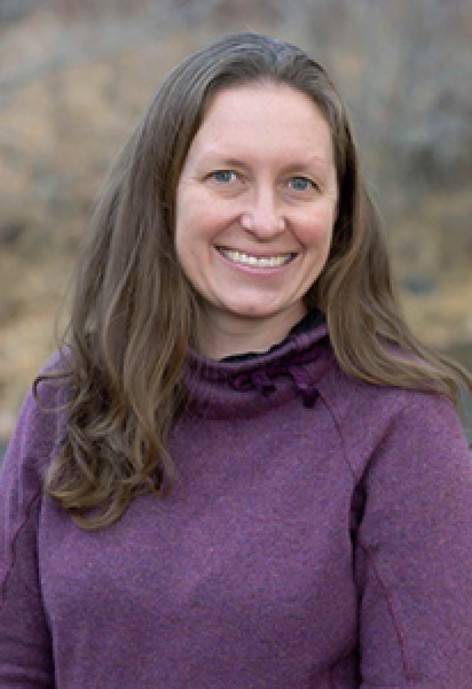
Kari Dunfield is a Professor in the School of Environmental Sciences at the University of Guelph, holding a Canada Research Chair in Environmental Microbiology of Agro-Ecosystems. Her work focuses on the impacts of human activities on soil health and ecosystem functions, particularly microbial ecology and bioremediation. She leads a research program investigating how agricultural practices influence soil microbial communities and processes like nitrogen cycling. Dunfield collaborates across disciplines and has secured funding from NSERC and OMAFRA. Education: B.Sc. (University of Calgary), M.Sc. (University of Saskatchewan), Ph.D. (University of Saskatchewan). Her research interests include soil microbiology, molecular microbial ecology, and the application of molecular techniques to assess soil ecosystem functioning. Key areas of study involve microbial responses to environmental stressors and their roles in biogeochemical cycles. Publications highlight her work on soil microbial community dynamics, greenhouse gas emissions, and phytoremediation. Awards include the 2017 CSM Murray Award for Career Achievement. Dunfield’s lab (Alex Hall 306) explores cutting-edge methods in soil biodiversity and biogeochemistry, with implications for sustainable agriculture and environmental management.
Georgios I. Zervakis is a Professor of Mycology and Head of the Laboratory of General and Agricultural Microbiology at the Department of Crop Science, Agricultural University of Athens. His research focuses on fungal ecology, molecular phylogeny, mushroom cultivation, and biotechnological applications of fungi in waste valorization. He teaches courses in Soil Microbiology, General Microbiology, and Microbial Biotechnology, emphasizing practical lab components. His work spans fungal biodiversity in Greece, including truffles (Tuber spp.) and Basidiomycota, with emphasis on taxonomy, symbiotic relationships, and biodegradation of pollutants. Recent studies highlight the prebiotic potential of mushrooms like Pleurotus eryngii , investigating their effects on gut microbiota, intestinal barrier function, and immune modulation. He also explores agro-industrial waste conversion into valuable products through fungal bioconversion. Zervakis collaborates with international teams on fungal systematics (e.g., Hortiboletus , Sidera ), and leads projects on sustainable mushroom cultivation using olive mill and wine by-products. His lab actively engages in citizen science initiatives to document Greek mycobiota, contributing new species records. Key contributions include genomic studies on cultivated mushrooms, detoxification of industrial wastewater via white-rot fungi, and functional characterization of mushroom-derived compounds for health benefits. Current research emphasizes translational applications, such as leveraging fungal β-glucans for metabolic disorder management and exploring truffle symbiosis in Mediterranean ecosystems.
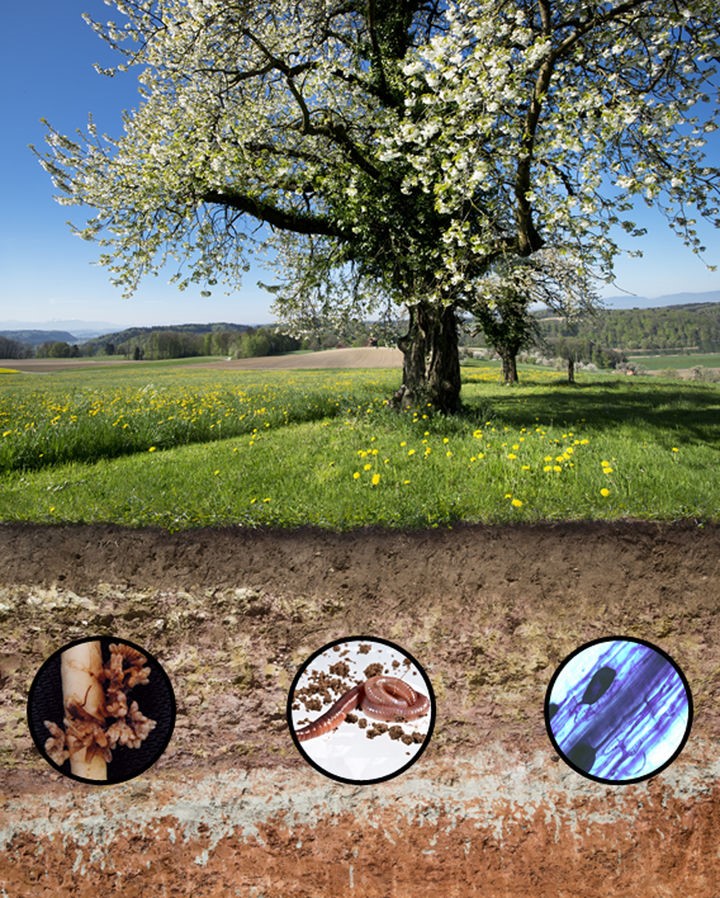
Prof. Marcel van der Heijden leads the Agroecology and Plant-Microbiome Interactions research group at the University of Zurich in collaboration with Agroscope, Switzerland's premier agricultural research institution. His work focuses on understanding how soil microorganisms, mycorrhizal fungi, and plant microbiomes influence crop productivity and ecosystem functionality. Key Research Areas: Sustainable agroecosystems, microbiome engineering, agricultural management impacts on soil biodiversity Collaborations: University of Zurich Department of Plant and Microbial Biology & Agroscope Current investigations explore: - Role of mycorrhizal fungi diversity in yield enhancement - Link between microbiome composition and ecosystem multifunctionality - Ecological impacts of organic vs conventional farming practices No specific awards or grants mentioned in provided text
Trine Bilde is a Professor and Centre Director at the Department of Biology, Aarhus University, where she leads the Center for Ecological Genetics (EcoGenetics). Her center investigates genetic diversity-functional response relationships to predict insect distribution under global change and develop biodiversity management tools. Her research spans evolutionary ecology, genetics, and genomics, with core expertise in social spiders. She examines group living dynamics, cooperation, mating systems (including inbred social structures), genomic consequences of sociality, and genetic/non-genetic adaptation processes. Key projects include the Novo Nordisk Foundation-funded 'The missing link' initiative on arthropod genetic variation in agro-ecosystems. Recent publications (2024-2025) reveal dominant themes: DNA methylation responses to infection in social spiders, mutation rate reductions from social evolution, and seminatural habitats as genetic reservoirs. Her work consistently links sociality to depleted genomic diversity and reduced selection efficacy, with strong conservation implications for ecosystem services like pollination. Bilde secured major funding through the Novo Nordisk Foundation Challenge Programme 2020 for her six-year international project on beneficial arthropods in agricultural ecosystems. Historical projects include biogeography of social spiders (2011-2013) and macroecology of Stegodyphus sociality (2009-2013). The Center for Ecological Genetics (EcoGenetics) serves as her primary research hub, focusing on population genetic consequences of habitat fragmentation, climate adaptation mechanisms, and microbiome dynamics in social spiders under environmental stress.
Maite Moreira is a Professor of Chemical Engineering at the University of Santiago de Compostela , affiliated with the Higher Technical School of Engineering and the Center for Interdisciplinary Research in Environmental Technologies (CRETUS) . She holds a PhD in Chemical Engineering from the same university, with a thesis focused on biobleaching processes using fungi peroxidases (1997). Her research spans bioprocess engineering, wastewater treatment, life cycle assessment, and circular economy frameworks. Education: BSc in Chemical Engineering (1992), MSc (1994), PhD (1997) from University of Santiago de Compostela. Postdocs at Wageningen Agricultural University (Netherlands) and University of Arizona (USA). Research Focus: Development of bioreactors for micropollutant removal, valorization of agro-industrial waste, sustainability assessments of biofuels, and nanotechnology applications in environmental engineering. Research Interests include: - Fermentation processes for enzymes and probiotics - Biodegradation of pharmaceuticals and pesticides using white-rot fungi - Nanomaterial-based systems for wastewater treatment - Life cycle assessment (LCA) and circular economy metrics Her recent work emphasizes multi-criteria approaches for bioeconomy strategies and sustainability assessments of biofuels like black liquor-based fuels. Over 140+ publications and multiple patents (e.g., magnetic nanoparticle-based reactors) reflect her innovation in environmental biotechnology. Awards: Pescaenverde Technology Transfer Award (2018) Best Oral Presentation at International LCA Conference (2018) Aquaenvec BEST LIFE Environment Project (2015) Teaching & Leadership: - Leads the BIOGROUP research team in environmental biotechnology - Teaches graduate courses in Environmental Engineering and Bioprocesses - Supervises doctoral/MS students in sustainability and biotechnology projects Current Projects: - Multiscale Ocean models for climate risk mitigation (MORAI) (2024-202X) - NANAQUA: Nanomaterials in water treatment (EU-funded, 2024)
Prof. Dr. Reimund P. Rötter is a full professor and Chair of Tropical Plant Production and Agricultural Systems Modelling (TROPAGS) at the University of Göttingen's Department of Crop Sciences. His research focuses on sustainable agriculture, food security under climate change, and agroecology, with over 25 years of experience in Africa, Asia, and Europe. He leads interdisciplinary projects analyzing crop resilience, agricultural systems modeling, and genetic diversity. Key roles: Former speaker of Sustainable International Agriculture (2017–2019), member of ResearchGate and academic networks. Research interests include crop modeling for risk management, tropical agroecosystems, and climate extremes' impact on plant production. His teaching includes courses like 'Impact of Climate Extremes on Global Plant Production Systems' and 'Tropical Agro-Ecosystem Functions.' Publications highlight advancements in crop modeling, climate adaptation strategies, and interdisciplinary sustainability analysis. His work bridges empirical research and computational tools to address global agricultural challenges.
Muraleedharan Nair is a Professor in the Department of Horticulture at Michigan State University. His research focuses on identifying phytochemicals with potential as phytomedicines for disease management, particularly in cancer therapy. Dr. Nair holds a Master’s in Analytical Chemistry from the University of Calicut and a Ph.D. in Organic Chemistry from the University of the West Indies, and is a Fellow of the Royal Society of Chemistry and Chartered Chemist (UK). His research emphasizes bioassay-directed discovery of natural products with anti-inflammatory, antioxidant, and anticancer properties. Key areas include evaluating phytochemical efficacy through lipid peroxidation inhibition, cyclooxygenase enzyme modulation, and tumor cell proliferation studies. His lab specializes in analyzing structure-activity relationships of compounds from plants like Cleome viscosa, Laminaria japonica, and Prangos haussknechtii. Recent work highlights functional food development using extracts from morel mushrooms, sea lamprey deterrents, and Zanzibar yam. Over 100 peer-reviewed articles demonstrate his focus on natural product drug leads and agricultural antimicrobial strategies. Awards include Royal Society of Chemistry Fellowships recognizing his contributions to chemical sciences. Dr. Nair’s career includes prior roles at institutions like the Plant Cell Research Institute and has advised on over 30 projects involving nutraceuticals and plant-derived bioactives. His lab actively collaborates in phytochemical analysis, drug discovery pipelines, and translational research bridging basic science to clinical applications.
Stéphanie Bordenave-Juchereau serves as a Lecturer-researcher with HDR (Habilitation to Supervise Research) at La Rochelle University, France. She is affiliated with the BCBS research team and holds leadership as Head of the Master 2 program in Biotechnology Engineering and Management in Agro-industries, specifically directing the BIOCHEMISTRY course. Her institutional roles include serving as CNRS scientific institute referent for INEE and partner of the GDR Sea Pro (Sustainable Exploitation of Aquatic Product), demonstrating deep integration within France's marine biotechnology research ecosystem. Her research centers on peptide bioactivity with direct applications for metabolic syndrome pathologies. She investigates enzymatic generation of bioactive peptides from marine co-products, conducting both in vitro and in vivo validation studies. This work bridges fundamental biochemistry with industrial valorization, particularly targeting waste streams from marine processing industries. Her methodology spans enzymatic hydrolysis optimization, bioactivity screening (ACE inhibition, anti-angiogenic effects), and structural characterization of marine-derived compounds, establishing a clear trajectory from molecular discovery to potential nutraceutical or pharmaceutical applications. Analysis of her 15 most recent publications reveals consistent focus on marine biotechnology and metabolic health. Key thematic clusters include ACE-inhibitory peptides from fish hydrolysates (2002-2017), heparanase-targeting marine compounds for cancer applications (2014-2017), and enzymatic valorization of seafood processing waste (2006-2017). Her work demonstrates methodological evolution from basic peptide characterization toward complex in vivo models and advanced analytical techniques like UPLC-MS/MS, while maintaining strong industry-relevant applications in food, health, and marine resource utilization. No scientific awards were documented in the provided materials. Information regarding graduate student mentorship or competitive research grants was not disclosed in the available documentation. Her laboratory work operates within the BCBS research team framework at La Rochelle University, with active collaboration through the GDR Sea Pro network. This positioning facilitates access to marine biomass resources and industrial partners for co-product valorization projects. Her research group specializes in enzymatic processing of marine materials, bioactivity screening platforms for metabolic and cardiovascular targets, and structural analysis of marine-derived bioactive molecules, creating an integrated pipeline from raw biomass to functional applications.
Karen Wawrousek is an Associate Professor in the Department of Chemical and Biomedical Engineering at the University of Wyoming, where she also serves as the ABET Coordinator. She is affiliated with the university’s College of Engineering and Applied Science and the interdisciplinary Molecular and Cellular Life Science Program . Her work integrates chemical engineering, microbiology, and bio-analytical chemistry to tackle global challenges in sustainable energy and public health. Education & Professional Experience Ph.D., Biochemistry & Molecular Biophysics, California Institute of Technology (2001–2009) Postdoctoral Scientist (Photobiology), National Renewable Energy Laboratory (2010–2011) Lead Scientist (Waste & Environmental Management), Western Research Institute (2012–2014) Research Interests Wawrousek’s group engineers non-model bacteria to convert low-value waste streams into high-value fuels and chemicals. Using organisms such as Rhodococcus opacus and Rubrivivax gelatinosus , her team has advanced metabolic pathways for biodiesel precursors, hydrogen, and commodity chemicals. Parallel projects explore microbial life in the deep subsurface, elucidating how extreme pressure, salinity, and nutrient limitation shape community structure and function. More recently, her laboratory pivoted to biomedical diagnostics, developing ultrasensitive SERS-based assays that detect SARS-CoV-2 in saliva at femtogram levels—work that emerged from an earlier initiative on novel point-of-care diagnostics. Publication & Patent Highlights Across 2022–2025, Wawrousek’s publications reveal a clear trajectory from fundamental microbial physiology toward applied bio-products and rapid diagnostics. Key themes include valorization of agricultural by-products (e.g., sugar beet molasses), nanomaterial-enhanced remediation, and plasmonic biosensors for viral antigens. Her patent portfolio (five granted or pending since 2017) protects innovations in CO₂-to-fuel bioprocessing, rare-earth recovery, and COVID-19 detection platforms. Current Funding & Collaborative Teams National Science Foundation – metabolic engineering of non-model bacteria for fuels and chemicals U.S. Department of Energy – microbial ecology of extreme subsurface environments Interdisciplinary COVID-19 diagnostics consortium involving virologists, immunologists, and optical engineers Laboratory & Infrastructure Research is conducted in Engineering Hall 4029, equipped for anaerobic microbiology, metabolic flux analysis, optical biosensor prototyping, and high-throughput SERS screening. The lab hosts graduate students and postdoctoral researchers drawn from chemical engineering, molecular biology, and environmental science programs at Wyoming’s R1 university.
Baukje de Roos is a Personal Chair (Full Professor) at the University of Aberdeen's School of Medicine, Medical Sciences and Nutrition, based at the Rowett Institute. She leads the Scottish Government-funded Strategic Research Programme 2022-2027 on 'Food & Drink Improvement, and Diet & Food Safety', overseeing 12 interdisciplinary projects. Her research focuses on sustainable nutrition systems, seafood supply chain optimization, and precision nutrigenomics. Her educational background includes: MSc Human Nutrition (1995) from Wageningen University PhD Human Nutrition (2000) from Wageningen University De Roos's research develops data-driven approaches for sustainable food systems, including: Mapping fish/crop/dairy supply chains Modeling dietary transitions using linear programming ('Food Swap' tool) N-of-1 studies for personalized nutrition Nutrigenomic biomarkers for intervention responses Her work bridges agricultural economics, consumer behavior, and nutritional health. Publication analysis reveals strong focus on: Seafood sustainability metrics (nFIFO, F MNY ) Dietary biodiversity and UK food systems Precision nutrition methodologies Global nutrition challenges (Bangladesh, incarcerated populations) Recent work emphasizes data tools for policy implementation. Awards and recognition: Buckland Professor 2023 (annual UK fisheries/aquaculture lectureship) She actively supervises PhD students and leads major grants: Scottish Government Strategic Programme (£1M+) BBSRC projects on fish consumption sustainability MRC UK Consortium for Metabolic Phenotyping Industry collaborations (By-Health, Unilever) She directs the Healthy Lifecourse and Nutrition Neuroscience theme and collaborates internationally with institutions in the Netherlands, Bangladesh, France, and China. Editorial roles include the American Journal of Clinical Nutrition .
Joachim Claeyé serves as an Aquaculture Researcher and co-lecturer at Odisee University of Applied Sciences, where he has been integral to the Aqua-ERF research center since 2017. Starting September 2024, he will coordinate Aqua-ERF while maintaining dual roles in research and industry application. He is affiliated with the School of Agriculture and Biotechnology's Agro and Biotechnology education team at Sint-Niklaas Campus and the Research Group Biotechnology. His academic foundation includes specialized training in food technology followed by aquaculture expertise, culminating in a Master of Science degree. This background enables his unique bridge between theoretical research and commercial aquaculture practice. Claeyé's research centers on artificial reproduction and intensive larviculture of native freshwater fish, with particular emphasis on Perciformes (pikeperch, perch) and Gadiformes (cod, burbot). His work pioneers sustainable aquaculture methods focusing on nutrition, welfare, and ecosystem restoration. He actively develops innovative techniques for recirculating systems while advocating for reconciliation between agriculture and aquatic habitat management through practical industry integration. Analysis of his publication portfolio reveals dominant themes in burbot reproduction physiology, crayfish culture optimization, and sustainable feed development. Key trends include broodstock diet manipulation, larval rearing protocol refinement, and environmental parameter control in closed systems, all contributing to European aquaculture diversification. As a member of the European Aquaculture Society and European Percid Fish Culture Core Group, Claeyé advances sector knowledge through international collaboration. His practical approach extends to mentoring students as a co-lecturer and founding Belgium's only commercial freshwater hatchery, demonstrating research-to-industry translation. The Aqua-ERF research center under his upcoming leadership functions as a critical nexus for aquaculture innovation, connecting academic research with commercial applications through projects spanning reproduction technology, nutritional science, and ecological restoration initiatives.
Jesper Sølver Schou is an Associate Professor and Head of the Section for Production, Markets and Policy at the Department of Food and Resource Economics (IFRO), University of Copenhagen. With extensive experience in research, research management, and research-based public-sector services, Dr. Schou serves as a key knowledge resource on the economic performance of the agricultural sector and agriculture's role in the Danish economy. Education: 1992: Cand. Agro. from the Royal Agricultural and Veterinarian University, Copenhagen 1994: BSs. in International Economics, Copenhagen Business School 1999: Ph.D. from the Royal Agricultural and Veterinarian University, Copenhagen 2019: Higher Education Teaching (University Pedagogy), University of Copenhagen Dr. Schou's research program focuses on agricultural economics, nature management and provision of public goods, agricultural policies and the environment, and policy analysis. His work bridges economic theory with practical applications in agricultural and environmental policy, often examining the economic implications of land use decisions and conservation practices. He frequently employs cost-benefit analysis methodologies to evaluate policy interventions. Analysis of his recent publications reveals a strong interdisciplinary approach combining economic analysis with ecological considerations. His research spans land consolidation processes, rewilding economics, nature valuation methodologies, and the socioeconomic impacts of agricultural policies. There is a clear trend toward examining practical implementation challenges and economic tradeoffs in environmental management. Dr. Schou manages the department's Public Sector Service contract with the Ministry of Food and Environment and has secured research funding from Realdania, 15 Juni Foundation, The Danish Nature Agency, and The Ministry for Food and Environment. He represents UCPH at The Global Club: Network of Agricultural Economics Research Institutes and Agencies (AERIAS) and has served as a reviewer for FORMAS, the Swedish research council for sustainable development. Teaching and Supervision: Teaching: Introduction to Economics; Applied Benefit-Cost Analysis Supervision: Agricultural and Food Economics; Environmental Economics