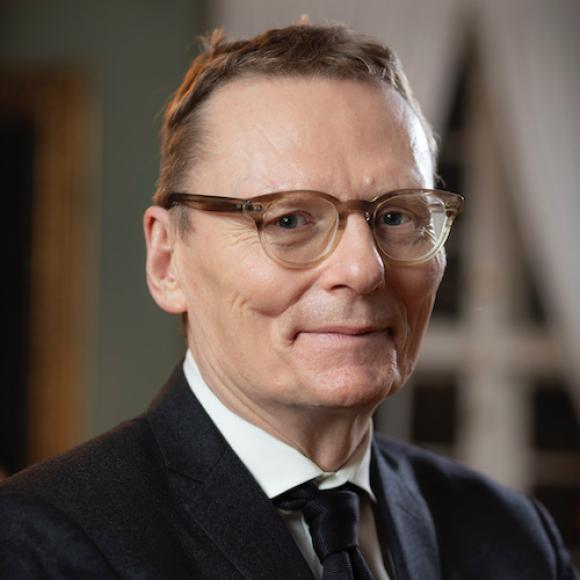
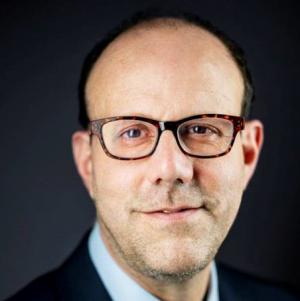
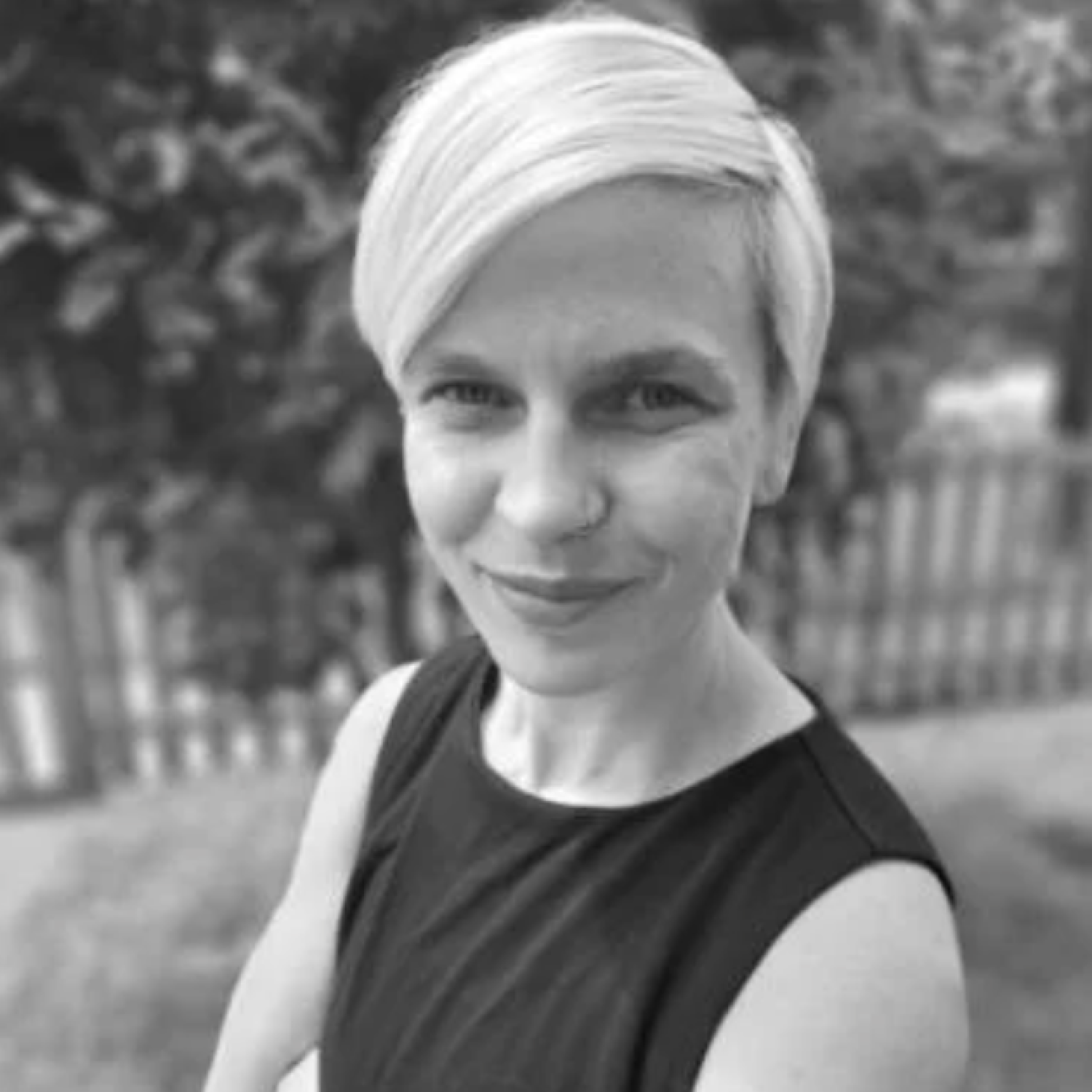
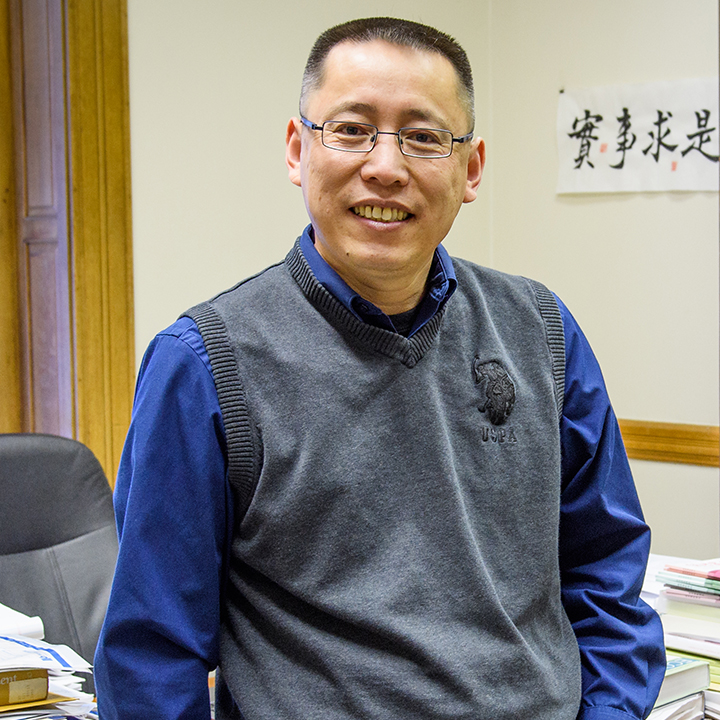
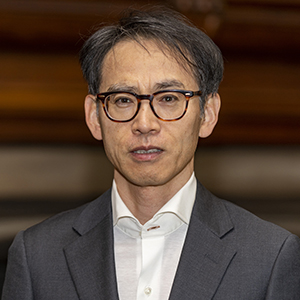
Joel Andreas is a Professor of Sociology at Johns Hopkins University since 2003, serving as Program Director of the East Asian Studies Program. His research focuses on political contention, social inequality, and social change in contemporary China. He holds a PhD in Sociology from UCLA and teaches social theory, political sociology, and courses on Chinese society. He has held visiting positions at universities including the University of Sydney, Hong Kong University, and Ningxia University. His work examines labor movements, rural land policies, and class dynamics in China. Recent research includes analyses of staff-worker congresses, rural land dispossession, and the persistence of militarism in U.S. policy. He critiques market reforms and explores the legacy of the Cultural Revolution. Andreas has contributed to debates on China’s transition to capitalism and the decline of socialist systems. His publications span topics from urbanization to state coercion in rural development. He maintains an active role in academic exchanges and policy-relevant research on China’s socio-political landscape.
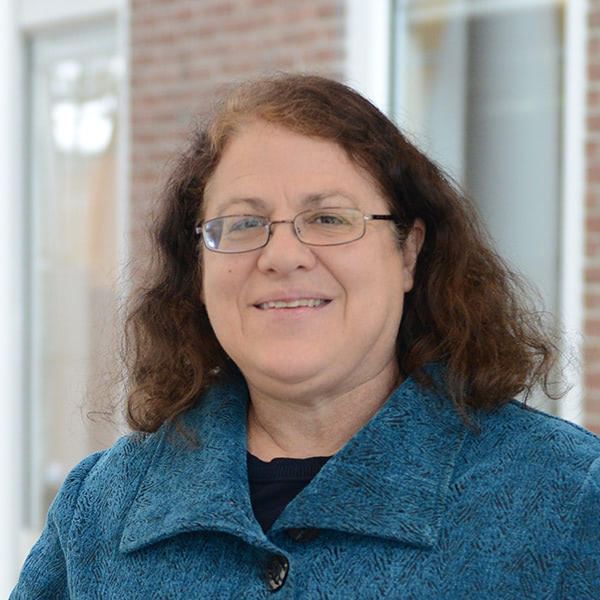
Jacob Eyferth is an Associate Professor at the University of Chicago, jointly appointed in the Department of East Asian Languages and Civilizations, the Department of History, and the College. His research focuses on the social and cultural history of twentieth-century China, particularly rural communities, gender dynamics, and the intersection of technology and everyday life. Key research themes include the impact of industrialization, collectivization, and revolution on non-elite populations, with an emphasis on rural women's labor and cultural resistance. His current project explores cotton production, clothing, and gender during China's socialist era. Eating Rice from Bamboo Roots (2009) How China Works (2006) Rural Development in Transitional China (2004) He received the 2011 Joseph Levenson Prize for his first book. Eyferth has taught courses on topics such as class inequality, everyday life under socialism, and revolutionary China, and has held postdoctoral fellowships at Oxford, Harvard, and Rutgers.
Sigrid Schmalzer is a Professor of History at the University of Massachusetts Amherst, specializing in the history of science and modern China. She holds a Ph.D. in History and Science Studies from the University of California, San Diego (2004). Her research bridges the social, cultural, and political dimensions of science in China, with a focus on the intersections of agriculture, activism, and revolutionary movements. Schmalzer is the author of *Red Revolution, Green Revolution: Scientific Farming in Socialist China* (2016), winner of the Joseph Levenson Book Prize, and *The People's Peking Man: Popular Science and Human Identity in Twentieth-Century China* (2008), recipient of the Allan Sharlin Award. Her current projects include a book on agricultural heritage in the People’s Republic of China and leadership roles in organizations like the Critical China Scholars and Science for the People. She co-edits the *Activist Studies of Science and Technology* series for UMass Press, emphasizing socially engaged scholarship. Schmalzer also serves as Co-President of the MSP faculty union at UMass Amherst. Research interests span the history of science activism, transnational movements, and the legacy of Maoist science. Notable awards include the Freeman Book Award (2018) for her children’s book *Moth and Wasp, Soil and Ocean*, which integrates science education with historical narratives. Her work often critiques capitalist and authoritarian structures while advocating for science as a tool for justice and sustainability. Recent publications explore themes like agroecology, science policy, and the global dimensions of China’s scientific history. She teaches courses on modern China, science in society, and radical science movements, blending interdisciplinary approaches to engage students in critical analysis of historical and contemporary issues.
James A. Robinson is a University Professor at the University of Chicago with joint appointments in the Harris School of Public Policy and Department of Political Science. An economist and political scientist, he conducts influential research on political and economic development, examining how political power, institutions, and prosperity interact through both quantitative economic modeling and qualitative fieldwork methodologies. Robinson's research focuses on institutional analysis and political economy, with deep regional expertise in sub-Saharan Africa and Latin America. He has conducted extensive fieldwork across Bolivia, Colombia, Haiti, Democratic Republic of Congo, Nigeria, Sierra Leone, South Africa, and Zimbabwe, investigating how historical institutions shape contemporary economic outcomes. His interdisciplinary approach integrates economic theory with anthropological and historical case studies to explain patterns of economic divergence and political stability. Recent publications (2023-2025) reveal persistent themes in institutional persistence, state-society dynamics, and the cultural foundations of development. His work increasingly examines the interaction of economic and political inequality, the role of non-institutional factors in leadership strategies, and the historical roots of peripheral development trajectories across diverse global contexts. Scientific recognition includes: 2024 Sveriges Riksbank Prize in Economic Sciences in Memory of Alfred Nobel Fellow, Institute of African Studies at the University of Nigeria, Nsukka Robinson co-authored three seminal books with Daron Acemoglu: Economic Origins of Dictatorship and Democracy (theoretical foundations of regime stability), Why Nations Fail (translated into 41 languages, arguing inclusive institutions drive prosperity), and The Narrow Corridor (analyzing state-society struggles for liberty). He maintained a 28-year summer school at Colombia's University of the Andes (1994-2022) and continues active research collaborations across Africa and Latin America.
Michael Kremer is a University Professor in Economics at the University of Chicago, holding positions in the Kenneth C. Griffin Department of Economics, the College, and the Harris School of Public Policy. He is the 2019 Nobel Laureate in Economic Sciences for pioneering experimental methods to address global poverty. Kremer earned his Ph.D. from Harvard University in 1992 and has been affiliated with the University of Chicago since 2020. His research focuses on development economics, field experiments, and policies impacting education, health, water, and agriculture in developing countries. He directs the Development Innovation Lab and leads the Development Economics Center at Chicago, emphasizing evidence-based solutions to poverty. Kremer’s work combines rigorous academic inquiry with practical policy applications, bridging theoretical economics and real-world interventions. Awarded the MacArthur Fellowship in 1997 and a Fellow of the American Academy of Arts and Sciences since 2003, Kremer’s contributions have shaped modern development economics. He has collaborated extensively with institutions worldwide, advocating for randomized controlled trials (RCTs) to evaluate social programs. His interdisciplinary approach integrates insights from economics, public policy, and experimental methods, fostering global partnerships to combat poverty effectively.
Alexis Peri is an Associate Professor of History at Boston University, specializing in modern Russian and Soviet history, with a focus on war, gender, and private life. Her work bridges cultural history, environmental history, and transnational studies. She holds a B.A., M.A., and Ph.D. from the University of California, Berkeley. Her research explores Soviet beauty pageants, US-Soviet women’s correspondence, and environmental dimensions of the Crimean War (co-authored with Catherine Ashcraft). Major publications include The War Within: Diaries from the Siege of Leningrad (2017) and Dear Unknown Friend: the Remarkable Correspondence between American and Soviet Women (2024). Dr. Peri has received the 2018 Pushkin House Book Prize, 2019 Gitner Teaching Prize, and 2024 Metcalf Award. Her research has been supported by the Fulbright Program, Kennan Institute, and others. She teaches undergraduate courses on Russian/Soviet history and directs multiple collaborative research projects.
Alice Reznickova is an Associate Teaching Professor and Capstone Lead in the Masters of Environment (MENV) Program at the University of Colorado. She holds a PhD in Environment and Resources from the University of Wisconsin-Madison, an MS in Chemistry from the same institution, and a BA in Chemistry from Smith College. Her work focuses on sustainability education, food systems, urban design, and policy, with a strong emphasis on equity and community engagement. Previously served as Director of Sustainable Urban Environments at NYU Tandon School of Engineering Worked as Campus Sustainability Director at Ripon College Interdisciplinary Scientist at Union of Concerned Scientists, focusing on sustainable food policy Reznickova pioneered NYC's first urban agriculture census and developed experiential learning programs such as the C40 Students Reinvent Cities competition and Ripon's Sustainability Fellowships. Her research addresses food justice, nutrition security, and inclusive sustainability practices.
Junfu Zhang is a Professor of Economics and Department Chair at Clark University. His research focuses on applied microeconomics, particularly urban and regional economics, with an emphasis on urbanization in China, entrepreneurship, regional development, and racial housing segregation. He holds a B.A. from Renmin University of China (1993), and M.A. and Ph.D. from Johns Hopkins University (1999, 2001). Prior to joining Clark in 2006, he was a research fellow at the Public Policy Institute of California and a Brookings Institution fellow (2000–2001). He has been an IZA Research Fellow since 2007 and served as President of the Chinese Economists Society (2019–2020). Education: B.A., International Economics, Renmin University of China, 1993 M.A., Economics, Clark University, 1997 M.A., Economics, Johns Hopkins University, 1999 Ph.D., Economics, Johns Hopkins University, 2001 Research Interests: Dr. Zhang's research explores urbanization dynamics in China, including land use policies, housing tenure systems, and economic segregation. His work also addresses entrepreneurship, high-tech industrial clusters, and the economic impacts of urbanization. Recent studies include analyses of land regulation, Super Bowl economic effects, and gender competition in labor markets. Recent Research Trends: His articles reflect a focus on China's socio-economic challenges, such as urban land policies, housing wealth effects, and regional development disparities. Collaborative projects with institutions like IZA and CES highlight interdisciplinary engagement. Awards and Affiliations: IZA Research Fellow (2007–present) Former President, Chinese Economists Society (2019–2020) Advising and Grants: No specific grant or student advising details are listed, though his research often involves collaborative teams. His work is supported by institutional affiliations and academic networks. Labs and Teams: No dedicated labs are mentioned, but his research engages interdisciplinary teams focusing on urban economics and regional policy.
Mark Wu is the Henry L. Stimson Professor at Harvard Law School, specializing in international trade and international economic law. He serves as Faculty Director of the Fairbank Center for Chinese Studies and Co-Director of the Berkman Klein Center for Internet and Society. His research focuses on global governance, digital technologies, trade remedies, environment, and foreign investment. Wu holds a J.D. from Yale Law School, an M.Sc. in Development Economics from Oxford (Rhodes Scholar), and an A.B. from Harvard University. He has held roles at the World Bank, USTR, and McKinsey & Company. His awards include the Sacks-Freund Award and HLS Teaching Award. Wu’s recent roles include Senior Advisor to USTR (2021) and Biden-Harris Transition Team member. He has advised international organizations like the G20, OECD, and WTO. His scholarship addresses challenges in global trade governance and emerging economies. Key affiliations: Asia Center, Center for the Environment, Center for International Development, East Asian Legal Studies, Harvard Environmental Economics Program. Courses taught include International Trade Law and U.S. Economic Statecraft.
Shigehiro Oishi is the Marshall Field IV Professor of Psychology at the University of Chicago, a member of the American Academy of Arts and Sciences (2023). He holds a B.A. from International Christian University (Tokyo), Ed.M. from Columbia University, and Ph.D. from the University of Illinois at Urbana-Champaign. Prior to UChicago, he taught at the University of Minnesota (2000–2004), Columbia University (2018–2020), and the University of Virginia (2004–2018; 2020–2022). His research explores culture, social ecology, and well-being, focusing on questions like “What is a good life?” and how socio-ecological factors like income inequality and residential mobility impact well-being across cultures. His lab uses diverse data sources, including surveys, GIS, and experimental methods. Key awards include the 2017 Society of Experimental Social Psychology Career Trajectory Award, the 2018 Carol and Ed Diener Award, and the 2021 Outstanding Achievement Award for Advancing Cultural Psychology. His work bridges psychology, sociology, and cultural studies, with a global focus on understanding human thriving. The Oishi Lab at UChicago continues this mission, welcoming new Ph.D. students and hosting prominent social psychology talks.
Laura Ray is the Myron Tribus Professor of Engineering Innovation and Senior Associate Dean for Faculty Development at the Thayer School of Engineering, Dartmouth College. Her research focuses on autonomous robotics, system dynamics, and machine intelligence with applications in polar exploration and agriculture. She leads NSF- and NASA-funded projects, including the development of robots like Yeti and Cool Robot for remote terrain analysis. Education: BSE in Mechanical and Aerospace Engineering from Princeton University (1984), MSE in Mechanical Engineering from Stanford University (1985), and PhD in Mechanical and Aerospace Engineering from Princeton University (1991). Research Interests: Her work spans robotics navigation, cooperative multi-robot systems, and acoustic signal processing. Recent projects include tactile sensing for agricultural robotics and terrain identification algorithms for autonomous vehicles. Awards: Honored with the 2022 Outstanding Service Award, National Academy of Inventors Senior Membership (2020), and multiple fellowships in engineering. Notable contributions include patents for noise-canceling devices and adaptive filtering technologies. Leadership: Served as Interim Dean of Thayer School (2018–2021) and co-leads initiatives like the NSF-funded PhD Innovation Program. Teaches courses in control theory (ENGS 26) and systems engineering (ENGS 22). Key Achievements: Developed robots that reduce risks in polar regions, supported NASA missions, and pioneered precision agriculture technologies. Her lab's innovations have been highlighted in Science, National Geographic, and IEEE Spectrum.
Jillian Bohlen is an Associate Professor at the University of Georgia within the College of Agricultural & Environmental Sciences , specifically the Department of Animal and Dairy Science . Her work focuses on dairy cattle reproduction, teaching, and youth development in agricultural sciences. Education: B.S. in Dairy Science, University of Georgia (2003) M.S. in Dairy Science, University of Georgia (2005) Ph.D. in Animal Sciences, Clemson University (2012) Dr. Bohlen's research emphasizes applied reproduction in cattle , including synchronization techniques, ultrasound applications in reproductive programs, and embryo competency. She integrates students into all research projects despite lacking a formal research appointment. Her teaching interests span dairy cattle production , reproductive management , and contemporary agricultural issues , with courses like ADSC 3620 (Dairy Cattle Production), ADSC 4010 (Issues in Animal Agriculture), and ADSC 4410 (Applied Reproductive Management). Scientific awards include: Student Career Success Influencer Award (2024) Russell Award for Excellence in Undergraduate Teaching (2023) UGA Creative Teaching Award (2022) CAES Early Career Teaching Award (2022) Hoard's Dairyman Youth Development Award (2021) Larry Benyshek Teaching Award (2017) She actively promotes agricultural education through programs like the Commercial Heifer Project , Dairy Cattle Judging , and Dairy Quiz Bowl . Additionally, she participates in funded projects related to methane emissions , heat stress mitigation , and antibiotic alternatives in dairy farming.
Peter A. Raymond is the Oastler Professor of Biogeochemistry at Yale University's School of the Environment and Department of Geology and Geophysics. He serves as Senior Associate Dean of Research & Director of Doctoral Studies and is Co-Director of the Yale Center for Natural Carbon Capture. Raymond leads the Raymond Biogeochemistry Lab, which investigates the biogeochemistry of inland waters, enhanced weathering, methane cycling, and blue carbon systems through cutting-edge field, laboratory, and modeling approaches. Education B.S., Marist College Ph.D., College of William and Mary/Virginia Institute of Marine Science Research Focus Raymond's research fundamentally reshapes our understanding of carbon cycling in aquatic systems, demonstrating that rivers serve as dynamic conduits rather than passive pipes in the global carbon cycle. His work examines how biology and watershed variables alter carbon chemistry in streams, rivers, and estuaries, with particular emphasis on understanding global carbon cycles in relation to climate change. Raymond employs radiocarbon measurements to explore the age and turnover of carbon in aquatic ecosystems, revealing that rivers are variable sources of both old and young terrestrial dissolved organic carbon to oceans. The Raymond Lab is particularly known for developing the Pulse-Shunt Concept, which challenges traditional views of riverine biogeochemistry by emphasizing the episodic and dynamic nature of elemental fluxes. Current research directions include enhanced weathering and alkalinity studies for carbon removal, global greenhouse gas budgets through projects like RECCAP 2, natural methane cycling in aquatic systems, and blue carbon ecosystems such as mangroves and salt marshes. Publication Trends Raymond's recent publications (2023-2025) demonstrate a strong focus on global carbon and methane cycling, with particular attention to inland water systems' role in the Earth's climate system. His work increasingly integrates large-scale datasets with field measurements to understand how climate change and human activities affect greenhouse gas emissions from rivers and streams. A significant portion of his recent work contributes to international efforts like the Global Carbon Project, aiming to refine estimates of global carbon and methane fluxes. His research also shows growing emphasis on carbon removal strategies, particularly enhanced rock weathering through the Earthshot-funded GOAL-A project, and their potential for climate mitigation. Scientific Recognition Fellow of the American Association for the Advancement of Science Member of the Connecticut Academy of Science and Engineering Coastal and Estuarine Research Federations Cronin Award for Young Scientists ISI highly cited author Past Editor and Chief of the American Geophysical Union's journal Global Biogeochemical Cycles Mentorship and Funding Professor Raymond currently mentors four doctoral students (Jon Gewirtzman, Shou-En "Samuel" Tsao, Benjamin Saalidong, and Mingyu Zhang) and masters student Bella Garrioch. His research is supported by multiple grants from the National Science Foundation (NSF), including CAREER awards, and participation in the Earthshot-funded GOAL-A (Global Ocean And Land Alkalinization) project. Raymond has also been involved in significant collaborative projects with USGS data to research how climate and land use change alter carbon export from US watersheds, and with Lamont Doherty to develop methods for measuring air-sea gas exchange of CO2 in rivers and estuaries. Research Infrastructure The Raymond Biogeochemistry Lab at Yale is a dynamic research group comprising research scientists, postdocs, doctoral and masters students, and postgraduate researchers. The lab recently acquired a Mini Carbon Dating System (MICADAS) at Yale, significantly expanding their research capabilities in ecosystem carbon turnover and verification of natural climate solutions. The lab collaborates globally on projects in the Arctic, Hudson River, and middle Atlantic Bight, and is actively involved in the NASA Carbon Monitoring System BlueFlux field campaign to assess carbon exchange in coastal wetlands.
Todd Sorensen is an Associate Teaching Professor at the University of California, Merced (UC Merced), affiliated with the School of Social Sciences, Humanities & Arts and the Economics and Business Management department. He holds fellowships at IZA (Institute of Labor Economics) and GLO (Global Labor Organization). Prior to UC Merced, he served as an Associate Professor at the University of Nevada, Reno (2014–2023) and an Assistant Professor at UC Riverside (2007–2014). His professional journey includes a visiting role as Visiting Associate Professor at UC Merced before his current appointment in 2022. Education: PhD in Economics, University of Arizona, 2007 Research Interests: Todd's work focuses on labor market structures , exploring topics like monopsony power and wage-setting dynamics; immigration , including its demographic and policy implications; and discrimination , particularly in criminal sentencing and labor markets. His research has been published in journals like ILR Review , Labour Economics , and the Journal of Population Economics , with findings cited in the U.S. Economic Report of the President. Scientific Awards: Fellow at IZA (2022–present) Fellow at GLO (2022–present) Advising & Grants: Todd has advised students across various levels but no specific advisees are listed. His grants and funding sources are not detailed in the provided text. He collaborates with interdisciplinary teams and maintains affiliations across UC campuses through his and his spouse’s academic careers. Labs/Teams: Engaged with research networks at IZA and GLO, focusing on labor market policies and migration studies. Active in collaborative projects analyzing immigration trends, labor market competition, and discrimination metrics.
Joseph Felter is a Research Fellow at the Hoover Institution (Stanford University) and the William J. Perry Fellow at the Center for International Security and Cooperation. His career bridges academia, military service, and policy advising, with expertise in counterinsurgency, national security, and US-China relations. He coauthored the influential book Small Wars, Big Data: The Information Revolution and Modern Conflict (2018) and developed the Hacking for Defense curriculum to connect military needs with Silicon Valley innovation. Military Background: Former US Army Special Forces officer with combat deployments in Panama, Iraq, and Afghanistan. Served as commander of the COMISAF Counterinsurgency Advisory and Assistance Team. Academic Roles: Assistant Professor at West Point’s Department of Social Sciences, Adjunct Associate Professor at Columbia University’s School for International and Public Affairs, and current codirector of Stanford’s Empirical Studies of Conflict Project. Research Focus: Politically motivated violence, economic development in conflict zones, and defense innovation. His work appears in top journals like American Economic Review and Journal of Conflict Resolution . Policy Engagement: Key advisor on US defense strategy (2017–2019) and founder of BMNT, a Silicon Valley defense technology incubator. Currently serves on Spirit of America’s board. Scientific Awards: Recognized as a William J. Perry Fellow and US Army War College Fellow. His empirical conflict research informs both academic and policy debates.