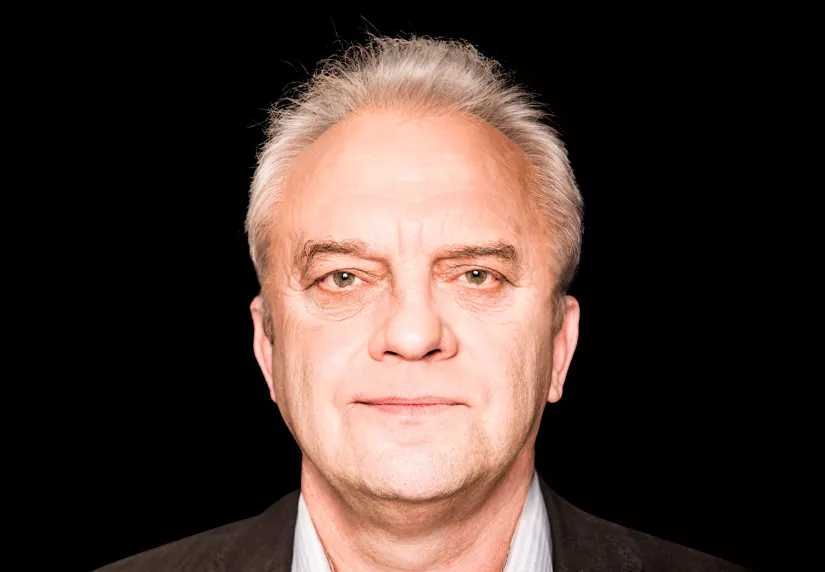
Emma Grace is a Professor and Program Chair of the Ph.D. International Psychology Program at The Chicago School, College of Graduate and Professional Studies , Washington, DC Campus. She leads doctoral-level courses, chairs dissertation committees, and co-leads the Global Collaboration on Traumatic Stress (GC-TS) as Project Leader, focusing on the Global Psychotrauma Screen (GPS) for children and adolescents. D.Sc. in Psychology , Ph.D. in Psychology Her research spans global mental health , trauma psychology , mass violence , revenge ideation , radicalism , and suicide terrorism . She integrates mixed methods research and cross-cultural adaptation to address mental health in conflict zones, pandemics, and displaced populations. Recent work focuses on PTSD assessment and transdiagnostic screening via the GPS framework. Her scientific awards include the Distinguished International Research and Scholarship Award and the Multicultural Teaching Excellence Award. She serves as a peer-reviewer for psychology and conflict studies journals and contributes to international conferences on trauma and radicalization. Her professional memberships include the Association for Psychological Science (APS) and International Society for Traumatic Stress Studies (ISTSS) . She also engages in community education with the Alzheimer's Association, National Capital Area Chapter .
Yuyang Zhou is an Assistant Professor in the Management department at Bentley University, where his research and teaching focus on organizational behavior, leadership, and diversity/inclusion. His office is located in Morison Hall, and he can be contacted via institutional email. Education: Dr. Zhou holds dual doctoral degrees: a PhD in Management from Florida International University and an EdD in Leadership and Management from St. Thomas University. Research Focus: His interdisciplinary work bridges management theory and psychological practice, concentrating on three primary domains: (1) Diversity, equity, and inclusion, particularly disability inclusion and workplace discrimination; (2) Leadership dynamics, including CEO influence and emotional expressions; and (3) Mindfulness applications in organizational and personal contexts. His research frequently employs longitudinal designs and meta-analytic approaches to examine how individual traits intersect with environmental factors. Publication Trends: Recent articles demonstrate a strong emphasis on mindfulness interventions across diverse populations (e.g., firefighters, students, elderly), leadership perception studies, and meta-analyses on disability inclusion. Methodologically, he favors longitudinal designs and cross-cultural comparisons, with recurring themes of resilience, emotional regulation, and workplace adaptation.
Nina S. Mounts is a Professor of Developmental Psychology in the Department of Psychology at Northern Illinois University (NIU), teaching courses including Adolescent Development (PSYC 424), Developmental Laboratory (PSYC 464), Social and Personality Development (PSYC 676), and Diversity and the Adolescent Experience (PSYC 466). She earned her Ph.D. in Psychology from the University of Wisconsin-Madison in 1990. Her research focuses on adolescent social development, particularly parent-child and peer relationships, with emphasis on how parents manage adolescents' peer dynamics across ethnically diverse populations. Recent work examines cross-cultural comparisons between Ghana and the United States, maternal consulting behaviors, and pandemic-related economic stress impacts. Analysis of her 2015-2025 publications reveals consistent methodological innovation through multi-informant approaches (adolescents, parents, observers) and thematic concentration on family-peer linkages. Her scholarship increasingly addresses contextual factors like cultural diversity and socioeconomic stressors while maintaining core focus on adolescent relational development.
Professor Bogdan Wojciszke is a distinguished faculty member at SWPS University of Social Sciences and Humanities, serving as Professor in the Faculty of Psychology in Sopot within the Department of Social Psychology. He has held significant administrative positions including Vice-Dean for Research at the SWPS Faculty in Sopot. His research is primarily conducted through the Institute of Psychology and the Center for Research on Cognition and Behavior at SWPS University. Professor Wojciszke is internationally recognized as an authority in the psychology of love and power, specializing in personality and social psychology. His research program centers on understanding fundamental dimensions of social cognition, particularly the dual dimensions of agency (encompassing efficiency, competence, and goal-orientedness) and communion (encompassing morality and social functioning). He has extensively studied the dynamics of close emotional relationships, analyzing the psychological mechanisms that govern behavior, thinking, and emotions within intimate partnerships. His work also explores the psychology of status and power, investigating how gaining power or increasing status alters human functioning. Additional research interests include moral psychology, Poles' attitudes toward ownership transformations, and productivity and dignity as ethical values in contemporary Polish society. Professor Wojciszke's scholarly work demonstrates a consistent focus on understanding fundamental dimensions of social cognition. His research has evolved from foundational work on interpersonal evaluation processes to more complex examinations of moral judgment, relationship dynamics, and power structures. A significant trend in his publications is the application of theoretical models to practical understanding of human relationships and social behavior, with particular emphasis on how abstract concepts manifest in concrete social interactions. Professor Wojciszke's contributions to psychology have been recognized with numerous prestigious awards: 2016 Foundation for Polish Science Prize (often referred to as the "Polish Nobel Prize") for developing a model of agency and communion as fundamental dimensions of social cognition Knight's Cross of the Order of Polonia Restituta Awards from the Ministry of National Education Recognition from the Polish Academy of Sciences Alexander von Humboldt Foundation scholarship Throughout his career, Professor Wojciszke has secured research grants from major funding bodies including the National Science Centre and the Foundation for Polish Science's Master program. He has held research fellowships at prestigious institutions worldwide, including the University of Aberdeen, the Max-Planck-Institute in Berlin, and universities in Paris and Oxford. His work has been featured in leading journals such as the Journal of Experimental Social Psychology and European Journal of Social Psychology, demonstrating the international impact of his research. Professor Wojciszke is affiliated with the Center for Research on Cognition and Behavior at SWPS University, where he conducts interdisciplinary research on social cognition. His work bridges theoretical psychology with practical applications in understanding human relationships, moral judgment, and social behavior. The center provides a collaborative environment for exploring the cognitive and behavioral aspects of human interaction, with Professor Wojciszke playing a leading role in shaping its research agenda focused on fundamental dimensions of social perception and evaluation.
Hiroaki Matsunami is a Professor of Molecular Genetics and Microbiology at Duke University, holding the Minnie Geller Distinguished Professorship in Genetics. He also serves as Professor of Neurobiology, Professor of Cell Biology, Member of the Duke Cancer Institute, Faculty Network Member of the Duke Institute for Brain Sciences, and Associate of the Duke Initiative for Science & Society. His research has significantly advanced our understanding of chemosensory mechanisms at the molecular level. Dr. Matsunami earned his Ph.D. from Kyoto University (Japan) in 1996 and has since established himself as a leading expert in chemosensation research. His academic journey spans multiple departments reflecting the interdisciplinary nature of his work bridging genetics, neuroscience, and molecular biology. Dr. Matsunami's laboratory investigates the molecular mechanisms underlying chemosensation (taste and smell) in mammals, focusing on G-protein coupled receptors (GPCRs). His team explores how tens of thousands of chemicals interact with over one thousand chemosensory receptors, how information is coded in sensory cells and the brain, and the mechanisms underlying development and regeneration of sensory cells. Their work has identified key receptor families for bitter and sweet compounds and elucidated the genetic basis for individual differences in taste and smell perception. Analysis of Dr. Matsunami's extensive publication record reveals a consistent focus on odorant receptor structure and function, with an increasingly sophisticated approach incorporating structural biology, computational modeling, and advanced genomic techniques. His recent work demonstrates significant progress in understanding the molecular basis of odor discrimination, receptor trafficking mechanisms, and the evolutionary adaptations of chemosensory systems across species. AAAS Fellow (2012) Minnie Geller Distinguished Professor in Genetics Dr. Matsunami leads multiple major research initiatives including 'Mechanisms of Odor Detection and Discrimination' (2025-2030) and 'STRUCTURAL DYNAMICS IN HUMAN ODORANT RECEPTOR FUNCTION' (2023-2028). His laboratory has developed innovative methods for studying odorant receptors, including heterologous expression systems and targeted transcriptomics approaches to map olfactory receptor expression in the brain. His work bridges basic science with potential clinical applications for sensory disorders. Dr. Matsunami directs a multidisciplinary research team at Duke that combines molecular biology, genome informatics, and genetic approaches to investigate taste and smell mechanisms. His laboratory has made significant contributions to understanding receptor trafficking through proteins like RTP1S, the structural basis of odor recognition, and the genetic variations that underlie individual differences in sensory perception across human populations.
Dr. Sheida Novin serves as an Assistant Professor in the Department of Developmental Psychology within the Faculty of Social and Behavioural Sciences at Utrecht University. Her academic journey includes a PhD in Developmental Psychology from Leiden University (supported by a Mosaic grant), followed by postdoctoral research at the University of Michigan and University of Southern California (funded by Marie Curie and Japanese Studies grants). Her research expertise centers on cultural influences on psychological processes, with particular focus on biculturalism, cross-cultural differences, and cultural mindsets. Dr. Novin examines how culture shapes emotional experience, cognition, behavior, and mental health across diverse populations including children, adolescents, and adults from multiple cultural contexts (China, Iran, Japan, Malaysia, Morocco, the Netherlands, South Korea, and the USA). Analysis of her publication history reveals consistent research themes exploring cultural mechanisms underlying psychological functioning, with recent emphasis on bicultural adolescent development, self-evaluation across cultures, honor mindsets, and cultural influences on aggression and social cognition. Her work demonstrates methodological diversity spanning cross-cultural comparisons, meta-analyses, experimental studies, and longitudinal investigations. Mosaic grant (PhD research) Marie Curie grant (postdoctoral research) Grant from Japanese Studies (postdoctoral research) NWA small project grant (current research on bicultural adolescents) Dr. Novin supervises PhD candidate Yixin Tang who studies children's self-views from a cultural perspective. She contributes significantly to academic service as treasurer of the VNOP board and associate editor for the British Journal of Psychology. Her teaching responsibilities include involvement in the FSW Honours Program and various courses within the Developmental Psychology department. Her research program, Dynamics of Youth (DoY), focuses on understanding and harnessing bicultural strengths in adolescent development.
Joseph Garner is a Professor of Comparative Medicine (University Medical Line) and Psychiatry and Behavioral Sciences (by courtesy) at Stanford University. He earned his D.Phil. in Zoology from the University of Oxford and pursued postdoctoral research at UC Davis. His academic career includes roles as Assistant and Associate Professor at Purdue University before joining Stanford in 2011, where he leads the Technique Refinement and Innovation Lab. His work bridges laboratory animal well-being and translational medicine, focusing on improving the reproducibility and human relevance of animal studies. Dr. Garner's research spans Translational failures in drug development Mouse models of trichotillomania and skin-picking disorders 3Rs (Replacement, Refinement, Reduction) in animal research Oxytocin and vasopressin in social cognition Environmental enrichment for laboratory animals Reverse translation between human and animal studies . His recent publications emphasize Optimizing animal housing to reduce stereotypies Standardizing plasma glutathione measurement EHM over soiled bedding sentinels Neurochemical biomarkers in autism models Non-invasive vasopressin delivery in primates . Notable awards include the Henry Spira Memorial Lecture, 3Rs Prize, and multiple teaching and mentoring accolades. He serves on editorial boards and advisory boards for organizations related to animal welfare and autism research.
JUAN MANUEL CORBACHO VALENCIA is a Full-Time Professor at the University of Vigo , affiliated with the Faculty of Social Sciences and Communication in the Audiovisual Communication and Advertising department. With a doctorate in Audiovisual Communication (2008), his work focuses on digital communication, event management, and fact-checking practices. Education: Doctorate in Audiovisual Communication (University of Vigo, 2008) Advisors: Dr. Alberto Pena Rodríguez Research Interests span diverse areas including: Fact-Checking across social media platforms (Instagram, Facebook, Telegram) with emphasis on disinformation combat and engagement metrics Event Organization analyzing technological integration and pandemic-era adaptations Nation Branding exploring the disparity between internal and external country perceptions Digital Advertising covering creative trends and economic bid evaluations Political Communication through case studies of emerging digital parties Educational Innovation in audiovisual production models and protocol teaching Publication Trends show a strong focus on disinformation (2020-2021) and event spectacularization (2023). His work combines theoretical approaches with practical case studies from European and Iberoamerican contexts.
Kevin Judge serves as Associate Professor in the Department of Biological Sciences within MacEwan University's Faculty of Arts and Science, specializing in insect behavior and evolutionary biology with emphasis on orthopterans. His research examines sexual selection dynamics in sexually-cannibalistic insects and field crickets through integrative field and laboratory approaches. Education: PhD, University of Toronto M.Sc., University of Guelph B.Sc., University of Guelph Dr. Judge's research program investigates how ecological constraints shape mating systems in insects, particularly focusing on Cyphoderris orthopterans and Gryllus crickets. His work spans bioacoustic monitoring , sexual dimorphism , and evolutionary adaptations in weaponry and behavior, contributing significantly to understanding sexual selection mechanisms in natural populations. Current side projects include Mormon cricket morphological variation, bullfrog vocalization studies, and orthopteran distribution ecology. Analysis of his 15 most recent publications reveals consistent focus on acoustic communication, mating strategy evolution, and condition-dependent traits across diverse insect taxa. The research demonstrates methodological integration of field observations, morphological analysis, and behavioral experiments to address fundamental questions in evolutionary ecology. Scientific Awards: Dr. Sherrill Brown Distinguished Research Award, MacEwan University (2023) Dr. Judge has secured substantial research funding including a Natural Sciences and Engineering Research Council Discovery Grant (2017-2022) and multiple MacEwan University grants (Project Fund 2015/2023, Environmental Studies Institute Grants 2021/2023). He actively mentors undergraduate researchers, evidenced by numerous student co-authors on publications, and teaches core courses including ZOOL 325: Entomology and BIOL 108: Introduction to Evolution. His professional engagement spans eight scientific societies with lifetime memberships in the Canadian Society for Ecology and Evolution and Orthopterists' Society.
Sharon Christ is an Associate Professor in the Department of Human Development and Family Science at Purdue University, with joint appointments in the Department of Statistics, College of Science, and courtesy appointments in the Department of Speech, Language, and Hearing Sciences. She serves as Co-Director of The Methodology Center at Purdue (MCAP) and is actively involved in research focusing on statistics, statistical modeling, adolescent development, and aging. Her work spans multiple research areas including Health and Well-Being, Interpersonal Relations, and Military Families. Dr. Christ received her PhD in Sociology from the University of North Carolina in 2008, an MS in Statistics from the same institution in 2004, an MA in Sociology in 2002, and a BA in Sociology & Political Science from the University of Minnesota in 1994. Her research primarily focuses on applications in the social, behavioral, and health sciences, with expertise in structural equation modeling (SEM) with latent variables, multilevel (mixed effects) models, longitudinal modeling, and analysis of complex sample data. She investigates measurement of social constructs, missing data, and selection problems, often using large nationally representative datasets as well as data from observation and experimental designs. A significant portion of her recent work examines child maltreatment experiences in adolescence and their impacts on well-being outcomes including academic achievement, aggressive behaviors, and mental health. Analysis of Dr. Christ's recent publications reveals a strong focus on developmental language disorders, military family research, and statistical methodology. Her work increasingly integrates retrieval practice techniques for language learning in children with developmental disorders, examines long-term trajectories of mental health outcomes in military families, and investigates the relationship between physical activity, stress, and health outcomes in diverse populations. There's a clear interdisciplinary trend across her publications, bridging statistics, psychology, speech-language pathology, and military family research. Dr. Christ has received numerous awards and honors including: University Faculty Scholar, Purdue University (2022-present) Christine M. Ladisch Faculty Leadership Award, Purdue University (2022) Faculty Leadership Academy for Interdisciplinary Research (FLAIR) Fellow, Purdue University (2020) Honorable Mention for Disruption Paper Competition, National Foundation to End Child Abuse and Neglect (2019) College of Science Team Award for Statistics Living Learning Community, Purdue University (2015) Center for Aging and the Life Course Outstanding Professor Award for Exceptional Teaching and Mentoring of Emerging Scholars in Aging, Purdue University (2014) Dr. Christ actively mentors graduate students and is accepting applications for the December 1, 2024 deadline. She has secured significant research funding, including as Co-Principal Investigator for the 'Interdisciplinary Summer Institute on the Analysis of Complex, Large-Scale Longitudinal Data' from the National Institute on Drug Abuse ($365,129, 2024-2027) and as Co-Investigator on multiple substantial grants from agencies including the U.S. Army Medical Research & Development Command, National Institute on Deafness and other Communication Disorders, and Eunice Kennedy Shriver National Institute of Child Health and Human Development. Dr. Christ is affiliated with several research centers at Purdue including the Center for Families, The Military Family Research Institute, The Methodology Center at Purdue (MCAP), and the Center on Aging and the Life Course. These affiliations support her interdisciplinary research on family dynamics, military families, statistical methodology, and aging processes.
Henrikas Bartusevičius is a Research Professor at the Department of Peace and Conflict Dynamics , Peace Research Institute Oslo (PRIO) , where he has worked since 2021. He previously held positions at Aarhus University and the University of Essex. His research integrates theories from anthropology , behavioral economics , cognitive science , political science , and psychology to study political violence , conflict dynamics , and human behavior under stress. Education: PhD in Political Science, Aarhus University (2014) MA in International Relations, Vilnius University (2015) Research Interests focus on understanding why individuals participate in political violence , particularly through multilevel analysis , evolutionary psychology , and behavioral economics . His Adapted to War (AWAR) project (funded by an ERC Starting Grant ) examines psychological responses to war, including repression , civilian victimization , and Ukrainian resistance . Earlier work explored flood-related unrest , economic factors in conflict , and democratic civil peace . Scientific Awards include the ERC Starting Grant and the Alexander Von Humboldt Research Award . His media appearances (2023–2024) include coverage in the Süddeutsche Zeitung and World News . He has collaborated with institutions like University of Oxford , University of California (Santa Barbara and Los Angeles), and Tilburg University .
Farah Qureshi , ScD, MHS '10, is an Assistant Professor in the Department of Population, Family and Reproductive Health at Johns Hopkins Bloomberg School of Public Health . As a social epidemiologist, she investigates the early life origins of cardiovascular health disparities and the interplay between social environments, mental health, and chronic disease risk. Education: ScD from Harvard T.H. Chan School of Public Health (2019), MHS from Johns Hopkins (2010), BA from Johns Hopkins University (2008) Her research applies positive youth development theory to examine how psychosocial assets (psychological well-being, family relationships, social capital) influence health trajectories from adolescence to adulthood. She specializes in longitudinal data analysis using cohorts like Add Health, Nurses' Health Study, and Generation R. Recent work connects mental health with physical health outcomes across the lifespan. As a methodological expert, Dr. Qureshi has published 29 peer-reviewed works (including 15 since 2021) on topics spanning body mass index , depressive symptoms , prosocial behavior , and social determinants of cardiometabolic disease . Her 2025 Health Psychology study on Millennium Cohort data demonstrates lifelong impacts of childhood social environments. Scientific Recognition : 2020-2022 NHLBI Loan Repayment Program Recipient 2020 Tulane Telomere Research Network Pilot Award 2020 American Psychosomatic Society Young Investigator Colloquium 2017 Harvard Lee Kum Sheung Center Dissertation Award Dr. Qureshi teaches Life Course Perspectives on Health and Adolescent Health and Development courses, mentoring students in life course epidemiology and psychosocial health modeling . Her work bridges mental health , social capital , and cardiometabolic disease prevention across diverse international cohorts.
Dr. Friederike Woog is a curator of ornithology at the State Museum of Natural History Stuttgart (SMNS) and has been a Lecturer at the University of Hohenheim’s Institute of Zoology since 2015. Her dual role bridges museum-based research and university-level education in zoology and behavioral ecology. She earned her MSc in Biology from the University of Hohenheim (1987–1992) with a thesis on Hawaiian Geese, followed by a PhD from the University of Hannover (1994–1999), conducted in collaboration with the Wildfowl & Wetlands Trust in the UK and Hawaii Volcanoes National Park in the USA. Her research spans biodiversity in tropical rainforests , urban avian ecology , avian malaria and parasitology , and conservation biology . She has led long-term studies on Greylag Geese in urban environments and conducted extensive fieldwork in Madagascar , focusing on endemic bird species, blood parasites, and habitat use. She also investigates introduced species , such as Amazon parrots in Stuttgart and Egyptian Geese in urban settings. Her recent publications reflect a strong emphasis on parasitology , conservation genetics , and environmental monitoring , often leveraging museum collections and long-term datasets. She collaborates internationally on projects involving contaminant monitoring in apex predators and avian disease ecology. Teaching and supervision are central to her academic role. She teaches modules on vertebrate biology, scientific bird ringing, behavioral ecology, and evolution. She has supervised over a dozen MSc and BSc theses, primarily from the University of Hohenheim and partner institutions in Madagascar and Germany. She has contributed to popular science communication through articles, exhibitions, and public lectures, including the traveling exhibition Viva Color – Farben der Natur .
Christian M. Connell, Ph.D. is an Associate Professor of Psychiatry at Yale School of Medicine with a focus on trauma and adversity impacting child and adolescent populations. His research examines contextual risk factors and protective processes within child welfare and behavioral health systems. Ph.D. in Clinical-Community Psychology, University of South Carolina Predoctoral/Postdoctoral Fellow, The Consultation Center at Yale Dr. Connell's work emphasizes: Community-based interventions for traumatized children Family-focused approaches to child maltreatment recovery Advanced quantitative analysis of behavioral outcomes His research portfolio includes grants from: National Institute of Mental Health Administration for Children and Families Substance Abuse and Mental Health Services Administration Key research trends across publications: Systematic evaluation of child welfare practices Multivariate analysis of trauma outcomes Development of screening methodologies for adversity Interdisciplinary approaches combining psychology and policy Scientific recognition includes: NICHD Clinical Research Loan Repayment Program Senior Fellow at Connecticut Child Health Institute Faculty Fellow at Yale's Zigler Center Dr. Connell leads research initiatives at the Child Development & Epidemiological Research Lab and collaborates with Yale faculty on trauma-informed systems redesign.
Arthur C. Allen serves as Associate Professor of Accountancy at the School of Accountancy within the College of Business Administration at the University of Nebraska-Lincoln, where he has been a faculty member since 1989. His academic career spans over three decades with significant contributions to nonprofit and governmental accounting research. Dr. Allen's educational foundation includes: Ph.D. in Accounting from the University of Alabama (1989) B.S.B.A. in Accounting from the University of Southern Mississippi (1985) His research critically examines nonprofit organizations , financial disclosures , and audit service markets , with specialized expertise in Local Government Accounting , Governmental Accounting , and Not-for-profit Accounting . He investigates how financial information drives decision-making in private foundations and municipal entities, bridging theoretical frameworks with practical regulatory implications. Analysis of his 15 most recent publications reveals consistent focus on empirical studies of financial reporting in public sector contexts, particularly examining regulatory impacts on nonprofit governance and municipal finance. His work demonstrates methodological rigor across top-tier journals including the Journal of Governmental and Nonprofit Accounting and Journal of Banking and Finance . Dr. Allen's scholarly excellence has been recognized through: Distinguished Teaching, Research & Service Award (2012-2013) AAA Best Paper Award (GNP Section, 2014) Best Mid-year Meeting Paper Award (2009) International Symposium Best Research Paper Award (2004) He actively contributes to academic service through the School of Accountancy Assessment and Personnel Committees, while teaching core courses including Intermediate Accounting I and Advanced Accounting. His research program addresses critical issues in public sector finance and accounting regulation, with ongoing relevance to professional practice and policy development.