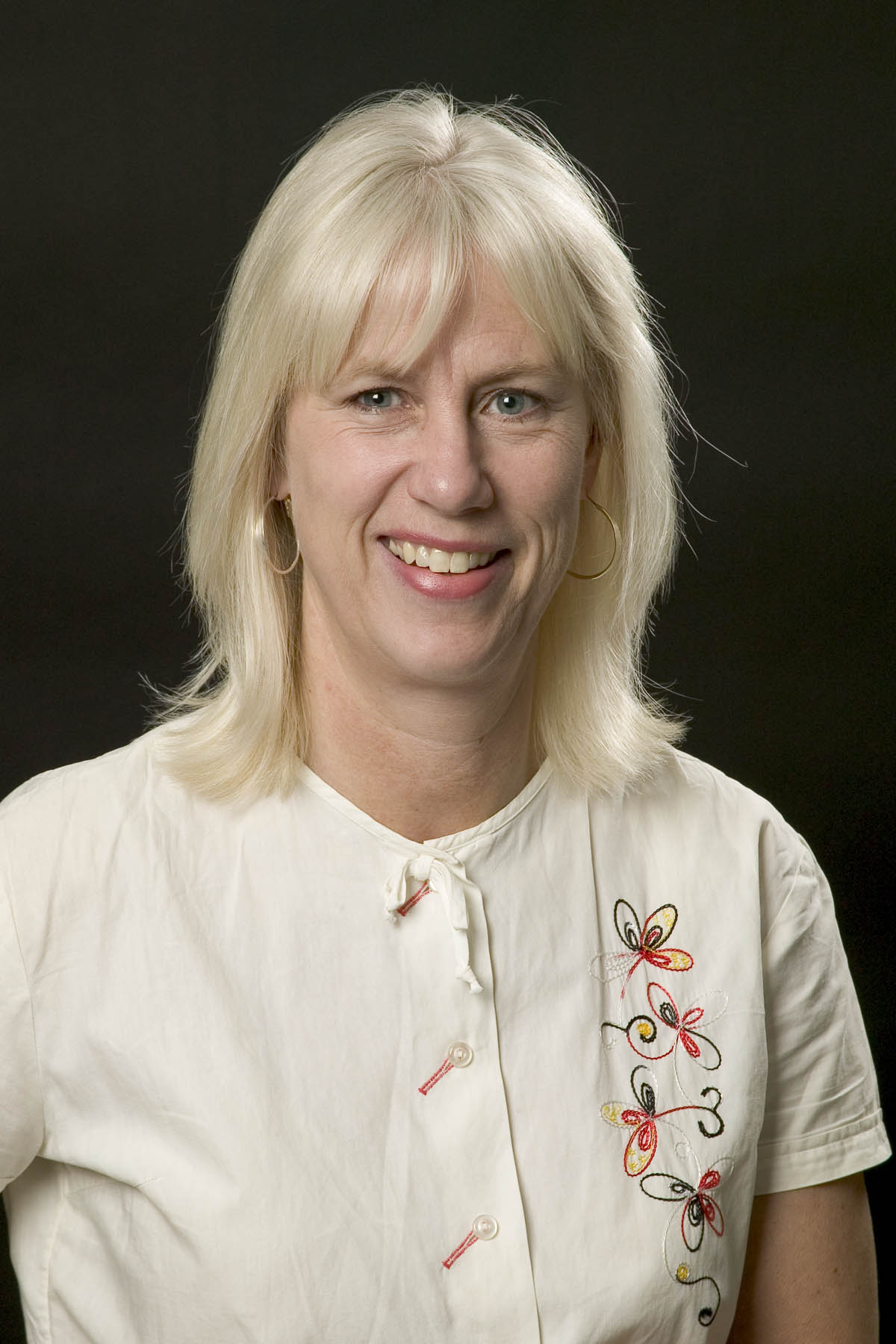
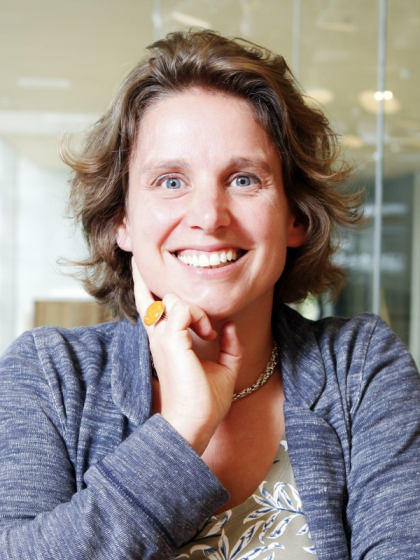
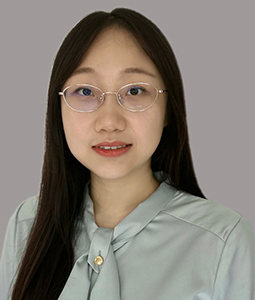
Dr. Jagruti Sahoo is an Associate Professor in Computer Science and Academic Program Coordinator for the Cybersecurity Program at South Carolina State University (SCSU), USA. Her research focuses on Internet of Things (IoT) , cybersecurity , machine learning , vehicular networks , and network functions virtualization . Ph.D. in Computer Science and Information Engineering from National Central University, Taiwan (2013) Postdoctoral research at University of Sherbrooke and Concordia University, Canada (2013-2016) Her research lab explores optimization, security, and privacy in IoT and cyber-physical systems, particularly in smart transportation and smart farming domains. She has published extensively in IEEE journals and conferences, with expertise in fog node placement, vehicular network protocols, and VNF management. Dr. Sahoo serves on technical program committees for major conferences (IEEE ICC, Globecom, CCNC, LCN) and as Associate Editor for IEEE Access . She is certified by CompTIA Security+ and contributes to professional organizations like ACM, N² Women, and Women in Cybersecurity (WiCyS).
Gail A. Cornwall, Ph.D., is a Professor in the Department of Cell Biology and Biochemistry at the Texas Tech University Health Sciences Center School of Medicine. Her research bridges reproductive biology, neuroscience, and structural biochemistry, focusing on the dual roles of biological amyloids in physiological functions and disease mechanisms. Education: Ph.D. in Reproductive Biology, Johns Hopkins Bloomberg School of Public Health Dr. Cornwall's pioneering work centers on functional amyloids—protein aggregates that perform critical biological roles rather than causing pathology. Her lab investigates three interconnected research pillars: the host defense functions of amyloid matrices in the reproductive tract, the structural mechanisms of functional amyloid assembly, and the potential role of sperm amyloids as epigenetic carriers of transgenerational disease. She discovered that the epididymal lumen contains a functional amyloid matrix that traps or kills bacteria depending on pathogen virulence, functioning as a mammalian counterpart to bacterial biofilms. Concurrently, her team explores how similar amyloid structures in the brain may regulate synaptic plasticity, and how environmental toxins induce transmissible amyloid formations in sperm that correlate with inherited disease phenotypes. Analysis of Dr. Cornwall's 15 most recent publications (2023-2012) reveals a cohesive trajectory examining amyloid plasticity across biological systems. Her work consistently integrates structural biology (X-ray crystallography, NMR spectroscopy), transgenic models, and translational approaches to demonstrate how functional amyloids provide evolutionary advantages in host defense while maintaining the structural versatility to contribute to neurodegenerative diseases when dysregulated. Dr. Cornwall leads a multidisciplinary laboratory employing biochemical, cell biological, and biophysical methodologies—including recombinant protein systems, gene knockout mouse models, and advanced imaging—to study amyloid dynamics. Her team maintains active collaborations with structural biologists (R. Bryan Sutton), NMR spectroscopists (Michael P. Latham, Benjamin J. Wylie), and reproductive physiologists to dissect amyloid assembly mechanisms at atomic resolution. Information regarding Dr. Cornwall's student advising roles and specific research grants was not provided in the source materials.
Kristen Cooper is an Associate Professor of Economics and the Chair of the Department of Economics and Business at Gordon College, a liberal arts college on Boston's north shore. She holds a Ph.D. in Applied Economics and Management from Cornell University and has been a faculty member since 2013. Her academic leadership and teaching focus on microeconomics, public policy, environmental economics, and Christian perspectives on economic life. B.A., Gordon College Ph.D., Cornell University, Applied Economics and Management Her research centers on welfare and behavioral economics, with a strong emphasis on the development and critique of well-being indicators as alternatives or complements to GDP. She explores how subjective well-being can be measured rigorously and used in policy analysis, addressing issues such as scale-use heterogeneity and interpersonal comparability. Her work spans experimental and theoretical approaches to bounded rationality, strategic decision-making, and consumer behavior in markets for fast fashion and durable goods. Her recent publications reveal a consistent focus on constructing valid, theoretically grounded well-being indices using survey data and stated preferences. She investigates the welfare implications of environmental policies, ethanol subsidies, and the signaling value of consumption. Her research often involves interdisciplinary collaboration with leading economists such as Daniel Benjamin, Ori Heffetz, and Miles Kimball. Fulbright U.S. Scholar, Universidad de La Laguna, Spain (2019) Prof. Cooper is actively involved in academic service, presenting her work at major conferences including the American Economic Association and Wharton’s Normative Ethics and Welfare Economics Conference. She advises on pedagogical approaches to teaching welfare economics and integrates ethical and faith-based reflection into her curriculum. She is a member of the American Economic Association and the Association of Christian Economists, reflecting her dual commitment to rigorous scholarship and values-based economic inquiry. She leads research initiatives on national well-being measurement, contributes to policy discussions through publications with the IMF’s Finance & Development magazine, and continues to develop methodologies for aggregating personal well-being into national indices that account for inequality and demographic variation.
Prasannakumar Deshpande is a Project Researcher at the Åbo Akademi University , affiliated with the Faculty of Science and Engineering and the Turku Center for Biosciences . His work focuses on molecular mechanisms underlying neurodegenerative diseases. Research Interests : Proteostasis, Parkinson's disease, LRRK2, KIF5C, chondroitin sulfate, protein synthesis regulation. Key Projects : Development of molecular spherical nucleic acids for neurodegenerative therapeutics; translational repression in Parkinson's fibroblasts. Collaborations : Active in interdisciplinary research networks across Europe. Scientific Contributions : Co-inventor of a diagnostic patent for Parkinson's disease (EP3555319), with significant work on KIF5C mutations and JNK pathway regulation of GABAAR.
Vittorio Scardaci is a Lecturer in Physical Chemistry at the Department of Chemistry, University of Catania. With a PhD in Engineering from the University of Cambridge (2009), his career spans academic research and industrial R&D at Hewlett-Packard Ireland (2008-2013) before returning to academia in 2018. His work focuses on carbon nanomaterials , plasmonic nanoparticles , and photonic composites , with over 50 peer-reviewed publications (h-index 27) and 2 patents. His recent research includes graphene oxide reduction , metallic nanowire networks , and ultrafast laser applications . Publications highlight plasmonic sensing , nanoparticle aggregation , and photonic device integration of nanomaterials. He is co-inventor of transparent conductive films and optical saturable absorbers . Scardaci's work intersects material synthesis , optical characterization , and applied device fabrication . He collaborates with international institutions and contributes to projects in nanostructured materials for sensors and photonic systems . His expertise spans chemical processing , nanotube-polymer composites , and laser-materials interaction .
Richard N. Zare, the Marguerite Blake Wilbur Professor in Natural Science and Professor of Chemistry at Stanford University, is a pioneering figure in physical chemistry and nanochemical analysis . His career spans institutions including MIT, University of Colorado, Columbia University, and Stanford since 1977. He has chaired Stanford's Chemistry Department and served on numerous national science policy boards. Education : Ph.D. in Chemical Physics (1964) and B.A. in Chemistry & Physics (1961) from Harvard University Appointments : Professor (1977–Present), Professor of Physics (1992–Present), Howard Hughes Medical Institute Professor (2006–2010) Zare's research focuses on laser-based reaction dynamics , microdroplet chemistry , and interfacial electrochemistry , with applications in green chemistry , chemical analysis , and biomolecular systems . His team has developed techniques like laser-induced fluorescence , cavity ring-down spectroscopy , and Hadamard transform mass spectrometry . Recent publications highlight breakthroughs in metal nanoparticle synthesis , CO2 conversion , and biomolecular condensate electrochemistry . His work bridges physical chemistry , analytical chemistry , and environmental science . Major Awards : National Medal of Science Wolf Prize in Chemistry BBVA Foundation Frontiers of Knowledge Award King Faisal International Prize Presidential Award for Science Mentoring (PAESMEM) 11 Honorary Doctorates Zare teaches Stanford's Chemistry in the Kitchen course and has mentored numerous Ph.D. students and postdocs . He leads the Zarelab, with affiliations to Bio-X , Woods Institute , and Cardiovascular Institute .
Dr. Caryn L. Heldt is a Professor of Chemical Engineering at Michigan Technological University (MTU) and serves as the Director of the Health Research Institute and the James and Lorna Mack Endowed Chair in Continuous Processing. She holds an Affiliate Professorship in Biological Sciences. Her research focuses on viral surface chemistry, bioseparations, and biomanufacturing innovations. She earned her BS in Chemistry and Chemical Engineering from MTU (2001) and her PhD in Chemical Engineering from North Carolina State University (2008), followed by postdoctoral training at Rensselaer Polytechnic Institute (2010). Her lab, the Heldt Bioseparations Lab, investigates virus-cell interactions to optimize biotherapeutic production, including vaccines and gene therapies. Key research areas include aqueous two-phase systems (ATPS) for purification, continuous manufacturing processes, and stabilizing vaccines through additives and complex coacervation. Notable achievements include an NSF CAREER Award (2015) and collaborations with institutions like the University of Massachusetts for vaccine formulation studies. Her work bridges virology and engineering, addressing challenges in antiviral materials, extracellular vesicle characterization, and cost-effective viral vector production. The lab emphasizes sustainable methods, such as eco-friendly surfactants and scalable purification techniques, to enhance both efficiency and accessibility of biomedical products. Awards: NSF CAREER Award (2015) Grants: Funding from NSF, industry partnerships, and institutional endowments Labs/Teams: Heldt Bioseparations Lab, Health Research Institute
Tengteng (Toni) Tang is an Assistant Professor in the Department of Materials Science and Engineering at the University of Virginia. She holds a Ph.D. from the University of British Columbia and completed postdoctoral training at the Max Planck Institute of Colloids and Interfaces in Germany. Her research focuses on understanding the structure-function relationships in biomineralizing tissues like bone, cartilage, and tendon, leveraging advanced imaging techniques such as correlative light and electron tomography, synchrotron X-ray scattering, and 3D nanotomography. Her work investigates how micro- and nanoscale structural adaptations influence biomechanical functions, with particular emphasis on musculoskeletal diseases like osteoarthritis. Tang has pioneered correlative microscopy approaches to visualize bone across multiple length scales, earning recognition as a Bone Reports Early Career Researcher and recipient of the ICCBMT Young Investigator Award. Key grants include NSERC Discovery and Alliance Catalyst Grants for studying cranial sutures and bone metastases. Her lab’s findings have advanced understanding of mineralization processes, nanochannel networks, and bone-implant interfaces. Tang teaches Special Topics in Fracture Mechanics and collaborates on innovative imaging techniques, such as a 'Google Earth' view of bone architecture for disease prevention.
Keng Yoon Yeong is a Senior Lecturer in the School of Science at Monash University, specializing in Medicinal Chemistry and Advanced Organic Chemistry. His research focuses on small molecule and short peptide drug discovery targeting cancers, infectious diseases, and neurological disorders. Prior to academia, he spent 11 years as a research scientist in industry, focusing on organic synthesis and immunoassays. His work is supported by international and national funders like the Royal Society of Chemistry UK and Malaysian Ministry of Science, Technology and Innovation (MOSTI). He has co-authored over 60 publications and holds several awards, including the Faculty of Science Dean's Awards for Excellence in Teaching (2020) and Honours Supervision (2023). His research group employs parallel synthesis for compound libraries and explores strategies like computer-aided drug design and bioisosteric replacements. Recent projects include developing ADAR1 inhibitors for oral cancers and isolating bioactive compounds from Myristica fragrans for Alzheimer’s treatment. He actively collaborates internationally and has visited institutions like the University of Northern British Columbia (2024) and Petru Poni Institute of Macromolecular Chemistry (2024). Awards include the Golden Pavilion Award for Best Research Project and Thesis from University Science Malaysia (2015–2016), and recognition for sustainable drug discovery initiatives. His media engagements include TEDx talks and features on drug discovery trends.
Robert Williams is a Reader in the Department of Life Sciences at the University of Bath, actively engaged in research on neurodegenerative diseases, particularly Alzheimer's Disease. His work focuses on synaptic dysfunction, cell signaling abnormalities, and the therapeutic potential of dietary polyphenols such as flavonoids. He leads several funded research projects and mentors doctoral students. University: University of Bath Department: Department of Life Sciences Academic Rank: Reader (equivalent to Associate Professor) Education: Doctor of Science, University of Leeds (1990) Bachelor of Science, University of Leeds (1986) Research Interests: Dr. Williams' laboratory investigates the molecular basis of synaptic and neuronal loss in Alzheimer's and related dementias. His team explores early disease mechanisms, including tau and amyloid-β toxicity, microglial responses, and the neuroprotective effects of plant polyphenols. A key innovation is the use of human stem cell models and microelectrode arrays to study neural network dysfunction, aligning with the 3Rs (Replacement, Reduction, Refinement) principles under NC3Rs. Recent Research Trends: His recent publications (2022–2024) show a strong focus on Alzheimer's disease mechanisms, including tau pathology, microglial modulation by flavonoids like EGCG, and protein aggregation in neurodegeneration. The work integrates molecular neuroscience, immunology, and nutritional biochemistry, often using advanced cellular models and omics approaches. Scientific Service and Recognition: Member, European Science Foundation College of Experts (2022–) Member, Alzheimer's Research UK Grant Review Board (2013–2019) Member, MJFF Review Board (2013) Editorial Board, Neurochemistry International (2015–) Editorial Board, Nutrition and Aging (2012–) Former Editorial Board, Journal of Neurochemistry (1998–2010) Editorial Advisory Board, Journal of Alzheimer's Disease (2018–2019) Advising and Grants: Dr. Williams is accepting doctoral students and has supervised multiple research projects. He is Principal Investigator (PI) on grants from NC3Rs and Alzheimer's Research UK, including projects on MEA technology for neural network studies and microglia-targeted Alzheimer’s interventions. He also serves as Co-Investigator on multidisciplinary projects, such as the Functional Roles of Presynaptic Opioid Receptors and the Multi-User High-Content Confocal Microscope initiative. Labs and Research Teams: His lab is part of the University of Bath Healthy Living Longer Network and collaborates extensively within the UK and internationally. The team employs human stem cell models, microelectrode arrays, and molecular techniques to study neurodegeneration, emphasizing translational and ethical research practices.
Jaime Piñero is an Extension Professor of Fruit Entomology and Integrated Pest Management at the University of Massachusetts Amherst , affiliated with the Stockbridge School of Agriculture . He holds a three-way appointment integrating research, Extension, and teaching, with a focus on sustainable pest management in fruit systems. His work bridges laboratory and field research with direct outreach to growers. Education: Ph.D. in Entomology, University of Massachusetts Amherst, 2005 Post-Doctoral Fellow, Swiss Federal Institute of Technology (ETH), Zürich, 2005–2007 B.Sc. in Agronomy, University of Veracruz, Mexico, 1992 His research interests center on insect-plant interactions , insect sensory ecology (especially olfaction and vision), and behaviorally-based pest management . He develops ecologically sound Integrated Pest Management (IPM) strategies such as attract-and-kill systems, mass trapping, and bait stations for pests like spotted wing drosophila, plum curculio, Japanese beetles, and tephritid fruit flies. His work integrates chemical, biological, and behavioral control methods to reduce reliance on conventional insecticides. The trends in his recent publications show a consistent focus on semiochemicals, lure optimization, and non-chemical control methods. He investigates the synergistic effects of volatiles like β-cyclocitral and ammonium acetate, evaluates biopesticides such as entomopathogenic nematodes and fungi, and explores innovative materials like chitosan and nonnutritive sugars. His research spans molecular mechanisms (e.g., gene expression in resistant aphids) to field-scale IPM trials in apple and small fruit orchards. Scientific awards are not explicitly listed in the provided text. In terms of advising and grants , while specific student names and grant titles are not mentioned, his role includes mentoring through research and Extension activities. His collaborative projects with researchers across institutions (e.g., USDA, University of Missouri, Lincoln University) and funding from federal and state programs are implied through his applied research and outreach. His Extension work includes training workshops, grower publications, and field demonstrations aimed at increasing IPM adoption and reducing environmental impact. He leads an active research lab focused on sustainable fruit pest management, as indicated by his ongoing publications and affiliations. His lab investigates behavioral ecology, biological control, and novel attractants, contributing to both scientific knowledge and practical solutions for fruit growers.
Ecaterina Sava-Huss is a Full Professor in Mathematics at the University of Innsbruck, Austria, affiliated with the Department of Mathematics within the Faculty of Mathematics, Computer Science and Physics. She holds a PhD from Graz University of Technology (2010) and a Habilitation in Mathematics (2019). Previously, she served as an associate professor and tenure-track assistant professor at the University of Innsbruck, and as an assistant professor and visiting scholar at institutions including TU Graz and Cornell University. Her research focuses on stochastic processes, particularly random walks and rotor walks on graphs, fractals, and aggregation models. Key interests include the interplay between structural properties of infinite state spaces and stochastic processes. She has organized conferences such as the Austrian Stochastics Days and is the outreach coordinator for the Institute of Mathematics, engaging in public science initiatives like the MIP Day and Girls' Day. Her funding includes an FWF Grant P34129 (2021–2025) on growth models and quasi-random walks, and a prior Erwin Schrödinger Fellowship (2015–2016). She has supervised numerous PhD and Master’s students, with research topics ranging from branching processes to quantum probability. Her work has been published in journals such as Advances in Applied Probability , Bernoulli , and Journal of Fractal Geometry .
Prof. Liesbeth Veenhoff is an Associate Professor at the University of Groningen's Faculty of Medical Sciences, based at the European Research Institute for the Biology of Ageing (ERIBA) within the University Medical Center Groningen. Her research focuses on nuclear pore complex function, cellular ageing mechanisms, and intrinsic disorder in proteins, using baker's yeast as a model system. She holds a PhD from the University of Groningen (2001, Cum Laude) and has held postdoctoral positions at Rockefeller University (2002-2003) and the University of Groningen (2004-2010). Key research interests include nuclear transport dynamics, NPC assembly quality control, and systems biology approaches to aging. She leads a lab investigating molecular changes in aging yeast cells, including altered protein complex stoichiometry and compromised nuclear envelope transport. Her work combines microscopy, proteomics, and microfluidics to study age-related nuclear pore dysfunction. Received prestigious grants: NWO-Vici (2020), Aspasia Award (2016), and multiple VIDI/VENI fellowships Co-led a systems biology initiative on energy metabolism and aging Developed imaging tools like PunctaFinder for automated microscopy analysis Notable contributions include discovering selective transport mechanisms for NPC assembly proteins and identifying nuclear pore quality control deficits in aging cells. Her 2023 review in Trends in Biochemical Sciences synthesizes physicochemical perspectives on aging processes.
Fabio Valoppi is a University Researcher and Associate Professor in Food Materials Science at the University of Helsinki, affiliated with the Helsinki Institute of Sustainability Science (HELSUS). He holds roles as a supervisor for the Doctoral Programmes in Materials Research and Nanosciences and Food Chain and Health. His research focuses on lipid-based materials, particularly oleogels and emulsions, with applications in food structure design, sustainability, and nutritional health. He leads projects like FIBER-OLEO and OleoFlow, addressing obesity through innovative food systems. Valoppi received the Young Scientist Award (2022) and actively collaborates internationally, with over 66 publications. His work integrates materials physics, acoustics, and computational modeling to advance functional food technologies. Research interests include: food nanotechnology, structured lipid systems, ultrasound-assisted processing, and sustainable food design. His group develops methods for oleogel crystallization using ultrasonic standing waves and explores bioactive compound delivery. Key equipment managed include an automatic titrator for digestion analysis and fiber optic oxygen meters. Recent projects emphasize industrial ultrasonic cleaning (SIUC) and imaging mass spectrometry (UIMAS). Valoppi has organized conferences like the Sustainability Science Days 2022 and delivered invited talks on oleogel advancements. His work bridges academic research with industry needs, focusing on scalable, oxidative-stable materials for healthier food products.
Shanghong Xie is an Assistant Professor in the Department of Statistics at the University of South Carolina, College of Arts and Sciences. She is also a member of the Carolina Autism and Neurodevelopment (CAN) Research Center and the Institute for Mind and Brain (IMB), reflecting her interdisciplinary focus on statistical methods for neuroscience and public health. Dr. Xie earned her PhD in Biostatistics from Columbia University in 2019 and completed her postdoctoral training there. Her research centers on developing machine learning and generative models to tackle complex challenges in functional data analysis, network modeling, causal inference, and precision medicine. She applies these methods to neuroimaging (fMRI, DTI, EEG), genetic biomarkers, and public health data, particularly in mental health and neurological disorders. Her recent publications demonstrate a strong trajectory in methodological innovation with high-impact applications, including COVID-19 forecasting models adopted by the CDC, mediation analysis with neuroimaging, and personalized treatment regime estimation. The research trends highlight expertise in high-dimensional data, graphical models, and integrative learning across multi-modal biomarkers. American Statistical Association (ASA) Statistics in Imaging Section First Prize Student Paper Award American Statistical Association (ASA) Mental Health Statistics Section Best Student Paper Award International Conference on Health Policy Statistics (ICHPS) Student Travel Award Dr. Xie advises several graduate students and co-founded the Functional and Complex Data Analysis (FUNCODA) Working Group, fostering collaboration on advanced data modeling. She has been involved in significant grant-supported work, notably contributing to the CDC’s ensemble forecasting effort during the pandemic through her survival-convolution model. Her lab emphasizes computational statistics and open science, with code available on GitHub.