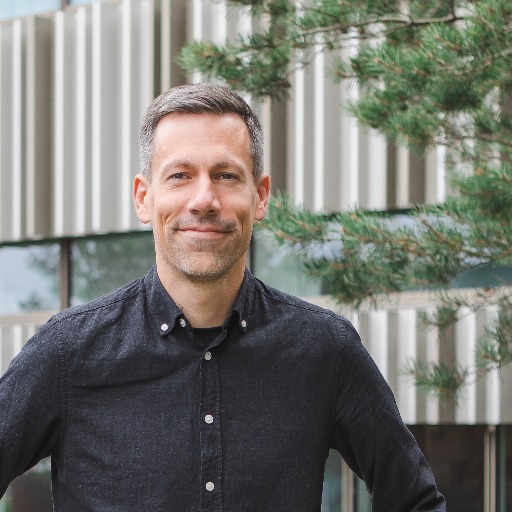
Fabian Lorig is an Associate Professor in Computer Science at Malmö University's Faculty of Technology and Society, Department of Computer Science and Media Technology. He is affiliated with the Sustainable Digitalisation Research Centre and the Internet of Things and People (IOTAP) research environment. His work integrates computational methods with real-world applications in public health, mobility, and policy domains. His research focuses on agent-based modeling and social simulation , decision and policy support systems , AI in socio-technical contexts , participatory modeling , and governance of digital technologies . Through interdisciplinary projects, he develops computational models that help stakeholders understand complex social systems and anticipate policy consequences. His approach emphasizes evidence-based decision-making where digital technologies shape societal outcomes. Recent publication trends show a strong focus on applying agent-based social simulations to critical policy areas, particularly organ donation policies (2025), with multiple papers addressing methodological approaches to policy modeling and the implications of the EU AI Act. His work spans healthcare policy, transportation systems, and educational approaches to agent-based modeling. Agent-based Social Simulation of Organ Donation Policies (PI, Crafoord Foundation) Realizing the Potential of Agent-Based Social Simulations (Co-PI, WASP-HS) Facilitators and barriers to the use of agent-based social simulation in organ donation (PI, SciLifeLab.se) In his advising and grant activities, Lorig takes a collaborative, interdisciplinary approach, working with stakeholders across policy domains to develop simulation tools that address real-world challenges. His research integrates technical computational methods with social science perspectives to ensure practical applicability. Based in the Sustainable Digitalisation Research Centre, Lorig's work environment emphasizes the integration of social and technological aspects to promote responsible digitalization. His research group focuses on developing simulation-based decision support tools while considering the societal implications of AI technologies and digital systems.