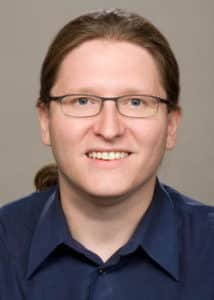
Lexing Xie is a Professor in Computer Science at the Australian National University. He leads the ANU Computational Media Lab ( http://cm.cecs.anu.edu.au ) and the ANU Integrated AI Network. His work focuses on the intersection of machine learning, social media analysis, and multimedia understanding. Dr. Xie's research broadly focuses on innovative design and use of machine learning algorithms, especially on large-scale graph data and collective behaviour. His recent work spans several key areas: Popularity in social media -- understanding, predicting, and optimization Multimedia knowledge graphs, vision and language integration Humanising machine intelligence through better understanding of social dynamics His publications reveal a strong trend toward understanding information diffusion patterns in social media, particularly through visual content. He has made significant contributions to the study of visual memes, popularity prediction using point processes, and multimodal learning that connects vision with language. His work often bridges theoretical machine learning with practical applications in social media analysis. Dr. Xie has received recognition for his research, including an Honourable Mention at CSCW 2019 for his work on attention flow in online video networks. His research has been supported by collaborations with major institutions including IBM Research and Columbia University. As an advisor, Dr. Xie has mentored numerous students who have gone on to contribute significantly to publications in top-tier conferences. His lab, the ANU Computational Media Lab, serves as a hub for interdisciplinary research connecting computer science with social sciences.
Andrés Buxó-Lugo serves as an Assistant Professor of Psychology at the University at Buffalo, where he directs the Language Processing and Computation Lab. His research investigates the cognitive mechanisms underlying language production, comprehension, and acquisition with a specialized focus on speech prosody—the rhythm, intonation, and intensity patterns in speech—and their role in human communication. His primary research interests include psycholinguistics, cognitive psychology, speech prosody, language production, language comprehension, language acquisition, and computational linguistics. He examines how listeners integrate diverse linguistic cues during speech processing, how individuals learn unfamiliar constructions like non-native pronunciations or novel prosodic patterns, and the cognitive basis of durational changes in speech. His work also explores how communicative context shapes prosodic production and how higher-level linguistic information aids prosodic structure parsing. Analysis of his 15 most recent publications (2019-2025) reveals consistent interdisciplinary work bridging cognitive science, linguistics, and computational modeling. Key trends include phonological representation studies, speech planning mechanisms, intonation adaptation across talkers, lexical representation structures, and the integration of input expectations in syntactic parsing. His research demonstrates significant methodological diversity, incorporating experimental paradigms, computational modeling, and acoustic analysis to unravel language processing complexities. As director of the Language Processing and Computation Lab at the University at Buffalo, Buxó-Lugo leads research initiatives focused on developing computational models of language processing while investigating the cognitive foundations of speech and prosody through empirical experimentation and theoretical innovation.
Peter A. Raymond is the Oastler Professor of Biogeochemistry at Yale University's School of the Environment and Department of Geology and Geophysics. He serves as Senior Associate Dean of Research & Director of Doctoral Studies and is Co-Director of the Yale Center for Natural Carbon Capture. Raymond leads the Raymond Biogeochemistry Lab, which investigates the biogeochemistry of inland waters, enhanced weathering, methane cycling, and blue carbon systems through cutting-edge field, laboratory, and modeling approaches. Education B.S., Marist College Ph.D., College of William and Mary/Virginia Institute of Marine Science Research Focus Raymond's research fundamentally reshapes our understanding of carbon cycling in aquatic systems, demonstrating that rivers serve as dynamic conduits rather than passive pipes in the global carbon cycle. His work examines how biology and watershed variables alter carbon chemistry in streams, rivers, and estuaries, with particular emphasis on understanding global carbon cycles in relation to climate change. Raymond employs radiocarbon measurements to explore the age and turnover of carbon in aquatic ecosystems, revealing that rivers are variable sources of both old and young terrestrial dissolved organic carbon to oceans. The Raymond Lab is particularly known for developing the Pulse-Shunt Concept, which challenges traditional views of riverine biogeochemistry by emphasizing the episodic and dynamic nature of elemental fluxes. Current research directions include enhanced weathering and alkalinity studies for carbon removal, global greenhouse gas budgets through projects like RECCAP 2, natural methane cycling in aquatic systems, and blue carbon ecosystems such as mangroves and salt marshes. Publication Trends Raymond's recent publications (2023-2025) demonstrate a strong focus on global carbon and methane cycling, with particular attention to inland water systems' role in the Earth's climate system. His work increasingly integrates large-scale datasets with field measurements to understand how climate change and human activities affect greenhouse gas emissions from rivers and streams. A significant portion of his recent work contributes to international efforts like the Global Carbon Project, aiming to refine estimates of global carbon and methane fluxes. His research also shows growing emphasis on carbon removal strategies, particularly enhanced rock weathering through the Earthshot-funded GOAL-A project, and their potential for climate mitigation. Scientific Recognition Fellow of the American Association for the Advancement of Science Member of the Connecticut Academy of Science and Engineering Coastal and Estuarine Research Federations Cronin Award for Young Scientists ISI highly cited author Past Editor and Chief of the American Geophysical Union's journal Global Biogeochemical Cycles Mentorship and Funding Professor Raymond currently mentors four doctoral students (Jon Gewirtzman, Shou-En "Samuel" Tsao, Benjamin Saalidong, and Mingyu Zhang) and masters student Bella Garrioch. His research is supported by multiple grants from the National Science Foundation (NSF), including CAREER awards, and participation in the Earthshot-funded GOAL-A (Global Ocean And Land Alkalinization) project. Raymond has also been involved in significant collaborative projects with USGS data to research how climate and land use change alter carbon export from US watersheds, and with Lamont Doherty to develop methods for measuring air-sea gas exchange of CO2 in rivers and estuaries. Research Infrastructure The Raymond Biogeochemistry Lab at Yale is a dynamic research group comprising research scientists, postdocs, doctoral and masters students, and postgraduate researchers. The lab recently acquired a Mini Carbon Dating System (MICADAS) at Yale, significantly expanding their research capabilities in ecosystem carbon turnover and verification of natural climate solutions. The lab collaborates globally on projects in the Arctic, Hudson River, and middle Atlantic Bight, and is actively involved in the NASA Carbon Monitoring System BlueFlux field campaign to assess carbon exchange in coastal wetlands.
Professor Simon Buckingham Shum is a leading academic in Learning Informatics at the University of Technology Sydney (UTS), serving as inaugural Director of the Connected Intelligence Centre since 2014. His work bridges Human-Computer Interaction, Educational Technology, and Learning Analytics to develop AI-driven tools like OnTask that enhance student belonging through personalized feedback. Key research areas: Human-Computer Interaction, Learning Analytics, AI in Education, Collective Intelligence Recent work focuses: LLM-augmented qualitative analysis, Belonging Analytics frameworks, and ethical AI implementation in education CIC received the 2024 Vice-Chancellor’s Student Experience Award for scaling OnTask across multiple faculties. His contributions span over 30 years, including founding roles at The Open University’s Knowledge Media Institute and innovations in Open Educational Resources (OER), SocialLearn, and FutureLearn platforms. Notable awards: 2024 Student Experience Award (OnTask), Fellow of the Royal Society of Arts (RSA), DEFI STRI Researcher at University of Cambridge Education: B.Sc. in Psychology (York), M.Sc. in Ergonomics (UCL), PhD in Human-Computer Interaction (York) He leads multidisciplinary collaborations with teams across Business, Law, and Education faculties, pioneering tools like Theme Explorer and Qreframer bot. His recent focus on the "metacrisis" reframes educational technology’s role in addressing global systemic challenges through transdisciplinary approaches.
Catherine Lai is a Reader (~Associate Professor) in the Department of Linguistics and English Language at the University of Edinburgh, with strong affiliations to the Centre for Speech Technology Research (CSTR) and the Institute for Language, Cognition and Computation (ILCC) in the School of Informatics. She is based in the School of Philosophy, Psychology and Language Sciences and is actively involved in research, teaching, and academic service. Department: Department of Linguistics and English Language School: School of Philosophy, Psychology and Language Sciences Research Institutes: Centre for Speech Technology Research, Institute for Language, Cognition and Computation Email: C.Lai@ed.ac.uk Her research centers on the role of prosody—non-lexical aspects of speech—in spoken communication. She investigates how prosody contributes to discourse structure, information structure, and affect in dialogue, using interdisciplinary methods from linguistics and machine learning. Her work bridges theoretical linguistics and practical speech technology, aiming to improve spoken language understanding and synthesis systems. She is particularly interested in how prosody shapes listener expectations and how affect and topic are expressed and perceived in conversation. Her recent publications reflect a strong focus on self-supervised learning in speech models, emotion recognition, ASR error correction using large language models, cognitive state classification, and ethical considerations in language technology. She explores topics such as the uncanny valley in synthetic speech, gender expression through voice, and community-centered development of language technologies. Prize from Scopus Profile Catherine Lai has supervised several PhD students, including Leimin Tian and Yuanchao Li, and has been involved in significant research projects, such as a Toyota-funded initiative on spoken dialogue for robot companions. She has secured multiple grants and leads a research agenda that integrates theoretical inquiry with real-world applications in assistive technologies and social science. Her academic service includes organizing major conferences like Interspeech and UK and Ireland Speech. She is a key member of research teams at CSTR and ILCC, collaborating across disciplines to advance the understanding of spoken communication and the development of robust, ethical speech technologies.
Adriana Tapus is a Full Professor at ENSTA Paris, affiliated with Institut Polytechnique de Paris, leading the Autonomous Systems and Robotics Laboratory (SAR) within the Computer Science and Systems Engineering Unit (U2IS). She holds an HDR (Habilitation) and a PhD from EPFL, Switzerland, with postdoctoral experience at USC. Her research focuses on socially assistive robotics, human-robot interaction (HRI), and personalized therapy for individuals with physical/cognitive impairments. She directs the IP Paris Doctoral School and coordinates national/international projects like the EU-funded ENRICHME and SWEET. Education: PhD in Mobile Robotics, EPFL (2005) Habilitation (HDR), ENSTA Paris (2011) M.S. Computer Science, University Joseph Fourier Engineer, Politehnica University of Bucharest Research Interests: Tapus pioneers socially assistive robotics, integrating machine learning, human modeling, and multimodal communication (verbal/non-verbal/para-verbal). Her work addresses adaptive therapies for vulnerable populations using robotics, physiological data interpretation, and context-aware interaction. Key themes include: Human-robot cooperation and trust Emotion recognition and expression Personalized rehabilitation systems AI ethics and human-centered design Publications: Over 150 articles, with recent work exploring humor in HRI, teleoperation trust models, and cross-cultural intelligent vehicles. Notable 2025 contributions include studies on robot laughter efficacy and multimodal facial expression frameworks. Awards: 2025: 4 IROS papers accepted 2016: 25 Women in Robotics recognition 2010: Romanian Academy Award Multiple conference best paper awards (RO-MAN, ICRA, etc.) Advising & Grants: Supervised over 20 PhD students and led projects like EU Horizon 2020 ENRICHME. Current students focus on teleoperation dynamics, robot humor, and haptic interfaces. Active in editorial roles (IJSR, THRI) and conference organization (HRI General Chair 2019). Labs/Teams: Founder of RoboticsByDesign lab and co-initiator of the Hi! Paris interdisciplinary AI center. The SAR lab develops systems for healthcare, education, and human-robot collaboration.
Amy Bruckman is a Regents’ Professor and Senior Associate Chair in the School of Interactive Computing at Georgia Institute of Technology. As a Fellow of The ACM and member of the SIGCHI Academy , she contributes to social computing research focusing on online collaboration, cross-cultural understanding, and content moderation. Her 2022 book "Should You Believe Wikipedia? Online Communities and the Construction of Knowledge" explores digital knowledge creation. Education: Ph.D. from MIT Media Lab (1997), B.A. in Physics from Harvard (1987) Research Affiliations: GVU Center, IRI People and Technology Her work addresses social computing challenges including: AI ethics in human-AI interaction Algorithmic bias in content moderation Epistemic justice in online communities Comparative platform analysis (Reddit, Discord, TikTok) Grassroots technology movements Recent publications examine: AI support tools for online counseling Community-driven research frameworks Racial bias mitigation in toxic language detection Designing teachable social media experiences Human trafficking intervention ethics Scientific recognition includes: ACM Fellowship SIGCHI Academy membership She has contributed to: Georgia Tech's Computing Education initiatives Research ethics frameworks for Human-Computer Interaction
Alaina Lemon is a Professor of Anthropology at the University of Michigan, affiliated with the College of Literature, Science, and the Arts (LSA). She serves as Director of Undergraduate Studies in Anthropology and holds affiliations with the Center for Russian, East European, and Eurasian Studies (CREES), the Weiser Center for Europe and Eurasia, and the Interdepartmental Program in Anthropology and History. Her research focuses on socio-cultural anthropology, performance studies, and visual culture, with expertise in Russia, the Romani diaspora, and post-Socialist states. Education: BA in Anthropology (University of Wisconsin, 1987), MA (University of Chicago, 1988), and PhD (University of Chicago, 1996). Notable awards include the Wayne S. Vucinich Book Prize (2001), Heldt Book Prize (2001), and a 2023 visiting scholar position at the École des Hautes Études en Sciences Sociales (Paris). Her work bridges historical and contemporary issues, exploring themes like phatic labor, media infrastructures, and affective politics. Recent projects include editing the documentary Tremors (2023) and researching Soviet-era moral projects through studies of Moscow’s Metro and canine-human interactions. Lemon’s interdisciplinary approach integrates performance studies, linguistic anthropology, and critical race theory to analyze cultural dynamics in transitional societies. Grants include a 2019-2024 University of Michigan Office of Research grant for film collaboration and a 2002-2003 International Research and Exchanges Board fellowship. She has authored influential books such as Between Two Fires (2000) and Technologies for Intuition (2017), and her films document Romani experiences and urban cultural phenomena.
Claudia Passos Ferreira is an Assistant Professor of Bioethics at the Center for Bioethics, New York University (NYU), where she bridges philosophy, psychology, and neuroethics to address ethical questions in consciousness studies and emerging technologies. Education: MA and Ph.D. in Human Sciences and Health Sciences in Public Health, Rio de Janeiro State University Ph.D. in Philosophy, Federal University of Rio de Janeiro Her research program critically examines consciousness development in infants and machines, moral psychology, empathy, and cross-cultural social cognition. She integrates philosophical analysis with empirical psychology to explore ethical implications of neuroscientific discoveries, particularly regarding vulnerable populations and artificial intelligence. Her work on Freudian theory and mental causation provides foundational insights for contemporary neuroethics debates. Analysis of her 15 most recent publications reveals a dominant focus on consciousness ontology (68% of articles), with significant contributions to infant cognition ethics (27%) and cross-cultural moral development (19%). Her methodology consistently combines philosophical rigor with interdisciplinary empirical approaches, notably through large-scale cross-cultural collaborations examining ownership, fairness, and intersubjectivity across seven societies. Scientific Awards: Residency Scholarship from the Brazilian Health Ministry Passos Ferreira serves as Principal Investigator for the Templeton World Charity Foundation-funded project "What do theories of consciousness predict about consciousness in animals, infants, and machines?". Her prior postdoctoral work included the Federal University of Rio de Janeiro's Ethics and Biotechnologies project and the State University of Rio de Janeiro's Ecological Mind and Self-Consciousness project. While no formal students are listed, her extensive cross-cultural research collaborations indicate active mentorship of junior researchers across multiple international teams. Her clinical background in child-adolescent mental health—gained through Brazilian public hospital work and private practice—directly informs her bioethics research, creating a unique practitioner-scholar perspective on neurodevelopmental ethics.
Professor Nancy W. Y. Law is a leading scholar in Learning Sciences and Technology at the University of Hong Kong's Faculty of Education . She has served as Founding Director of the Centre for Information Technology in Education (CITE) (1998-2013) and currently holds the Chair of Learning Sciences and Technology . Her career spans over 25 years of international comparative studies, policy analysis, and large-scale educational innovation. Current roles: Associate Dean (Strategic Development), HKU Key affiliations: Sciences of Learning Strategic Research Theme (co-convener) Research Expertise Her work focuses on technology-enhanced learning , digital literacy , knowledge building communities , and multilevel educational change . She pioneered network models of teacher innovation and socio-technical frameworks for sustainable pedagogical transformation, particularly in STEM education and Cyberbullying prevention . Scientific Leadership With over 25 major research grants (2000-2023) exceeding HK$50 million, she leads projects like: Learning and Assessment for Digital Citizenship Jockey Club Self-directed Learning in STEM Design-Aware Learning Analytics A Fellow of the International Society of Learning Sciences and recipient of the HKSAR Humanities and Social Sciences Prestigious Fellowship , she has supervised numerous international comparative studies including SITES 2006, ICILS 2013, and longitudinal digital citizenship research (2019-2021).
Prof. Roger Wattenhofer is a Full Professor at the Department of Information Technology and Electrical Engineering, ETH Zurich, Switzerland, and Deputy head of the Computer Engineering and Networks Lab. He holds a doctorate in Computer Science from ETH Zurich (1998) and has held positions at Brown University and Microsoft Research before returning to ETH. His research focuses on distributed computing, wireless networks, and algorithmic systems design, with contributions to Byzantine agreement protocols, blockchain technologies, and neural network architectures. He teaches courses such as Distributed Systems and Computational Thinking. Education: Ph.D. in Computer Science (ETH Zurich, 1998). Research interests include distributed systems, network algorithms, and the intersection of machine learning with distributed computing. His work spans both theoretical foundations and practical implementations, addressing challenges in fault tolerance, consensus mechanisms, and algorithmic efficiency. Recent publications explore topics like adversarial robustness in voting systems, privacy in reinforcement learning, and generative music models. He actively contributes to open-source frameworks and benchmarks for neural algorithmic reasoning.
Charles M. Jones is a Professor of Finance at Columbia Business School, Columbia University, with an extensive publication record spanning several decades. His research focuses on market microstructure, high-frequency trading, short selling, retail investor behavior, and stock market liquidity. His work has appeared in top finance journals including the Journal of Finance, with his most recent publication "Nonstandard Errors" appearing in the June 2024 issue. Professor Jones's research interests center on understanding how financial markets function at a granular level. His work on market microstructure examines the mechanics of price formation, liquidity provision, and the impact of trading technologies on market quality. His research on short selling has been particularly influential, investigating when short sellers trade, what information they possess, and how regulatory interventions like short sale bans affect market functioning. His more recent work has explored the rise of retail trading through platforms like Reddit and its implications for price discovery, particularly during events like the GameStop phenomenon and the COVID-19 pandemic. Analysis of his publication trends reveals a consistent focus on market efficiency and price discovery mechanisms, with increasing attention to retail investor behavior in recent years. His work spans both theoretical modeling and empirical analysis of market data, often utilizing high-frequency datasets to examine intraday trading patterns. The interdisciplinary nature of his research bridges finance, economics, and information science, contributing to both academic understanding and practical market regulation. Professor Jones has collaborated extensively with researchers across the globe, as evidenced by his numerous co-authored papers with scholars from institutions worldwide. His work has significant implications for market regulators seeking to understand the impact of technological changes and regulatory interventions on market quality and efficiency.
Blair Hoxby is Professor of English at Stanford University's School of Humanities and Sciences, where he has taught since 2007. Previously, he served as Associate Professor of History and Literature at Harvard University (2005-2007) and Associate Professor of English at Yale University (2003-2005), where he began as Assistant Professor in 1998. His academic journey includes a Ph.D. in English from Yale University (1998), an M.Phil. in English Studies from the University of Oxford (1990), and an A.B. in English and American Literature and Language from Harvard University (1988). Hoxby's research focuses on literature and culture from 1500 to 1800, with particular emphasis on tragedy theory, Milton studies, and the intersection of literature and economics. His notable works include What Was Tragedy? Theory and the Early Modern Canon (2015) and Mammon's Music: Literature and Economics in the Age of Milton (2002). He argues that early modern tragedy differed significantly from contemporary understandings of the genre, with passions rather than deeds or character serving as the keys to early modern tragic performance. Hoxby's recent scholarly output reveals a consistent engagement with early modern theatrical practices, particularly tragedy and opera. His work demonstrates sophisticated interdisciplinary approaches, connecting literary analysis with historical context, economic theory, and performance studies. He has made significant contributions to understanding how commercial culture shaped literary production and how theatrical conventions evolved across national boundaries in Europe. Scientific Awards and Honors Internal Fellow, Stanford Humanities Center (2009-2010) Morse Fellowship, Juilliard School (2001-2002) Samuel and Ronnie Heyman Prize, Yale University (2001) John Addison Porter Prize, Yale University (1999) Rhodes Scholarship, University of Oxford (1988-1990) Hoxby has supervised numerous doctoral students and served in various administrative roles at Stanford, including Director of Undergraduate Studies (2011-2014) and Director of Graduate Admissions (2008-2011). His teaching portfolio includes courses on English poetry from the Renaissance to Romanticism, tragedy and tragic theory from Aristotle to the present, theater history, and performance theory. Currently, he teaches courses such as Court Theater from Shakespeare to Mozart and Introduction to English II: From Milton to the Romantics . Hoxby maintains active scholarly engagement through committee memberships, including the Executive Committee of the Milton Society of America (2009-2013) and service as a referee for major academic presses including Oxford University Press and the University of Pennsylvania Press.
Christopher Thomas Sege, PhD is an Assistant Professor in the Department of Psychiatry and Behavioral Sciences at the Medical University of South Carolina (MUSC) College of Medicine. His research focuses on the neurophysiological mechanisms underlying anxiety disorders, particularly examining escape, avoidance, and approach behaviors in the anxiety disorder spectrum. Dr. Sege's primary research interests include: Anxiety Disorders and Emotional Processing Defensive Behaviors and Coping Mechanisms Neurophysiological Correlates of Emotional Anticipation Startle Response and Autonomic Nervous System Functioning Transcranial Magnetic Stimulation (rTMS) Applications His work bridges clinical psychology with neuroscience to understand how individuals with anxiety disorders process and respond to emotional stimuli. Dr. Sege leads the research study "Modeling and Modulating Mechanisms of Escape, Avoidance, and Approach in the Anxiety Disorder Spectrum" which investigates whether repetitive transcranial magnetic stimulation (rTMS) can alter how people with anxiety cope with emotional situations. This study involves measuring brain activation while participants view emotional pictures and undergo rTMS procedures. His publication record demonstrates expertise across multiple domains: Neurophysiological mechanisms of defensive behaviors Emotional anticipation and perception Startle modulation in anxiety disorders Borderline personality disorder research Development of experimental paradigms for emotional processing studies His research employs multiple methodologies including psychophysiology, event-related potentials, and neurostimulation techniques. Dr. Sege collaborates with researchers including Lisa McTeague, Bernadette Cortese, Carla Danielson, Thomas Uhde, and Aicko Schumann. His work appears in journals such as Biological Psychiatry: Cognitive Neuroscience and Neuroimaging, Biological Psychology, and Psychophysiology.
Joe Kable, PhD, serves as the Baird Term Associate Professor of Psychology at the University of Pennsylvania, where his research investigates the neurophysiological basis of human decision-making through integrative approaches from experimental economics, cognitive neuroscience, and judgment psychology. His laboratory specializes in fMRI studies examining how subjective value representations guide choices involving immediate versus delayed rewards. Education: B.S. in Chemistry, Emory University PhD in Neuroscience, University of Pennsylvania Dr. Kable's research program centers on neural mechanisms of temporal discounting, risk assessment, and individual differences in choice behavior. His work demonstrates how socioeconomic status, aging, and clinical conditions modulate decision processes, with particular emphasis on hippocampal-prefrontal interactions during value computation. Recent studies reveal how time perception alterations affect neural activity in reward circuits and how social factors influence trust decisions across the lifespan. Analysis of his 15 most recent publications shows a strong methodological focus on fMRI and lesion studies, with growing clinical translation in depression, addiction, and dementia. Key thematic trends include the neural encoding of effort costs in social contexts, structural brain markers for impulsivity, and the dissociable roles of frontal subregions in persistence behaviors. His work consistently bridges basic decision neuroscience with real-world applications in mental health. Scientific Awards: No scientific awards mentioned in source material Dr. Kable leads an active research laboratory at Penn but the source text provides no details about graduate student advising or specific grant funding. His publications indicate collaboration with clinical researchers at the Penn Memory Center, particularly in aging-related decision studies. The laboratory employs multimodal neuroimaging techniques including resting-state fMRI, TMS, and lesion mapping to investigate decision circuits, with recent work extending to computational modeling of value representation and social cognition mechanisms.