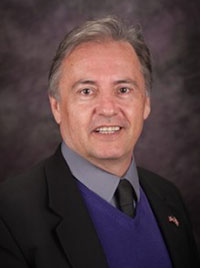
Prof. Dr. rer. nat. Fritz E. Kühn is a Professor of Molecular Catalysis at the Department of Chemistry within the TUM School of Natural Sciences at Technische Universität München (TUM). His research spans organometallic chemistry, medicinal chemistry, and molecular catalysis, focusing on carbene ligated metal precursors for task-specific applications in catalysis and biomedical fields. Current research emphasizes oxidation/hydrogenation catalysis with transition metals Active collaborations with industrial partners for small molecule activation Dean of Studies at TUM School of Chemistry since 2016 Spokesperson for TUM Graduate School (Chemistry department) Recent publications highlight advancements in gold(I) NHC complexes for cancer therapy , single-atom rhenium catalysts , and asymmetric epoxidation systems . His work aligns with UN SDGs through sustainable catalytic processes. Scientific recognition includes the Otto Roelen Medal and Hans Fischer Prize . Key research tools include N-heterocyclic carbenes, computational modeling, and industrial process optimization.
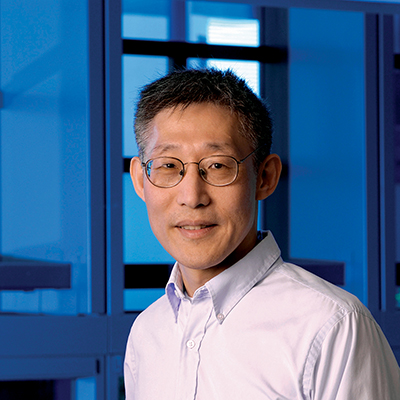
Dr David Collins serves as the Mike Ashby Associate Professor in Materials Science at the Department of Materials Science and Metallurgy, University of Cambridge, and is a core member of the Rolls-Royce University Technology Centre (UTC) focused on advanced aerospace materials. His research spans superalloys , titanium alloys , and high-entropy alloys , with expertise in phase transformations , high-temperature deformation , and microstructural evolution . He pioneers advanced characterization techniques including in-situ synchrotron X-ray diffraction , electron backscatter diffraction (EBSD) , and three-dimensional X-ray diffraction (3DXRD) to investigate grain-scale stress interactions and failure mechanisms under extreme conditions. Analysis of his 2023-2025 publications reveals dominant trends in additive manufacturing validation , oxidation/corrosion resistance of superalloys , and grain-resolved mechanical behavior using coupled experimental-computational approaches. His work frequently addresses Rolls-Royce-relevant challenges in jet engine materials, particularly nickel-based superalloy performance under cyclic thermal-mechanical loading. No specific scientific awards for Dr Collins are mentioned in available departmental communications, though the Rolls-Royce UTC recently celebrated prizes for other researchers. Details regarding student supervision and grant funding are not publicly specified, but his position within the EPSRC- and Rolls-Royce-funded UTC indicates active involvement in large-scale collaborative research projects. As part of the Rolls-Royce UTC infrastructure, Dr Collins utilizes specialized facilities including electro-thermal mechanical testing rigs, cyclic oxidation test systems, and synchrotron beamline partnerships for real-time microstructural analysis during deformation and phase transformations.
Prof. Radomír Kužel is a distinguished physicist at the Department of Condensed Matter Physics within the Faculty of Mathematics and Physics at Charles University . With a career spanning over three decades, he has made significant contributions to X-ray diffraction analysis and materials science. 1975: Secondary Education at Gymnasium Čakovice 1980: RNDr. in Solid State Physics, Charles University 1989: Ph.D. (CSc.) in X-ray Diffraction Analysis 2001: Docent Title 2015: Professor Appointment by the Czech Republic President His research focuses on X-ray diffraction studies of polycrystalline materials, thin films, and nanomaterials. Key areas include dislocation dynamics, residual stress analysis, texture development, and microstructural characterization using advanced diffraction techniques. He pioneered methods for dislocation type determination from line broadening and developed analytical approaches for microstructural parameters in nitrides and oxides. Recent publications highlight his work on TiO₂ thin films , hexaferrite synthesis , and ECAP-processed metals , demonstrating expertise in structure-property relationships and thermal stability of nanomaterials. His 2021 study on W-type hexaferrite thin films exemplifies his ongoing innovation in magnetic materials. Prague Convention Bureau Hybrid Congress Award (2022) Prof. Kužel has organized major international conferences, including the 25th IUCr Congress (2021) and multiple European Powder Diffraction Conferences . He serves on editorial boards (e.g., Materials Structure ) and leads the Czech Crystallographic Society.
Mario Jolicoeur is a Full Professor in the Department of Chemical Engineering at Polytechnique Montréal. His research focuses on metabolic engineering, biomedical applications, and bioreactor design. He is affiliated with Spheroid AI Inc. (Co-founder, Scientific Director), Viridios (Collaborating Researcher), and the Institute of Biomedical Engineering (Member). Education: B.Sc.A., M.Sc.A., Ph.D. (Polytechnique Montréal and Paul-Sabatier University, Toulouse), Visiting Engineer (MIT) Jolicoeur develops metabolic engineering tools for cancer therapies and therapeutic agent production, designs mathematical models for cellular metabolism regulation, and creates aseptic culture equipment for diverse cells. His work spans CHO cells , microalgae , and tissue engineering . Recent publications highlight metabolic therapies for ovarian cancer, dynamic modeling of CHO cultures, and lipid production in Chlorella. Trends include cancer metabolism, mitochondrial dynamics, and bioreactor optimization. Supervision: He has mentored 43 graduate students since 1990, including those working on metabolic models, bioreactors, and biotherapies. Notable projects involve methylene blue in cancer treatment, ABE fermentation, and chondrocyte culture systems. Labs & Teams: Collaborates with interdisciplinary groups in biomedical engineering and chemical engineering, utilizing advanced bioreactor platforms and computational models.
Adriana B Ferreira, MD, PhD is an Associate Professor in the Department of Cell and Developmental Biology at the Feinberg School of Medicine, Northwestern University. She leads the Adriana Ferreira Lab which focuses on understanding the mechanisms underlying neurite degeneration and synapse loss in neurodegenerative diseases, with particular emphasis on Alzheimer's disease. Dr. Ferreira is also affiliated with the Mesulam Center for Cognitive Neurology and Alzheimer's Disease and the Northwestern University Institute of Neuroscience (NUIN). Dr. Ferreira received her medical degree (MD) from the National University of Cordoba, Argentina in 1981, followed by a PhD in Neuroscience from the same institution in 1985. Her extensive postdoctoral training includes: Neuroscience at the School of Medicine, National University of Cordoba (1985) Neuroscience at the Insitituo de Investigacion Medica (1988) Biology at the University of Virginia (1991) Cell Biology at the Marine Biological Laboratory (1992) Neuroscience at Brigham and Women's Hospital Harvard Medical School (1993) Dr. Ferreira's research primarily investigates the relationship between beta-amyloid deposition and the progressive formation of dystrophic neurites and cell death in hippocampal neurons. Her current work assesses the role of tau in neuronal degeneration mechanisms, using culture and animal models of Alzheimer's disease along with various cell and molecular biology techniques. Her work has significant implications for understanding and potentially treating neurodegenerative disorders characterized by neurite degeneration and synapse loss. Analysis of Dr. Ferreira's recent publications reveals a consistent focus on tau protein fragmentation and its role in neurodegeneration. Her research has evolved from studying basic mechanisms of neurite outgrowth and cytoskeletal organization to investigating specific tau fragments (particularly tau45-230) and their contribution to Alzheimer's disease pathology. More recently, her work has expanded to examine RNA-mediated mechanisms of neurotoxicity, including Death Induced by Survival gene Elimination (DISE) pathways in Alzheimer's disease and aging. Dr. Ferreira has received numerous awards and honors throughout her career: Young Investigator Award, National Alliance for Research in Schizophrenia and Depression (2001) Young Investigator Award, National Alliance for Research in Schizophrenia and Depression (1999) Young Women Investigator, Signa Kappa Foundation (1998) International Fellowship, CONICET (1988) National Fellowship, CONICET (1983) Special Mention (Top of the Class), National University of Cordoba. School of Medicine (1982) Dr. Ferreira serves as a Review Editor for Frontiers in Neuroscience and has been an active member of the Argentinian Research Council (Biology and Medicine Areas) since 1996. She has also contributed to scientific review processes as a reviewer for the Ministry of Health and Consumer's Affairs in Spain (2006-2007). Her long-standing membership in professional societies, including the Society for Neuroscience since 1989, demonstrates her commitment to advancing the field. The Ferreira Lab operates within the Department of Cell and Developmental Biology at Northwestern's Feinberg School of Medicine, with strong connections to the Mesulam Center for Cognitive Neurology and Alzheimer's Disease. The lab employs a range of cellular and molecular approaches to investigate neurodegenerative mechanisms, with particular expertise in neuronal cell culture models and analysis of cytoskeletal changes in neurodegeneration.
Jenn-Ming Yang is a Distinguished Professor in the Department of Materials Science and Engineering at the University of California, Los Angeles (UCLA), holding the Collins Aerospace Term Chair for Excellence. His work focuses on advanced composite materials for aerospace and transportation applications, with significant contributions to high-temperature material systems. Professor Yang's research centers on fundamental problems in processing, microstructure development, and mechanical behavior of high-temperature composites. His investigations target critical applications in aerospace structural systems and ground transportation, with emphasis on material durability, failure mechanisms, and performance under extreme conditions. This work bridges materials science, mechanical engineering, and aerospace engineering through experimental and analytical approaches. His recent publications (2007-2008) reveal a concentrated focus on composite material systems, including titanium-based laminates, carbon nanotube reinforcements, ultra-incompressible transition metal diborides, and ceramic composites. Key research themes involve mechanical property characterization, failure analysis, and microstructure-property relationships, with direct applications to aircraft structures, propulsion systems, and energy storage technologies. Professor Yang's scientific achievements have been recognized through numerous prestigious awards: Scholars Award from National Engineering Research Center for Composite Manufacturing Science & Engineering (1987) Faculty Career Development Award (1989) Presidential Young Investigator Award from the National Science Foundation (1990-1995) Alcoa Foundation Award (1992) Ford Foundation Award (1993) Best Paper Award from the Japan Society of Mechanical Engineers (2007) His research program addresses critical challenges in advanced material systems for next-generation aerospace and transportation applications, with ongoing investigations into novel composite architectures and high-temperature material solutions.
Mita Ray is a Professor in the Department of Chemical and Biochemical Engineering at Western University , Canada. Her research bridges advanced water treatment technologies and environmental modeling, focusing on pollution reduction and pollutant fate analysis. Education : PhD in Environmental Engineering (University of Minnesota), MTech in Chemical Engineering (IIT Kanpur), BSc in Chemistry and BTech in Chemical Engineering (University of Calcutta) Current research areas include: Advanced Treatment Technologies : Photocatalytic systems (TiO2, ZnO), membrane processes, bioassays, and lignin-based foams for pollution control. Environmental Modeling : Computational Fluid Dynamics (CFD) for reactor design, kinetics in anaerobic digestion, and UV disinfection systems. Her recent publications highlight trends in electrochemical phosphate removal, waste-to-energy conversion, bio-based materials, and pollutant-cancer pathway interactions. Professional roles include organizing international symposia and chairing the CFI Innovation Fund committee.
Dr. Demosthenes Koutsogeorgis is an Associate Professor of Photonic Technologies in the Department of Physics & Mathematics at Nottingham Trent University's School of Science & Technology. He serves as a Module Leader, Placement Tutor, Project Supervisor, Director of Studies for PhD programmes, IMEC Research Centre PGR coordinator, and NTU Laser Safety Adviser. He leads the iSMaRT Research Group (Innovations in Surfaces Materials And Related Technologies) based at MTIF Clifton, and was one of the founding members of industry-facing initiatives "Thin Film Services" and "Scientific Services To Industry" at NTU. Dr. Koutsogeorgis received his education at: BSc in Physics from the University of Ioannina, Greece (1997) PhD in "Investigation of laser annealing of phosphor thin films for potential luminescent devices" from Nottingham Trent University (2003) His research focuses on Material Science, with specific expertise in thin film technology, laser processing, luminescent devices, plasmonics, electronic devices, and smart coatings. His work spans numerous applications in nanotechnology across industries including photovoltaics, data storage, security and authentication, optoelectronics, flexible electronics, displays, optical coatings, and biomedical technologies. He has developed unique technologies for subsurface modification of nanoparticles and laser processing of phosphor thin films for enhanced light output and longevity. His recent publications demonstrate strong focus on laser processing techniques for transparent conductive oxides, plasmonic nanostructures, and thin film materials. The research spans from fundamental materials characterization to practical applications in electronics, photonics, and biomedical devices. Key trends include reactive laser annealing, plasmonic nanoparticle engineering, thin film transistor development, and applications of these technologies in both industrial and medical contexts. Dr. Koutsogeorgis has collaborated with numerous institutions including: University of Ioannina (Greece) Aristotle University of Thessaloniki (Greece) OpSec Group (UK) University of Southampton (UK) The University of Nottingham (UK) Sheffield Hallam University (UK) University of Milano (Italy) KAUST (Saudi Arabia) He has supervised multiple PhD students including WEST, J.M. (2023) on "Laser induced nitrogen doping of zinc oxide" and KOUTSIAKI, C. (2023) on "Photonic conversion of sol-gel organometallic precursors into inorganic thin films." His research has been supported by various sponsors including Innovate UK, EU FP7 programme, Engineering and Physical Sciences Research Council EPSRC, and numerous industrial partners. Dr. Koutsogeorgis leads the iSMaRT Research Group, which benefits from long-standing expertise in thin film technology and laser processing. The group works extensively with the MTIF (Manufacturing Technology Innovation Facility) at NTU and maintains strong industry connections through the SS2i initiative. The research environment includes advanced capabilities in deposition, processing, and characterization of thin film materials for various applications.
Jaakko Akola is a Professor in the Department of Physics at the Norwegian University of Science and Technology (NTNU). His research focuses on computational materials science, particularly density functional theory (DFT) and atomistic simulations of materials, nanoparticles, molecules, and interfaces. He leads significant projects such as "SIDI" (inoculation in cast iron), "Infinity-RETIS" (chemical rare events), and "AllDesign" (rational alloy design), alongside coordinating EU-funded initiatives like "CritCat" for catalyst development. The Materials Theory group under Akola employs DFT, molecular mechanics, and Monte Carlo methods to explore atomic-scale structures and functions in technological applications. Key research areas include platinum-free catalysts for hydrogen energy, amorphous semiconductors for memory devices, noble metal nanoparticles in biological environments, and alloy design for cast iron and aluminum. Recent work integrates machine learning to advance theory-driven material design, reducing reliance on experimental trial-and-error. Akola's publications highlight advancements in hydrogen evolution catalysis, phase-change memory materials, and alloy precipitation. His projects often involve interdisciplinary collaborations with experimental teams. He teaches Quantum Physics 1 (FY2045) and Computational Physics (TFY4235) at NTNU, reflecting his commitment to education alongside research.
Jessica Tyler is a Professor in the Department of Pathology and Laboratory Medicine at Weill Cornell Medicine, where she also holds affiliations with the Graduate School of Medical Sciences. She leads the Laboratory of Epigenetics and Genomic Integrity, conducting cutting-edge research on chromatin dynamics, DNA repair, and aging using budding yeast and human cell models. PhD, Molecular Virology, University of Glasgow (1994) Bachelor’s Degree, Biochemistry, University of Sheffield (1990) Postdoctoral Training, UCSD under Jim Kadonaga Former Faculty: University of Colorado School of Medicine, MD Anderson Cancer Center Dr. Tyler’s research focuses on epigenetics, genomic integrity, and longevity , particularly how chromatin structure regulates DNA repair, gene expression, and aging. She investigates conserved mechanisms using yeast genetics, biochemistry, and genome-wide analyses. Her lab discovered that histone depletion occurs during aging and that overexpression of histones extends lifespan. They also pioneered studies on the tardigrade Dsup protein, showing it protects chromatin and enhances longevity in yeast. The recent publications reflect a strong focus on DNA double-strand break repair, chromatin assembly, histone chaperones (e.g., CAF-1, ASF1), and aging . Work spans from mechanistic biochemistry to systems-level genomics, often linking chromatin dynamics to disease processes like cancer and neurodegeneration. Technologies include CRISPR, microfluidics, proximity ligation, and high-resolution sequencing. Fellow of the American Association for the Advancement of Science (AAAS), 2017 National Academy of Sciences Kavli Fellow, 2011 University of Glasgow Tenovus Medal, 2010 AACR Woman in Cancer Research Charlotte Friend Memorial Award, 2009 Dean’s Mentor of the Year, 2009 Faculty Educator of the Month, 2015 Dr. Tyler has mentored numerous graduate students and postdoctoral fellows, many of whom now hold faculty or industry positions. She is Principal Investigator on multiple NIH-funded grants exploring chromatin’s role in DNA repair and aging. Her lab actively welcomes rotation and graduate students. The Tyler Lab is located at Weill Cornell Medicine, 1300 York Avenue, New York, NY.
Professor Thomas Huber is a distinguished academic at the Australian National University's Research School of Chemistry, where he was appointed Professor in 2013 after serving as an ARC Future Fellow (2010-2014). His career spans appointments at ETH-Zurich, ANU Supercomputer Facility, University of Queensland (Mathematics and Molecular Bioscience departments), and the Research School of Chemistry. Education: Diploma of Chemistry, Technical University Munich PhD, ETH-Zurich Huber's research focuses on structural bioinformatics and computational structural biology , developing innovative tools to determine 3D structures of biological macromolecules using sparse experimental data. His work targets understanding molecular interactions fundamental to life processes and pharmaceutical intervention. Key research areas include NMR spectroscopy, protein structure determination, genetically encoded non-canonical amino acids, and paramagnetic probes for distance measurements. Analysis of his recent publications (2022-2025) reveals dominant trends in protein engineering through genetic code expansion, fluorogenic labeling techniques, and advanced NMR methodologies for probing protein dynamics and ligand binding. His work bridges computational modeling with experimental structural biology, emphasizing cost-efficient solutions for macromolecular structure determination. Scientific Awards: ARC Future Fellow (2010-2014) Huber actively supervises research students and leads multiple collaborative projects including "Protein Structure and Dynamics by Electron/Nuclear Paramagnetic Resonance" and "Non-Canonical Amino Acids for Protein Analysis." His research is supported by significant grants from the Australian Research Council, focusing on protein characterization, drug discovery platforms, and advanced spectroscopy instrumentation. He leads the Huber Group within the Research School of Chemistry, collaborating extensively with researchers like Gottfried Otting and Christian Nitsche on protein analysis and therapeutic development.
Minsu Liu serves as a Senior Research Fellow at Monash University's Suzhou campus under the Office of the Pro Vice-Chancellor and President, actively supervising PhD students and maintaining a robust research profile with 40+ publications since 2014. His academic foundation includes a PhD in Chemical Engineering (awarded March 2018) and a Bachelor of Engineering (Honours) in Chemical Engineering (awarded March 2013), establishing expertise in advanced materials development. Dr. Liu's research spans Materials Science and Chemical Engineering , focusing on sustainable technologies that advance UN Sustainable Development Goals. Key contributions include: Thermal management solutions using 2D materials for energy-efficient buildings Electrochromic smart windows enabling dynamic radiative cooling Graphene-based neural interfaces for biomedical applications Innovative battery and hydrogen storage technologies Analysis of his 2023-2025 publications reveals a strategic emphasis on boron nitride and graphene composites, with fabrication breakthroughs in 3D printing and wet-spinning techniques driving applications in energy conservation and healthcare diagnostics. He currently contributes as Associate Investigator to the $5$-year project 'Development of direct reduction technologies based on fluidized bed systems' (2024-2029), while mentoring the next generation of researchers through PhD supervision. Though specific laboratory infrastructure isn't detailed in source materials, his extensive collaborations across materials engineering and sustainable technology domains indicate leadership in multidisciplinary research teams addressing global energy challenges.
Dr. Qingbing Xia is a Postdoctoral Research Fellow at the School of Mechanical and Mining Engineering , The University of Queensland , with over 11 years of research experience in electrode materials for lithium/sodium-ion batteries. He received his B.Sc. and M.Sc. in Materials Science and Engineering from Central South University (China) in 2012 and 2015, followed by a Ph.D. in Materials Engineering (Energy Materials specialization) from University of Wollongong (Australia) in 2019. Current research themes: Low-cost electrode materials for high-energy-density batteries In situ/operando techniques for battery interface studies Solid polymer electrolytes and solid-state metal batteries His work has produced 48 publications (47 journal articles + 1 book chapter) focusing on energy materials, with specific contributions to: Sub/nanoscale surface engineering of electrodes 2D superlattice synthesis via molecularly mediated thermal approaches Sheet-in-sphere nanostructure design for 2D material stabilization Advanced in situ X-ray diffraction studies of ion storage mechanisms Research grants from Australian Nuclear Science and Technology Organisation (2013–2025) supported his work on battery materials. He serves as Associate Advisor for multiple Ph.D. projects in electrochemical energy systems and solid-state batteries.
Dr. David C. Poole is a University Distinguished Professor of Kinesiology and Physiology at Kansas State University, holding the Elizabeth Chapin Burke Chair in Health and Human Sciences and the Coffman Chair for University Distinguished Teaching Scholars. He serves as Director of the Clarenburg Cardiorespiratory Lab within the College of Veterinary Medicine. His work bridges the fields of kinesiology, physiology, and veterinary medicine, focusing on understanding the fundamental mechanisms of oxygen transport and utilization in health and disease. Dr. Poole earned his B.Sc. from Liverpool Polytechnic and his Ph.D. from UCLA in 1986, followed by a Scientiae Doctor from Liverpool John Moores University in 2000. His academic journey has established him as an internationally recognized researcher in exercise and respiratory physiology. Dr. Poole's research focuses on the critical relationship between oxygen transport and metabolic demands in tissues, particularly during exercise. His laboratory investigates how skeletal muscles can require up to 100-fold more oxygen during exercise compared to rest, and how conditions like heart failure, diabetes, and cancer impair this vital process. Using innovative approaches such as nitrate supplementation and dietary interventions, his work aims to enhance therapeutic strategies for improving exercise tolerance and quality of life in patients with chronic conditions. His research has significantly advanced understanding of capillary function, oxygen uptake kinetics, and Critical Power in exercise physiology. Dr. Poole's extensive publication record includes over 350 peer-reviewed papers in leading journals such as Circulation Research , Journal of Clinical Investigation , and Journal of Applied Physiology . His recent work (2023-2025) demonstrates continued leadership in understanding oxygen transport mechanisms across multiple physiological systems, with particular emphasis on skeletal muscle microcirculation, respiratory muscle function, and the impact of aging and disease on exercise capacity. His research spans fundamental physiological mechanisms to translational applications in clinical settings. Scientiae Doctor from Liverpool John Moores University (2000) Adolph Distinguished Lecturer from the American Physiological Society (2018) Joseph B. Wolffe Memorial Lecture from the American College of Sports Medicine (2021) Higuchi-Dolph Simons Statewide Award for Biomedical Research Excellence (2024) ACSM Citation Award (2019) Fellow of the American College of Sports Medicine Fellow of the American Physiological Society As Principal Investigator, Dr. Poole has secured over $6 million in research funding, with an additional $31 million as Co-Investigator, primarily from the National Institutes of Health and the K-State Johnson Cancer Research Center. His laboratory maintains a vibrant scientific atmosphere with productive collaborations among faculty and students. Key collaborators include Dr. Thomas J. Barstow, Dr. Timothy I. Musch, Dr. Howard H. Erickson, Dr. M. Roger Fedde, Dr. Casey A. Kindig, and Dr. Brad J. Behnke. Dr. Poole's work has achieved an impressive h-index of 84 with over 26,000 citations, reflecting his significant impact on the field. Dr. Poole directs the Clarenburg Cardiorespiratory Lab at Kansas State University, which provides a dynamic research environment focused on understanding oxygen transport limitations from lungs to mitochondria. The lab employs a range of novel and established strategies to investigate tissue oxygenation and metabolic control, with applications to both healthy function and disease states including emphysema, diabetes, chronic heart failure, and cancer.
I-Wei Chen serves as a Professor and the Skirkanich Professor of Innovation in the Department of Materials Science & Engineering at the University of Pennsylvania's School of Engineering and Applied Science. His extensive research portfolio spans ceramics, polymers, and electronic materials with a particular focus on nanomaterial applications. Chen's research interests encompass magnetic and fluorescent smart colloids for molecular imaging (primarily MRI), nanograin ceramics related to multilayer ceramic capacitors (MLCC), sintering and dielectric/ferroelectric properties of barium titanate, and thin film nanometallic electronic devices for resistance random access memory (RRAM). He also investigates energy materials including zirconia, thermoelectrics, and transparent electrodes. His work bridges fundamental materials science with practical applications in electronics, energy storage, and biomedical engineering. Analysis of his recent publications reveals a strong focus on nanocrystalline materials, solid electrolytes, and advanced energy storage systems. His research demonstrates consistent innovation in ceramic processing techniques, particularly in two-step sintering methods, while expanding into biomedical applications like pH-sensitive nanoparticle drug delivery systems. The interdisciplinary nature of his work connects traditional ceramics research with cutting-edge applications in electronics, energy, and medicine. Scientific Awards: Sosman Award of the American Ceramic Society (2006) Edward C. Henry Award, Electronic Division, American Ceramic Society (1999) Humboldt Prize (1997) Ross Coffin Purdy Award, American Ceramic Society (1994) Fellow, American Ceramic Society (1991) Professor Chen has secured significant research funding including NSF grants for nanograin BaTiO3 ceramics research (2009-2012), DOD funding for breast tumor targeting and prostate tumor imaging projects (2010-2013), and DOE support for electric-loading enhanced kinetics in oxide ceramics (2011-2014). His laboratory in the LRSM Building at Penn is equipped with advanced materials characterization tools including atomic force microscopy, sintering equipment, and various analytical instruments. His research group operates within the Laboratory for Research on the Structure of Matter at Penn, utilizing extensive facilities for materials synthesis, characterization, and testing. Current projects focus on nanometallic resistance switching memory devices, advanced ceramic processing techniques, and theranostic nanoparticle platforms for cancer treatment.