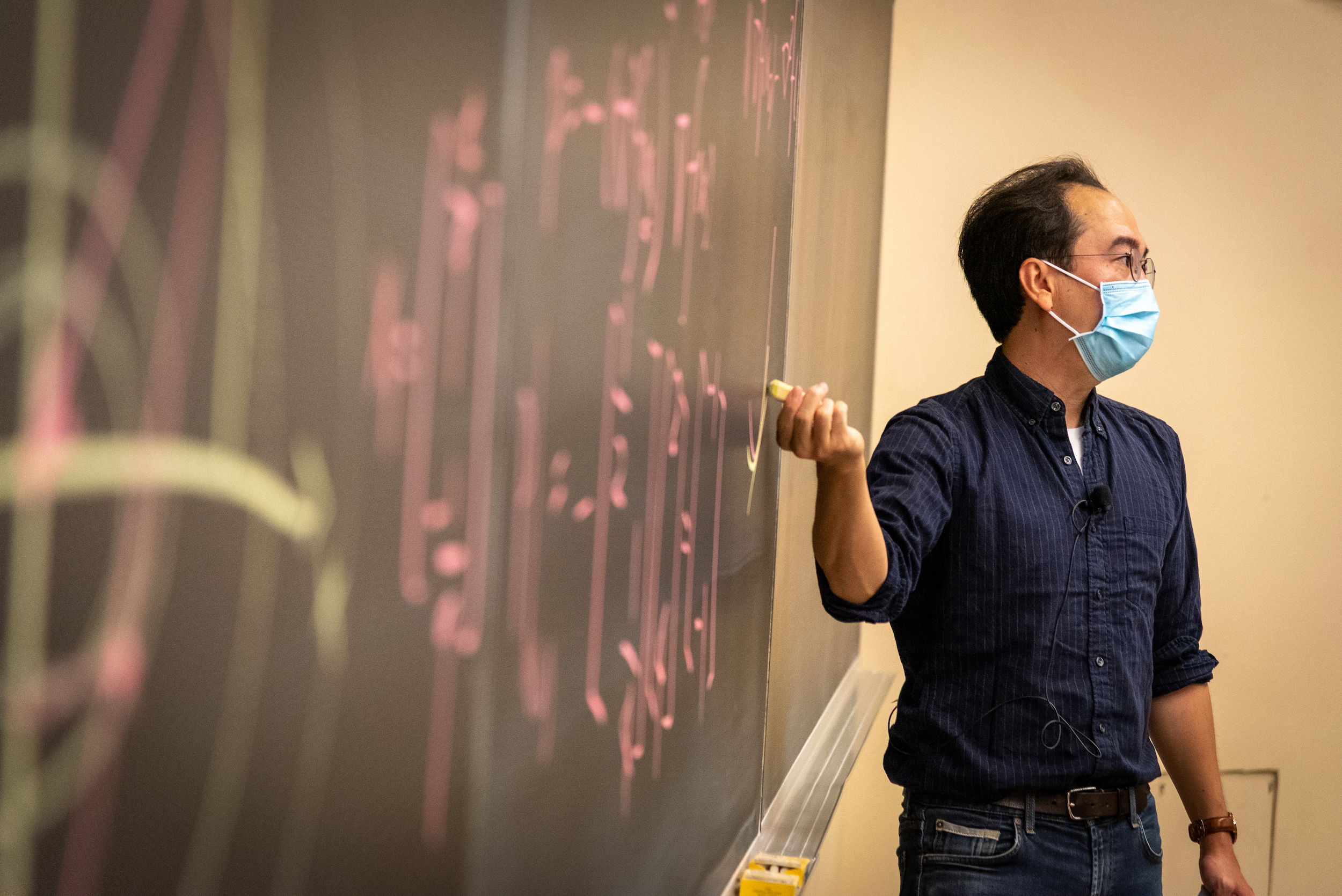
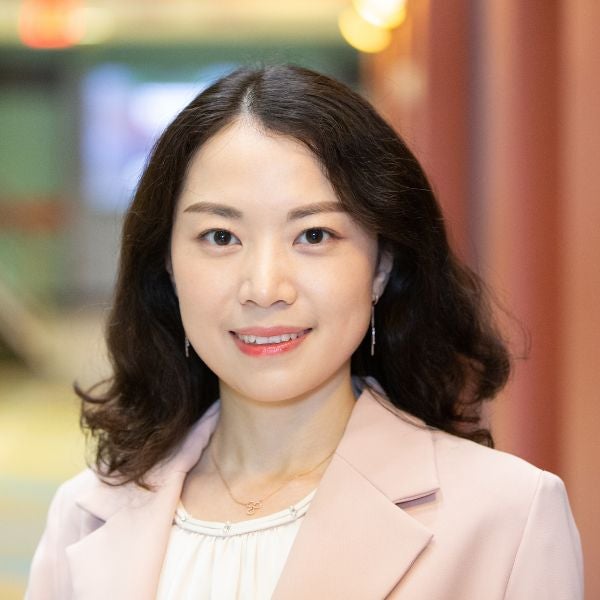
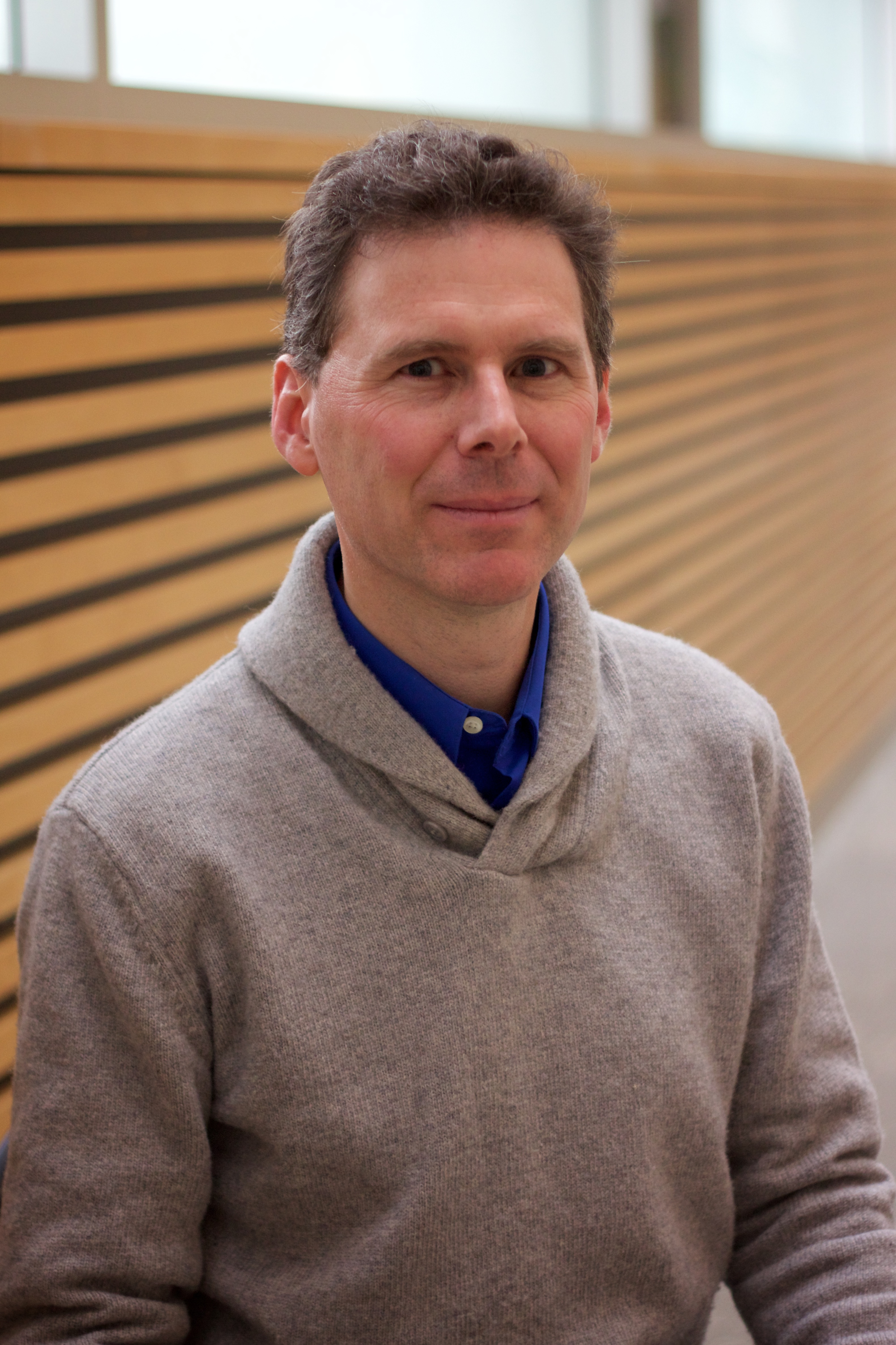
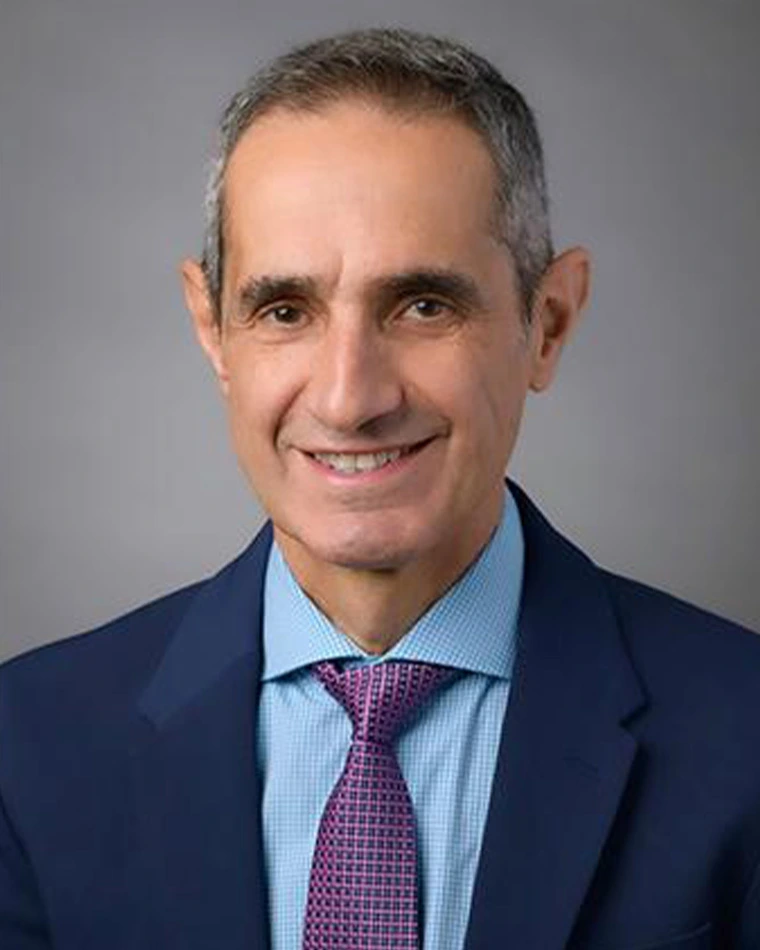
Dr. Hassan Qudrat-Ullah is a Professor at the School of Administrative Studies, York University, and Coordinator of the Certificate in Logistics Management. He holds a PhD in Decision Sciences from NUS Business School and completed a post-doctoral fellowship at Carnegie Mellon University. His research focuses on dynamic decision making, system dynamics modeling, energy planning, and interactive learning environments. He teaches courses on quantitative methods, logistics, and decision analysis, informed by global industry experience across 20+ countries. Research interests include sustainability, climate change, systems thinking, and educational applications of decision sciences. He serves as Editor-in-Chief of the International Journal of Complexity in Applied Science and Technology and is a member of IEEE, DSI, and the International System Dynamics Society. His work has been published in Energy , Decision Support Systems , and others. Key projects include studies on 'structured-debriefing in dynamic decision making' and renewable energy policies in Africa. His recent articles (2023–2025) address AI integration in energy governance, system dynamics for supply chain resilience, and education for sustainability. Hassan advocates for systems thinking in K-12 education and enjoys traveling (visited 129 countries) and bird-watching.
Robin Jia is an Assistant Professor in the Thomas Lord Department of Computer Science at the University of Southern California (USC) , where he leads the AI, Language, Learning, Generalization, and Robustness (Allegro) Lab . His research focuses on enhancing the reliability and robustness of large language models (LLMs) through mechanistic understanding, benchmarking under distribution shifts, and neurosymbolic integration. Key affiliations include collaborations with the USC Keck School of Medicine and contributions to legal frameworks like the EU's Digital Services Act. Robin's research spans multiple domains, including: Scientific analysis of LLM capabilities in in-context learning , data memorization , and numerical reasoning Advancements in robust NLP systems , emphasizing uncertainty estimation and calibration Development of methods combining LLMs with symbolic solvers for complex reasoning tasks Interdisciplinary applications in medicine and law , such as privacy-preserving synthetic data generation and medical misconception evaluation . His recent publications (2024-2025) address Fourier-based numerical embeddings (NeurIPS), neurosymbolic planning (NAACL), and multimodal benchmarking (COLM), with a strong emphasis on privacy , fairness , and transparency . Scientific awards include the Google Research Scholar Award (2023) , SoCalNLP Symposium Best Paper Awards , and ACL/EMNLP outstanding papers . He advises PhD students like Johnny Wei and Ameya Godbole, and has secured grants from the NSF , USC-Capital One , and USC-Amazon .
Geoffrey E. Hinton is a distinguished Professor in the Department of Computer Science at the University of Toronto. He is renowned for his foundational contributions to machine learning, particularly in the development of deep learning and neural networks. His research focuses on understanding learning processes in both artificial and biological systems, with key contributions including Boltzmann machines, backpropagation, and deep belief networks. He teaches advanced machine learning courses such as CSC2535, emphasizing topics like graphical models, variational inference, and deep learning architectures. His work has been published extensively in top journals and conferences, with recent papers exploring forward-forward algorithms, analog diffusion models, and scalable neural network training methods. Hinton has advised numerous PhD and master's students and collaborates with institutions like Vector Institute. He is a central figure in the global AI community, regularly presenting at conferences (e.g., 2023 talks on CBS 60 Minutes, BBC, and PBS). His lab focuses on advancing machine learning theory and applications, addressing challenges in vision, language, and generative models.
Tommi Jaakkola is the Thomas Siebel Professor of Electrical Engineering and Computer Science and the Institute for Data, Systems, and Society at the Massachusetts Institute of Technology. He received his MSc in theoretical physics from Helsinki University of Technology in 1992 and his PhD from MIT in computational neuroscience in 1997. After completing a postdoctoral position in computational molecular biology as a DOE/Sloan fellow at UCSC, he joined the MIT EECS faculty in 1998. His research advances how machines can learn, predict or control, and do so at scale in an efficient, principled, and interpretable manner. His work in machine learning extends from foundational theory to modern applications, focusing especially on statistical inference and estimation tasks that lie at the heart of complex learning problems. He designs new methods, theory and algorithms to automate the use and generation of semi-structured data such as natural language text, images, molecules, or strategies. Jaakkola applies and develops algorithms to solve multi-faceted recommender, retrieval, or inferential tasks (particularly in biomedical contexts), design and optimize molecules or reactions for drug design, and model strategic, game theoretic interactions. His recent work heavily focuses on diffusion models, protein structure prediction, molecular design, and generative AI, with significant publications in top conferences including ICML, NeurIPS, and ICLR. His scientific contributions span multiple disciplines with significant impact in both theoretical machine learning and practical applications in computational biology and chemistry, including notable work on antibiotic discovery published in Cell. Current advisees: Julia Balla, Bowen Jing, Hannes Stärk, Peter Holderrieth, Chenyu Wang Recent graduates: Gabriele Corso (Boltz PBC), Ezra Erives (DE Shaw), Jason Yim (Xaira) Jaakkola maintains an active research program through MIT's Computer Science and Artificial Intelligence Laboratory (CSAIL) and the Institute for Data, Systems, and Society (IDSS), with his office located in the Stata Center (32-G470). His work bridges theoretical machine learning with practical applications, making significant contributions to both the academic field and potential real-world impact in healthcare and drug discovery.
Dr. Daniel J. Hsu is a Professor of Computer Science at Columbia University, affiliated with the Foundations of Data Science Center and TRIPODS Institute. His research focuses on algorithmic statistics, machine learning theory, and their applications in public health informatics. He has advised numerous students and postdocs, and his work bridges foundational theory with practical systems like foodborne illness detection via social media analysis. Key roles: Associate Editor (ACM Transactions on Algorithms), Program Chair (ICML 2025, COLT 2019) Research areas: Foundations of Data Science, Machine Learning Theory, Fairness, and High-dimensional Statistics His work on detecting foodborne illnesses using Yelp reviews has been deployed by NYC Health departments. Recent contributions include advancements in transformer architectures, group fairness algorithms, and multi-group learning frameworks. Scientific awards include the Sloan Fellowship and multiple NSF grants. He has pioneered interactive machine teaching methods and developed algorithms for robust parameter estimation in high-dimensional settings.
Prof. Kai S. Exner is a Professor of Theoretical Inorganic Chemistry at the University of Duisburg-Essen's Faculty of Chemistry and a member of the Zentrum für Medizinische Biotechnologie (ZMB). His research focuses on electrocatalysis , particularly optimizing electrode materials for energy applications such as batteries, electrolyzers, and fuel cells. He employs computational methods like ab initio calculations and microkinetic modeling to bridge theoretical insights with experimental and industrial applications, emphasizing sustainable catalyst design without relying on noble metals. His work integrates basic research with applied medical biotechnology through ZMB collaborations, though his primary affiliation lies in the Faculty of Chemistry. Exner has pioneered concepts like the electrochemical-step asymmetry index and free-energy span model, which are critical for screening electrocatalysts. His research group, 'Theoretical Inorganic Chemistry,' actively explores mechanisms behind oxygen and chlorine evolution reactions, emphasizing selectivity control and reaction pathway complexity. Exner received the Gottschalk-Diederich-Baedeker-Preis (2024) for advancing the energy transition through foundational electrocatalysis research. He leads Aktuelles Projekt funded by third-party grants and collaborates with facilities like the Analytics Core Facility Essen (ACE) and Imaging Center Campus Essen (ICCE). His advisory role focuses on guiding theoretical and computational approaches in electrochemistry, and he has established a reputation for interdisciplinary research connecting computational chemistry with practical energy solutions.
Arti Singh is an Assistant Professor in the Department of Agronomy at Iowa State University. Her research focuses on plant breeding, soybean diseases, genomics, and phenomics, with a strong emphasis on integrating artificial intelligence and high-throughput technologies into agricultural systems. She leads projects involving AI-driven disease identification, precision agriculture, and crop improvement strategies. Her expertise includes developing machine learning models for real-time weed and insect classification (e.g., WeedNet and InsectNet), deploying drones and ground robots for crop phenotyping, and leveraging genomic data to map traits like flowering time and disease resistance in legumes. Singh collaborates on initiatives like the AIIRA Institute for Resilient Agriculture and the BioTrove biodiversity dataset. Singh’s work spans plant stress phenotyping, digital twin technologies for plant sciences, and multi-sensor phenotyping for early disease detection. Her research bridges computational methods with traditional agronomy, aiming to enhance crop resilience and sustainability in the face of environmental challenges. Her recent projects include optimizing robotic navigation for precision agriculture, improving soybean yield estimation via video analysis, and dissecting genetic architectures of traits in mungbean and soybean using GWAS and genomic tools. She actively contributes to conferences and publishes in high-impact journals, advancing both foundational and applied aspects of agricultural science.
Maria Gouskova is a Professor of Linguistics at the Department of Linguistics, New York University (NYU). She is affiliated with the College of Arts and Science and holds editorial roles as an Associate Editor of Language and board member of NLLT and Phonology . Her research focuses on phonology, morphology, and lexicon, with a particular emphasis on morphophonological interactions, sublexicons, and phonotactic constraints. She earned her Ph.D. in Linguistics from the University of Massachusetts, Amherst (2003) and a B.A. in English Linguistics and German Language/Literature from Eastern Michigan University (1998). Her work bridges theoretical phonology and experimental methods, addressing questions such as how phonological patterns interact with morphology, the role of sublexical phonotactics in grammatical processes, and the learnability of complex segmental inventories. Recent research includes studies on Russian diminutive affixes, gradient phonological constraints, and the phonological properties of compounds. Her publications span topics like allomorphy, lexical phonology, and the typology of morpheme structure constraints. She frequently collaborates on projects investigating the interplay between syntax, phonology, and morphology, as seen in studies of Russian prepositions and compound stress patterns. Her contributions to phonological theory include advancing models of sublexicon theory and nonlocal constraint induction.
Kangsang Lee is Assistant Professor of Chemistry at the University of Central Florida's College of Sciences. His research develops novel synthetic methods in organosilicon chemistry and polymer science. Recent work explores catalytic C-H silylation techniques and silicone-acrylate copolymer systems with applications in advanced materials and conductive coatings. His group investigates fundamental reaction mechanisms while developing practical synthetic protocols.
Rhonda Goldman is a Full Professor in the Clinical Psychology Department at The Chicago School of Professional Psychology in Chicago, Illinois. She is a licensed Clinical Psychologist in Illinois and runs her private practice, Emotion-focused Therapy, Chicago, where she sees both couples and individuals. Dr. Goldman is a founding board member of the International Society of Emotion-focused Therapy and serves as President of the Emotion-focused Therapy Institute. Dr. Goldman earned her academic credentials from York University in Toronto, Ontario, Canada, receiving her Bachelor of Arts in 1987, Master of Arts in 1991, and Doctor of Philosophy in Clinical Psychology in 1997. She taught at the Illinois School of Professional Psychology for 22 years before transitioning to her current position at The Chicago School of Professional Psychology following the closure of the Illinois School. Dr. Goldman is a leading expert in Emotion-Focused Therapy (EFT), a therapeutic approach that integrates elements of client-centered therapy, Gestalt therapy, and modern emotion theory. Her research focuses on EFT for couples, emotional processes, empathy, vulnerability, depression, case formulation, and self-soothing. She has authored six texts on EFT and two professional videos published by the American Psychological Association. Dr. Goldman teaches graduate courses in Humanistic and Experiential Psychotherapy, Psychotherapy Seminars, and Emotion-Focused Therapy, emphasizing the importance of emotional processing in therapeutic change. Dr. Goldman's publications demonstrate a consistent focus on advancing Emotion-Focused Therapy through both theoretical development and practical application. Her work spans individual therapy, couples therapy, case formulation, and therapist training, with recent emphasis on adapting EFT for online delivery. Her research shows how emotional awareness and processing serve as central mechanisms of change in psychotherapy, with applications across various clinical issues including depression and relationship distress. Dr. Goldman is actively involved in professional organizations that support the development and dissemination of Emotion-Focused Therapy. She serves as a founding board member of the International Society for Emotion-focused Therapy, past-president of the Society for the Exploration of Psychotherapy Integration, Action-Editor for the Journal of Person-centered and Experiential Psychotherapies, and member of the Society for Psychotherapy Research. As an educator and clinician, Dr. Goldman has mentored numerous professionals in the field of psychotherapy. She travels internationally conducting training workshops for mental health professionals in Emotion-focused therapy for Couples and Individuals across Europe, Asia, and North America. Her work bridges research and practice, emphasizing the importance of emotional processing in therapeutic change while maintaining a strong commitment to evidence-based practice. Dr. Goldman co-founded the Emotion-focused Therapy Institute (EFTI), which facilitates and fosters training and educational opportunities for psychologists and therapists interested in incorporating EFT into their professional practices. Through EFTI and her international workshops, she has created a global community of practitioners dedicated to advancing Emotion-Focused Therapy.
Sicun Gao is an Associate Professor in the Computer Science and Engineering department at the University of California, San Diego. His research focuses on practical algorithms for NP-hard search and optimization problems in computational systems, emphasizing combinatorial perspectives in numerical and statistical contexts to achieve reliable autonomy. Research Interests: Automated reasoning, Hamilton-Jacobi reachability, safe reinforcement learning, control barrier functions, and optimization in cyber-physical systems. Teaching: Courses on AI search, optimization, and graduate research seminars. The 15 most recent publications highlight advancements in safe AI control, motion planning, and policy optimization, often integrating neural networks with formal verification. Awards include the IEEE Power & Energy Society Technical Committee Prize Paper Award and the IROS RoboCup Best Paper Award. He advises PhD students working on AI-driven control and robotics, with alumni placed at institutions like Seoul National University, Amazon, and Apple. Grants include NSF Career, Air Force Young Investigator, and DARPA Assured Autonomy funding. His lab develops tools like dReal for automated reasoning in nonlinear theories over the reals.
Hanjie Chen is an Assistant Professor in the Department of Computer Science at Rice University, affiliated with the Ken Kennedy Institute. She holds a Ph.D. from the University of Virginia and a Master's from the University of Science and Technology of China. Her research focuses on Natural Language Processing, Interpretable Machine Learning, and Trustworthy AI, emphasizing model explainability, alignment with human needs, and applications in healthcare, sports, and medicine. She has advised numerous students and led initiatives in AI ethics and education. Education: Ph.D. (Computer Science, UVA 2023), M.Sc. (USTC 2018), B.Sc. (Nanjing University of Aeronautics and Astronautics 2015). Awards include the Outstanding Doctoral Student Award (UVA 2023) and John A. Stankovic Research Award (UVA 2023). She has organized workshops like BlackboxNLP and served on program committees for ACL, NAACL, and EMNLP. Her recent work includes developing benchmarks like SPORTU for multimodal LLMs, evaluating medical question-answering systems, and advancing methods for robust rationale evaluation (RORA). She teaches courses on Natural Language Processing and Trustworthy NLP, emphasizing pedagogical innovation recognized by teaching awards at UVA. Research collaborations include internships at Microsoft Research, IBM, and the Allen Institute for AI. She mentors students in SURF programs and advocates for diversity in tech, serving as a mentor in UVA's CSGSG Council.
Robert Rohling is a Professor at the University of British Columbia's Faculty of Applied Science, affiliated with the Department of Mechanical Engineering and holding a joint appointment with the Department of Electrical and Computer Engineering. As Director of the Institute of Computing, Information and Cognitive Systems (ICICS), his research focuses on biomedical engineering, medical imaging, robotics, and computational methods. B.A.Sc. (UBC) M.Eng. (McGill) Ph.D. (Cambridge) Rohling's work spans three primary research areas: medical imaging (3D ultrasound, spatial compounding, elasticity reconstruction), medical information systems (radiologist navigation tools for large image datasets), and robotic calibration for surgical applications. His multidisciplinary approach integrates mechanical and electrical engineering principles with clinical needs. Rohling's publications (2020-2022) reveal trends in advanced ultrasound techniques (e.g., shear wave vibro-elastography), AI-driven image processing (cycleGAN translation), and computational optimization for diagnostic accuracy. Keywords across his work include Medical Imaging, Biomedical Engineering, Robotics, and Computational Modeling. As director of the Robotics and Control Laboratory , Rohling leads interdisciplinary collaborations with industry and clinical partners to address practical challenges in medical diagnostics and surgical robotics. His research emphasizes translating engineering innovations into clinical practice.
Farzad Mashayek is a Professor and Department Head of Aerospace and Mechanical Engineering at the University of Arizona, College of Engineering. He is a member of the Graduate Faculty and leads the Computational Multiphase Transport Laboratory. His research integrates high-fidelity simulations, machine learning, and experimental validation across diverse domains in fluid dynamics and energy systems. Educational Background: PhD in Mechanical Engineering, State University of New York at Buffalo, Buffalo, NY MS in Mechanical Engineering, Sharif University of Technology, Tehran, Iran BS in Mechanical Engineering, Sharif University of Technology, Tehran, Iran His research interests include turbulent reacting flows, plasma dynamics, electrostatic atomization, solid-ion and lithium batteries, computational fluid dynamics, and machine learning applications in engineering. He employs high-order spectral element methods, phase-field modeling, and deep neural networks to study complex multiphysics phenomena such as drop impact, battery degradation, and turbulence modeling. The recent publications reflect a strong trend toward integrating machine learning with multiphysics simulations, particularly in battery safety (thermal runaway prediction), materials characterization (STEM image analysis), and fluid dynamics (modal analysis of turbulence). His work often involves collaboration with experimental groups to validate models, especially in dental aerosol suppression and electrohydrodynamics. Scientific Awards: Sustained Service Award, American Institute of Aeronautics and Astronautics (AIAA), Spring 2022 Best Presentation Award, The 20th International Conference on Computational Mathematics, Parallel and Distributed Computing, Summer I 2018 Dr. Mashayek has secured funding from NSF (GOALI program) for controlled coating via charged droplet deposition. He advises graduate students and postdoctoral researchers in computational mechanics and energy systems, fostering interdisciplinary research. He has contributed to engineering education, particularly during the pandemic, with active learning strategies in online instruction. He leads a dynamic research team focused on advancing simulation tools and applying them to real-world challenges in energy, manufacturing, and public health.
Dr. Camila Aquino serves as Assistant Professor in both the Department of Clinical Neurosciences and Department of Community Health Sciences at the University of Calgary's Cumming School of Medicine, and is a Full Member of the Hotchkiss Brain Institute. As Medical Director of the Deep Brain Stimulation Program, she specializes in Parkinson's disease, essential tremor, dystonia, and chorea management, including EMG-guided botulinum toxin injections. Her educational background includes: M.D. in Medicine from Escola Superior de Ciencias da Santa Casa (2005) M.S. in Neurosciences from Federal University of Sao Paulo (2012) Ph.D. in Neurosciences from Federal University of Sao Paulo (2019) M.S. in Health Research Methods, Clinical Epidemiology from McMaster University (2020) Dr. Aquino's research addresses unmet needs in movement disorders through innovative clinical trial designs for Parkinson's disease, focusing on precision-medicine approaches, early intervention, and outcome optimization. She actively evaluates neuromodulation therapies including Deep Brain Stimulation, Spinal Cord Stimulation, and MRgFUS, with emphasis on expanding indications and improving patient outcomes. As an International Parkinson and Movement Disorder Society member, she chairs the web-based learning committee and serves on evidence-based medicine and outcome measure committees. Analysis of her 15 most recent publications (2021-2025) reveals a cohesive research trajectory centered on Parkinson's disease management, with dominant themes in motor fluctuation treatments, deep brain stimulation methodology, and clinical trial innovation. Her work bridges fundamental clinical practice guidelines with advanced neuromodulation technologies, demonstrating consistent commitment to evidence-based solutions for movement disorders. Her scientific recognition includes: Parkinson Canada research grant Mohammed Al Zaibak Foundation scholarship CAPES scholarship from Brazilian Ministry of Education Dr. Aquino has secured significant research funding supporting clinical trials in Parkinson's disease neuroprotection and neuromodulation therapies. While specific student advisees aren't listed, her leadership of the DBS Program and active clinical trial portfolio indicate substantial mentorship responsibilities. Her grant portfolio emphasizes translational research with direct clinical impact. She directs the University of Calgary's Deep Brain Stimulation Program and contributes to the MRI-guided focused ultrasound initiative. Through her International Parkinson and Movement Disorder Society committee roles, she shapes global educational standards and evidence-based practices in movement disorders.