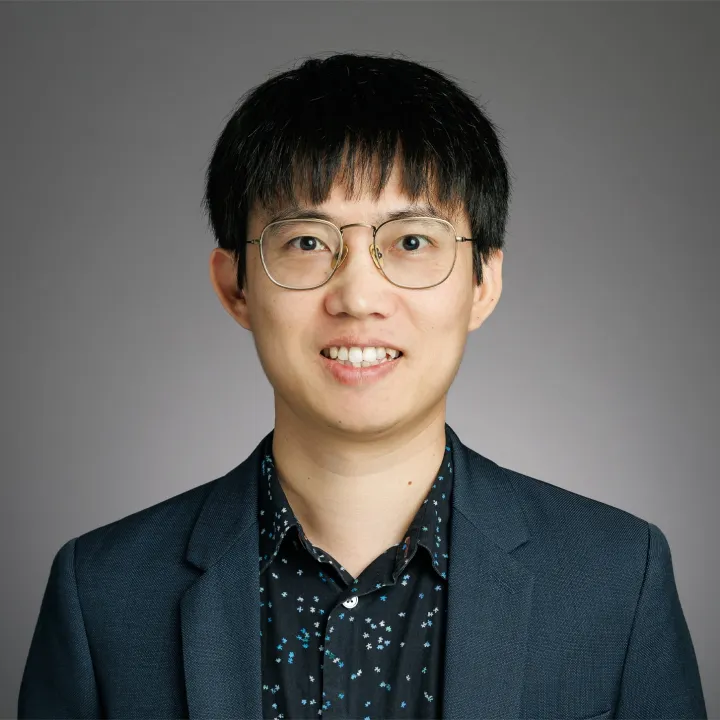
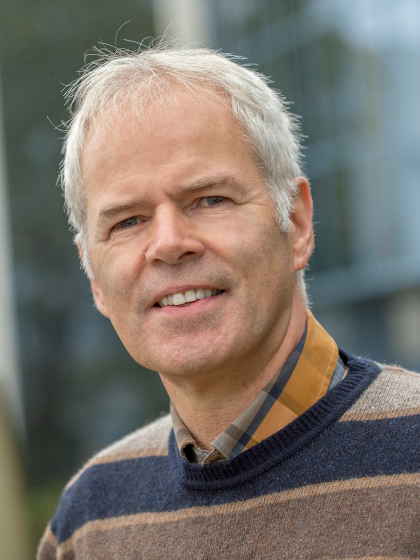
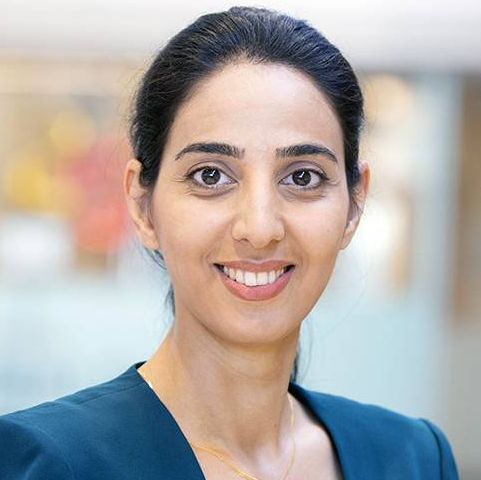
Margherita Bernero is a Research Fellow at the Institute of Biomechanics, ETH Zürich, where she pursues her PhD under the supervision of Prof. Dr. Ralph Müller and Prof. Dr. Xiao-Hua Qin. Previously, she completed her BSc in Biology and MSc in Biomedical Engineering at ETH Zürich, focusing on bone biomechanics. PhD Student, ETH Zürich (2022–present) BSc in Biology, ETH Zürich (2019) MSc in Biomedical Engineering, ETH Zürich (2021) Her research spans bone tissue engineering, bioprinting, and mechanobiology, emphasizing hydrogel scaffold design, cell-material interactions, and mineralization processes. She explores how matrix properties influence osteocyte behavior and integrates photosynthetic living materials for sustainable applications. Margherita’s publications (2021–2025) focus on bioprinting technologies, hydrogel fabrication, and immunomodulatory nanoscale systems. Notably, she has advanced volumetric bioprinting and mineralizing hydrogels for bone regeneration. ETH ALIVE doctoral fellow Her work aligns with the Laboratory for Bone Biomechanics, contributing to interdisciplinary research at the intersection of biomedical engineering and materials science.
Chi Zhou is an Associate Professor and Director of Graduate Studies in the Department of Industrial and Systems Engineering at the University at Buffalo. He also holds an adjunct appointment as Adjunct Associate Professor in the Department of Computer Science and Engineering. His research focuses on additive manufacturing, rapid prototyping, and advanced material systems. Zhou has a PhD in Industrial and Systems Engineering (2011) from the University of Southern California, with additional degrees in Computer Science and Industrial Engineering. His work bridges manufacturing processes, material science, and computational methods. Key research areas include inkjet printing process optimization, hydrogel-based 3D printing, thermal insulation materials from agricultural byproducts, and smart material systems like magnetorheological metamaterials. He has pioneered methods for real-time process monitoring and defect detection in additive manufacturing. Zhou’s recent publications emphasize sustainable manufacturing solutions, such as bio-based insulation materials and cost-effective silica aerogel production. His contributions also span energy harvesting (e.g., conductive hydrogel generators) and advanced structural designs using triply periodic minimal structures. He has led interdisciplinary projects integrating digital twins for cyber manufacturing systems and geometric deep learning for mass customization applications.
Marta Marques Alves is an Assistant Professor at the Instituto Superior Técnico (IST) , University of Lisbon, affiliated with the Centro de Química Estrutural (CQE) . She holds a PhD in Plant Biochemistry (2010) from the New University of Lisbon (UNL) and has been a Junior Researcher in Materials Sciences at IST since 2018. Her research focuses on functional materials , particularly zinc-based biomaterials for biomedical applications , such as 3D-printed bone scaffolds that degrade naturally and release therapeutic agents. She bridges plant science and materials engineering, emphasizing eco-conscious solutions for societal transitions. She teaches Industrial Safety and Utilities and Mass and Energy Balances . Her editorial roles include serving on the boards of Scientific Reports , Applied Surface Science Advances , and Surfaces and Interfaces . She coordinates the Corrosion Science and Surface Engineering (CSSE) research group (20 members) and serves on CQE’s executive committee. Her work has led to over 50 peer-reviewed publications and collaborations in national and international projects. Institutional contributions include advising graduate students and overseeing research infrastructure. Her outreach efforts include a podcast explaining her innovations in biocompatible materials. She advocates for sustainable materials and interdisciplinary research, addressing challenges in healthcare and environmental science.
Satu Häkkinen is an Assistant Professor of Polymer Chemistry at Tampere University’s Faculty of Engineering and Natural Sciences, within the Chemistry and Advanced Materials (CAM) department. Her research focuses on sustainable polymers, polymer synthesis, and advanced materials characterization. She leads the Polymer Chemistry and Materials Research Group. Education: M.Sc. Chemistry (University of Helsinki, 2017), Ph.D. Chemistry (University of Warwick, 2022) Postdoctoral Research: NSF Center of Sustainable Polymers, University of Minnesota Her expertise spans polymer synthesis techniques (e.g., CRP, ROP, photopolymerization), homogenous/heterogeneous polymerization processes, and characterization methods such as NMR, SEC, and X-ray/neutron scattering. Her work emphasizes sustainable polymers and chemical recycling. Current projects include Valopolymerointimenetelmiä polymeerien edistyneeseen tuotantoon (PHOTOPOLY) , focusing on advanced polymer manufacturing methods. Her recent articles highlight innovations in RAFT polymerization, graft copolymer design, and self-assembly. Research trends emphasize sustainable materials and functional polymer architectures. No scientific awards listed, but her work is supported by grants from NSF and other institutions. She currently has no documented advisees or postdoctoral trainees. Lab/Team: Polymer Chemistry and Materials Research Group at Tampere University, focusing on sustainable and advanced polymeric materials.
Gaurav Mohanty is an Assistant Professor at Tampere University's Materials Science and Environmental Engineering department within the Faculty of Engineering and Natural Sciences. His research focuses on deformation mechanisms of engineering materials at micro/nano scales using in-situ micromechanical testing in SEM environments. Key techniques include FIB-milled micropillars and cantilevers for studying mechanical properties under extreme conditions (cryogenic to ultra-high temperatures, strain rates from 0.0001 to 10,000/s). He explores transient plasticity, high-cycle fatigue, and combinatorial materials science across metals, ceramics, semiconductors, and thin films. Funding sources include the Academy of Finland, MATINE, and SAFIR. His work contributes to novel testing methodologies for small-scale materials and understanding deformation mechanisms. Research highlights include high-temperature nanoindentation systems, fracture studies in tungsten, and interfacial fracture toughness in dental prostheses. His research group emphasizes interdisciplinary collaborations, leveraging synchrotron X-ray diffraction and advanced EBSD analysis. Current projects address challenges in microscale fracture, high-rate deformation, and material design through combinatorial libraries.
Tapio Niemi is an Associate Professor (tenure track) in the Department of Physics at Aalto University. He holds a Doctor of Science (Technology) from the former Helsinki University of Technology (now part of Aalto University), awarded in 2002. His research focuses on nanophotonics, plasmonics, quantum dots, and semiconductor materials, with particular expertise in nanofabrication techniques such as block copolymer lithography and nanoimprint lithography. His work contributes to the UN Sustainable Development Goals through advancements in solar cell technology and environmental sensor development. Key research areas include the design of optical devices like microdisk lasers, guided-mode resonance gratings, and plasmonic sensors. He has pioneered studies on ZnO nanowire functionalization and nonlinear optical microscopy, with applications in biomedical imaging and environmental sensing. His interdisciplinary approach integrates nanotechnology, photonics, and materials science to address challenges in energy, health, and sustainability. Education: Doctor of Science (Technology), Helsinki University of Technology (2002) Supervision: Advised doctoral student Tommi Isoniemi on carbon nanotubes and graphene in plasmonics (2017–2021) Labs/Teams: Collaborations include the NanoScience Center (University of Jyväskylä) and Aalto’s nanophotonics research groups Recent work emphasizes high-Q resonators, Purcell-enhanced quantum dot light sources, and UV-curable polymer stamp lithography. His publications span journals like Advanced Optical Materials and Applied Physics Letters , with a focus on practical applications in photonics and nanotechnology.
Mingjiang Zhong is an Associate Professor in the Department of Chemical & Environmental Engineering at Yale University, with additional appointments in Materials Science and Chemistry. His research is centered on the development of advanced synthetic methodologies for functional organic materials and organic-inorganic hybrid systems. Education: B.S., Peking University Ph.D., Carnegie Mellon University His research interests lie at the intersection of polymer chemistry, materials science, and sustainability. He focuses on polymer-derived carbon materials and hierarchical nanostructures for applications in energy conversion, catalysis, and environmental technologies. His group combines sophisticated molecular design with advanced analytical techniques to probe and control complex soft matter behaviors . An analysis of his 15 most recent publications reveals a strong and consistent research trajectory in controlled radical polymerization , particularly in developing novel methods for branching and stereocontrol . His work frequently involves block copolymer self-assembly to create functional nanocomposites and membranes, with a growing emphasis on applications in water treatment (e.g., anti-scaling polymers, desalination membranes) and energy (e.g., electrocatalysts, ion conductors). Scientific Awards and Honors: Camille Dreyfus Teacher-Scholar Award (2022) Wiley Journal of Polymer Science Early Career Investigator (2021) 3M Non-Tenured Faculty Award (2020) National Science Foundation CAREER Award (2019) ACS PMSE Young Investigator (2019) ACS Petroleum Research Fund Doctoral New Investigator (2017) Dr. Zhong leads an active research group, mentoring numerous graduate students and postdoctoral scholars, as evidenced by frequent lab news celebrating student achievements such as passing qualifying exams and successful PhD defenses. His group has secured significant recognition, indicating strong support for research grants. The lab is equipped with state-of-the-art instrumentation for polymer synthesis and characterization, including GPC, GC, and preparative chromatography systems.
C.E. (Cor) Koning is an Honorary Professor at the University of Groningen's Faculty of Science and Engineering, holding a part-time appointment. He is also employed at Covestro (Netherlands) B.V. in Zwolle. His research focuses on polymer chemistry, polycondensation technology, coatings science, and sustainable materials. Education: Dr. in polymer chemistry from the University of Groningen (1987). Career highlights include roles at DSM Research (1987–2000), Eindhoven University of Technology (2000–2011), and Covestro (2021–present). He pioneered renewable polymers like bio-based polyamide 4.10 and carbon dioxide-based polycarbonates. Research emphasizes bio-based materials, recycling, and biodegradable polymers. His work spans over 250 peer-reviewed papers and 90 patents. He has supervised 46 PhD students, contributing significantly to polymer science and industry-academia collaboration. Key achievements include developing EcoPAxx® and advancing carbon nanotube-based composites. His current focus is sustainable coatings and high-performance bio-based polymers.
Panagiotis (Panos) Dimitrakopoulos is an Associate Professor in the Department of Chemical & Biomolecular Engineering at the University of Maryland, College Park. His research focuses on computational fluid dynamics, multiphase flows, and biophysical systems. He specializes in modeling elastic capsules, microfluidic devices, and polymer dynamics using advanced numerical algorithms. His work intersects fluid mechanics, biomedical engineering, and materials science. He has developed spectral boundary element methods for interfacial dynamics and contributed to understanding capsule deformation in microfluidic environments. His studies address drug delivery systems, microfluidic sorting mechanisms, and hemodynamic forces in biological systems. Key applications include designing next-generation drug carriers and analyzing blood cell mechanics in microcirculation. Notable contributions include analyzing elastic capsule migration in converging micro-capillaries, multi-compartment micro-capsule fabrication, and non-Newtonian fluid dynamics in confined geometries. His research spans from theoretical fluid mechanics to biomedical applications, emphasizing computational modeling and experimental validation.
Piotr Koniorczyk is a full professor at the Military University of Technology, specializing in mechanical engineering and thermal sciences. His research focuses on thermophysical properties of materials, heat transfer in engineering systems, and advanced materials for aerospace and defense applications. He has published over 91 articles and supervised 12 promoted theses, demonstrating expertise in topics such as thermal analysis of metals, composite materials, and thermal management systems. His work includes studies on steel barrel heat transfer in firearms, thermophysical properties of tool steels, and passive cooling solutions for high-power electronics. Notable projects involve numerical simulations of heat transfer in rocket engines and gun barrels, as well as investigations into phase-change materials for thermal energy storage. His research has contributed to advancements in materials science, thermal engineering, and aerospace technology.
Dr. Chris Tighe is an Associate Professor in the Department of Chemical Engineering at Imperial College London, where he leads the Process Safety & Intensification (PSI) research group. His work focuses on high-pressure chemical processes, catalyst deactivation mechanisms, and industrial safety engineering. He teaches Safety & Loss Prevention , integrating his research insights into pedagogy. Dr. Tighe's research spans 25 years across academia and industry, emphasizing scalable nanomaterial synthesis via continuous hydrothermal methods, energy storage systems (e.g., Li-ion batteries), and reaction safety analytics. His group develops process intensification technologies to enhance safety and efficiency in chemical manufacturing. Recent work includes studies on CO₂ permeability in polymers at extreme pressures, catalyst deactivation pathways in asymmetric reactions, and blue hydrogen production via novel reactor designs. His team collaborates with industry on pilot-scale implementations of nanostructured materials for catalysis and photocatalysis. He actively mentors doctoral researchers through UKRI DTP programs and oversees Imperial’s PhD admissions for energy and process engineering specializations. His lab facilities include advanced high-pressure reactors and in situ characterization tools for nanomaterial analysis.
Dr. Shideh Kabiri Ameri serves as Associate Professor in the Department of Electrical and Computer Engineering at Queen's University, where she joined in September 2018 after completing postdoctoral research at the University of Texas at Austin. Her interdisciplinary expertise bridges nanomaterials engineering and biomedical applications, with particular focus on developing imperceptible wearable sensors for continuous health monitoring. Her educational foundation includes: PhD in Electrical Engineering (2015) from Tufts University Master's and Bachelor's degrees in Physics (solid state) AS degree in Medical Laboratory Sciences Dr. Ameri's research program centers on 2D material-based electronic devices for wearable bioelectronics, human-machine interfaces (HMI), and mobile healthcare systems . Her lab pioneered graphene electronic tattoos (GETs) that achieve unprecedented skin conformity while recording high-fidelity physiological signals. Current work emphasizes ultrasoft hydrogel-based sensors that eliminate motion artifacts and enable months-long wear without skin irritation, representing a paradigm shift from conventional rigid medical devices toward truly imperceptible health monitors. Analysis of her 40+ publications reveals a strategic evolution from fundamental nanomaterial characterization toward clinically viable systems. Recent work (2021-2025) demonstrates increasing sophistication in multimodal sensing (simultaneous ECG/EEG/temperature), reusable sensor architectures , and wireless power integration . The trajectory shows clear progression from lab prototypes to FDA-pipeline devices, particularly in cardiac and neurological monitoring applications. Her scientific recognition includes: Rising Star in EECE 2017 award Dr. Ameri leads the Ameri Nano Research Group which operates advanced nanofabrication facilities for developing next-generation bioelectronic interfaces. Her research has attracted significant media attention from BBC, IEEE Spectrum, and Phys.Org, highlighting real-world impact in remote patient monitoring. The group actively collaborates with medical institutions to translate innovations into point-of-care diagnostics, with current projects focusing on in-ear physiological monitors and strain-neutralized neural recording systems. The research team maintains strong industry partnerships for commercializing soft bioelectronics, with particular emphasis on creating accessible health monitoring solutions for underserved communities through low-cost manufacturing approaches.
Hui (Claire) Xiong is a Professor at the Micron School of Materials Science and Engineering, Boise State University , specializing in advanced functional nanomaterials for sustainable energy systems . Prior to Boise, she held postdoctoral positions at Argonne National Laboratory and Harvard University , focusing on energy storage electrodes and micro-solid oxide fuel cells. Education : Ph.D. in Analytical Chemistry and Electrochemistry (University of Pittsburgh), B.E./M.S. in Applied and Inorganic Chemistry (East China University of Science and Technology) Her research interests revolve around sustainable energy materials , particularly lithium/sodium-ion batteries , solid electrolytes , and defect-driven metal oxides . Her work has produced over 134 research outputs, including key contributions to TiO 2 nanotubes , FeSe/FeS heterostructures , and ion irradiation effects on electroceramics. Notable scientific awards include the Andrew Mellon Predoctoral Fellowship (2006) Royal Society of Chemistry Fellowship (2023) She has led multiple NSF-funded projects on topics like mixed ionic/electronic conductivity and defect-engineered metal oxides , while her publications highlight trends in solid-state battery interfaces , heterostructure engineering , and electrochemical characterization .
Kevin T. Turner is the John Henry Towne Department Chair and Professor of Mechanical Engineering and Applied Mechanics at the University of Pennsylvania's School of Engineering and Applied Science, with a secondary affiliation in Materials Science and Engineering. He leads the Turner Research Group, which investigates mechanics, materials, and manufacturing challenges, specializing in micro/nano-systems, adhesion, fracture mechanics, and advanced manufacturing. His research focuses on three primary thrusts: Materials with programmable mechanical properties (e.g., electroadhesives for robotics) Fracture and adhesion in structured/heterogeneous materials Printed and flexible sensors (including biodegradable cellulose-based variants) Key projects include tunable adhesion surfaces, architected materials for damage tolerance, and additive manufacturing stress control. Turner's recent publications (2022-2023) demonstrate a strong emphasis on adhesion mechanics, robotics applications, and nanomaterial design. Trends include bio-inspired structures, machine learning optimization, and interdisciplinary approaches bridging mechanics with biomedicine and agriculture. Computational methods like physics-informed neural networks are increasingly utilized for material property analysis. He directs an active research laboratory developing novel sensor technologies and materials systems, collaborating widely across engineering and applied science disciplines.
Sébastien Fortin is a Full Professor at the Faculty of Pharmacy, Laval University, and a researcher at the Research Center of the CHU of Quebec – Laval University, where he leads the Oncology Axis. He is actively engaged in both teaching and research, with a strong focus on targeted cancer therapies and pharmaceutical chemistry. Bachelor's degree in Chemistry, Laval University Master's degree in Pharmacy, Laval University Joint Doctorate in Pharmacy (Laval University) and Life and Health Sciences (Auvergne 1 University, France) Postdoctoral Internship in Pharmacy, Laval University Postdoctoral Internship in Chemistry-Biology, University of Quebec in Trois-Rivières His research interests lie at the intersection of fundamental and translational science, particularly in the development of innovative anticancer agents. His work emphasizes targeted therapies , with projects focusing on prodrug development for breast cancer , characterization of amino acid transporters , and novel agents for acute myeloid leukemia (AML) . He employs a multidisciplinary approach combining pharmaceutical chemistry, molecular and cellular biology, pharmacology, and molecular modeling. The recent publications highlight a consistent trajectory in CYP1A1-targeted prodrugs , antimitotic agents , and metabolic inhibitors like DHODH . His team has developed novel families of compounds such as N-alkylphenylimidazolidones (AIMZs) and phenyl ureidobenzenesulfonates (PUB-SOs), demonstrating selective cytotoxicity and differentiation-inducing properties in cancer cells. These studies span from chemical synthesis to in vitro and in vivo evaluation, reflecting a robust drug discovery pipeline. Bourse de carrière (niveau junior 2), FRQS (2023–2026) Bourse de carrière (niveau junior 1), FRQS (2018–2022) Prix de la meilleure thèse en cotutelle franco-québécoise (2011) Prix de recherche GlaxoSmithKline/AFPC (2012) IRSC Postdoctoral Fellowship (2012) FRQS Doctoral Fellowship (2007–2009) Dr. Fortin supervises several graduate students and has secured significant funding from national agencies including NSERC, CIHR, and Fonds de recherche du Québec. His research is supported by infrastructure grants from the Canada Foundation for Innovation (CFI). He collaborates with professionals and students in his research team, advancing projects from molecular design to preclinical validation. His lab is involved in cutting-edge work on molecular probes for amino acid transporters , precision oncology , and drug delivery systems , positioning his research at the forefront of modern pharmaceutical sciences.