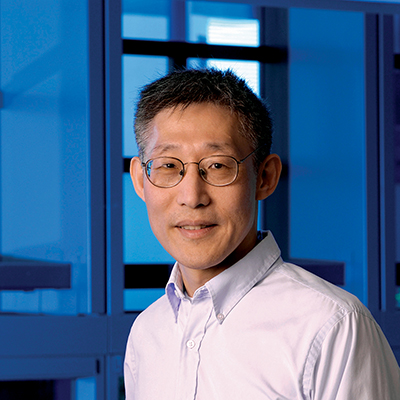
I-Wei ChenView profile
Professor
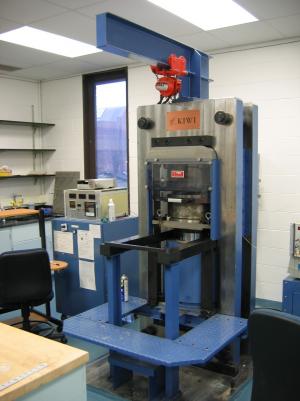
I-Wei Chen serves as a Professor and the Skirkanich Professor of Innovation in the Department of Materials Science & Engineering at the University of Pennsylvania's School of Engineering and Applied Science. His extensive research portfolio spans ceramics, polymers, and electronic materials with a particular focus on nanomaterial applications. Chen's research interests encompass magnetic and fluorescent smart colloids for molecular imaging (primarily MRI), nanograin ceramics related to multilayer ceramic capacitors (MLCC), sintering and dielectric/ferroelectric properties of barium titanate, and thin film nanometallic electronic devices for resistance random access memory (RRAM). He also investigates energy materials including zirconia, thermoelectrics, and transparent electrodes. His work bridges fundamental materials science with practical applications in electronics, energy storage, and biomedical engineering. Analysis of his recent publications reveals a strong focus on nanocrystalline materials, solid electrolytes, and advanced energy storage systems. His research demonstrates consistent innovation in ceramic processing techniques, particularly in two-step sintering methods, while expanding into biomedical applications like pH-sensitive nanoparticle drug delivery systems. The interdisciplinary nature of his work connects traditional ceramics research with cutting-edge applications in electronics, energy, and medicine. Scientific Awards: Sosman Award of the American Ceramic Society (2006) Edward C. Henry Award, Electronic Division, American Ceramic Society (1999) Humboldt Prize (1997) Ross Coffin Purdy Award, American Ceramic Society (1994) Fellow, American Ceramic Society (1991) Professor Chen has secured significant research funding including NSF grants for nanograin BaTiO3 ceramics research (2009-2012), DOD funding for breast tumor targeting and prostate tumor imaging projects (2010-2013), and DOE support for electric-loading enhanced kinetics in oxide ceramics (2011-2014). His laboratory in the LRSM Building at Penn is equipped with advanced materials characterization tools including atomic force microscopy, sintering equipment, and various analytical instruments. His research group operates within the Laboratory for Research on the Structure of Matter at Penn, utilizing extensive facilities for materials synthesis, characterization, and testing. Current projects focus on nanometallic resistance switching memory devices, advanced ceramic processing techniques, and theranostic nanoparticle platforms for cancer treatment.