Ekaterina BazilevskayaView profile
Assistant Professor
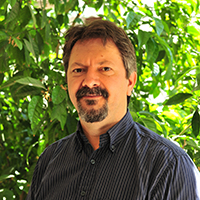
Ekaterina Bazilevskaya serves as an Assistant Research Professor in the Department of Ecosystem Science and Management at Pennsylvania State University, where her research integrates soil science, geochemistry, and environmental systems. Based in University Park's Agricultural Sciences and Industries Building, she contributes to the Soil Research Cluster Lab and Water Sustainability initiatives through field investigations across Pennsylvania, Puerto Rico, and Kazakhstan. Her research program examines mineral weathering dynamics, organic carbon cycling, and porosity evolution in critical zone environments. Specializing in techniques like differential scanning calorimetry and laser diffraction soil analysis, she investigates how environmental factors influence regolith formation, clay mineral behavior, and carbon sequestration processes. Key projects include studying nested chemical reaction fronts in shale systems and colloidal mediation of carbon accumulation in forest soils. Analysis of her 15 most recent publications (2011-2024) reveals consistent focus on weathering mechanisms across diverse geological settings, with significant contributions to understanding porosity controls in diabase/granite systems, carbon trapping in shale formations, and soil geochemistry under varying environmental conditions. Her collaborative work spans environmental engineering, biogeochemistry, and hydrogeology disciplines. No scientific awards were documented in the source materials. While student mentorship and grant activities aren't explicitly detailed in the provided text, her extensive multi-institutional collaborations—including work with the Shale Hills and Luquillo Experimental Forest Critical Zone Observatories—suggest active research supervision and funding engagement. Dr. Bazilevskaya's laboratory affiliations center on Penn State's Soil Research Cluster Lab, highlighted in 2023 for advancing soil analysis capabilities. Her fieldwork connects with national critical zone networks, particularly through investigations of Marcellus Formation weathering and deep critical zone processes in tropical environments.