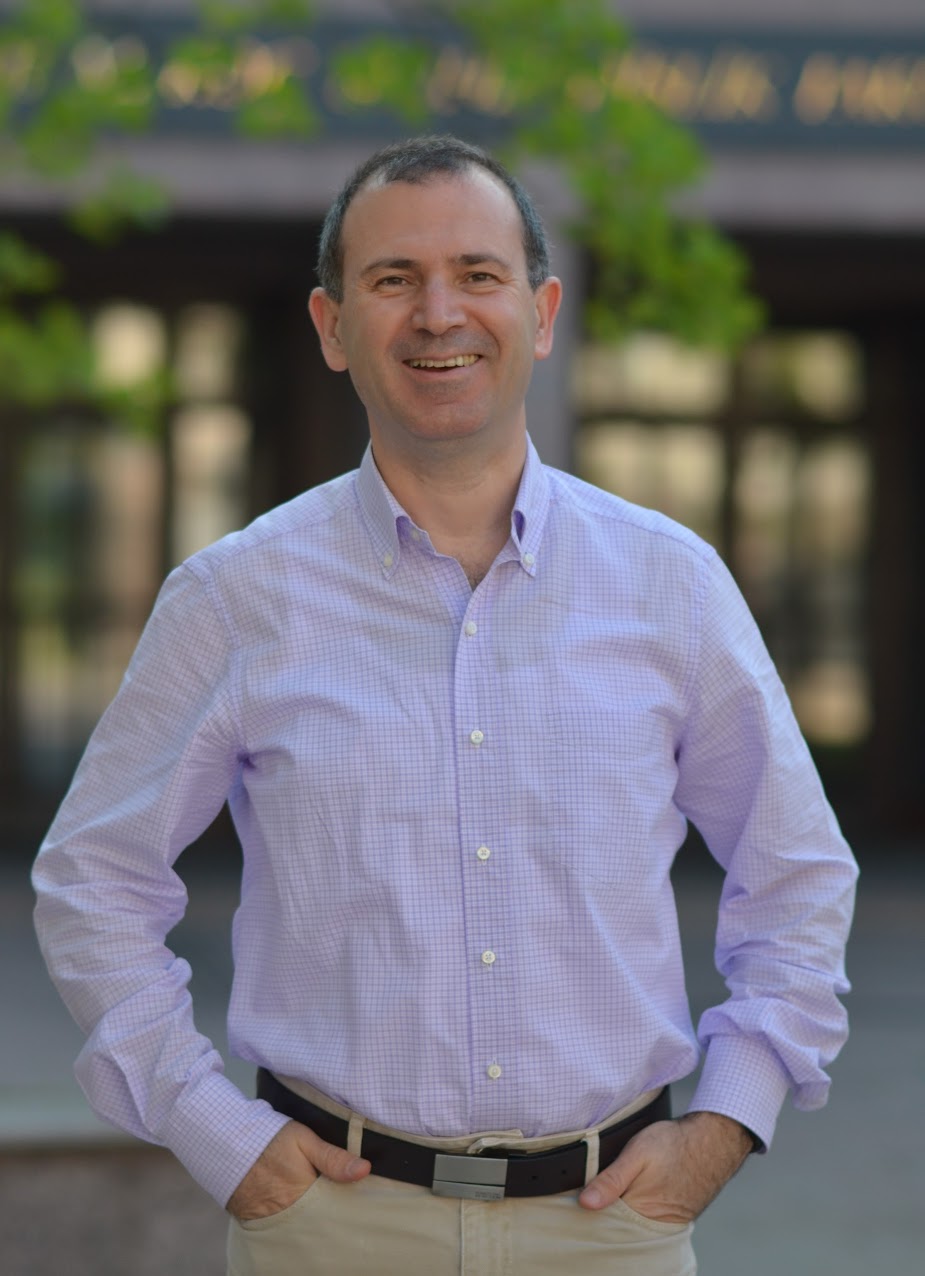
Engin Erzin is a Professor at Koç University's College of Engineering, leading the KUIS AI Lab and Multimedia, Vision and Graphics Lab . His research focuses on AI-driven human-centric systems, affective computing, and multimodal interaction analysis. He has contributed extensively to robotics, speech processing, and human-robot interaction through over 70 peer-reviewed publications since 2008. Research interests include: Affective computing and emotion recognition from speech/gestures Human-robot interaction and socially engaging agents Speech-driven animation and gesture synthesis Multimodal data fusion for interaction analysis Deep learning applications in robotics and biomedical engineering Recent work emphasizes: Developing adaptive pHRI controllers for manufacturing tasks Creating engagement measurement frameworks for human-machine interfaces Advancing Turkish speech recognition through self-supervised learning Designing multimodal databases for interaction studies Labs: KUIS AI Lab : Focuses on AI applications in robotics and human-computer interaction Multimedia Lab : Specializes in vision, graphics, and audiovisual analysis
Professor Carmen Torres-Sanchez leads the Multifunctional Materials Manufacturing Research Theme at Loughborough University’s Wolfson School of Mechanical and Manufacturing Engineering. As Executive Director of the EPSRC Centre for Doctoral Training in Embedded Intelligence, she integrates advanced manufacturing with biomimetic principles to create novel lightweight materials through mathematical modeling and ultrasound applications. Education: MEng Chemical Engineering (University of Granada), PhD Mechanical Engineering (Heriot-Watt University) Research Focus: Ultrasound-controlled porosity in polymeric foams, computational modeling of acoustic-structure interactions, functionally graded materials manufacturing Collaborations: Prof Mulholland’s team at Strathclyde University, FAR Composites UK Ltd Her work combines Galilean mathematical principles with modern manufacturing to optimize material distribution. Publications in the Journal of Non-Newtonian Fluid Mechanics demonstrate her team’s contributions to porosity tailoring through ultrasonic irradiation. Current research explores applications in regenerative medicine scaffolds and food industry materials. Key Publications: 3D Acoustic-Structure Interaction (2025), Sonication Bubble Modeling (2025), Multiphysics COMSOL Conference Work (2017) Research Tools: Finite Element Analysis, Acoustic Pressure Field Modeling, Bubble Dynamics Simulation
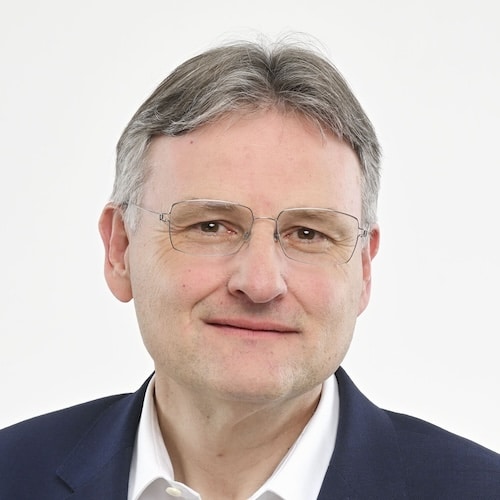
Twan Basten is a Full Professor in the Electronic Systems group at Eindhoven University of Technology (TU/e). He leads research on embedded and cyber-physical systems, focusing on model-driven design, computational models, and system dependability. He holds an MSc (1993) and PhD (1998) in Computing Science from TU/e, advancing from Assistant to Full Professor by 2009, and became the Electronic Systems group chair in 2013. His research spans international projects (FP5-7, H2020, ECSEL) and Dutch initiatives (STW, NWO, RVO), with over 200 publications and seven best paper awards. He has co-supervised 21 PhD students and actively participates in program committees and conferences. His work contributes to UN Sustainable Development Goals through innovations in smart systems. Education: MSc in Computing Science, TU/e (1993) PhD in Computing Science, TU/e (1998) Research Interests: Explores design methodologies for embedded systems, including scenario-based design, real-time scheduling, and performance analysis. Specializes in model-driven engineering and computational models to ensure system dependability. Active in projects like TRANSACT (real-time systems) and SAM-FMS (flexible manufacturing). Key Contributions: Co-author of 1 book and over 200 scientific publications Recipient of seven best paper awards Co-supervised 21 PhD degrees Senior member of IEEE and lifetime member of ACM Labs & Teams: Leads the Model-Based Design Lab and contributes to EAISI High Tech Systems initiatives. Collaborates on tools like TRACE4CPS for execution trace analysis and CReTS for vehicle platooning simulation.
Davide Previtali is an Assistant Professor at the University of Bergamo's Department of Engineering. His research focuses on control systems, black-box and preference-based optimization, and lithium-ion battery technologies. He teaches the 'Data science and automation' course (6 CFU). Education: Master’s in Computer Science Engineering (2019), PhD in Engineering and Applied Sciences (2022), both from University of Bergamo Research interests include model predictive control, thermal systems optimization, regenerative braking systems, and integration of biological models with neural networks. Recent work emphasizes energy-efficient industrial processes and algorithms for preference-based optimization with convergence guarantees. Publications span industrial oven modeling, shrink tunnel control systems, and advanced optimization algorithms. He leads the Control systems and Automation Laboratory, focusing on practical applications of control theory in manufacturing and energy systems. Labs/Teams: Control systems and Automation Laboratory
Professor Michael Preuss is a leading academic in the Department of Materials Science & Engineering at Monash University, Faculty of Engineering, where he joined in August 2020. He also holds a 20% continuing position at the University of Manchester, UK, where he previously served in multiple leadership roles. His research focuses on the relationship between manufacturing, processing, and performance of structural materials, particularly titanium and zirconium alloys, nickel-base superalloys, and steels for high-temperature and nuclear applications. First Degree: Technical University Berlin, Germany PhD: Technical University Hamburg-Harburg, Germany Michael Preuss’s research interests lie at the intersection of materials processing and performance prediction. He investigates how microstructural evolution during manufacturing affects mechanical behavior, with a focus on reducing safety margins in safety-critical components such as aeroengine parts and nuclear fuel claddings. His work emphasizes in-situ characterisation using advanced tools like synchrotron X-ray , neutron diffraction , digital image correlation , and 3D X-ray tomography . The research is highly interdisciplinary, combining experimental data with modelling to understand degradation mechanisms under stress, temperature, and irradiation. The recent publications highlight a strong focus on irradiation damage in zirconium alloys , plasticity in Ni-base superalloys , and advanced alloy development . These works employ cutting-edge diffraction and imaging techniques to probe dislocation structures, phase evolution, and mechanical onset at micro scales, reflecting a trend toward physically based lifetime prediction models. His work is closely tied to large-scale facilities and national initiatives like the European Spallation Source and the Sir Henry Royce Institute. Scientific awards include: Grunfeld Memorial Medal (IOM3, 2013) ASTM Kroll Medal (lifetime achievement in zirconium research) EPSRC Leadership Fellowship (2011) Fellow of Materials, Minerals and Mining (2016) MWA Research Activation Fund (2024) Michael Preuss actively supervises PhD students and leads major research projects, including those funded by EPSRC and focused on fuel cladding (MIDAS) and advanced manufacturing. He collaborates extensively with researchers across institutions and industries. He chairs the Scientific Advisory Committee of the European Spallation Source and serves on panels for neutron facilities like ILL and ISIS. His labs and research teams are equipped for solid-state additive manufacturing, in-operando micromechanical testing, and advanced microstructural analysis, forming a robust ecosystem for materials innovation.
Andreas Kugi is the Scientific Director at the AIT Austrian Institute of Technology and a full professor of Complex Dynamical Systems at TU Wien (Vienna University of Technology) in the Faculty of Electrical Engineering and Information Technology, Institute of Automation and Control. He has held significant academic and leadership roles across Europe, including professorships at Saarland University and offers from TU Dresden and KIT. His research focuses on the modeling, control, and optimization of complex dynamical systems , with strong applications in mechatronics, robotics, and industrial automation . He has led major research centers such as the Christian Doppler Laboratory for Model-Based Process Control in the Steel Industry and the Center for Vision, Automation & Control at AIT. His work bridges theoretical control design and real-world industrial implementation. The recent publications reflect a consistent focus on nonlinear, hybrid, and distributed parameter systems , with applications in robotics, manufacturing, energy, and process industries. His research integrates advanced control theory with practical engineering challenges, emphasizing real-time optimization, robustness, and system efficiency. Scientific Awards: Mechatronic Systems Outstanding Investigator Award (IFAC, 2022) Goldene Stefan-Ehrenmedaille (OVE, 2023) 16 best paper awards Andreas Kugi has supervised over 50 completed PhD dissertations and has been deeply involved in research leadership, including serving as Editor-in-Chief of Control Engineering Practice (2010–2017) and Vice President of the OVE Austrian Electrotechnical Association (2017–2023). He has secured and led numerous research grants, particularly through industrial collaborations in automation and process control. He leads and contributes to major research initiatives, including the Center for Vision, Automation & Control at AIT and the Christian Doppler Laboratory , fostering interdisciplinary teams focused on industrial digitalization and smart systems.
Luca Collini is a Professor at the Department of Industrial Systems and Technologies Engineering (DISTI) at the University of Parma. He teaches courses across both Mechanical Engineering and Management Engineering programs, including MACHINE DESIGN AB (I MOD) (3rd year, A.Y. 2025/2026), Mechanics of Materials and Structural Integrity (2nd year, A.Y. 2024/2025), and Principles of Mechanical and Structural Design (1st year, A.Y. 2024/2025). Research Interests: His work focuses on mechanical design optimization, additive manufacturing, and simulation techniques. Key areas include pneumatic actuator design , FDM 3D printing parameters , and Design-to-Value (DtV) methodology . He collaborates on projects involving virtual design integration, structural integrity analysis, and sustainable manufacturing practices. Key Publications Trends: Recent articles emphasize hybrid design approaches combining analytical formulas and simulations, multi-objective optimization using machine learning, and DtV strategies for industrial applications. Collaborative research with Maiocchi, Nicoletto, and colleagues demonstrates interdisciplinary focus on mechanical systems and advanced manufacturing.
Letian Dou is the Charles Davidson Associate Professor of Chemical Engineering and an Associate Professor of Chemistry (courtesy) at Purdue University's Davidson School of Chemical Engineering. He holds a Ph.D. in Materials Science and Engineering from UCLA (2014) and a B.S. in Chemistry from Peking University (2009). His research focuses on hybrid materials synthesis for energy harvesting and optoelectronics, emphasizing structure-property relationships and high-performance devices. Notably, his team achieved a world-record 10.6% efficiency in organic solar cells and has secured six patents. His work spans perovskite solar cells, nanomaterials, and sustainable polymers. Recent publications highlight breakthroughs in perovskite-based optoelectronics, self-healing materials, and scalable polymer recycling strategies. His research trends emphasize interdisciplinary approaches to energy-efficient and environmentally friendly technologies. No specific scientific awards are listed, though his six patents underscore impactful innovations. Advising details and grants are not explicitly provided, but his group's activities suggest active collaboration in nanomaterials and renewable energy fields. Labs/Teams: The Dou Research Group at Purdue University focuses on advancing hybrid materials for next-generation energy and optoelectronic applications.
Steven Son is the Alfred J McAllister Professor of Mechanical Engineering at Purdue University with a courtesy appointment in Materials Engineering. His research focuses on energetic materials, combustion physics, and advanced propulsion systems through experimental and computational investigations. Primary Affiliation: Department of Mechanical Engineering, College of Engineering Laboratory: Zucrow Labs, Purdue University Dr. Son's research spans: Combustion and detonation physics Laser diagnostics and spectroscopy Smart energetic material design Additive manufacturing of propulsion components Flexoelectric and piezoelectric material applications Thermal decomposition mechanisms His recent work demonstrates advancements in: Aluminized composite propellant characterization Shock sensitivity of molecular crystals Throttleable solid propellant systems Machine learning for energetic material properties 3D-printed energetic compositions Current advisees include graduate student Ethan Binkley , while his laboratory group conducts research at Zucrow Labs, Purdue's premier propulsion research facility.
Professor Cara Wrigley is a leading academic in design innovation, currently holding the position of Professor in Design at the School of Architecture, Design and Planning within The University of Queensland's Faculty of Engineering, Architecture and Information Technology. Previously, she served as the Jericho Chair of Design Innovation at The University of Sydney, fostering collaborations between the Australian Defence Force and academia to develop disruptive military technologies. She has pioneered 'military design thinking'—a framework now widely taught across the ADF—and established key research groups including the Defence by Design Group and Design Innovation Research Group. Her qualifications include a Doctor of Philosophy from Queensland University of Technology. Research interests span design innovation methodologies, emotional design applications, and interdisciplinary collaboration strategies. She has secured over $60M in competitive grants from industry and government partners such as Brisbane Airport Corporation, Suncorp Insurance Australia, and the Royal Australian Air Force. As Editor-in-Chief of Design Studies , she influences global design research discourse. Professor Wrigley has developed impactful educational programs including a Massive Open Online Course (MOOC) on Design Innovation (2018) and the Master of Design Innovation and Strategic Design. Her work emphasizes bridging design theory with practical implementation in healthcare, defense, and energy sectors. Recent projects include enhancing patient experiences with mechanical circulatory support devices and advancing renewable energy transition strategies. Awards: Recipient of the Australian Good Design Awards for her contribution to design-driven solutions. Grants: Active Chief Investigator on ARC Discovery/Linkage projects and the Medical Research Future Fund. Labs/Teams: Leads Defence by Design Group and collaborates with Australian Defence College on learning initiatives. Her research bridges design with complex domains like military strategy and healthcare innovation, focusing on emotional engagement, organizational transformation, and sustainable systems. She advises executives and institutions on leveraging design as a strategic tool, with a commitment to fostering interdisciplinary expertise through collaborative frameworks and pedagogical innovation.
Professor Kripa K. Varanasi is a faculty member in the Department of Mechanical Engineering at the Massachusetts Institute of Technology, operating within the School of Engineering. Her interdisciplinary research spans physico-chemical phenomena, thermal-fluids, interfacial science, and electrochemical systems, with applications in energy, water, biomedical technologies, and sustainable manufacturing. Alumnus of Indian Institute of Technology Madras (B.Tech, 1998), MIT (M.S. 2002, Ph.D. 2004) Former GE Global Research lead with multiple technology awards Her research program uniquely bridges fundamental surface science with scalable industrial solutions, evidenced by startup ventures like LiquiGlide, Infinite Cooling, and AgZen. Expertise lies in Nanostructured surfaces , electrochemical fluid control , and bio-inspired material design . The group's visible light-responsive TiO 2 surfaces enable transformative approaches to oil-water separation and microfluidic manipulation. Scientific recognition includes: NSF Career Award DARPA Young Faculty Award ASME Bergles-Rohsenow Heat Transfer Award MIT Graduate Advising Excellence Award Multiple startup competition victories Key publications reveal systematic innovations in optically modulated wetting , dye-sensitized interfacial engineering , and industrial fluid dynamics . The group's startups have won prestigious competitions including the MIT-100K and MassChallenge Diamond Winner distinction.
Professor Elena Pereloma is a Senior Professor at the University of Wollongong's School of Mechanical, Materials, Mechatronic and Biomedical Engineering. She specializes in physical metallurgy, microstructure characterization of metals and alloys, and advanced materials processing. Her research focuses on phase transformations in steels and titanium alloys, leveraging electron microscopy and atom probe tomography. Education: Ph.D. (Physics/Mathematics) and Candidate of Sciences from the National Academy of Sciences of Ukraine, and M.S.E. in Metallurgical Engineering from Igor Sikorsky Kyiv Polytechnic Institute. Research interests include additive manufacturing, nano-scale characterization, and strengthening mechanisms in microalloyed steels. She has secured major grants, including leadership in the Australian Steel Manufacturing Research Hub and ARC Industrial Transformation Research Hubs. Notable awards include the Sawamura Award and Honorary Doctorate from Ukraine's National Academy of Sciences. Teaching includes materials characterization courses and supervision of over 20 Ph.D. students in topics like phase transformations and thermo-mechanical processing. Her lab facilities include advanced electron microscopy and in-situ deformation analysis equipment.
Denis Dowling is a Full Professor at University College Dublin (UCD), leading the School of Mechanical and Materials Engineering. He directs the I-Form Advanced Manufacturing Research Centre, a 40M Euro initiative focusing on additive manufacturing and digital integration in manufacturing environments. His research spans surface engineering, plasma treatments, and advanced materials processing, with a focus on composites and additive manufacturing innovations. Dr. Dowling holds a PhD from UCD and has supervised 20 PhD and 5 MSc students. He is actively involved in the European Institute of Innovation and Technology (EIT) in manufacturing and previously led UCD's participation in the SFI Precision Cluster. His awards include the UCD Innovation Award (2012) and the Institute of Materials Finishing Gold Medal (2013). His work bridges academia and industry, with collaborations in solar energy, medical devices, and manufacturing SME sustainability. Key research themes include functional coatings for biomedical applications, microwave-assisted synthesis of nanostructures, and in-situ process monitoring for additive manufacturing quality control. Teaching includes modules on nanomaterials and manufacturing, reflecting his research-led approach. Professional roles include chairing the Irish branch of the Institute of Metal Finishing.
Davood B. Pourkargar is an Assistant Professor in the Tim Taylor Department of Chemical Engineering at Kansas State University (K-State), part of the Carl R. Ice College of Engineering. He is also a graduate faculty member at the Food Science Institute and a faculty researcher at the Johnson Cancer Research Center. His professional experience includes roles at ExxonMobil Research and Engineering, the University of Minnesota, and the University of Delaware. Education: Ph.D. in Chemical Engineering, Pennsylvania State University (2015) M.S. in Chemical Engineering, Sharif University of Technology (2010) B.S. in Chemical Engineering, Sharif University of Technology (2008) Research Interests: Focuses on computational multiscale modeling, artificial intelligence, optimal control, and automation for sustainable energy/chemical production. Key areas include physics-informed machine learning, cyber-physical systems, and smart materials synthesis. His lab integrates process systems engineering with digital twin technology to enhance decision-making in complex systems. Key Research Trends: Recent work emphasizes distributed control architectures, resilient process networks, and applications in renewable energy (e.g., green ammonia, solar cell production). His publications span AI-driven modeling, cybersecurity for manufacturing systems, and data-driven predictive frameworks. Awards: 2024 Carl R. Ice College Outstanding Assistant Professor NSF EPSCoR Fellowship AFOSR Faculty Fellowship Multiple Best Presentation Awards at AIChE/ACC conferences Advising & Grants: Advises over a dozen graduate/undergraduate students. Secured grants including NSF funding for physics-informed machine learning in organ-on-a-chip systems. Active in lab automation and robotic additive manufacturing initiatives. Labs & Teams: Director of the Intelligent Sustainable Process Systems Lab (ISPSL), with computational and experimental facilities in Durland Hall. Collaborates across disciplines including food science, cancer research, and biomedical engineering.
Yevgen Biletskiy is a Professor in the Department of Electrical and Computer Engineering at the University of New Brunswick (UNB), Fredericton. His academic roles include serving as Co-Director of the RuleML Initiative and Program Co-Chair of RuleML-2007. He holds a Ph.D. and is a licensed Professional Engineer (P.Eng.) in New Brunswick. His teaching spans graduate and undergraduate courses in software engineering, digital systems, and power electronics, including EE 6263 (Knowledge Representation for Software Engineering) and EE 6213 (Advanced Digital Systems). Research Interests: His work focuses on Knowledge-Based Systems , Artificial Intelligence , Semantic Web , Information Extraction , FPGA-based Design , and Renewable Energy . He has supervised over 40 graduate and undergraduate students, including 3 active PhD candidates, 1 completed PhD, 9 Masters, and 30+ research-based Bachelors. Publications: Over 100 peer-reviewed articles, including recent contributions on smart grid optimization, fault diagnosis in power electronics, and ontology-driven systems. Notable works include frameworks for semantic interoperability, rule-based learning systems, and FPGA applications. Professional Activities: Served as a reviewer for NSERC grants, IEEE journals (e.g., TKDE, TE), and conferences (CDC, WTAS). He has chaired tracks at international conferences and contributed to industry partnerships through consulting roles with firms like Netsphare Solutions and Vox Interactif. Labs/Teams: Active in UNB’s research initiatives involving power systems, semantic web technologies, and e-learning systems. His lab collaborates on projects like SEMESIS (semantic search systems) and advanced manufacturing post-processing techniques.