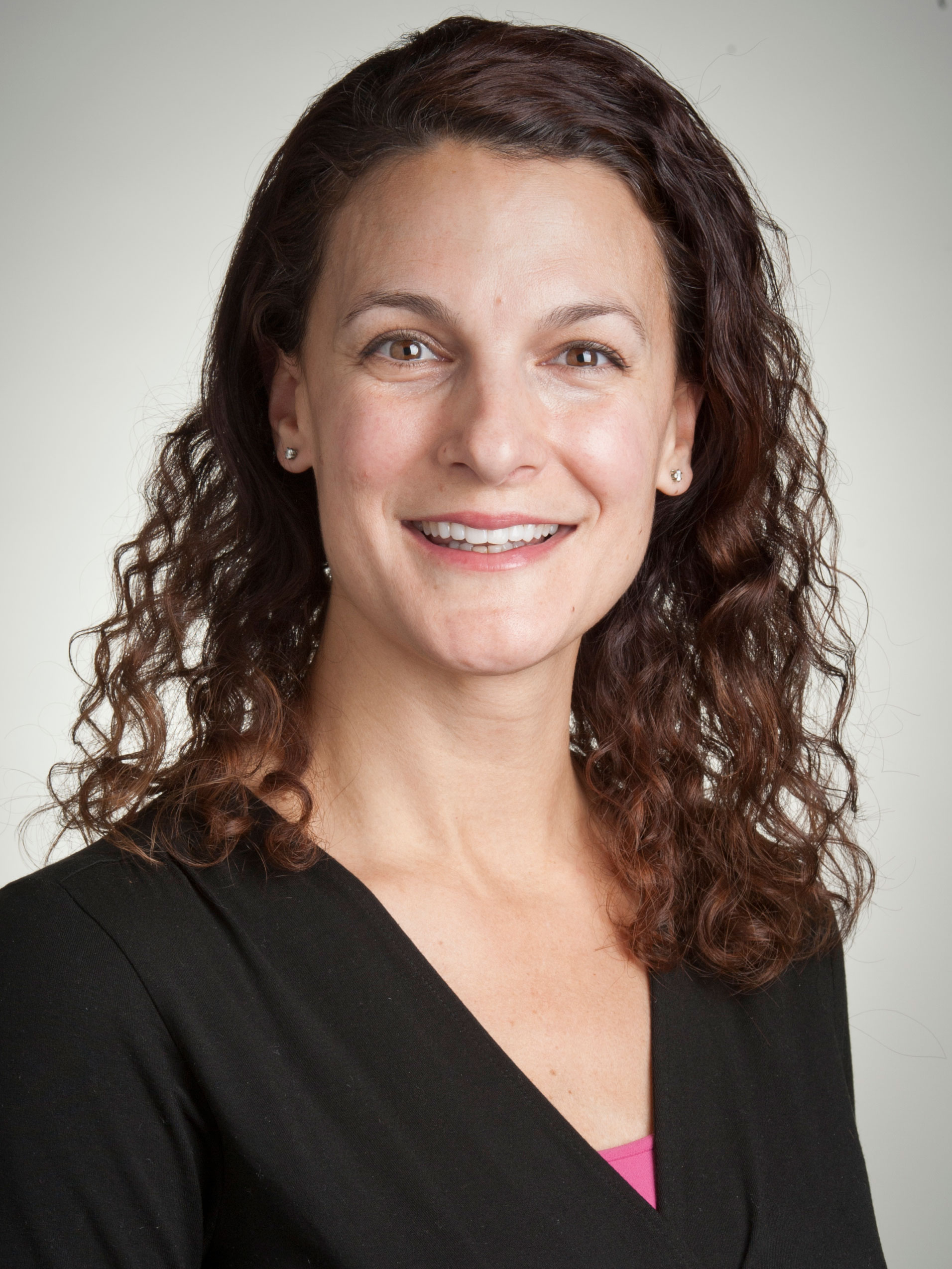
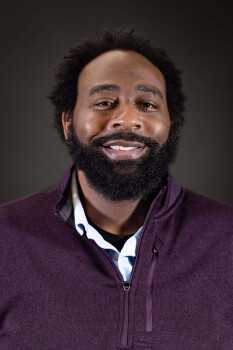
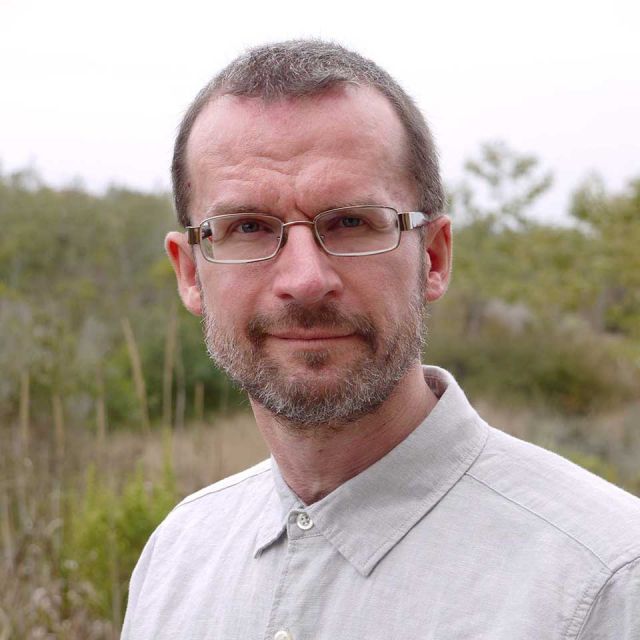
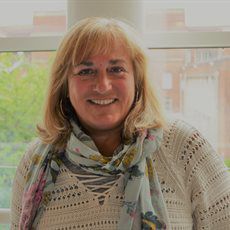
Orlagh Feeney is a Research Fellow and Nanomedicine team lead in the Porter Group at Monash Institute of Pharmaceutical Sciences (MIPS), Monash University. She specializes in advanced drug delivery systems with a focus on cancer and autoimmune diseases, emphasizing translational research derived from her six-year pharmaceutical R&D experience in Ireland. Her research interests include controlling pharmacokinetics, lymphatic exposure, and targeted drug delivery strategies such as active targeting and stromal modification. She leads projects like the 'Role of Hyaluronan in Antigen and Immune Cell Trafficking' and developed disease models for solid cancers and collagen-induced arthritis. Key contributions include studies on polymer nanorod-drug conjugates, intestinal lymphatic drug delivery, and lymphatic targeting of immunotherapies. She co-edited a Molecular Pharmaceutics special issue on Australasian innovations and serves as a peer reviewer. Feeney's work aligns with UN SDGs addressing good health and well-being, leveraging lymphatic pathways to enhance therapeutic efficacy in oncology and autoimmune therapies.
Rebecca L. Carrier is a Distinguished Professor in the Department of Chemical Engineering at Northeastern University and affiliated faculty in Bioengineering and Biology. Her research focuses on biological systems-material interactions, spanning intestinal tissue engineering, retinal regenerative medicine, and oral drug delivery. Education: PhD in Chemical Engineering from MIT (2000), BS from Rensselaer Polytechnic Institute (1995) Research Interests: Carrier’s work advances understanding of compound transport in biological systems and develops biomimetic biomaterials. Key areas include lipid impact on oral absorption, mucus barrier mechanics, and retinal/intestinal tissue engineering. The Advanced Drug Delivery Research Lab employs engineering principles to create disease models and therapeutic delivery systems. Publication Trends: Recent articles highlight interdisciplinary approaches to drug transport modeling, mucosal barrier engineering, and biomaterials for organoid culture. Studies integrate chemical engineering, microbiology, and biomedical applications. Scientific Awards: Fellow, Controlled Release Society (2024) Distinguished Faculty Award (2024) AIMBE Fellow (2018) Søren Buus Outstanding Research Award (2017) NSF CAREER Award (2008) Advising & Grants: Carrier advises PhD and capstone design students, including Ronak Ansaripour’s award-winning team. She secured NIH grants for lipid absorption studies and a Spark Fund award for algorithm-driven drug delivery optimization. Collaborations include research with University College Dublin (2024). Labs & Teams: The Advanced Drug Delivery Research Lab (ADDRES) investigates retinal cell transplantation, gut microbiome interactions, and mucosal barrier dynamics. Lab values emphasize diversity, anti-racism, and ethical scientific collaboration.
Luisa Mannina is a Full Professor of Food Chemistry at Sapienza University of Rome, Department of Chemistry and Technology of Drugs, Faculty of Pharmacy and Medicine. She leads the Food Chemistry Laboratory (FOODCHEMLAB) and serves as Director of the Metabolomics Unit focusing on Foods, Nutraceuticals and Biological Fluids Research. Her academic career spans over 25 years with progressive appointments from Assistant Professor to her current Full Professor position since January 2019. Full Professor of Food Chemistry (2019-present) Associate Professor of Food Chemistry (2009-2019) Director of multiple Master's programs in Nutraceuticals and Cosmeceutics Coordinator of PhD program in Molecular design and characterization for health promotion Member of numerous institutional committees at Sapienza University Professor Mannina's research centers on Nuclear Magnetic Resonance (NMR) methodologies for food analysis and metabolomics. She has developed innovative analytical protocols for determining metabolic profiles of food matrices and biological fluids, enabling authentication of geographical origin, variety, and cultivation methods for diverse food products. Her work spans olive oils, fruits, industrial hemp, and various agricultural products, with particular emphasis on NMR-based metabolomics for food authentication and quality assessment. She has established herself as a leading expert in industrial hemp analysis, publishing extensively on cannabis inflorescences, seed oils, and related products. Analysis of her recent publications reveals a strong focus on sustainable food systems, with particular attention to agri-food waste valorization, novel food development from unconventional sources like medicinal mushrooms, and advanced analytical techniques for food authentication. Her work increasingly integrates NMR with other analytical methods to address complex food science challenges, including food fraud detection, nutritional enhancement through processing techniques, and chemopreventive properties of plant-based products. The research demonstrates consistent evolution from fundamental food characterization toward applied solutions addressing contemporary food system challenges. Her scientific recognition includes: GIDRM/GIRM 2018 Gold Medal ANVUR Research Funding (2017) Associate Editor of Journal of Integrated Omics Member of Scientific Committee of La Rivista Italiana delle Sostanze Grasse Professor Mannina has successfully supervised numerous PhD students and directed multiple Master's programs. Her research is supported by substantial funding from regional, national, and European sources, including projects on industrial hemp valorization (€150,000), innovative bio-packaging (€50,000), and metabolomic studies of Mediterranean diet adherence (€14,500). She maintains active collaborations with European research institutions and industry partners through various research contracts. Her Food Chemistry Laboratory (FOODCHEMLAB) is equipped with state-of-the-art analytical instrumentation including NMR, HPLC-PDA, GC-MS, and other advanced equipment for comprehensive food analysis. The laboratory serves as a hub for metabolomic research, food authentication studies, and valorization of agricultural by-products, contributing significantly to Sapienza University's research profile in food science and technology.
Silvia Muro is a Group Leader and ICREA Research Professor at the Institute for Bioengineering of Catalonia (IBEC), affiliated with the University of Barcelona. Her research focuses on developing advanced drug delivery systems using nanotechnology to overcome biological barriers and improve therapeutic outcomes. She leads the Targeted Therapeutics and Nanodevices research group, which investigates how to precisely deliver therapeutic agents to specific disease sites within the body. Dr. Muro's laboratory specializes in understanding the biological mechanisms that regulate cellular transport of therapeutic agents. Her team has pioneered approaches to control biological events beyond receptor binding, enabling precise drug delivery through modulation of nanocarrier properties. The research focuses on three main areas: Biologically-Controlled Transport of Drug Carriers - studying how size, shape, targeting valency, receptor epitopes, and signaling molecules affect transport Transport Across Physiological Barriers - particularly the blood-brain barrier and epithelial barriers for neurological and gastrointestinal drug delivery Treatment of Lysosomal Disorders - applying nanotechnology to enzyme replacement therapy for diseases like Niemann-Pick, Fabry, and Gaucher Analysis of Dr. Muro's recent publications reveals a strong emphasis on ICAM-1 targeted nanocarriers for overcoming biological barriers. Her work demonstrates how nanocarrier properties can be engineered to control transport kinetics and destinations. A significant portion of her research addresses neurological disease treatment and lysosomal storage disorders through innovative DNA-built nanocarriers that enable cellular uptake and endosomal escape. While specific awards aren't detailed in available information, Dr. Muro's position as an ICREA Research Professor represents a prestigious recognition of research excellence in Catalonia. Her publications in high-impact journals demonstrate significant research funding and international collaborations. Dr. Muro leads an active research laboratory investigating drug delivery challenges for neurological diseases and genetic disorders. Current projects include developing nanocarriers that cross the blood-brain barrier and designing systems for enzyme replacement therapy in lysosomal storage disorders, with considerable translational potential for treating conditions that currently lack effective therapies.
Dr. Michael D. Burton is an **Associate Professor** and **Eugene McDermott Distinguished Professor** in the Department of Neuroscience at the University of Texas at Dallas (UT Dallas), affiliated with the **School of Behavioral and Brain Sciences**. He is a founding member of the **Center for Advanced Pain Studies (CAPS)** and holds roles in the **Center for Vital Longevity (CVL)**. His research focuses on neuroimmunology, pain mechanisms, and metabolic disorders, emphasizing how immune-nervous system interactions influence chronic pain, depression, anxiety, and aging-related conditions. Dr. Burton’s work bridges preclinical and translational research, using rodent models and human clinical samples. Education: PhD in Animal Science (Immunophysiology and Behavior), University of Illinois at Urbana-Champaign (2012) B.S. in Animal Science and Biotechnology, University of Illinois at Urbana-Champaign (2006) Postdoc in Pain Neurobiology, UT Dallas (2017) Postdoc in Diabetes/Metabolism Research, UT Southwestern Medical Center (2015) Research Interests: Dr. Burton investigates how peripheral stimuli (diet, alcohol, immune activation) affect pain and behavior through neuroimmune pathways. Key areas include: Sex differences in pain sensitivity and neuroinflammation Risk factors for chronic pain (e.g., high-fat diets, aging) Neuroimmune biomarkers for pain and delirium Development of non-opioid analgesics (e.g., cannabinoids) Awards: 2024 ROAR Research Award, UT Dallas 2023 Eugene McDermott Distinguished Professorship 2022 SFNova/Rising Star (Society for Neuroscience) 2019 Mitchell Max Award for Pain Research Grants & Leadership:** Co-Director, **Enhancing Neuroscience Undergraduate Research Experiences (ENSURE)** program ($900K grant) NIH R35, R21 grants (pain and metabolism) Editorial roles: *Neurobiology of Pain*, *Journal of Neuroinflammation*, and others Labs & Teams:** Neuroimmunology and Behavior Lab (UT Dallas) Member, NIH Pain Consortium and Endocrine Society’s Basic Science Group
Craig Ulrich, Ph.D., serves as a Research Assistant Professor in the Department of Pharmacology at the University of Nevada, Reno, where he investigates mechanisms of spontaneous preterm labor using innovative 3D tissue models and proteomic approaches to address neonatal health disparities. His educational background includes: B.S. in Cell and Molecular Biology from the University of Washington, Seattle Ph.D. in Biochemistry from the University of Nevada, Reno Dr. Ulrich's research centers on myometrial functionality during pregnancy, with emphasis on how endogenous and exogenous compounds (including cannabinoids) regulate birth timing. His lab pioneered a 3D-printed uterine tissue model that responds to physiological stimuli, enabling precise study of contractile mechanisms. Key areas include S-nitrosoproteome dynamics , matrix metalloproteinase regulation , and obesity-related cardiac impacts on pregnancy outcomes. Analysis of his publications (2008-2025) reveals an evolution from foundational nitric oxide signaling studies toward translational 3D tissue engineering and matrix metalloproteinase-focused preterm labor research. Recent work integrates proteomic network analysis with biomechanical modeling , demonstrating increasing emphasis on clinically actionable biomarkers for preterm birth prevention. Dr. Ulrich leads a research team developing advanced synthetic myometrial platforms for drug testing, with current projects examining prostaglandin-mediated contractions and acute matrix metalloproteinase effects using engineered tissue systems.
Dr. Stephanie de Alcantara Fernandes is a Minerva Fast Track Group Leader at the Max Planck Institute for Biology of Ageing in Cologne, Germany, where she leads research on muscle metabolism and aging. Her laboratory investigates how spatial and functional regulation of mTORC1 signaling influences skeletal muscle health, growth, and regeneration throughout the lifespan, with implications for understanding and promoting healthy aging. Dr. Fernandes completed her academic training through a distinguished path: PhD in Biology (Summa cum laude, with distinction), University of Cologne/Max Planck Institute for Biology of Ageing (2017-2023) Master of Science in Genetics, University of São Paulo (2015-2017) Bachelor of Science in Biological Sciences, University of São Paulo (2009-2014) Exchange year at University of Birmingham, UK (2013) Her research focuses on skeletal muscle biology, particularly the balance between anabolic and catabolic processes that maintain muscle health. Dr. Fernandes investigates how mTORC1 (mechanistic Target of Rapamycin Complex 1), a central signaling hub, is spatially organized within cells to selectively regulate specific cellular functions in response to different nutrient sources. Her work reveals that mTORC1 is not simply "on or off" but can be finely tuned to control distinct processes in different cellular compartments, particularly in skeletal muscle cells. A key aspect of her research examines how these regulatory mechanisms change with age, contributing to age-related muscle loss (sarcopenia). By understanding the molecular basis of muscle maintenance and regeneration, her laboratory aims to identify targets for interventions that could promote healthier aging and prevent age-related decline in muscle function. Analysis of Dr. Fernandes' publication record shows a clear trajectory of increasingly independent research focused on mTORC1 signaling, nutrient sensing, and their roles in aging and muscle biology. Her most recent work demonstrates sophisticated understanding of mTORC1's spatial regulation, revealing how different pools of mTORC1 respond to distinct amino acid sources to control specific cellular processes. This research bridges fundamental cell biology with translational applications for aging-related conditions. Dr. Fernandes has received numerous prestigious awards recognizing her scientific excellence: Minerva Fast Track Fellowship (2025) - Group Leader Position for Outstanding Female Scientists from Max Planck Society Graduate School for Biological Sciences (GSfBS) doctoral award for 2023 (2025) World Muscle Society Fellowship (2016) Cologne Graduate School of Ageing Research fellowship (2017-2020) Master's scholarship from São Paulo Research Foundation (2015-2017) Science Without Borders Scholarship from Brazilian Council for Scientific and Technological Development (2013) As a newly appointed Group Leader through the Minerva Fast Track program, Dr. Fernandes is establishing her independent research program with substantial institutional support. Her laboratory combines advanced techniques including high-throughput omics approaches (proteomics, metabolomics), molecular biology, biochemistry, cell biology, and super-resolution microscopy. She utilizes multiple model systems including mouse models, skeletal muscle cell lines, and iPSC-derived skeletal muscle cells to identify evolutionarily conserved mechanisms relevant to human health. Dr. Fernandes leads the Minerva Fast Track Group at the Max Planck Institute for Biology of Ageing, which focuses specifically on "Muscle metabolism and aging." Her team investigates how selective mTORC1 signaling is coordinated between different skeletal muscle cell types and how it changes with age, with the ultimate goal of understanding how muscle health can be maintained throughout life.
Vidya Chandrasekaran is a Researcher at the Vrije Universiteit Amsterdam, affiliated with the Faculty of Science and the Department of Chemistry and Pharmaceutical Sciences. She holds an integrated Master's degree in Industrial Biotechnology from SASTRA University, India (2015), and is completing a PhD focused on iPSC-derived renal proximal tubule models for nephrotoxicity testing. Her research emphasizes developing in vitro systems for toxicity assessment using induced pluripotent stem cells (iPSCs). Key research areas include: iPSC differentiation protocols for kidney cells Nephrotoxicity testing using organoid models Transcriptomic analysis of toxic responses Animal-free chemical safety assessment She contributed to the in3 project , a multidisciplinary initiative for animal-free toxicity testing, alongside Prof. Paul Jennings. Her work has been published in journals like Toxicology in Vitro and Scientific Reports . Current projects involve advancing chronic toxicity prediction models and cadmium exposure mechanisms in renal cells. Collaborations include Harvard Medical School and Brigham and Women’s Hospital, focusing on kidney toxicology and regenerative medicine.
Lionel Hebbard is a Professor in the Department of Molecular and Cellular Biology at James Cook University's College of Medicine and Dentistry. His research spans hepatocellular carcinoma mechanisms, metabolic liver disease, and cancer therapeutics with significant contributions to adiponectin biology and sarcopenia assessment in cardiac surgery. James Cook University (Current) Department of Molecular and Cellular Biology College of Medicine and Dentistry Senior Researcher in Liver Cancer Biology His research focuses on hepatocellular carcinoma pathogenesis , particularly adiponectin signaling pathways and liver cancer stem cells. He investigates non-alcoholic fatty liver disease progression to cancer, metabolic drivers of tumorigenesis, and therapeutic targeting using aptamer-based delivery systems. Recent work explores sarcopenia quantification via CT imaging for cardiac surgery risk prediction, demonstrating clinical translation of his molecular findings. His lab employs advanced techniques including CRISPR screening (TARGET-SL platform), in vitro cancer models, and murine tumor systems. Analysis of his 15 most recent publications reveals strong emphasis on translational liver cancer research (60%), cardiac surgery complications (20%), and emerging biotechnologies (20%). Key trends include adiponectin's dual roles in fibrosis and tumorigenesis, sarcopenia as a surgical biomarker, and aptamer-based targeting of cancer stem cells. His work consistently bridges molecular mechanisms with clinical applications, particularly in hepatocellular carcinoma diagnostics and treatment. He mentors multiple doctoral students and early-career researchers including Rhys Gillman and Miriam Wankell. His research is supported by continuous funding from Australian NHMRC and international collaborations with George Jacob (Westmead Institute), Qiao Liang (Bentham Books), and Ranscht Barbara (T-cadherin studies). He leads the Hepatic Cancer Biology laboratory focusing on: Liver cancer stem cell characterization Adiponectin receptor signaling in HCC Metabolic drivers of tumor progression Novel drug delivery systems for liver cancer Translational sarcopenia assessment tools
Skirmantas Janusonis is an Associate Professor in the Department of Psychological and Brain Sciences at the University of California, Santa Barbara (UCSB). He is a core faculty member of the UCSB Neuroscience Research Institute and the Interdepartmental Graduate Program in Dynamical Neuroscience, and a member of the California NanoSystems Institute. His research program lies at the intersection of neuroscience, complex systems, and computational modeling. Education: Ph.D. in Neuroscience and Behavior, University of Massachusetts Amherst Postdoctoral Research, Department of Neuroscience, Yale University School of Medicine B.S./M.S. in Biology, Vilnius University, Lithuania Dr. Janusonis's research focuses on the stochastic (random walk-like) behavior of serotonergic axons in the brain, particularly within the ascending reticular activating system and the broader serotonergic matrix. His work integrates molecular neurobiology, comparative neuroanatomy (from sharks to rodents to humans), advanced microscopy, and supercomputing simulations. He investigates how these complex systems self-organize and their relevance to mental disorders, especially autism and the enigma of platelet hyperserotonemia. His lab collaborates with physicists, mathematicians, and engineers to model anomalous diffusion and fractional Brownian motion in 3D brain spaces. His recent publications reveal a strong trend toward computational and theoretical neuroscience, using high-resolution data and mathematical generalizations to model axonal distributions. Key themes include reflected fractional Brownian motion, self-organization of serotonergic densities, and the interface between central and peripheral serotonin systems. His work challenges traditional views of the blood-brain barrier and proposes interdisciplinary solutions involving immunology, physiology, and computer science. Scientific Awards and Recognition: Elected to the Board of Directors of the Organization for Computational Neurosciences (2024) NSF, NIMH, and California NanoSystems Institute grant funding Multiple student awards under his mentorship, including the Harry J. Carlisle Award and NIH IRTA NSF CRCNS and Frontera supercomputing grants UCSB Art of Science People's Choice Award (awarded to lab member) Dr. Janusonis actively mentors PhD students such as Justin Haiman and Dahyana Arroyo, and has advised alumni including Dr. Angela Chen, Dr. Kasie Mays, and Dr. Melissa Hingorani. His lab has received numerous grants from the NSF and NIH, supporting research on stochastic axon systems and super-resolution imaging. He teaches graduate and undergraduate courses including Neuroanatomy (Psy 269), Neurobiology of Brain States (Psy 136), and Complex Systems (Psy 113L). Research Team and Collaborations: The Janusonis Lab is an interdisciplinary group combining neuroscience, mathematics, and engineering. It collaborates with institutions such as UC San Diego, the University of Pisa, and MIT. The lab is equipped with advanced imaging tools and has access to Frontera, a leading NSF supercomputer. Outreach includes science nights at local schools and public lectures at the Santa Barbara Museum of Natural History.
Gregory J. Wagner is an Associate Professor of Mechanical Engineering and Director of Graduate Studies at Northwestern University's McCormick School of Engineering. His research focuses on developing computational methods for multi-scale and multi-physics problems in additive manufacturing, fluid dynamics, and heat transfer. He leads the Wagner Research Group, which specializes in high-performance computing tools for complex engineering simulations. Education includes a Ph.D., M.S., and B.S. in Mechanical Engineering from Northwestern University and Boston University. His work integrates machine learning with traditional computational methods to model material behavior, microstructure evolution, and process-structure-property relationships in advanced manufacturing. Notable contributions include the GO-MELT framework for thermal simulations and the C-HiDeNN neural network approach for large-scale systems. Research interests span additive manufacturing process modeling, multiphysics coupling, and data-driven approaches for material design. Awards include the Bette and Neison Harris Chair in Teaching Excellence. Publications emphasize thermal modeling, phase change phenomena, and computational fluid dynamics innovations. His lab's work bridges mesoscopic and multiscale modeling, with applications in energy systems, biomedical devices, and environmental engineering. Collaborations focus on experimental validation and industrial-scale simulation challenges.
Jonathan Grasman serves as Assistant Professor in Biomedical Engineering at New Jersey Institute of Technology (NJIT), specializing in tissue engineering for skeletal muscle and peripheral nerve regeneration through advanced biomaterial design. His academic credentials include: Ph.D. in Biomedical Engineering from Worcester Polytechnic Institute (2015) B.S. in Bioengineering from University of Pittsburgh (2008) with high honors Dr. Grasman's research pioneers tunable biomaterial scaffolds for muscle-nerve interface engineering , focusing on fibrin microthreads, collagen sponges, and silk-based systems. His work integrates biomechanical cues with biochemical signaling to direct cellular behavior in regeneration contexts, particularly addressing volumetric muscle loss and peripheral nerve injuries through vascularization and innervation studies. Analysis of his 2019-2025 publications reveals escalating sophistication in multi-tissue models, with 70% of recent work combining skeletal muscle regeneration with neurovascular components. Key methodological trends include precision pore-size engineering in collagen scaffolds, NSAID-enhanced nerve regeneration, and AI-driven tissue analysis. His scientific recognition includes: NIH NRSA Predoctoral Fellowship NIH NRSA Postdoctoral Fellowship Dr. Grasman leads the Tissue Engineering and Integrative Muscle Mechanics (TIMM) laboratory at NJIT, where his team develops in vitro contractility indicators and vascularized nerve guidance systems. Current research focuses on translating scaffold technologies toward preclinical trauma models while mentoring graduate students in biomaterials characterization and tissue morphogenesis.
Filipa Simões is a Group Leader and British Heart Foundation Intermediate Basic Science Research Fellow at the Institute of Developmental and Regenerative Medicine (IDRM), University of Oxford. She holds a Hugh Price Fellowship in Regenerative Medicine at Jesus College, Oxford. Her work focuses on immune cell programming in cardiac repair, leveraging genomics, spatial omics, and in vivo/in vitro models to dissect macrophage roles in heart regeneration. She completed her PhD at the University of Coimbra (Portugal) and postdoctoral research at Oxford, identifying epicardial subpopulations and macrophage contributions to cardiac scarring. Education: BSc Microbiology and Genetics, Faculty of Sciences, University of Lisbon PhD Biochemistry, University of Coimbra (research at Oxford’s Weatherall Institute) Postdoctoral Training: Department of Physiology, Anatomy, and Genetics, University of Oxford Research Interests: Filipa’s lab explores how macrophages are programmed by neighboring cells to repair heart attack damage. Key themes include immune-cell-cardiac crosstalk, fibrosis pathways, and regenerative signaling. Techniques employed span spatial genomics, functional assays, and zebrafish models to map cellular microenvironments. Awards: British Heart Foundation Intermediate Basic Science Research Fellowship British Heart Foundation Centre of Research Excellence Transition Fellowship Teaching: Leads undergraduate courses in Cardiovascular Development, Genomics, and Developmental Biology. Oversees postgraduate modules on cardio-immuno genomics and cardiac regeneration. Labs/Teams: Heads a multidisciplinary team at IDRM, integrating developmental biology, immunology, and regenerative medicine approaches to advance cardiac repair strategies.
Professor Alicia El Haj is the Interdisciplinary Professor of Cell Engineering at the School of Chemical Engineering and Director of the Institute of Translational Medicine at the University of Birmingham. She leads the Healthcare Technologies Institute (HTI), an interdisciplinary network advancing technologies for tissue healing and rehabilitation. Her research focuses on bioengineering and regenerative medicine, particularly in developing cell-based therapies using biomechanics, bioreactors, and imaging systems. She holds prestigious fellowships, including from the Royal Academy of Engineering and Royal Society of Biology, and has received awards such as the MRC Suffrage Award (2015). Director of the Institute of Translational Medicine Deputy Director of the MRC UKRMP Regen Med Hub Founder of MICA Biosystems, a spin-out company commercializing pharma screening tools Her work bridges biomedical science, engineering, and physical sciences to translate innovative therapies into clinical practice. Key interests include stem cell control systems, mechanotransduction via magnetic nanoparticles, and osteogenesis. Public engagement includes talks at the Royal Society and Hay Festival. Recent research trends emphasize nanomedicine applications, such as magnetic nanoparticle activation of cellular pathways, and interdisciplinary approaches to cartilage repair, bone regeneration, and organ-on-a-chip systems. Over 200 publications highlight her contributions to tissue engineering and regenerative medicine. Scientific Awards: Royal Society Merit Award (2014), MRC Suffrage Award (2015) Grants: EPSRC, MRC, BBSRC, ERC Advanced Grant Labs and affiliations include the HTI, EPSRC Centre for Innovative Manufacturing in Regenerative Medicine, and the European Council for TERMIS. Her work prioritizes bridging lab discoveries to clinical impact, with a focus on collaborative, interdisciplinary teams.
Sarah Cartmell is a Professor of Bioengineering and Head of the Department of Materials at The University of Manchester. She holds senior roles in the School of Natural Sciences, including Senate membership and leadership in advanced materials initiatives like the Royce Institute. Her research focuses on biomaterials for regenerative medicine, including tendon repair, stem cell differentiation, and bioreactor design. Cartmell has secured over £34.7 million in grants, authored 70+ publications, and serves on editorial and review boards for journals like Science and Technology of Advanced Materials . Her work contributes to UN Sustainable Development Goals in health and innovation. Education : B.Eng (Materials Science with Clinical Engineering, University of Liverpool, 1996), Ph.D. (Clinical Engineering, University of Liverpool, 2000), Postdoc at GeorgiaTech, and academic roles at Keele University. Research Interests : Translation of novel tissue repair products, mechanical force effects on stem cells, and advanced biomaterials for bone and cartilage regeneration. Grants & Funding : £12.7M as lead PI and £22M as PI/Co-I across 22 sources (government, industry, charities). Awards : President of UK Tissue and Cell Engineering Society, IOM3 Fellow, and TERMIS EU council member. Leadership : Led the Royce Institute’s biomedical materials initiative, coordinating 200+ stakeholders, and chairs major international conferences in biomaterials and tissue engineering. Projects : Includes AMFaces (3D-printed facial prosthetics), biomaterials for regenerative medicine, and bioelectronics networks. Labs/Teams : Biomaterials Research Group, Manchester Bioelectronics Network, and advanced materials in medicine initiatives. Her research bridges clinical and industrial applications, emphasizing translational solutions for musculoskeletal disorders and regenerative therapies.