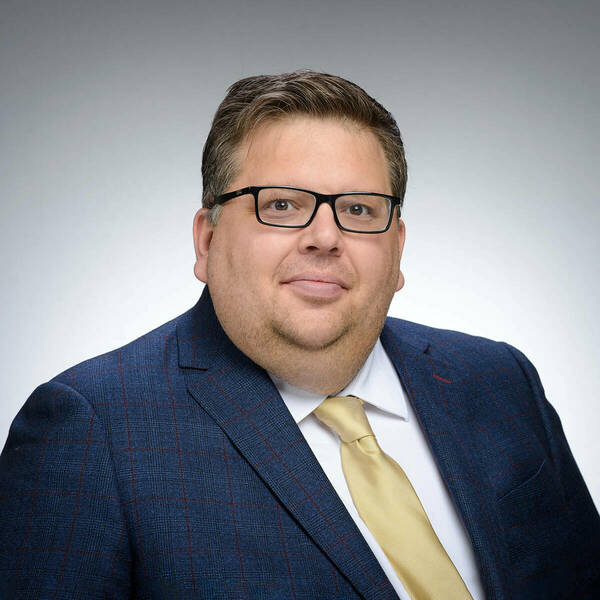
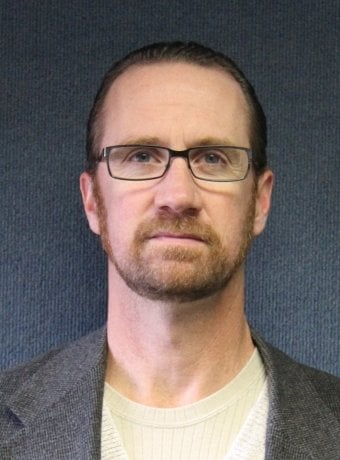
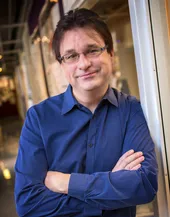
Scott L. Anderson is a Professor in the Department of Chemistry at the University of Utah, with a distinguished career in nanoparticle chemistry and catalysis. He received his B.A. from Rice University (1977), Ph.D. from UC Berkeley (1981), and trained at Stanford (1981-1983). His research focuses on size-dependent catalytic behavior, high-temperature reaction kinetics, and advanced analytical techniques like single nanoparticle mass spectrometry. Chair, Division of Chemical Physics, American Physical Society (2018-2019) ACS Physical Division Award in Experimental Physical Chemistry (2016) Robert W. Parry Teaching Award (2015) Fellow of the American Association for the Advancement of Science (2011) Distinguished Scholarly and Creative Research Award (2007) His work spans cluster model catalysts, oxidation mechanisms, and functional nanoparticle synthesis, with significant contributions to understanding coking resistance, sintering suppression, and surface interactions. He has held visiting positions at institutions in Japan, Germany, and France, and currently serves as Associate Director for Surface Analysis and Nano-imaging at the Utah Nanofab. Selected publications reveal a focus on nanoscale catalysis, thermal stability of nanoparticles, and innovative applications of mass spectrometry. His research bridges fundamental studies of cluster reactivity and practical applications in energy and materials science.
Professor Jin Kusaka is a distinguished faculty member at Waseda University's Faculty of Science and Engineering and Graduate School of Environment and Energy Engineering. With a Doctor of Engineering degree from Waseda University, he has established himself as a leading researcher in thermal engineering, particularly in the fields of internal combustion engines, fuel cells, batteries, and catalysts. His research interests span across several critical areas of modern energy systems: Internal Combustion Engine technologies for improved efficiency and reduced emissions Fuel cell development and optimization Battery thermal management systems for electric vehicles Catalyst design and performance enhancement for emission control Waste heat recovery systems using thermoelectric generators Alternative and synthetic fuels for decarbonization of transportation Professor Kusaka's extensive publication record (179 papers with 2,548 Google Scholar citations and an h-index of 23) demonstrates his significant contributions to the field. His recent research focuses on cutting-edge topics including battery thermal management under various driving conditions, thermoelectric waste heat recovery systems for natural gas engines, machine learning applications for engine control systems, and advanced combustion strategies for alternative fuels. His work bridges fundamental research with practical automotive applications, addressing critical challenges in energy efficiency and emission reduction. His notable scientific achievements have been recognized through several prestigious awards: JSAE Oral Presentation Award (October 2005) SAE SETC 2003 Paper Award (October 2003) JSAE Asahara Memorial Award (2001.05) Professor Kusaka is an active member of several professional societies including The Japan Society of Mechanical Engineering, Combustion Society of Japan, and The Society of Automotive Engineers, reflecting his commitment to advancing engineering knowledge and practice. His research group appears to be highly productive, with numerous publications featuring collaborations with researchers like Ratnak Sok, who frequently appears as first author on papers with Professor Kusaka as corresponding author.
Luke Olson is a Professor in the Department of Computer Science at the University of Illinois at Urbana-Champaign (UIUC), part of the College of Engineering. He holds an affiliate appointment in the Department of Mechanical Science and Engineering. His research focuses on numerical methods, high-performance computing, and parallel algorithms, particularly algebraic multigrid (AMG) solvers and sparse matrix computations. He leads the development of open-source libraries like PyAMG and RAPtor, advancing computational tools for scientific and engineering applications. Education: Ph.D. in Applied Mathematics from the University of Colorado Boulder (2003), M.S. in Mathematics from the University of Iowa (1999), and B.A. in Mathematics and Physics from Luther College (1997). Research Interests: Algebraic multigrid methods and preconditioners High-performance computing and parallel algorithms Numerical solutions to partial differential equations Scientific computing and software development Machine learning integration in numerical simulations Recent Articles Trends: Recent work merges machine learning with traditional numerical methods, such as neural network closures for turbulent combustion and reduced basis approximations using neural networks. Ongoing contributions include optimizing multigrid methods for exascale architectures and enhancing communication efficiency in distributed systems. Awards: Recognized with the NSF CAREER Award (2007), UIUC Campus Award for Excellence in Teaching (2024), and the Donald Biggar Willett Faculty Scholar distinction (2016). Active in conference organization, including the Copper Mountain Conference on Multigrid Methods. Teaching & Grants: Teaches courses like Numerical Methods for PDEs and Scientific Machine Learning. Leads projects funded by NSF and industry collaborations, emphasizing education innovation through the AE3 fellowship (2014–2016). Labs/Teams: Directs the Scientific Computing Group at UIUC and contributes to interdisciplinary initiatives like the Center for Exascale-enabled Scramjet Design (CEESD).
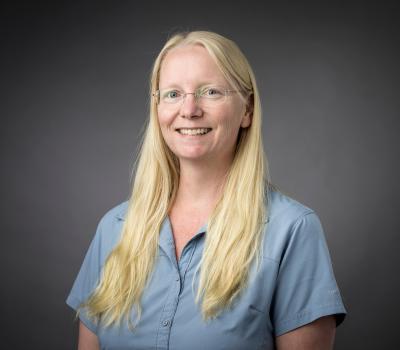
Dr. Mike Waddington is a Professor in the School of Earth, Environment & Society at McMaster University and holds a Canada Research Chair in Ecohydrology . With over 30 years of expertise in wetland science and ecosystem restoration, he co-founded the journal Ecohydrology and focuses on the impacts of wildfire, drought, and resource development on wetland ecosystems. Research Areas: Climate, Water & Sustainability; Ecological impacts of climate change; Near surface hydrology; Surface water hydrology Teaching: Courses like Field Techniques in Hydrology and Advanced Ecohydrology His work combines field experiments and modeling to analyze ecohydrological feedbacks, particularly in boreal peatlands. Recent studies examine fire refugia, post-fire metal release, and carbon storage resilience. He collaborates with resource managers, fire agencies, and industrial partners to develop habitat restoration strategies. Scientific Awards: Canada Research Chair in Ecohydrology Co-founder of the journal Ecohydrology
Cole Cerrato is an Assistant Professor in the Department of Food Science and Technology at Oregon State University, where he leads the Smoke, Wine, and Grapes Analytical Chemistry Lab. His research focuses on wildfire smoke effects on wine grapes and viticulture, utilizing advanced analytical techniques like NMR and MRI to address chemical challenges in the wine industry. Education B.A. in Chemistry (2012) from the University of South Florida Ph.D. in Chemistry (2019) from the University of South Florida Research Interests Dr. Cerrato specializes in wildfire smoke chemical characterization, particularly using 13C-labeled smoke to track volatile phenol interactions in wine grapes. His work addresses smoke taint mitigation through functional spray coatings and environmental chemistry impacts on viticulture. Earlier research explored peptide folding, polyimide materials, and Alzheimer's disease intervention strategies. The lab at Oregon State University, funded by a $2.7 million state grant after the 2020 wildfires, aims to protect Oregon's wine industry from climate-related smoke exposure. His publications span analytical chemistry, agricultural science, and molecular biology, with recent studies focusing on chemical adsorption in grapes and collaborative enology research. Advising and Collaborations Dr. Cerrato accepts graduate students for the Food Science and Technology Department and serves on graduate committees. He collaborates with enologists like Elizabeth Tomasino and chemists like Ming Lab on interdisciplinary projects. Labs and Media The Smoke, Wine, and Grapes Analytical Chemistry Lab at Oregon State University is a state-funded initiative addressing wildfire impacts on wine quality. His work has been featured in national media outlets discussing solutions to smoke taint in wines.
Antonello Barresi is a Full Professor of Transport phenomena at the Department of Applied Science and Technology (DISAT), Politecnico di Torino. He leads the Process development and design course and serves on the PhD board for Chemical Engineering. His research focuses on drying, combustion processes, and pharmaceutical freeze-drying optimization. He has authored over 300 papers and holds patents for freeze-drying monitoring systems. His awards include the AFSIA Award (2018) and Arun S. Mujumdar Medal (2021). Roles: Full Professor, PhD Program Member, Course Coordinator Research Interests: Pharmaceutical Freeze-Drying, Catalytic Combustion, Process Scale-Up, Nanotechnology Key Projects: Multi-hazard industrial infrastructure vulnerability modeling, SMART VIAL freeze-drying monitoring Labs: Lyophilization Lab, Molecular Engineering Lab (MolE), Process System Engineering Recent work includes multi-risk vulnerability frameworks for industrial systems and advancements in freeze-drying process analytical technology (PAT). He actively contributes to editorial boards like Pharmaceutics and Drying Technology.
Jeffrey F. Rhoads is the John and Catherine Martin Family Vice President for Research at the University of Notre Dame and holds the rank of Professor of Aerospace and Mechanical Engineering . He previously served as Executive Director of the Purdue Institute for National Security and held leadership roles in Purdue’s School of Mechanical Engineering, including director of the Ray W. Herrick Laboratories and the Purdue Energetics Research Center. His research focuses on energetic materials , additive manufacturing , sensors , and engineering education innovation . Rhoads is a Fellow of the American Society of Mechanical Engineers and has contributed to over 100 peer-reviewed articles across these domains. Education : BS, MS, and PhD in Mechanical Engineering from Michigan State University. Key Research Themes : Development of novel sensors for CO₂, hydrogen, and other gases using nanotechnology and polymer composites. Advances in 3D printing of energetic materials (e.g., propellants, explosives) with applications in defense and aerospace. Investigations into coupled oscillator systems and nonlinear dynamics. Pedagogical studies on blended learning, student resource usage patterns, and faculty development for instructional innovation. Recent Article Trends (2022–2025) : Over 30% of his recent publications address additive manufacturing of energetic materials , with others focusing on engineering education research and sensor technology . His work bridges fundamental engineering science with practical applications in national security and environmental monitoring. Awards : Fellow, American Society of Mechanical Engineers (ASME) Labs and Teams : Leads Notre Dame’s research infrastructure strategy and previously directed Purdue’s Herrick Laboratories and Energetics Research Center. His work integrates interdisciplinary teams from mechanical engineering, materials science, and education research.
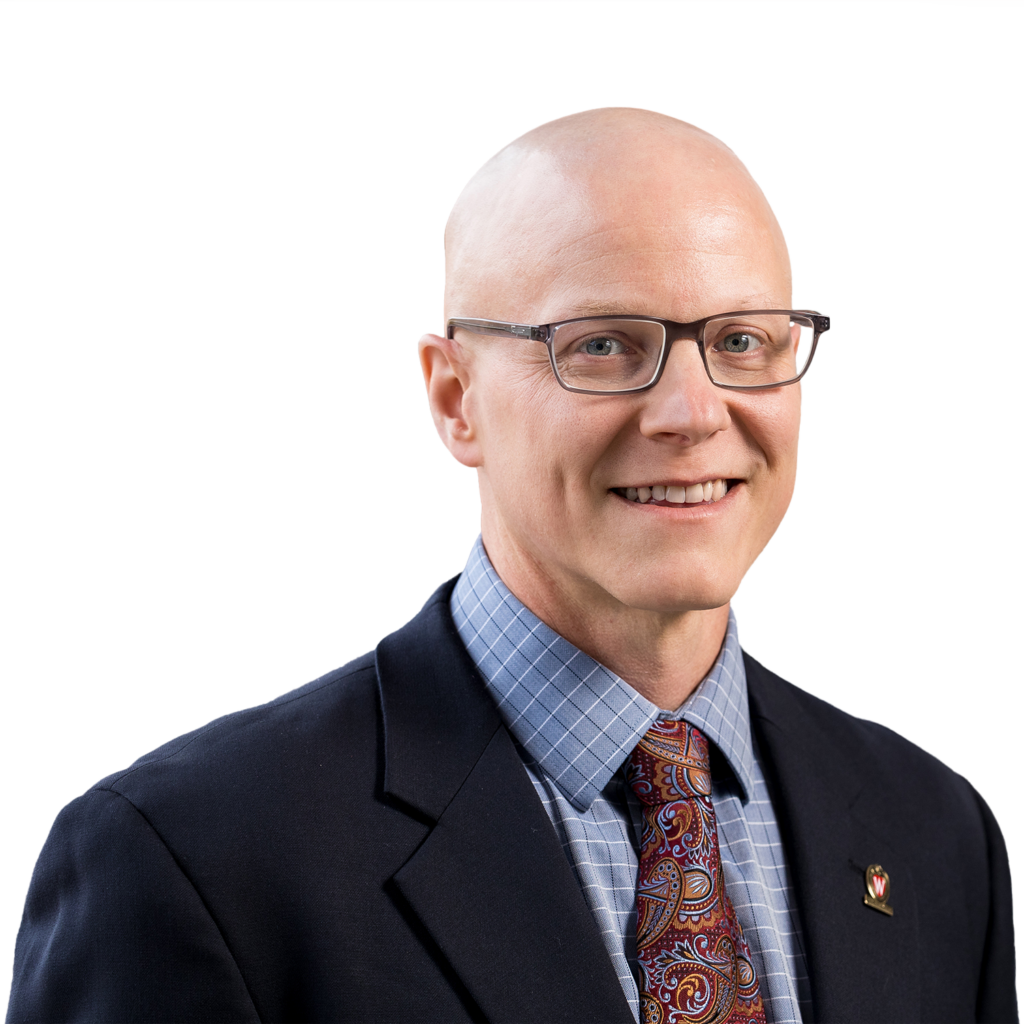
David Rothamer is the Robert Lorenz Professor and Director of the Engine Research Center in the Department of Mechanical Engineering at the University of Wisconsin-Madison. As Associate Dean for Research in the College of Engineering, he leads research strategy, core facility management, and faculty recruitment. His expertise spans combustion, internal combustion engines, renewable fuels, and optical diagnostics. He earned his PhD from Stanford University (2008) and has been at UW-Madison since 2008, receiving an NSF CAREER Award in 2011. Education PhD, Mechanical Engineering, Stanford University, 2008 MS & BS, Mechanical Engineering, University of Wisconsin-Madison, 2002 & 2000 Research Interests Rothamer’s work focuses on optimizing engine performance with renewable fuels using advanced optical diagnostics. His lab develops laser-based techniques to study combustion processes in IC engines, with recent emphasis on sustainable aviation fuels and aerosol filtration during the pandemic. Awards & Recognition ASHRAE Best Paper Award (2022) for aerosol transmission research Robert Lorenz Professorship (2020) SAE Ralph R. Teetor Educational Award (2013) Grants & Collaborations Recipient of $11.5M Army funding for hybrid-electric engine research (2020). Collaborates with industry partners on fuel blending, combustion diagnostics, and emission reduction technologies. Labs & Affiliations Leads the Engine Research Center and holds an affiliation with the Nuclear Engineering & Engineering Physics department. His team operates a state-of-the-art engine lab capable of simulating extreme environmental conditions.
Nordica MacCarty is an Associate Professor in the Department of Mechanical, Industrial, and Manufacturing Engineering at Oregon State University (OSU), holding the Richard and Gretchen Evans Professorship in Humanitarian Engineering. She leads programs in Humanitarian Engineering and Engineering Design for Society within the College of Engineering. Her research focuses on interdisciplinary approaches to user-centered design of clean energy technologies, blending thermal fluid sciences with sensor-based impact monitoring to address global energy challenges. PhD, MS, and BS in Mechanical Engineering from Iowa State University (2015, 2013, 2000). Over 10 years of international consulting experience in developing countries, focusing on renewable energy systems design and testing. Executive Director of the non-profit Aprovecho Research Center. Associate Editor for Energy for Sustainable Development and faculty advisor for OSU’s Engineers Without Borders. Research Interests : Interdisciplinary systems modeling, sensor-based monitoring, and engineering design applied to energy-society-environment relationships. Key areas include biomass cookstove innovation, emission reduction technologies, and adoption dynamics of clean energy solutions in low-resource settings. Awards : 2020 OSU International Service Award Elevating Impact Award (Lemelson Foundation) Grants & Funding : Supported by the US Department of Energy, EPA, NSF, VentureWell, and private foundations. Her work emphasizes stakeholder engagement and global partnerships to scale sustainable energy solutions. Labs/Teams : Leads the Humanitarian Engineering program and collaborates with the Aprovecho Research Center to advance clean energy technologies for underserved communities.
Jason R. Blough is a Professor and Chair of Mechanical and Aerospace Engineering at Michigan Technological University (MTU), affiliated with the Great Lakes Research Center (GLRC). He holds a PhD from the University of Cincinnati. His research focuses on dynamic measurement problems, digital signal processing for NVH (Noise, Vibration, Harshness) analysis, and improving NVH characteristics in machinery across diverse applications—from turbine blades to snowmobiles and passenger vehicles. He leads the Clean Snowmobile Team and has pioneered order tracking algorithms for rotating machinery, commercially licensed. His work spans experimental techniques like modal analysis, transfer path analysis, and Kalman Filter development for automotive applications. Education: PhD in Mechanical Engineering, University of Cincinnati Research Highlights: Dr. Blough specializes in vibration and acoustic measurement systems, sound quality jury studies, and active noise control. His innovations include wireless microwave telemetry for rotating components and methodologies for quantifying environmental effects on noise testing (e.g., snowmobiles). He regularly teaches advanced NVH techniques in academic and industrial settings. Advising & Grants: Advisor to the Clean Snowmobile Team (MTU), focusing on sustainable vehicle design. His grants and projects address automotive NVH, powertrain dynamics, and environmental acoustics. Labs & Teams: Directs the GLRC’s NVH research initiatives, collaborating with industry partners on noise mitigation and signal processing applications.
John Sandell is an Associate Professor in the Department of Chemical Engineering at Michigan Technological University. His work focuses on fire protection, environmental engineering, and innovative teaching methods. He holds a PhD from Michigan Technological University. Education: PhD, Chemical Engineering, Michigan Technological University Research Interests: Fire suppression systems in chemical industries, advanced fire protection techniques, materials microscopy (electron beam analysis), and pedagogical strategies for engineering education. His fire safety research addresses modern manufacturing materials and process safety, while his educational work explores multimedia teaching tools and student behavior analysis. Publications Trends: His articles span environmental engineering (e.g., lead-bearing fly ash characterization) and educational topics (e.g., chemical engineering technician profiles). Key themes include material analysis, pollution control, and curriculum development. Awards/Grants: No awards or grants explicitly listed in the provided text. Advising & Labs: No student advisees or lab affiliations explicitly mentioned.
Frank Keutsch is the Stonington Professor of Engineering and Atmospheric Science in the Paulson School of Engineering and Applied Sciences and Professor of Chemistry and Chemical Biology at Harvard University. He holds a joint appointment in both departments and is also a Hans Fischer Senior Fellow at the Technical University of Munich's Institute for Advanced Study (TUM-IAS), where he collaborates with Prof. Jia Chen on air pollution and climate research since 2021. Dr. Keutsch received his PhD in Physical Chemistry from the University of California Berkeley and his Diplom in Chemistry from TU Munich. His academic journey bridges European and American institutions, reflecting his international research perspective and expertise in both fundamental chemistry and applied environmental science. Professor Keutsch's research focuses on understanding atmospheric chemical processes, particularly those related to air quality and climate change. His work combines laboratory experiments, field observations, and modeling to investigate fundamental mechanisms of anthropogenic influence on atmospheric composition. He specializes in photochemical oxidation processes of volatile organic compounds (VOCs) that produce tropospheric ozone and secondary organic aerosols (SOA), which affect human health and climate. His research spans from urban areas to remote tropical forests, from tropical oceans to polar regions, addressing critical environmental challenges across diverse spatial and temporal scales. His recent publications demonstrate a strong focus on air pollution monitoring, climate intervention strategies, and the development of novel measurement techniques. The research shows an increasing integration of machine learning approaches with traditional atmospheric science methods, as well as a growing emphasis on global applications of pollution monitoring technologies and the health impacts of atmospheric pollutants. 2015, LFUI Guest Professorship 2014, Vilas Mid-Career Investigator Award 2013, Vilas Associate Award 2012, Honored Instructor Award 2006, Camille and Henry Dreyfus Award Postdoctoral Program in Environmental Chemistry 2005, Camille and Henry Dreyfus New Faculty Award Hans Fischer Senior Fellowship (2021) As an active mentor, Professor Keutsch is accepting graduate students into his research group. His laboratory develops cutting-edge instrumentation for atmospheric measurements, including the FILIF (Formaldehyde Instrument using Laser-Induced Fluorescence), CHOCHO LIP (Laser-Induced Phosphorescence), EDB-MS (Electrodynamic Balance Mass Spectrometry), and DPOPS systems. These instruments have been deployed in numerous field campaigns across diverse environments worldwide, from forests in Michigan and Colorado to the Amazon rainforest and even Antarctica. His group's work on stratospheric aerosols, particularly related to climate intervention strategies, has gained significant attention in the scientific community.
Fred Schauer is an Associate Professor in the Department of Aeronautics and Astronautics at the Air Force Institute of Technology (AFIT), part of Air University at Wright-Patterson Air Force Base, Ohio. He is a leading researcher in propulsion systems, particularly in the development and analysis of detonation-based engines such as pulsed and rotating detonation engines. His work integrates experimental testing, thermodynamic modeling, and advanced diagnostics to advance aerospace propulsion technologies. His educational background includes: BS in Mechanical Engineering, University of Dayton, 1993 Ph.D. in Mechanical Engineering, University of Illinois at Urbana-Champaign, 1998 Air War College, 2008 Dr. Schauer's research focuses on energy, propulsion, and power, with special emphasis on novel thermodynamic cycles, detonation dynamics, laser diagnostics, and flame-turbulence interactions. His work has significantly contributed to understanding and optimizing rotating and pulsed detonation engines, including performance scaling, nozzle integration, and fuel injection strategies. He has explored both conventional and bio-derived fuels to enhance efficiency and sustainability in small-scale propulsion systems. The 15 most recent publications reflect a strong trend toward experimental validation of rotating detonation engines, thermodynamic modeling, and performance optimization. These works span high-speed propulsion, combustion stability, and integration with turbines and ejectors. Keywords across these articles include aerospace engineering, propulsion, combustion, and mechanical systems, with subfields such as rotating detonation, pulsed detonation, nozzle dynamics, fuel efficiency, and thermodynamic modeling. His scientific achievements have been widely recognized: AFRL Commander’s Cup and Innovation Award Two-time winner of the AFRL Science & Technology Achievement Award ASME Airbreathing Propulsion Award Finalist for the Collier Trophy Finalist for Aviation Laureate AFRL Fellow Air Force Scientist of the Year AIAA Engineer of the Year Dr. Schauer has served as a research advisor for numerous M.S. and Ph.D. students and maintains active collaborations with AFRL, NASA, DOE, and academic institutions. His research group has published extensively and led major projects, including the AFRL in-house detonation propulsion research program from 1997 to 2019. He previously led the Propulsion and Power Advanced Concepts Group, which operated the Detonation Engine Research Facility and the Small Engine Research Laboratory, driving innovation in next-generation propulsion systems. His research labs and teams include the Detonation Engine Research Facility and the Small Engine Research Laboratory, where experimental and computational studies on advanced propulsion concepts are conducted. These facilities support high-pressure, high-speed combustion research and enable the development of practical applications for military and aerospace platforms.
Ole Madsen is a Professor at the Department of Materials and Production within The Faculty of Engineering and Science at Aalborg University . His research focuses on Robotics and Automation , particularly in 5G Smart Production , AI for Manufacturing , and Industry 4.0 applications. He also holds a part-time position at Adding Robotics , applying his expertise in robot integration for industrial and healthcare settings. Research Interests : Robotics, Automation, AI, Sensor Systems, Modular Manufacturing, Welding Technology, Digital Twins, Human-Centered Robotics, Industry 4.0 His work spans 35+ years with over 205 publications , emphasizing smart production systems and robot-assisted processes . Key contributions include Swarm Production Architectures , 5G-Enabled Robotics , and Human-Robot Collaboration frameworks. He has supervised 10 PhD students and led major projects like RAU (Robot-Assisted Ultrasound) and GINP: Robotics & AI Innovation Network . Scientific Awards : SCAP2020 Best Presentation Award (2020) Ole's 31 projects include AP2030: Aseptic Factory 2030 (pharma production), AddSmart (robotics R&D), and 5G-Enabled Autonomous Systems . His 127 press/media mentions highlight advancements in robotic welding , industrial metaverse , and swarm production . He maintains an ORCID: 0000-0003-2133-2541 with extensive publication records across Swarm Robotics , Modular Manufacturing , and AI-Driven Production .
Praveen Linga is a Professor in the Department of Chemical and Biomolecular Engineering at the National University of Singapore (NUS) , where he has served since 2010. He held leadership roles as Vice Dean (Industry-Relation, Innovation & Enterprise) and Vice Dean (Communications & Outreach) at NUS's College of Design and Engineering . Dr. Linga co-leads the Centre for Energy Research & Technology (CERT) at NUS and maintains visiting professorships at institutions in India, China, and Thailand. His research focuses on clathrate hydrates for clean energy storage , CO₂ capture , and environmental stewardship , aligning with UN Sustainable Development Goals 6, 7, and 13. The Linga Lab combines fundamental and applied studies to optimize hydrate formation/dissociation kinetics and explore energy recovery from natural gas hydrates. Recent publications highlight innovations in CO₂ hydrate kinetics using amino acid promoters, methane storage in seawater systems, and hydrogen hydrate stability analysis. His work appears in leading journals like Energy & Fuels , Applied Energy , and Chemical Engineering Journal , with over 200 peer-reviewed papers and significant citation impact (h-index 77). Dr. Linga is recognized as a Highly Cited Researcher (Clarivate, 2018-2024), NRF Investigator (S$3.5M grant), and recipient of multiple Best Paper Awards from Applied Energy and Advances in Applied Energy . He serves as Executive Editor of Energy & Fuels and sits on editorial boards of 12 journals. Linga Lab's work has been featured in global media (Chemistry World, Science et Vie) and recognized by Research.com as #9 in Singapore's engineering scientists. His research bridges chemical engineering fundamentals with large-scale energy applications, particularly in hydrate-based CO₂ sequestration and unconventional gas storage.