Andrew WandelView profile
Professor
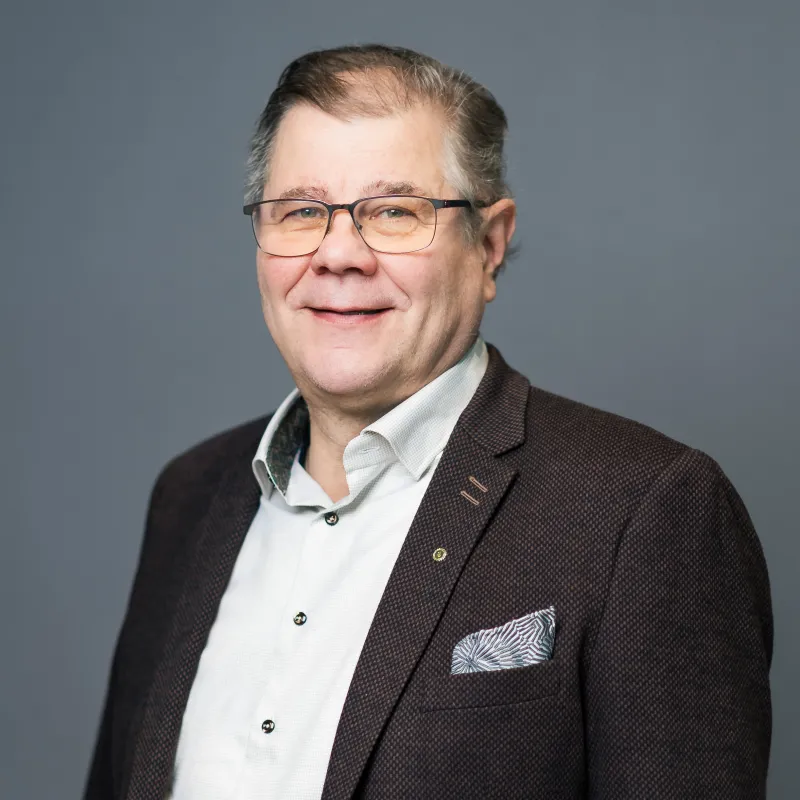
Professor Andrew Wandel is a Professor of Mechanical Engineering at the School of Engineering, University of Southern Queensland, where he is affiliated with the Institute for Advanced Engineering and Space Sciences. He has been with the university since 2009, initially as an Associate Professor before being promoted to Professor. Professor Wandel earned his BEng(Hons) from the University of Queensland in 1998 and completed his PhD there in 2005. Prior to joining USQ, he held research associate positions at Imperial College London (2007-2008), The University of Queensland (2007), and Cambridge University (2006). Professor Wandel's research spans multiple areas including computational fluid dynamics, combustion engineering, biofuels, and mathematics education. His work focuses on automotive combustion and fuel engineering, computational methods in fluid flow, heat and mass transfer, energy generation and conversion, and numerical and computational mathematics. He also has significant contributions to STEM education, particularly in mathematics and engineering curriculum development. His recent publications show a strong focus on computational methods for fluid dynamics and combustion modeling, particularly the MMC-IEM model, as well as extensive work on alternative fuels like butanol-acetone mixtures, biofuels, and hydrogen for internal combustion engines. His research combines theoretical modeling with experimental validation across these areas. Combustion Institute - Australia and New Zealand Section Engineers Australia - Chartered Engineer RPEQ Professor Wandel actively supervises doctoral and masters students, with current projects focusing on CFD applications in grain vacuum sampling, gas turbines, and industrial waste heat recovery. His completed supervision projects include studies on alternative fuels for diesel engines, optimization of solar collectors, and lean manufacturing strategies. He teaches courses in Computational Fluid Dynamics (MEC5100) and Combustion (MEC5105), bridging theoretical concepts with practical applications in mechanical engineering.