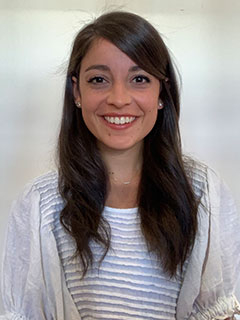
Dr. Melanie Franklin is a pediatric psychologist at Children's Hospital of Philadelphia with expertise in sleep disorders, treatment adherence, and pediatric psychology. She operates within the Department of Child and Adolescent Psychiatry and Behavioral Sciences and collaborates across multiple teams. BA in Psychology – Muhlenberg College PhD in School Psychology – Lehigh University Residency and Fellowship in Pediatric Psychology – Nemours/A.I. DuPont Children’s Hospital Her research focuses on: Sleep behavior in chronic illness populations Mental health communication barriers ADHD functional outcomes Treatment adherence strategies Recent publications demonstrate expertise in ADHD comorbidities , Cystic Fibrosis sleep interventions , and academic functioning analysis . Key collaborations include: Psychiatry and Behavioral Sciences Sleep Center Pulmonary and Sleep Medicine Division
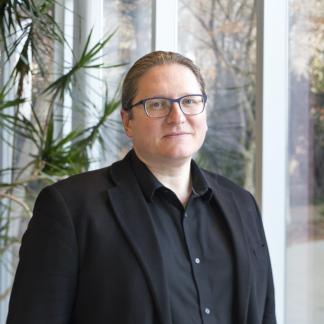
Joseph Kable is the Jean-Marie Kneeley President's Distinguished Professor of Psychology at the University of Pennsylvania's Department of Psychology within the School of Arts and Sciences. His research integrates experimental economics, cognitive neuroscience, and personality psychology to investigate the neural and psychological mechanisms underlying decision-making. He explores how subjective value is represented in the brain, deviations from rational choice theory, and individual differences in decision processes. His lab employs fMRI and interdisciplinary methods to study topics like risk tolerance, impulsivity, and neural plasticity. Education: BS in Chemistry from Emory University (undergraduate), PhD in Neuroscience from the University of Pennsylvania (doctoral). Research focuses on behavioral and cognitive neuroscience mechanisms of choice, including studies on temporal predictions, value signals, and brain structure-function relationships. His recent work examines how neural markers correlate with decision-making variability across individuals. He currently advises graduate students in Psychology and has post-doctoral researchers in his lab. Associated with MindCORE, Penn's hub for integrative mind research. Lab activities include undergraduate research programs and active studies exploring decision neuroscience and neuroeconomics.
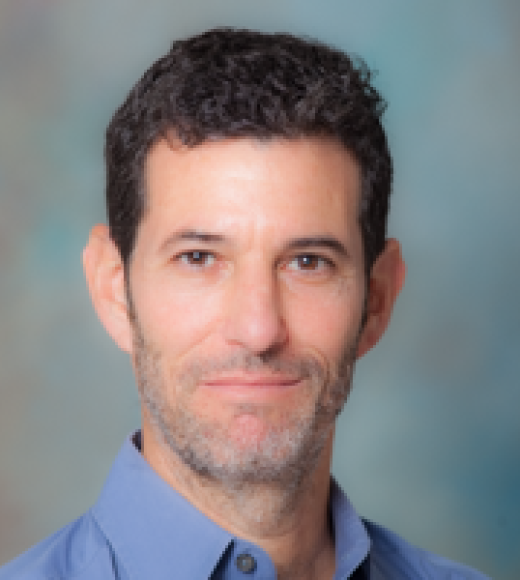
Richard W. Robins is a Professor in the Department of Psychology at the University of California, Davis, within the College of Letters and Science. He is Director of the Personality, Self and Emotion Laboratory and the California Families Project, and a core faculty member of the NIMH Training Program in Affective Science. Ph.D. in Psychology (Social/Personality), University of California, Berkeley (1995) B.A. in Psychology, University of California, Berkeley (1988) His research centers on personality development, self-esteem, narcissism, self-conscious emotions (pride, shame, guilt, contempt), and developmental trajectories of Mexican-origin youth. He employs longitudinal and experimental designs with multi-method data collection across biological, psychological, and sociocultural domains. His recent publications reflect a strong trend in longitudinal analysis of personality and emotion, particularly focusing on developmental pathways in youth, self-evaluation processes, and cultural influences on emotional expression. Key themes include the interplay between temperament and social behavior, the stability of self-esteem, and the distinction between genuine self-worth and narcissism. Award highlights include: 2012 Diener Award for Outstanding Mid-Career Contributions to Personality Psychology Fellow of the Society for Personality and Social Psychology (2011) Distinguished Scientific Award for Early Career Contribution (APA) Theoretical Innovation Prize (SPSP) Chancellor’s Fellow at UC Davis (2002–2007) Professor Robins has secured research funding from the National Institutes of Health, particularly supporting the California Families Project. He has served as Associate Editor for Personality and Social Psychological Review and Journal of Personality and Social Psychology , and has edited major handbooks in personality psychology. He mentors graduate students and teaches courses in Personality Psychology, Personality Development, The Self, Emotion, and Longitudinal Methods. He leads the Personality, Self and Emotions Laboratory at UC Davis, which focuses on social development, emotion regulation, and self-esteem using integrative and naturalistic research approaches.
Allison Ross Eckard, MD is Professor in the Departments of Pediatrics and Medicine at the Medical University of South Carolina (MUSC) College of Medicine, serving as Division Chief for Pediatric Infectious Diseases and Director of MUSC's Ryan White Pediatric HIV Clinic and HIV Transition Clinic. She maintains an adjunct faculty position at Emory University and holds board certification in Pediatrics and Pediatric Infectious Diseases. Her primary research focuses on metabolic, cardiovascular, and nutritional complications of chronic HIV and antiretroviral therapy across age groups, with emphasis on inflammation's role in comorbidities like cardiovascular disease and bone disorders. Current investigations include NIH R01-funded research on interventions for weight gain and abdominal fat in HIV, vitamin D supplementation, and statin therapy. She has published nearly 60 peer-reviewed papers on HIV pathogenesis and treatment optimization. Dr. Eckard co-chairs the DHHS panel for Guidelines for the Prevention and Treatment of Opportunistic Infections in HIV-Exposed and HIV-Infected Children and serves on the DHHS panel for Guidelines for the Use of Antiretroviral Agents in Adults and Adolescents with HIV . Her clinical work specializes in comprehensive HIV care for children through young adults, with particular focus on adolescent/young adult transition issues and global health initiatives through Lespwa Timoun in Haiti. Recent efforts include developing COVID-19 treatment guidelines for children and school safety protocols. HIV Specialist certification (American Academy of HIV Medicine) Fellow, Infectious Diseases Society of America Fellow, Pediatric Infectious Diseases Society Fellow, HIV Medical Association Member, HIV Medical Association's 'Ending the HIV Epidemic' working group She leads MUSC's HIV education initiatives and serves as inpatient consultant for pediatric infectious diseases, with advanced training in tropical medicine. Her NIH-funded research examines targeted interventions to minimize comorbidity development in HIV, while her clinical leadership spans the Ryan White HIV program, transition clinics, and global health partnerships.
Christopher Thomas Sege, PhD is an Assistant Professor in the Department of Psychiatry and Behavioral Sciences at the Medical University of South Carolina (MUSC) College of Medicine. His research focuses on the neurophysiological mechanisms underlying anxiety disorders, particularly examining escape, avoidance, and approach behaviors in the anxiety disorder spectrum. Dr. Sege's primary research interests include: Anxiety Disorders and Emotional Processing Defensive Behaviors and Coping Mechanisms Neurophysiological Correlates of Emotional Anticipation Startle Response and Autonomic Nervous System Functioning Transcranial Magnetic Stimulation (rTMS) Applications His work bridges clinical psychology with neuroscience to understand how individuals with anxiety disorders process and respond to emotional stimuli. Dr. Sege leads the research study "Modeling and Modulating Mechanisms of Escape, Avoidance, and Approach in the Anxiety Disorder Spectrum" which investigates whether repetitive transcranial magnetic stimulation (rTMS) can alter how people with anxiety cope with emotional situations. This study involves measuring brain activation while participants view emotional pictures and undergo rTMS procedures. His publication record demonstrates expertise across multiple domains: Neurophysiological mechanisms of defensive behaviors Emotional anticipation and perception Startle modulation in anxiety disorders Borderline personality disorder research Development of experimental paradigms for emotional processing studies His research employs multiple methodologies including psychophysiology, event-related potentials, and neurostimulation techniques. Dr. Sege collaborates with researchers including Lisa McTeague, Bernadette Cortese, Carla Danielson, Thomas Uhde, and Aicko Schumann. His work appears in journals such as Biological Psychiatry: Cognitive Neuroscience and Neuroimaging, Biological Psychology, and Psychophysiology.
Jae Eun Chung is a Professor in the Department of Communication Studies at Howard University's School of Communications. Her research focuses on new media technologies, their psychosocial impacts, and health communication, with a particular emphasis on community engagement and digital discourse. Ph.D. in Communication from the University of Southern California M.A. in Telecommunications from Indiana University at Bloomington Dr. Chung's work explores the intersection of social media and health, analyzing how digital platforms influence public health perceptions, patient-doctor interactions, and health equity. She has published extensively in journals like Journal of Communication , Computers in Human Behavior , and Health Communication , often employing community-based participatory research (CBPR) to address disparities in asthma care, maternal health, and HPV-associated cancer awareness. Recent publications highlight trends in leveraging social media for health interventions, examining misinformation dynamics during crises like the COVID-19 pandemic, and analyzing digital ecosystems. Her methodological approaches include network analysis, narrative studies, and assessments of digital engagement metrics. Howard University RCMI Grant: Enhancing recruitment of African-Americans and Hispanics in health research NSF HDR Grant: Collaborative research on data analytics for community enrichment PACRI Grant: Improving health outcomes for asthmatic children in public housing Bezos Earth Fund: Indoor environmental quality disparities in underserved communities Dr. Chung collaborates with interdisciplinary teams, including public health experts and data scientists, to advance health communication strategies. She has mentored students and researchers in projects analyzing social media's role in health promotion, digital privacy, and community-academic partnerships.
Tae-Ho Lee is an Associate Professor in the Department of Psychology at Virginia Tech, with affiliated appointments in the School of Neuroscience and Translational Biology, Medicine, and Health. His research focuses on affective and cognitive neural development across the lifespan, neurodegeneration, and family-based neural dynamics. PhD in Brain and Cognitive Science, University of Southern California M.A. in Clinical Psychology, Korea University B.A. in Psychology, Korea University Dr. Lee’s work explores brain connectome dynamics, dyadic neural concordance in families, and age-related attentional control. He employs neuroimaging techniques to study how familial and environmental factors shape emotional and cognitive outcomes in adolescents and older adults. Recent publications highlight trends in longitudinal studies , parent-child neural similarity , and functional connectivity in emotion regulation . Key areas include autism spectrum disorder, substance misuse risk, and the role of socioeconomic factors in brain development. Rising Star , Association for Psychological Science (2020) Dr. Lee is not currently accepting students and leads the Affective Neurodynamics and Development (AND) Lab at Virginia Tech.
Dr. Louise Alexander is an Associate Professor in Mental Health Nursing at Deakin University's School of Nursing & Midwifery (Faculty of Health). She holds prior academic roles including Senior Lecturer (ACU, 2018–2023) and Lecturer positions (ACU and Holmesglen Institute). Her research focuses on mental health nursing workforce sustainability, stigma reduction, simulation-based education, and curriculum development. Key interests include nurse resilience, pandemic impacts on healthcare workers, and improving student attitudes towards mental illness. Education: PhD from Deakin University; GCHE qualification Certifications: University of Melbourne's Emerging Leaders & Management Program (2021–2022) Teaching: Leads courses in forensic mental health, therapeutic communication, and health promotion Research Highlights: Recent work examines pandemic trauma among nurses, alcohol consumption trends post-COVID, and leadership's role in workforce retention. Her studies emphasize qualitative methods and integrative reviews to address systemic challenges in mental health nursing education and practice. Awards/Grants: No explicit awards listed; research supported by institutional collaborations. Active in developing transition-to-practice programs and evaluating simulation-based training efficacy. Labs/Teams: Collaborates with interdisciplinary teams on mental health workforce resilience and stigma reduction initiatives. Engages in national and international nursing education networks.
Jeremy K Fox is Associate Professor of Psychology at Montclair State University's College of Humanities and Social Sciences, where he directs the RECAP (Research on Emotion, Coping and Anxiety in Pediatrics) laboratory. His research examines developmental pathways to childhood anxiety and depression. Education includes: PhD in Clinical Psychology, State University of New York at Albany MA in Psychology, State University of New York at Albany BA in Psychology, Johns Hopkins University Research focuses on temperament-environment interactions, emotion regulation deficits, and school-based interventions. Current work investigates parental influences on anxiety development and peer-supported treatment models for minority youth. Articles demonstrate consistent focus on improving mental health service accessibility. Leads graduate training in clinical psychology and mentors doctoral students in anxiety research. RECAP lab investigates affective mechanisms underlying adolescent distress and develops digital interventions for school settings.
Dr. Tobias Hauser is a Professor of Computational Psychiatry at the University of Tübingen, Germany, and a Group Leader at the Max Planck UCL Centre for Computational Psychiatry and Ageing Research. His research spans clinical neuroscience, developmental psychiatry, and computational modeling, focusing on the neurocognitive mechanisms underlying psychiatric disorders like OCD and ADHD. MSc in Psychology (2010), University of Zurich PhD in Psychology (2014), University of Zurich Hauser's work employs a translational approach, integrating clinical, pharmacological, and basic neuroscience to characterize neural network deficiencies in mental health. His developmental perspective investigates how psychiatric symptoms emerge through deviations from canonical brain development trajectories. Recent publications highlight his focus on dopaminergic midbrain activity, frontostriatal myelination, and computational mechanisms of decision-making. These studies utilize techniques like fMRI, EEG, and computational modeling to explore compulsivity, impulsivity, and developmental neurocognitive processes. Sir Henry Dale Fellowship (Wellcome Trust & Royal Society) Research Fellowship (Jacobs Foundation) Kramer-Pollnow Award for ADHD research Hauser leads the Developmental Computational Psychiatry Group and co-founded the Brain Explorer app, a citizen science project investigating brain development and mental health. He actively seeks PostDocs and PhD students for collaborative research in computational psychiatry and cognitive neuroscience.
Holly J. Benjamin, MD is a distinguished sports medicine specialist at the University of Chicago, serving as the inaugural Director of the Primary Care Sports Medicine Program at UChicago Medicine Student Wellness Center. She holds leadership positions including Chair of the Committee on Sports Medicine & Fitness for the Illinois Chapter of the American Academy of Pediatrics, and serves as Head Medical Team Physician for the WNBA Chicago Sky and medical officer for major events including the Bank of America Chicago Marathon, US Soccer, and USA Triathlon. Her educational background includes: B.S. in Integrated Life Sciences, Kent State University (1994) Combined BS/MD, Northeastern Ohio Universities College of Medicine (1994) MD, Northeastern Ohio Universities College of Medicine (1994) Residency in Pediatrics, The University of Chicago Children's Hospital (1997) Fellowship in Primary Care Sports Medicine, Lutheran General Hospital (1998) Dr. Benjamin specializes in sports medicine with particular expertise in youth, adolescent, and collegiate athletes. Her research spans acute and overuse sports injuries, concussion management, sport biomechanics, and musculoskeletal ultrasound. She has made significant contributions to understanding injury prevention strategies, safe return-to-play protocols, and the psychological aspects of sports injuries. Her work frequently addresses female athletes and elite/professional athletes, with emphasis on evidence-based approaches to optimize performance while minimizing injury risk. Recent publications demonstrate a strong focus on concussion research, with multiple studies examining diagnostic approaches, recovery trajectories, and factors influencing outcomes. Her work spans biomechanics, mental health considerations in sports injuries, and innovative approaches to injury prevention across various athletic populations. Her scientific recognition includes: Election as Fellow of the American College of Sports Medicine (2003), becoming the second female pediatrician ever elected Election as Fellow of the American Medical Society of Sports Medicine Distinguished Alumni Award from The New Aurora High School Alumni (1999) Invitation to serve as volunteer physician for the Olympic Training Center (2008) Multiple expert contributions to national media including Runner's World and the Naperville Sun Dr. Benjamin actively mentors through her coaching roles at high school and collegiate levels, emphasizing safe return-to-play post-injury and injury prevention. She has developed educational content through video productions for the American Academy of Pediatrics and serves as head team physician for the University of Chicago Lab School and the NCAA Division III UChicago Maroons. Notably, she is one of only a few sports medicine specialists in the country offering diagnostic and procedural musculoskeletal ultrasound in her office, demonstrating her commitment to advanced diagnostic capabilities for patient care.
Bernadka Dubicka is a Clinical Professor and Honorary Clinical Chair in the Division of Neuroscience at the University of Manchester. She holds dual roles as a research lead at Pennine Care NHS Foundation Trust and as the child and adolescent mental health research lead for Health Innovation Manchester. She is the Editor-in-Chief of the Journal of Child and Adolescent Mental Health and previously served as Chair of the Child and Adolescent Faculty at the Royal College of Psychiatrists (2017–2021). Her academic qualifications include a BSc in Psychology and MBBs from University College London, followed by FRCPsych accreditation in child psychiatry. She earned a gold medal for her MD thesis on behavioral disorder implications in depression. Dubicka’s research focuses on adolescent depression, mood disorders, and brief interventions, including the IMPACT and STADIA trials evaluating psychological treatments and standardized diagnostic assessments. Her work also addresses technology’s role in youth mental health and the eco-crisis’s mental health impacts. Education: BSc Psychology, University College London MBBs, University of London MD Thesis (Gold Medal), University College London FRCPsych, Royal College of Psychiatrists Her research spans depression treatment efficacy, behavioral activation, and cross-national studies on pediatric bipolar disorder. She collaborates internationally and has led over 49 publications. Awards include a gold medal for her thesis and recognition as an RCPsych Fellow. Her work also emphasizes policy advocacy, such as addressing digital rights for children and mental health responses to climate change (e.g., COP26 contributions). She trains clinicians in brief psychosocial interventions and behavioral activation through academic programs and national courses. Grants & Funding: Co-investigator on the £1.1M HTA-funded STADIA trial evaluating remote mental health assessments. Principal investigator on the IMPACT trial, one of the largest adolescent depression trials globally. Labs/Teams: Collaborations include the University of Cambridge (IMPACT trial), University of Nottingham (STADIA), and international taskforces on treatment-resistant depression.
Susan A. Murphy is the Mallinckrodt Professor of Statistics and of Computer Science at Harvard University, with affiliations to the Kempner Institute. She leads the Statistical Reinforcement Learning Lab, focusing on developing algorithms to inform sequential decision-making in health, particularly for Just-in-Time Adaptive Interventions (JITAIs) and micro-randomized trials (MRTs). Her work is funded by NIH institutes, including NIDA, NHLBI, and NIBIB. Dr. Murphy has been awarded a MacArthur Fellowship (2013) and is a member of the National Academy of Medicine (2014) and the National Academy of Sciences (2016). Her research integrates statistical methods with computer science techniques to optimize mobile health interventions. She collaborates with d3Lab and mDOT on projects like HeartSteps and Sense2Stop, evaluating real-time treatment policies. Notable contributions include advancing MRT designs, sample size calculations, and reinforcement learning algorithms for personalized healthcare. Dr. Murphy advises a large team of postdocs, graduate students, and undergraduates, many of whom hold academic and industry roles globally. She emphasizes engagement in digital interventions, balancing personalization with ethical considerations. Her lab’s work spans algorithm development, clinical trial design, and causal inference, aiming to improve health outcomes through adaptive interventions.
Karin Allor Pfeiffer is a Professor in the Department of Kinesiology at Michigan State University (MSU) and Director of the Institute for the Study of Youth Sports. She holds additional membership in the Center for Physical Activity and Health. With a Ph.D. from MSU, her research focuses on physical activity measurement methodologies and population health interventions, particularly among children and adolescents. Her work addresses obesity prevention, environmental design impacts on activity levels, and sociocultural factors influencing youth sport participation. Education: Ph.D. in Kinesiology from Michigan State University Her research interests emphasize: - Quantitative methods for physical activity assessment - Schoolyard redesign strategies and their health impacts - Cardiometabolic risk factors in pediatric populations - Longitudinal tracking of physical fitness and health outcomes Recent work explores accelerometer fragmentation metrics, GPS-linked activity tracking, and disparities in sedentary behavior across demographic groups. She has pioneered interdisciplinary approaches integrating spatial analysis, wearable technology, and policy evaluation. Key contributions include developing the Observational System for Recording Physical Activity in Children and advancing consensus methods for accelerometer data interpretation. Her studies frequently highlight socioeconomic and environmental determinants of health behaviors. Dr. Pfeiffer collaborates with public health agencies and urban planners to translate research into actionable policies. Her lab focuses on scalable interventions for underserved communities, leveraging community-engaged methods to address greenspace accessibility and safety concerns.
Elizabeth A. Simpson is an Associate Professor in the Department of Psychology at the University of Miami's College of Arts and Sciences. She serves as Associate Director of the Child Division and directs the Social Cognition Laboratory, focusing on infant social and cognitive development through interdisciplinary methodologies. Education: Ph.D. in Psychology (unspecified institution) Key Research Areas: Developmental Psychology, Autism, Social Cognition, Primate Studies, Visual Attention, Infant Behavior Her research investigates individual differences in infant visual attention, social motivation, and physiological markers like salivary oxytocin. Recent studies demonstrate: Stability of attentional patterns from newborn to 14 months Sex differences in early face detection Links between oxytocin levels and social affect in infants Neurophysiological markers in newborns later diagnosed with ASD Scientific awards include the NSF CAREER grant for neonatal imitation research. She contributes to open science initiatives through the ManyBabies consortium and develops remote eye-tracking methods for broader accessibility. Current lab work explores: Parent-infant affective interactions during still-face episodes Predictive power of early attentional biases Development of pathogen avoidance behaviors Cross-species comparisons of social cognition