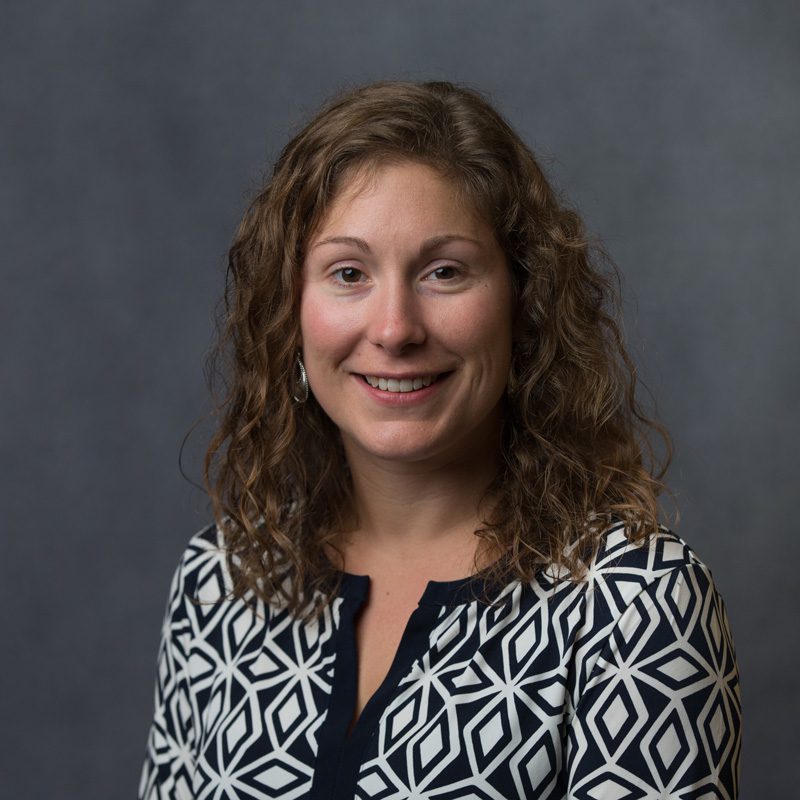
Katherine W Reeves is an Assistant Professor at the School of Public Health and Health Sciences , University of Massachusetts Amherst. Her research focuses on environmental health , epidemiology , and public health with particular emphasis on neoplasms and women's health . Key research areas: Environmental exposure effects, Hormonal biomarkers, Cancer risk factors Major collaborations: Women's Health Initiative, Nurses' Health Study II Reeves's work examines relationships between phthalate exposure , endocrine disruption , and cancer risk across multiple studies. Her publications highlight connections between environmental pollutants and health outcomes in postmenopausal women . Scientific contributions include: Developing statistical methods for longitudinal studies Investigating endocrine-disrupting chemicals Exploring melatonin and cancer associations
Sadeddin Çalışkan is a Professor of Physiology at Süleyman Demirel University (SDÜ) and Pamukkale University (PAU). He holds academic ranks including Professor (Süleyman Demirel University, 1994), Associate Professor (Atatürk University, 1987), and has served as the Chair of Physiology Departments at both institutions. His research focuses on physiological mechanisms in oxidative stress, electromagnetic field effects, metabolic disorders, and respiratory health. He has led numerous national projects and published extensively in peer-reviewed journals. Education: BSc in Biology, Atatürk University (1977) MSc in Physiology, Atatürk University (1981) PhD in Physiology, Atatürk University (1984) Research Interests: His work spans experimental physiology, particularly investigating the impacts of environmental factors (e.g., electromagnetic fields, air pollution) on organ systems. He has pioneered studies on exercise physiology in hypertensive rats and the effects of metabolic syndrome on adipose tissue. Publications Trends: Recent work emphasizes systemic genotoxicity in eye diseases, oxidative stress modulation via exercise, and environmental toxin effects on respiratory and reproductive systems. His articles frequently address translational physiology with clinical relevance. Awards: Poster Award at 34th National Physiology Congress (2007) Second Prize at National Pediatric Endocrinology and Diabetes Congress (2006) Administrative Roles: He has held significant roles including Chair of Physiology at SDÜ (1994–2011), SDÜ Health Sciences Institute Director (1994–2000), and PAU Ethics Committee membership (2019–2020). He currently teaches courses like Exercise Physiology and Endocrine System & Metabolism at doctoral and undergraduate levels.
Susan Bailey Gurley, MD, PhD is the Kenneth T. Norris, Jr. Chair and Chair of the Department of Medicine at the Keck School of Medicine, University of Southern California . She is a Physician Scientist specializing in nephrology with over 20 years of expertise in diabetic nephropathy , hypertension , and the renin-angiotensin system (RAS) . Her leadership roles include directing the Division of Nephrology & Hypertension at Oregon Health & Science University (OHSU) and serving as interim chair at OHSU from 2021-2023. Education: PhD in Biophysical Chemistry , University of Mississippi MD, Washington University School of Medicine in St. Louis, MO Residency in Internal Medicine and Fellowship in Nephrology , Duke University School of Medicine Research Interests: Dr. Gurley's work focuses on mouse models of diabetic nephropathy and hypertension , with a particular emphasis on ACE2 and angiotensin II receptors in blood pressure and kidney injury. Her studies span genomic and metabolomics analyses , conditional gene targeting , and cardiovascular-renal interactions . Her recent publications highlight ACE2 deficiency in acute kidney injury, sex differences in RAS , and translational implications of her work for hypertension and diabetic complications . Scientific Recognition: She holds the Kenneth T. Norris, Jr. Chair in Medicine , a prestigious academic appointment reflecting her leadership in clinical and research nephrology . Her publications in high-impact journals like Hypertension , JASN , and Kidney International demonstrate her sustained contributions to RAS biology and kidney disease mechanisms . Leadership & Practice: As Chair, she oversees the Department of Medicine at Keck, emphasizing academic development and biomedical research . She also practices clinically at Keck Hospital of USC and USC Norris Cancer Hospital , with expertise in internal medicine and transplant nephrology . Her work bridges basic science , translational research , and clinical leadership in kidney disease and hypertension .
Dr. Anouk Gijbels is a researcher at Wageningen University & Research, affiliated with the Nutrition, Metabolism and Genomics group within the Human Nutrition and Health subdivision. Her work focuses on precision nutrition for cardiometabolic health, particularly investigating how personalized dietary interventions based on metabolic phenotypes can improve outcomes for individuals with insulin resistance. She holds a BSc (cum laude) in Health Sciences from Vrije Universiteit Amsterdam (2015) and an MSc (cum laude) in Nutrition and Health from Wageningen University (2017). Her PhD (2017–2023) at the same institution centered on the PERSON study , a pioneering randomized clinical trial testing tissue-specific dietary interventions for cardiometabolic benefits. This trial demonstrated that precision nutrition tailored to metabolic phenotypes outperforms generalized guidelines. Her research integrates metabolomics, immunometabolism, and clinical trials to explore insulin resistance mechanisms in liver and muscle tissues. Key projects include analyzing gut microbiota, inflammatory markers, and postprandial metabolite profiles to develop predictive metabolic scores for personalized nutrition. She collaborates with Maastricht University on diabetes and metabolism research. Teaching responsibilities include courses on research methodology for nutrition and health (HNH25806/HNH26306). She has no listed ancillary activities beyond academic work.
Roselinde Goselink is a Group Leader in Animal Nutrition at Wageningen University & Research. Her research focuses on dairy cow nutrition, metabolic health, and sustainable livestock management. She leads projects addressing phosphorus metabolism, lactation length optimization, and greenhouse gas mitigation through feed strategies. Key areas of interest include transition cow physiology, rumen adaptation, and the impact of maternal conditions on offspring. Her work spans nutritional strategies for improving cow health, reducing environmental emissions, and enhancing farm profitability. Notable contributions include studies on low-phosphorus diets, machine learning applications in lactation management, and breath analysis for disease detection. Dr. Goselink actively collaborates with industry partners, contributing to applied solutions for the dairy sector. Project Leadership: 13 ongoing projects, including 'Toekomstbestendige en verantwoorde zuivelsector' and 'Voeding op Maat' Research Output: Over 100 publications since 2011, with recent focus on 2025 articles on phosphorus balance and lactation personalization Awards: None explicitly listed, though her work is recognized through industry collaborations and media features She advises on PhD research (e.g., Yvette Aarts’ project on lactation length) and has contributed to policy-relevant studies like the 'KringloopWijzer' guidelines for reducing emissions. Her interdisciplinary approach integrates nutrition science with technological innovations for sustainable dairy systems.
Gisela Ambagtsheer is a Researcher in the Department of Surgery at Erasmus Medical Center, Erasmus University Rotterdam, specializing in advanced kidney transplantation techniques. Her work bridges surgical innovation with biomedical engineering to optimize organ preservation. Her primary research focuses on machine perfusion technology for kidney transplants, particularly normothermic machine perfusion systems that maintain physiological conditions during organ transport. Key methodologies include real-time imaging (Power Doppler, photoacoustic, laser speckle contrast) to assess vascular integrity, microcirculation, and metabolic function. Collaborative projects involve porcine DCD models and clinical studies on immunological impacts of metabolic surgery. Recent publications demonstrate strong trends in translational engineering applications for transplant surgery, with 5 articles since 2023 in journals like Artificial Organs and Heliyon . Research spans three core domains: (1) Perfusion parameter optimization (arterial pressure, oxygenation), (2) Novel imaging biomarkers for graft viability, and (3) Immune-metabolic interactions in obesity-related transplantation. Her collaborative network includes engineering departments (Dankelman, van Soest) and clinical specialists (Clahsen-van Groningen, Minnee) across Erasmus MC, with significant external partnerships in biomedical optics and transplant immunology.
Dr. Linnea Freeman is an Associate Professor of Biology and Neuroscience at Furman University, where she leads the Nutritional Neuroscience laboratory. Her research focuses on understanding how high saturated fat diets impair brain function, particularly examining neuroinflammation, blood-brain-barrier integrity, and cognitive decline. She holds a Ph.D. in Neuroscience from the Medical University of South Carolina and completed postdoctoral training at Louisiana State University and the Medical University of South Carolina, where she also served as an Adjunct Professor in Biology and Psychology. Dr. Freeman's academic journey includes a B.S. in Biochemistry and Molecular Biology from the University of Massachusetts - Amherst, where she received the Dean Slakey Award for Research. Her work has been supported by grants including a National Institute of Aging Predoctoral NRSA Award and a K12 Career Development Program grant studying sex differences in food reward seeking. Her research portfolio spans over 20 peer-reviewed publications, with a focus on mechanisms linking diet to neurodegeneration, including studies on Alzheimer's disease, obesity-related brain pathology, and the gut-brain axis. Key findings include identifying how high-fat diets disrupt hippocampal function and exacerbate inflammation in aging rats. Awards: Undergraduate Research Fellowship, Dean Slakey Award, NIA F31 NRSA Grant, BIRCWH K12 Grant Teaching: Taught courses in Neurobiology, Neuropsychopharmacology, and introductory Biology Labs: Current projects investigate diet-microbiota interactions and blood-brain barrier integrity in cognitive health
Paul Franks is a Professor of Genetic and Molecular Epidemiology at Lund University, affiliated with the Clinical Sciences department in Helsingborg. He serves as Principal Investigator for multiple research initiatives, including EpiHealth, EXODIAB, and eSSENCE. His work focuses on precision medicine for cardiometabolic diseases, emphasizing global health equity, particularly in low- and middle-income countries (LMICs). Research Interests: - Precision Medicine for cardiometabolic diseases (type 2 diabetes, cardiovascular disease) - Genetic and environmental interactions in disease etiology - Trans-ethnic genetic analyses - Global health disparities and leapfrog development in healthcare. - Machine learning for disease prediction and stratification. Key Projects: - Precision Omics Initiative Sweden (PROMISE) - IMI2 SOPHIA: Obesity phenotyping - Dissecting disease heterogeneity through precision medicine grants. Grants: - Dir Albert Påhlssons stiftelse (2025-2026) - EU IMI2 funding (SOPHIA, DIRECT) - Multiple international collaborations. Labs/Teams: - Leads the Genetic and Molecular Epidemiology research group. - Co-chairs global initiatives like the Precision Health in Diabetes program.
Jessica Nouws, PhD, is an Associate Research Scientist in Pulmonary, Critical Care & Sleep Medicine at Yale School of Medicine. She holds an EMBO fellowship and specializes in metabolic disorders, mitochondrial biology, and pulmonary fibrosis. Her research integrates molecular biology, genetics, and clinical studies to address obesity-related metabolic pathologies. Education: PhD in Pediatrics, Radboud University Nijmegen Medical Center (2013) Short-term fellowship in Aging & Health, Newcastle University (2012) MSc from Wageningen University (2008) Research Interests: Dr. Nouws focuses on mechanisms linking mitochondrial dysfunction to lung disease, metabolic disorders (e.g., insulin resistance), and obesity. She investigates genetic variants influencing NAFLD and explores stem cell-driven lung repair mechanisms. Her work bridges basic science and clinical applications, particularly in pediatric and adolescent populations. Publications: Her recent work addresses IPF pathogenesis via proteostasis signaling, mitochondrial regulation in emphysema, and ECM dynamics in obesity-related insulin resistance. Earlier contributions include landmark studies on ACAD9’s role in complex I biogenesis and genetic drivers of metabolic phenotypes. Awards: EMBO fellow Collaborations: Dr. Nouws collaborates with clinicians and researchers such as Maor Sauler (pulmonary fibrosis), Nicola Santoro (metabolic genetics), and Alla Vash-Margita (obesity studies). Her interdisciplinary team spans Yale’s Pulmonary Division and metabolic disease programs. Labs/Teams: Her research is embedded within Yale’s Pulmonary, Critical Care & Sleep Medicine Department, leveraging institutional resources in translational medicine and metabolic research.
Tzu-Chieh Huang is a Postdoctoral Associate in the Department of Psychiatry at Yale School of Medicine . Their research focuses on neuroscience, neurodevelopmental disorders, peripheral nerve regeneration, epigenetics, and molecular biology . They utilize advanced techniques in cellular engineering, animal modeling, and molecular pathway analysis to investigate mechanisms of neuroinflammation, axonal repair, and vascular dysfunction . Key research themes include: Epigenetic regulation via HDAC/NF-κB pathways in Schwann cells MicroRNA-mediated endothelial-macrophage communication Mechanotransduction in nerve compression injuries Development of controlled-force neuropathy models Stem cell differentiation for neural and dermal regeneration Dr. Huang employs interdisciplinary approaches spanning biomedical engineering, molecular genetics, and computational imaging to advance regenerative therapies.
Janet Funk, MD, FACP is a Professor in the Department of Medicine at the University of Arizona. Her research focuses on the intersection of endocrinology, oncology, and natural product pharmacology, particularly investigating breast cancer bone metastasis mechanisms, estrogen signaling pathways, and the therapeutic potential of turmeric-derived compounds like curcumin. She leads clinical trials assessing dietary supplements in chronic diseases such as rheumatoid arthritis and type 2 diabetes, emphasizing cardiometabolic health and inflammation reduction. Her work spans preclinical models (e.g., murine breast cancer metastasis) and human clinical studies, addressing topics such as β-glucuronidase-mediated drug activation in bone, FSH-adiposity relationships in postmenopausal women, and exercise-induced epigenetic changes. Funk’s research also evaluates natural product safety and efficacy, including turmeric’s effects on bone health and its potential hepatotoxicity risks. Key themes in her articles include: Estrogen receptor biology in metastatic breast cancer progression Bone microenvironment interactions with tumor cells Curcuminoid metabolism and activation pathways Cardiometabolic risk factors in young populations Skeletal muscle adaptations to exercise Her studies often combine molecular biology techniques with clinical trials, highlighting translational research bridging basic science and patient care. Current efforts include investigating inspiratory muscle training for diabetes management and exploring novel drug candidates targeting TGFβ signaling in bone metastases.
Christopher Sinal is a Professor in the Department of Pharmacology at Dalhousie University's Faculty of Medicine, where his research focuses on adipocyte biology and chemerin signaling pathways in metabolic diseases. His laboratory has made seminal contributions including the identification of chemerin as a key regulator of adipocyte differentiation and systemic energy metabolism. His academic background comprises: BSc from McMaster University BSc from the University of Western Ontario PhD from the University of Western Ontario Postdoctoral Fellowship at the National Institutes of Health Dr. Sinal's research program centers on the molecular mechanisms governing adipocyte development and function, with particular emphasis on chemerin's role in obesity, diabetes, osteoporosis, and inflammatory conditions. His work bridges adipose tissue biology with bone metabolism, liver disease, and cancer through investigations of adipokine signaling in the bone microenvironment and gut-liver axis. Current projects explore chemerin isoform-specific effects in NAFLD pathogenesis and therapeutic applications of adipokine modulation. Analysis of his recent publications reveals a cohesive research trajectory focused on chemerin signaling across metabolic and inflammatory disorders. His work demonstrates how adipokines influence lung injury in obesity, hepatic stellate cell activation in fibrosis, and tumor-microenvironment interactions in hepatocellular carcinoma, highlighting translational potential for metabolic disease therapeutics. Dr. Sinal leads an active research laboratory within the Department of Pharmacology that employs molecular, cellular, and in vivo approaches to investigate adipocyte biology. His team utilizes genetically modified mouse models, primary cell cultures, and omics technologies to dissect signaling pathways relevant to obesity complications and metabolic syndrome. Information regarding student advising, specific research grants, and scientific awards was not provided in the source materials.
Suzanne L. Munns is a Professor in the Department of Biological Sciences within the College of Science and Engineering at James Cook University, Australia. With a research career spanning over two decades, Dr. Munns has established herself as a leading expert in comparative physiology, particularly in reptile respiratory systems and sea turtle conservation biology. Her innovative work has been consistently published in high-impact journals including the Journal of Experimental Biology, Conservation Physiology, and Respirology, demonstrating her interdisciplinary approach that bridges basic physiological research with applied conservation science. Dr. Munns' research interests center on comparative physiology with specific focus on respiratory function in reptiles and sea turtles. Her groundbreaking work on crocodilian respiration (including the famous 'crocodiles on treadmills' studies) has provided critical insights into evolutionary adaptations of respiratory systems. More recently, she has pioneered the application of bioelectrical impedance analysis for adipose tissue estimation in sea turtles, developing standardized protocols that have become valuable tools for conservation physiologists worldwide. Her research portfolio also includes important contributions to spirometry reference equations and their application in diverse populations, including work in Papua New Guinea. Analysis of her recent publications reveals a sophisticated integration of traditional physiological techniques with modern technologies including deep learning and CT scanning for wildlife conservation applications. Her work demonstrates a clear trajectory from basic physiological mechanisms toward practical conservation tools, with increasing emphasis on methodological standardization for field applications. The consistent collaboration with researchers across multiple institutions highlights her role as a central figure in conservation physiology networks. Dr. Munns' research has received significant media attention, with coverage in major outlets including Australasian Science, Science Alert, Phys.org, and the Courier-Mail. Her work on 'bum-breathing turtles' (referring to cloacal respiration in certain turtle species) became particularly well-known following features related to Steve Irwin's conservation legacy. Despite this public recognition, she maintains a rigorous scientific approach focused on methodological precision and practical conservation applications. Her educational research focuses on student support systems in higher education, particularly for at-risk students in resource-limited environments. This work demonstrates her commitment to both research excellence and educational innovation, with publications in conferences dedicated to student transitions, achievement, retention, and success. Her dual focus on cutting-edge physiological research and educational improvement reflects a comprehensive academic profile that bridges laboratory science with practical applications in both conservation and education.
Monowarul Mobin Siddique is a Research Assistant Professor in the Department of Nutrition & Integrative Physiology at the University of Utah. His research focuses on lipid metabolism, sphingolipid biology, and their roles in metabolic diseases, cancer, and neurodegenerative conditions. He has contributed to understanding the molecular mechanisms of ceramide desaturase inhibition, autophagy regulation, and the therapeutic potential of natural products. Primary affiliation: University of Utah (since Feb 2023) Research interests span: Sphingolipid signaling in metabolic disorders Autophagy pathways in liver and adipose tissue Anti-inflammatory and hepatoprotective phytochemicals Genetic factors in Parkinson's disease and cancer Preclinical drug development for obesity-related pathologies Publications highlight contributions to understanding ceramide double bond effects on insulin resistance, mechanisms of food dye toxicity, and natural product-based hepatoprotection. His work bridges basic lipid biochemistry with translational applications in disease modeling and therapy. Notable collaborations involve studies on SARS-CoV-2 biology, renal allograft dysfunction, and the role of dihydroceramide desaturase in cancer drug resistance.
Anna Eisenstein, MD, PhD, is an Assistant Professor of Dermatology at Yale School of Medicine and Director of the Hidradenitis Suppurativa Clinic. She specializes in general medical dermatology, treating a wide range of skin conditions and performing skin cancer screenings. Her research focuses on the pathogenesis of inflammatory skin diseases, particularly hidradenitis suppurativa and eczema, with an emphasis on environmental factors such as food preservatives, topical additives, and industrial compounds. She holds a PhD from Boston University School of Medicine (2016) and an MD from Boston University School of Medicine (2016), following an undergraduate degree in Biochemistry from Middlebury College (2007). She completed her residency at Yale New Haven Hospital and a postdoctoral fellowship in Andrew Wang’s lab. Education & Training: Residency: Yale University School of Medicine/Yale New Haven Hospital (2020) Internship: Newton Wellesley Hospital (2017) PhD: Boston University School of Medicine (2016) MD: Boston University School of Medicine (2016) BA: Middlebury College (Biochemistry, 2007) Research Interests: Dr. Eisenstein’s work explores the interplay between environmental exposures and immune-mediated skin disorders. Key areas include: Hidradenitis suppurativa pathogenesis and treatment Environmental triggers for food allergies and eczema Role of NSAIDs and industrial compounds in allergic sensitization Molecular mechanisms of inflammation in skin diseases Lab & Collaborations: The Eisenstein Lab investigates inflammatory skin diseases and environmental influences. Collaborators include Andrew Wang (allergy biology), Henry C. Hsia (dermatology), and Kathleen Cook Suozzi (clinical research). Her work has been published in journals like Immunity , Journal of Investigative Dermatology , and Clinical and Experimental Dermatology . Grants & Funding: Supported by grants from the HS Foundation and NIH (T32AR007016-47, 1K08AI171182-01). Current projects include studies on hidradenitis suppurativa epidemiology and NSAID effects on inflammation.