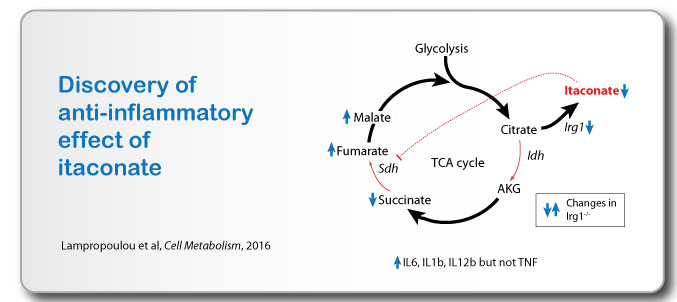
Maxim Artyomov is an Alumni Endowed Professor and Professor of Pathology and Immunology at Washington University School of Medicine , with affiliations to the Institute of Clinical and Translational Sciences (ICTS), Bursky Center for Human Immunology & Immunotherapy Programs (CHiiPs), and Siteman Cancer Center. His research spans Systems Immunology , Immunometabolism , and Cancer Immunology , focusing on integrating epigenetic, transcriptional, and metabolic regulation in immune cells. 2018 promoted to Associate Professor with Tenure 2017 awarded LEAP Inventor Challenge 2018 Unanue Prize for Innovative Research in Immunology Key research contributions include: Discovery of itaconate's anti-inflammatory role (2016) Metabolic reprogramming in macrophage polarization (2015) TREM2's function in microglial metabolic fitness (2017) Development of CORESH gene signature search engine (2025) His high-throughput omics pipelines enable cross-disciplinary analysis of immune responses in tuberculosis, Alzheimer's, and cancer. Notable collaborations include work with Schreiber's lab on immune checkpoint therapy (2018) and ITMO University on systems biology workshops (2017-2018). Awards and grants include the Unanue Prize (2018), LEAP Inventor Challenge (2017), and R01 grant from NIAID (2017). He mentors PhD/MSTP students and co-organizes international systems biology workshops.
Dr. Philip A. Rea is a Professor of Biology and Rebecka and Arie Belldegrun Distinguished Director of the Life Sciences & Management Program at the University of Pennsylvania's School of Arts and Sciences. With over 100 publications and two co-authored books, his work spans fundamental biochemical research and science communication, focusing on life sciences implementation challenges. Education: D.Sc. (2020) and D.Phil. in Plant Biochemistry (University of Oxford), B.Sc. First Class Honors in Biological Sciences (University of Sussex) Dr. Rea's research explores transport phenomena and cellular detoxification, including vacuolar proton pumps and ABC transporters in plants, yeast, and nematodes. His work has significant applications in phytoremediation and combating parasitic diseases. His recent publications and book Managing Discovery in the Life Sciences (2018) analyze the transition from laboratory discovery to market success through case studies like statins, ivermectin, and metformin. These works highlight serendipity in biomedical innovation and investor-driven discovery management. Scientific Awards: Jesse H. Neal Award (2025) for technical/scientific content AAAS Fellow (2013) for membrane transport research National Academies Cozzarelli Prize (2010) for original research Multiple teaching honors including Lindback Foundation Award (2014) and Ira H. Abrams Award (2009) Society for Experimental Biology President's Medal (1990) Teaching: Proseminar in Management and the Life Sciences (LSMP 1210) Biochemistry (BIOL 2810) Focus on problem-solving with incomplete datasets
Jing Fan is an Associate Professor of Medical Microbiology & Immunology at the University of Wisconsin-Madison and a metabolism investigator at the Morgridge Institute for Research. She serves as a faculty trainer in multiple graduate programs, including Cellular and Molecular Biology (CMB) and the Integrated Program in Biochemistry (IPiB). Education: PhD, 2014, Princeton University Her research focuses on metabolic reprogramming in immune and cancer cells, particularly macrophages and neutrophils during immune responses and tumor microenvironment interactions. She employs metabolomics, lipidomics, and fluxomics integrated with biochemical and genetic techniques. The 15 most recent publications highlight her lab's work on metabolic flexibility in neutrophils and macrophages nutrient utilization during immune activation epigenetic regulation by metabolic pathways metabolic interactions in tumor microenvironments systems-level metabolic flux analysis translational applications for immunotherapy . She leads the Fan Lab, which includes current team members such as graduate students Carlos Mellado Fritz, Nick Arp, and Jorgo Lika, alongside postdoctoral fellows James Votava and Julia Nunes. Alumni include PhD graduates Emily Britt (Thermo Fisher Scientific) and Gretchen Seim (Genentech), as well as MD/PhD graduate Laura Steenberge (University of Pittsburgh Residency).
Tommy Lundberg is a Senior Lecturer and Docent in Physiology at Karolinska Institutet. He works at the Department of Laboratory Medicine, Division of Clinical Physiology. His email address is tommy.lundberg@ki.se, and his postal address is H5 Laboratoriomedicin, H5 Klinisk Fysiologi Gustafsson, 141 52 Huddinge. Lundberg is affiliated with the university library and has held positions since 2022. Research Interests: Lundberg's research focuses on skeletal muscle mass and function adaptation, particularly in athletic performance, disease contexts, aging, and transgender individuals undergoing hormone therapy. He investigates molecular, metabolic, morphological, and functional responses to resistance and aerobic exercises. His work also explores biological maturity selection biases in youth sports, bio-banding applications in soccer and ice hockey, and the impact of anti-inflammatory drugs on muscle hypertrophy. Article Trends: Lundberg's recent publications (2025–2024) cover topics like sex differences in disc golf, muscle atrophy in space exposome, longitudinal hormone therapy effects in transgender individuals, and bio-banding in youth sports. Earlier works delve into molecular pathways in muscle hypertrophy, concurrent training effects, mitochondrial function, and imaging techniques (CT/MRI) for muscle assessment. Scientific Recognition: Most prominent young researcher in Sport Science, Swedish Central Association for Sport Promotion (SCIF), 2017 Teaching and Editorial Roles: Lundberg teaches human physiology and sports science in nursing, physiotherapy, and biomedical analytics programs. He leads a contract education course in advanced exercise physiology and contributes to a PhD course on scientific writing. He is an Associate Editor for Frontiers in Physiology - Exercise Physiology (2022) and a member of the editorial board for Translational Exercise Biomedicine (2024). Collaborations and Expertise: He collaborates with the Swedish Football Association and Swedish Ice Hockey Association on bio-banding studies. Lundberg served as an invited speaker at the ACSM Annual Meeting (2024) on transgender athletes and as an expert panelist for World Rugby's transgender workshop (2020). His supervision includes Andrea Tryfonos (2021) and thesis evaluations at Mid Sweden University and Linköping University.
Jiangwen Sun is an Assistant Professor in the Department of Computer Science at Old Dominion University (ODU), within the College of Science. He directs the ODU Computational Systems Medicine Lab and focuses on machine learning approaches for analyzing multi-dimensional biological data (phenome, genome, transcriptome, etc.) to advance precision medicine and its automation. His research is supported by ODU and federal agencies like NIH and NSF. Education: Ph.D., University of Connecticut M.E., Nanjing University, China B.M., Secondary Military Medical University, China Research Interests: Machine learning/data mining for medicine, health, drug discovery, and bioinformatics Multi-view bi-clustering and integrative analysis of genomic/phenotypic data Phenotype refinement and genetic association studies for complex diseases Applications in addiction medicine, cardiovascular biology, and bovine development Publications: Over 40 peer-reviewed articles in top venues like NIPS, ICML, Bioinformatics, and BMC Genomics. Recent work focuses on cryo-EM protein structure analysis, single-cell multiomics, and epigenetic modeling. Awards/Grants: NIH/NSF funding pending; previously supported by UConn's Health Informatics Lab and collaborations with University of Pennsylvania. Teaching: Courses include Machine Learning (CS722/822), Data Structures (CS361), and Deep Learning in Medicine (CS795/895). Labs/Teams: Leads the ODU Computational Systems Medicine Lab and collaborates with UConn Health Informatics Lab, Penn Medicine, and others.
Andrew C. Shin is an Assistant Professor at Texas Tech University within the Department of Nutritional Sciences . His work bridges metabolic health , neuroendocrinology , and neurodegenerative diseases , with a focus on how the brain regulates glucose homeostasis , BCAA metabolism , and bariatric surgery mechanisms . Ph.D. in Neuroscience, Michigan State University (2008) Postdoctoral Fellow, Pennington Biomedical Research Center and Icahn School of Medicine at Mount Sinai Dr. Shin’s research explores the neural pathways involved in appetite regulation , nutrient partitioning , and metabolic resistance . His NIH-funded projects investigate insulin signaling in POMC neurons , BCAA dynamics , and nicotine’s metabolic effects . Recent work highlights the role of the autonomic nervous system in BCAA regulation and its implications for obesity and diabetes . His 15 most recent publications reflect a focus on AI applications in nutrition , BCAA-related pathologies , Alzheimer’s disease , and metabolic surgery outcomes . Key themes include neuroendocrine control , nutritional interventions , and environmental impacts on metabolism . Scientific Awards NIH K01 Award Dr. Shin directs the Mouse Metabolic Phenotyping Facility and collaborates on synbiotic trials for cognitive aging . His work spans basic science and translational research , addressing metabolic disorders and their neurological consequences .
Sachi Horibata is an Assistant Professor in the Department of Pharmacology & Toxicology at Michigan State University (MSU), affiliated with the College of Human Medicine. She is also associated with the Precision Health Program and the Neuroscience Program. Her research focuses on cancer biology, drug discovery, and computational genomics, with a particular emphasis on understanding mechanisms of drug resistance in cancers like acute myeloid leukemia (AML) and breast cancer. Dr. Horibata’s work integrates proteomics, transcriptomics, and cellular models to uncover therapeutic targets and biomarkers. She holds a PhD in Biological and Biomedical Sciences from Cornell University (2010–2016). Her research interests include genomic analysis of cancer heterogeneity, enzyme-driven cancer progression (e.g., PAD enzymes), and immune evasion mechanisms in tumors. Her recent studies highlight the role of protein citrullination in cancer cell migration and endocrine resistance. Dr. Horibata’s publications span topics in oncology, immunology, and molecular biology, with a focus on translational research. She teaches PHM 802: Cellular, Molecular and Integrated Systems Pharmacology. Her lab is located in the Interdisciplinary Science and Technology Building at MSU.
Sergio Burgos, PhD is an Associate Professor in the Department of Animal Science at McGill University's Faculty of Agricultural and Environmental Sciences, and a Scientist at the Research Institute of the McGill University Health Centre (RI-MUHC). He leads an interdisciplinary research program integrating animal nutrition, human health, and environmental sustainability. Pan-American School of Agriculture, Zamorano, Honduras (Agrónomo) University of Florida (BSc Animal Science) University of California, Davis (MSc Animal Science) University of Guelph (PhD Animal Science, 2009) Research Focus examines protein foods' roles in: Human Nutrition & Cardiometabolic Health Dairy Production Systems & Rumen Microbiome Milk Metabolomics & Bioactive Compounds Climate Impact Reduction through Dietary Transitions Publication Trends demonstrate: 2024-2025: Prioritization of plant-animal protein substitutions for climate & health 2020-2023: Mechanistic studies on amino acid regulation of mammary cell function 2016-2020: Foundational work on insulin resistance and dairy nutrition Awards Richard and Edith Strauss Postdoctoral Fellowship (2010-12) Professional Affiliations Regroupement OptiLAIT (2015-present) American Society for Nutrition (2015-present) Canadian Diabetes Association (2012-present) Teaches core courses in animal nutrition, protein metabolism, and computational ration balancing.
Hadi Al-Hasani serves as University Professor and Director of the Institute for Clinical Biochemistry and Pathobiochemistry at the German Diabetes Center (DDZ), affiliated with Heinrich Heine University Düsseldorf's Medical Faculty. He concurrently leads the Research Group Pathochemistry, focusing on molecular mechanisms of diabetes and metabolic disorders through biochemical and genetic approaches. His primary research domains include Diabetes Pathogenesis , Insulin Signaling Pathways , and Metabolic Regulation , with specific expertise in Rab GTPase proteins (TBC1D1/TBC1D4), glucose transporter dynamics, and islet biology. Utilizing polygenic mouse models, his work bridges molecular biochemistry with clinical metabolic phenotypes to identify therapeutic targets for diabetes and obesity. Analysis of his 2007-2018 publications reveals consistent innovation in diabetes mechanisms, particularly through comparative genomics of insulin secretion pathways and Rab-GAP protein functions. His research demonstrates progressive exploration from foundational GLUT4 trafficking studies (1998) to contemporary investigations of metabolic syndrome gene networks and tissue-specific insulin resistance. Professor Al-Hasani's laboratory operates within the Pathochemistry Research Group at the Institute for Clinical Biochemistry and Pathobiochemistry, where his team integrates biochemical, genetic, and physiological methodologies to dissect molecular pathways underlying metabolic disease progression.
Eduardo N. Chini, M.D., Ph.D., is a Professor at Mayo Clinic with primary and joint appointments in the Department of Anesthesiology and Perioperative Medicine and the Department of Cancer Biology. He is based in Rochester, Minnesota, and leads a research program focused on NAD metabolism, aging, and their roles in diseases such as cancer, obesity, and kidney disease. Education: BS in Biology, Centro Educacional de Niteroi-RJ MD, Universidade do Rio de Janeiro PhD in Biological Chemistry, Universidade do Rio de Janeiro Fellow, Department of Physiology and Biophysics, Mayo Clinic Resident in Anesthesiology, Mayo Clinic College of Medicine Research Interests: Eduardo N. Chini's research investigates the central role of nicotinamide adenine dinucleotide (NAD) in cellular metabolism, aging, and disease. His lab has made foundational discoveries in NAD catabolism, identifying CD38 as the primary enzyme regulating NAD levels in mammals. His work explores SIRT1 regulation via CD38 and DBC1, NAD metabolism in cancer, and its implications in polycystic kidney disease. He is particularly interested in how NAD signaling influences aging, metabolic syndrome, and organ dysfunction. Recent Research Trends: His recent publications (2023–2025) reveal a strong focus on the role of CD38 in aging, immune function, and tissue metabolism. Key themes include NAD+ depletion triggering inflammatory responses, CD38 inhibition as a therapeutic strategy for cardiotoxicity and metabolic aging, and the interplay between senescence, stem cell function, and mitochondrial health. His work increasingly integrates translational models with molecular mechanisms in aging and cancer. Scientific Awards: Florida Investigator of the Year, Mayo Clinic (2024) Glenn/AFAR Breakthroughs in Gerontology Award (2007) Edward C. Kendall Award, Mayo Clinic Alumni Association (2002) Directors Award for Aging Research, Kogod Center on Aging (2018) Distinguished Scientist Seminar Series, Georgetown Medical School (2022) Grants and Leadership: Dr. Chini is a co-Principal Investigator on multiple NIH-funded grants, including projects on CD38 in scleroderma, CLL, and male reproductive aging. He is Co-Director of the Mayo Clinic Mitochondrial Care Center and Associate Director of the Robert and Arlene Kogod Center on Aging. He has served on numerous national review panels and advisory councils, including the NIH Hepatobiliary Pathophysiology Study Section and AFAR's National Scientific Advisory Council. Labs and Teams: Dr. Chini leads a research laboratory at Mayo Clinic focused on NAD metabolism and aging. His team collaborates extensively with experts in cancer biology, mitochondrial medicine, and aging research. He is affiliated with the Mayo Clinic Comprehensive Cancer Center, the Kogod Center on Aging, and the Robert M. and Billie Kelley Pirnie Translational PKD Center.
Rana K. Gupta, PhD , is the W. David and Sarah W. Stedman Distinguished Professor of Medicine and Cell Biology at Duke University School of Medicine and serves as Section Chair of Basic Sciences within the Duke Molecular Physiology Institute . Previously, he spent ten years on the faculty at the University of Texas Southwestern Medical Center. His laboratory investigates the developmental biology and molecular regulation of adipose tissue, with the goal of translating insights into therapies for obesity and metabolic diseases. Education & Training: PhD, University of Pennsylvania (2006) Research Fellow, Dana-Farber Cancer Institute, Cell Biology (2006–2012) Research Interests: Dr. Gupta’s work centers on two inter-related themes: (1) the transcriptional networks that establish and maintain white, brown, and beige adipocyte lineages, with a spotlight on the zinc-finger factor ZFP423 ; and (2) the heterogeneity and functional specialization of adipocyte progenitor cells during healthy versus pathological adipose-tissue expansion. Using single-cell multi-omics, lineage tracing, and metabolic phenotyping in mice and humans, his team deciphers how distinct progenitor pools orchestrate adipogenesis, angiogenesis, and immune remodeling in obesity. Key Publications: Across 78 peer-reviewed papers (2010-2025), Dr. Gupta has defined ZFP423 as a molecular brake on adipocyte thermogenesis, uncovered PDGFRβ+ progenitor subpopulations that drive hyperplastic adipose growth, and demonstrated that inducible Zfp423 deletion can convert white adipocytes into energy-burning beige cells to reverse diet-induced obesity. Recent single-cell atlases further reveal sex- and depot-dependent progenitor heterogeneity, providing a roadmap for targeted metabolic therapies. Scientific Awards & Honors: W. David and Sarah W. Stedman Distinguished Professorship Funding & Training Leadership: Principal Investigator on 13 active NIH, ADA, and foundation grants (2021-2029) Director, Endocrinology and Metabolism Training Program (NIDDK T32) Co-Investigator, Medical Scientist Training Program (NIGMS T32) Mentor to 6 postdocs, 4 graduate students, and numerous undergraduates and research technicians Lab Teams & Collaborations: The Gupta Lab at Duke is a multi-disciplinary team of postdoctoral fellows (Pablo Morales, Wenxin Tong), graduate students (Ashley Truong), instructors (Jessica Cannavino), and research analysts (Krissy Campbell, Lavanya Vishvanath) collaborating closely with the Duke Molecular Physiology Institute to integrate genomics, physiology, and translational medicine.
Professor Samuel Fountain is a leading academic in pharmacology at the University of East Anglia, where he serves as Chair of Pharmacology within the School of Biological Sciences. He holds additional leadership roles as Associate Pro-Vice-Chancellor of the UEA Doctoral College and has previously served as Associate Dean for Postgraduate Research and Director of the Biomedical Research Centre. He is actively supervising multiple PhD students and securing major research funding. BSc (Hons) Pharmacology, University of Leeds (1997–2000) MRC-funded PhD, University of Leeds (2000–2004) Wellcome Trust Research Associate, University of Manchester (2004–2008) BBSRC David Phillips Fellow, University of Leeds (2008–2010) Lecturer to Professor of Pharmacology, University of East Anglia (2010–present) His research focuses on the role of ion channels—particularly P2X receptors—in vascular and adipose tissues, with implications for cardiometabolic diseases. His work integrates pharmacology, physiology, and molecular biology to understand neurovascular and neuroadipose communication, receptor-ligand interactions, and drug discovery. He employs techniques such as pressure myography, patch-clamp electrophysiology, calcium imaging, and molecular modelling. The analysis of his recent publications reveals a strong emphasis on purinergic signalling, ion channel pharmacology, and autonomic control of blood vessels and fat tissue. His work bridges basic science with translational applications, particularly in hypertension, obesity, and metabolic syndrome. Collaborations with AstraZeneca, Merck, and the British Heart Foundation underscore the clinical and pharmaceutical relevance of his research. Notable scientific recognition includes the prestigious BBSRC David Phillips Fellowship. He also contributes to the academic community through editorial roles, including as Editor of Purinergic Signalling , and as a member of the British Pharmacological Society and The Physiological Society. Professor Fountain actively mentors postdoctoral researchers and PhD students, several of whom are funded by BBSRC, BHF, and AstraZeneca iCASE awards. His lab is supported by significant grants from the British Heart Foundation, BBSRC, and industry partners, enabling cutting-edge research in vascular and metabolic pharmacology. He leads multiple active projects on neurovascular transmission, purinergic control, and drug discovery for P2X receptors. His research group operates within the Cells and Tissues research theme at UEA and utilizes advanced experimental platforms including human tissue studies, high-throughput screening, and computational ligand docking. The lab fosters interdisciplinary collaboration between pharmacologists, physiologists, and clinicians, positioning it at the forefront of autonomic and metabolic research.
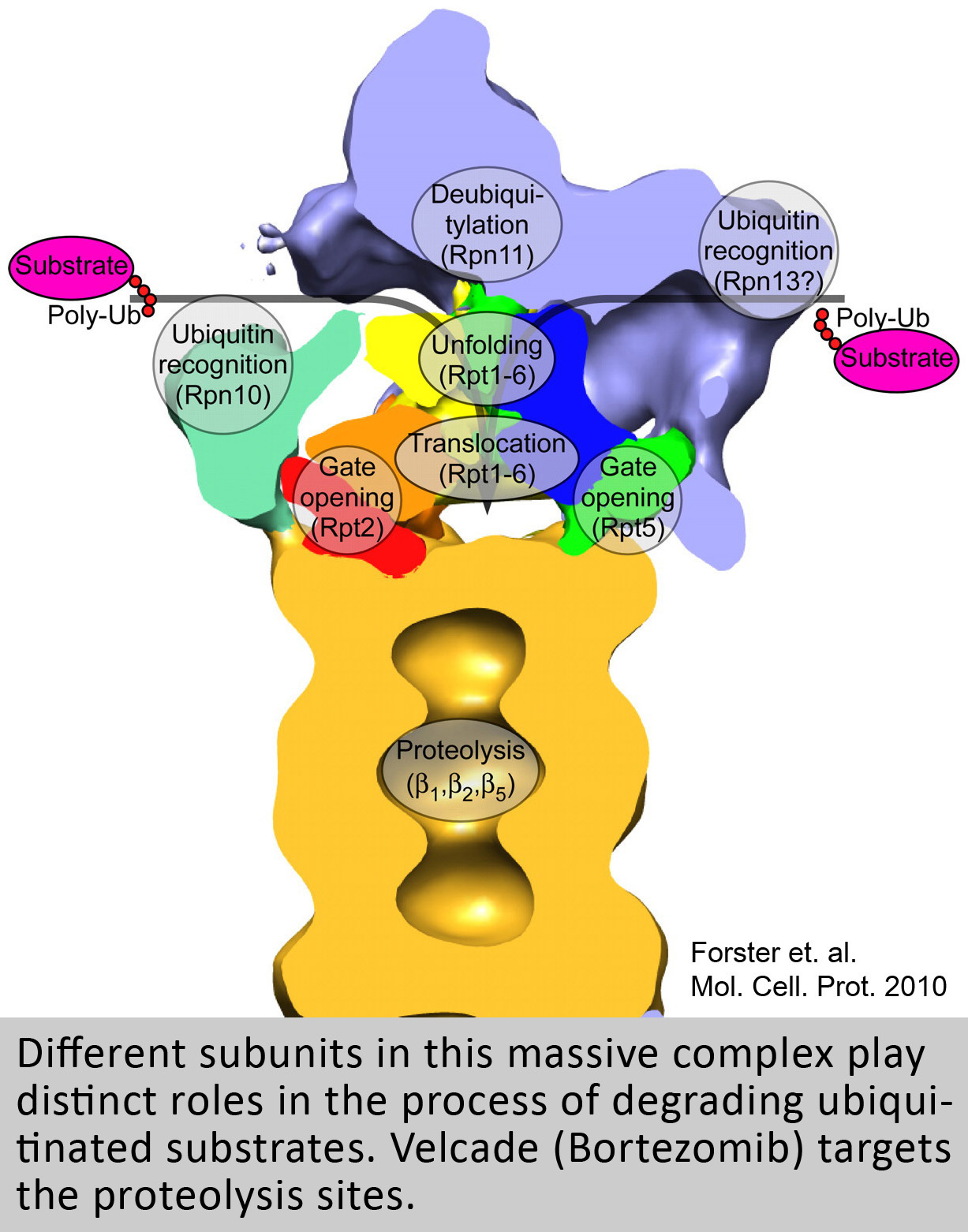
David M. Smith is a Professor at the West Virginia University School of Medicine , holding dual appointments in the Biochemistry and Molecular Medicine and Neuroscience departments. He is also a member of the WVU Cancer Institute and affiliated with the Rockefeller Neuroscience Institute . PhD from the University of South Florida School of Medicine Postdoctoral training at Harvard Medical School Research Focus : Molecular mechanisms of proteasome function, including substrate recognition, unfolding, and degradation. His work bridges fundamental enzymology with translational applications in cancer therapy and neurodegenerative diseases like Alzheimer's and Parkinson's. Key Article Trends : Recent publications emphasize proteasome activation mechanisms , neurodegenerative disease models , and structural insights into ATPase function . Grants : NIH R01 GM107129 (Mechanisms regulating proteasomal degradation), NIH R01 AG064188 (Proteasome function in Alzheimer's), and collaborations on projects like Protein-unfolding chaperones for blindness treatment . Lab Personnel : Includes graduate students Thomas Bradley, David Salcedo-Tacuma, Giovanni Howells, and Md Qamrul Islam, along with research technicians and undergraduates. Training emphasizes biochemical, biophysical, and computational techniques.
Professor Sungheon Gene Kim holds a faculty position at the Weill Cornell Medicine Graduate School of Medical Sciences within the Department of Radiology . His research focuses on quantitative MRI methodology for oncological applications , particularly in breast cancer and head and neck cancer . Kim's lab develops advanced dynamic contrast-enhanced MRI (DCE-MRI) and diffusion MRI (dMRI) techniques to assess tumor microenvironment and treatment response . Key research areas include: Tumor vascular properties via 3D UTE-GRASP MRI Cellular microstructural analysis through POMACE framework Adipose-tissue cancer interaction via MR spectroscopic imaging His lab has received continuous funding from the National Cancer Institute (R01CA219964, UG3/UH3CA228699, R01CA160620). Recent publications demonstrate technical advancements in ultrafast MRI reconstruction , deep learning-enhanced perfusion analysis , and multi-parametric tumor characterization . Collaborations with the National Institutes of Health Quantitative Imaging Network have produced novel cellular water exchange rate measurements that correlate with patient survival outcomes .
Dr. Gary K. Owens is a Professor in the Department of Molecular Physiology and Biological Physics at the University of Virginia , with a secondary appointment in the Department of Medicine, Division of Cardiology. He serves as Director of the Robert M. Berne Cardiovascular Research Center and leads groundbreaking research on vascular smooth muscle cell (SMC) dynamics in atherosclerosis. His work challenges conventional paradigms about SMC roles in plaque stability and thromboembolic events. Primary Affiliation: University of Virginia Key Titles: Robert M. Beirne Professor of Cardiovascular Research, Professor, Director of CVRC Research Themes include: Cardiovascular Biology Atherosclerosis Pathogenesis Smooth Muscle Cell Plasticity Epigenetic Regulation Inflammatory Signaling Tumor Metastasis Mechanisms Publication Trends (2015–2024) reveal expertise in Nature Medicine and Circulation studies, focusing on SMC gene regulation (Klf4/Oct4), plaque stability, and cross-talk between vascular cells and tumors. His work demonstrates that SMCs account for >80% of advanced lesion cells and that Klf4 inhibition reduces metastasis by >70%. Lab Leadership includes mentoring PhD students Anita Salamon and Victoria Milosek , alongside senior scientists and postdocs. Collaborations span with Dr. Gwen Randolph (Washington University) and Dr. Rosey Kaplan (NIH) on IL1β signaling and metastasis.