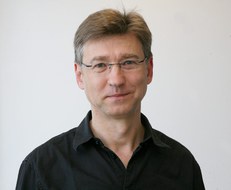
Andrea Reiter is a Professor at the Universitätsklinikum Würzburg, holding the W1-Professur für Lernprozesse in der Entwicklungspsychiatrie, Psychotherapie und Prävention. Her research focuses on decision-making processes in clinical populations, lifespan changes, and the impact of stress/social influences. She employs computational modeling combined with fMRI and EEG. Education: Dr. rer. nat. (summa cum laude, 2016) from University of Leipzig, Master of Advanced Studies in Cognitive Behavioral Therapy (University of Bern), and Diploma in Psychology from Julius-Maximilians-Universität Würzburg (2012). She also studied Literature and Educational Sciences alongside Psychology. Professional Experience includes a research position at TU Dresden (since 2015), guest research at Max Planck Institute for Human Cognitive and Brain Sciences (since 2015), and PhD work at IMPRS NeuroCom (2012-2015). She has clinical experience as a Psychologist at Kreiskrankenhaus Tauberbischofsheim. Research Awards: Austrian Academy Grant (2016), Poster Award (2014), DZ Banken Career Prize (2013), and IMPRS PhD stipend (2012-2015). Her publications (2013-2016) emphasize neuroimaging studies on decision-making deficits in disorders like binge eating and alcohol dependence, with methodological strengths in computational modeling and EEG/fMRI integration.
Univ-Prof. Dr. med. Malek Bajbouj serves as Director of the Institute for Affective Neuroscience and Emotion Modulation at Charité – University Medicine Berlin's Campus Benjamin Franklin (CBF), operating within the Department of Neurology, Neurosurgery and Psychiatry (CC 15). His position integrates clinical leadership with translational neuroscience research focused on severe mental illnesses. Dr. Bajbouj's research program centers on affective neuroscience and emotion dysregulation mechanisms in psychiatric disorders, particularly schizophrenia spectrum conditions and depression. He pioneers multimodal intervention approaches combining neuromodulation (tDCS), oxytocin augmentation, mindfulness therapies, and digital health tools. His work emphasizes translational biomarker development using neuroimaging, machine learning, and physiological stress parameter analysis to personalize treatment for treatment-resistant populations. Analysis of his 2023-2025 publications reveals three dominant research trajectories: (1) novel treatment combinations for negative symptoms in schizophrenia (oxytocin + mindfulness, yoga therapy); (2) real-world implementation of neuromodulation (at-home tDCS protocols, technical efficacy monitoring); and (3) global mental health responses to crises (pandemic impacts on vulnerable groups, culturally adapted refugee interventions). His methodology consistently employs rigorous randomized controlled trials with embedded biomarker studies. As director of his eponymous institute, Dr. Bajbouj leads a multidisciplinary team conducting neuroimaging studies, clinical trials, and international collaborations focused on emotion modulation pathways. The institute coordinates research across CC 15's clinical infrastructure at CBF Building V, with particular emphasis on bridging laboratory neuroscience with clinical psychiatry through the DepressionDC and OXYMIND trial frameworks.
Prof. Dr. Peter Falkai is a Professor and Chair at the Department of Psychiatry and Psychotherapy, LMU University of Munich. He leads regular members of the Munich Cluster for Neuroscience (MCN) and Graduate School of Neuroscience (GSN), with affiliations to the Medical Faculty and various research groups, including the Psychotherapy and Social Neuroscience Research Unit and Center for Neurostimulation (CNS LMU). Primary research focus: Molecular & Developmental Neuroscience Secondary research focus: Behavioral & Cognitive Neuroscience Tertiary research focus: Cellular & Systems Neuroscience His research explores the neurobiological origins of psychotic disorders like schizophrenia, utilizing functional imaging, gene expression analysis in human post-mortem tissue, and lifestyle interventions. He coordinates cross-diagnosis studies, including EU-FP7 PRONIA, and collaborates on neurostimulation, addiction medicine, and precision psychiatry. Prof. Falkai served as President of the German Society for Psychiatry, Psychotherapy and Neurology (DGPPN) from 2010–2012 and on the European Psychiatric Association (EPA) Council of National Societies. He oversees clinical operations, including private wards, outpatient clinics, and specialized units for autism, bipolar disorders, and addiction medicine.
Geert Dom, MD, PhD, is a Full Professor of Addiction Psychiatry at the University of Antwerp and vice-chair of the Collaborative Antwerp Psychiatric Research Institute . He also serves as Medical Director of the PC Multiversum in Boechout, Belgium. His research focuses on the pathogenesis and treatment of addictive disorders, particularly in relation to comorbid psychiatric conditions like ADHD. Current academic affiliation: University of Antwerp Primary research areas: Addiction psychiatry, substance use disorders, comorbidity, non-invasive brain stimulation Recent publications: Opioid maintenance treatment outcomes, psychedelic therapies, and cross-national mental health comparisons
Prof. Dr. phil. Dipl. Psych. Ulrike Kluge is a Professor and Head of the Center of Cross-Cultural Psychiatry and Psychotherapy (ZIPP) at Charité – Universitätsmedizin Berlin. She concurrently leads the Research Division for Intercultural Migration and Care Research within Social Psychiatry and serves as a Senior Researcher at the Berlin Institute for Integration and Migration Research (Humboldt University). Her work focuses on intercultural mental health services and migration-related psychosocial challenges. Research Focus: Kluge specializes in critical migration studies examining psychological impacts of displacement, ethno-psychoanalysis, psychotherapy with cultural interpreters, and group-analytic approaches in transcultural contexts. Her research portfolio includes qualitative investigations into: Mental health consequences of racism and structural discrimination Refugee-host community dynamics Language barriers in healthcare Innovative care models for forced migrants Intercultural opening of mental health systems Key Projects: FOCUS: Forced displacement and refugee-host community solidarity TransVer: Network for intercultural opening of psychosocial care systems reWoven: Refugee women and psychosocial volunteer engagement SeGeMi: Study group on Mental Health and Migration Effectiveness studies on native-language counseling Professional Engagement: She develops training programs for clinicians working with refugees, provides supervision services, and coordinates Berlin-wide networks for refugee mental health care. Her work significantly contributes to professionalizing psychosocial support for asylum seekers through the 'Welcome Culture at Charité' initiative.
Leonhard Schilbach is a Specialist in Psychiatry & Psychotherapy and a Research Group Leader affiliated with the Graduate School of Systemic Neurosciences (GSN) at Ludwig-Maximilians-Universität München (LMU Munich). He is based at LVR-Klinikum Düsseldorf and maintains an active research profile in social neuroscience and psychiatry. His work bridges clinical psychiatry and cognitive neuroscience, focusing on real-time social interaction. His research centers on the second-person neuroscience approach, emphasizing online social cognition—how humans understand each other during actual, dynamic social interactions, as opposed to passive observation ( offline cognition). He investigates the neural and behavioral mechanisms of interpersonal coordination, social motivation, and self-regulation using advanced techniques like functional MRI and dual eye-tracking . His work suggests that social interaction itself is intrinsically rewarding and shapes cognitive processes. His recent publications reveal a strong trend in developing and applying novel methodologies (e.g., dual eyetracking, hyperscanning) to study real-world social dynamics. These works span disciplines including social neuroscience , clinical psychiatry , and cognitive psychology , with applications in understanding disorders such as addiction. The articles emphasize ecological validity and the need for interactive paradigms in social neuroscience. No scientific awards were mentioned in the provided text. Leonhard Schilbach has supervised at least one graduate student, Dr. Lara Henco. While no specific grants are listed, his research group leadership and publication record in high-impact journals suggest active funding. His work likely involves interdisciplinary collaboration, particularly with neuroimaging and computational modeling teams. He leads a research group focused on social interaction and is associated with the GSN at LMU Munich, indicating involvement in a broader network of systemic neuroscience research. His personal website (www.leonhardschilbach.de) serves as a hub for disseminating his scientific contributions and theoretical perspectives.
PD Dr. med. Christian Müller is a Senior Physician and leads the Addiction Disorders Department and the Reconsidering Psychiatric Treatments Working Group at Charité – Universitätsmedizin Berlin. He is affiliated with the Department of Psychiatry and Neurosciences within the Neurology, Neurosurgery and Psychiatry school at Campus Charité Mitte. His research focuses on addiction and innovative approaches to psychiatric treatments. He can be contacted via institutional channels at the provided phone numbers. Affiliations: Charité – Universitätsmedizin Berlin, Department of Psychiatry and Neurosciences. Dr. Müller’s research interests emphasize addiction medicine and re-evaluating clinical practices in psychiatry. His work contributes to advancing evidence-based treatments and understanding neurobiological mechanisms in mental health.
Michael Nothnagel is a Professor at the University of Cologne, where he leads the Department of Statistical Genetics and Bioinformatics within the Cologne Center for Genomics (CCG). His work spans statistical genetics, genetic epidemiology, and forensic genetics, focusing on methodological development and large-scale genomic data analysis. His research interests encompass theoretical and applied statistical genetics, with emphasis on human genetic diversity, disease etiology, and forensic applications. Key areas include Y-chromosomal phylogeography, genome-wide association studies for complex diseases, development of statistical methods for variant interpretation, and forensic marker optimization. His group leverages next-generation sequencing data and specialized forensic markers to address questions in population history, disease mechanisms, and identification systems. Recent publications reveal a strong focus on computational approaches to genetic analysis, including spatial frequency interpolation for haplogroup mapping, polygenic risk score applications for behavioral traits, and advanced methods for variant classification. His work demonstrates consistent integration of statistical theory with practical applications in medical and forensic genetics, often through international collaborations like the VISAGE Consortium. Nothnagel maintains active involvement in the Cologne Center for Genomics, contributing to seminars and collaborative projects including the upcoming 34th International Genetic Epidemiology Society meeting. His research group operates at the intersection of computational biology and medicine, with particular strengths in handling complex genomic datasets and developing novel analytical frameworks for genetic epidemiology.
Thorsten Quandt is a Professor of Online Communication at the University of Münster, affiliated with the Faculty of Arts and Humanities and the Department of Communication Science. His academic journey includes a Ph.D. in Communication Science from TU Ilmenau (2004) and a habilitation from Ludwig Maximilian University of Munich (2008). He has held visiting professorships at the University of California, Santa Barbara (2014) and has been a faculty member at institutions like the University of Hohenheim and Freie Universität Berlin. Quandt's research focuses on online communication, digital journalism, and computational analysis of media ecosystems. Notable projects include studying conspiracy theories and ideological movements online, media innovations, and gaming disorder. He leads the Cluster of Excellence project B3-44 on computational methods for analyzing new ideological movements. His work bridges communication studies and computational social science, addressing topics like dark participation, media trust, and information disorder. Awards include an ERC Advanced Grant (2025), ICA Fellowship (2023), and ERC Starting Grant (2009). He serves on editorial boards of journals like Journal of Communication and Digital Journalism . Quandt’s research has explored gaming’s psychosocial impacts, digital journalism’s evolution during crises, and media moderation strategies. His recent work emphasizes computational methods and interdisciplinary approaches to understanding digital media’s societal role.
PD Dr. habil. Anna Schnauber-Stockmann is a prominent researcher in media and communication science at Johannes Gutenberg University Mainz, where she has been a member of the Media Structure and Media Effects research group since 2010. She completed her habilitation in October 2024 with the thesis 'The Importance of the Situation in Media Use and Media Effects Research' and was awarded Venia Legendi in Communication Science. Previously, she served as an interim professor at IJK (HMTM Hannover) from April to September 2021. Her academic journey includes earning a Dr. phil. in Communication Research in May 2016 with a dissertation on 'Day-to-day Media Selection. The Role of Habits in the Selection Process' and completing her Master's degree at the University of Mainz in 2007. Dr. Schnauber-Stockmann's research focuses on media use and effects, particularly examining how situational factors influence media selection and consumption patterns. Her work explores media habits, mobile communication behaviors, self- and feedback-effects in media contexts, and the application of quantitative research methods, especially in situ methodologies. She investigates how daily routines shape media platform usage and how these patterns affect individual behavior and social interactions. Her research bridges theoretical frameworks with practical applications in digital media environments, with particular attention to how time, context, and personal characteristics interact in media consumption. Her recent publications reveal a strong emphasis on situational media research, with significant contributions to understanding phubbing behavior, mobile media habit formation, and the distinction between person-specific and situation-specific variations in media use. Through meta-analyses and longitudinal studies, she has advanced methodological approaches for measuring media habits and examining real-time media effects. Her work consistently applies sophisticated quantitative methods to capture the dynamic nature of contemporary media consumption. Top Faculty Paper 2023 of ICA's Mobile Communication Division Top Student-led Paper 2023 of ICA's Mobile Communication Division Best Proposal Award 2017 of the DGPuK division Methods Research grant from the 'Friends of the University of Mainz' for outstanding dissertation (2017) Award for best dissertation on media convergence, University of Mainz (2016) As an active member of the academic community, Dr. Schnauber-Stockmann serves as treasurer of the German Communication Association (DGPuK) since May 2020 and previously served as spokesperson for the Media Reception and Effects division (2019-2021). She is an editorial board member for 'Media Psychology' and 'Mobile Media & Communication' and regularly reviews for leading communication journals. Her work demonstrates significant influence through numerous invited presentations and collaborations with international researchers across multiple institutions.
Simone Kühn serves as Director of the Research Center for Environmental Neuroscience at the Max Planck Institute for Human Development in Berlin and holds the position of Heisenberg Professor at the University Medical Center Hamburg-Eppendorf since 2016. Previously, she led the Lise Meitner Group for Environmental Neuroscience at the Max Planck Institute (2019-2024) and currently directs the Psychiatric Environmental Neuroscience (PEN) working group, a collaboration between the MPIB and Charité-Universitätsmedizin Berlin since 2025. Her academic credentials include a Dipl.-psych from the University of Potsdam (2006), Dr. rer. nat. from the University of Leipzig (2009), and Habilitation in Psychology from Humboldt-Universität zu Berlin (2012). These qualifications established her expertise in the neural mechanisms underlying human-environment interactions. Dr. Kühn's pioneering research examines how natural versus built environments impact mental health, cognitive processes, and neural structures across the lifespan. Her work integrates environmental psychology, neuroscience, and clinical psychiatry to investigate how exposure to different environments shapes brain function and psychological well-being. She employs advanced methodologies including structural and functional MRI, virtual reality environments, and longitudinal study designs to uncover the neural pathways connecting physical environments to mental health outcomes. Her research has demonstrated that natural environments can reduce stress, enhance cognitive restoration, and positively influence brain structure, particularly in regions associated with emotion regulation and memory. Analysis of her extensive publication record reveals a consistent trajectory toward increasingly sophisticated investigations of environmental influences on the brain. Her recent work has expanded into virtual reality applications for mental health treatment, the neural mechanisms of architectural design preferences, and the impact of air pollution on brain health. She has pioneered experimental approaches to study environmental effects through controlled exposure studies, including the development of virtual nature environments that can be precisely manipulated to isolate specific environmental features. Her scientific contributions have been recognized through prestigious appointments: Election to the German National Academy of Sciences Leopoldina Membership in the DFG-Network WAS (Wirkungsforschung in Architektur und Städtebau) Service on the Psychology Review Board of the German Research Foundation (DFG) Fellowship at the German Institute for Economic Research (DIW) Early recognition through admittance to Studienstiftung des deutschen Volkes (2005) Dr. Kühn has mentored numerous doctoral and master's students whose theses explore diverse aspects of environmental neuroscience, from the impact of natural environments on stress physiology to the neural correlates of architectural preferences. Her research has been supported by substantial funding that has enabled large-scale investigations of environmental influences on brain health across different age groups and populations, including vulnerable individuals with mental health conditions. As leader of the Center for Environmental Neuroscience, she directs a multidisciplinary team of researchers who employ cutting-edge methodologies to investigate how environmental factors shape brain development, function, and mental health. The center's work has significant implications for evidence-based urban planning, therapeutic interventions using nature exposure, and understanding the neural basis of human-environment interactions in an increasingly urbanized world.
Prof. Michael N. Smolka is a Professor in the Department of Psychiatry and Psychotherapy, focusing on neuro-cognitive mechanisms underlying addictive behaviors. His research employs longitudinal approaches to study addiction development, maintenance, and recovery, integrating computational modeling of behavior with functional MRI to map brain systems. Key areas include executive functions, decision-making, learning, and motivation. He contributes to research consortia such as SFB 940 and TRR 265. Research interests emphasize brain-behavior interactions in mental health, with studies on genetic risk factors, environmental influences, and neuroimaging correlates of psychiatric disorders. His work bridges clinical psychiatry with cutting-edge computational methods, aiming to develop diagnostic tools and personalized interventions. Recent studies explore machine learning applications for predicting substance use disorders and eating disorders, alongside investigations into developmental trajectories of brain morphology and cognitive control mechanisms. Publications highlight interdisciplinary approaches, linking genetic, environmental, and neurobiological factors to addictive behaviors and mental health outcomes. His contributions to frameworks like brain-derived nosology and diathesis-stress models reflect his commitment to advancing translational research in psychiatry.
Prof. Dr. Dr. Kai Vogeley serves as a University Professor and Senior Consultant at the Clinic and Polyclinic for Psychiatry and Psychotherapy, Faculty of Medicine, University of Cologne. His research program focuses on elucidating the pathophysiological mechanisms of psychiatric disorders through psychological, structural, and functional brain imaging techniques, with particular emphasis on social cognitive abilities. Dr. Vogeley's primary research investigates the dual aspects of social cognition: the ability to differentiate between self and other (including perspective-taking and agency recognition) and the capacity for self-other exchange (encompassing empathy and theory of mind). A significant portion of his work examines nonverbal communication, particularly in autism spectrum disorders, using methodologies that combine brain imaging data with cytoarchitectural properties and structural connectivity information. His research spans both healthy populations and those with psychiatric conditions to identify transitional neural mechanisms. Analysis of Dr. Vogeley's publication record reveals a consistent interdisciplinary approach integrating neuroscience, psychology, and philosophy. His work demonstrates particular expertise in studying social gaze processing, animacy perception, and cultural influences on emotion recognition. The research frequently employs fMRI and dual eye-tracking methodologies to investigate how cognitive performance relates to underlying brain processes in social interactions, with special attention to autism and substance use disorders. Dr. Vogeley maintains an extensive collaborative network, working with scientists across medicine, psychology, and philosophy at various universities and research institutions in Germany and internationally. His research group operates at the intersection of clinical psychiatry and cognitive neuroscience, focusing on translating basic research findings into potential clinical applications for understanding and treating psychiatric disorders.
Charlotte Arend, M.Sc., is a Scientific Associate at the Chair of Clinical Psychology and Psychotherapy within the Faculty of Human Sciences at the University of Bamberg. Her research focuses on clinical psychology topics including internet usage disorders, computer gaming disorder, shopping disorder, and addiction mechanisms in obesity. Current projects she is involved in include: RP2: Reduction of reward value in computer gaming disorder and shopping disorder – Psychological mechanisms and proof-of-concept study (funded by the German Research Foundation) She collaborates with project leaders Prof. Dr. Sabine Steins-Löber and Prof. Dr. Dr. Astrid Müller. Contact details: Room M3/03.16, Markusplatz 3, D-96047 Bamberg, Germany; Tel.: +49 (0) 951 / 863-1882; Email: charlotte.arend@uni-bamberg.de.
Prof. Dr. med. Florian Schlagenhauf is a Heisenberg Professor and Medical Director of the Early Counseling and Therapy Center for Incipient Psychoses (FeTZ) at the Department of Psychiatry and Psychotherapy, Charité – University Medicine Berlin (Campus Mitte). He leads the Learning & Cognition Research Group, focusing on understanding basic learning mechanisms and cognitive functions in psychiatric disorders, particularly schizophrenia and addiction, using multimodal imaging (fMRI, EEG, PET) and computational modeling. Education Studied medicine and philosophy at Heinrich Heine University Düsseldorf Clinical training in psychiatry and psychotherapy at Charité Research Focus Investigates reinforcement learning dysfunction in neuropsychiatric disorders Combines behavioral paradigms, computational approaches, and neuroimaging to study psychotic disorders and addiction Develops early identification methods and digital/pharmacological/psychotherapeutic interventions Affiliations & Collaborations Bernstein Center for Computational Neuroscience Berlin Einstein Center for Neurosciences Berlin NeuroCure Clinical Research Center CC 15: Neurology, Neurosurgery, and Psychiatry (Charité Mitte Campus)