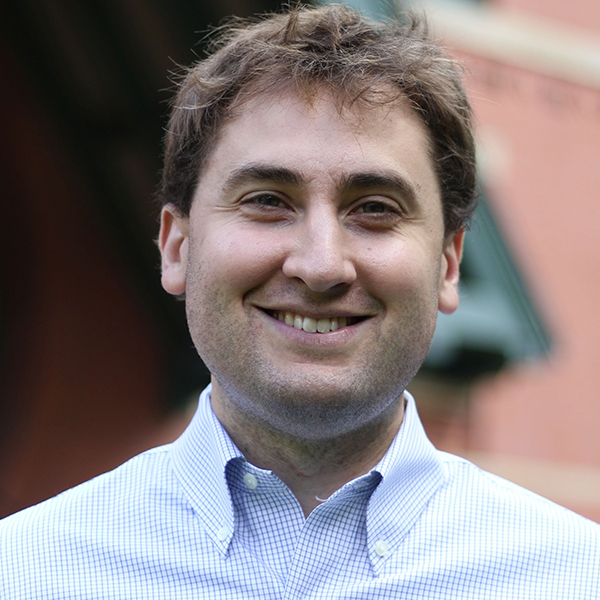
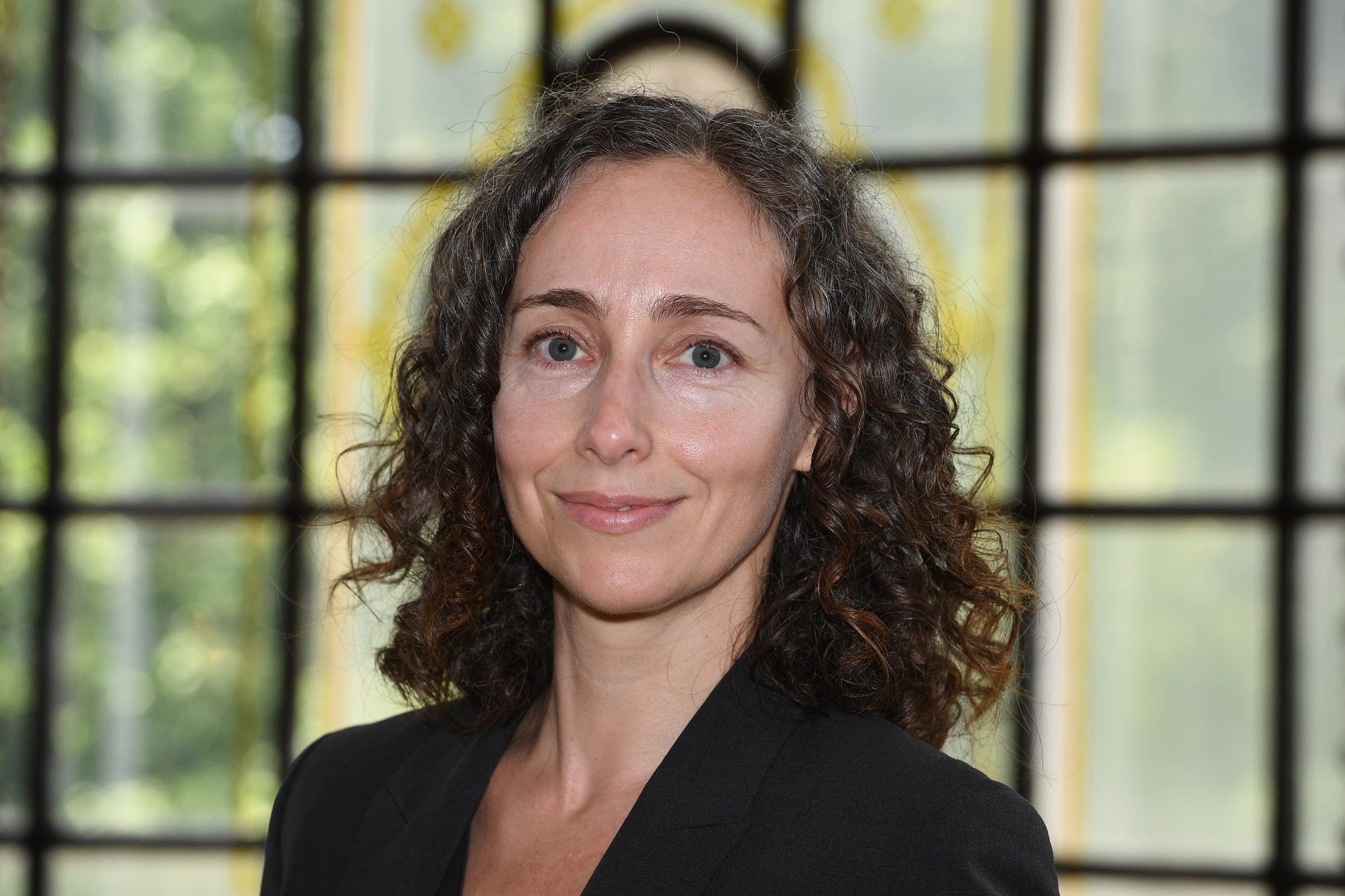
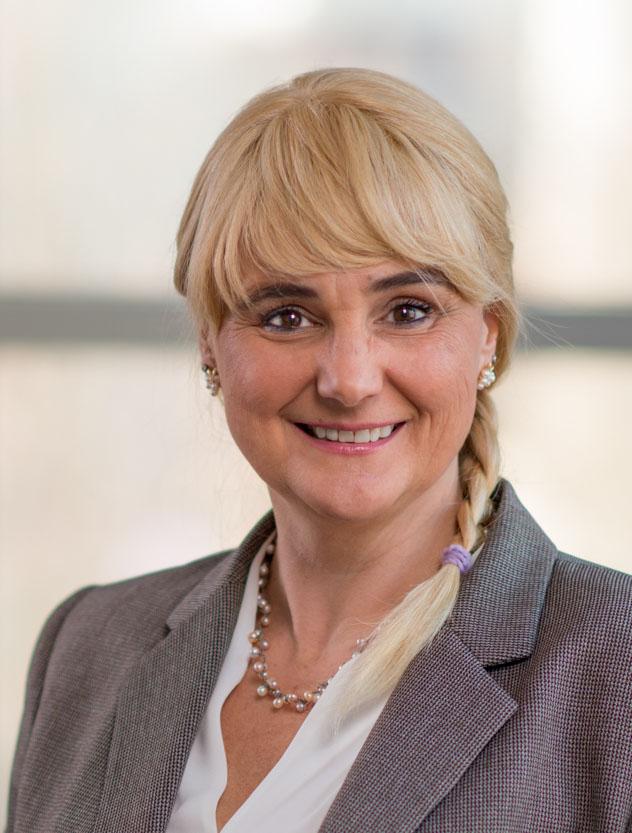
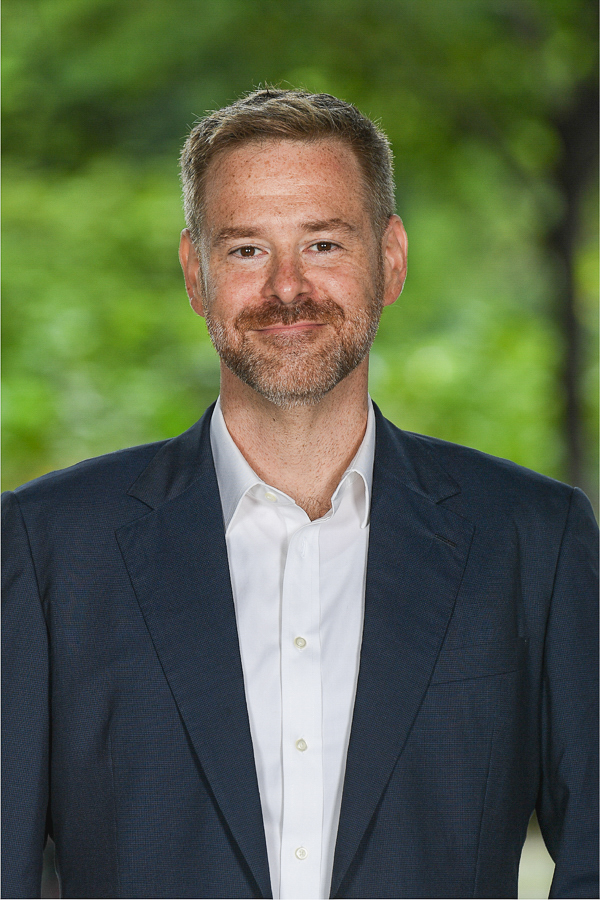
Andrew C. Stokes, PhD is an Associate Professor in the Department of Global Health at Boston University School of Public Health and Faculty Affiliate at the Hariri Institute for Computing and Center for Innovation in Social Science. He holds a PhD in Demography and Sociology from the University of Pennsylvania, with prior fellowships at Harvard Initiative for Global Health and Institute for Health Metrics and Evaluation. His research focuses on social determinants of health, mortality trends, and public health policy. Key interests include tobacco regulation, chronic disease epidemiology, and pandemic mortality analysis. He leads the Uncounted Lab , quantifying hidden deaths during the COVID-19 pandemic using innovative data methods. Dr. Stokes has published over 170 peer-reviewed articles and serves on multiple editorial boards. His work bridges demography, epidemiology, and computational modeling to address health inequities. Notable contributions include studies on unreported pandemic deaths, vaping health impacts, and obesity-related mortality.
Zakiya Begum Sayed is an Assistant Professor at the School of Social Sciences, Heriot-Watt University. With over 25 years of expertise in finance, economics, and business administration, she specializes in Corporate Finance, International Finance, Fintech, and Sustainable Investments. She is a certified SAP Trainer, ERPSIM Licensed Trainer, and licensed career coach, emphasizing inclusive learning environments aligned with UN SDGs. Research focuses on Fintech innovations, cybersecurity impacts on global markets, and AI applications in financial risk management. Teaching includes courses in Banking, Business Economics, Finance, and Fintech. Her work addresses topics like exchange rate exposure, digital payment systems, and sustainable investments in emerging markets. Recent publications analyze India's financial systems and PhonePe's growth in digital payments. Recipient of the McGraw Hill Learning Matter Grant (2025) and OSCARS (2024), she actively participates in academic networks and initiatives, including judging competitions and hosting academic visitors.
Hanna Pickard is a Bloomberg Distinguished Professor of Philosophy and Bioethics, and Krieger-Eisenhower Professor at Johns Hopkins University, with joint appointments in the William H. Miller III Department of Philosophy, the Berman Institute of Bioethics, and a secondary appointment in the Department of Psychological and Brain Sciences. She holds a DPhil in Philosophy from Oxford University and has extensive clinical experience working with individuals with personality disorders. Her interdisciplinary research bridges philosophy, cognitive science, and psychiatry, focusing on addiction, responsibility without blame frameworks, and mental health policy. Education: DPhil in Philosophy from Oxford University. Key roles include clinical work in NHS mental health services, a Wellcome Trust Fellowship, and prior academic positions at the University of Birmingham and Princeton University. She is also a Volunteer Faculty Professor at the University of Maryland School of Medicine's Department of Anatomy & Neurobiology, and 'philosopher-in-residence' at the Venniro Lab. Research interests include the philosophy of mind, moral psychology, criminal justice policy, and the ethics of mental health care. Her recent work challenges traditional addiction models, advocating for humanistic and heterogeneous approaches. She has developed an e-learning module on 'responsibility without blame' and collaborates on applying this framework to criminal justice systems. Notable publications include What Would You Do Alone in a Cage with Nothing but Cocaine? (forthcoming 2026), critiquing neurobiological addiction theories, and numerous articles on addiction science, legal accountability, and clinical ethics. Her work emphasizes interdisciplinary collaboration and real-world policy impact.
Dr. Daniel I. Rees is a Professor in the Department of Economics at the Universidad Carlos III de Madrid, and an IZA Research Fellow. He serves as coeditor of the American Journal of Health Economics and Journal of Policy Analysis and Management . He holds a B.A. from Oberlin College (1986), M.S. from University of Wisconsin-Madison (1988), and Ph.D. from Cornell University’s School of Industrial and Labor Relations (1992). His research focuses on risky adolescent behavior , prenatal stress effects on child health , and historical analyses like the mortality transition in early 20th century and Black-White infant mortality gaps . Recent work explores long-term smoking impacts and public health interventions. Key articles include studies on water purification’s role in reducing infant mortality gaps, occupational licensing’s effect on maternal health, and marijuana legalization’s public health implications. He has published extensively in journals like the American Economic Journal and Journal of Political Economy . Teaching includes graduate courses on Economics of Health Behaviors and undergraduate Global Health . His work often bridges economic policy and health outcomes, with a focus on marginalized populations.
Carolina Haass-Koffler is an Associate Professor of Psychiatry and Human Behavior and Behavioral and Social Sciences at Brown University. She holds affiliations with the Alpert Medical School, School of Public Health, Carney Institute for Brain Science, and Center for Alcohol and Addiction Studies. Her research focuses on translational studies examining biobehavioral mechanisms of addiction and developing novel pharmacological treatments. She has a PhD from Università degli Studi di Camerino (2022), PharmD from UCSF (2009), and BS from UC Berkeley (2002). She completed postdoctoral training at Brown University and UCSF. Her research interests include alcohol and other drug use, neuroimaging (fMRI), and preclinical models of addiction. Recent work explores oxytocin's role in opioid withdrawal, probenecid for alcohol use disorder, and MDMA-assisted therapy for veterans with PTSD and alcohol dependence. Her articles emphasize innovative treatments, such as insulin therapy for AUD, opioid craving quantification, and stress-system modulation. Awards include ACNP membership, NIH grants, and innovation awards for translational research. Grants include $12.5M from NIH/NIDA for entrepreneurship in biomedical product development and multiple NIAAA grants focusing on α-1 blockade and probenecid. She collaborates with researchers like Kahler, Kaun, and Swift on addiction pharmacology and clinical trials. Haass-Koffler’s lab, Clinical Neuroscience, investigates neurobiological mechanisms of addiction. She teaches courses on pharmacotherapy, stress in substance use, and ethics in addiction research.
Shelley M. Warlow is an Assistant Professor in the Department of Psychological and Brain Sciences at Dartmouth College. Her research investigates neural mechanisms underlying motivated behaviors, focusing on reward-aversion circuitry in psychiatric conditions. She employs advanced techniques including optogenetics and behavioral modeling in murine systems. Education includes a B.A./B.S. from the University of Washington and a Ph.D. from the University of Michigan. Recent publications explore neurotransmitter co-release dynamics in reward pathways and amygdala circuitry's role in incentive motivation. Research spans neural basis of addiction, depression, and decision-making, with articles frequently published in high-impact journals like Neuron and Nature Communications . Her work integrates behavioral analysis with molecular neuroscience to examine how reward circuits drive maladaptive behaviors.
Joshua Epstein is a Professor of Epidemiology at the NYU School of Global Public Health and founding Director of the NYU Agent-Based Modeling Laboratory. He holds affiliated appointments at the Courant Institute of Mathematical Sciences and the College of Arts & Sciences. Previously, he served as Professor of Emergency Medicine at Johns Hopkins University and directed the Center for Advanced Modeling in Social, Behavioral, and Health Sciences. His work focuses on agent-based computational modeling to study complex social and biological systems, including infectious disease dynamics, urban disaster preparedness, and economic behavior. Education: BA from Amherst College PhD from Massachusetts Institute of Technology Research Interests: Epstein pioneers agent-based modeling (ABM) to simulate social norms, epidemiological spread, and cultural evolution. His methodologies have been applied to topics ranging from zika vector control to computational archaeology. Key contributions include frameworks for simulating population-level behaviors and their emergent societal patterns. Awards: NIH Director’s Pioneer Award (2008) Amherst College Honorary Doctorate (2010) Sigma Xi Membership (2018) Advising & Collaborations: Epstein leads interdisciplinary teams at NYU’s ABM Lab, collaborating with institutions like Brookings Institution and Johns Hopkins. His research pipelines integrate computational fluid dynamics with agent-based models for evacuation planning and public health crisis response. Labs & Teams: Directs NYU Agent-Based Modeling Lab, affiliated with global health and mathematical sciences initiatives. Active in policy design through OECD-NAEC collaborations and computational economics.
Brian J. Hall is a tenured Professor of Global Public Health at NYU Shanghai and Affiliated Professor at NYU's School of Global Public Health in New York. He serves as Director of the Center for Global Health Equity and holds adjunct roles at Johns Hopkins Bloomberg School of Public Health and Sun Yat-sen University. His expertise spans global mental health, migrant health, and digital interventions. Hall earned his PhD in Clinical Health Psychology from Kent State University, with postdoctoral training at Johns Hopkins and UNC-Chapel Hill. Education: PhD in Clinical Health Psychology (Kent State University), NIMH T32 Fellowships in Traumatic Stress and Psychiatric Epidemiology. Research focuses on scalable mental health interventions, migration health equity, and cultural adaptations of WHO programs. He co-led the ICD-11 cultural sections and pioneered digital mental health trials in Asia. Over 320 peer-reviewed publications and 34,000+ citations highlight his impact. Awards include APA Fellowships and the Chaim Danieli Award. Leadership roles include Senior Associate Editor at Epidemiology and Psychiatric Sciences, MHADRI Steering Committee member, and Lancet Commission on Mental Health in China. Active collaborations with WHO, UNICEF, and World Bank inform global health policy.
Debra Furr-Holden is a Professor of Epidemiology and Dean at NYU Grossman School of Medicine. She previously held roles as C.S. Mott Endowed Professor of Public Health and Associate Dean at Michigan State University (MSU), and remains an adjunct professor at Johns Hopkins Bloomberg School of Public Health. Her expertise spans health equity, public health policy, and addressing disparities in drug/alcohol dependence and psychiatric epidemiology. Education: BA from Johns Hopkins University (Arts & Sciences), PhD from Johns Hopkins Bloomberg School of Public Health. Research focuses on health equity, policy-level interventions, and pandemic response. Notable contributions include leading the NIH-funded Flint Center for Health Equity Solutions, reducing racial disparities in Michigan's Covid-19 outcomes, and publishing over 120 peer-reviewed articles. Awards include the White House Presidential Early Career Award and recognition for her work on racial disparities in opioid overdose deaths. Leadership roles include appointments to Michigan’s Coronavirus Task Force on Racial Disparities and New York City’s African American Covid-19 Task Force. Her work emphasizes community collaboration, such as the Flint Community Webinar series during the pandemic. Key areas: Health equity, pandemic response, substance use disparities, and policy-driven solutions for marginalized populations.
Georg Semmler is a researcher at the Department of Clinical Research, University of Southern Denmark (SDU), with affiliations at Karolinska Institutet (KI), Odense University Hospital (OUH), and the FLASH - Centre for Liver Research in Odense. His work bridges clinical hepatology and translational research, focusing on advanced diagnostic techniques and therapeutic interventions for complex liver disorders. Dr. Semmler's research centers on chronic liver disease pathophysiology, particularly liver cirrhosis progression, alcohol-related injury mechanisms, and ascites management. He employs transient elastography and shear wave elastography for non-invasive fibrosis assessment, while recent work explores metabolic dysfunction-associated steatotic liver disease (MASLD) and rare lipid disorders like Tangier disease. His fingerprint analysis confirms dominant expertise in chronic liver disease (100%), ascites (82%), alcohol-related pathology (82%), and elastography techniques (79%). Analysis of his 2025 publications reveals a strong clinical-translational focus: therapeutic innovations like TIPS for inflammation reduction, albumin therapy for ascites, and resmetirom response monitoring in MASLD. His work consistently addresses diagnostic challenges (e.g., alcohol intake biomarker validation) and metabolic complications, demonstrating integration of hemodynamic, inflammatory, and metabolic pathways in liver disease progression. As a core member of the FLASH - Centre for Liver Research, Dr. Semmler collaborates with multidisciplinary teams across SDU, OUH, and international institutions to advance liver disease diagnostics and therapeutics through clinical trials and mechanistic studies.
Steven M. Suranovic is an Associate Professor of Economics and International Affairs at the George Washington University’s Elliott School of International Affairs. He currently serves as Director of the GW Global Bachelor’s program in Shanghai and previously directed the Masters in International Economic Policy. His academic work spans international trade, ethics in economics, behavioral models of addiction, and climate policy. Education: B.S. in Mathematics, University of Illinois at Urbana-Champaign M.S. and Ph.D. in Economics, Cornell University Professor Suranovic’s research emphasizes the integration of ethical principles into economic models and policy. He argues that free-market capitalism functions optimally only when ethical behaviors—such as honesty, respect for property, and fair competition—are upheld. His work critiques the separation of ethics from economics in traditional curricula and offers pedagogical tools to reintegrate moral reasoning into economic education. He has developed innovative teaching models that connect theoretical frameworks to real-world policy debates, especially in trade and environmental policy. His recent publications and working papers reflect a consistent focus on fairness in trade, climate change policy, behavioral responses to addiction, and the ethical foundations of capitalism. These works span journals, books, and educational materials, showing a trajectory toward both scholarly contribution and public intellectual engagement. He has also authored multiple widely used textbooks in international economics. Scientific Awards and Recognition: Fulbright Lecturer, Sichuan University, Chengdu, China (Fall 2002) Professor Suranovic has advised numerous graduate and undergraduate students, though specific names are not listed. He has received research support enabling international teaching and speaking engagements across Asia and the Pacific. His educational outreach includes directing major online learning initiatives, and he has taught summer programs at Fudan University and Victoria University of Wellington. He maintains two major educational websites: the International Economics Study Center and the Ethical Economics Study Center , which serve as hubs for open-access textbooks, video lectures, case studies, and primers on ethical behavior in markets. These platforms function as virtual labs for economic pedagogy and ethical inquiry, reaching a global audience of students and educators.
Thomas Goschke is a Professor of General Psychology at the Department of Psychology, Technische Universität Dresden since 2002. He is the Director of the Institute of General Psychology, Biopsychology and Methods of Psychology, and Acting Director of the Neuroimaging Center. His academic journey includes a Dr. phil. from Ruhr-Universität Bochum (1992) and habilitation from Universität Osnabrück (1999). He has held leadership roles including Head of Department (2004–2009) and Faculty Board member since 2003. Research focuses on cognitive control, volition, decision-making, and addiction neuroscience. Key themes include self-regulation mechanisms, neural correlates of goal-directed behavior, and interplay between emotion and decision-making. His work combines experimental psychology with neuroimaging, examining pathways in anorexia nervosa, substance use disorders, and stress effects. Notable contributions include the ReCoDe addiction consortium and studies on frontoparietal control in self-control. He spearheads interdisciplinary projects like the Volkswagen-Foundation-funded 'Control and responsibility' initiative. His research has advanced understanding of how brain networks like the salience network predict self-controlled decisions. Education: 1999 Habilitation (Psychology), Universität Osnabrück 1992 Dr. phil. (summa cum laude), Universität Osnabrück 1987 Diploma in Psychology (with distinction), Ruhr-Universität Bochum Key Roles: Principal Investigator at CILS, Humboldt University Berlin (since 2010) Member of ESADD Scientific Advisory Board (since 2009) Grant leadership includes coordinating large-scale projects on volition dysfunction and executive functioning. His lab integrates fMRI, EEG, and ecological momentary assessment to study real-world self-control dynamics. Current work explores neural mechanisms underlying decision-making under stress and the role of dopamine in impulsivity.
Tam Cai Lian is an Associate Professor at the Jeffrey Cheah School of Medicine and Health Sciences, Monash University Malaysia. She is a registered counselling psychologist and panel counsellor with the Board of Counsellors Malaysia. Dr. Tam serves as the coordinator for the Master of Professional Counselling (MoPC) program and is the unit coordinator for key courses including Children and Adolescents Counselling and Counselling Skills: Individuals and Couple. Her research focuses on adolescent mental health, drug abuse, counselling effectiveness, and socio-emotional development in Malaysia’s multi-ethnic context. She has led and contributed to numerous research projects, including international collaborations on youth depression, sleep, and anxiety, as well as localized studies on school uniforms and national identity. Her work aligns with UN Sustainable Development Goals related to mental health and well-being. Dr. Tam's recent publications (2019–2024) reflect a strong engagement with psychological distress in gaming and gambling populations, religiosity and marital satisfaction, classroom design and student engagement, and resilience among refugee children. Her research integrates psychological theory with real-world applications in education, public health, and community development. Scientific Awards: Monash-Sunway Decarbonization initiative: Microalgae farming and Native Tree Planting (23 Aug 2018, Other distinction) Dr. Tam has been actively involved in research grants and collaborative projects, including as Chief Investigator in multiple funded studies. She mentors students through the MoPC program and contributes to curriculum development and academic leadership. Her work bridges clinical psychology with public health and education, emphasizing culturally sensitive and evidence-based interventions. She is involved in research teams focusing on youth mental health across continents, neurological disease prediction using AI, and socio-emotional learning in marginalized communities. These collaborations highlight her interdisciplinary approach and commitment to impactful, translational research.
Martin Lalumière is a Full Professor in the School of Psychology at the University of Ottawa, affiliated with the Faculty of Social Sciences. He also serves as Vice-Dean, Governance and Internationalization. His academic career spans institutions including the University of Lethbridge, University of Toronto, and Centre for Addiction and Mental Health (CAMH). Education: PhD in Psychology, Queen's University at Kingston (1995) MPS in Psychology, Université de Montréal (1990) BSc in Psychology, Université de Montréal (1989) His research centers on clinical and forensic psychology, particularly psychopathology, sexual deviance, phallometric testing, and sexual victimization. He investigates mechanisms of sexual arousal, assessment tools for pedophilic interest, and physiological responses in nonconsensual contexts. His work bridges clinical science, criminology, and mental health law. His recent publications reveal a strong focus on the validity of assessment instruments in forensic psychology, the interpretation of physiological sexual responses, and integrative models of psychopathology. These works predominantly appear in high-impact journals such as Archives of Sexual Behavior and The Journal of Sex Research , indicating sustained scholarly productivity and specialization in sexual behavior and clinical assessment. Scientific Awards: No awards listed in the provided text. Martin Lalumière actively supervises graduate students, including Kailey Roche, Enya Levaque, and Lucas Walters, indicating an ongoing commitment to mentorship and research training. There is no mention of external grants or funding sources in the provided content. He has held leadership roles in academic governance and has built a career integrating research, teaching, and administration across multiple institutions. He is associated with research teams and labs focused on sexual behavior and forensic assessment, though specific lab names are not provided. His prior affiliations with CAMH and the Law and Mental Health Program suggest deep engagement with clinical and legal applications of psychological science.
Olivia Sugarman, PhD, MPH, is an Assistant Scientist in the Department of Health Policy and Management at the Johns Hopkins Bloomberg School of Public Health. Her research centers on health policy and services for marginalized populations, particularly people who use drugs and those involved in the criminal-legal system. She utilizes mixed methods, health behavior frameworks, and community-partnered research to evaluate policies affecting access to mental health and substance use treatment, with a focus on equity and harm reduction. PhD in Behavioral and Community Health Sciences, LSU Health Sciences Center, 2022 MPH in Global Community Health and Behavioral Sciences, Tulane University, 2016 BS in Pre-Professional Sciences, University of Notre Dame, 2014 Postdoctoral Training, Bloomberg Overdose Prevention Initiative, Johns Hopkins, 2022–2024 Dr. Sugarman’s research interests include opioid use disorder, HIV/HCV, Medicaid policy, incarceration and health, and program evaluation. She investigates how policy reforms impact treatment access and outcomes, including studies on buprenorphine retention, naloxone distribution, and co-treatment of hepatitis C and addiction. Her work often involves analyzing large administrative datasets and qualitative community input. Her recent publications reveal a strong focus on emerging drug supply threats like xylazine, state-level policy responses, and overdose prevention strategies. She has published in leading journals such as Health Affairs , JAMA Health Forum , and Drug and Alcohol Dependence , highlighting trends in policy evaluation, health equity, and real-world implementation of evidence-based interventions. Scientific Awards: Teaching Excellent Recognition, Course 305.861.71: Graduate Seminar in Injury Research and Policy, Term 1, 2024 Dr. Sugarman has been involved in significant grant-funded projects, including the Bloomberg Overdose Prevention Initiative, where she leads evaluation efforts across seven states. She mentors students and collaborates widely with public health agencies and community organizations. She has advised on policy implementation and evaluation, particularly in Maryland and Louisiana. Her work bridges research, policy, and community engagement to improve health outcomes for vulnerable populations. She is actively involved in research teams focused on overdose prevention, mental health policy in correctional settings, and harm reduction service delivery. Her lab and collaborative networks include data scientists, epidemiologists, and policy analysts working on linked state databases and mixed-methods studies.